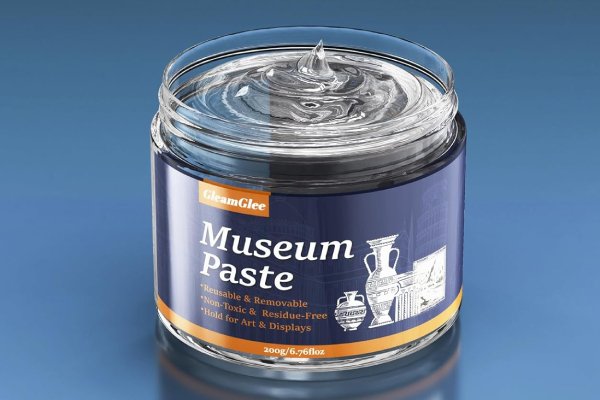
DIY Tape Residue Removal: A Definitive Guide

The challenge is not simply finding something strong enough to dissolve glue. The real goal is to remove the adhesive without clouding plastic, lifting paint, dulling wood, scratching glass, or damaging a vehicle finish.
Fabric Glue for Holiday Decorations: A Creative DIY Guide
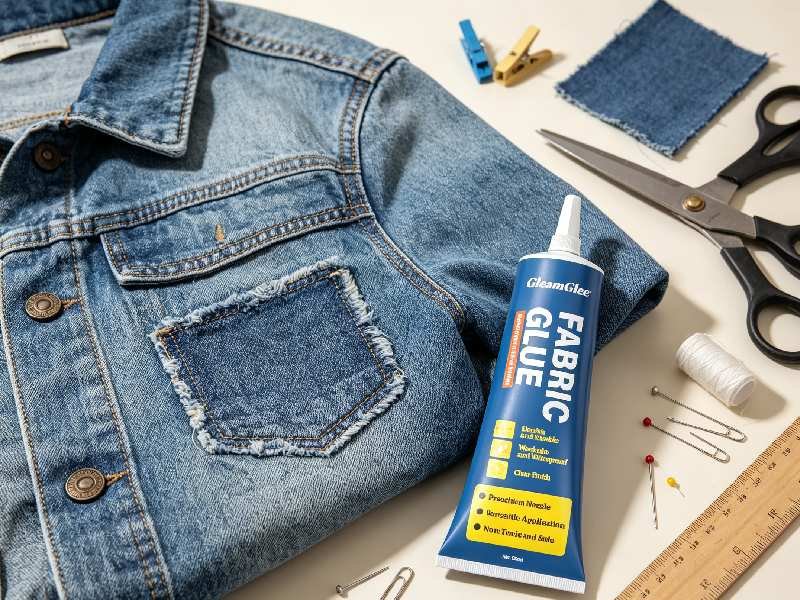
Holiday decorating often begins with a familiar problem: the ideas look beautiful, but the sewing machine is buried in a closet, the hot-glue gun feels too bulky for delicate fabric, and store-bought décor lacks personality. Fabric glue offers a practical middle ground. It can turn felt, cotton, ribbon, lace, denim, burlap, and leftover fabric into ornaments, wreaths, banners, stockings, table accents, and reusable gift decorations without requiring advanced sewing skills.
DIY Quilting and Patchwork with Fabric Adhesive: A Practical Guide

A quilt may contain hundreds of carefully measured fabric pieces, yet one small movement during positioning can distort an entire row or pull an otherwise sharp point out of alignment. Fabric adhesive gives quilters another way to control those movements. It can hold appliqué shapes, stabilize small patches, support quilt labels, keep narrow trims straight, reduce pinning, and simplify decorative no-sew projects.
Non-Toxic Fabric Glue for Kids’ Clothes: A Safer Guide

Children’s clothing places more strain on a repair than many adults expect. A glued patch on a pair of school trousers may be folded, stretched, washed, dried, rubbed against playground equipment, and pulled during dressing several times in a single week. A suitable adhesive therefore needs to do more than hold two pieces of fabric together during the first few minutes. It must remain flexible, visually clean, comfortable against the garment, and durable under the item’s normal washing routine.
Fabric Glue vs Sewing for DIY Projects: An Authoritative Guide

Fabric glue is usually better for fast, low-to-medium-stress DIY work such as hems, patches, appliqués, ribbons, and decorative repairs. Sewing is usually better for structural seams, fitted garments, straps, and areas exposed to repeated pulling. The right choice depends on the fabric, contact area, washing frequency, required flexibility, available tools, and whether the finished repair may need to be altered later.
How to Use Fabric Glue on Curtains and Home Textiles : A No-Sew Guide
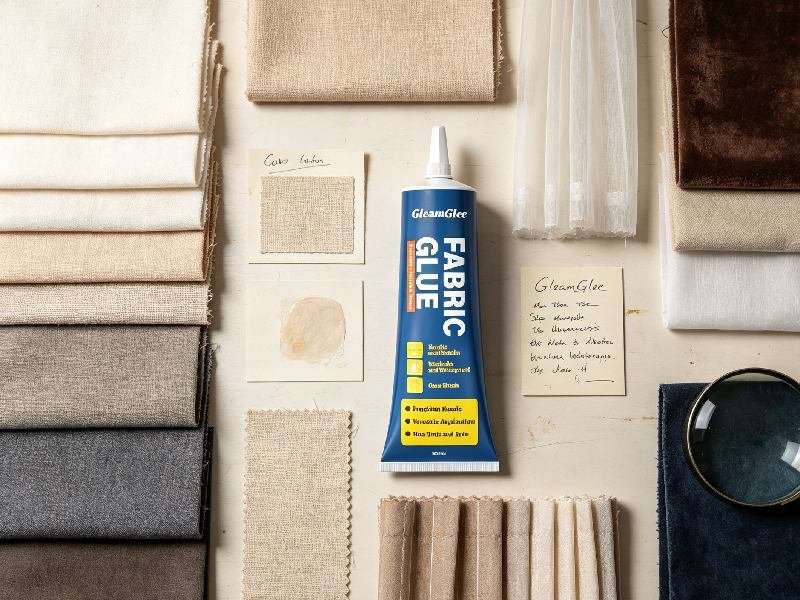
Curtains and household textiles are often replaced for surprisingly small reasons: a loose hem, a short opening along a seam, a detached decorative trim, or a tear hidden behind a cushion. Sewing remains an excellent repair method, but it is not always practical. Many homes do not have a sewing machine, some fabrics are difficult to control under a needle, and a simple repair may not justify sending an item to a professional alteration service. A suitable fabric glue can turn many of these problems into manageable no-sew projects.
What Is the Best Solution for Cleaning Shoes : A Material-Safe Guide
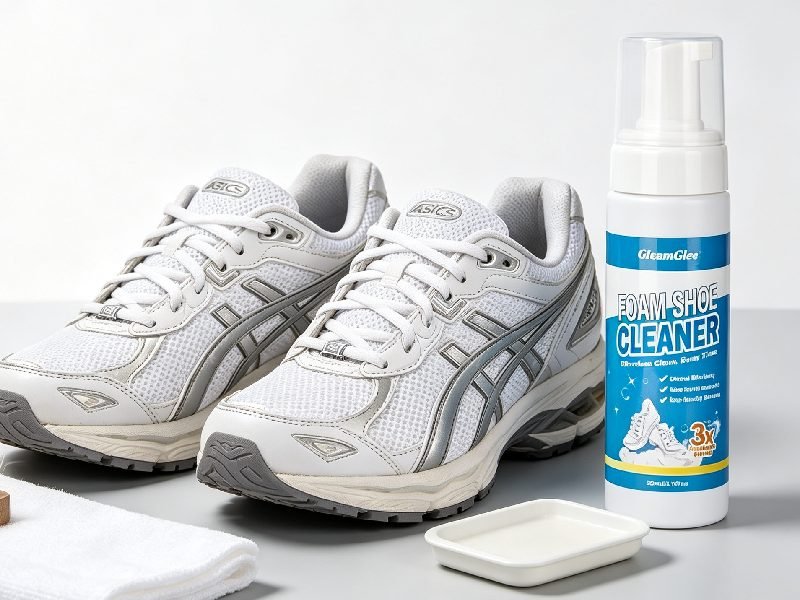
The best solution for cleaning shoes is a mild, low-residue cleaner chosen for the shoe material and stain. Canvas, mesh, rubber, and many synthetic uppers usually tolerate diluted mild soap or a dedicated sneaker cleaner. Smooth leather needs a leather-safe product, while suede and nubuck require dry brushing and specialist care. Patch-test first, use limited moisture, clean by hand, and air-dry away from heat.
What are the pros and cons of fabric glue?
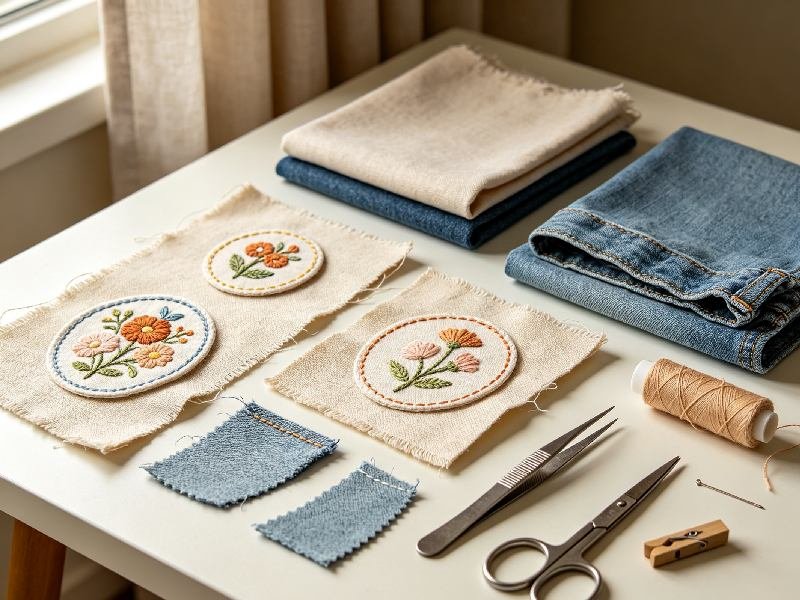
Fabric glue is fast, convenient, and effective for hems, patches, embellishments, crafts, and many low-to-moderate-stress textile repairs. Quality formulas can dry clear, remain flexible, and withstand washing. Its disadvantages include possible stiffness, bleed-through, difficult removal, limited performance on coated or highly elastic fabrics, and lower reliability than stitching on structural seams exposed to repeated pulling.
Does Super Glue Work on Fabric : What You Should Know Before Gluing
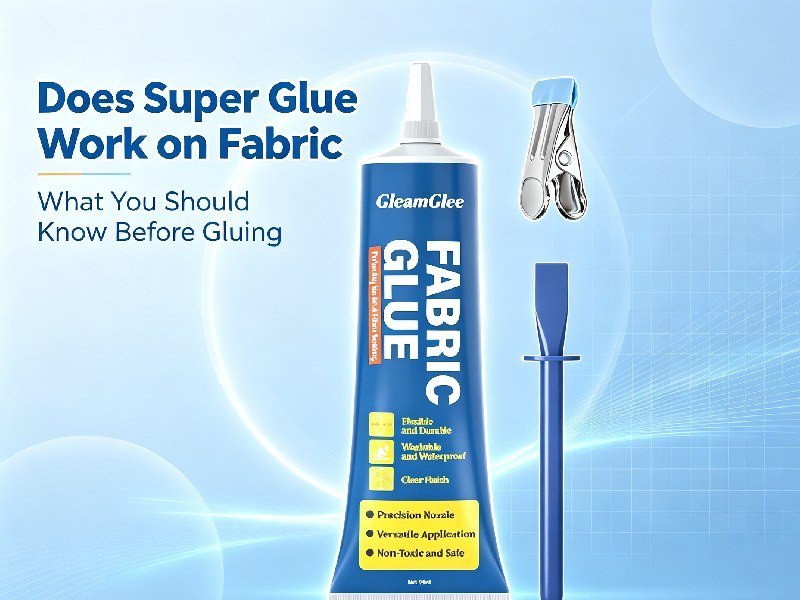
Super glue can bond some fabrics, but it is rarely the best choice for washable clothing or flexible textile repairs. Most conventional super glues cure into a relatively rigid layer that may stiffen the fabric, bleed through porous material, leave visible marks, or crack during repeated movement. Cyanoacrylate can also react rapidly with cotton and wool, producing enough heat to damage fibers or burn skin. A purpose-made fabric glue is usually more suitable when the repair must remain soft, clear, flexible, washable, and comfortable.
What Type of Cleaners Can You Use on Shoes : Complete Guide

The safest cleaners for shoes are material-compatible products. Mild, low-residue foam or diluted soap can clean many canvas, mesh, knit, rubber, and synthetic shoes. Finished leather usually needs a pH-balanced leather cleaner, while suede and nubuck respond better to dry brushes, suede erasers, and specialized low-moisture formulas. Every cleaner should be tested on a hidden area before wider use.