Fabric Glue for Bags, Hats & Accessories : Complete Guide
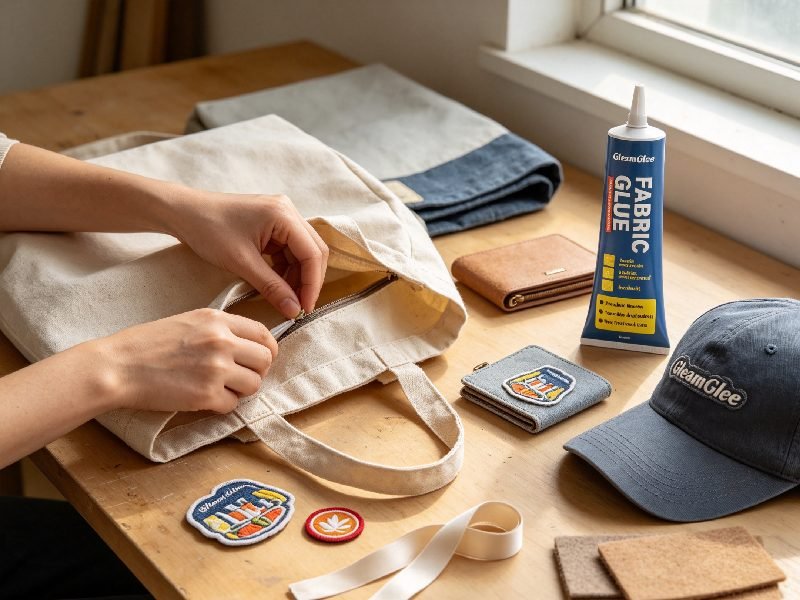
A loose backpack lining, a lifting patch, or a torn hat sweatband may look like a minor problem, but these small failures often decide whether an accessory remains useful or gets thrown away. Sewing is reliable, yet it is not always practical on curved caps, narrow pouches, layered bag panels, or projects covered with embroidery and decorative trim. The right fabric glue offers another option, but only when the adhesive matches the material, movement, and stress involved.
How to Remove Excess Fabric Glue After Use : Safe Tips for Wet and Dried Glue
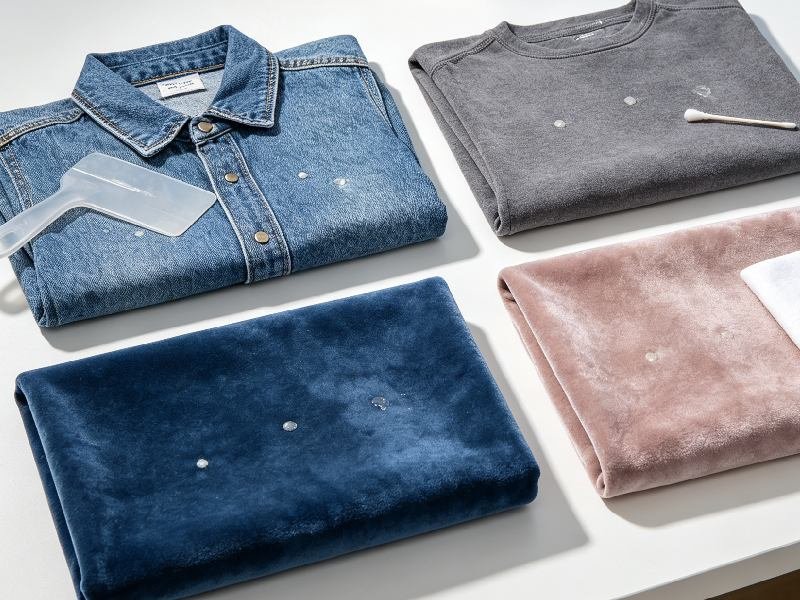
A small line of excess fabric glue can turn an otherwise successful repair into a frustrating cleanup job. The problem is rarely the glue alone. Timing, fabric type, adhesive chemistry, dye stability, surface finish, and the amount of pressure used during removal all influence the final result. A method that works well on heavy cotton may fade printed polyester, flatten velvet, stretch knitwear, or push wet adhesive deeper into upholstery.
How Do You Apply Fabric Glue Correctly : A Step-by-Step Guide
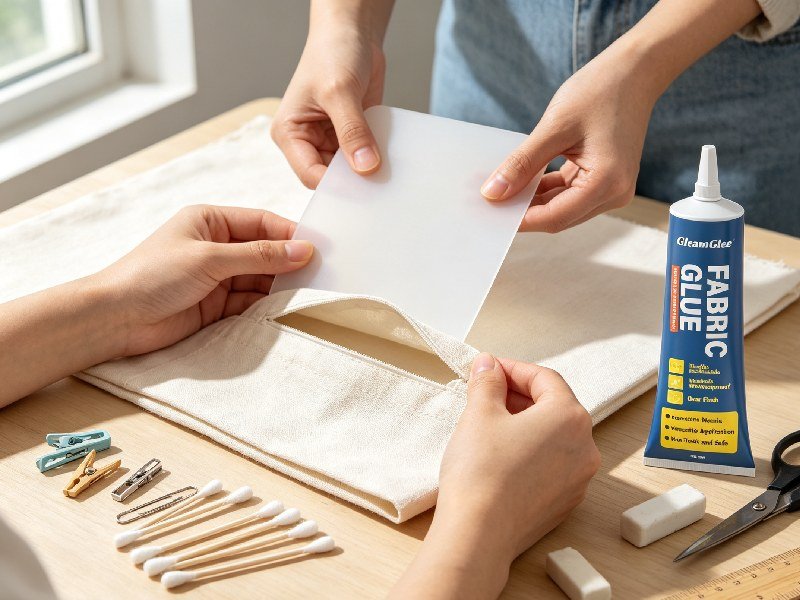
Fabric glue seems simple to use: apply it, press the materials together, and wait. In practice, the quality of the result depends on much more than whether the adhesive feels sticky. Fabric type, surface preparation, application thickness, pressure, alignment, temperature, and curing time all influence whether a repair remains clean and flexible or becomes stiff, visible, and easy to peel.
best leather glue for shoes
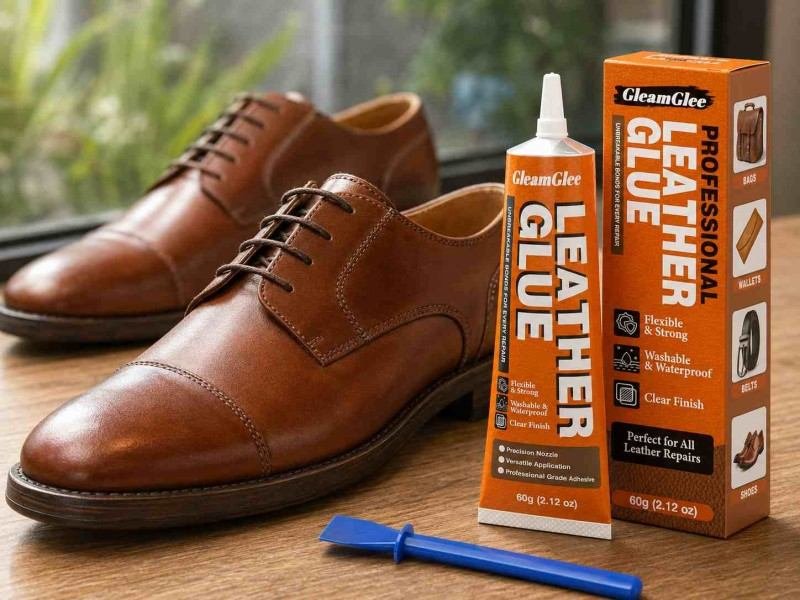
A loose sole does not always mean a favorite pair of shoes has reached the end of its useful life. In many cases, the leather upper, lining, cushioning, and outsole remain serviceable, while only the original adhesive layer has weakened. The difficulty lies in choosing a replacement glue that can cope with constant bending, body weight, moisture, impact, temperature changes, and the different surface properties of leather and modern sole materials.
Fabric Glue for Costumes and Cosplay Projects : How to Choose and Use It
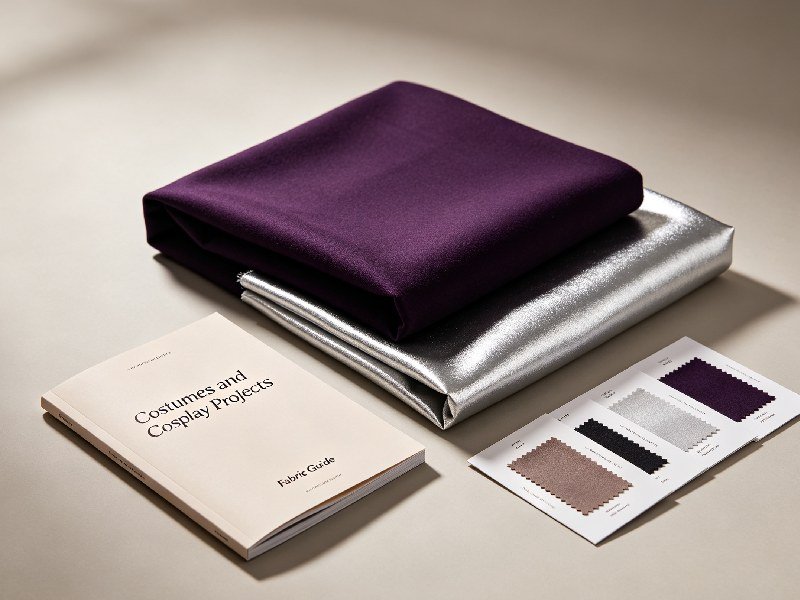
Fabric glue is suitable for costumes and cosplay when it forms a clear, flexible bond without making the garment stiff or visibly stained. It works especially well for hems, patches, ribbons, trims, appliqués, sequins, lightweight embellishments, and many fabric-to-fabric repairs. The final result still depends on surface preparation, glue quantity, pressure, material compatibility, and full curing time.
Fabric Glue for Leather and Suede : A Complete Guide
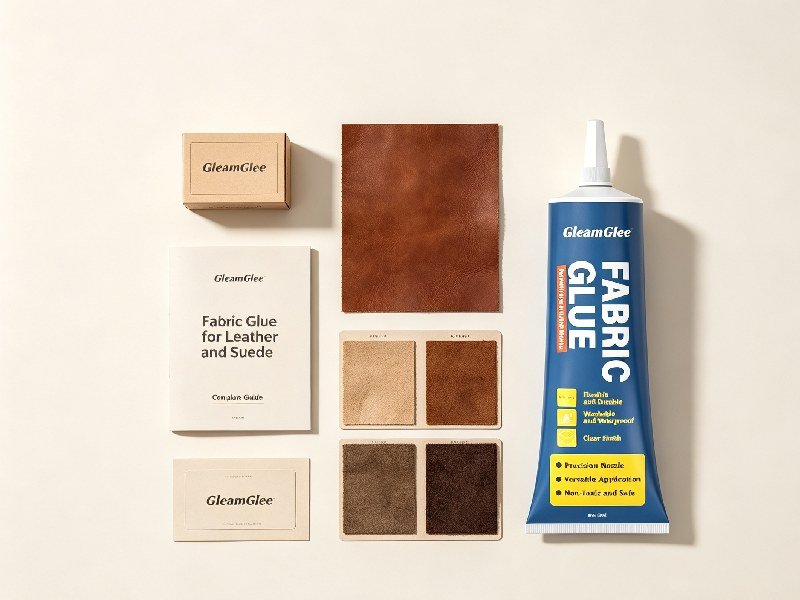
Fabric glue can work on leather and suede when the formula remains flexible, the bonding faces are clean, and the finished joint carries light or moderate stress. Apply a thin, controlled layer, press the materials evenly, and allow the full stated cure time. Finished leather, oily hides, delicate suede, and load-bearing joints require testing and may need specialist leather adhesive, stitching, or mechanical reinforcement.
How to Bond Mixed Fabrics Using Fabric Glue: A Reliable Guide
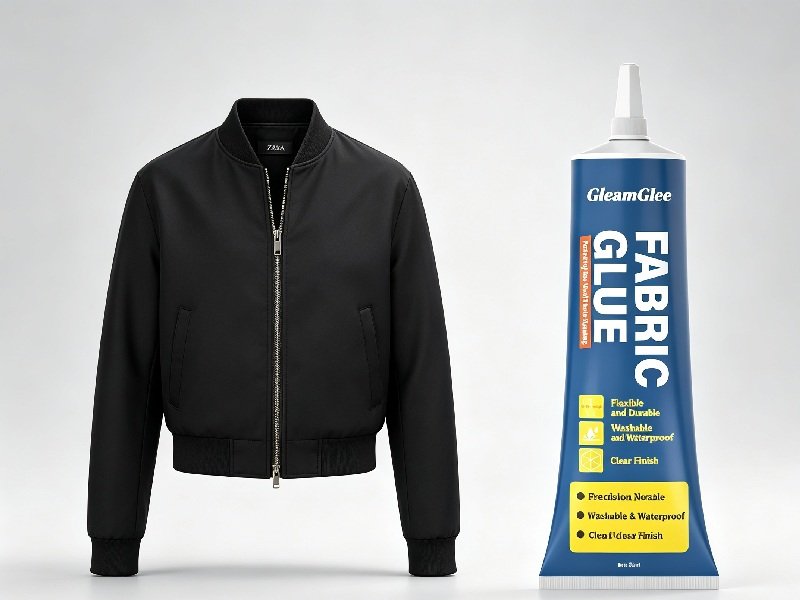
Most fabric repairs look simple until two different materials are involved. A cotton patch may stick easily to a cotton shirt, but bonding polyester to canvas, leather to fabric, or nylon to stretch cloth can quickly become frustrating. One side absorbs glue too fast, the other side feels too smooth, and the finished repair may […]
How to Repair Wooden Toys Using Wood Glue : An Expert Guide
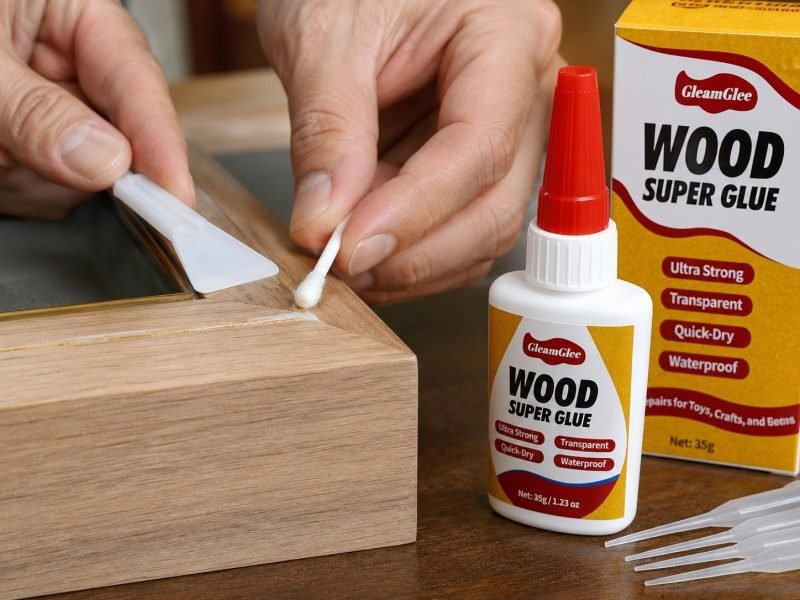
To repair wooden toys using wood glue, clean and dry the broken area, check that the parts fit tightly, apply a thin layer of wood glue, press the pieces together, remove extra glue before it hardens, and allow the repair to cure fully. Before giving the toy back to a child, check the bond strength, edges, and any small detachable parts.
How to Apply Wood Glue Neatly for Clean Repairs : A Professional Guide
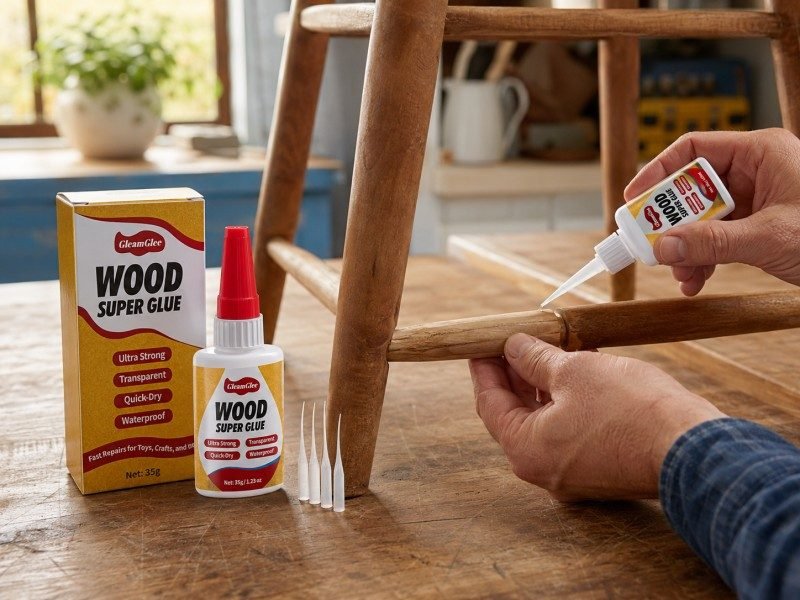
To apply wood glue neatly, clean and dry the wood first, test the joint fit, then apply a thin line of glue with a precision nozzle. Spread only enough glue to cover the bonding surface, press the pieces together evenly, and remove small squeeze-out before it fully hardens. For visible repairs, clear-drying wood glue and controlled application help keep the seam clean.
How to Use Metal Glue for Tiny Repairs : A Complete Guide
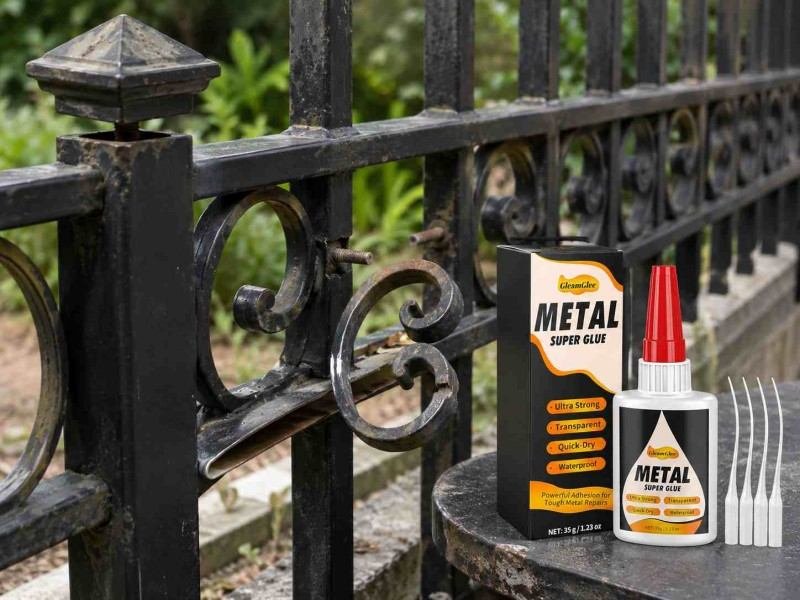
Metal glue is used for tiny repairs by cleaning and drying the metal, lightly roughening smooth surfaces when needed, applying a thin layer of glue, pressing the parts together for 5–10 seconds, wiping excess glue, and allowing enough curing time before use. It works best on small, close-fitting, non-structural metal repairs.