 Skip to content
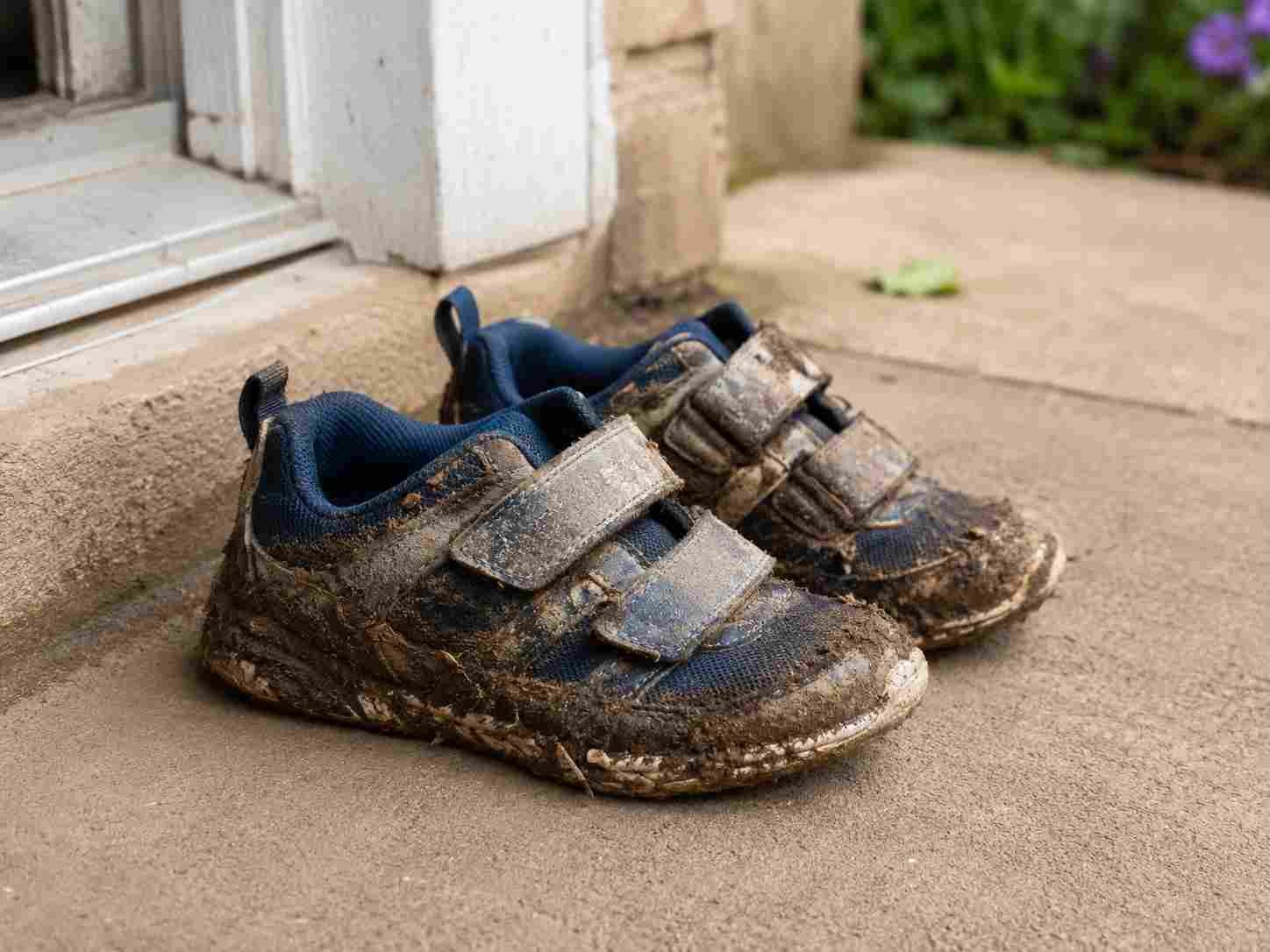
A cleaner that works perfectly on a kitchen counter can permanently damage a favorite pair of shoes. Footwear is rarely made from one material alone. A modern sneaker may combine mesh, synthetic leather, foam, rubber, printed graphics, textile lining, metal eyelets, and adhesive-bonded overlays. Each component responds differently to water, detergent, friction, solvents, and heat, so selecting a cleaner by convenience alone often leads to fading, stiffness, watermarks, or separation around glued edges.
The safest cleaners for shoes are material-compatible products. Mild, low-residue foam or diluted soap can clean many canvas, mesh, knit, rubber, and synthetic shoes. Finished leather usually needs a pH-balanced leather cleaner, while suede and nubuck respond better to dry brushes, suede erasers, and specialized low-moisture formulas. Every cleaner should be tested on a hidden area before wider use.
Consider a white running shoe with grease on the mesh, dried mud around the stitching, scuffs on the rubber midsole, and odor inside the lining. One aggressive cleaner may spread the grease, roughen the mesh, dull the sole, and leave fragrance without addressing the odor source. A better result comes from treating each material and problem separately. Understanding that distinction turns shoe cleaning from guesswork into a repeatable care process.
What Cleaners Can You Use on Shoes?
Shoes can be cleaned with ready-to-use foams, liquid concentrates, mild soap solutions, wipes, leather lotions, suede erasers, sole cleaners, and interior deodorizers. The correct option depends on the upper material, stain type, color stability, finish, and shoe construction. No cleaner should be considered safe for every surface, particularly when footwear includes suede, unfinished leather, printed coatings, metallic details, or aging adhesive bonds.
Main Cleaner Types
Ready-to-use foam is one of the most practical choices for routine sneaker cleaning because it limits the amount of free liquid placed on the surface. Foam remains visible while it is being worked into mesh, canvas, or synthetic panels, helping users avoid soaking padded areas. It usually performs well on everyday dust, light mud, and surface grime, although deeply absorbed oil may require a stronger, material-compatible treatment.
Liquid cleaners may be sold as ready-to-use products or concentrates. Ready-to-use liquids provide consistent strength, while concentrates reduce packaging and shipping volume for frequent users. Accurate dilution is essential because a mixture prepared too strongly can leave surfactant residue, stiffness, or pale drying marks. A mixture prepared too weakly may spread soil without lifting enough of it from the surface.
Cleaning wipes are useful for travel, retail demonstrations, and fresh marks on smooth synthetic materials or rubber. Their limited liquid volume makes them convenient, but they rarely penetrate deeply enough for heavily soiled canvas or mesh. Suede erasers and dry cleaning blocks operate through gentle abrasion instead of liquid chemistry, making them valuable for materials where even a small amount of moisture can create visible darkening.
| Cleaner Type | Best Use | Moisture Level | Suitable Materials | Main Limitation |
|---|---|---|---|---|
| Ready-to-use foam | Routine sneaker cleaning | Low to medium | Mesh, canvas, knit, synthetics | May not remove deep oil |
| Ready-to-use liquid | General surface cleaning | Medium | Canvas, rubber, coated synthetics | Easier to overapply |
| Concentrated cleaner | Frequent or professional cleaning | Adjustable | Depends on formula and dilution | Mixing errors affect results |
| Cleaning wipes | Quick surface maintenance | Low | Smooth synthetics and rubber | Limited deep-stain removal |
| Leather lotion | Cleaning and conditioning | Low | Finished smooth leather | Not suitable for suede |
| Suede eraser | Dry scuffs and polished marks | Very low | Suede and nubuck | Limited effect on liquid stains |
| Sole cleaner | Ground-in outsole dirt | Medium | Rubber midsoles and outsoles | May damage delicate uppers |
| Deodorizing spray | Interior odor control | Low | Linings and removable insoles | Does not remove visible soil |
How Shoe Cleaners Work
Most water-based shoe cleaners rely on surfactants that reduce the surface tension of water and help separate oily soil, fine dust, and dirt particles from fibers or coated surfaces. Once loosened, the soil can be lifted with a brush or absorbed into a microfiber cloth. Balanced formulas may also contain chelating agents for mineral deposits, stabilizers for consistent texture, preservatives for storage safety, and fragrance at a controlled level.
More foam does not automatically indicate better cleaning. Some formulas create a large volume of bubbles but leave behind considerable residue, especially inside absorbent canvas and open mesh. A lower-foaming product may produce a cleaner final result when it loosens soil efficiently and wipes away without leaving a sticky film. Residue matters because detergent trapped in textile fibers can attract fresh dust and cause rapid resoiling.
The pH level also affects compatibility. Many general sneaker cleaners are formulated within a mildly acidic to mildly alkaline range, often close to pH 6–8, although a safe range still depends on the complete formulation and the material being cleaned. Strong alkaline products can affect dyes and finishes, while highly acidic products may alter leather coatings, metal details, foam surfaces, or printed decoration.
Universal and Specialized Cleaners
Universal shoe cleaners are useful for common sneaker combinations involving mesh, canvas, synthetic leather, rubber, and foam. Their main advantage is convenience, particularly for households that maintain several pairs of casual shoes. A universal label, however, should never replace inspection of care instructions, decorative finishes, or colorfastness. The same formula may clean one synthetic panel safely while affecting an adjacent printed logo.
Specialized cleaners are more appropriate when the material has little tolerance for moisture or chemical variation. Smooth leather benefits from a formula that removes surface soil without stripping excessive natural or finishing oils. Suede and nubuck require products designed to preserve the raised nap. Rubber sole cleaners may provide stronger soil removal, but their abrasiveness or alkalinity may be unsuitable for a delicate textile upper.
One pair may therefore require two or three products. A running shoe might need mild foam on the mesh upper, a firmer sole cleaner around the rubber edge, and a separate odor treatment inside the insole. Treating the shoe as several connected surfaces usually produces a cleaner appearance and reduces unnecessary exposure of sensitive materials.
When Mild Cleaning Is Enough
Not every dirty shoe requires full wet cleaning. Regular dry brushing removes dust and grit before they become embedded in stitching, mesh openings, or textured rubber. A lightly damp microfiber cloth may be enough for fresh marks on a coated synthetic upper. Frequent light maintenance often preserves appearance better than occasional deep cleaning with concentrated detergent and hard brushing.
Aggressive cleaning can shorten the useful life of footwear even when the shoe looks brighter immediately afterward. Repeated soaking may weaken laminated layers, move dyes, or expose aging adhesive bonds. Heavy brushing can roughen knit yarns, polish suede nap, or scratch leather finishes. The safest long-term method is to begin with the least aggressive treatment and increase cleaning strength only after the dried result has been inspected.
High-contact areas such as toes, heel counters, sole edges, and eyelet zones usually account for most visible dirt. Cleaning those sections first may restore the overall appearance without saturating the entire shoe. A complete wash is better reserved for footwear with widespread embedded soil, provided the manufacturer allows that level of moisture.
Which Cleaner Fits Each Shoe Material?
Finished leather generally needs a leather-specific cleaner, while suede and nubuck require dry or low-moisture care. Canvas, mesh, knit, rubber, and many synthetic materials can often tolerate a mild, low-residue foam or diluted soap solution. When several materials appear on one shoe, each panel should be cleaned separately because the safest product for one surface may damage another.
Leather Shoes
Smooth finished leather has a protective surface layer, but it can still lose oils, change gloss, or become stiff when exposed to strong detergents. Ordinary dust should first be removed with a dry microfiber cloth. For heavier grime, a leather foam, cream, or lotion designed for footwear offers more predictable results than dish detergent or a general household spray.
Apply the cleaner to the cloth rather than pouring it directly onto the shoe. Work across small sections using light, overlapping movements, then remove loosened soil before it dries back onto the surface. Once the leather has dried naturally, a compatible conditioner may restore flexibility and help reduce the dry feeling caused by repeated cleaning or environmental exposure.
Unfinished, aniline, vegetable-tanned, distressed, and hand-finished leathers absorb liquid more readily than heavily coated leather. They may darken immediately and may not return fully to their original appearance. Patch testing is especially important on those materials. Patent leather requires another approach because abrasive powders and strong solvents can cloud or soften the glossy coating.
Suede and Nubuck
Suede and nubuck are sensitive because their appearance depends on a uniform layer of raised fibers known as nap. Moisture can flatten those fibers, create tide lines, or make one area appear darker than another. Oily cleaners and smooth-leather conditioners can permanently change both color and texture, so dry cleaning methods should always be attempted first.
Allow wet mud to dry naturally before brushing. Use a suede brush with light, controlled strokes to remove loose dirt and lift compressed fibers. A suede eraser can reduce dry scuffs and shiny marks, but excessive pressure may polish the surface and leave a smoother patch that reflects light differently from the surrounding material.
When dry treatment is insufficient, use a product specifically labeled for suede or nubuck. Apply a limited amount and treat a broader, even section rather than saturating only the center of a stain. After complete air-drying, brush the surface again to restore the nap. Household soap, furniture polish, leather cream, and heavy detergent should remain off suede.
Canvas, Mesh, and Knit
Canvas is durable, but its absorbent weave holds both dirt and detergent. Mild foam or a very dilute soap solution works well for routine cleaning when it is applied in controlled sections. A soft brush can loosen embedded soil, while a clean damp cloth removes suspended dirt and excess product before the material dries.
Mesh and engineered knit require gentler mechanical action. Their open structures trap dust and mud, but stiff brushes can snag yarns, create fuzzing, stretch openings, or damage bonded reinforcement. Allowing the cleaner a brief contact period gives surfactants time to loosen soil, reducing the need for forceful scrubbing. Several light passes are safer than one aggressive attempt.
Textile shoes should not be soaked unless the care label clearly permits immersion or machine washing. Water can move dye between panels, enter padding, affect internal reinforcement, and reach glued layers. After cleaning, plain white absorbent paper can be placed loosely inside the shoe to preserve shape and draw moisture from the lining without transferring ink.
Synthetic Uppers and Rubber Soles
Synthetic uppers may be made from polyurethane-coated fabric, microfiber, polyester, thermoplastic film, artificial leather, or combinations of those materials. Many tolerate a mild foam, but strong solvents can soften surface coatings, remove printed graphics, or cause laminated areas to peel. Smooth sections usually need only a microfiber cloth, while textured panels may require a soft brush.
Pay close attention to decorative overlays, logos, piping, and bonded panel edges. Cleaning liquid can migrate beneath an area that has already started lifting, which may worsen separation during drying. Direct spraying should be avoided around damaged seams or exposed adhesive lines. A cloth-based application gives better control and reduces penetration.
Rubber midsoles and outsoles generally tolerate firmer brushing than the upper. A dedicated sole cleaner or diluted mild detergent can remove ground-in dirt. Melamine sponges may reduce black scuffs on plain white rubber, but they work through micro-abrasion and may dull paint, printed details, or glossy finishes.
| Shoe Material | Preferred Cleaner | Recommended Tool | Moisture Control | Main Risk |
|---|---|---|---|---|
| Finished leather | Leather foam or lotion | Microfiber cloth | Light application | Drying and gloss change |
| Suede | Suede eraser or specialist cleaner | Suede brush | Very low | Watermarks and flattened nap |
| Nubuck | Nubuck-specific cleaner | Fine suede brush | Very low | Permanent darkening |
| Canvas | Mild foam or diluted soap | Soft brush | Moderate | Residue and dye migration |
| Mesh | Low-residue foam | Very soft brush | Low | Snagging and stretching |
| Knit | Mild textile-safe cleaner | Cloth or soft brush | Low | Fiber distortion |
| Coated synthetic | Ready-to-use mild cleaner | Microfiber cloth | Low | Coating separation |
| Rubber sole | Sole cleaner or mild detergent | Medium-soft brush | Moderate | Abrasion of paint or logos |
Are Household Cleaners Safe for Shoes?
Some household cleaners can be used on selected shoe materials, but their concentration and additives make the result less predictable than a dedicated shoe cleaner. Diluted mild dish soap can work on canvas, mesh, rubber, and many synthetics. Baking soda, vinegar, laundry detergent, alcohol, and micellar water have narrower uses and should always be patch-tested before broader application.
Dish Soap and Laundry Detergent
Mild dish soap is widely used because it can lift light grease and everyday soil from rubber, canvas, mesh, and some synthetic uppers. Concentration is the main control point. One or two drops in approximately 250 milliliters of cool or lukewarm water is often enough for light cleaning. The solution should feel slightly soapy rather than thick, slippery, or heavily foamed.
A simple, dye-free product without lotion, disinfectant, or intense fragrance is generally easier to remove. Heavy-duty degreasing detergents may work well on cookware but can be unnecessarily aggressive on shoe finishes and printed decoration. Foam should be transferred to a cloth or brush instead of pouring the mixture directly onto the shoe.
Laundry detergent is formulated for a full wash cycle with extensive rinsing, so hand application on footwear creates a greater residue risk. Concentrated liquid can remain inside seams, padding, and mesh, causing stiffness or pale drying marks. If a care label allows machine washing, use only a small amount of mild liquid detergent and avoid products with excessive brighteners or fragrance.
Baking Soda and Vinegar
Baking soda is mildly alkaline and abrasive. It may help reduce surface marks on plain white rubber and can absorb some odor when used dry in a removable pouch. A thick paste, however, may become trapped inside stitching and mesh, leaving a chalky film that requires repeated rinsing. Colored canvas, soft coatings, leather, and suede may show visible changes after abrasive treatment.
When treating white rubber, use a thin mixture and light pressure. Keep the paste away from painted logos, colored midsoles, or textile edges. Remove all residue before drying because powder that remains in grooves may harden and become more difficult to dislodge later.
White vinegar is acidic and may help dissolve mineral deposits or salt marks on compatible surfaces. A carefully tested mixture of equal parts vinegar and water is sometimes used for limited spot treatment, but vinegar can change dyes, dry leather, affect coatings, or leave a persistent odor. Vinegar must never be mixed with bleach because the reaction can release dangerous chlorine gas.
Alcohol and Micellar Water
Rubbing alcohol can dissolve some inks, oils, adhesive residue, and transfer marks. The same solvent action may remove dye, soften printed decoration, dry leather, or weaken a protective coating. It should only be considered for a tiny spot on a compatible hard surface after testing, rather than being spread across an entire shoe.
Alcohol is particularly risky on suede, unfinished leather, painted midsoles, and laminated details. Damage may not appear immediately. Repeated treatment can gradually change gloss, flexibility, or color, even when the first application seems successful. A mild shoe cleaner is generally a safer choice for broad cleaning.
Micellar water contains cleansing agents designed to lift oils from skin, and some formulas can remove light soil from smooth leather or synthetic surfaces. Cosmetic products may also contain moisturizers, fragrance, and preservatives that leave a film. A skin-care label does not guarantee compatibility with porous fabric, foam, rubber, or adhesive-bonded decoration.
Why Dedicated Formulas Are More Predictable
A professionally formulated shoe cleaner can be designed around controlled wetting, foam density, residue, fragrance, packaging, material compatibility, and shelf stability. Household products are optimized for dishes, laundry, skin, floors, or countertops, often under very different rinsing and contact conditions. Their performance on footwear is therefore less consistent.
A sneaker foam may contain less active surfactant than concentrated dish detergent yet produce a better result because it spreads evenly, remains on the surface, and wipes away with less water. Material testing can also include representative mesh, canvas, synthetics, rubber, printed panels, and adhesive edges instead of relying on general household-surface compatibility.
For an inexpensive everyday shoe, a carefully diluted household solution may be acceptable. For collectible sneakers, premium leather, regular cleaning services, retail products, or a branded shoe-care line, a purpose-made formula offers clearer instructions and more repeatable results.

Which Cleaner Works for Each Stain?
The correct cleaner depends on both the stain and the shoe material. Dry mud should be brushed away before wet treatment, oil requires controlled surfactant action, and mineral marks may need a compatible acidic treatment. Rubber scuffs respond to gentle abrasion, while interior odor requires drying and microbial control. Removing the least aggressive layer of soil first reduces unnecessary chemical exposure.
Dirt, Mud, and Grass
Loose dirt should be removed while dry. Tap the soles together outdoors and use a brush to release dust from seams, grooves, and textured panels. Applying water too early can turn surface soil into a slurry that penetrates more deeply into canvas or mesh. Wet mud should be allowed to dry completely before most of it is brushed away.
After dry soil has been removed, the remaining mark can be treated with mild foam or diluted soap. Work from the outer edge toward the center and blot frequently with a clean microfiber cloth. That movement limits spreading and removes suspended soil instead of pushing it into an adjacent clean area.
Grass stains contain plant pigments and organic compounds that may bind strongly to textile fibers. A recent stain may respond to a general sneaker cleaner, while an older mark may need a compatible enzyme-based textile product. Enzyme cleaners should be tested carefully on colored fabric, leather trim, and coated decoration because extended contact can affect color or finish.
Oil and Grease
Fresh oil should be blotted immediately with a clean white cloth. Rubbing spreads the oil across a wider area and pushes it deeper into absorbent fibers. On durable synthetics or rubber, a diluted mild dish soap or low-residue sneaker cleaner may lift the stain through controlled surfactant action.
Apply only a small amount around the affected area, allow a short contact period, and blot repeatedly. Avoid soaking the panel. Canvas may benefit from an absorbent powder before wet cleaning, but the powder must be brushed away fully so it does not become trapped inside the weave or combine with cleaner to form a hard residue.
Oil on suede or unfinished leather is difficult to reverse because it penetrates quickly and changes the way the material reflects light. Strong degreasers can enlarge the visible mark by stripping oils from surrounding areas. Valuable shoes with deep oil staining are usually safer in the hands of a specialist.
Scuffs, Salt Marks, and Yellowing
Rubber scuffs often respond to a dedicated sole cleaner and a medium-soft brush. A melamine sponge may help on plain white rubber, but only light pressure should be used because the sponge removes material through fine abrasion. Printed logos, paint, and colored edges should be protected.
Salt marks should first be brushed dry. On compatible finished leather, a carefully diluted mineral-residue treatment may dissolve the deposit, followed by natural drying and conditioning if the leather feels dry. Suede and nubuck require a specialist cleaner because broad wetting can create a larger water ring.
Yellowing on white shoes may result from oxidation, sunlight exposure, adhesive aging, retained detergent, or degradation inside the foam or textile. Surface dirt can be cleaned, but internal chemical aging cannot always be reversed. Strong bleach may create temporary brightness while weakening fibers or making future discoloration more uneven.
Interior Odor
Odor usually develops from retained moisture, sweat residue, bacteria, or fungal activity inside the lining and insole. Fragrance alone covers the smell for a limited period without addressing the source. Remove the insoles, loosen the laces, and allow the shoes to dry fully before applying another treatment.
Wash removable insoles only when their material and construction permit it. Laminated foam insoles can distort or separate when soaked. Spot cleaning, controlled deodorizing, and thorough drying are often safer. A product designed to reduce odor-causing microorganisms provides more lasting value than a fragrance-only spray.
| Stain or Problem | First Action | Suitable Treatment | Practical Contact Method | Common Mistake |
|---|---|---|---|---|
| Dry dirt | Brush loose soil | Mild foam if needed | Short sectional cleaning | Wetting dirt immediately |
| Mud | Allow complete drying | Foam or diluted soap | Brush first, then spot clean | Scrubbing wet mud |
| Oil or grease | Blot without rubbing | Low-residue surfactant cleaner | Brief contact and repeated blotting | Using strong solvent |
| Grass | Remove loose soil | Compatible textile cleaner | Patch-test before longer contact | Treating colored fabric aggressively |
| Rubber scuffs | Wipe away grit | Sole cleaner or gentle abrasive | Light pressure in small sections | Scrubbing logos or paint |
| Salt marks | Dry brush first | Material-safe mineral treatment | Small, even application | Saturating leather or suede |
| Interior odor | Remove insoles and dry | Deodorizing or antimicrobial product | Follow stated contact time | Masking odor with fragrance |
What Cleaners Should You Avoid on Shoes?
Avoid undiluted bleach, acetone, paint thinner, heavy degreasers, oven cleaner, concentrated disinfectants, and untested all-purpose sprays. Those products can strip dye, dissolve coatings, dry leather, flatten suede, damage printed details, or soften adhesives. Excessive water, hard brushing, and high heat can cause as much harm as an unsuitable chemical cleaner.
Bleach and Strong Oxidizers
Bleach can whiten some colorfast white materials, but it is one of the highest-risk options for routine shoe care. Sodium hypochlorite may weaken fibers, yellow rubber or foam, fade stitching, damage colored logos, and create irregular white patches. A shoe that looks entirely white may still contain cream thread, optical brighteners, off-white foam, or adhesive that reacts differently.
Leather, suede, nubuck, wool, metallic finishes, and mixed-color shoes should never be treated with ordinary bleach. Even washable white canvas can be damaged when concentration, contact time, or rinsing is poorly controlled. An oxygen-based textile cleaner may be less aggressive in certain situations, but it still requires material approval and patch testing.
Bleach must never be mixed with vinegar, ammonia, alcohol, or another cleaning product. Dangerous gases or chemical reactions can result. Frequent mild cleaning is generally safer for white shoes than occasional heavy bleaching because soil is removed before aggressive whitening becomes tempting.
Solvents and Heavy Degreasers
Acetone, nail-polish remover, paint thinner, gasoline, adhesive remover, and strong citrus solvents can affect shoe materials within seconds. They may dissolve paint, soften thermoplastic films, remove printed graphics, weaken adhesives, or leave a permanent change in gloss. The original stain may disappear while a larger damaged patch remains.
Heavy degreasers designed for ovens, machinery, and workshop surfaces can contain strong alkalinity or solvents that exceed the tolerance of leather, textiles, foam, and decorative coatings. A product able to cut burnt grease from metal is rarely an appropriate first choice for footwear.
Solvent exposure is especially risky near sole edges, laminated overlays, and printed logos. Liquid can migrate beneath a lifting component and weaken the adhesive bond. Glue residue or paint transfer on valuable shoes is better handled through controlled specialist treatment rather than broad use of a household solvent.
All-Purpose and Disinfecting Cleaners
All-purpose cleaners may contain surfactants, alkaline builders, fragrance oils, solvents, or disinfectants designed for tile, appliances, counters, and sealed floors. Those hard surfaces do not absorb liquid like canvas, suede, leather, foam, or padded textile lining. A formula that wipes clean from a countertop may remain inside shoe fibers.
Disinfecting wipes and sprays can contain alcohol or quaternary ammonium compounds and may need several minutes of wet contact to perform as labeled. Such saturation may be unsuitable for adhesive-bonded footwear. Direct spraying also allows mist to enter seams, ventilation holes, padding, and the space beneath overlays.
A strong clean smell is not evidence of material compatibility. Fragrance can mask harsh chemistry and remain trapped inside a closed shoe for days. When sanitation is necessary, select a product approved for the specific material and follow the required contact and drying instructions.
Excess Water, Friction, and Heat
Water can move dye, swell leather, soften internal board materials, saturate foam, and reach aging adhesive layers. Older shoes, repaired footwear, and shoes with lifting edges are especially vulnerable. Machine washing adds rotation, impact, detergent, and prolonged saturation, so it should only be used when the manufacturer clearly permits it.
Hard brushing damages materials mechanically even when the cleaner itself is mild. Knit yarns may snag, mesh can fuzz, leather can scratch, and suede may develop polished areas. Using a softer tool and allowing the cleaner more contact time usually protects the surface better than increasing force.
Tumble dryers, radiators, hair dryers, heated floors, and strong direct sunlight can deform foam, shrink textile panels, harden leather, and soften certain adhesives. Natural drying at room temperature takes longer, but it protects the shape and structure of the shoe.
How Do You Use Shoe Cleaner Safely?
Safe shoe cleaning follows a controlled sequence: identify every material, inspect for existing damage, remove loose soil, patch-test the cleaner, use the smallest effective amount, and work in sections. Residue should be removed before the shoe is reshaped and air-dried. The final result should only be evaluated after the material is completely dry.
Inspect and Prepare
Begin with the care label, original product description, or manufacturer’s maintenance instructions. Identify each visible material rather than assuming the entire shoe is canvas, leather, or synthetic. Modern footwear often includes different panels, bonded logos, coated trim, foam edges, reflective films, and internal padding that require different moisture and friction levels.
Inspect the stitching, sole edge, eyelets, decorative panels, and laminated overlays. If an area has already begun to lift, cleaning liquid may travel underneath and worsen the separation. Loose dirt should be brushed away before wet cleaning because grit can scratch smooth leather and become embedded more deeply when mixed with water.
Remove laces and detachable insoles. Cleaning them separately exposes the tongue and eyelet zones, where soil often accumulates. Separate brushes should be used for uppers and soles because a sole brush may carry grit, rubber particles, and oily residue onto a light-colored textile.
Perform a Patch Test
Choose a hidden area near the inner heel, tongue edge, or underside of a panel. The test location should represent the same material and color as the section that will be cleaned. A small area of approximately 2 × 2 centimeters is usually large enough to reveal a reaction without creating a highly visible mark.
Apply the cleaner at the intended concentration using the same tool and contact time planned for the main area. Blot away residue and allow the test spot to dry fully. Wet materials naturally appear darker, so an immediate inspection cannot confirm compatibility.
When possible, wait 12–24 hours and inspect the area under natural light. Look for dye transfer, fading, darkening, stiffness, gloss change, stickiness, flattened nap, or softened adhesive. A mixed-material shoe may require several patch tests because each component can react differently.
Control Cleaner and Brushing
Ready-to-use foam should normally be applied to a brush or cloth rather than pumped repeatedly onto the shoe. That approach controls the dose and limits penetration into padding. Concentrates should be measured according to the stated dilution ratio rather than mixed by appearance.
Clean one small section for approximately 30–60 seconds, then blot and inspect. Reapply only when necessary. Longer contact may improve soil release, but only when the product directions allow it. More scrubbing pressure should not be used as a substitute for suitable chemistry and contact time.
Use microfiber cloths for finished leather and smooth synthetics, very soft brushes for mesh and knit, suede brushes for nap, and medium-soft brushes for rubber soles. White or colorfast cloths make dye transfer easier to detect. Separate tools also prevent grit and dark residue from moving between surfaces.
Remove Residue and Dry
After cleaning, wipe the surface with a clean damp cloth to remove suspended soil and remaining cleaner. Residue is a common cause of stiff fabric, pale rings, sticky texture, and rapid resoiling. Blot the shoe with a dry towel rather than twisting, squeezing, or pressing heavily on padded areas.
Insert plain white absorbent paper loosely into the shoe to maintain shape and draw moisture from the lining. Do not overpack the toe because damp knit can stretch and dry in a distorted form. Replace the paper when it becomes heavily saturated.
Place the shoe in a shaded, ventilated area at normal room temperature. Depending on material thickness, padding, airflow, and moisture level, drying may require 12–24 hours or longer. Evaluation should wait until the shoe is fully dry because damp material often appears darker and temporarily feels softer.
| Cleaning Stage | Practical Control | Typical Time | Main Purpose |
|---|---|---|---|
| Inspection | Identify materials and existing damage | 2–5 minutes | Prevent incompatible treatment |
| Dry preparation | Remove laces, insoles, dust, and grit | 3–10 minutes | Avoid pushing soil deeper |
| Patch test | Test approximately 2 × 2 cm | 12–24 hours to verify | Check color and texture stability |
| Wet cleaning | Work in small sections | 30–60 seconds per area | Control moisture and friction |
| Residue removal | Wipe with a clean damp cloth | 2–5 minutes | Prevent rings and stiffness |
| Reshaping | Insert plain absorbent paper | Immediately | Support form while drying |
| Air-drying | Shade with room-temperature airflow | 12–24+ hours | Protect materials and adhesive bonds |
| Final inspection | Check after complete drying | After drying | Decide whether more treatment is needed |

How Do You Choose the Best Shoe Cleaner?
Choose a shoe cleaner by checking material compatibility, stain-removal purpose, moisture level, residue, application format, odor, packaging performance, and frequency of use. A reliable product explains where it works, where it should not be used, and how it must be applied. General foam suits routine sneaker care, while leather, suede, soles, and interior odor often require specialized products.
Material and Stain Compatibility
Material compatibility should come before fragrance, foam volume, packaging color, or dramatic before-and-after images. The label should identify suitable surfaces such as canvas, mesh, knit, coated synthetic material, rubber, finished leather, suede, or nubuck. Broad claims such as “safe for sneakers” are incomplete when no limitations are provided.
A sneaker can contain five or more surface types, each with different tolerances for moisture, pH, friction, and solvent exposure. The cleaner should also match the soil. General foam handles everyday dust and grime, while oil requires effective surfactant action, suede marks may need dry cleaning, and interior odor needs treatment inside the lining.
For mixed-material footwear, a small system is often more practical than one aggressive universal formula. A mild foam, sole cleaner, suede eraser, soft brush, firmer sole brush, and microfiber cloth provide control across more situations without exposing every component to the strongest product.
Foam, Liquid, Wipes, and Kits
Foam offers controlled application and is easy for most users to understand. It stays visible during brushing and reduces the amount of free liquid reaching the shoe. That makes it particularly useful for mesh, knit, canvas, and synthetic sneakers where excessive saturation may affect padding or adhesive edges.
Ready-to-use liquid spreads easily and reaches textured areas, but it is also easier to overapply. Concentrate can be economical for professional cleaners, retailers, and frequent users, provided that the dilution instructions are simple and measurable. An unclear ratio often leads to complaints about weak cleaning, residue, or material damage.
Wipes suit travel and recent surface marks, while individually packed formats reduce drying during storage. A complete kit improves convenience when brushes and cloths are matched to the formula. The kit should distinguish between soft upper brushes, firmer sole brushes, and suede tools instead of relying on one brush for every material.
Residue, Odor, and Repeated Use
Cleaner performance should be judged after the shoe dries, not only while foam and fragrance create an immediate impression. Heavy residue may remain hidden until a dark shoe develops pale rings or a textile upper feels stiff. Surfactant trapped inside mesh or canvas can attract new dust, making the shoe soil again more quickly.
Fragrance should remain moderate because foam and textile linings can retain scent much longer than a hard household surface. A fragrance that smells pleasant from the bottle may become overpowering inside a closed shoe. Low-odor or lightly fragranced options are often better for frequent use and indoor cleaning.
A routine maintenance formula should be mild enough for repeated cleaning without gradually weakening fibers, drying leather, stripping coatings, or affecting printed decoration. Strong spot cleaners may still have a role, but their use should be limited to compatible materials and clearly defined stains.
Quality, Packaging, and Commercial Use
Retailers, distributors, footwear-care brands, and private-label operators should evaluate more than a single cleaning demonstration. A useful assessment includes soil removal, colorfastness, dried appearance, repeated-cleaning effects, residue, fragrance, foamer consistency, bottle leakage, label durability, temperature stability, and expected shelf-life performance.
Testing should cover representative materials rather than a single white rubber panel. Mesh, canvas, coated synthetic leather, finished leather, suede, rubber, foam, printed logos, and bonded overlays may respond differently to the same formula. Samples should also be stored under warm and cool conditions to observe separation, pump performance, leakage, and fragrance change.
Packaging is part of the cleaning experience. A foaming pump should deliver a consistent dose and resist clogging. Caps, seals, bottles, and labels must tolerate prolonged contact with the formula without swelling, loosening, peeling, or fading. Clear instructions should explain application amount, dilution, unsuitable materials, contact time, residue removal, and drying.
The best shoe cleaner is not automatically the strongest, most alkaline, or most heavily fragranced formula. A dependable product removes the intended soil while preserving color, texture, flexibility, printed details, adhesive bonds, and overall appearance through repeated real-world use. Brands developing a shoe-care range can also consider material-specific formulas, cleaning kits, localized instructions, foam applicators, brushes, wipes, and compliant retail packaging for different markets.
GleamGlee supports brands, distributors, retailers, Amazon sellers, and footwear-care companies with existing shoe-cleaner formulas, custom formulation, private-label filling, packaging development, multilingual artwork, and international compliance preparation. Development options may include ready-to-use sneaker foam, liquid concentrate, suede cleaner, rubber sole cleaner, deodorizing spray, cleaning wipes, and complete shoe-care kits.
Custom programs can be built around target materials, cleaning strength, foam profile, fragrance, packaging size, pump type, brush configuration, retail price, and regional market requirements. Existing formulas may be paired with a customer’s logo and packaging, while new products can be developed from performance targets or benchmark samples. Packaging artwork can be prepared quickly, and samples are generally arranged before bulk production to confirm cleaning performance, application experience, appearance, and labeling.
Contact GleamGlee to request available shoe-cleaner formulas, packaging options, private-label pricing, samples, or a custom development proposal for your target market.





















