Skip to content

How to Sew a Patch Without Visible Stitches: Clean Guide

For most ordinary fabric patches with a clean folded edge, a blind or slip-style stitch is the most practical starting point. Embroidered badges often need a different approach because their thick outer border can hide stitches more effectively than a folded-edge technique. Repair patches may be placed inside the garment so both the patch and stitches become less noticeable. The goal should be nearly invisible during normal wear, rather than promising a repair with literally no visible thread under close inspection.
How to Wash Clothes with Fabric Patches: Care Guide
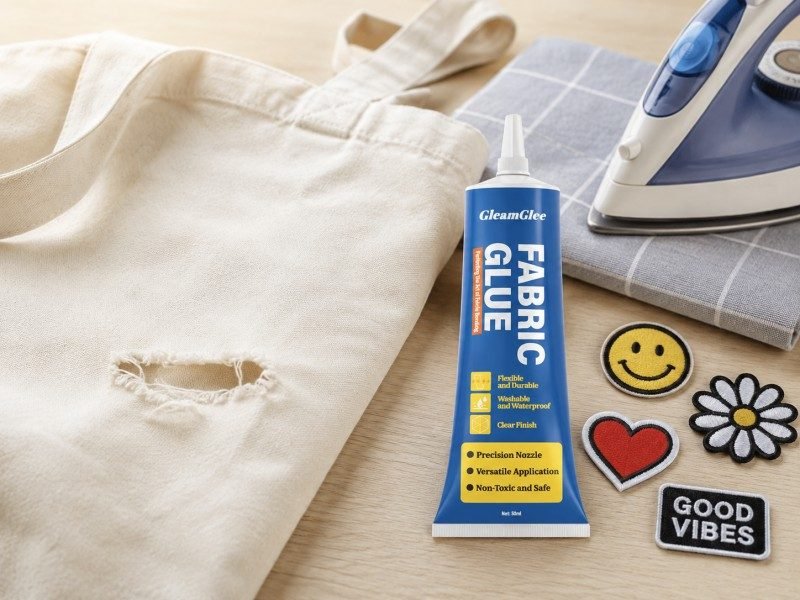
The safest answer is therefore not simply “wash patched clothes in cold water.” A better rule is to identify three limits before washing: the garment’s care instructions, the patch manufacturer’s instructions, and the attachment system’s instructions. The lowest or most restrictive applicable limit should normally control the laundering process. If the shirt tolerates warm machine washing but its patch specifies cold washing, use cold. If the patch is washable but the jacket says hand wash only, keep hand washing. A washable adhesive does not turn a dry-clean-only garment into a machine-washable garment.
How to Identify Patch Backing Types: A Practical Visual Guide

For most people, the important question is not simply, “What patch backing types exist?” The useful question is, “I already have this patch in my hand. What backing does it have, how certain can I be, and what should I safely do next?” A useful answer needs to connect visual inspection with attachment method, fabric compatibility, garment care, heat tolerance, flexibility, laundering, patch thickness, and the amount of movement the finished area will experience during normal use.
How to Position Multiple Patches on Clothing: A Practical Layout Guide

The safest working principle is simple: finish the visual layout before making the first permanent attachment. Lay out the full collection, identify the most important patch, establish reference lines, arrange large patches before small fillers, check spacing, and test the design while the clothing is actually being worn. Only after these steps should sewing, ironing, or textile adhesive become the main question. This approach is especially useful for denim jackets, battle jackets, jeans, hoodies, workwear, uniforms, costumes, children’s clothing, travel jackets, repair projects, and garments expected to gain more patches later.
How to Wash Repaired Home Textiles: A Complete Guide

The first wash is easier to manage when you treat washing, drying, and refitting as separate jobs. A cushion cover may survive the wash but split when pulled over a bulky insert. A curtain may remain bonded yet develop a puckered hem if its layers shrink differently. This guide explains how to prepare, clean, dry, and inspect common household textiles repaired with stitching, fabric glue, or iron-on materials. It includes practical demonstrations and product-specific examples, while keeping unfamiliar adhesives, special coatings, and delicate constructions out of one-size-fits-all advice.
Repair Large Fabric Items in Small Spaces: A Practical Guide

The difficult part is usually controlling everything around the repair. Fabric hanging over the table can pull a patch out of position. A heavy roll can drag a freshly glued hem sideways. A repair completed on the dining table can become awkward when dinner needs the same surface. Planning the support and resting arrangements before opening the glue or threading a needle prevents many of these avoidable problems.
How to Repair Frayed Tablecloth Edges: Sewing & No-Sew Fixes

To repair frayed tablecloth edges, first check whether the stitching has come undone or the fabric itself has worn away. An intact hem can often be secured with hand stitches or a suitable washable fabric glue. A genuinely fraying edge usually needs its loose yarns contained inside a new hem or binding, with the repair anchored in sound fabric. Measure before cutting, test any adhesive on a hidden area, and follow the selected product’s full curing and washing instructions.
Fabric Glue for Sequins: A Complete Guide

Fabric glue can make a small sequin repair or a detailed clothing project manageable, even if you rarely pick up a needle. The useful question is whether a particular adhesive will hold your particular sequins on your particular fabric through wearing and cleaning. A denim jacket, a stretchy dance costume, and a sheer evening blouse place very different demands on the same small spot of glue. Start with those demands before choosing a bottle.
Fabric Glue for No-Sew Pouches Practical Guide

A no-sew pouch looks like a small project, yet it asks a fabric adhesive to do several jobs at once: hold a seam, stay flexible when the pouch bends, avoid showing through the cloth, and survive the way the finished item will be used. The best result starts before the bottle opens. Choose a pouch with realistic loads, match the adhesive to the fabric surface, test a hidden scrap, and give the bond its full cure time. This guide walks through those decisions in plain language, with a repeatable construction method, sizing formulas, video demonstrations, and clear limits for cases where glue alone is not the right fix.
How to Position Multiple Patches on Clothing

Adding several patches to a jacket, pair of jeans, shirt, or uniform can make a garment feel personal, but the hardest decision often comes before sewing or pressing: where should each patch go? A layout that looks balanced on a table can shift visually when the garment is worn. A patch may cover a pocket opening, land across a stiff seam, or make one side look much heavier than the other. Planning all the patches together helps you catch these issues while every piece is still easy to move.