Clothing Repair and Alterations Guide: Practical DIY Repairs
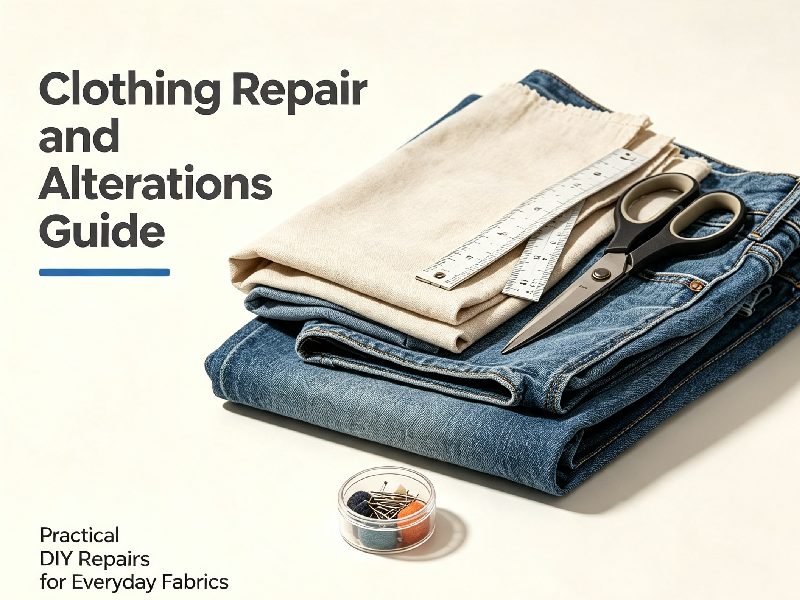
A loose hem, a cuff beginning to open, a small seam split, or trousers hanging too long can look like minor clothing problems, yet the wrong repair can leave a shiny mark, a stiff ridge, a crooked silhouette, or a larger tear. The useful first question is not whether glue, thread, tape, or a patch is easiest. It is what failed, how much force reaches the area during wear, whether the surrounding cloth is still sound, and what the garment’s care label allows after the repair is complete.
Wash and Iron Clothes After Fabric Repair: Safe Care Guide
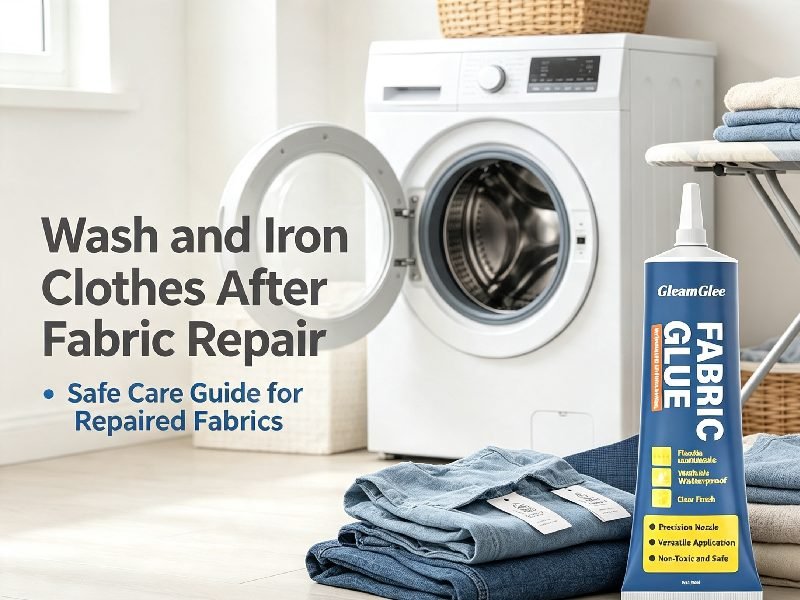
The most useful rule is also the simplest: the repaired garment must be cared for according to the most restrictive permanent material now present in it. Read the clothing care label, check the instructions for the adhesive, patch, fusible web, repair tape, thread, print, coating, embellishment, and any added trim, then follow the lowest-risk limit when the instructions differ. A machine-washable adhesive does not make a dry-clean-only jacket machine washable, and an iron-safe glue does not make a heat-sensitive synthetic fabric safe under a hot sole plate.
How to Apply Wader Adhesive Correctly: A Complete Guide
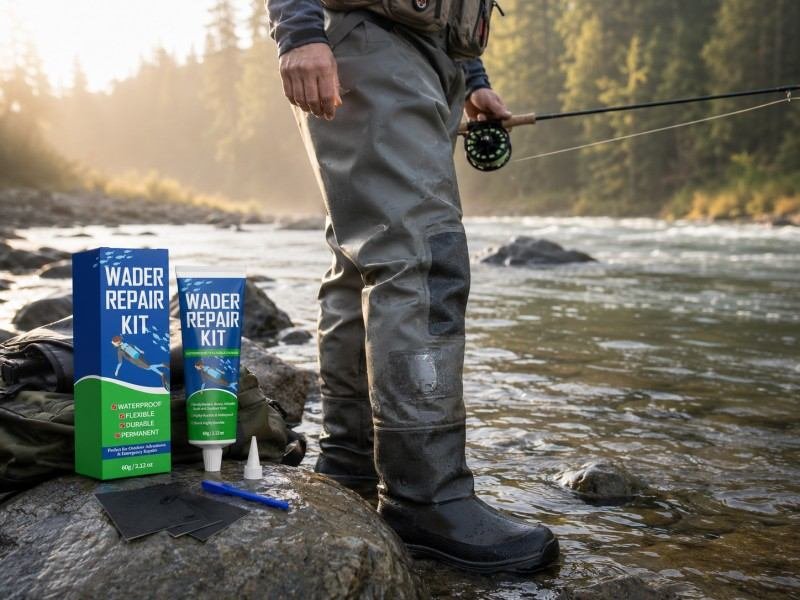
To apply wader adhesive correctly, locate the actual water-entry point, identify the wader material, clean and completely dry the damaged area, apply a thin continuous layer over the damage and surrounding sound material, add a flexible patch when the tear opens under tension, and allow the repair to cure fully before performing a controlled waterproof test.
How to Fix Leaks in Wader Seams: A Complete DIY Repair Guide
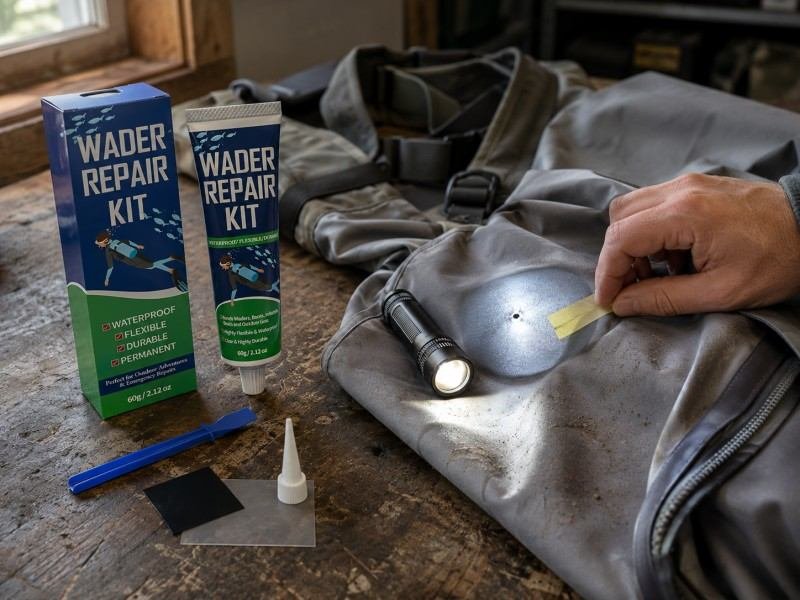
To fix a leaking wader seam, locate the exact entry point, clean and dry the surrounding material, remove only loose or failed seam tape, and apply a thin, continuous layer of flexible waterproof polyurethane repair adhesive. Allow the repair to cure fully, usually for 8–12 hours, before checking it with a controlled water test and returning the waders to service.
How to Choose the Right Wader Glue for Waterproof Repairs:A Professional Guide
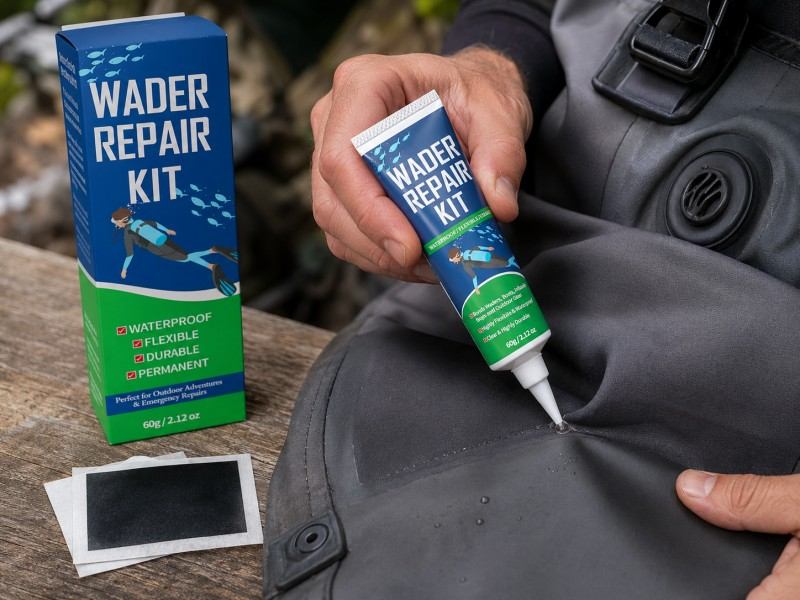
Choose wader glue by matching the adhesive to the material and damage. Flexible polyurethane glue suits many punctures, seam leaks, coated fabrics, neoprene, PVC, and rubber. Use a reinforcing patch for larger tears or worn areas. Confirm that the cured adhesive remains waterproof and flexible, then allow the full stated curing time before folding, wearing, or submerging the waders.
How to Apply Wader Adhesive Correctly: A Complete Guide
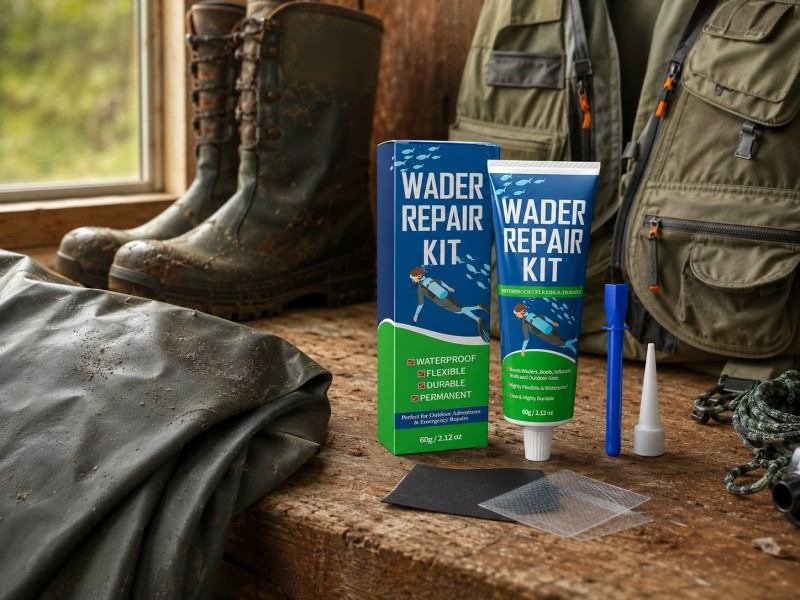
To apply wader adhesive correctly, locate the actual leak, identify the wader material, clean and fully dry the repair area, apply a thin continuous layer onto stable material, add a compatible patch when the tear opens under tension, and allow the adhesive to cure completely before testing. Flexible polyurethane adhesive generally performs best where waterproof gear must bend, stretch, and resist abrasion.
How to Make Tent Repairs Last Longer: A Practical Guide

To make tent repairs last longer, identify the damage correctly, choose materials compatible with the fabric and coating, clean and dry the surface, extend reinforcement into healthy fabric, apply a flexible waterproof adhesive in a controlled layer, and allow full curing before folding or testing. Balanced pitching, careful storage, abrasion protection, and regular inspection further reduce repeat failure.
How to Seal Holes in Inflatable Tents: A Complete Repair Guide

To seal a hole in an inflatable tent, first confirm that the pressure loss comes from a puncture rather than a temperature change, loose valve, or twisted tube. Locate the leak with mild soapy water or controlled immersion, clean and dry the damaged surface, apply a compatible flexible waterproof adhesive and patch, allow full curing, then reinflate gradually and repeat the leak test.
How to Repair Canvas Tents at Home: A Practical Guide

To repair a canvas tent at home, identify the damaged material, clean and fully dry the area, stitch longer tears when necessary, bond a rounded canvas patch over sound fabric, seal exposed edges and needle holes, allow the adhesive to cure completely, and perform a controlled water test. Brittle, rotten, badly molded, or structurally torn canvas should be repaired professionally or replaced.
How to Apply Tent Glue Without Mess: A Precise Repair Guide

To apply tent glue without mess, clean and fully dry the damaged area, confirm that the adhesive matches the tent fabric, support the material on a stable surface, and test the glue flow away from the tent. Apply a thin, continuous layer, spread it before it becomes tacky, remove fresh excess carefully, and allow the repair to cure completely before folding, stretching, packing, or water-testing the fabric.