What are the pros and cons of fabric glue?
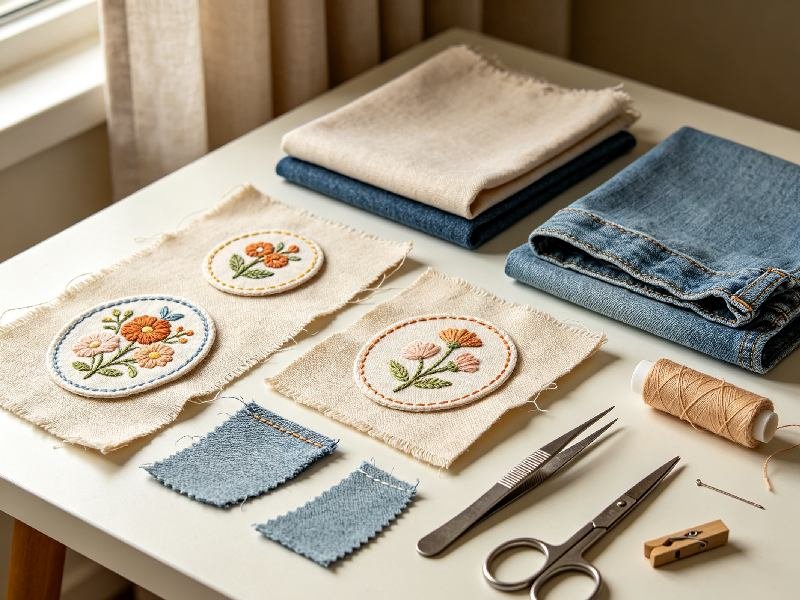
Fabric glue is fast, convenient, and effective for hems, patches, embellishments, crafts, and many low-to-moderate-stress textile repairs. Quality formulas can dry clear, remain flexible, and withstand washing. Its disadvantages include possible stiffness, bleed-through, difficult removal, limited performance on coated or highly elastic fabrics, and lower reliability than stitching on structural seams exposed to repeated pulling.
Does Super Glue Work on Fabric : What You Should Know Before Gluing
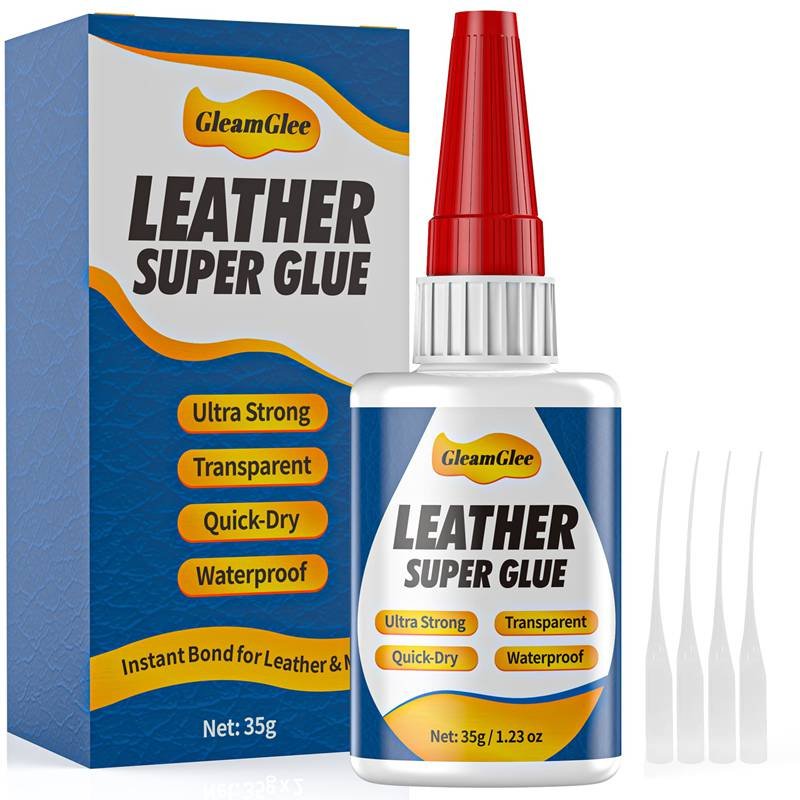
Super glue can bond some fabrics, but it is rarely the best choice for washable clothing or flexible textile repairs. Most conventional super glues cure into a relatively rigid layer that may stiffen the fabric, bleed through porous material, leave visible marks, or crack during repeated movement. Cyanoacrylate can also react rapidly with cotton and wool, producing enough heat to damage fibers or burn skin. A purpose-made fabric glue is usually more suitable when the repair must remain soft, clear, flexible, washable, and comfortable.
Fabric Glue for Bags, Hats & Accessories : Complete Guide
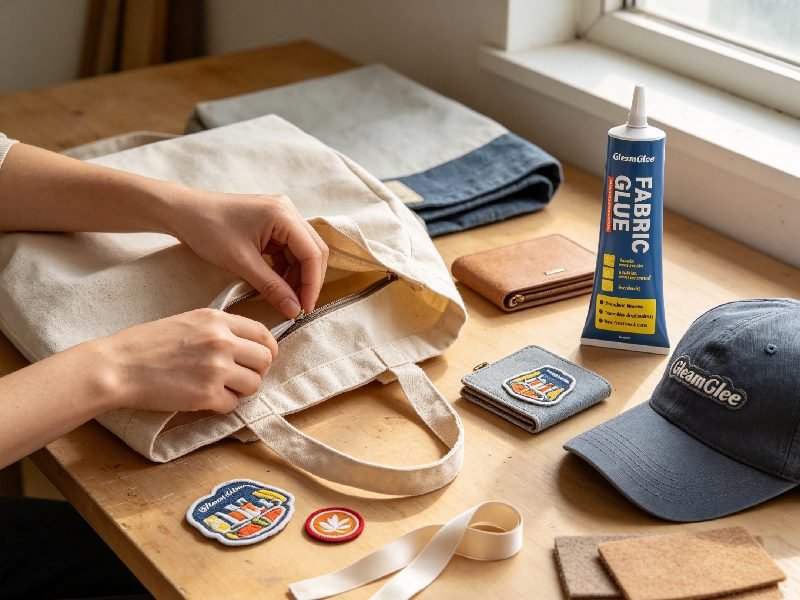
A loose backpack lining, a lifting patch, or a torn hat sweatband may look like a minor problem, but these small failures often decide whether an accessory remains useful or gets thrown away. Sewing is reliable, yet it is not always practical on curved caps, narrow pouches, layered bag panels, or projects covered with embroidery and decorative trim. The right fabric glue offers another option, but only when the adhesive matches the material, movement, and stress involved.
How to Remove Excess Fabric Glue After Use : Safe Tips for Wet and Dried Glue
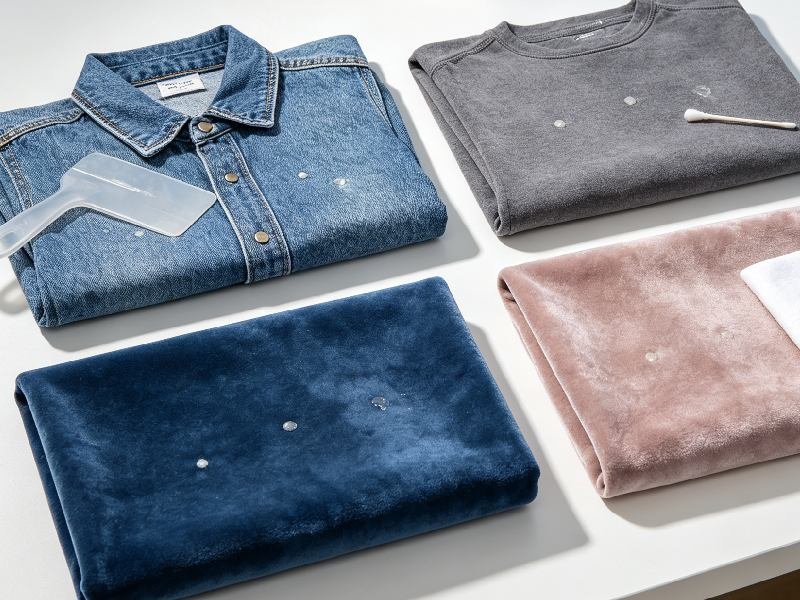
A small line of excess fabric glue can turn an otherwise successful repair into a frustrating cleanup job. The problem is rarely the glue alone. Timing, fabric type, adhesive chemistry, dye stability, surface finish, and the amount of pressure used during removal all influence the final result. A method that works well on heavy cotton may fade printed polyester, flatten velvet, stretch knitwear, or push wet adhesive deeper into upholstery.
How Do You Apply Fabric Glue Correctly : A Step-by-Step Guide
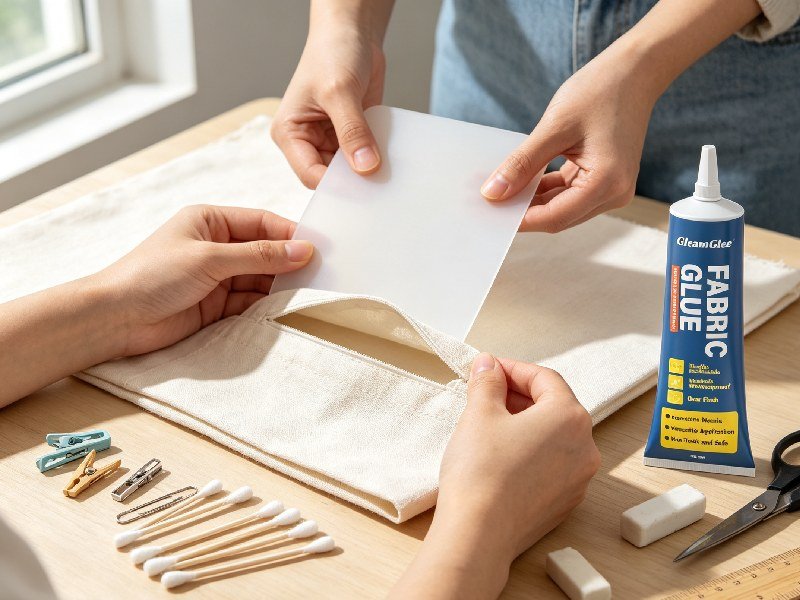
Fabric glue seems simple to use: apply it, press the materials together, and wait. In practice, the quality of the result depends on much more than whether the adhesive feels sticky. Fabric type, surface preparation, application thickness, pressure, alignment, temperature, and curing time all influence whether a repair remains clean and flexible or becomes stiff, visible, and easy to peel.
Fabric Glue for Costumes and Cosplay Projects : How to Choose and Use It
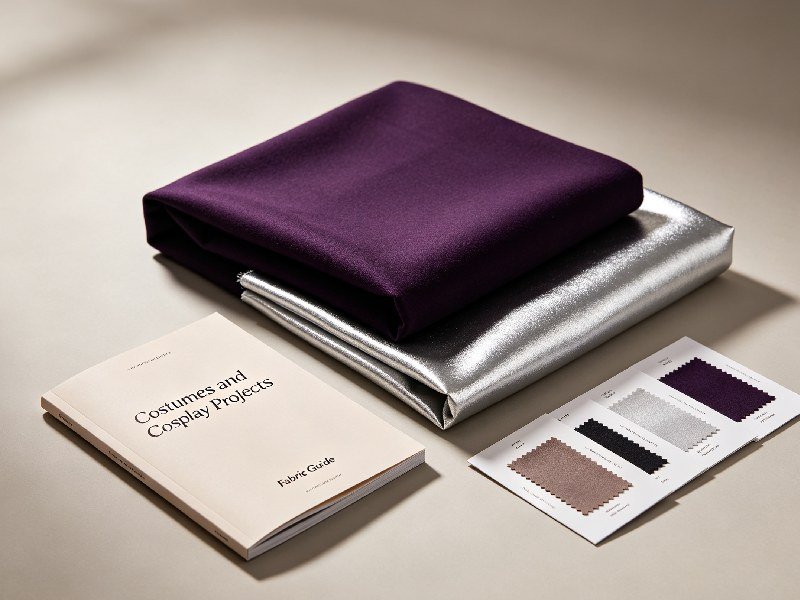
Fabric glue is suitable for costumes and cosplay when it forms a clear, flexible bond without making the garment stiff or visibly stained. It works especially well for hems, patches, ribbons, trims, appliqués, sequins, lightweight embellishments, and many fabric-to-fabric repairs. The final result still depends on surface preparation, glue quantity, pressure, material compatibility, and full curing time.
Fabric Glue for Leather and Suede : A Complete Guide
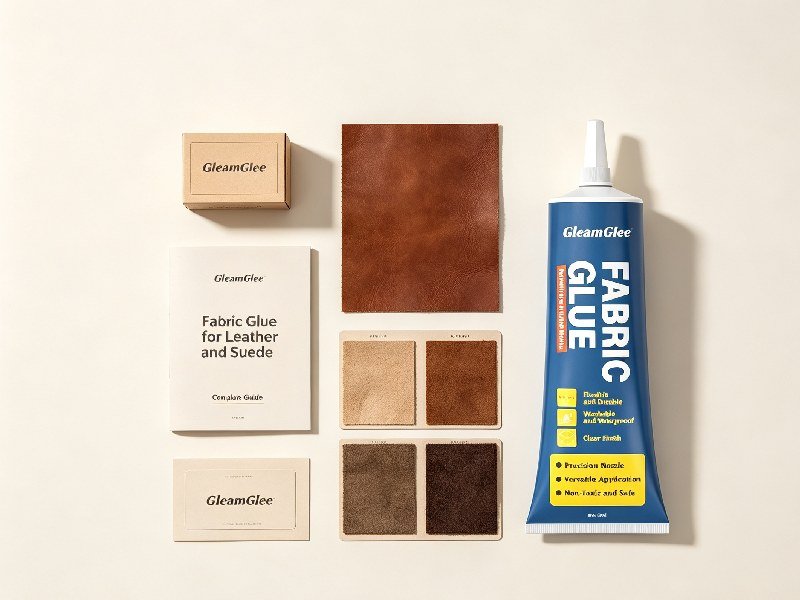
Fabric glue can work on leather and suede when the formula remains flexible, the bonding faces are clean, and the finished joint carries light or moderate stress. Apply a thin, controlled layer, press the materials evenly, and allow the full stated cure time. Finished leather, oily hides, delicate suede, and load-bearing joints require testing and may need specialist leather adhesive, stitching, or mechanical reinforcement.
How to Bond Mixed Fabrics Using Fabric Glue: A Reliable Guide
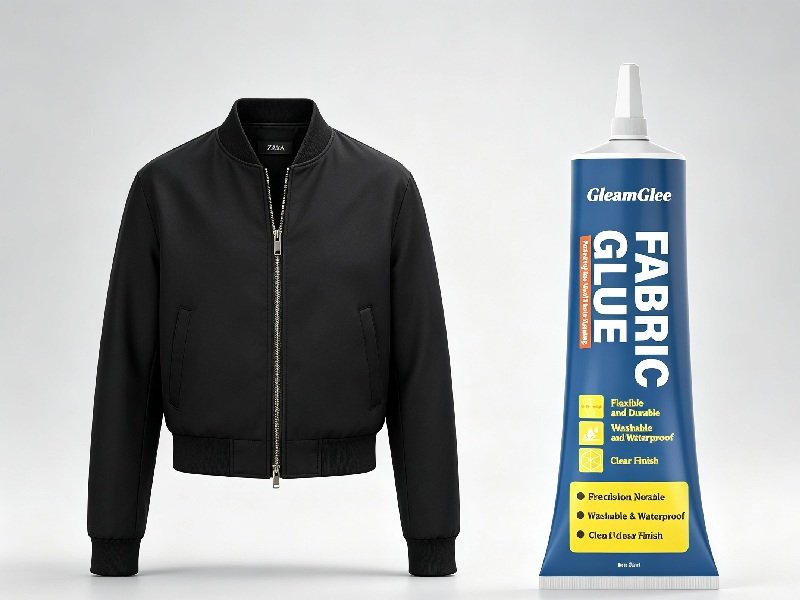
Most fabric repairs look simple until two different materials are involved. A cotton patch may stick easily to a cotton shirt, but bonding polyester to canvas, leather to fabric, or nylon to stretch cloth can quickly become frustrating. One side absorbs glue too fast, the other side feels too smooth, and the finished repair may […]
How to Fix Stretch Fabrics : A Guide for Fabric Glue Repairs
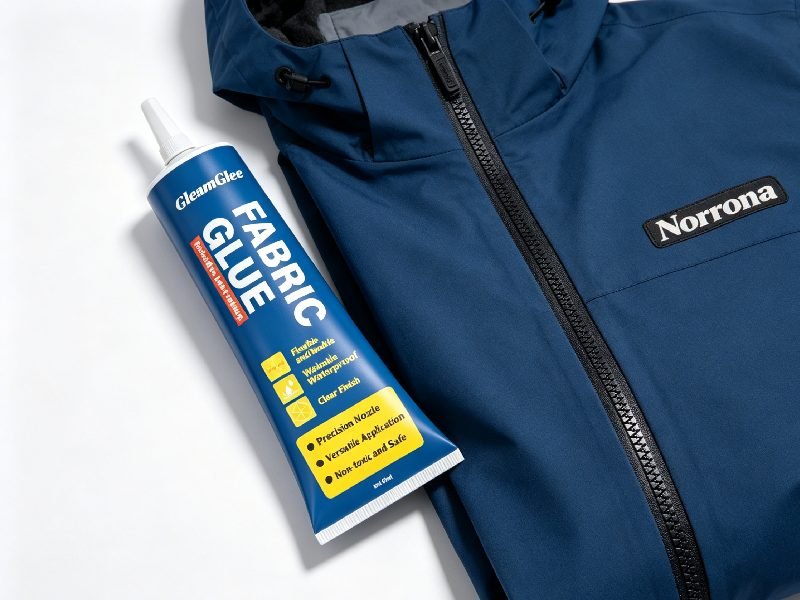
To fix stretch fabrics using fabric glue, clean and dry the fabric, keep the damaged area flat without stretching it, apply a thin layer of flexible fabric glue, press the repair firmly, let it set for 6–10 minutes, and allow 24 hours for full curing before washing or ironing. For weak or high-stretch areas, add a matching backing patch.
How to Make Custom Patches Using Fabric Glue : A No-Sew Guide
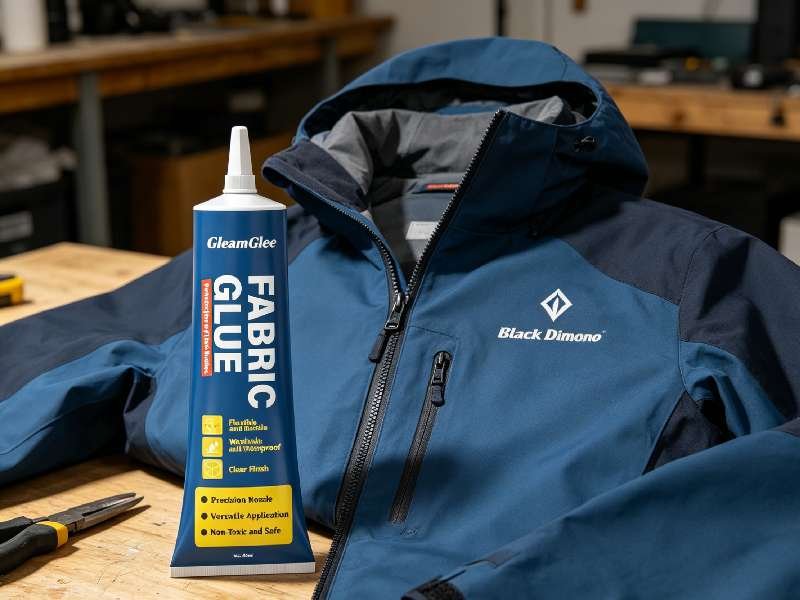
A custom patch can do more than cover a hole. It can turn an old denim jacket into a personal piece, save a pair of jeans from the trash, upgrade a backpack, add a logo to a work apron, or make a school costume look finished without hours of sewing. Fabric glue makes this possible because it gives fabric a direct bond without thread, needles, or a sewing machine. The difference between a patch that looks handmade in a good way and one that peels after two washes usually comes down to five things: fabric choice, glue amount, edge control, pressure, and curing time.