 Skip to content
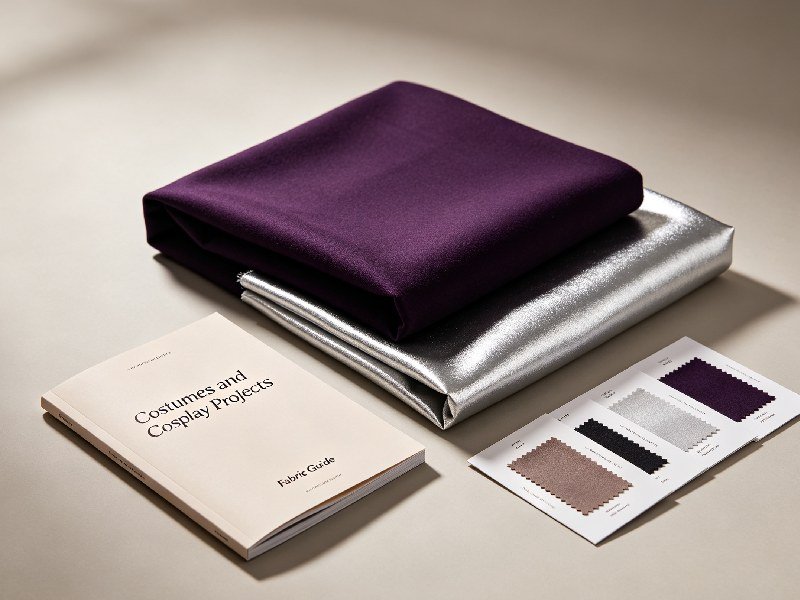
A costume can look flawless while lying flat on a worktable and still begin separating within minutes of being worn. Sleeves bend, hems stretch, capes swing, decorations pull against the fabric, and body heat changes the way some adhesives behave. That is why choosing fabric glue for a costume or cosplay project is not simply a matter of finding the strongest product available. The adhesive must suit the fabric, decoration, movement, cleaning requirements, and expected service life of the finished piece.
Fabric glue is suitable for costumes and cosplay when it forms a clear, flexible bond without making the garment stiff or visibly stained. It works especially well for hems, patches, ribbons, trims, appliqués, sequins, lightweight embellishments, and many fabric-to-fabric repairs. The final result still depends on surface preparation, glue quantity, pressure, material compatibility, and full curing time.
Imagine finishing a convention costume late at night and noticing that an embroidered shoulder patch is lifting along one edge. Sewing may be difficult because the garment has already been assembled. Hot glue may leave a hard lump beneath the patch. A well-matched fabric adhesive can solve the problem neatly, but only if it is applied in the right amount and left undisturbed long enough to cure. Understanding those details can prevent a quick repair from becoming another problem during the event.
What Makes Fabric Glue Suitable for Costumes?
Fabric glue is suitable for costumes when it creates a clear, flexible bond that moves with the garment. It should offer controlled application, sufficient working time, dependable curing, and resistance to normal wear. For wearable projects, flexibility and material compatibility are usually more important than choosing the adhesive with the highest advertised strength.
Flexibility During Wear
A costume does not remain flat after construction. Sleeves bend, waist panels stretch, hems fold, capes move, and decorative areas rub against the body or nearby accessories. A glue line that feels strong on a workbench may fail once the garment is worn because movement concentrates force along the edge of the bonded area.
Flexible fabric glue spreads that movement across a wider section. This is particularly important around elbows, shoulders, knees, cuffs, collars, waistbands, gloves, and fitted costume panels. These areas experience repeated bending or tension, so a rigid adhesive can create a hard transition point where the fabric starts to peel, crack, or pucker.
The amount of adhesive also affects flexibility. A thin, continuous film normally performs better than a thick bead. Too much glue may soak deeply into the textile, make the repaired area feel hard, and extend the curing period. Too little glue may leave dry gaps that begin lifting during the first wear.
A practical workshop test is to prepare a small sample using the same fabric, decoration, and adhesive quantity planned for the final costume. After the full curing period, bend the sample repeatedly, fold it in both directions, and stretch it only as far as the finished garment will normally move. This simple check can reveal stiffness, whitening, edge lifting, or poor compatibility before valuable material is used.
Clear, Low-Profile Bonds
Visible glue can quickly reduce the quality of an otherwise carefully constructed costume. This is especially noticeable on pale fabric, lace, satin-like textiles, sequins, reflective trim, and areas likely to appear in close-up photography.
A suitable adhesive should dry transparent and remain as flat as possible beneath the bonded material. Transparency alone does not guarantee an invisible repair. A thick layer can still create a glossy edge, raised outline, or darkened patch on thin fabric. Matte black textiles may also reveal clear glue if the cured surface reflects light differently from the surrounding material.
Controlled application is therefore essential. A fine nozzle allows narrow lines to be placed behind trim, around patch edges, or beneath small decorations without coating the visible surface. Glue should normally be applied slightly inside the edge of a patch or embellishment so that pressure does not force it outward.
Before working on a visible section, test the adhesive on an offcut or hidden seam allowance. Let the sample cure completely, then inspect it under daylight, indoor lighting, and camera flash. A mark that appears invisible in a dim workshop can become obvious under convention lights or professional photography.
When Glue Can Replace Sewing
Fabric glue can replace sewing in many decorative and low-load applications. It is especially useful when the garment is already assembled, when a sewing machine cannot reach the required area, or when visible stitches would interfere with the costume design.
Common no-sew uses include:
- Shortening cape, skirt, trouser, or sleeve hems.
- Attaching embroidered patches and fabric badges.
- Securing lace, ribbon, braid, and decorative trim.
- Repairing small tears away from high-tension seams.
- Adding lightweight appliqués, sequins, and flat-backed decorations.
- Holding fabric layers in place before final sewing.
- Completing last-minute school-play, theater, Halloween, or convention repairs.
Fabric glue works best when the two surfaces have enough contact area. A broad patch spreads force more effectively than a narrow strip. Rounded patch corners also tend to resist lifting better than sharp corners because there is no pointed edge for movement to catch.
For a costume that will be worn once or occasionally, adhesive bonding may provide a practical no-sew solution. For garments expected to survive repeated wear, washing, transportation, or rental use, the bonded area can be reinforced with several hidden stitches.
When Sewing Is Still Better
Sewing remains the better method for high-tension seams, load-bearing straps, fitted stretch panels, heavy accessories, and any component that could become unsafe if it detached.
Shoulder straps, corset panels, waist supports, backpack-style armor mounts, heavy cape closures, and structural bodysuit seams should not depend entirely on ordinary fabric glue. A rigid ornament attached to a flexible sleeve may also create leverage that gradually pulls the bond away from the garment.
The most dependable construction method is often a combination of adhesive and stitching. Glue keeps the part flat, limits edge curling, and spreads stress across a broader area. Hidden stitches then secure the load and reduce the risk of complete detachment.
A simple rule helps: if the costume component supports weight, controls fit, or carries another part, do not rely on fabric glue alone. If the piece is mainly decorative, lightweight, and has a wide flat contact area, fabric glue is more likely to be suitable.
Which Costume Materials Can Fabric Glue Bond?
Fabric glue performs best on absorbent or lightly textured textiles such as cotton, denim, felt, canvas, lace, and many fabric-backed trims. Results are less predictable on coated, highly elastic, waterproof, oily, or nonporous surfaces. The correct choice depends on both sides of the bond, not only the main costume fabric.
Cotton, Denim, and Canvas
Cotton, denim, and canvas generally provide favorable bonding surfaces because their fibers create a textured structure that allows adhesive to spread and anchor. These materials appear frequently in jackets, capes, uniforms, trousers, bags, belts, corset covers, workwear costumes, and character accessories.
The fabric should be clean and completely dry before bonding. New textiles may contain sizing or finishing agents, while worn garments may carry detergent residue, skin oil, dust, makeup, or fabric-care products. If the care label allows it, washing and drying the material before construction can improve consistency. Fabric softener is best avoided because it may leave a low-friction film on the fibers.
Denim and canvas are thicker than ordinary cotton and may need slightly more glue to achieve full contact. Even so, the adhesive should be spread into a thin layer rather than left as a heavy bead. For a damaged area, placing a backing patch behind the tear provides a wider contact area and reduces continued fraying.
For jeans, jackets, and other pieces exposed to repeated strain, adhesive should be treated as one part of the repair. A bonded patch stabilizes the damaged area, while perimeter stitching may provide longer-lasting strength.
Felt, Lace, and Faux Fur
Felt is highly absorbent. A small amount of adhesive may disappear into the fibers before the second surface is placed. Adding one heavy layer is not the best solution because the cured section may become hard. A better approach is to apply a controlled thin coat, allow it to settle briefly, and add a small amount only where the surface still appears dry.
Lace needs the opposite treatment. Its open structure allows liquid glue to pass through onto the work surface. Small dots applied to thicker threads or along the outer edge are safer than coating the entire section. A nonstick protective sheet should be placed beneath the lace during pressing.
Faux fur should be bonded through its woven or knitted backing rather than through the pile. The fur fibers may need to be separated or carefully trimmed around the attachment point so the adhesive can reach the actual support material. Glue applied only to the hair creates a weak hold that may pull away easily.
The same principle applies to velvet and plush fabric. The adhesive should reach the backing or underlying weave instead of remaining only on the raised fibers.
Sequins, Rhinestones, and Patches
Lightweight sequins, embroidered patches, flat-backed rhinestones, pearls, fabric badges, and appliqués can often be attached with fabric glue. Flat-backed decorations are easier to bond because they provide a broader contact surface.
Curved, pointed, or irregular decorations concentrate force on smaller areas and are more likely to loosen. Their backs should be clean, dry, and free from dust, oil, mold-release residue, or fingerprints.
Apply a small quantity of adhesive slightly inside the edge of the decoration. When pressed, the glue should spread underneath without creating a visible ring. For large designs, mark placement points before opening the adhesive and complete one section at a time. Moving the garment while the glue is still setting can shift the layout and weaken the bond.
Heavily decorated garments should remain flat throughout the initial setting period. Before washing, inspect every piece. Even when the adhesive itself is washable, metallic foil, rhinestone coatings, painted decorations, or plastic backings may have lower care limits.
| Material Pair | Typical Suitability | Main Concern | Practical Method |
|---|---|---|---|
| Cotton to cotton | High | Stiffness from excess glue | Apply a thin, even layer |
| Denim to patch | High | Edge lifting under tension | Use a wide patch; stitch if needed |
| Felt to felt | High | Heavy absorption | Apply controlled thin coats |
| Lace to fabric | Moderate to high | Bleed-through | Use small dots on thicker threads |
| Faux fur to fabric | Moderate | Glue contacting only the pile | Expose and bond the backing |
| Sequins to fabric | High for light pieces | Visible squeeze-out | Use very small adhesive dots |
| Rhinestones to fabric | Moderate to high | Smooth backing | Clean and test first |
| Fabric to pleather | Variable | Coated surface | Test on an offcut |
| Fabric to rigid plastic | Variable to low | Nonporous surface | Consider another adhesive |
Foam, Pleather, and Plastic
EVA foam, pleather, coated textiles, resin, and rigid plastic should be treated as distinct material categories. A fabric adhesive may work in some mixed-material projects, but it should not be assumed to bond every surface equally well.
Fabric-to-foam bonding may succeed when the foam is slightly porous and the contact area is broad. Foam-to-foam armor construction normally performs better with an adhesive intended for contact bonding. Fabric glue is more useful for attaching lining, textile coverings, decorative cloth, or soft trim than for closing structural armor seams.
Pleather may have polyurethane or PVC coatings that are smooth and resistant to adhesive wetting. Some synthetic materials also contain plasticizers that can reduce long-term bond strength. A sample should be left for at least 24 hours and then bent, rubbed, and checked for peeling.
Rigid plastics vary widely. Polyethylene and polypropylene are especially difficult to bond without specialized surface preparation. Painted plastic introduces another possible failure point: the adhesive may remain attached to the paint while the paint separates from the underlying object.
Fabric glue must never be used as a skin adhesive. Prosthetics, wigs, body decorations, and costume components attached directly to skin require products specifically labeled and tested for cosmetic or body use.
How Does Fabric Glue Compare With Other Adhesives?
Fabric glue is usually the most practical choice for flexible textile-to-textile work, while hot glue offers speed, contact cement suits many foam structures, and multipurpose adhesives are often better for rigid decorations. The right adhesive depends on flexibility, surface type, cure time, odor, heat exposure, washing needs, and the amount of movement involved.
Fabric Glue vs Hot Glue
Hot glue is popular because it grips quickly and is easy to use. It can hold costume parts within seconds, making it helpful for emergency repairs, hats, props, rigid accessories, and low-movement craft areas. However, it often creates a thick, hard bead beneath thin textiles.
Fabric glue normally produces a flatter and more flexible bond. It can spread slightly into the fibers and distribute force across a broader area. This makes it more suitable for hems, patches, lace, trims, and wearable repairs.
Hot glue begins cooling immediately, leaving little time to reposition a long strip or carefully align a patch. It may also soften inside a hot vehicle, near stage lighting, or during summer storage. Delicate synthetic fabrics can be distorted or damaged by the temperature of the glue gun.
Fabric glue requires more setting and curing time, but the finished bond is usually more comfortable on clothing. The trade-off is straightforward: hot glue provides speed, while fabric glue normally provides better flexibility and a lower profile.
A practical costume repair kit may include both. Hot glue can solve a temporary backstage problem, while fabric glue is more appropriate for a repair completed at least one day before the event.
Fabric Glue vs Contact Cement
Contact cement is widely used for EVA foam armor, masks, prop panels, footwear components, and broad non-fabric surfaces. It is typically applied to both surfaces, allowed to become tacky, and then pressed together.
Its main advantage is immediate grip. Once the two prepared surfaces touch, they often hold strongly without prolonged clamping. The disadvantage is limited repositioning time. A poorly aligned foam seam can be difficult to separate without damaging the material.
Fabric glue is more forgiving for textile work. It provides more time to align a patch, hem, or decorative trim before the bond begins developing. It also tends to remain softer on clothing.
Some contact cements contain strong solvents. Adequate ventilation, protective equipment, and compliance with label instructions are important. Fabric glue is usually easier to handle for ordinary indoor craft work, although all adhesives should still be used according to their safety information.
The material pair should guide the decision. Foam-to-foam construction often favors contact cement. Fabric-to-fabric work normally favors fabric glue. A complex costume may require both in different areas.
Fabric Glue vs Multipurpose Glue
Multipurpose craft adhesives are commonly selected for metal findings, resin decorations, glass stones, plastic badges, and other mixed-material details. They may bond smooth nonporous surfaces more effectively than a textile-specific product, but they can create a heavier or less flexible layer on clothing.
Fabric glue is designed to create a broad, soft bond line. This is useful for hems, fabric panels, appliqués, patches, lining repairs, and decorative textile work. A multipurpose adhesive may be more appropriate for a small rigid ornament with a plastic, glass, resin, or metal back.
The exact materials matter more than the general adhesive category. Two products described as multipurpose may have very different curing behavior, flexibility, odor, and washable performance. A 24-hour sample test using the actual materials is therefore more useful than relying only on the package description.
| Requirement | Fabric Glue | Hot Glue | Contact Cement | Multipurpose Adhesive |
|---|---|---|---|---|
| Fabric-to-fabric | Very suitable | Possible but bulky | Usually unnecessary | Formula dependent |
| Flexible hems | Very suitable | Often too stiff | Not preferred | Often less comfortable |
| EVA foam seams | Limited | Suitable only for light use | Very suitable | Formula dependent |
| Lightweight rhinestones | Suitable | Fast but bulky | Not typical | Often suitable |
| Rigid plastic badges | Variable | Moderate | Variable | Often more suitable |
| Repositioning time | Moderate | Very short | Very limited after contact | Formula dependent |
| Washable garments | Check label | Usually limited | Usually not intended | Check label carefully |
| Main use | Textile bonding | Fast fixes | Foam and broad contact bonds | Mixed rigid materials |
Glue vs Sewing
Sewing and gluing solve different construction problems. Sewing creates a mechanical connection through the textile, while adhesive distributes load across a bonded surface. Neither method is universally stronger in every application.
Sewing is better for structural seams, fitted garments, heavy straps, high-stress areas, and components that may need to be removed or repaired later. Glue is better for flat decorative pieces, hems, patches, edge stabilization, and areas where visible stitches are undesirable.
Adhesive can distribute force across a broad patch, which may help on fragile or damaged fabric. Stitching can concentrate stress around individual needle holes. On the other hand, a bonded edge may peel when repeatedly lifted or folded.
For costumes used frequently, the best approach is often hybrid construction. Glue holds the decoration flat and prevents edge curling, while hidden stitches secure the load. This is particularly useful for capes, uniforms, mascot suits, stage wardrobes, and large embroidered patches.
The expected stress should determine the method. A lightweight badge may need only glue. A shoulder harness should not.

How Do You Apply Fabric Glue to Cosplay?
Apply fabric glue to clean, dry materials in a thin and even layer. Align the surfaces carefully, press them together during the initial set, and avoid stretching, washing, ironing, or heavy handling until the adhesive has fully cured. GleamGlee Fabric Glue begins setting in approximately 6–10 minutes and fully cures in about 24 hours.
Surface Preparation
Preparation is often the difference between a dependable bond and an avoidable failure. Fabric may appear clean while still carrying dust, softener, body oil, manufacturing finishes, waterproof coatings, makeup, or release residue.
Wash the material first when its care instructions permit. Allow it to dry completely. Avoid fabric softener because it can leave a surface film that reduces wetting. For repairs, remove loose lint and trim frayed fibers without enlarging the damaged area.
Place a protective sheet or board inside the garment so the adhesive does not pass through to the opposite layer. Mark the final position before opening the tube. Prepare clips, a roller, a flat pressing block, weights, or other holding tools in advance.
Stretch textiles require additional planning. Decide whether the area should be bonded while relaxed or gently extended to approximately the shape it will have when worn. Bonding a highly elastic section completely flat may create puckering or excessive edge stress later.
A reliable preparation routine includes:
- Confirming that both surfaces are clean and dry.
- Removing lint, oil, and loose fibers.
- Testing for discoloration or visible marking.
- Checking for waterproof or synthetic coatings.
- Marking alignment points.
- Preparing the pressing method.
- Protecting the work surface.
Correct Glue Amount
The correct amount is enough to cover the full contact area without saturating the textile. Thin cotton, lace, ribbon, and satin-like materials require less adhesive than felt, denim, or canvas.
For a patch, spread glue across the central area and place a narrow line near the edge. Leave a small margin to limit squeeze-out. For sequins or small stones, use a dot slightly smaller than the decoration. For felt, inspect whether the first application has been absorbed before adding more.
Signs of excessive glue include:
- Dark wet-looking areas extending beyond the bond.
- Adhesive passing through lace or thin fabric.
- A stiff section after drying.
- Visible rings around decorations.
- A longer-than-expected curing period.
Signs of insufficient adhesive include:
- Dry gaps beneath a patch.
- Corners lifting during pressing.
- Felt absorbing the entire application.
- Weak sections after bending.
The fine-point nozzle on GleamGlee Fabric Glue helps control narrow lines and small dots. The cap includes a built-in pin that helps reduce clogging between projects.
Pressing and Alignment
Alignment should be completed before firm pressure is applied. Repeatedly lifting and replacing a piece can disturb the adhesive film and create uneven contact.
For hems, press along the entire length instead of squeezing only a few spots. For patches, work from the center outward to reduce trapped air. For rhinestones and sequins, apply gentle vertical pressure so the decoration does not slide. Curved costume parts should be supported on a form that maintains the intended shape while the glue sets.
Weights should be broad enough to distribute pressure without crushing fabric texture. A smooth block, craft roller, sewing clips, binder clips, or flat book can work when separated from the project with wax paper or release film.
| Time After Application | Practical Handling |
|---|---|
| 0–2 minutes | Align both materials and begin pressing |
| 2–10 minutes | Maintain stable contact; avoid repositioning |
| 10–60 minutes | Move only when necessary; do not bend |
| 1–24 hours | Avoid stretching, washing, ironing, or wearing |
| After 24 hours | Inspect, flex gently, and use within material limits |
Initial setting is not the same as full strength. A patch that feels secure after ten minutes may still fail if it is immediately stretched or worn.
Curing and Final Checks
Allow approximately 24 hours for complete curing under normal conditions. Thick applications, low temperatures, high humidity, or nonporous decorations may extend the required time.
Do not use intense direct heat to accelerate curing unless the adhesive instructions specifically permit it. Heat guns, radiators, hair dryers, and hot irons can distort synthetic fabric, shift decorations, or alter the adhesive layer.
After curing, inspect the bond before wearing the costume. Pay attention to corners, edges, and any point exposed to repeated movement. Bend the area gradually rather than pulling sharply.
For stretch garments, increase tension in stages. Stop if the adhesive turns white, cracks, lifts, or causes the fabric to pucker. For convention, theater, or performance use, complete bonded sections at least one day before wearing. This provides enough time for inspection and reinforcement.
What Fabric Glue Mistakes Should You Avoid?
Avoid using too much adhesive, skipping material tests, bonding dirty or coated surfaces, stretching the costume before full cure, and attaching heavy decorations with glue alone. Most failures are caused by unsuitable materials, poor preparation, excessive application, or premature handling rather than a lack of initial stickiness.
Bleed-Through and Stiffness
Bleed-through occurs when liquid adhesive travels through the fabric weave and becomes visible on the front. It is common on thin cotton, mesh, lace, pale textiles, satin-like materials, and loosely woven fabric.
The most frequent cause is over-application. Once the fibers are fully wetted, additional glue adds thickness rather than useful strength. Excessive pressing can also force wet adhesive through the textile.
To reduce the risk, test the product on an offcut first. Use small dots or a narrow film instead of a thick bead. Place a nonstick sheet beneath lace or thin fabric. Allow the sample to cure fully and inspect it under normal lighting before continuing.
Stiffness is usually linked to the same issue. Even a flexible formula may create a hard area when the layer is too thick. The goal is continuous coverage, not complete saturation.
If glue appears on the front surface, do not immediately rub it across the fabric. Rubbing may spread the mark and push adhesive deeper into the fibers. Remove only the excess permitted by the product instructions and allow the section to dry before evaluating the final appearance.
Heavy Decorations
Large or heavy decorations fail because they create leverage as well as downward weight. A rigid component projecting away from the garment swings while the wearer moves, repeatedly pulling against one edge of the bond.
A wide, flat backing normally performs better than a narrow or curved one. Smooth backs should be cleaned before bonding. Metal, resin, glass, and rigid plastic may require another adhesive or mechanical support.
Weight can be distributed by attaching the decoration to a hidden fabric base. The wider base can then be glued and stitched to the garment. Straps, loops, snaps, magnets, rivets, or internal support panels may also be used when appropriate.
Ordinary fabric adhesive should never be the only support for a component that could injure the wearer or another person if it detached. Shoulder armor, heavy metal emblems, masks, and projecting props require a secure structural system.
Stretch and Movement
Stretch costumes fail when the adhesive, base fabric, and attached decoration move at different rates. A nonstretch patch on a highly elastic bodysuit creates tension around its edges. A large rigid panel may prevent the fabric from returning to its original shape.
Bond the garment in a position that reflects normal wear. A dress form, padded support, or foam insert can help. Do not overstretch the material during bonding because it may wrinkle when relaxed.
Large designs can be divided into smaller sections. Leave narrow movement gaps between pieces. Rounded corners generally resist lifting better than pointed corners.
After curing, test the area gradually. Begin with light movement and increase only to the normal wearing range. Watch for whitening, cracking, lifting, or puckering.
| Problem | Likely Cause | Practical Correction |
|---|---|---|
| Glue visible on front | Excess adhesive or thin fabric | Use smaller dots and test first |
| Bond feels hard | Adhesive layer is too thick | Apply a thinner, wider film |
| Patch corners lift | Sharp corners or poor edge contact | Round corners and press evenly |
| Rhinestones fall off | Smooth backs or limited contact area | Clean backs and use controlled dots |
| Stretch fabric puckers | Bonded at the wrong tension | Support fabric close to worn shape |
| Heavy ornament detaches | Glue carrying structural load | Add stitching, straps, snaps, or a base |
| Bond fails within hours | Costume handled before full cure | Allow approximately 24 hours |
| Faux fur pulls away | Adhesive attached only to pile | Expose and bond the backing |
| Pleather peels | Coating is incompatible | Test another adhesive on an offcut |
Washing and Ironing Errors
Washable fabric glue does not automatically make the entire costume machine washable. The finished garment may also contain foam, paint, feathers, metallic trim, plastic stones, printed coatings, resin parts, or electronics that require different care.
Allow the adhesive to cure completely before cleaning. For GleamGlee Fabric Glue, the normal full-curing period is approximately 24 hours. Heavy applications may need longer.
Turn the garment inside out when possible. Use a protective laundry bag for delicate pieces. Choose a gentle cycle only when the base fabric and every decoration permit machine washing. Air-drying is safer when heat may affect foam, plastics, paint, or metallic finishes.
Ironing should follow the care limits of the textile. Use a pressing cloth over the repaired section and avoid placing direct heat on plastic sequins, synthetic coatings, rhinestones, or foam.
Inspect the bond before and after cleaning. For highly decorated cosplay garments, spot cleaning is often safer and more practical than full machine washing.

Is GleamGlee Fabric Glue Suitable for Cosplay?
GleamGlee Fabric Glue is suitable for many costume hems, patches, ribbons, trims, appliqués, sequins, denim repairs, and soft textile projects. It dries clear, remains flexible, supports washing and ironing after full cure, begins setting in approximately 6–10 minutes, and reaches full cure in about 24 hours.
Flexible, Clear Finish
The adhesive is designed to remain soft and elastic after drying rather than forming a brittle layer. This makes it useful for costume parts that need to bend, fold, or drape naturally.
Typical applications include:
- Costume hems and edge finishing.
- Embroidered patches.
- Lace, ribbon, and decorative braid.
- Denim repairs.
- School-play and theater costumes.
- Halloween clothing.
- Lightweight appliqués.
- Sequins and flat fabric decorations.
- Fabric-lined props and soft accessories.
The formula dries transparent and is designed to resist yellowing. This helps reduce visible bond lines around patches, trims, and decorative details. Application quantity remains important because a thick layer can still create visible texture or shine.
The precision nozzle allows narrow lines and small dots to be placed where needed. This is particularly useful for detailed costume work and helps reduce adhesive spreading onto visible surfaces.
Washing and Ironing
After full curing, the adhesive is designed to tolerate washing and ironing, making it more suitable for repeated-wear costumes than temporary craft adhesives.
The normal application process is:
- Clean and dry both surfaces.
- Apply a thin, even adhesive layer.
- Align and press the materials together.
- Maintain stable contact during the initial 6–10-minute set.
- Keep the project undisturbed.
- Allow approximately 24 hours for full curing.
- Follow the care limitations of the fabric and decorations.
The washable performance must be considered together with the complete costume. A bonded cotton patch may tolerate machine washing, while foam, rhinestones, metallic trim, paint, or plastic parts may not.
Ironing should use a temperature suitable for the textile. A pressing cloth is helpful, and heat-sensitive decorations should not be exposed directly to the iron.
Pack Sizes and Project Use
The product is available in two consumer formats: one 50 g tube and a two-pack containing two 50 g tubes.
A single tube is practical for:
- One costume or several small repairs.
- School projects.
- Halloween clothing.
- Occasional hemming.
- Patch and trim work.
- First-time users.
The two-pack is more suitable for:
- Full cosplay builds.
- Theater groups.
- Repeated costume maintenance.
- Craft workshops.
- Family projects.
- Multi-piece costumes.
- Larger textile decorations.
Actual usage varies according to fabric porosity, bond width, and application thickness. Felt, denim, and broad hems usually consume more glue than sequins, narrow trim, or small patches. Testing one representative section provides a more accurate usage estimate than relying only on garment size.
Custom and Wholesale Options
Retailers, distributors, cosplay supply companies, Amazon sellers, Shopify businesses, theater-product suppliers, and private-label brands may require more than a standard consumer tube.
Available development options can include:
- Existing fabric adhesive formulas.
- Private-label branding.
- Customized labels and retail cartons.
- Single-tube and multipack configurations.
- Multilingual instructions.
- Alternative precision applicators.
- Samples for target-material testing.
- SDS and market-compliance support.
- FBA-ready or wholesale packaging.
GleamGlee works with more than 25 chemists, material specialists, and process engineers and operates integrated production facilities covering raw materials, formulation, packaging components, filling, labels, and printing. Annual production capacity across product operations exceeds 12 million units.
Custom projects may begin from approximately 200 units, depending on the selected formula, packaging format, printing requirements, and destination-market regulations. Print-ready packaging designs can be prepared in as little as two days. Sample preparation usually takes around 7–14 days, standard bulk production approximately 20 days, and expedited production around 15 days, subject to the final specifications.
Potential buyers can provide the intended market, preferred tube size, estimated quantity, sales channel, packaging style, benchmark product, and required performance. The development team can then determine whether an existing formula is suitable or whether a customized fabric adhesive should be prepared for evaluation.
Conclusion
Fabric glue can make costume and cosplay construction faster, cleaner, and more accessible, but successful bonding depends on more than initial strength. The maker must consider fabric structure, movement, decoration weight, surface preparation, adhesive quantity, cleaning requirements, and full curing time.
A flexible, clear-drying adhesive is generally more suitable for wearable textiles than a rigid or bulky bond. It can help with hems, patches, ribbons, lace, appliqués, sequins, denim repairs, school costumes, theater clothing, Halloween projects, and detailed cosplay work. Structural seams, heavy armor, load-bearing straps, and projecting decorations should still use stitching or another mechanical support method.
GleamGlee Fabric Glue is available in 50 g single- and two-tube formats and is designed to remain flexible, dry clear, and tolerate washing and ironing after full cure. Its fine nozzle supports detailed applications, while the cap pin helps reduce clogging between projects.
Retailers, distributors, e-commerce brands, cosplay suppliers, theater-product businesses, and private-label buyers can request standard products, custom branding, formula evaluation, packaging development, multilingual labels, compliance documents, and material-compatibility samples.
To receive a quotation or discuss a customized fabric adhesive, provide the target country, expected order quantity, preferred package size, intended applications, sales channel, and any benchmark sample or performance requirement. This information allows the product team to recommend an existing option or prepare a more tailored adhesive solution.





















