Skip to content

Strong Bond Wood Glue for DIY Furniture: An Advanced Guide
Your trusted adhesives glue & cleaner manufacturer

A loose chair leg can look like a five-minute repair until the joint starts wobbling again two weeks later. A split tabletop may appear to need nothing more than a generous bead of glue, yet too much adhesive, poor surface contact, or premature loading can leave the repair weaker than expected. Furniture bonding works best when the adhesive, joint design, wood condition, moisture exposure, and application process all support one another. That is why experienced woodworkers rarely judge an adhesive by a single strength claim printed on the package. They look at how the product behaves inside the actual joint and whether it suits the way the furniture will be used.
For most DIY furniture work, the best wood glue is the product that matches the materials, closes the joint securely, provides enough working time for accurate assembly, and develops a durable bond after proper curing. PVA remains useful for many close-fitting wood joints, while polyurethane, epoxy, and fast-setting specialty adhesives can be more practical for moisture exposure, mixed materials, gaps, narrow cracks, and precision repairs.
The difference becomes clear when you compare two repairs that look almost identical. One chair joint is clean, intact, and still fits tightly; another has worn wood, old adhesive, and a visible gap around the tenon. Applying the same glue in the same way will not produce the same result. Understanding that difference is what turns a temporary fix into a repair that can stay dependable through everyday use.
What Makes Wood Glue Strong Enough for DIY Furniture?
A strong furniture glue joint depends on adhesive chemistry, clean surfaces, close contact, suitable pressure, and sufficient curing time. Even a high-performance product can fail when it is applied over dust, old glue, wax, loose fibers, or a badly worn joint. In practical furniture repair, bond strength should be judged by the performance of the complete joint rather than by one laboratory number or marketing claim.
Bond Strength Comes From the Joint
Wood glue does not work independently from the material around it. A good bond transfers stress across a useful area of sound wood, so the condition and geometry of the joint matter almost as much as the adhesive itself. Mortise-and-tenon joints, dowels, edge joints, cabinet frames, and accurately fitted furniture components normally give the glue a broad and predictable surface where it can form a continuous bond line.
In a well-made woodworking joint, the adhesive can become strong enough that failure begins in the surrounding wood fibers rather than separating cleanly along the glue line. This is one reason experienced furniture makers rarely look only at advertised strength. They want to know whether the adhesive wets the surface properly, whether the pieces mate closely, and whether the joint can distribute the loads created by sitting, pulling, leaning, vibration, or seasonal movement.
A chair rung and a decorative picture frame may both be made from wood, but they do not demand the same performance. Chair joints repeatedly experience changing forces as a person shifts weight, while a frame usually carries a much lighter static load. The correct adhesive should therefore be selected according to how the repaired component actually works rather than simply because the package says “strong wood glue.”
Surface Contact Matters More Than Extra Glue
One of the most common DIY mistakes is assuming that a wider gap can be solved by filling it with more conventional wood glue. Most woodworking adhesives are most reliable when the mating surfaces already fit reasonably well and the cured adhesive forms a controlled layer between them. A thick pocket of liquid adhesive inside a worn-out joint does not automatically replace the strength of missing wood.
Before bonding, inspect the joint without glue. Remove loose dust, deteriorated adhesive, wax, grease, and unstable fibers where practical. If the pieces can close naturally and remain aligned under moderate pressure, the joint is generally a much better candidate for adhesive repair than one where several millimeters of material are missing or the wood has been crushed by repeated movement.
Clamping also works best when it improves surface contact without damaging the timber. Excessive force can crush softwood, distort a cabinet frame, pull a tabletop out of alignment, or squeeze out more adhesive than necessary. Too little pressure can leave voids and prevent full contact. The goal is a stable, accurately aligned joint with consistent contact across the useful bonding surface.
| Wood Density | Common Reference Pressure | Typical Woods | Practical Meaning |
|---|---|---|---|
| Softwoods | About 100–150 psi | Pine, cedar, fir | Moderate pressure is usually sufficient |
| Medium-density woods | About 125–175 psi | Cherry, soft maple | Slightly higher pressure may help close joints |
| Dense hardwoods | About 175–250 psi | Oak, hard maple, birch | Higher pressure may be needed for tight assemblies |
These pressure figures are commonly cited woodworking reference ranges rather than universal instructions for every adhesive. Joint geometry, wood moisture, species, surface condition, adhesive chemistry, and project size all influence the correct clamping approach. DIY users usually do not need to calculate exact pressure, but the ranges show why tightening every clamp as hard as possible is not a reliable woodworking technique.
Moisture and Wood Movement Matter
Wood continues to react to its environment after a piece of furniture has been completed. As relative humidity changes, timber absorbs and releases moisture, which causes dimensional movement, especially across the grain. A solid-wood tabletop can therefore experience repeated internal stress through different seasons even when the furniture remains indoors and appears completely stationary.
Outdoor furniture faces an even more demanding cycle. A garden bench may become damp during the night, warm rapidly in direct sunlight, absorb rain, and then dry again during the afternoon. These changes affect both the wood and the forces around the adhesive joint. A strong indoor bond is not automatically the same as a durable exterior repair when the environment repeatedly exposes the material to moisture and temperature changes.
For this reason, “strong” should be interpreted as strong under the expected conditions of use. A dry indoor bookcase may mainly require good wood-to-wood strength and appropriate working time, while a planter, garden table, fence, or outdoor bench also benefits from an adhesive designed for damp or weather-exposed conditions.
Furniture Failures Rarely Have One Cause
When a chair becomes loose again after a repair, the glue is often blamed first. In practice, the original joint may already have been worn, enlarged, contaminated, or damaged before the new adhesive was applied. If old brittle glue still covers most of the bonding surface, fresh adhesive may never make meaningful contact with sound timber.
Time is another important factor. Initial grab and full cure are not the same stage. A repaired joint may feel firm enough to touch or move while the adhesive is still developing strength. Returning a chair, bed, stool, or shelf to normal loading too early can introduce stress before the bond has reached the level intended by the formulation.
Repeated movement also reveals weaknesses that are difficult to see during a simple bench test. Chairs, stools, folding furniture, and frequently used table joints experience forces from different directions rather than one smooth pulling load. A durable repair therefore depends on sound wood, correct fit, compatible adhesive, adequate curing, and a joint design capable of handling repeated use.

Which Wood Glue Is Best for Furniture Projects?
No single wood glue is best for every piece of furniture. PVA is widely used for close-fitting wood-to-wood joints, while polyurethane and epoxy can be useful when moisture, mixed substrates, or damaged gaps complicate the repair. Fast-setting specialty adhesives are particularly practical for narrow cracks, small components, and detailed work where precise placement and short holding time are more valuable than a long assembly window.
PVA for Conventional Furniture Joinery
PVA wood glue remains a familiar choice because it is relatively easy to apply, works well on porous timber, and gives users enough time to position many common furniture joints. Edge joints, cabinet frames, wooden boxes, drawers, shelves, frames, dowels, and many chair components can all be suitable applications when the surfaces are sound and fit closely.
The convenience of PVA is also one of its biggest strengths for less experienced DIY users. The adhesive can normally be spread over a larger area, parts can be aligned before clamping, and wet squeeze-out is often easier to manage than the residue created by some reactive adhesives. These characteristics make it practical when several components need to be assembled in one sequence.
Not all PVA formulas perform the same way, however. Products can vary considerably in moisture resistance, open time, minimum application temperature, cured color, and intended indoor or outdoor use. A formula designed mainly for dry interior furniture should not automatically be substituted for a product developed for garden furniture or repeated water exposure.
Polyurethane and Epoxy for Difficult Repairs
Polyurethane adhesives can be helpful when a project combines wood with another compatible material or when moisture resistance is an important requirement. Some formulas expand as they react with moisture, which can make the cured adhesive visible around the joint. That expansion may occupy irregular space, but users should not assume that foam automatically creates the same structural performance as sound wood and a close-fitting bond line.
Epoxy is often considered when the repair includes larger voids, missing material, uneven surfaces, hardware, or wood bonded to another substrate. Because a typical epoxy cures through a reaction between two components, it can remain useful in thicker sections where ordinary woodworking glue might not be the best choice. This makes it useful in selected restoration, hardware, and damaged-joint applications.
The trade-off is additional work. Two-part products require accurate mixing, controlled application, more careful cleanup, and a defined working time. For a simple cabinet rail or intact chair joint, a straightforward woodworking adhesive may still be faster and easier. More complex chemistry is not automatically better when the repair itself is simple.
| Adhesive Type | Typical Best Fit | Main Advantage | Main Limitation |
|---|---|---|---|
| PVA wood glue | Close-fitting wood joints | Easy application and good wood bonding | Moisture performance varies by formula |
| Polyurethane | Selected exterior and mixed-material projects | Useful versatility and moisture resistance | Expansion and cleanup require control |
| Epoxy | Gaps, missing material and difficult repairs | Better gap-filling capability | Mixing adds time and complexity |
| Fast-setting specialty glue | Cracks, trim, models and small furniture repairs | Rapid grab and precise application | Limited repositioning time |
The table is most useful as a starting point rather than a fixed ranking. Wood species, existing finish, joint design, environmental exposure, and manufacturer instructions can change the correct choice. A product that is ideal for a narrow furniture crack may be inconvenient for assembling a large table frame, even when both products ultimately produce strong bonds.
Fast-Setting Glue for Precision Work
Fast-setting adhesives become particularly useful when a repair is small, accurately positioned, and difficult to clamp for a long period. Picture frames, wooden ornaments, narrow furniture cracks, trim pieces, models, drawer details, toys, and craft projects often benefit more from controlled delivery and quick grab than from a long open assembly time.
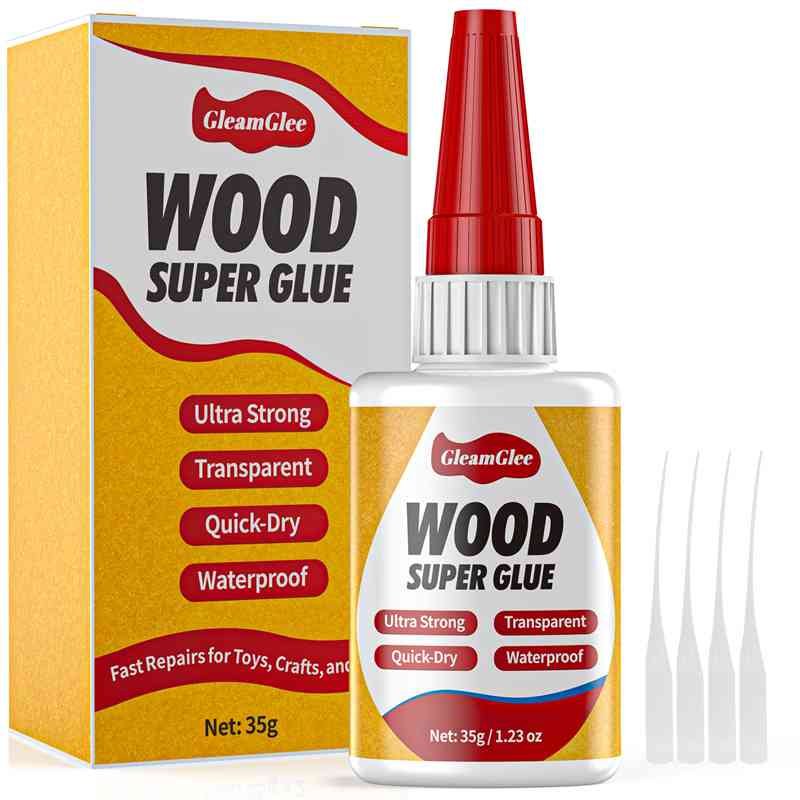
Precision becomes important in these applications because excess adhesive can spread over a visible surface and create unnecessary cleanup. The GleamGlee wood glue described for these projects is supplied with fine-tip nozzles intended to direct adhesive into small cracks and tight spaces. Each tube can be paired with multiple precision tips, which makes repeated small repairs easier than applying a wide bead from a conventional bottle opening.
Speed should still be used thoughtfully. A product that begins setting in seconds leaves less time to correct alignment. Dry-fitting the parts before application becomes essential, particularly when appearance matters. Fast setting is most useful when the joint location is predictable and the pieces can be brought together accurately on the first attempt.
Multi-Material Furniture Needs Compatibility
Modern household furniture frequently combines wood with plastic, metal, ceramic, coated surfaces, or synthetic fittings. Cabinet hinges, decorative inserts, handles, brackets, edge pieces, and mixed-material accessories can turn what appears to be a simple wood repair into a multi-substrate bonding problem.
A conventional woodworking adhesive may perform extremely well between two bare pieces of timber but behave differently on metal or plastic because these surfaces are far less porous. A multi-purpose adhesive designed for wood and selected non-wood materials can therefore be convenient for general household repairs, especially when users do not want to keep several different products for occasional DIY work.
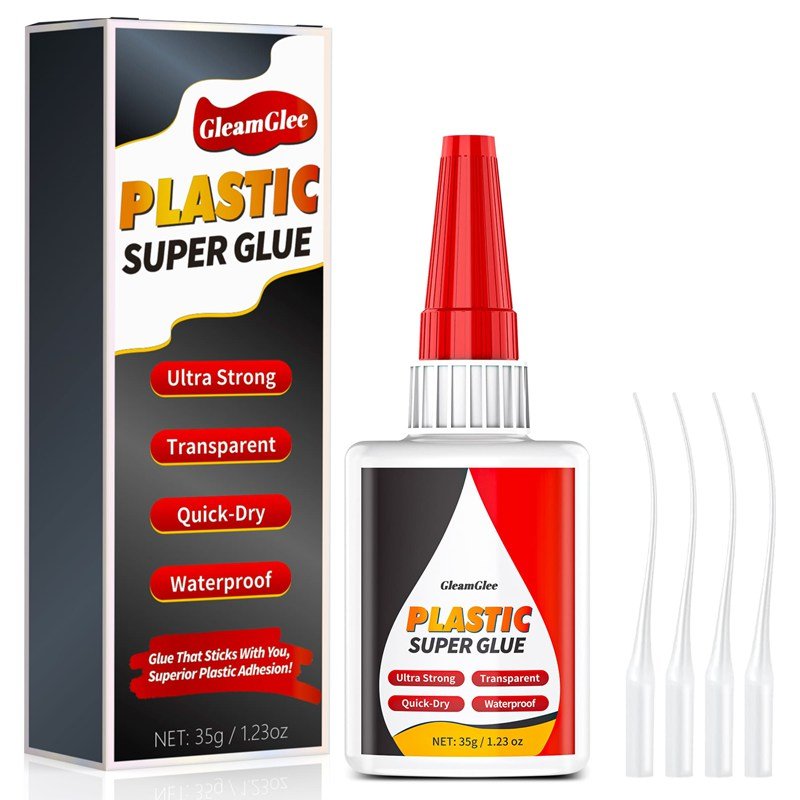
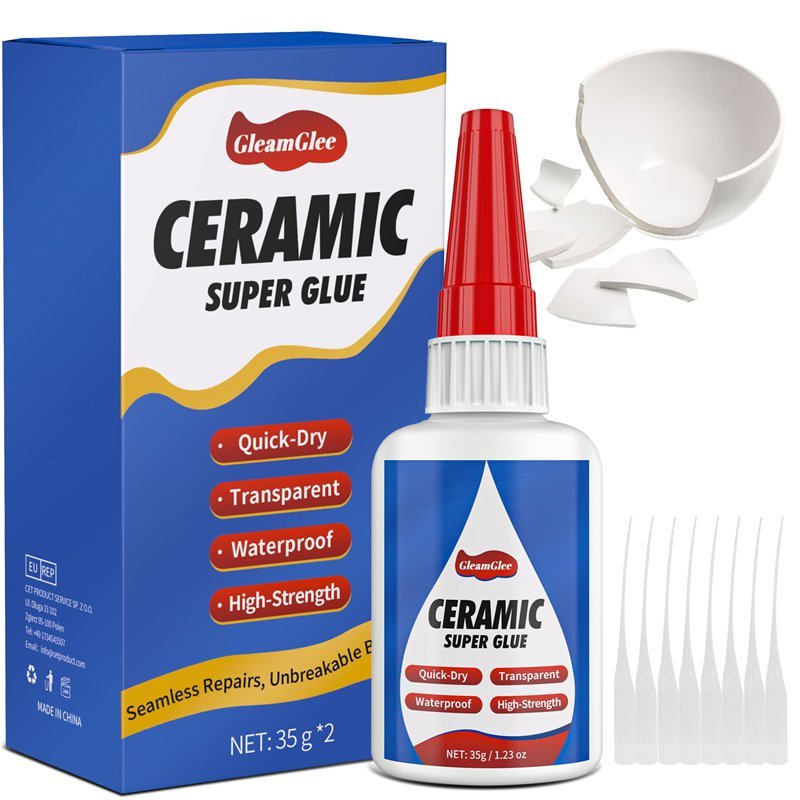
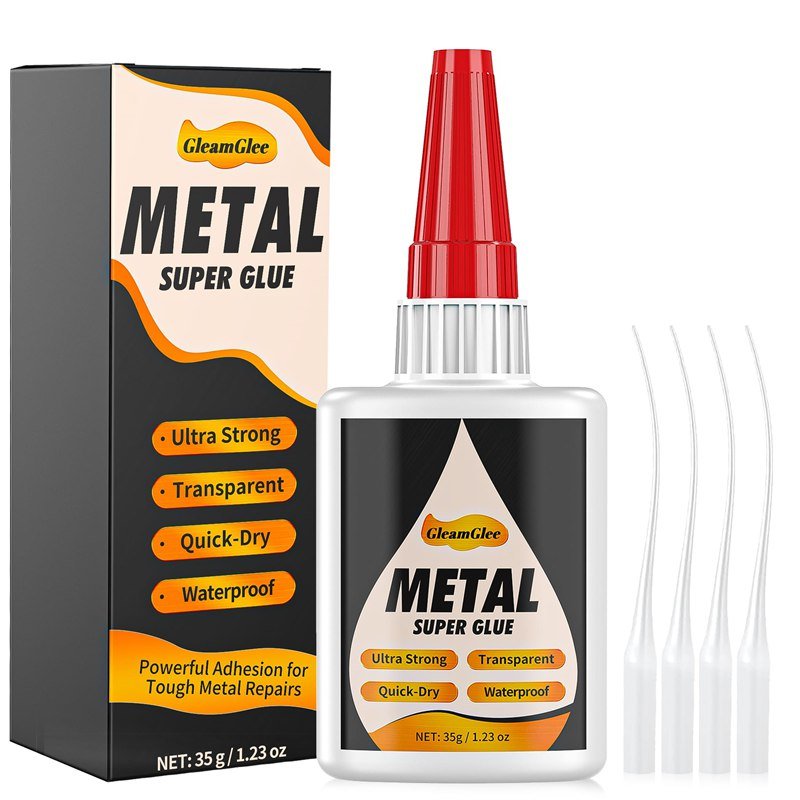
Compatibility still needs to be checked at the material level. “Plastic” includes many chemically different materials, including ABS, PVC, acrylic, polyethylene, and polypropylene. Surface coatings add another variable. A product may bond strongly to bare metal yet struggle with an oily finish or powder coating. When the substrate is uncertain, testing a small hidden area can prevent damage and wasted repair time.
How Do You Apply Wood Glue for a Strong Bond?
Strong furniture bonding starts before the glue is applied. Dry-fit the pieces, prepare clean surfaces, create continuous adhesive coverage, assemble within the available working time, and keep the parts properly aligned while the bond develops. More glue and more clamp pressure do not automatically create a stronger repair. Accurate contact, controlled application, and sufficient curing time are usually more important than an oversized bead.
Prepare Before Opening the Glue
Dry-fitting is one of the easiest ways to prevent a failed repair. Before adhesive touches the wood, put the components together and confirm that the joint closes correctly. Decide where clamps, tape, or temporary supports will go, and make sure every required tool is within reach. Once a fast-setting product is applied, there may be very little time to solve an alignment problem.
Previously repaired furniture needs closer inspection. Old hardened adhesive can act as a barrier between fresh glue and the wood fibers underneath. Dust, polish, wax, grease, and unstable finish can cause similar problems. Remove loose or contaminated material where practical, but avoid aggressive sanding that changes the fit of a traditional furniture joint unless the joint genuinely needs rebuilding.
Temperature and moisture also influence adhesive behavior. A cold workshop can slow some curing reactions, while very hot and dry conditions can shorten working time. Because different formulations behave differently, the product instructions should always take priority over a generic internet drying time.
Apply Enough for Continuous Coverage
The goal of adhesive application is to create useful contact across the joint rather than to deposit the largest possible amount. For many close-fitting furniture joints, enough glue should be applied to wet the mating surfaces consistently. When the parts are brought together, a small amount of squeeze-out around the edge may indicate that the adhesive has reached the perimeter.
Heavy squeeze-out usually creates more cleanup without providing a proportional increase in strength. It can also interfere with finishing because dried adhesive may prevent stain from penetrating exposed wood evenly. This is particularly noticeable around tabletop edges, frame corners, decorative moldings, cabinet faces, and other visible areas.
Fine nozzles are especially useful for small cracks and deep seams because they allow the adhesive to be placed inside the damaged area instead of coating the surrounding surface. On a long board edge, however, controlled spreading across the full contact area may be more important than using a narrow applicator. The application method should match the geometry of the joint.
Clamp for Contact and Alignment
Clamps should hold the assembly in its intended position while the adhesive develops strength. They should not be treated as a way to force a damaged joint into submission. The objective is full contact, correct alignment, and stable pressure rather than maximum tightening force.
Furniture assemblies also need to remain square while they are clamped. A cabinet frame can rack diagonally, a tabletop can bow, and a chair frame can twist if pressure is applied unevenly. Checking diagonals, straight edges, and visible alignment before the adhesive sets can save considerable rework later.
For very small repairs, conventional clamps may not be necessary. Depending on the adhesive and the component, temporary tape, a light fixture, hand pressure, or a small spring clamp may provide enough support. The important point is to keep the parts from shifting during the stage when movement would weaken or misalign the bond.
Set Time Is Not Full Cure
Adhesive curing usually develops in stages. Initial grab is the point where the parts stop moving easily. Handling strength means the repair can often be moved with care. Functional strength may allow limited use. Full cure is the stage where the adhesive has developed the properties intended by the formulation.
Confusing these stages is particularly risky with furniture. A chair joint can feel surprisingly solid after a short period while still being unready to support a person. Shelves, beds, stools, and tables also place much higher stress on a joint than simply lifting the repaired component from a workbench.
Traditional woodworking adhesives may require clamping periods ranging from tens of minutes to several hours depending on the formula, while heavily stressed repairs are commonly left much longer before full loading. Fast-setting products may behave differently, so the individual instructions remain the most reliable reference.
- Dry-fit every component before applying adhesive.
- Clean the bonding area and remove unstable residue.
- Apply a continuous, controlled layer instead of an oversized bead.
- Assemble within the product’s working window.
- Check alignment before the joint begins to grab.
- Hold or clamp the repair as directed.
- Allow enough cure time before returning the furniture to normal service.

Which Furniture Repairs Can Wood Glue Handle?
Wood glue can handle many everyday furniture repairs, including loose chair joints, split wooden parts, cabinet frames, drawers, shelves, trim, picture frames, and small cracks. The best candidates are repairs where the surrounding timber remains structurally sound and the components can be brought back into useful contact. When wood is rotten, badly crushed, missing, or part of a serious structural failure, adhesive alone may not be enough.
Chairs, Stools, and Tables
Chairs and stools are good examples of furniture that can benefit from adhesive repair but require careful diagnosis. A loose rung, intact tenon, separated rail, or stable leg joint can often be rebonded when the wood is still healthy. A heavily worn joint with missing wood, however, may remain loose even after large quantities of adhesive are added.
The movement of seating furniture makes these repairs more demanding than they first appear. Every time someone sits down, shifts weight, leans backward, or stands up, the frame experiences changing loads. A joint that feels firm immediately after curing needs to remain stable through many repeated cycles before the repair can really be considered successful.
Tables create slightly different problems. Clean splits that can be closed accurately are often suitable for adhesive repair, while loose legs and corner connections may require access to the original joint so deteriorated glue can be removed. A tabletop that has warped severely or lost wood around the damaged area may need additional restoration before gluing.
Cabinets, Drawers, and Shelves
Cabinets and drawers contain many glue-friendly repairs because their components often provide relatively broad contact surfaces. Loose wooden drawer corners, detached rails, separated face-frame pieces, decorative molding, and local cabinet splits may be repairable without replacing the entire piece of furniture.
Modern cabinets can contain solid wood, plywood, MDF, particleboard, laminate, plastic fittings, and metal hardware in one construction. Identifying the actual substrate matters because adhesives do not behave identically on every material. Sound plywood and solid hardwood generally offer different repair conditions from crumbling particleboard or water-swollen MDF.
Shelves also require attention to the complete support system. If a wooden joint has separated, adhesive may restore it effectively. If the shelf is sagging because it is too thin, the wall anchors are loose, or the brackets are undersized, glue cannot correct the underlying design problem. The load should be carried by an adequate structure after the repair.
Small Cracks and Visible Details
Small cracks are often where precise adhesive application provides the greatest practical benefit. Narrow splits in picture frames, wooden signs, boxes, drawer fronts, furniture trim, models, decorative items, toys, and hobby projects may need only a small amount of adhesive delivered directly into the opening.
A clear cured finish can be particularly useful when the repaired area remains visible. It reduces the visual contrast around a fine crack and is easier to integrate into detailed projects than a dark or opaque bond line. Precision nozzles also help keep adhesive away from surrounding finished surfaces, which reduces cleanup and the risk of interfering with stain or decorative coatings.
The condition of the split is still important. A clean crack whose surfaces naturally close together is usually a better repair candidate than one that contains dirt, loose wood, wax, or severe distortion. If the pieces spring apart strongly after pressure is removed, the cause of that movement should be addressed rather than relying on adhesive to permanently resist excessive internal stress.
| Repair | Good Adhesive Candidate | Warning Sign |
|---|---|---|
| Loose chair joint | Wood is intact and the joint can fit closely | Tenon or mortise is severely worn |
| Split tabletop | Crack closes accurately | Large section of timber is missing |
| Drawer corner | Sound wood and accessible joint | Particleboard is crumbling |
| Cabinet trim | Clean and compatible bonding surface | Waxed or heavily contaminated surface |
| Shelf joint | Local separation with adequate supports | Shelf design is overloaded |
| Garden bench | Sound timber and exterior-rated adhesive | Rot or deep structural decay |
The condition of the substrate should always be considered before reaching for glue. A strong adhesive can create an excellent bond to healthy wood, but it cannot restore the original mechanical strength of material that has already rotted, crumbled, or fractured beyond the joint itself.
Know When Glue Is Not Enough
A reliable repair decision includes recognizing situations where replacement or mechanical reinforcement is safer. Rotten outdoor components, badly crushed chair joints, deeply split structural legs, deteriorated stair parts, heavily swollen fiberboard, and missing sections of load-bearing wood often require more than adhesive.
Safety matters most with objects that support people or significant weight. Beds, chairs, benches, elevated shelves, railings, and steps can cause injury if a repaired structural member fails. In those cases, glue should not be used to hide damage that really needs rebuilding, replacement, or properly designed reinforcement.
Antiques and musical instruments require additional care. Professional restorers may deliberately use reversible adhesives so a joint can be opened again during future conservation. Applying a permanent modern adhesive to a valuable violin, guitar, or historic cabinet can make later repair much more difficult. The strongest product is not always the most appropriate product for every wooden object.
Is Waterproof Wood Glue Better for Indoor and Outdoor Furniture?
Waterproof or water-resistant glue is particularly useful when furniture is exposed to rain, spills, damp cleaning, condensation, or high humidity, but it is not automatically necessary for every indoor project. Outdoor durability depends on more than adhesive alone. Sound timber, suitable joint design, protective finishes, drainage, and realistic exposure conditions all influence whether a furniture repair remains dependable over time.
Indoor Furniture Can Still Face Moisture
Indoor furniture is often exposed to more moisture than its location suggests. Kitchen tables and stools encounter spills and wet wiping, bathroom cabinets deal with humidity and condensation, entryway furniture may receive wet footwear and clothing, and plant stands regularly experience water drips.
Using a moisture-resistant adhesive in these environments can provide a useful safety margin, especially when the repair is likely to be cleaned repeatedly. That does not mean every indoor application needs the most weather-resistant product available. A bedroom picture frame and a bathroom storage cabinet face very different service conditions.
Other characteristics still matter. A waterproof adhesive that is difficult to position, unsuitable for the substrate, or inconvenient to clean may not be the most practical solution for a dry interior project. Furniture repair is usually more successful when moisture performance is balanced with working time, surface compatibility, appearance, and ease of application.
Outdoor Furniture Faces Repeated Cycles
A garden bench or outdoor table does not simply become wet once. It may absorb moisture after rain, heat under strong sunlight, cool overnight, and then dry repeatedly over many months. The wood expands and contracts through these cycles, placing changing stress on the bond line.
For exposed furniture, weather-resistant or waterproof adhesive becomes more important because the repair needs to maintain useful strength through repeated moisture exposure. The GleamGlee wood glue described for outdoor DIY use is intended for damp and weather-exposed applications such as garden furniture, fences, gates, planters, and similar household wooden projects.
The adhesive is still only one part of the repair. Untreated end grain can absorb water, joints can trap moisture, protective coatings can deteriorate, and fasteners can corrode. A well-sealed, well-drained furniture design gives the glue a much better chance of remaining durable than a joint that stays wet for long periods.
Waterproof Does Not Mean Permanent Immersion
Moisture-related terminology can create unrealistic expectations. “Water-resistant,” “weather-resistant,” and “waterproof” are not always interchangeable, and manufacturers may use these terms according to different test methods or product classifications. Some woodworking adhesives are tested under recognized water-resistance procedures, while others are intended mainly for occasional wetting or outdoor weather exposure.
Permanent immersion creates a much more severe environment than rain or routine cleaning. A planter box exposed to damp soil, a wooden garden feature repeatedly hit by sprinklers, and a component used below the waterline should not automatically be treated as equivalent applications.
Users should therefore ask how the furniture will actually encounter water. Occasional spills, humid indoor air, periodic rain, standing water, and continuous immersion are separate exposure categories. When a project may remain submerged, only an adhesive specifically rated for that condition should be considered.
Outdoor Durability Starts With Sound Timber
No waterproof glue can make decayed wood structurally healthy. Outdoor furniture often fails because the timber around the joint has already softened from moisture, fungal attack, cracking, or long-term weather exposure. A strong adhesive may bond perfectly to the remaining fibers while those fibers themselves are too weak to carry the original load.
Before repairing a bench, gate, fence, planter, or outdoor table, press and inspect the surrounding material. Soft areas, deep dark discoloration, crumbling fibers, extensive cracking, and loose surface layers can indicate that replacement of the affected component is more appropriate than another adhesive repair.
After bonding, protective finishing can slow future moisture exchange and help preserve the wood. Exposed end grain deserves particular attention because it can absorb water rapidly. Durable exterior repair combines sound material, appropriate adhesive, correct curing, sensible joint design, and continued maintenance rather than expecting one product to solve every weather-related problem.
How Do You Choose Reliable Wood Glue for DIY Furniture?
Reliable wood glue should be evaluated by the materials it bonds, the environment it can tolerate, the time available for positioning, cured appearance, application control, and the type of repair being completed. For commercial sourcing, reliability also means consistent batches, stable packaging, quality inspection, realistic documentation, and the ability to reproduce the expected performance from the first sample through repeat production.
Compare Features That Affect Real Repairs
Strength matters, but practical furniture repair depends on several characteristics working together. A very strong formula can still produce a poor user experience if it sets before the parts are aligned, leaves a visible residue on a finished tabletop, cannot reach a tight crack, or loses performance in the intended environment.
For household DIY use, material compatibility should be checked first. Some products are designed mainly for wood-to-wood bonding, while others can also work with metal, plastic, ceramic, or additional repair materials. Moisture exposure, setting speed, cured appearance, and applicator design can then be considered according to the project.
Clear curing is particularly attractive for visible surfaces, small craft pieces, frames, models, and furniture details. Fine-tip nozzles are useful when the user needs to place adhesive inside a small opening rather than across a wide board edge. A product that combines these practical characteristics can be useful for households where repair jobs vary significantly from one week to the next.
Fast Setting Should Match Project Size
Quick setting is valuable when the joint is small and easy to position. A narrow crack in a chair component, loose trim, a picture frame corner, model part, or decorative wooden accessory can often be aligned accurately without a long assembly period.
Large furniture projects create different demands. A cabinet frame may have several joints that need adhesive at the same time. A table assembly may require multiple clamps and careful alignment. In these situations, extra working time can be more valuable than instant grab because the user needs enough time to position the entire structure correctly.
The practical question is therefore not whether fast drying is universally better. It is whether the available positioning window fits the task. Fast-setting adhesive works best when preparation is complete before application and the parts can be brought together accurately without prolonged adjustment.
Packaging Influences Application Quality
Adhesive packaging has a direct effect on how cleanly a repair can be completed. A large bottle opening may be efficient for spreading glue across broad woodworking surfaces, while a fine nozzle can be far more useful for hairline cracks, small joints, model components, and detailed furniture repair.
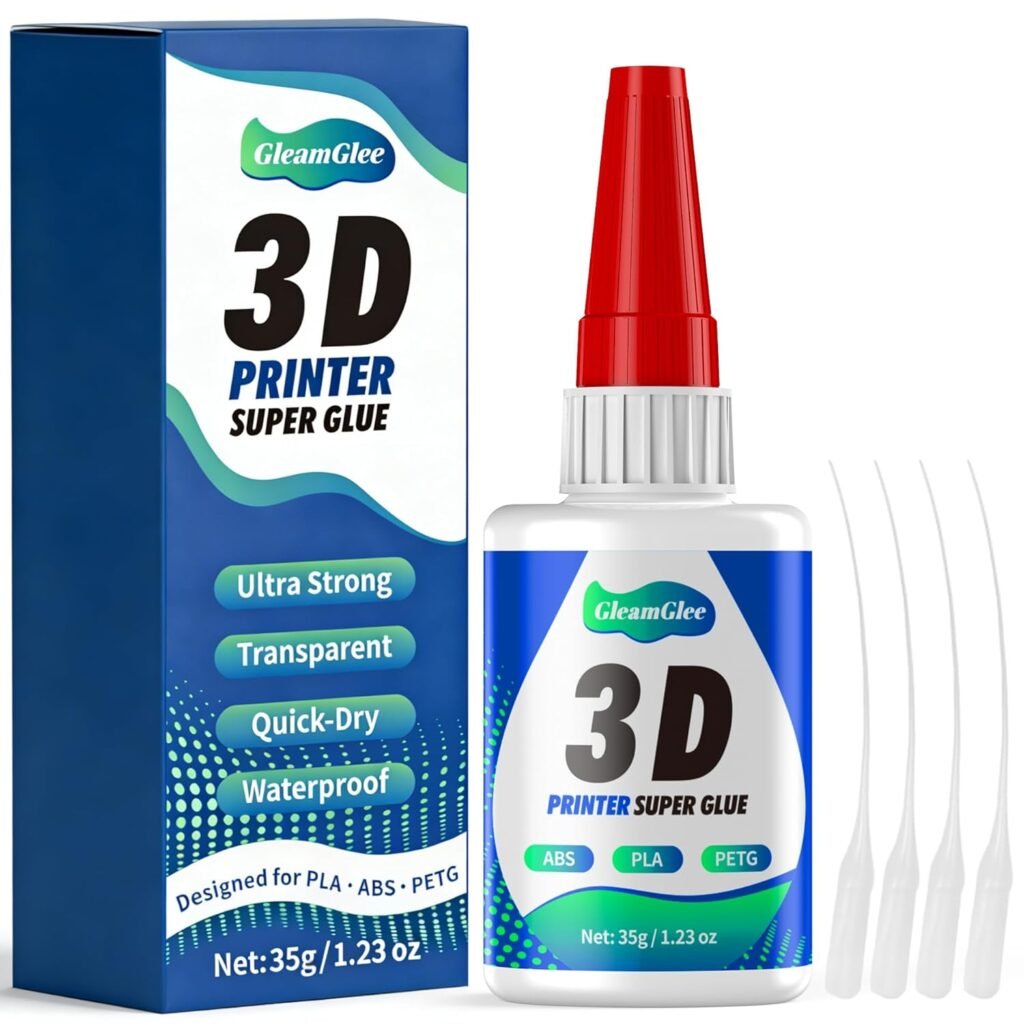
Spare applicator tips also have practical value because small openings can gradually become restricted by cured residue. A product supplied with multiple fine nozzles gives users an easier way to maintain controlled dispensing through several separate projects. The wood glue configuration discussed here includes four precision tips per tube and eight in a two-tube pack, making it particularly useful for repeated small repairs.
Leak resistance is equally important for storage and transportation. Tube material, cap design, seals, label durability, and adhesive compatibility all affect whether the product remains clean and usable after shipping. Consumers may never see the testing behind the package, but they immediately notice leaking containers, blocked nozzles, unreadable instructions, or uncontrolled dispensing.
Reliable Supply Matters at Commercial Scale
Retailers, online brands, distributors, and private-label projects need more than one successful adhesive sample. A commercially reliable product should perform consistently across repeated batches, packaging formats, and production runs. Raw-material checks, formula control, filling accuracy, packaging compatibility, leakage testing, and finished-product inspection become increasingly important as order volume grows.
Customization also matters for brands entering different markets. Bottle or tube size, nozzle configuration, labels, carton design, instructions, language localization, and visual identity may all need to change without altering the expected adhesive performance. A manufacturing partner that controls formulation, packaging, printing, and quality inspection can simplify this process because fewer production stages depend on unrelated suppliers.
For suitable customized projects, GleamGlee supports relatively low-volume entry programs beginning around 200 units, with print-ready design work possible in as little as two days. Typical sample preparation is around 7–14 days, while standard bulk-production planning is approximately 20 days, depending on formula, packaging, testing, order size, and regulatory requirements.
| Commercial Check | Practical Question | Example Evidence |
|---|---|---|
| Formula consistency | Will repeat batches behave similarly? | Batch and QC records |
| Bond evaluation | Has the adhesive been tested on intended materials? | Application or laboratory test results |
| Filling control | Is the product quantity consistent? | Filling inspection records |
| Packaging integrity | Can the tube or bottle survive transport? | Leakage and compatibility checks |
| Customization | Can packaging and labeling be adapted? | Sample packs and artwork |
| MOQ | Can a new product be tested without excessive inventory? | Written order thresholds |
| Sample schedule | How quickly can performance be evaluated? | Defined 7–14 day sample plan |
| Production planning | Can repeat orders be supplied predictably? | Confirmed manufacturing schedule |
For household users, choosing strong bond wood glue becomes much easier once strength is treated as the result of several practical decisions rather than one claim on a label. The adhesive needs to match the material, enter the joint cleanly, remain workable long enough for accurate assembly, tolerate the expected environment, and receive sufficient curing time before the furniture returns to normal use.
For a tight indoor chair joint, a conventional woodworking adhesive may be the most straightforward solution. A narrow visible crack may benefit from a fast-setting clear product and a precision tip, while outdoor furniture places greater importance on weather resistance and the condition of the timber itself. The most dependable repairs come from choosing the adhesive for the joint that actually exists rather than trying to force one product or one technique into every situation.
Strong wood glue can extend the useful life of tables, chairs, cabinets, shelves, frames, garden furniture, and many other wooden objects when it is used with realistic expectations and good preparation. Repairing rather than immediately replacing furniture can also reduce waste and preserve items that already fit a home well. The strongest result usually comes from a simple combination: sound wood, a suitable adhesive, clean contact surfaces, careful alignment, and enough patience to let the bond fully develop.

Conclusion
Choosing strong bond wood glue for DIY furniture is less about finding the product with the biggest strength claim and more about matching the adhesive to the actual repair. Joint fit, wood condition, moisture exposure, working time, clamping, and full cure all influence the final result. When these factors are handled correctly, a suitable wood glue can restore chairs, tables, cabinets, shelves, frames, and other household furniture with a bond that feels clean, stable, and dependable in everyday use.
For indoor furniture, close-fitting wood joints often favor straightforward woodworking adhesives, while outdoor projects require greater attention to water resistance, weather exposure, and seasonal wood movement. Small cracks and decorative repairs may benefit from fast-setting, clear-curing formulas with precision nozzles, while damaged gaps or mixed-material joints can require a different adhesive chemistry. The most reliable approach is always to understand the joint first, then select the glue that best matches the materials, environment, and application method.
A successful furniture repair should also be judged by how well it performs after weeks and months of real use, not only by how firmly it feels immediately after bonding. Careful surface preparation, accurate alignment, controlled application, and enough curing time can make a major difference to long-term durability. Whether repairing a favorite chair, rebuilding a cabinet joint, or maintaining outdoor furniture, thoughtful adhesive selection can extend product life, reduce unnecessary replacement, and make DIY woodworking repairs far more predictable.

Frequently Asked Questions
What is the strongest wood glue for furniture?
There is no single strongest wood glue for every furniture joint because performance depends on the adhesive chemistry, joint fit, wood species, surface preparation, moisture conditions, and load. PVA works well for many close-fitting wood joints, while epoxy can be more appropriate for damaged gaps and polyurethane may suit selected moisture-exposed projects. For small precision repairs, fast-setting specialty adhesives can provide a practical combination of control and bond strength.
Is wood glue strong enough for chairs and tables?
Wood glue can be strong enough for many chair and table repairs when the surrounding timber is sound and the original joint can be restored to a close fit. Loose rails, intact tenons, tabletop splits, and some leg joints are common repair candidates. However, glue should not be expected to rebuild severely worn joints, rotten wood, broken structural members, or missing material without additional repair work or reinforcement.
How long should wood glue dry before using furniture?
Drying time depends on the adhesive formulation, joint design, temperature, humidity, wood species, and amount of stress the repaired part will carry. Some products develop initial holding strength quickly, while full cure can take much longer. Even when a repair feels firm, heavily loaded furniture such as chairs, beds, stools, and shelves should not be returned to normal service until the product’s stated curing requirements have been completed.
Do I need to clamp wood glue?
Many traditional wood-to-wood furniture joints benefit from clamping because it keeps the parts aligned and maintains close surface contact while the adhesive develops strength. Small cracks and fast-setting precision repairs may instead use hand pressure, tape, fixtures, or light clamps depending on the product. The goal is controlled contact rather than maximum pressure, because excessive clamping can distort wood or force unnecessary adhesive from the joint.
Can waterproof wood glue be used indoors?
Waterproof or weather-resistant wood glue can usually be useful indoors when its other properties suit the project. Kitchens, bathrooms, plant stands, entryway furniture, and frequently cleaned surfaces may benefit from extra moisture resistance. For completely dry decorative projects, however, waterproof performance may be less important than working time, clear curing, easy cleanup, or precise application, so the complete set of product characteristics should guide the choice.
Can wood glue bond wood to metal or plastic?
Some multi-purpose wood adhesives are formulated to bond wood with selected metals, plastics, ceramic surfaces, and other materials, but compatibility should never be assumed for every substrate. Plastics differ significantly in surface energy and chemistry, while metal coatings, oils, and finishes can interfere with bonding. Checking the product instructions and testing a small inconspicuous area is especially useful when the exact material or surface treatment is uncertain.
Can wood glue repair outdoor furniture permanently?
A weather-resistant adhesive can provide a durable outdoor furniture repair when the wood is healthy, the joint is properly prepared, and the product is suitable for the expected moisture conditions. Long-term success also depends on drainage, joint design, protective coatings, seasonal wood movement, and maintenance. If a bench, fence, gate, or table contains rot or heavily deteriorated timber, replacing the damaged component may be more dependable than repeatedly adding adhesive.
Share:
Table of Contents
Here, creating your adhesives glue & removal cleaner collection is no longer a barrier—it’s a collaborative journey where GleamGlee helps brands and businesses transform their vision into durable, certified, and market-ready solutions.
Partner with GleamGlee
Join hundreds of global partners who trust GleamGlee for adhesives and cleaners that combine innovation, compliance, and speed. Our vertically integrated system—from R&D to warehouse—guarantees consistent performance and reliable delivery.
Whether you’re sourcing FBA-ready stock or developing your own formula, our team provides unmatched technical support and responsive service.