 Skip to content
What Is the Best Waterproof Fabric Glue for Outdoor Clothing: A Practical Guide
Your trusted adhesives glue & cleaner manufacturer
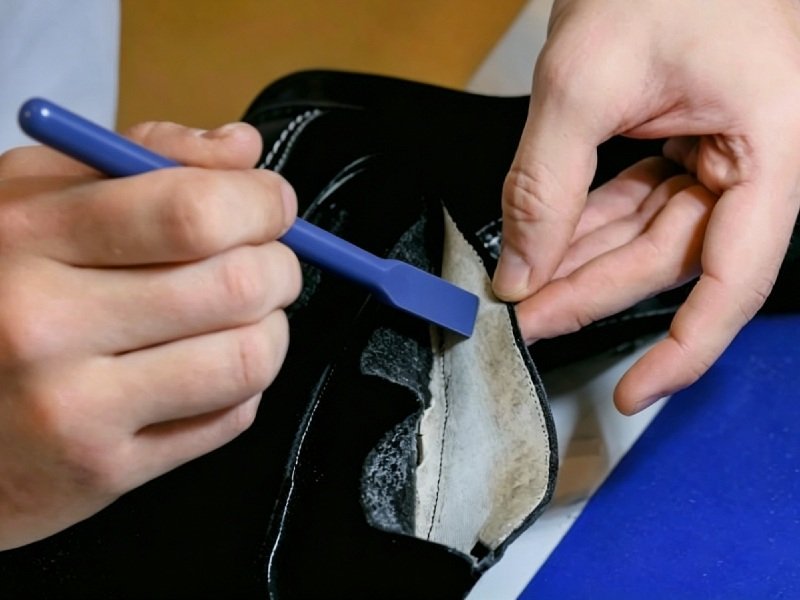
Outdoor clothing is made for hard use. It goes through rain, dirt, repeated folding, friction from bags, stretching at the knees and elbows, and regular washing after real wear. That is why small damage often becomes a bigger problem fast. A loose hem on rain pants can start dragging on the ground, a lifted patch on a jacket sleeve can peel further after one wash, and a small opening near a cuff can turn into a visible tear within days. In many cases, the clothing is still worth keeping, so what matters most is a repair method that is quick, neat, flexible, and reliable.
The best waterproof fabric glue for outdoor clothing usually balances four things well: strong bonding, a soft feel after drying, a clear finish, and resistance to washing and light moisture. For small and medium-sized repairs, it can save time compared with sewing and often leave a cleaner-looking result. It is especially useful for hems, patches, trims, loose seams, lining edges, and small tears where appearance and flexibility matter as much as strength.
That is why this type of product appeals to both households and business buyers. A parent may need to fix a child’s raincoat in one evening. A hiker may want to repair a peeling cuff before a weekend trip. A seller may want a practical fabric adhesive that works across clothing repair, home textiles, patches, and no-sew DIY use. In the end, the real question is simple: can it repair clothing properly without making it look worse?
What Is Waterproof Fabric Glue?
Waterproof fabric glue is a no-sew adhesive made for joining fabric in a way that stays cleaner, softer, and more wearable than many ordinary glues. For outdoor clothing, it is mainly used to repair small damage that does not justify replacing the garment or taking it to a tailor. The best versions are designed to dry clear, stay flexible, and keep holding after normal washing, ironing, bending, and daily wear. GleamGlee’s product is positioned exactly around these needs: strong bond, clear finish, soft feel after drying, machine-washable performance, and full cure within 24 hours.
What makes this product category valuable is that most clothing damage starts small. A hem opens by 2 or 3 inches. A patch lifts at one corner. A jacket cuff starts peeling back. A small slit appears where fabric rubs against a zipper, a backpack strap, or a rough surface. At that stage, the garment is still fully wearable, but the damage is already visible and likely to spread. Waterproof fabric glue gives people a way to deal with that problem early, before a minor repair becomes a larger and more expensive one.
For many households, this is not just about convenience. It is also about cost control. Replacing one outdoor jacket can cost several times more than a tube of fabric glue. Replacing children’s outdoor clothing, school rainwear, hiking pants, or workwear every time a small repair appears is simply not practical. That is why four things usually matter most in daily use:
- whether the glue holds firmly enough for real clothing wear
- whether the repaired area stays soft after drying
- whether the result looks neat on visible fabric areas
- whether it can survive normal washing and care
A good waterproof fabric glue is not meant to replace every sewing job. It is meant to solve the repairs people face most often, especially the ones they want to finish quickly and cleanly at home.
What Is Waterproof Fabric Glue Used For?
Waterproof fabric glue is used for fabric repairs, fabric adjustments, patch attachment, and decorative fixing where sewing is not the preferred option. In daily life, that usually means repairing hems, reattaching loose fabric edges, closing small tears, attaching patches, fixing trims, securing linings, and stopping frayed areas from getting worse. For outdoor clothing, these are some of the most common repair situations because jackets, rainwear, hiking pants, and lightweight gear are exposed to repeated bending, moisture, friction, and frequent washing.
Most people want a repair they can finish in minutes, leave overnight, and wear again the next day. A loose hem on rain pants or a lifting patch on a jacket usually does not require a full sewing session. That is exactly where waterproof fabric glue becomes useful. GleamGlee’s product description reflects that kind of real-life use: apply evenly, press the fabric into place, allow about 6 to 10 minutes for initial setting, and let it fully cure in 24 hours.
The most common real-life uses include:
- hemming pants, skirts, and curtains without sewing
- attaching plain or decorative patches to jackets, jeans, or uniforms
- fixing split seams on shirts, dresses, jackets, or accessories
- securing cuffs, collars, and trim edges
- repairing bag linings, hat bands, and lightweight fabric accessories
- attaching embroidery, ribbons, sequins, or decorative details
- handling quick school, costume, and home textile repairs
Fabric glue is rarely bought for only one task. In many homes, it starts with one urgent repair, then ends up being used on several other fabric items over time. One tube may first fix an outdoor jacket, then later be used on a curtain hem, a school costume, a bag lining, or a decorative patch. That wider usefulness is one of the reasons the product feels practical rather than limited.
| Repair situation | Why fabric glue is used | Suitability |
|---|---|---|
| Loose hem | Fast, neat, no sewing needed | Very high |
| Patch repair | Easy positioning and clean look | Very high |
| Small tear | Helps stop damage from spreading | High |
| Trim lifting | Better appearance on visible areas | High |
| Lining separation | Quick repair without tailoring | High |
| Major load-bearing seam | Glue alone may not be enough | Limited |
The key point is simple: waterproof fabric glue is most useful on the repairs that are small enough to fix at home, but annoying enough that people want a real solution instead of ignoring them.
Why Is Waterproof Fabric Glue Good for Outdoor Clothing?
Outdoor clothing needs a different kind of repair product than indoor textiles do. A cushion cover in a living room may not move much after repair. A rain jacket, hiking pant, softshell, or uniform item moves all the time. It bends at the knee, folds into a backpack, rubs against the body, gets washed after sweat and dirt, and often sees wet conditions. That is why glue for outdoor clothing cannot just be “strong.” It also has to stay flexible.
This is one of the biggest reasons waterproof fabric glue works well for outdoor clothing. When the formula dries soft instead of hard, the repaired area continues to move with the garment. That improves comfort, improves appearance, and reduces the chance that the bond line will crack or peel simply because the fabric keeps flexing. GleamGlee’s fabric glue is specifically described as drying soft and elastic rather than stiff. That matters because one of the first concerns before purchase is usually very simple: “Will the repaired area feel hard or uncomfortable after it dries?” A flexible finish gives a much better answer to that concern than a hard bond ever could.
Another reason it fits outdoor use is that outdoor clothing often costs enough to make repair worthwhile. A small issue on a jacket or pair of pants may not reduce function immediately, but it lowers appearance and may lead to larger damage if ignored. A quick repair can often extend usable life by months or even longer, depending on how the garment is worn.
Here is the kind of practical value this product often brings in everyday wear:
| Outdoor clothing item | Common damage | Why fabric glue helps |
|---|---|---|
| Rain jacket | Lifting hem, patch edge, cuff separation | Fast repair, neat finish |
| Hiking pants | Loose hem, small edge split | Flexible hold, no sewing machine needed |
| Workwear jacket | Trim lifting, light seam opening | Helps extend usable life |
| Kids’ outdoor clothing | Small tears, patch reattachment | Quick repair at home |
| Accessories and bags | Lining separation, decorative repair | Easier control on smaller areas |
Another practical advantage is that fabric glue works best when a repair is done early. A hem that opens by one inch today may become four inches after one wash. A patch corner that lifts slightly may peel much further after repeated use. In that sense, fabric glue is often as useful for preventing bigger damage as it is for fixing visible damage that has already appeared.
Is Waterproof Fabric Glue Better Than Sewing?
Waterproof fabric glue is not always better than sewing, but for many common outdoor-clothing repairs it is the more practical choice. The real comparison is not about which method sounds stronger in theory. It is about which method fits the problem better. For a loose hem, a lifting patch, a small trim repair, or a light seam opening, glue is often faster, easier, and cleaner. For a large structural tear or a seam under constant heavy tension, sewing is usually the safer long-term option.
What makes glue attractive is that it lowers the effort needed to complete the repair. Many people do not sew regularly. They may not own matching thread, may not feel confident stitching neatly, or may simply not want visible stitch lines on a smooth jacket or clean hem. In those cases, glue becomes the repair method people are actually willing to use.
That matters because clothing is not only functional. It is also visual. A neat glue repair on a hem or patch often looks better than rushed hand stitching, especially on smooth jackets, visible cuffs, or clean garment edges. For many small repairs, appearance is part of the decision, not just strength.
| Repair factor | Waterproof fabric glue | Sewing |
|---|---|---|
| Speed | Fast | Slower |
| Skill required | Low | Medium to high |
| Extra tools needed | Minimal | Several tools needed |
| Appearance on visible areas | Often cleaner | Can be more visible |
| Best for small quick repairs | Yes | Possible, but slower |
| Best for heavy structural repairs | Limited | Better |
Many people end up choosing glue not because sewing is wrong, but because glue fits real life better for small repairs. It is faster, easier to control, and much more likely to be used right away. For hems, patches, cuffs, trims, small tears, and local fabric damage, that practical advantage matters a great deal.
In real life, the question is usually very simple: “Will this fix the problem well enough, quickly enough, and neatly enough that I can keep wearing the item?” For hems, patches, cuffs, trims, small tears, and local fabric repairs, the answer is often yes.

Which Outdoor Clothing Can Waterproof Fabric Glue Repair?
Waterproof fabric glue can repair many types of outdoor clothing, but it works best when the damage is local, controlled, and not under constant heavy pulling. In simple terms, it is most useful for the kinds of clothing problems people see all the time: a jacket hem opening, a patch edge lifting, a cuff peeling back, a light seam separation, or a small tear that has just started to spread. These are the repairs most people want to handle quickly at home, without paying for tailoring or replacing the whole garment. When the damage is small but visible, fabric glue often feels like the most practical middle ground between ignoring the problem and overcomplicating the repair.
For outdoor clothing, the biggest advantage is that the repair often needs to do two jobs at the same time. It needs to hold the fabric together, but it also needs to keep the garment looking wearable and feeling comfortable. A repair on a rain jacket or hiking pant is very different from a repair on a static home textile. Outdoor clothing bends, folds, rubs, and gets washed repeatedly. That is why three things usually matter most in daily wear:
- whether the repair will hold during normal use
- whether the repaired area will stay soft enough to wear comfortably
- whether the result will still look clean on visible clothing areas
GleamGlee’s fabric glue is positioned around these practical needs. The product information describes it as suitable for clothing repairs, hems, patches, seams, cuffs, collars, jeans, curtains, linings, hats, bags, and decorative fabric details, with a clear-drying, flexible, washable bond. That broad use range matters because one tube is expected to handle several common fabric problems around the home.
A useful way to think about outdoor-clothing repair is this: the smaller and more defined the repair area is, the better fabric glue usually performs. If the area is flat enough to align properly, large enough for the glue to grip, and not under extreme tension every time the garment is worn, the result is usually much more dependable.
| Outdoor clothing type | Common repair issue | Glue suitability | Why |
|---|---|---|---|
| Rain jackets | Loose hem, cuff edge, patch lifting | Very high | Visible areas need neat flexible repair |
| Hiking pants | Hem opening, small outer-leg tear, patch repair | High | Good on local damage, especially hems |
| Softshell jackets | Trim lifting, patch edge, lining separation | High | Needs flexible rather than stiff repair |
| Workwear | Small seam opening, patch repair, cuff repair | Medium to high | Good when damage is not structural |
| Kids’ outdoor wear | Small tears, patch attachment, hem fixes | Very high | Fast home repair saves replacement cost |
| Fabric hats and accessories | Lining or trim repair | High | Small controlled repair area |
| Heavy structural seams | Large seam failure, high-tension tear | Limited | Sewing or reinforcement often better |
The key point here is not that fabric glue repairs everything. The real point is that it handles many of the clothing problems that show up most often in daily life, especially the small and medium repairs that make a garment look worn long before it is truly worn out.
Can Waterproof Fabric Glue Fix Jackets?
Yes, jackets are one of the strongest and most practical uses for waterproof fabric glue. In fact, many people first buy fabric glue because of a jacket problem rather than a craft project. Jackets often start failing in small areas long before they fail as a whole. A hem opens, a cuff edge separates, a patch peels at one corner, or a lining comes loose near a sleeve opening. These are the kinds of repairs that feel too noticeable to ignore, yet too small to justify replacing the garment.
Jackets are a good fit for this kind of repair because many problem areas are easy to reach and easy to flatten during bonding. A hem or patch edge can usually be pressed into place neatly. That gives the glue better contact and makes the repair look cleaner. On visible jacket areas, glue is often preferred because a careful clear repair can look less obvious than uneven hand stitching. That makes a big difference on outerwear, where clean lines and surface appearance matter almost as much as the repair itself.
The jacket repairs that usually matter most include:
- loose bottom hems on rain jackets, casual jackets, and lightweight shells
- cuff edge separation where fabric starts peeling back
- patch reattachment on outdoor, school, club, or uniform jackets
- small snag tears that need to be stabilized early
- lining edge repair near sleeves, collars, or openings
- decorative trim lifting on visible outer panels
Jackets usually cost enough to make repair worthwhile. Even a mid-priced outdoor jacket can cost far more than one tube of fabric glue, so a clean repair on a hem, cuff, patch, or lining edge often offers a very strong value return.
| Jacket repair area | Repair urgency | Visibility | Glue fit |
|---|---|---|---|
| Bottom hem | Medium | High | Very good |
| Sleeve cuff | Medium | High | Very good |
| Patch edge | Medium | High | Very good |
| Lining edge | Low to medium | Medium | Good |
| Small outer tear | Medium | High | Good if repaired early |
| Main shoulder seam | High | Medium | Limited |
| Large front rip | High | High | Limited |
Some judgment is still needed. If a jacket has a large rip across a load-bearing seam or an area under constant pulling, glue alone may not be enough. But for the repairs jacket owners run into most often, especially hems, cuffs, patches, trims, and light outer damage, waterproof fabric glue is one of the easiest ways to keep the garment in use.
Can Waterproof Fabric Glue Repair Pants and Hems?
Yes, pants and hems are some of the most common and most suitable uses for waterproof fabric glue. Hems are especially practical because they usually provide a longer line of contact rather than a single tiny repair point. That matters because a longer contact strip gives the glue more area to hold, and that usually improves both appearance and performance.
For outdoor pants, the lower leg area is often where wear begins. The hem drags slightly on shoes, rubs against dirt and moisture, gets bent during walking, and goes through repeated washing. On children’s outdoor wear and hiking pants, this kind of wear can show up very quickly. A hem that opens by one inch today may become three or four inches after more walking and one wash cycle. That is why early repair is valuable.
Fabric glue is often used on pants for:
- loose hems on hiking pants, rain pants, and casual outdoor trousers
- cuff edge repair where the folded edge starts separating
- small outer-leg patch attachment on visible areas
- minor decorative strip repair on sportswear or uniforms
- light lining or pocket edge fixes on fabric-heavy garments
One reason glue works so well on hems is that most people do not want to pay for a tailor or bring out a sewing kit for a relatively small fix. A hem problem feels annoying, but not serious enough to justify a complicated repair. Glue fits that kind of situation very well. It allows the issue to be fixed in one short evening repair session and put back into use after curing.
| Pants repair type | Stress during wear | Glue suitability | Notes |
|---|---|---|---|
| Loose hem | Low to medium | Very good | Strong everyday use case |
| Cuff edge opening | Medium | Very good | Best repaired before it spreads |
| Decorative strip lifting | Low | Very good | Good visual repair |
| Small outer patch repair | Medium | Good | Works well if area is flat |
| Pocket lining edge | Low | Good | Good for local repair |
| Inner-thigh seam failure | High | Limited | Better with sewing support |
| Large knee tear | High | Limited | Often needs reinforcement |
Comfort is another reason fabric glue needs to stay flexible on pants. If the repair dries too hard, the lower leg area can feel stiff during walking, especially around hems and cuffs. A soft, elastic finish is much better suited to moving clothing parts than a hard-drying bond.
Can Waterproof Fabric Glue Hold Patches and Seams?
Yes, waterproof fabric glue can hold many patches and minor seam repairs very well, especially when the repair is local and not under constant heavy force. Patch use is one of the clearest reasons fabric glue gets bought in the first place. A patch can cover damage, improve appearance, and help a garment look intentionally repaired instead of simply worn out. That is a strong advantage on outdoor clothing, where visible repairs are often judged as much by appearance as by hold.
Outdoor clothing often uses patches on sleeves, elbows, knees, chest areas, pant legs, hats, and bags. These are visible places, which means the repair method needs to be clean. A patch that sits flat and bonds neatly can make the clothing look intentionally restored instead of obviously damaged. That is one reason a clear-drying glue works especially well for patch repairs. It helps the patch sit neatly without drawing too much attention to the bond line around the edge.
The most common patch-related uses include:
- reattaching a loose patch edge before it peels further
- adding a decorative patch to cover a small damaged area
- reinforcing a worn spot on low-to-medium stress fabric areas
- fixing school, club, team, or workwear badges
- repairing fabric accessories with badge or trim details
Patch performance usually depends on three things:
- how evenly the glue is spread
- how well the edges are covered
- how flat and stable the patch area is during curing
This is why applicator design matters. A fine nozzle is not just a packaging detail. It directly affects whether the glue can be placed neatly along patch edges without flooding the visible fabric area. GleamGlee highlights a precision nozzle and anti-clog cap design, which is especially useful for patch and edge repairs where control matters most.
Seam repairs need a more realistic approach because not every seam handles the same kind of stress. A light opening on a lining, trim panel, or low-stress edge may be a very good fit for fabric glue. A seam that faces repeated pulling every time the garment is worn is a weaker fit and may need reinforcement or stitching.
| Seam or patch situation | Stress level | Glue suitability |
|---|---|---|
| Decorative patch | Low | Very good |
| Outer patch on sleeve or leg | Medium | Good |
| Lining seam opening | Low | Good |
| Trim seam opening | Low to medium | Good |
| Small edge fraying | Low | Good |
| Main movement seam | High | Limited |
| Heavy load-bearing seam | High | Limited |
What matters most here is honest guidance. Fabric glue builds trust when it performs strongly in the repairs it is actually meant for: patches, hems, trims, light seam issues, and small visible damage. Positioned that way, it becomes far more useful and much easier to recommend.
Can Waterproof Fabric Glue Repair Kids’ Outdoor Clothing and Accessories?
Yes, this is one of the strongest everyday use cases. Children’s outdoor clothing and fabric accessories are repaired often because they face hard wear but are not always worth replacing immediately after small damage. Raincoats, school jackets, outdoor trousers, hats, backpack fabric parts, and costume items often develop manageable problems like small tears, loose hems, patch lifting, or lining separation.
For parents, the value is usually very clear. The repair needs to be quick, easy, and neat enough that the child can wear the item again without discomfort or embarrassment. Most families are not looking for a technical repair process. They want a practical fix that saves money, avoids waste, and keeps the item usable.
Typical use cases include:
- repairing a school raincoat hem
- reattaching a badge or patch on a child’s jacket
- fixing a small tear before it grows larger
- repairing a hat band or bag lining
- handling last-minute costume or school-event fabric fixes
This category also has strong repeat value because households with children usually face more than one repair over time. A single product may be used on jackets, pants, costume items, fabric book covers, hats, and school projects. That broader usefulness makes the purchase feel much more worthwhile.
| Kids’ clothing or accessory issue | Repair speed needed | Glue fit |
|---|---|---|
| School jacket hem | High | Very good |
| Badge or patch edge | Medium | Very good |
| Small outer tear | High | Good |
| Costume fabric detail | High | Very good |
| Hat lining or trim | Medium | Good |
In this type of repair, ease of use matters even more than technical language. The product needs to feel simple, controlled, and dependable in normal home use.
How Do You Use Waterproof Fabric Glue?
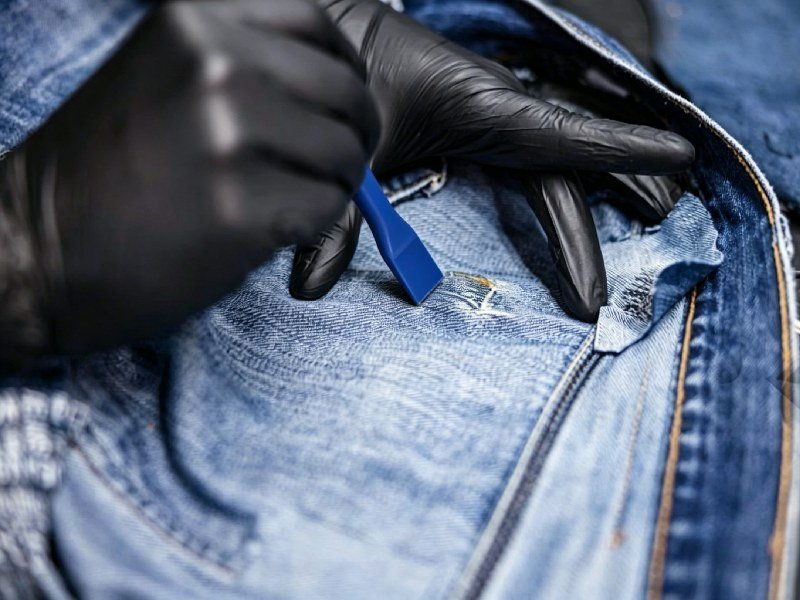
Waterproof fabric glue is used by preparing the fabric carefully, applying a thin and even layer to the repair area, pressing the fabric into the correct position, and then giving the bond enough time to cure fully before wearing or washing the item. For outdoor clothing, the process matters just as much as the glue itself. A neat repair usually comes from clean fabric, careful alignment, and patience during drying. GleamGlee’s product directions fit this practical repair rhythm well: apply evenly, press to bond, allow about 6 to 10 minutes for initial setting, and let it fully cure within 24 hours.
Many people think clothing repair is mainly about finding a strong glue, but in real use, the result depends heavily on method. A good fabric glue can still perform poorly if the clothing is damp, dusty, misaligned, or moved too soon. On the other hand, even a small repair can look surprisingly clean and last well when the fabric is prepared properly and the glue is applied in a controlled way.
For outdoor clothing, waterproof fabric glue is often used on jobs like these:
- closing a loose hem on rain pants or hiking pants
- reattaching a patch on a jacket sleeve or pant leg
- fixing a cuff edge that has started to peel back
- repairing a small tear before it spreads
- securing a loose lining edge inside a jacket or bag
- attaching decorative or functional fabric details without sewing
The main goal is simple: make the repair hold without making the garment look messy, stiff, or uncomfortable.
| Repair step | Why it matters | What usually matters most |
|---|---|---|
| Surface prep | Helps glue grip cleanly | Less chance of repair failure |
| Controlled application | Avoids mess and stiffness | Cleaner-looking result |
| Firm pressing | Improves contact between fabrics | Better hold |
| Enough curing time | Protects bond before use | Repair lasts longer |
A well-done glue repair is often less about speed in the first few minutes and more about avoiding mistakes that cause rework later.
How Do You Prepare Outdoor Clothing for Waterproof Fabric Glue?
In simple terms, prepare outdoor clothing by making the repair area clean, dry, flat, and stable before any glue touches the fabric. Most failed repairs do not fail because the product is weak. They fail because the surface was dirty, slightly damp, badly aligned, or already too damaged before bonding started.
Outdoor clothing needs more careful preparation than many indoor fabrics because it collects the kind of residue that is not always obvious right away. A jacket cuff may look clean but still carry body oil, detergent residue, dirt from storage, or fine dust from daily wear. Hiking pants may have mud particles or friction dust near the hem. A raincoat may still feel dry on the outside while holding a small amount of moisture deep in the fold. These things may seem minor, but they can reduce how well the glue grips the fabric.
Before applying glue, it helps to look at the full repair area, not only the visible damage. A hem may be open for 2 inches, but the surrounding folded edge may already be weakening. A patch corner may be lifting, but the next side may also be close to separating. A small tear may have loose fibers around it that need trimming before the surfaces can sit neatly together. This kind of quick inspection often improves the final repair more than expected.
A practical preparation routine usually includes the following:
- clean the area gently so dust, oil, and loose dirt do not interfere with bonding
- make sure the fabric is fully dry before glue is applied
- trim loose threads carefully if they prevent the edges from aligning well
- flatten the repair area first and check how the surfaces will sit together
- place a protective sheet behind the fabric if there is any chance glue may soak through
For visible repairs, flattening matters a lot. A jacket hem, patch edge, or cuff fold that looks straight before bonding usually looks much better after bonding. Once the glue starts setting, there is less time to adjust the shape neatly.
| Preparation condition | Final appearance | Hold strength | Risk of rework |
|---|---|---|---|
| Clean, dry, flat | Best | High | Low |
| Slightly dusty | Less neat | Medium | Medium |
| Damp fabric | Uneven | Lower | High |
| Poorly aligned edges | Visible repair line | Medium | High |
| Loose fibers left untrimmed | Rough finish | Medium | Medium to high |
A good rule is simple: if the fabric is not ready to press neatly together without glue, it is not ready for glue yet.
How Do You Apply Waterproof Fabric Glue Correctly?
In simple terms, apply waterproof fabric glue in a thin, even, controlled layer, then press the fabric surfaces together carefully without overloading the repair area. In fabric repair, more glue does not usually mean a stronger result. Too much glue often creates a messy edge, slows drying, makes the area feel heavier, and increases the chance that the repair will look obvious on the garment.
This is especially important on outdoor clothing because many repairs happen in visible places. A flooded hem on a rain jacket, a thick glue line around a patch, or seep-through on lightweight fabric can make the repair look worse than the original damage. Most people want the opposite. They want the repaired area to blend in and stay wearable.
The best application method depends on the shape of the repair:
- for a hem, a narrow line along the folded edge usually works best
- for a patch, a thin edge-focused layer plus light interior coverage is often enough
- for a small tear, the goal is to bring the edges together neatly without squeezing glue onto the visible face
- for a lining repair, a controlled thin spread helps create even contact without bunching
GleamGlee’s product information highlights a precision-style nozzle and anti-clog cap design, and that matters because control is one of the biggest factors in repair satisfaction. A product becomes much easier to trust when it can be placed exactly where it is needed instead of spreading too quickly.
A simple application workflow looks like this:
- test the position first without glue so you know how the fabric should sit
- apply a thin even amount to one repair surface
- press the fabric together immediately while keeping the edges aligned
- smooth the bonded area gently to remove uneven contact
- keep the area stable during the first setting period
Working more slowly during the first minute usually gives better results. That first minute often determines whether the repair will dry flat and neat or twisted and visible.
| Application style | Result on clothing | Outcome |
|---|---|---|
| Thin and even | Cleaner finish | Better-looking repair |
| Thick and heavy | More visible | Higher chance of stiffness |
| Uneven edge coverage | Corner lifting risk | More likely to fail at edges |
| Careful edge alignment | Neater shape | More wearable result |
For most clothing repairs, the best-looking repair is not the one with the most glue. It is the one with the most controlled glue.
How Long Does Waterproof Fabric Glue Take to Dry?
In simple terms, waterproof fabric glue usually begins to hold within minutes, but it should be left for the full cure time before regular wear, washing, or ironing. For GleamGlee’s fabric glue, the stated timing is about 6 to 10 minutes for initial setting and 24 hours for full cure, which means the clothing may start to stay in place quickly, but the bond still needs more time to reach a more dependable level.
This difference between initial set and full cure is one of the most important things to understand. Many people assume the repair is ready as soon as the fabric seems to stick. That is often where problems begin. A hem may feel attached after a few minutes, but if the garment is worn too soon, folded sharply, or washed before the bond has cured properly, the repair may weaken before it has had a fair chance to perform.
For outdoor clothing, full cure matters even more because these garments usually face more movement than indoor textiles. A jacket cuff bends every time the sleeve is worn. A pant hem rubs against shoes. A patch on a sleeve or leg flexes with the body throughout the day. Giving the glue enough curing time is one of the simplest ways to improve long-term repair success.
Several factors can affect drying time:
- glue thickness — thicker application usually dries more slowly
- fabric type — absorbent and dense fabrics may behave differently
- room conditions — cooler or more humid spaces may slow curing
- repair pressure — well-pressed surfaces often cure more evenly
- movement too early — early bending can weaken the repair before full strength develops
| Drying stage | Approximate timing | What to do |
|---|---|---|
| Initial set | 6–10 minutes | Leave the repair undisturbed |
| Early hold | Shortly after setting | Minimal handling only |
| Safer regular use | After full cure | Wear more confidently |
| Washing or ironing | After full cure | Better chance of long-lasting hold |
The most useful habit is to treat fabric-glue repair like an overnight repair, not an instant repair. That mindset usually leads to much better results and far fewer complaints about durability.
How Do You Make Waterproof Fabric Glue Repairs Look Cleaner and Last Longer?
Put simply, cleaner and longer-lasting repairs usually come from better preparation, less glue, better edge alignment, and more patience before use. Many people think long-lasting repair is only about chemical strength, but in clothing repair, neat execution matters just as much. A repair that sits flat and cures properly often outperforms a messy repair made with more product.
For visible outdoor clothing, appearance matters a lot. A rough repair on the inside lining may be acceptable, but a hem, patch, cuff, or outer tear usually needs to look as discreet as possible. That means the repair should not have excess glue at the edges, the fabric should not be wrinkled during bonding, and the area should not be moved too early.
A few practical habits can improve results noticeably:
- repair the damage early before it spreads into a harder job
- use only enough glue to cover the bonding area
- align the edges carefully before pressing
- avoid touching or flexing the area too soon
- let the garment rest flat during curing whenever possible
Better-looking results usually come from matching the repair method to the problem size. A small tear, patch edge, cuff opening, or hem separation is usually a strong candidate. A large rip under strong tension may need reinforcement or a different repair method.
| Repair habit | Effect on appearance | Effect on durability |
|---|---|---|
| Early repair | Cleaner edges | Better chance of long hold |
| Thin glue layer | Less visible | More flexible finish |
| Careful alignment | Better shape | More even stress distribution |
| Full cure before use | Less distortion | Better durability |
| Using glue on the right repair type | More natural result | Lower failure risk |
In real use, a successful repair often feels “simple” only because the process was done carefully. That is good news, because it means special equipment or tailoring skill is usually not necessary. What matters most is a suitable glue, a clean surface, and the discipline to let the repair finish curing properly.

Is Waterproof Fabric Glue Strong Enough?
Yes, waterproof fabric glue is strong enough for many outdoor-clothing repairs, but the real answer depends on where the damage is, how large the repair is, and how much pulling that area faces during wear. For hems, patch edges, cuffs, trim repairs, lining separations, and small tears, a good waterproof fabric glue is often strong enough for normal daily use. For large rips, heavy-load seams, or areas that are constantly stretched, glue alone is usually not the best long-term solution.
This is the point that matters most before purchase. The real question is not whether the glue can stick fabric in a lab. It is whether the repair will still hold after walking, folding, washing, and wearing the item in normal life. On outdoor clothing, strength is not only about bonding power. It is also about whether the repair stays soft, whether the edge lifts after movement, and whether the bond can handle light moisture and repeated use without turning brittle.
GleamGlee’s fabric glue is positioned around exactly these expectations. The product facts describe it as ultra-strong, clear drying, soft and flexible after curing, and machine washable and iron-safe, with full cure in about 24 hours. Those points matter because for clothing repair, a bond that stays flexible and survives care routines is usually more valuable than a hard bond that feels unnatural on the fabric.
Repair strength is usually judged in very practical ways:
- does the hem stay closed after a day of wear
- does the patch corner stay flat after washing
- does the cuff repair hold when the sleeve bends repeatedly
- does the glued area still feel wearable instead of stiff
- does the repair still look tidy after the garment is folded and used again
| Repair type | Stress during wear | Expected glue performance |
|---|---|---|
| Loose hem | Low to medium | Strong fit |
| Patch edge | Low to medium | Strong fit |
| Cuff repair | Medium | Strong fit if applied well |
| Lining separation | Low | Strong fit |
| Small tear | Medium | Good if repaired early |
| Decorative trim | Low | Strong fit |
| Large high-tension seam | High | Limited |
| Major tear under strain | High | Limited |
A lot of disappointment comes from using the right glue on the wrong repair. A strong product can still give a weak result if it is asked to replace stitching on a heavily stressed seam. On the right kind of repair, though, waterproof fabric glue can be a very dependable solution.
Is Waterproof Fabric Glue Flexible After Drying?
Yes, a good waterproof fabric glue should stay flexible after drying, and this is one of the most important signs of whether it is suitable for outdoor clothing. A repair on clothing does not only need to stay attached. It also needs to move with the garment. If the dried area becomes hard or brittle, the repair may feel uncomfortable, look obvious, and fail sooner when the fabric bends during normal wear.
This matters more on outdoor clothing than many people first realize. A jacket cuff bends every time the hand moves. A hem flexes with each step. A sleeve patch shifts as the arm lifts. A pant leg folds when the wearer kneels or sits. If the bonded area cannot follow that movement, the repair may start to crack at the edge or peel where the stress concentrates most. That is why flexibility is not just a comfort feature. It is closely connected to durability.
GleamGlee’s product is described as drying soft and elastic, not stiff or brittle. That matters because one of the first concerns before buying is usually very simple: “Will this make my clothing feel hard where I repaired it?” If the area still feels like fabric instead of plastic, confidence in the product goes up immediately.
In real use, flexibility helps in several ways:
- better comfort because the repaired area bends more naturally
- cleaner appearance because the repair line looks less raised or stiff
- better movement tolerance because the bond can follow normal fabric motion
- less edge stress because pressure is not concentrated on one rigid line
| Drying result | How it feels in wear | How it looks | Long-term movement tolerance |
|---|---|---|---|
| Soft and flexible | More natural | Cleaner | Better |
| Slightly firm | Acceptable on some repairs | More visible | Moderate |
| Hard and rigid | Less comfortable | Easy to notice | Lower |
| Brittle over time | Poor | Edge cracking more likely | Low |
Flexibility shows up most clearly on repairs like jacket hems, sleeve cuffs, patch edges, rainwear trims, lightweight pant hems, and lining repairs. If the repair area is somewhere the garment moves often, flexibility matters almost as much as bonding strength.
Is Waterproof Fabric Glue Washable and Waterproof?
Yes, waterproof fabric glue can be washable and water-resistant enough for everyday clothing care, but the repair usually needs to be fully cured first and used on the right type of damage. This is often the deciding issue. A repair that looks fine for one day but fails after the first wash is not much help. The real question is whether the garment can go back into normal life.
GleamGlee’s product information states that the formula is machine washable and iron-safe after curing. That is a strong practical benefit because it matches how clothing is actually cared for. Outdoor clothing, school wear, workwear, and everyday jackets are not repaired just for display. They are repaired so they can be worn, washed, and used again without constant worry.
Still, “washable” needs to be understood realistically. It does not mean every repair becomes equal to a factory seam. It means that, when the repair is suitable and the glue has cured fully, the bond can usually tolerate normal care much better than ordinary non-fabric glues. Hems, patch edges, small seam issues, and trim repairs often do very well. A large tear in a high-stress area is a different case.
The factors that most affect washable performance are:
- full curing time before the garment is worn or washed
- repair type and how much stress that area faces
- glue amount because overly thick repairs can behave less evenly
- fabric condition before repair
- washing intensity and how much force the repair sees afterward
| Condition | Expected result after washing |
|---|---|
| Fully cured hem repair | Usually strong |
| Fully cured patch repair | Usually strong |
| Fully cured cuff or trim repair | Often strong |
| Repair washed too soon | Higher failure risk |
| Large structural tear | Less dependable |
| High-tension seam repair | More risk over time |
When people ask whether a fabric glue is “waterproof,” what they usually mean is much simpler than technical testing language. They mean: “Will this still hold if the clothing gets wet, washed, or worn in damp conditions?” For that kind of daily use, a waterproof fabric glue is much more suitable than a general craft glue.
Which Repairs Feel Strong in Real Use?
In practical terms, waterproof fabric glue feels strongest on repairs where the bonded area is broad enough to grip well, the fabric can sit flat during bonding, and the repaired spot is not pulled aggressively every time the garment is worn. In real use, “strong enough” usually means the repair stays closed, stays neat, and does not keep needing to be redone.
Some repairs naturally give the glue a better chance to perform. A hem has a longer bonding line. A patch spreads stress over a wider area. A trim repair often has stable edge contact. These repairs usually feel secure faster and remain dependable longer when applied properly.
Repairs that often feel strong in real use include:
- loose hems on rain pants, outdoor trousers, and jackets
- patch edge repairs on sleeves, knees, and outer fabric panels
- cuff repairs where fabric has started separating at the fold
- lining edge repairs inside jackets, hats, and bags
- decorative trim repairs where appearance matters as much as hold
Repairs that often feel less strong include:
- large tears across heavily stressed fabric
- main seams that carry body tension
- areas that stretch hard every time the garment is worn
- repairs made after the damage has already spread too far
| Repair situation | How strong it often feels in daily use |
|---|---|
| Jacket hem re-bonded neatly | Strong |
| Patch reattached with full edge coverage | Strong |
| Small tear closed early | Good |
| Decorative trim repair | Strong |
| Cuff edge repaired before major peeling | Good to strong |
| Large seam split under movement | Limited |
| High-stress rip repaired with glue only | Limited |
Repairs done early usually feel stronger because the surrounding fabric is still stable. Once a tear becomes larger or the seam has already weakened across a wider area, the repair has to do more work and the result becomes less predictable.
How Long Does the Strength Last in Daily Wear?
Put simply, repair strength can last a long time in daily wear when the glue is used on the right repair type, applied carefully, and allowed to cure fully before use. The goal is not industrial abuse resistance. The goal is walking, bending, washing, folding, and normal repeated wear. On the right repair, waterproof fabric glue can do that very well.
What affects lasting strength most is not only the formula itself. It is the combination of:
- how well the fabric was prepared
- how evenly the glue was applied
- whether the garment was moved too early
- how much stress the repaired area faces every day
- whether the repair was done before the damage became severe
A hem repair on outdoor pants may last very well because the bonding line is long and stable. A patch on a jacket sleeve may last very well because the patch spreads the stress instead of forcing the glue to hold on one narrow point. But a major seam split on a garment under constant pulling may fail sooner because the repair demand is simply much higher.
| Factor | Effect on how long repair strength lasts |
|---|---|
| Early repair | Usually improves durability |
| Thin even glue layer | Usually improves flexibility and hold |
| Full 24-hour cure | Usually improves long-term result |
| Lower-stress repair area | Better chance of long service |
| High-tension seam | Lower chance of lasting hold |
The strongest repair is often not the one that claims the most. It is the one that keeps doing its job quietly. The hem stays shut. The patch edge stays flat. The cuff does not peel back again after the next wash. That is the kind of strength people actually trust.
When Is Waterproof Fabric Glue Not Strong Enough on Its Own?
In practical terms, waterproof fabric glue is usually not strong enough on its own when the repair area is very large, constantly stretched, or acting like a structural seam rather than a surface repair. This matters because clear limits help avoid frustration and lead to better repair choices.
Glue alone is usually a weaker choice for:
- large tears across movement-heavy zones
- major seam failures on pants, underarms, or shoulders
- repairs on fabric that is already badly thinned or damaged
- areas under repeated hard pulling from body movement or equipment use
In these cases, sewing, reinforcement, or a combined repair approach is often the better solution. That does not make the glue weak. It simply means the repair demand is outside the best-use range for this kind of product.
| Repair type | Glue alone? |
|---|---|
| Loose hem | Yes |
| Patch edge | Yes |
| Small trim repair | Yes |
| Lining separation | Yes |
| Small early tear | Often yes |
| Large seam split | Reconsider |
| Heavy structural damage | Reconsider |
| Constant high-tension area | Reconsider |
Trust often comes from clear limits, not exaggerated promises. Waterproof fabric glue performs best when it is used where it is actually meant to perform.

Why Choose GleamGlee Waterproof Fabric Glue?
GleamGlee waterproof fabric glue stands out because it is built around the way clothing is actually repaired at home. Most people are not looking for a glue that only sounds strong in product copy. They want something that goes on neatly, dries clear, stays flexible, holds through normal washing, and leaves the garment looking wearable instead of over-repaired. GleamGlee’s product facts match those needs closely: strong bonding, transparent drying, soft and elastic feel after curing, machine-washable and iron-safe performance, 6 to 10 minutes of initial setting time, and full cure in 24 hours. The product is also offered in two 50 g formats and positioned for clothing, patches, hems, trims, linings, jeans, curtains, bags, hats, and other fabric-related repairs.
That matters because fabric glue is usually bought to solve a real problem quickly. It may be needed for a jacket hem the night before travel, a patch on school clothing, a pair of hiking pants, or a no-sew repair at home without extra tools. In those situations, the product needs to do more than stick. It needs to feel manageable, clean, and dependable. For retailers, brand owners, and private-label buyers, the decision goes even further. Packaging quality, supply stability, low-MOQ options, production support, and launch readiness all matter too.
A practical buying decision usually comes down to these questions:
- will the repair look clean on visible fabric areas
- will the glued area stay soft enough to wear comfortably
- will the product survive normal wash and care routines
- is the applicator precise enough for small clothing repairs
- does the supplier behind the product have real manufacturing support
GleamGlee is stronger when judged by those everyday questions because it combines user-friendly product design with broad manufacturing and packaging capability.
What Makes GleamGlee Waterproof Fabric Glue Easy to Use?
In practical terms, GleamGlee waterproof fabric glue is easy to use because it is built for controlled application, quick repair timing, and everyday no-sew jobs that can be handled at home without special tools. Ease of use is often what decides whether the repair gets done at all. A product may be strong, but if it is messy, hard to control, or stressful to apply on visible clothing, it is far less likely to be trusted or bought again.
This is where GleamGlee has a practical advantage. Based on the product facts provided, the glue is designed with a precision-style nozzle and a cap structure that helps prevent clogging. That matters because many fabric repairs happen in narrow or visible areas, such as a hem line, cuff edge, patch corner, or lining strip. When the applicator is easier to control, the glue can be placed more neatly and the repair area is less likely to be flooded. On clothing, that usually means a better-looking result and less chance of the fabric drying stiff or messy.
Ease of use also depends on repair rhythm. GleamGlee’s stated timing of around 6 to 10 minutes for initial setting and about 24 hours for full cure is practical for home use. It allows the repair to be done in one short session without turning it into a large project. That is especially useful for parents, travelers, school households, casual DIY users, and anyone who notices damage late in the day and wants the item ready again soon.
The parts of “easy to use” that usually matter most are these:
- clean control on hems, patches, cuffs, and trims
- low skill requirement for people who do not sew
- fast setup without extra tools or equipment
- less visible mess on outer clothing areas
- simple repeat use across more than one fabric repair task
| Common concern | Better user experience |
|---|---|
| Glue may come out too fast | Controlled placement on small repair zones |
| Repair may look messy | Thin, tidy bond line |
| Product may be hard for beginners | Simple apply-and-press use |
| It may dry too slowly | Short setting window and overnight cure |
| One tube may only solve one problem | Reusable across many household fabric tasks |
Ease of use is not a small bonus in this category. It is one of the main reasons a product gets recommended, repurchased, and remembered.
Why Is GleamGlee Waterproof Fabric Glue Good for Real Repairs?
Put simply, GleamGlee waterproof fabric glue is a good fit for real repairs because it is designed around the kinds of fabric problems people actually try to solve at home: hems opening, patches lifting, cuffs separating, seams loosening, small tears spreading, and decorative or functional trim coming loose. These are not rare situations. They are the kind of repeated everyday problems that make a repair product useful instead of occasional.
A lot of fabric glues sound fine until they are used on real clothing. Then the dried area turns out to be too stiff, the glue line too obvious, the applicator too messy, or the repair too weak after normal handling. GleamGlee is better positioned because its product facts speak directly to real clothing use rather than abstract adhesive claims. The formula is described as strong, clear, flexible, washable, and suitable for clothing, jeans, ribbons, embroidery, curtains, bags, hats, cuffs, collars, patches, and home textiles. That broad use range matters because it reflects how fabric glue is actually used over time in everyday life.
A repair product feels useful when it helps extend the life of items that still have value. A rain jacket with a lifting cuff is still a good jacket. Hiking pants with a hem problem are still wearable if repaired in time. A school jacket with a loose patch does not need replacing. Fabric glue becomes valuable because it closes the gap between “too damaged to ignore” and “not damaged enough to replace.”
Here are the repair situations where a product like this usually matters most:
- jacket and rainwear hems that start opening from regular wear
- patches and badges on school, club, workwear, or outdoor garments
- small tears that need early attention before they spread
- cuff and collar edges that begin separating
- lining repairs in clothing, hats, and bags
- decorative fabric details that still need a neat appearance
Replacing clothing usually costs much more than repairing it early.
| Item being repaired | Small repair value | Why the repair feels worth it |
|---|---|---|
| Mid-range outdoor jacket | High | Replacement cost is much higher |
| Hiking or rain pants | High | Hem and patch repairs are relatively simple |
| School or workwear item | High | Fast repair helps keep item usable |
| Fabric accessory or bag lining | Medium to high | Quick repair avoids early disposal |
| Curtains or household textile edges | Medium to high | One tube can solve several jobs |
This is one reason GleamGlee’s two-format offer also makes sense. A single tube suits occasional household use. A two-pack gives better value for families, repeat users, and people who repair more than one item over time.
Why Do People Feel More Confident Choosing GleamGlee Waterproof Fabric Glue?
Put simply, confidence is easier to build when the product promise is clear and the company behind it has visible support capacity. In this category, trust usually comes from a combination of product clarity, visible use value, and confidence in the supplier.
From the end-user side, comfort comes from practical benefits that are easy to picture: ultra-strong bond, clear finish, flexible feel, machine-washable performance, precision nozzle, quick setting, and enough product volume for repeated use. Those are not vague selling points. They are details that help people imagine whether the glue will fit their own repair job.
From the business side, confidence grows when the supplier has visible scale and process support. Based on the company information provided, GleamGlee offers:
- 25+ chemists, material scientists, and engineers focused on formula and adhesive development
- 18+ designers working on packaging, graphics, and market-ready presentation
- 4 specialized factories covering chemical processing, packaging materials, label printing, and raw materials
- annual production above 12 million pieces
- low-MOQ customization starting from 200 units
- print-ready design in about 2 days
- sampling typically in 7 to 14 days
- mass production around 20 days, with faster rush options
- warehouse and logistics support in the US, UK, Germany, and Canada
Those numbers matter because they answer the questions serious buyers usually ask before ordering:
- can the supplier keep quality stable from sample to bulk order
- can they support my own packaging or brand logo
- can they respond quickly enough during product launch
- can they handle multi-language packaging and compliance work
- can they help avoid supply problems during busy seasons
| Confidence factor | Why it matters |
|---|---|
| Clear product benefits | Easier buying decision |
| Strong repair use range | More reasons to purchase |
| Washable and flexible performance | Better fit for real clothing use |
| Precision applicator | Less fear of messy repair |
| Factory and design support | Stronger trust for larger orders |
| Overseas warehouse support | Better delivery and replenishment confidence |
A repair product is not only bought for the formula. It is also bought for the confidence that the repair will be worth the effort.
Why Does GleamGlee Offer Better Long-Term Value?
Put simply, GleamGlee offers better long-term value because the product is useful across many repair situations, and the company behind it is set up to support both repeat household use and longer business relationships. Value is not only about the price of one tube. It is about how many problems the product can solve and how reliably the supplier can support future orders.
For household use, long-term value usually means this:
- one tube can be used across several repairs over time
- the product can handle more than one type of fabric task
- the repair helps avoid unnecessary clothing replacement
- the product is simple enough to keep using instead of forgetting in a drawer
For business use, long-term value usually means this:
- stable supply and easier reordering
- packaging and product-line support for future launches
- lower development friction when adding related products
- better chance of building repeat sales instead of one-time demand
| Type of user or buyer | What “better value” usually means |
|---|---|
| Household user | More repairs from one product |
| Parent or family buyer | Useful across school clothes, rainwear, patches, and home textiles |
| DIY or repeat user | Fewer tools needed, repeat convenience |
| Amazon or e-commerce seller | Strong visual product with broad use range |
| Private label buyer | Easier launch and future expansion |
| Distributor or retailer | Wider audience and repeat demand potential |
This is why GleamGlee can be a strong choice for both direct users and commercial buyers. The product itself answers practical repair needs, while the company setup answers the larger questions about consistency, packaging, speed, and growth.
If the goal is to repair outdoor clothing at home with a cleaner, simpler, no-sew product, GleamGlee waterproof fabric glue offers the performance that usually matters most: strong hold, clear finish, flexibility, washability, and easy application. If the goal is to source a ready-to-sell brand product or develop a private-label fabric glue line, GleamGlee also offers the manufacturing depth, packaging support, and order flexibility that make commercial cooperation much easier.
Conclusion
Waterproof fabric glue has become a practical solution because it fits the way clothing damage is usually handled in real life. Most outdoor garments are not thrown away because they are completely unusable. They are replaced because a small hem opening, loose patch, lifting cuff, or minor tear makes them look worn and inconvenient to keep wearing. A good fabric glue helps close that gap. It provides a fast, clean, no-sew way to extend the life of jackets, pants, school wear, accessories, and household textiles without turning a simple repair into a complicated project.
GleamGlee waterproof fabric glue stands out because it focuses on the details that matter most in actual use: strong bonding, clear drying, flexibility after curing, washable performance, and easier application on visible fabric areas. That makes it a practical choice not only for everyday home repairs, but also for sellers and brand owners who want a repair product with broad market appeal. When a product can solve common clothing problems, look neat after use, and support repeat purchase across different repair situations, it becomes much more than a one-time fix. It becomes a useful part of everyday fabric care.
For anyone who wants a ready-to-use repair product, GleamGlee offers a practical way to save clothing, reduce waste, and avoid unnecessary replacement costs. For importers, retailers, Amazon sellers, and private-label brands, it also offers the production strength, packaging support, and customization flexibility needed for long-term growth. Whether the goal is to repair outdoor clothing more easily at home or to build a reliable branded repair-product line, choosing the right fabric glue is not just about adhesion. It is about finding a product and a supplier that can deliver lasting value.
Share:
Table of Contents
Here, creating your adhesives glue & removal cleaner collection is no longer a barrier—it’s a collaborative journey where GleamGlee helps brands and businesses transform their vision into durable, certified, and market-ready solutions.
Partner with GleamGlee
Join hundreds of global partners who trust GleamGlee for adhesives and cleaners that combine innovation, compliance, and speed. Our vertically integrated system—from R&D to warehouse—guarantees consistent performance and reliable delivery.
Whether you’re sourcing FBA-ready stock or developing your own formula, our team provides unmatched technical support and responsive service.





















