Skip to content

How Do You Apply Floral Adhesive: A Step-by-Step Guide
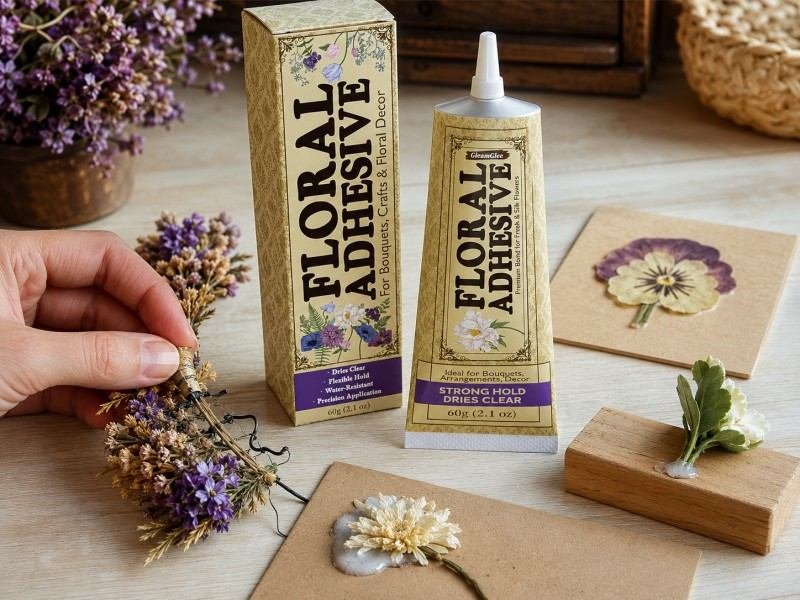
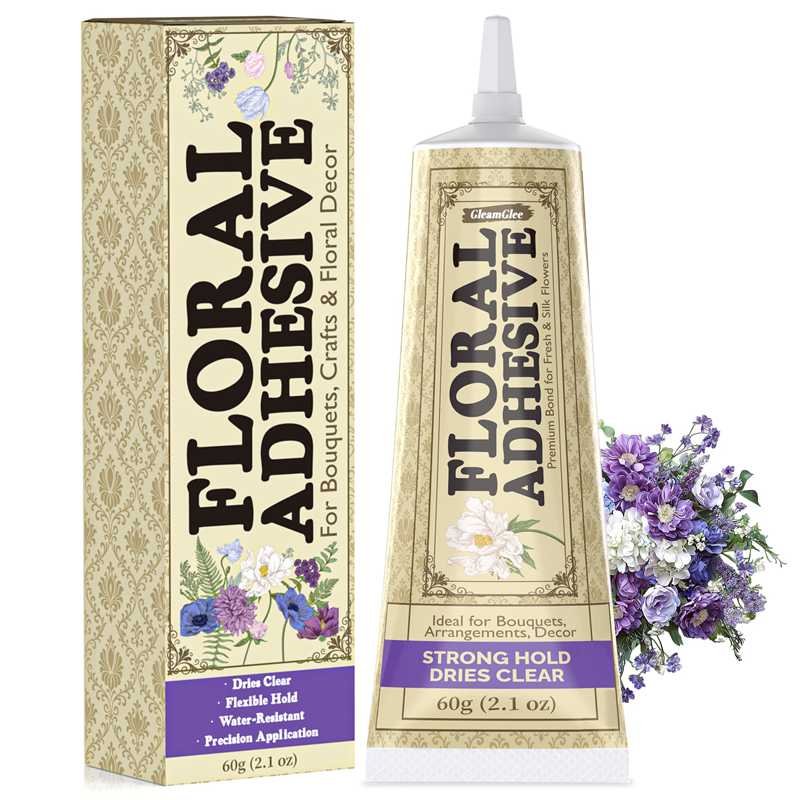
Floral adhesive is most dependable when it is treated as part of a complete design process rather than a shortcut. Fresh flowers must remain hydrated, yet the exact bonding point needs to be clean and dry. The adhesive should match the flower and base material, while its quantity, tack stage, placement angle, and drying conditions must be controlled.
Best Non-Toxic Floral Glue for Kids: Safe Crafting Guide
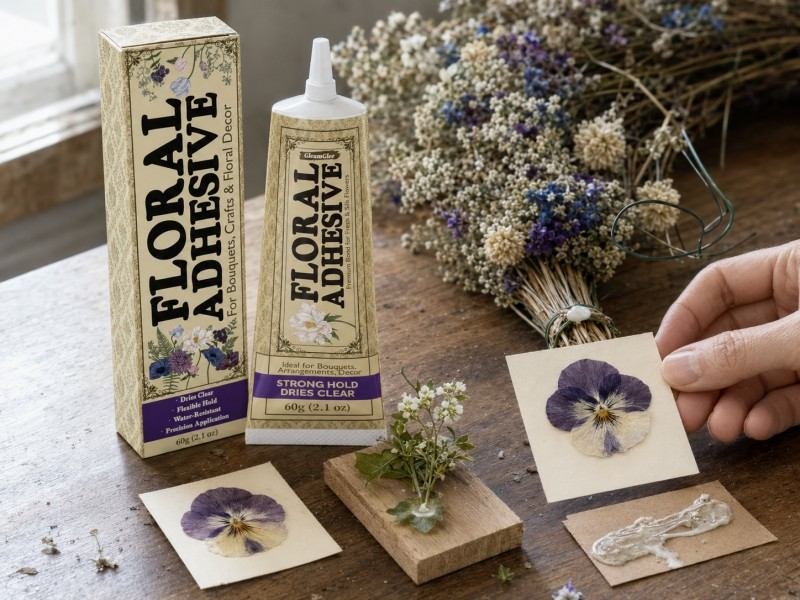
The best non-toxic floral glue for most children’s crafts is a clearly labeled, water-based adhesive designed for art use, packaged in a controlled applicator, and matched to the material being bonded. Washable white glue is a dependable choice for paper and card, glue sticks reduce mess on flat projects, thicker tacky glue supports felt and foam, while clear craft glue is often better for pressed flowers and visible joints.
Eco-Friendly Floral Glue for Home Projects: A Definitive Guide
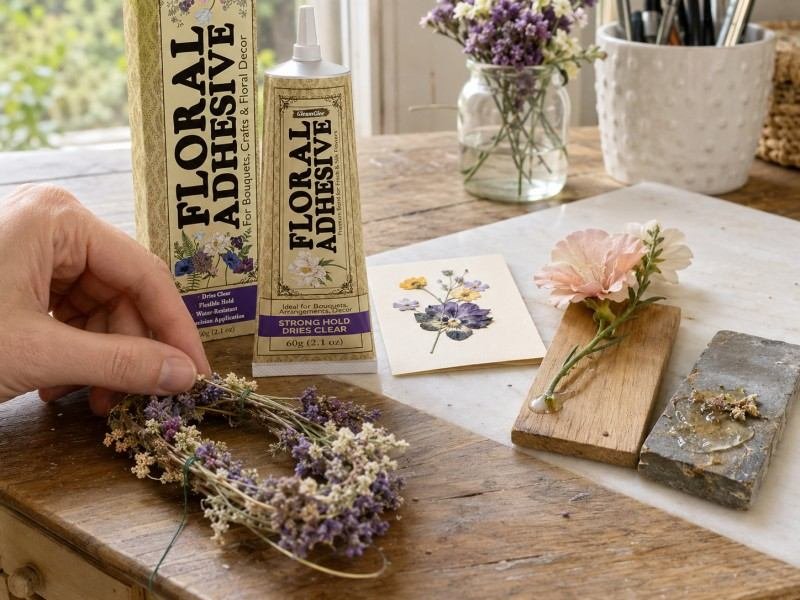
A floral project often begins with an appealingly simple idea: preserve flowers from a special occasion, refresh a seasonal wreath, decorate a glass jar, or turn pressed leaves into framed botanical art. The difficulty usually appears after the glue is opened. A formula may soak through thin petals, dry with a glossy halo, slide down a vertical frame, release from smooth plastic, or fill a room with an unpleasant smell. Reliable results depend less on choosing the strongest bottle and more on matching the adhesive to the flower, supporting material, display environment, and expected project life.
How to Secure Flowers on Hair Accessories: A Practical Guide
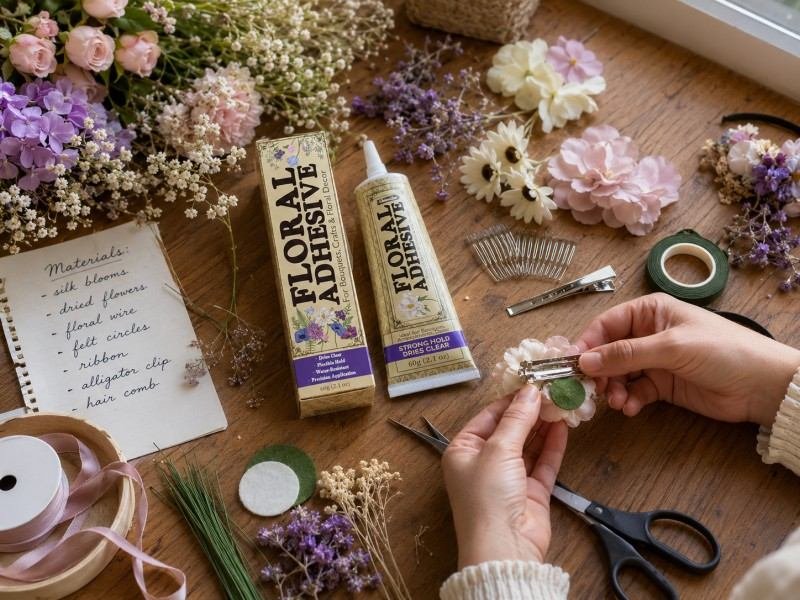
To secure flowers on hair accessories, match the attachment method to the flower material, accessory base, weight, and wearing conditions. Clean and prepare the contact area, keep each flower close to the base, use a compatible floral or craft adhesive, add wire, ribbon, stitching, or felt reinforcement where needed, allow the bond to cure fully, and test both the construction and the accessory’s grip in the intended hairstyle.
Floral Glue for Miniature Flower Decorations: A Precise Guide
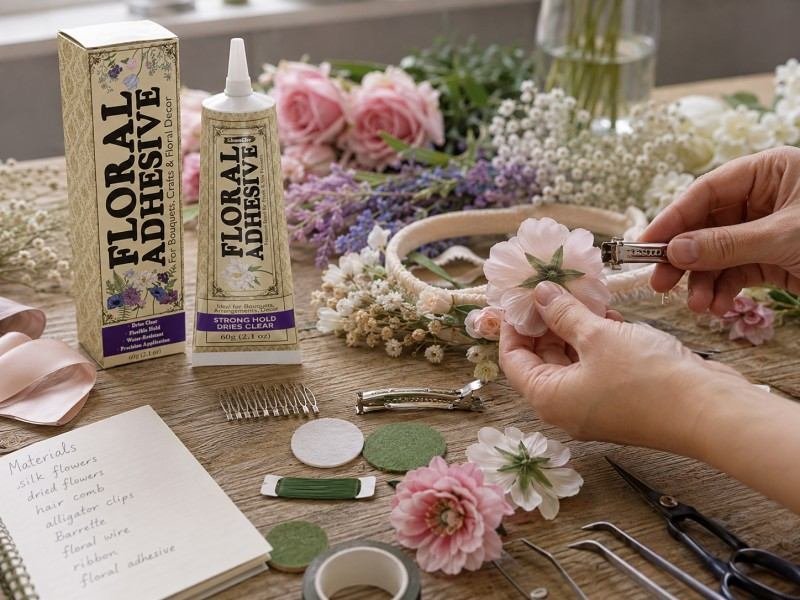
Floral glue for miniature flower decorations should dispense in controlled micro-dots, hold lightweight parts without prolonged clamping, dry with minimal visible residue, and remain compatible with paper, fabric, clay, resin, plastic, wire, wood, or foam. The cleanest results come from testing materials first, hiding adhesive beneath overlaps, reinforcing load-bearing joints, and allowing the full recommended cure time before handling or packaging.
Tips for Transparent Floral Adhesive Application: A Clear Guide
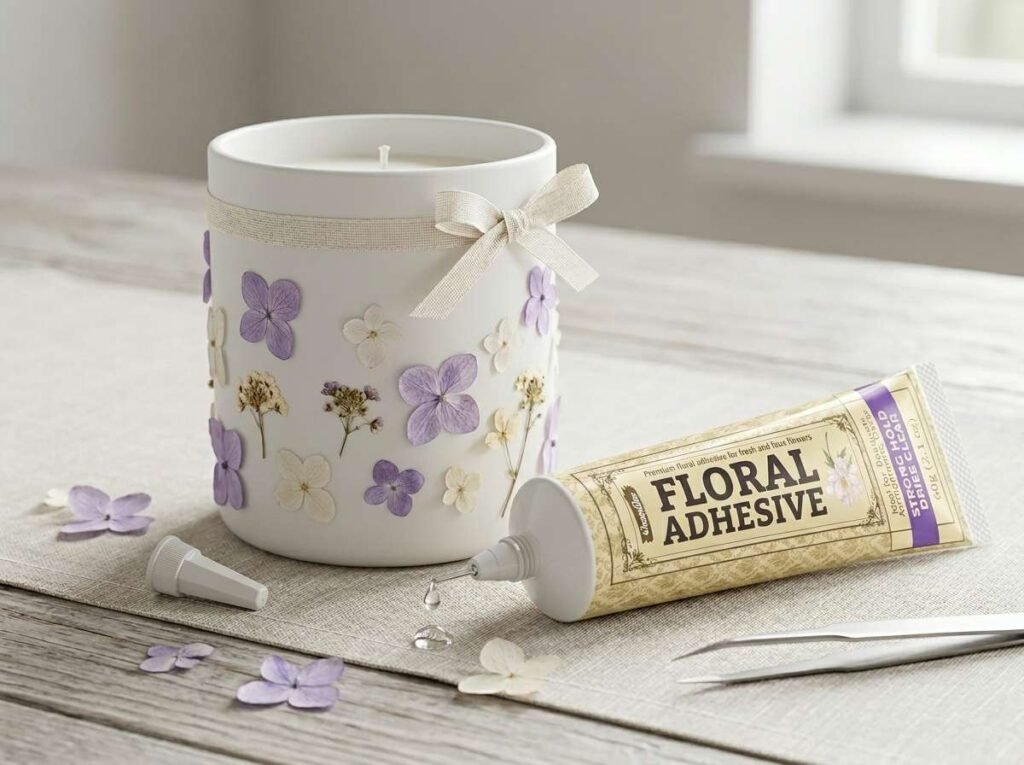
Transparent floral adhesive application means using a clear floral glue in small, controlled amounts so flowers, stems, petals, ribbon, foam, and decorative parts stay secure without leaving visible residue. The best results come from careful surface prep, low glue volume, accurate placement, and a clean set, not from using more adhesive.
How to Repair Dried Flower Arrangements: A Care Guide
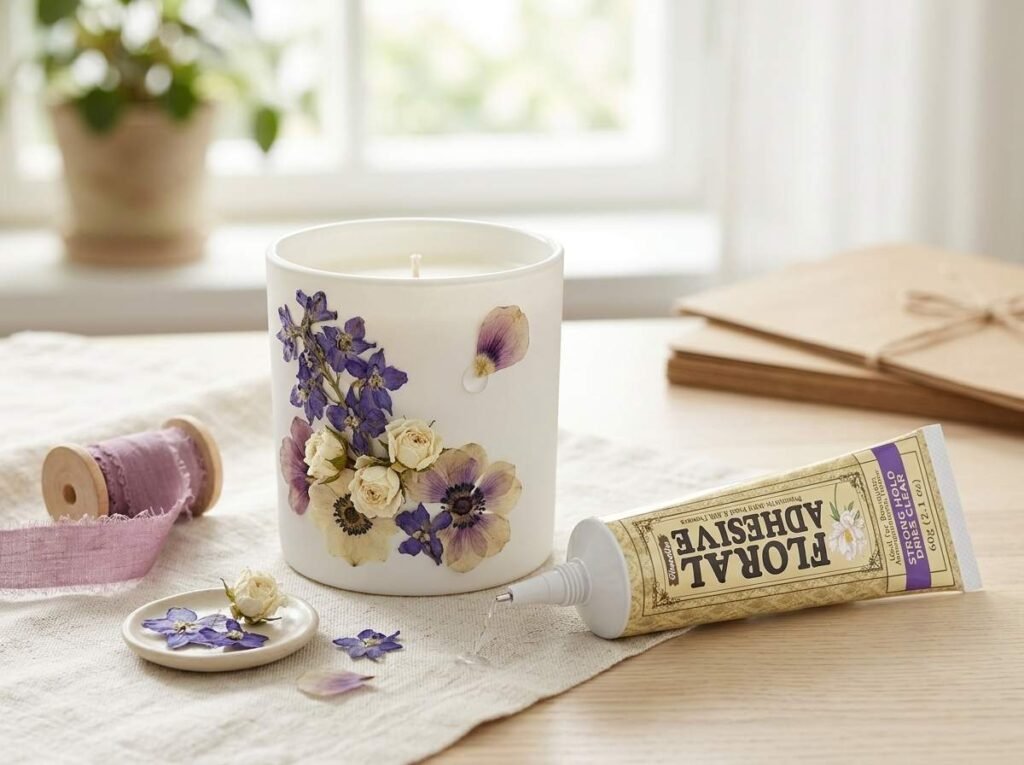
A dried flower arrangement can hold much more than decoration. For many people, it keeps a wedding memory on a shelf, preserves a birthday bouquet, saves a holiday wreath, or adds a warm handmade feeling to a room that would otherwise look plain. The problem is that dried flowers do not fail all at once. They slowly become dusty, brittle, uneven, and loose. One stem starts leaning. A few petals collect at the bottom of the vase. A flower head that once looked full now looks thin from one side. At that point, many people assume the arrangement is finished. In reality, a large share of dried flower arrangements can be repaired at home if the damage is checked carefully and the right adhesive is used in a controlled way.
**You can repair dried flower arrangements by checking the base first, identifying weak stems and loose flower heads, using a small amount of clear floral adhesive on the exact damaged point, and then protecting the arrangement from dust, sunlight, and humidity. The most successful repair keeps the shape natural, the glue invisible, and the arrangement stable enough for display without making it look stiff or overworked.**
That is why dried flower repair has become more useful than many people first expect. Replacing a keepsake arrangement is often not possible. Rebuilding it from scratch can also be expensive, especially when the piece includes preserved roses, specialty grasses, silk ribbons, decorative foam, ceramic bases, or event flowers with sentimental value. A careful repair is often faster, less wasteful, and much more realistic. In many homes, the arrangement does not need to look brand new. It just needs to look beautiful again, hold together properly, and feel worth keeping.
How to Bond Foam Flowers Using Floral Glue: A Complete Tutorial

The right way to bond foam flowers using floral glue is to use a clear, controlled, fast-drying adhesive, apply it in a small and precise amount, press the flower onto a clean surface, and allow enough setting time before moving the piece. Good floral glue should hold firmly without soaking the material, leaving white marks, or making the flower base look stiff and heavy.
How to Attach Artificial Flowers with Floral Glue: A Clear Guide

The short answer is simple: to attach artificial flowers with floral glue, clean the contact area, test the position first, apply a small amount of glue, press the flower into place, and allow enough time for the bond to set before moving the arrangement. The best results come from using less glue, not more, and from matching the method to the material, whether that is ribbon, foam, fabric, plastic, glass, or decorative packaging.
What Is Glue Made Of: A Practical Guide to Ingredients
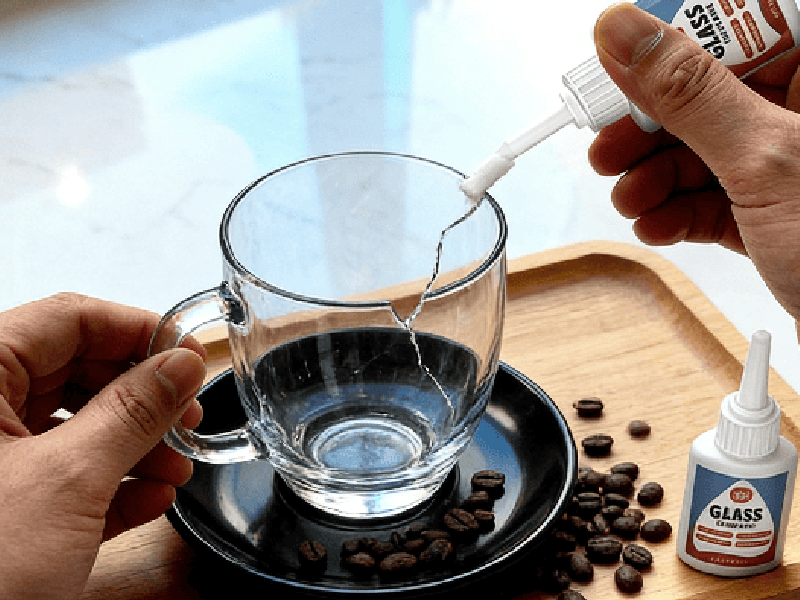
Glue is made of polymers (the bonding backbone), additives (for flexibility, stability, and shelf life), and carriers such as water or solvents. Different glue types—like wood glue, super glue, epoxy, or construction adhesive—use different chemical systems to bond materials through adhesion and cohesion. Modern adhesives are engineered for strength, safety, and compatibility with specific surfaces rather than one-size-fits-all use.