How to Apply Book Glue Without Mess: A Clean Repair Guide
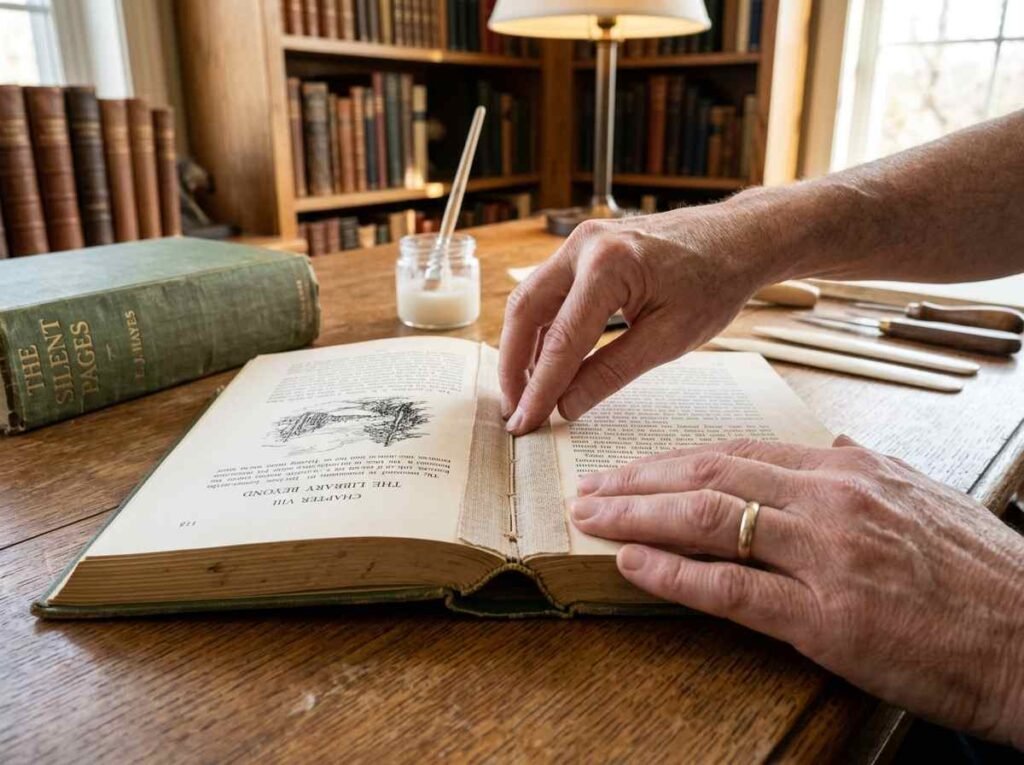
A book repair often fails for one simple reason: people use too much glue. The page may be loose, the spine may be cracked, or the cover may be lifting, but the real damage happens when a thick blob of glue spreads into the wrong place. Paper is thin, absorbent, and easy to stain. Once glue seeps too far, it can wrinkle the page, stick two pages together, leave shiny marks, or make the spine feel hard when the book opens.
How to Use Metal Glue for Household Repairs: A Step-by-Step Handbook
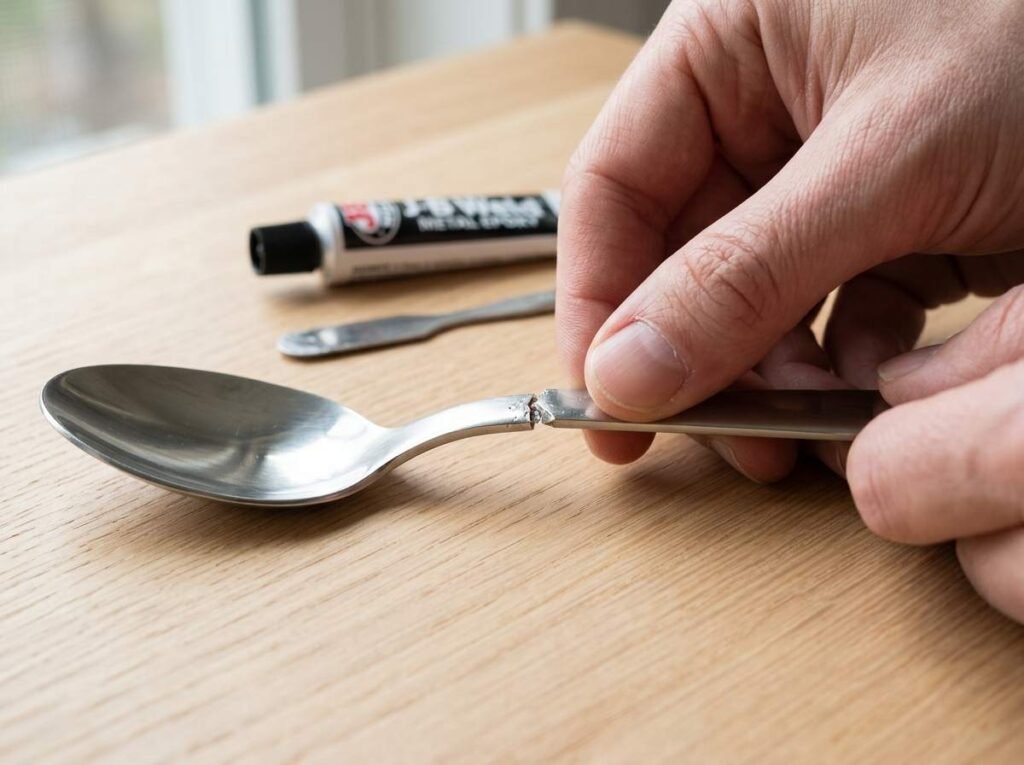
Metal glue is a practical choice for small household repairs where metal parts are loose, cracked, detached, or need bonding with other materials such as plastic, wood, rubber, PVC, ceramic, glass, or concrete. It is especially useful for kitchen handles, cabinet hardware, furniture trims, lamp parts, photo frames, candle holders, tools, jewelry, model parts, and small DIY repairs. The best results usually come from repairs with clean surfaces, close contact, and light to medium daily use, rather than heavy load, high pressure, or direct-flame conditions.
How to Restore White Sneakers Using Shoe Glue: A Practical Repair Handbook
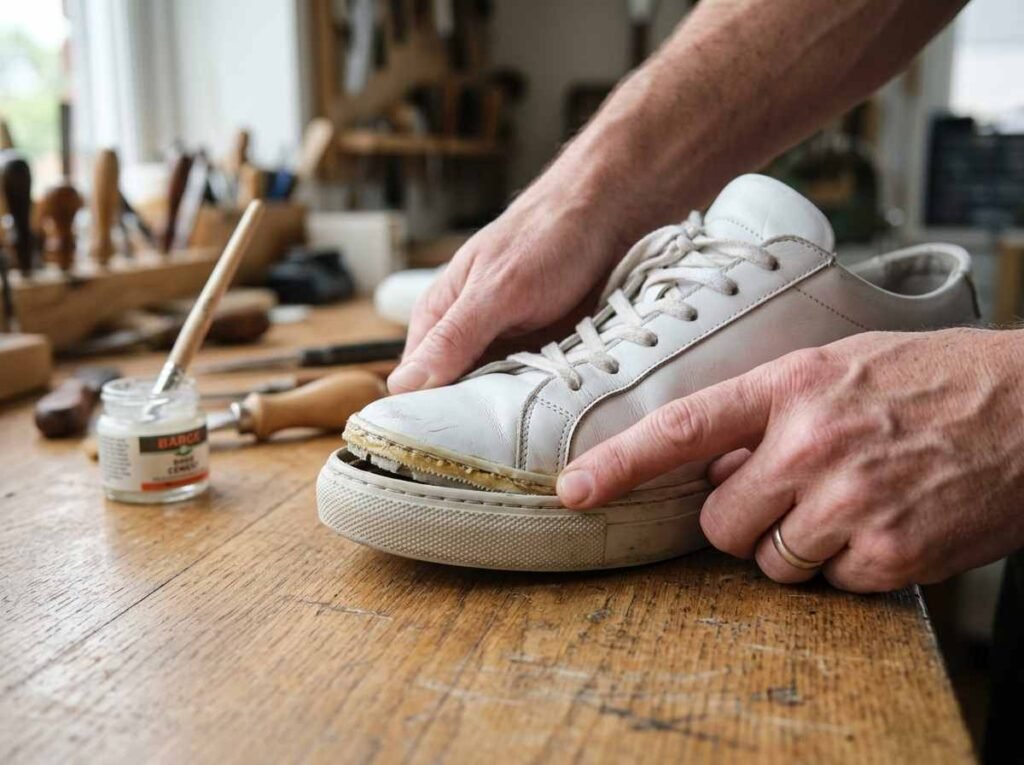
To restore white sneakers using shoe glue, clean the shoes first, dry them fully, check loose soles, toe gaps, insoles, and heel edges, then apply a thin line of clear, flexible, waterproof shoe glue into the damaged area. Press the parts firmly together, hold the repair in place, remove excess glue, and allow the adhesive to cure fully before wearing.
How to Clean White Sneakers Using Shoe Cleaner: A Step-by-Step Guide
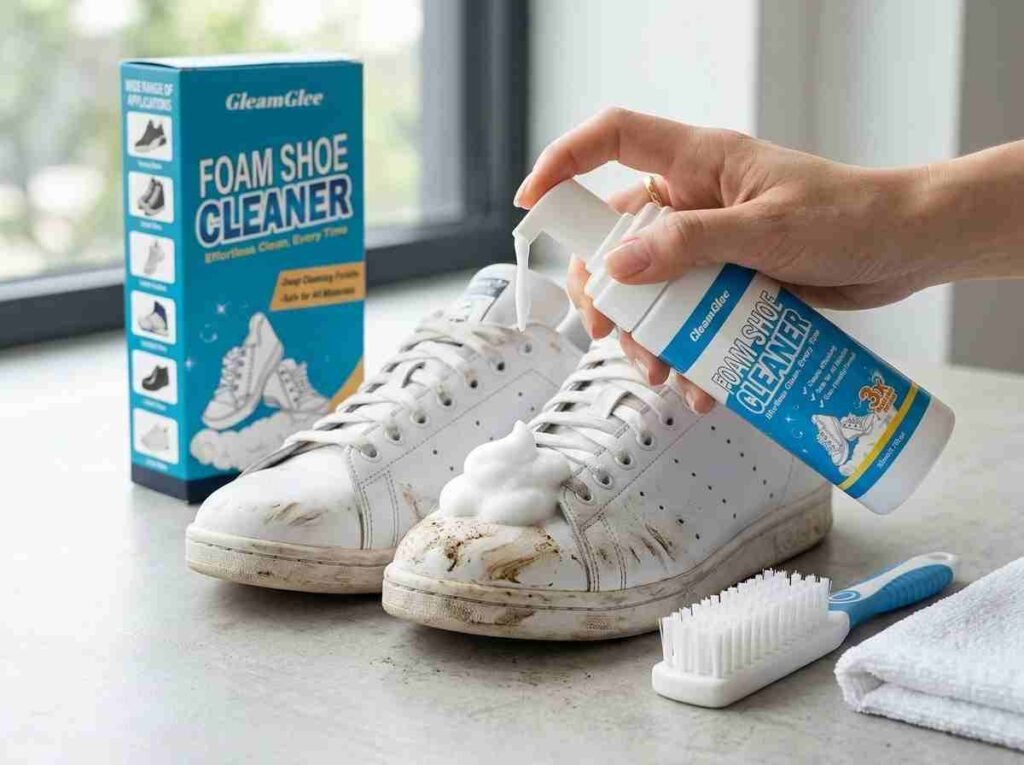
o clean white sneakers using shoe cleaner, remove loose dirt first, apply foam shoe cleaner to stained areas, brush gently with a suitable shoe brush, wipe away loosened dirt with a microfiber towel, and let the sneakers air-dry in a cool, ventilated place. For stubborn midsoles, yellowed edges, or canvas stains, repeat the same process instead of using harsh chemicals.
How to Repair PVC Pipes Using PVC Glue: A Practical Guide
PVC pipe problems usually start small. A little dampness under a sink, a slow drip beside a garden pipe, a wet mark near a pool line, or a tiny crack on a plastic fitting can look easy to ignore. But PVC leaks are different from many surface stains or cosmetic damage. Once water finds a weak point, pressure, vibration, temperature change, and daily use can make the leak worse. What begins as a few drops may become cabinet swelling, floor damage, mold smell, water waste, or a rushed emergency repair.
How to Repair Leather Shoes Using Leather Super Glue: A Smart Repair Guide
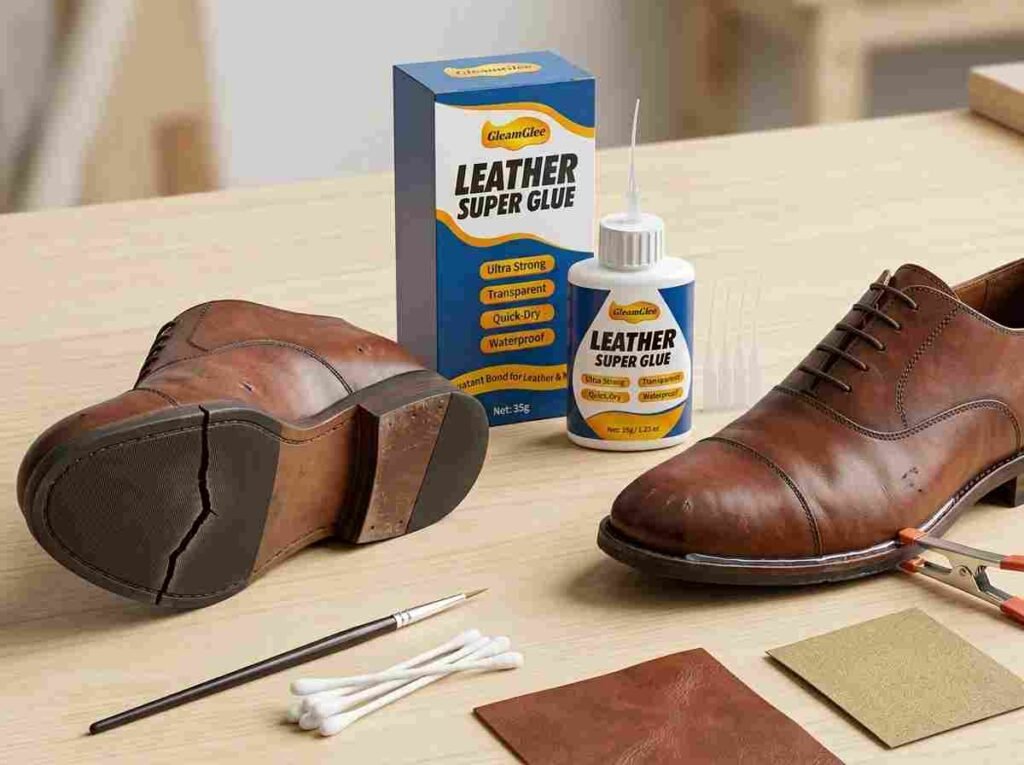
Leather shoes usually do not become useless overnight. The damage often starts as something small: a lifted sole edge, a cracked toe crease, a loose heel lining, a peeling leather panel, or a tiny split near the side of the upper. Many people ignore these problems because the shoes still feel wearable. After a few more days of walking, moisture, bending, and dust, that small opening can turn into a larger repair that is harder to hide and more expensive to fix.
How to Stabilize Collectibles with Museum Glue: A Practical Display Guide

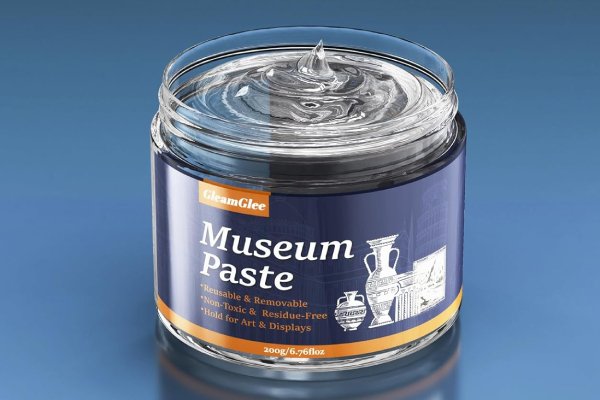
Museum glue helps stabilize collectibles by adding a clear, removable grip under the object. To use it, take a small pea-sized piece, roll it into a ball, press it onto the bottom of the collectible, place the item on a clean flat surface, and press gently. For best results, wait about 30 minutes before touching the item again. It helps reduce sliding, tipping, and accidental falls without permanently bonding the piece.
Tips for Transparent Floral Adhesive Application: A Clear Guide
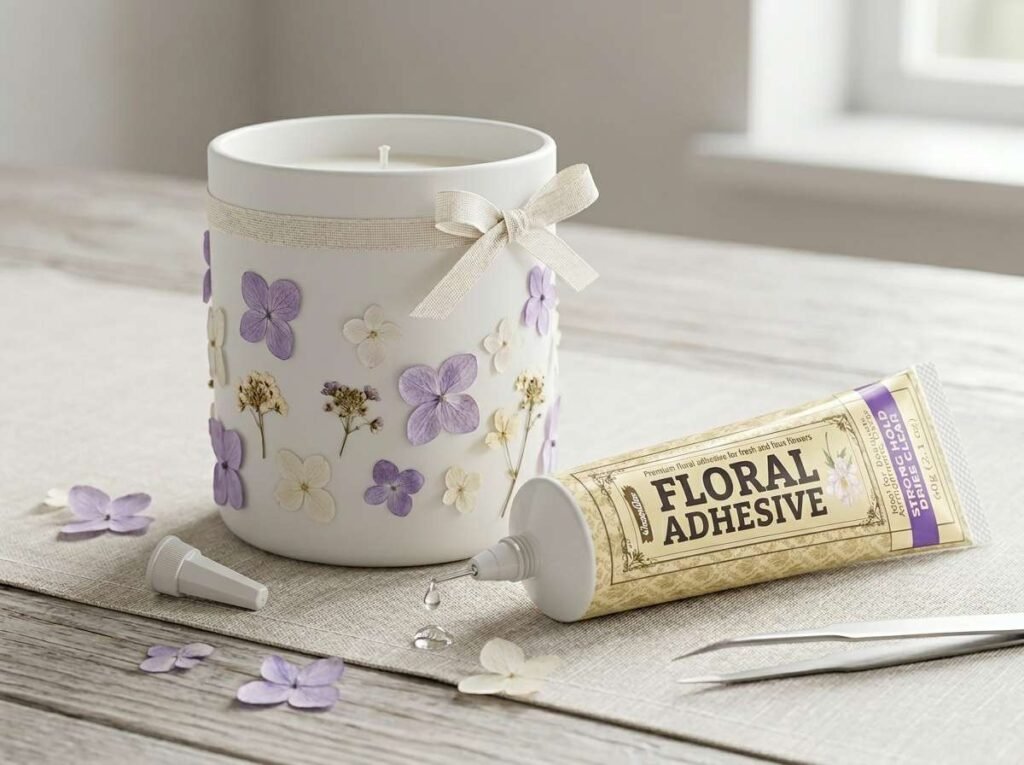
Transparent floral adhesive application means using a clear floral glue in small, controlled amounts so flowers, stems, petals, ribbon, foam, and decorative parts stay secure without leaving visible residue. The best results come from careful surface prep, low glue volume, accurate placement, and a clean set, not from using more adhesive.
How to Apply Construction Adhesive Safely: A Home Repair Guide
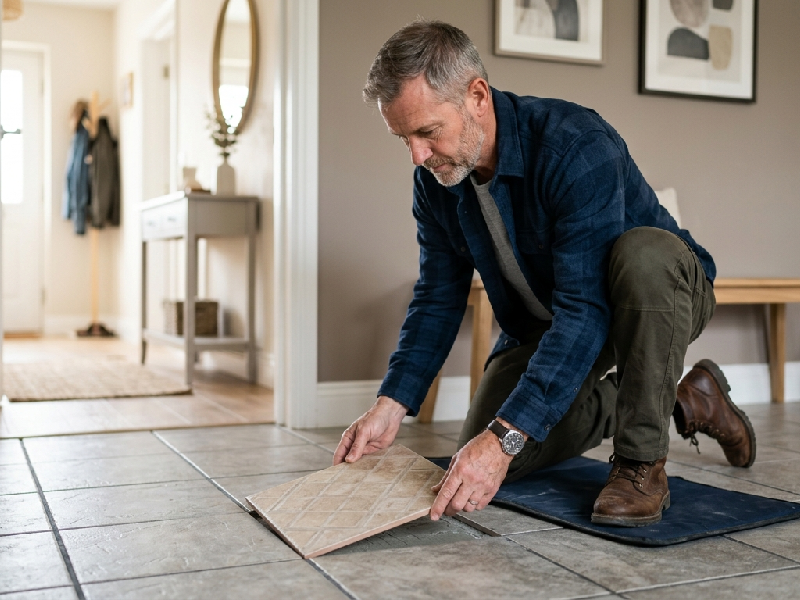
To apply construction adhesive safely, you need a safe work area, clean and stable surfaces, controlled application, and enough cure time before the repair is touched or stressed. In practical terms, that means improving airflow, reducing skin and eye contact, preventing unnecessary squeeze-out, and keeping parts steady while the bond develops. Safe use is not separate from a strong repair. In most homes, it is the reason the repair turns out cleaner, more durable, and easier to manage.
How to Repair Dried Flower Arrangements: A Care Guide
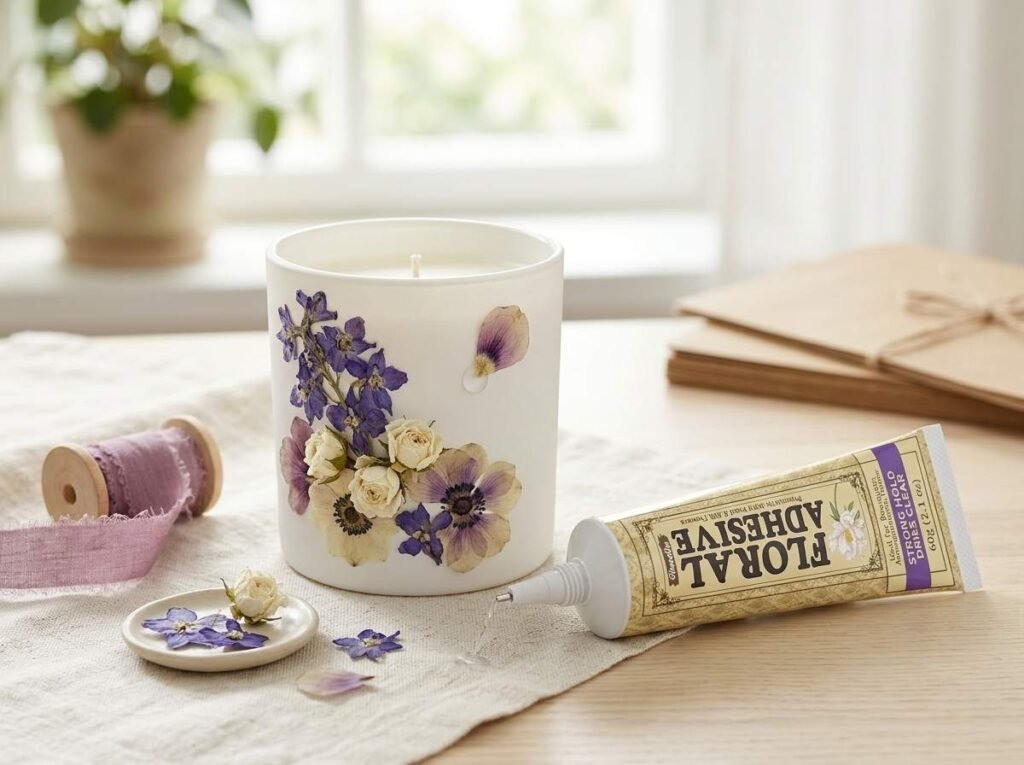
A dried flower arrangement can hold much more than decoration. For many people, it keeps a wedding memory on a shelf, preserves a birthday bouquet, saves a holiday wreath, or adds a warm handmade feeling to a room that would otherwise look plain. The problem is that dried flowers do not fail all at once. They slowly become dusty, brittle, uneven, and loose. One stem starts leaning. A few petals collect at the bottom of the vase. A flower head that once looked full now looks thin from one side. At that point, many people assume the arrangement is finished. In reality, a large share of dried flower arrangements can be repaired at home if the damage is checked carefully and the right adhesive is used in a controlled way.
**You can repair dried flower arrangements by checking the base first, identifying weak stems and loose flower heads, using a small amount of clear floral adhesive on the exact damaged point, and then protecting the arrangement from dust, sunlight, and humidity. The most successful repair keeps the shape natural, the glue invisible, and the arrangement stable enough for display without making it look stiff or overworked.**
That is why dried flower repair has become more useful than many people first expect. Replacing a keepsake arrangement is often not possible. Rebuilding it from scratch can also be expensive, especially when the piece includes preserved roses, specialty grasses, silk ribbons, decorative foam, ceramic bases, or event flowers with sentimental value. A careful repair is often faster, less wasteful, and much more realistic. In many homes, the arrangement does not need to look brand new. It just needs to look beautiful again, hold together properly, and feel worth keeping.