Skip to content
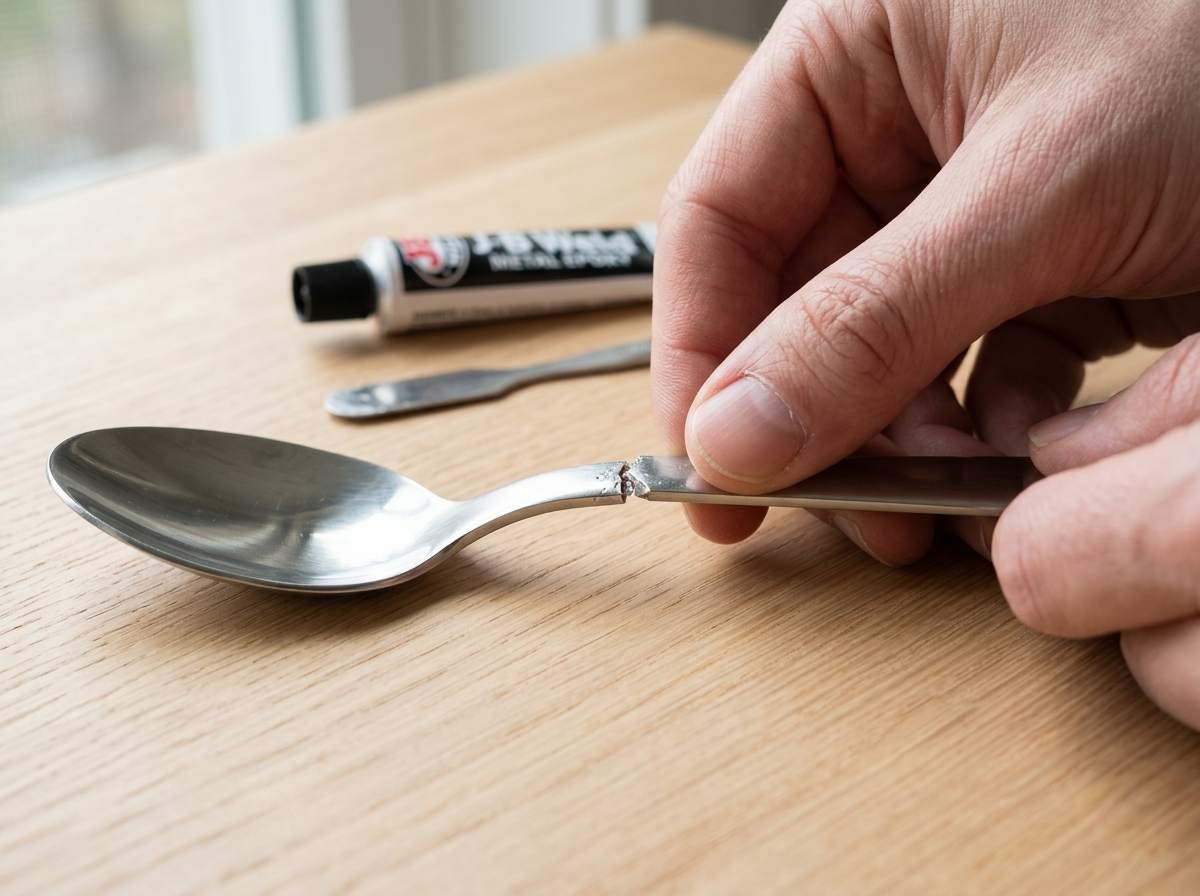
Metal glue is a practical choice for small household repairs where metal parts are loose, cracked, detached, or need bonding with other materials such as plastic, wood, rubber, PVC, ceramic, glass, or concrete. It is especially useful for kitchen handles, cabinet hardware, furniture trims, lamp parts, photo frames, candle holders, tools, jewelry, model parts, and small DIY repairs. The best results usually come from repairs with clean surfaces, close contact, and light to medium daily use, rather than heavy load, high pressure, or direct-flame conditions.
To use metal glue correctly, first clean both bonding surfaces and remove grease, dust, rust, moisture, old glue, or loose coating. Test-fit the parts before applying glue so the position is clear. Apply a thin, even layer of metal glue, align the parts carefully, and press firmly for 5–10 seconds. Avoid using too much glue, because excess adhesive can squeeze out, look messy, and weaken the contact between the parts. After bonding, keep the item still and dry until it cures fully before pulling, washing, heating, or using it normally.
GleamGlee Metal Glue is designed for fast, clean, and precise household repairs. It dries clear for a neater finish, forms a strong instant bond, and comes with precision nozzles for small cracks, narrow seams, and hard-to-reach areas. It is suitable for many everyday metal and mixed-material repairs, but it should not be used as the only solution for structural parts, load-bearing furniture, gas lines, high-pressure pipes, engine parts, cookware over direct flame, or repairs where failure could cause injury.
What Is Metal Glue?
Metal glue is an adhesive made to bond metal parts together or attach metal to other household materials such as plastic, wood, rubber, PVC, ceramic, glass, concrete, and painted surfaces. In home repairs, it is most useful for small, clean, close-fitting parts that do not carry dangerous weight, high pressure, or direct heat.
For most customers, metal glue is valuable because it fixes the kind of damage that feels too small for a repair shop but too annoying to ignore. A loose drawer handle, broken metal frame corner, detached lamp bracket, fallen décor trim, or damaged watchband part may only need a few drops of glue, a firm press, and enough curing time to return to daily use.
Metal Glue Basics
Metal glue is a repair adhesive for bonding metal surfaces when screws, welding, or replacement parts are not practical for a small household fix. It works best when both surfaces are clean, dry, and able to touch closely. For example, a flat metal handle base, a frame corner, a small bracket, or a decorative trim usually gives the glue enough contact area to hold well.
A good household metal glue should solve 4 real problems: it should grip quickly, dry neatly, stay controlled during application, and work on mixed materials. Many home items are not pure metal. A cabinet handle may attach to painted wood, a lamp part may connect metal to plastic, and a photo frame may combine metal with glass. That is why multi-material bonding is important for everyday repairs.
| Customer Question | Practical Answer |
|---|---|
| Can it replace welding? | Only for small non-structural repairs, not heavy-duty metal work. |
| Can it fix loose handles? | Yes, if the handle is not carrying unsafe weight or heat. |
| Will it show after drying? | Clear metal glue helps keep visible repairs cleaner. |
| Does more glue make it stronger? | Usually no. A thin layer often gives a cleaner, closer bond. |
| Does it need curing time? | Yes. Fast grip is not the same as full strength. |
Metal Glue Uses
Metal glue is used for small household repairs on handles, furniture hardware, tools, home décor, jewelry, model parts, appliance panels, brackets, and mixed-material DIY projects. It is a good choice when the broken part is still complete, the surfaces fit together well, and the repair area can stay still while the glue cures.
Common uses include reattaching a metal drawer pull, fixing a loose cabinet knob plate, repairing a candle holder foot, bonding a metal photo frame corner, securing a small lamp bracket, repairing a watchband clasp, attaching metal trim to wood, and fixing small tool covers or grips. These repairs are common because the whole item may still be usable, but one small metal part makes it inconvenient or unattractive.
| Repair Area | Good Metal Glue Use | Customer Tip |
|---|---|---|
| Kitchen | Lid knobs, rack parts, handle fittings | Remove grease before gluing. |
| Furniture | Trim, caps, small brackets, drawer hardware | Do not rely on glue alone for load-bearing joints. |
| Décor | Frames, candle holders, sculptures, trays | Use a small amount to avoid visible overflow. |
| Tools | Grip covers, caps, small fittings | Let it cure before twisting or pulling. |
| Accessories | Clasps, buckles, watchbands, eyeglass parts | Use a fine nozzle for better control. |
| Crafts | Model parts, metal trims, mixed-media art | Test the layout before applying glue. |
Metal Glue Benefits
Metal glue helps customers save money, reduce waste, and repair useful items without complicated tools. Instead of replacing a whole lamp, bag, frame, tool, or household fitting, customers can often fix the damaged part for a much lower cost. For many small repairs, the glue cost per repair may be only a few cents to a few dollars, depending on the amount used and package size.
The main benefit is convenience. A tube with a precision nozzle can handle several small repairs around the home, especially when the glue dries clear and can be reused later. GleamGlee Metal Glue is designed with instant high-strength bonding, a clear finish, an anti-clog cap, and precision nozzles, making it suitable for small cracks, narrow seams, and hard-to-reach areas.
| Benefit | Why Customers Care |
|---|---|
| Fast bonding | Small parts are easier to hold in place. |
| Clear drying | Repairs look cleaner on décor, hardware, and accessories. |
| Precision application | Less mess on small cracks and narrow joints. |
| Multi-material use | One glue can repair metal with plastic, wood, rubber, PVC, and more. |
| Reusable cap | Helps reduce waste between repairs. |
| Repair instead of replace | Saves money on small broken household items. |
Metal Glue Limits
Metal glue is not suitable for every metal repair. It should not be used as the only fix for structural parts, heavy load-bearing furniture, stair railings, high-pressure pipes, gas lines, engine parts, cookware over direct flame, or any repair where failure could cause injury, fire, flooding, or serious damage.
Customers should think about the risk before gluing. If failure only means a decoration falls off, metal glue may be a good choice. If failure means hot liquid spills, a shelf drops, a pipe leaks, or a person gets hurt, glue alone is not enough. In those cases, screws, bolts, welding, replacement parts, or professional repair are safer.
| Not Recommended For | Better Choice |
|---|---|
| Chair legs or load-bearing bedframes | Bolts, brackets, or professional repair |
| High-pressure water pipes | Proper plumbing repair |
| Gas lines | Licensed professional repair |
| Cookware areas touching flame | Replacement or heat-rated specialty repair |
| Engine or machinery parts | Industrial repair method |
| Railings, ladders, shelves | Mechanical fastening or structural repair |
Which Repairs Need Metal Glue?
Metal glue is best for small household repairs where the broken metal part is still complete, the surfaces can touch closely, and the item is not carrying dangerous weight, heat, or pressure. It is useful for handles, furniture hardware, décor, tools, jewelry, small appliance parts, brackets, and DIY projects where a clean repair matters more than heavy structural strength.
Most successful metal glue repairs have 3 things in common: the surface is clean, the contact area is large enough, and the repaired part can stay still while curing. If the part is loose but still fits back into place, metal glue can often help. If the part is bent, missing pieces, under heavy load, or exposed to direct flame, screws, replacement parts, welding, or professional repair may be safer.
Metal Glue for Handles
Metal glue can be used for loose or detached handles when the handle has a stable contact area and is not exposed to unsafe heat, heavy pulling, or high load. It is especially helpful for drawer pulls, cabinet knobs, small appliance handles, tool grip covers, bag handles, decorative box handles, and light kitchen fittings that only need everyday handling.
Handles are one of the most common repair points in a home because they are touched repeatedly. A kitchen drawer handle may be pulled dozens of times a day. A cabinet knob may twist every time the door opens. A kettle lid knob or small appliance handle may loosen because of heat, moisture, and repeated use. Before applying glue, check whether the handle sits flat against the base. A flat handle plate, metal sleeve, bracket, or wide contact point gives the glue a better chance to hold than a tiny broken edge.
For better results:
- Clean away oil, grease, hand residue, and dust before gluing.
- Apply only a thin layer of glue on the contact area.
- Press the handle firmly for 5–10 seconds.
- Keep the handle still while curing.
- Avoid pulling hard or washing the part too soon.
| Handle Type | Good for Metal Glue? | Repair Note |
|---|---|---|
| Drawer pull | Yes | Good if the handle base sits flat. |
| Cabinet knob plate | Yes | Works better if screws are still used when needed. |
| Pot lid knob | Usually | Avoid direct flame or extreme heat areas. |
| Kettle handle | Use caution | Not suitable if it carries hot weight unsafely. |
| Bag handle metal fitting | Yes | Let it cure before carrying weight. |
| Heavy cookware handle | Not ideal | Replacement is safer if failure could cause burns. |
Metal Glue for Furniture
Metal glue is useful for furniture repairs when the metal part is decorative, light-duty, or supported by other hardware. It can help fix loose trims, metal caps, drawer hardware, corner guards, small brackets, nameplates, bedframe covers, cabinet fittings, and non-load-bearing furniture details.
Furniture repairs need careful judgment because some parts only affect appearance, while others carry weight. A metal trim on a wooden cabinet is a good metal glue repair. A chair leg joint carrying body weight is not. A small drawer handle plate may be repaired with metal glue, but a shelf bracket holding books should be secured with screws, anchors, or replacement hardware.
Good furniture uses include:
- Reattaching metal trim on cabinets, tables, or shelves.
- Fixing loose metal caps on chair legs or table feet.
- Securing decorative corner protectors.
- Repairing drawer pull plates or small cabinet hardware.
- Bonding metal nameplates, labels, or accent strips to wood.
| Furniture Repair | Metal Glue Use | Better Safety Advice |
|---|---|---|
| Metal trim on wood | Suitable | Use a thin line and press evenly. |
| Drawer handle plate | Suitable | Combine with screws if the handle is pulled often. |
| Decorative table foot cap | Suitable | Let it cure before moving the table. |
| Chair leg support | Not suitable alone | Use mechanical repair. |
| Bedframe support bracket | Not suitable alone | Use bolts or replacement parts. |
| Wall shelf bracket | Not suitable alone | Use anchors and screws. |
A simple rule helps customers avoid failed repairs: if the furniture part only affects appearance or light handling, metal glue may work well. If the part supports body weight, holds heavy objects, or affects stability, glue alone is not enough.
Metal Glue for Décor
Metal glue is one of the best choices for home décor repairs because many décor items are light, visible, and too delicate for screws or nails. It works well for metal photo frames, candle holders, sculptures, trays, ornaments, lamps, wall art, display stands, vases with metal trim, and mixed-material decorations.
For décor, customers usually care about appearance first. The repair should not leave a thick glue mark, cloudy stain, or rough edge. This is where a clear-drying metal glue and precision nozzle are useful. A small controlled drop can repair a frame corner or sculpture detail without covering the visible surface. GleamGlee Metal Glue dries clear and includes precision nozzles, which helps users repair small decorative pieces more neatly.
Common décor repair tips:
- Test the position before applying glue.
- Use less glue than you think you need.
- Keep glue inside the joint, not on the front surface.
- Press gently but firmly.
- Let the item cure before placing it back on a shelf or wall.
| Décor Item | Repair Example | Customer Concern |
|---|---|---|
| Metal photo frame | Loose corner or back support | Keep glue marks hidden. |
| Candle holder | Detached foot or trim | Avoid excess glue near visible edges. |
| Metal sculpture | Small broken detail | Align carefully before pressing. |
| Decorative tray | Loose metal handle or corner | Let cure before lifting. |
| Lamp base | Loose metal bracket | Avoid hot or electrical areas. |
| Wall ornament | Detached metal accent | Make sure the part is not load-bearing. |
For fragile or sentimental décor, customers should work slowly. A rushed repair may leave fingerprints, crooked alignment, or visible overflow. Small repairs often look best when the glue is applied in tiny amounts with a fine tip.
Metal Glue for Tools
Metal glue can help repair small tool parts such as loose grips, handle covers, caps, protective plates, light clamps, small brackets, garden tool fittings, fishing gear parts, and camping accessories. It is suitable when the repair is not exposed to heavy impact, cutting force, high speed, or safety risk.
Tool repairs need more caution than décor repairs because tools face pulling, twisting, vibration, pressure, and impact. A loose rubber grip on pliers is a good repair. A hammer head, saw blade, load-bearing clamp, ladder part, or power-tool safety housing is not a good repair for ordinary metal glue. The repaired tool may feel strong at first, but repeated force can weaken the bond if the repair type is wrong.
Good tool uses include:
- Reattaching rubber or plastic grips to metal handles.
- Fixing small tool caps or covers.
- Securing a loose metal label or plate.
- Repairing small fishing lures, hooks, or reel accessories.
- Fixing non-flame camping lantern fittings.
- Repairing light garden tool covers or small brackets.
| Tool Repair | Good for Metal Glue? | Why |
|---|---|---|
| Loose plier grip | Yes | Low-risk if the metal part itself is not broken. |
| Small garden tool cap | Yes | Good contact and light stress. |
| Fishing lure part | Yes | Small, precise repair. |
| Camping lantern trim | Yes | Avoid heat-contact areas. |
| Hammer head | No | High impact and injury risk. |
| Saw blade or cutting part | No | Safety-critical. |
| Power tool housing | Use caution | Professional repair may be safer. |
After repairing tools, let the bond cure fully before use. For tools that will be twisted or pulled, overnight curing is a safer habit. Customers should also test the repaired part gently before returning it to normal work.
Metal Glue for Jewelry and Accessories
Metal glue is useful for small jewelry and accessory repairs such as clasps, chains, watchbands, eyeglass nose pieces, belt buckles, bag hardware, keychains, decorative pins, and small metal fasteners. It works best when the repair is tiny, clean, and not constantly bending.
Jewelry and accessories need precision more than large amounts of glue. A tiny overflow can block a clasp, stain a stone, stiffen a chain, or make the repair visible. For this reason, use a fine nozzle, apply a very small dot, and keep moving parts free from glue. If the item is expensive, antique, or made with valuable stones, professional repair may be better.
Practical repair points:
- Use a toothpick or fine nozzle for tiny areas.
- Do not glue hinges, springs, or moving clasp parts shut.
- Clean lotion, perfume, skin oil, and dust before repair.
- Let the item cure before wearing.
- Avoid repairing valuable jewelry without testing or expert help.
| Accessory Repair | Metal Glue Use | Tip |
|---|---|---|
| Bracelet clasp | Suitable | Keep glue away from the hinge. |
| Watchband link | Suitable for small fittings | Let cure before wearing. |
| Eyeglass nose piece | Suitable for small repair | Use minimal glue. |
| Belt buckle trim | Suitable | Clean leather or metal surface first. |
| Bag metal fastener | Suitable | Do not carry heavy weight too soon. |
| Fine jewelry | Use caution | Professional repair is safer for high-value items. |
For everyday accessories, metal glue can be a quick and low-cost fix. For valuable jewelry, the risk of glue marks or poor alignment may cost more than the repair itself.
Metal Glue for DIY Projects
Metal glue is very useful for DIY projects because many home crafts combine metal with wood, plastic, glass, ceramic, stone, concrete, or PVC. It helps attach metal trims, model parts, decorative plates, small brackets, labels, charms, frames, and sculpture details without drilling holes or using visible screws.
DIY users often need clean results because the finished project may be displayed, sold, gifted, or photographed. A thin, clear bond is better than a thick glue line. Test the layout first, mark the position lightly if needed, then apply glue only to the contact area. If the project has multiple pieces, repair one section at a time instead of rushing the whole design.
Good DIY uses include:
- Model cars, planes, ships, and miniatures.
- Metal letters or nameplates on wood boards.
- Mixed-media wall art.
- Metal trim on glass or ceramic crafts.
- Small sculpture repair or assembly.
- Home décor upgrades using metal accents.
- Decorative storage boxes, trays, and display pieces.
| DIY Material Match | Example Use | Application Tip |
|---|---|---|
| Metal + wood | Nameplate, trim, decorative corner | Press evenly and avoid staining raw wood. |
| Metal + glass | Frame detail, display décor | Use very small amounts. |
| Metal + ceramic | Ornament or vase trim | Clean dust and glaze residue first. |
| Metal + plastic | Model parts, storage items | Check if plastic is rigid enough. |
| Metal + stone | Small decorative accents | Make sure surface is dry and stable. |
| Metal + PVC | Utility craft parts | Avoid flexible stress during curing. |
For small craft businesses, repair quality affects customer reviews. A clean bond, no glue overflow, and stable curing time can make the finished item look more professional. GleamGlee Metal Glue’s clear finish and precision nozzles are especially useful for these detailed projects.

What Can Metal Glue Bond?
Metal glue can bond many household metal surfaces, including stainless steel, aluminum, iron, steel, alloy parts, coated metal, and plated hardware. Many metal glues can also bond metal to plastic, rubber, wood, PVC, glass, ceramic, concrete, stone, and painted surfaces when the repair area is clean, dry, and close-fitting.
The most important point is not only “what material can it bond,” but also “how the repaired part will be used.” A metal nameplate on wood is an easy repair. A metal hook holding heavy weight is not the same situation. A metal trim on a glass frame is suitable for glue. A pressurized pipe or safety bracket is not. Good bonding depends on material type, surface condition, contact area, pressure, heat, moisture, and curing time.
Metal Glue on Steel
Metal glue can bond steel well when the steel surface is clean, dry, free from rust, and not carrying unsafe load or pressure. It is useful for small steel repairs such as brackets, handles, hinges, tool covers, appliance panels, frame corners, racks, clamps, and decorative steel parts.
Steel is strong, but the surface often collects oil, rust, dust, paint flakes, or old adhesive. These layers can make the repair fail because the glue bonds to the dirt instead of the steel. Before applying metal glue, customers should clean the contact area carefully and remove loose rust or peeling coating. If the repair area is hidden, light sanding can help create a better grip.
Good uses for metal glue on steel include:
- Small steel brackets Metal glue can help secure light-duty brackets, covers, or support pieces when they are not carrying heavy weight. For better results, the bracket should sit flat against the surface. If the bracket holds a shelf, gate, railing, or heavy object, screws or bolts should carry the load.
- Steel tool handles and covers It can repair loose covers, grip edges, metal caps, or small tool fittings. However, it should not be used to repair hammer heads, cutting blades, load-bearing clamps, or high-impact tool parts.
- Steel appliance panels Small detached panels, loose metal strips, or casing edges on appliances may be repaired if the area is away from heat, electricity, and moving parts. Always avoid gluing near active electrical components.
- Steel home décor Steel photo frames, candle holders, metal trays, wall ornaments, and small sculptures are good repair targets because they usually need a clean visible finish rather than structural strength.
| Steel Repair Type | Suitable for Metal Glue? | Customer Tip |
|---|---|---|
| Steel photo frame corner | Yes | Use a small amount and keep the front clean. |
| Steel drawer pull plate | Yes | Combine with screws if pulled often. |
| Steel bracket for decoration | Yes | Good for light-duty use only. |
| Steel tool grip cover | Yes | Clean grease before gluing. |
| Steel shelf support | No, not alone | Use anchors, screws, or bolts. |
| Steel railing or gate hinge | No | Welding or mechanical repair is safer. |
| Steel pipe under pressure | No | Use proper plumbing repair. |
Metal Glue on Aluminum
Metal glue can bond aluminum when the surface is clean, dry, and stable. It is useful for lightweight household repairs such as aluminum trims, frames, handles, appliance parts, model pieces, outdoor décor, camping accessories, and small hardware parts.
Aluminum is common because it is light and does not rust like ordinary steel, but it can still be difficult to bond if the surface is very smooth, coated, oxidized, or oily. Some aluminum parts have a painted, anodized, or polished surface. If the coating is weak, the glue may hold the coating instead of the metal. That means the repair can peel off if the coating lifts.
For better aluminum bonding:
- Clean the contact area first Remove dust, hand oil, grease, water, and old adhesive. Aluminum trims and frames often look clean but may still have polishing residue or fingerprints.
- Check whether the coating is stable If paint, color coating, or surface film is peeling, the glue may not hold long. Remove loose material from the actual contact area before repair.
- Use thin application Aluminum pieces are often thin and visible. Too much glue can squeeze out and make the repair look messy.
- Support the part while curing Aluminum trims and lightweight frames may shift easily. Tape or a small clamp can help keep alignment.
- Avoid high-stress repairs Do not rely on metal glue alone for aluminum bicycle frames, ladders, load-bearing brackets, or safety equipment.
| Aluminum Item | Good Repair Example | Important Note |
|---|---|---|
| Aluminum photo frame | Loose corner or back stand | Keep the glue inside the joint. |
| Aluminum trim | Detached furniture or décor strip | Press along the full strip evenly. |
| Aluminum model part | Small car, plane, ship detail | Use a precision nozzle. |
| Aluminum camping accessory | Small cover or fitting | Avoid flame-contact areas. |
| Aluminum outdoor ornament | Detached lightweight piece | Cure indoors before outdoor exposure. |
| Aluminum bike frame | Not suitable | Safety risk if the bond fails. |
| Aluminum ladder part | Not suitable | Load-bearing repair needs professional fixing. |
Aluminum repairs often fail when customers rush the curing stage. Because aluminum is used in outdoor and moving items, the repaired part should rest fully before facing rain, vibration, bending, or temperature changes.
Metal Glue on Stainless Steel
Metal glue can bond stainless steel for many small household repairs, including kitchen fittings, bathroom accessories, appliance trims, cabinet handles, jewelry parts, watchbands, and décor. The surface must be cleaned carefully because stainless steel often holds fingerprints, grease, soap film, and polish residue.
Stainless steel is used in many visible areas, so appearance matters. Customers usually want the repair to be strong but also neat. A clear-drying glue is helpful because glue marks on stainless steel can be easy to notice under light. Apply a thin layer and wipe away any overflow before it cures.
Good stainless steel bonding situations include:
- Kitchen handles and fittings Metal glue can help with lid knobs, small handle fittings, utensil parts, rack trims, and cabinet hardware. Avoid direct flame, hot surfaces, and heavy cookware handles where failure could cause burns.
- Bathroom accessories Towel ring parts, small brackets, shower caddy details, and decorative stainless trim may be repaired if the area is dry before gluing. Do not apply glue to wet surfaces or use it for safety fixtures holding heavy weight.
- Appliance trims and panels Small stainless trim strips or panels can often be repaired if they are not close to heating elements, electrical parts, or moving machinery.
- Jewelry and watch parts Stainless steel clasps, watchband fittings, and small accessory parts need precise glue placement. Keep glue away from hinges and moving parts.
| Stainless Steel Repair | Suitable? | Best Practice |
|---|---|---|
| Cabinet handle plate | Yes | Clean fingerprints and grease first. |
| Small appliance trim | Yes | Avoid heat and electrical zones. |
| Watchband clasp | Yes | Use a tiny amount. |
| Bathroom trim | Yes | Dry completely before gluing. |
| Sink pipe leak | No | Plumbing repair is safer. |
| Pan base or burner part | No | Direct heat is not suitable. |
| Heavy towel bar | Use caution | Screws or anchors should carry the weight. |
Stainless steel repairs are often judged by looks. For small visible repairs, less glue is better. A fine nozzle gives better control around shiny surfaces.
Metal Glue on Iron
Metal glue can bond iron parts when the surface is clean, dry, and not covered with loose rust. It is useful for small iron décor, garden ornaments, cabinet hardware, brackets, frames, tool covers, and indoor or outdoor decorative pieces.
Iron is more likely to rust than stainless steel or aluminum. Rust is a common reason iron repairs fail. If glue is applied over loose rust, the bond may hold the rust layer, not the iron. When that rust flakes away, the repair breaks. Customers should remove loose rust from the bonding area before applying glue.
Useful iron repair examples include:
- Iron garden décor Small ornaments, lantern parts, plant stand decorations, and decorative hooks can be repaired if cleaned and cured before outdoor use.
- Iron frames and stands Light-duty frame corners, small stand parts, or decorative joints may be suitable. Avoid parts that support heavy weight.
- Iron hardware Cabinet plates, small brackets, caps, and handle fittings can be repaired if they are not carrying unsafe load.
- Iron craft parts Iron accents on wood, stone, ceramic, or glass can be bonded for decorative projects.
| Iron Surface Problem | What to Do Before Gluing |
|---|---|
| Loose rust | Remove it from the bonding area. |
| Heavy rust pits | Glue may not contact enough stable metal. |
| Dusty outdoor surface | Brush and wipe clean. |
| Wet iron | Dry fully before repair. |
| Painted iron | Make sure paint is not peeling. |
| Oily iron tool part | Degrease before gluing. |
For outdoor iron repairs, curing time is especially important. Repair the item in a dry place, let it cure, and only then return it outdoors. If the repair is exposed to rain too soon, the bond may weaken.
Metal Glue on Plastic
Metal glue can bond metal to many rigid plastic parts, such as appliance pieces, tool handles, storage rack fittings, model parts, bag hardware, belt accessories, toys, and household brackets. It works best when the plastic is clean, firm, and not constantly bending.
Plastic repairs need more care because not all plastics behave the same. Some plastics are hard and stable, while others are oily, soft, flexible, or low-grip. If the plastic bends a lot but the metal does not, the joint may crack or peel over time. The best metal-to-plastic repairs are usually small, close-fitting, and not under constant tension.
Before bonding metal to plastic, customers should check:
- Is the plastic rigid or flexible? Rigid plastic is usually easier to bond. Soft flexible plastic may pull away when bent.
- Is the surface smooth or textured? Very smooth plastic may need careful cleaning. A slightly textured contact area often grips better.
- Is the plastic oily or waxy? Some plastics feel slippery. They can be harder to bond and may need a different adhesive or surface treatment.
- Will the repair face bending? If the metal part is stiff and the plastic part flexes, the glue line may be stressed.
- Can the part stay still while curing? Movement during curing weakens the repair.
| Metal + Plastic Repair | Suitable? | Tip |
|---|---|---|
| Tool grip cover | Yes | Clean grease and press firmly. |
| Appliance trim | Yes | Avoid heat and moving parts. |
| Plastic storage rack fitting | Yes | Use only for light-duty support. |
| Model kit detail | Yes | Use a very small amount. |
| Bag hardware on rigid plastic plate | Yes | Let cure before carrying weight. |
| Flexible plastic strap | Use caution | Bending may weaken the bond. |
| Safety helmet part | No | Safety equipment should not be repaired this way. |
GleamGlee Metal Glue is suitable for metal with plastic, making it useful for many mixed-material household items. For the cleanest repair, apply less glue than expected and keep the parts still during curing.
Metal Glue on Wood
Metal glue can bond metal to wood for furniture details, nameplates, decorative trims, craft boards, storage boxes, handles, cabinet accents, and mixed-material home décor. It works best when the wood surface is dry, stable, and not dusty, oily, or peeling.
Wood is different from metal because it is porous. It may absorb some adhesive, while metal does not. If the wood is raw, glue can soak in and may leave a visible mark if too much is used. If the wood is painted, stained, or varnished, the glue may bond to the finish rather than the wood itself. If that finish peels, the repair can fail.
Good metal-to-wood repairs include:
- Metal nameplates on wooden boxes or signs Use a thin layer and press evenly so the plate sits flat.
- Metal trims on furniture Apply a fine line of glue along the trim, then tape it in place during curing if needed.
- Decorative corners on wood crafts Keep glue away from visible wood grain to avoid shiny marks.
- Metal handles on wooden drawers Glue may help stabilize the plate, but screws should still carry the main pulling force when possible.
- Mixed-media wall art Metal letters, accents, and small pieces can be bonded neatly without drilling.
| Wood Condition | Bonding Advice |
|---|---|
| Raw wood | Use a thin layer to avoid soaking and staining. |
| Painted wood | Make sure paint is firmly attached. |
| Varnished wood | Clean and lightly roughen hidden contact points if possible. |
| Dusty wood | Wipe away sanding dust before gluing. |
| Oily wood | Degrease or clean before repair. |
| Cracked wood | Glue may not hold if the wood itself keeps splitting. |
For customers making crafts or repairing furniture, metal glue is useful because it avoids nail holes and visible screws. For heavier hardware, it should be used with screws, not instead of them.
Metal Glue on Glass
Metal glue can bond metal to glass for decorative repairs, display items, photo frames, candle holders, glass jars with metal ornaments, mirrors, lamps, and craft projects. The repair should be small, clean, and not exposed to heavy impact or high heat.
Glass is smooth and non-porous, so the surface must be clean. Dust, fingerprints, wax, soap film, or cleaning residue can weaken the bond. Since glass is transparent or reflective, messy glue marks are easy to see. A clear-drying adhesive and precision nozzle are very important for this type of repair.
Good metal-to-glass uses include:
- Metal trim on glass frames Apply glue only to the hidden contact edge.
- Decorative metal charms on glass jars Use tiny drops and avoid smearing.
- Candle holders Repair metal feet or decorative parts, but avoid high heat zones.
- Mirror decorations Keep glue controlled because overflow may reflect and show more clearly.
- Glass display pieces Let the repair cure before moving or cleaning.
| Metal + Glass Repair | Good Use | Warning |
|---|---|---|
| Glass photo frame trim | Yes | Avoid glue on the visible glass surface. |
| Metal jar decoration | Yes | Clean fingerprints before bonding. |
| Mirror accent | Yes | Use a tiny amount. |
| Candle holder metal foot | Usually | Avoid flame or high-heat contact. |
| Glass shelf support | No | Not for load-bearing glass supports. |
| Aquarium or water tank repair | No | Needs special waterproof and safety-rated repair. |
Metal-to-glass repairs are often appearance-focused. Customers should test the position first, then apply very small amounts. Once glue spreads on glass, it can be hard to hide.
Metal Glue on Ceramic
Metal glue can bond metal to ceramic for small repairs on decorative plates, vases, ornaments, handles, craft pieces, ceramic boxes, lamps, and home décor. It works best when the ceramic surface is clean, dry, and not powdery, glazed with residue, or cracked under stress.
Ceramic may be glazed or unglazed. Glazed ceramic is smooth, while unglazed ceramic can absorb some adhesive. Both need cleaning. If the ceramic is broken into several pieces or carries hot liquids, the repair needs more caution. Metal glue can attach a metal trim or decorative handle, but it should not be trusted for food-contact, direct heat, or unsafe load conditions unless the product is specifically rated for that use.
Good metal-to-ceramic repairs include:
- Metal trim on ceramic vases Apply a thin layer and press gently to avoid cracking the ceramic.
- Decorative ceramic ornaments Use clear glue for small metal details.
- Ceramic lamp bases with metal fittings Repair only non-electrical, non-heat areas.
- Craft projects Bond metal charms, labels, or small accents to ceramic surfaces.
- Ceramic boxes or trays Reattach small metal feet, handles, or decorative corners.
| Ceramic Repair | Suitable? | Customer Tip |
|---|---|---|
| Metal trim on vase | Yes | Clean glaze and dust first. |
| Ceramic ornament with metal accent | Yes | Use a small amount. |
| Ceramic lamp decoration | Yes | Avoid wiring or heat areas. |
| Mug handle used for hot drinks | Use caution | Food, heat, and safety concerns matter. |
| Plate used for food | Use caution | Check product suitability first. |
| Ceramic cookware exposed to heat | No | Direct heat is not suitable for normal glue. |
For ceramic repairs, appearance and safety both matter. Decorative use is usually better than food-use or heat-use repair.
Metal Glue on Concrete and Stone
Metal glue can bond metal to concrete or stone for small decorative or light-duty repairs, such as address plates, garden ornaments, stone crafts, small plaques, decorative brackets, and mixed-material décor. It should not be used alone for structural anchors, heavy railings, wall-mounted shelves, or safety fixtures.
Concrete and stone are rough and porous, which can help grip, but they can also hold dust, moisture, sand, and loose particles. If the surface is crumbly, the glue may bond to loose powder instead of stable material. The surface should be brushed, wiped, and dried before repair.
Good metal-to-concrete or metal-to-stone uses include:
- Decorative metal plaques Suitable when the plaque is light and the surface is clean.
- Garden ornaments Good for small accents or broken decorative parts.
- Stone craft projects Useful for bonding metal letters, symbols, or trims.
- Concrete décor pieces Can attach small metal feet, caps, or ornaments.
- Light wall décor Only for low-risk decorative elements, not heavy fixtures.
| Surface Type | Bonding Advice |
|---|---|
| Smooth stone | Clean and dry before gluing. |
| Rough stone | Remove dust from grooves. |
| Concrete | Brush away powder and loose particles. |
| Painted concrete | Check whether paint is stable. |
| Outdoor stone | Dry fully before repair. |
| Crumbling surface | Not suitable without surface repair first. |
For heavy wall-mounted items, screws, anchors, and proper hardware are needed. Metal glue can help with small decorative contact, but it should not be the only support for anything that may fall and hurt someone.
Metal Glue on Rubber and PVC
Metal glue can bond metal to some rubber and PVC parts, especially for small fittings, protective caps, tool grips, household accessories, craft parts, and light repair items. It works best when the rubber or PVC is clean, dry, and not stretched, folded, or constantly flexed.
Rubber and PVC are common in handles, caps, seals, tool grips, inflatable accessories, storage items, hoses, trims, and outdoor products. The challenge is flexibility. Metal is rigid, while rubber and PVC can bend. If the repair area moves often, the bond may weaken over time.
Good uses include:
- Rubber grip to metal handle Useful for tool handles, small equipment grips, or accessory covers.
- PVC trim with metal fitting Suitable when the part is not under pressure or heavy bending.
- Metal cap on rubber accessory Good for small decorative or protective pieces.
- Craft and model parts Works when the pieces stay still after curing.
- Outdoor accessories Suitable for small non-safety repairs after full curing.
| Rubber/PVC Repair | Suitable? | Warning |
|---|---|---|
| Tool grip cover | Yes | Clean hand oil and dust first. |
| Metal cap on rubber part | Yes | Avoid stretching during curing. |
| PVC craft part | Yes | Keep still until cured. |
| Flexible hose under pressure | No | Pressure and bending can cause failure. |
| Inflatable seam | Not ideal for metal glue | Use a proper PVC repair adhesive. |
| Rubber safety part | No | Do not repair safety-critical rubber parts with general glue. |
For rubber and PVC, customers should avoid testing the repair too soon. Bending the joint during early curing can weaken it before the bond becomes stable.

How Do You Use Metal Glue?
To use metal glue correctly, clean both surfaces, remove grease, dust, rust, old glue, and moisture, then test-fit the parts before applying adhesive. Add a thin, even layer of metal glue, press the parts together firmly for 5–10 seconds, and keep the repaired item still until it cures. The repair should not be pulled, washed, heated, twisted, or loaded too soon.
Most weak metal glue repairs do not fail because the glue is useless. They fail because the surface was dirty, the glue layer was too thick, the parts did not touch closely, or the item was used before the bond had time to strengthen. For household repairs, the best result usually comes from clean contact, controlled application, steady pressure, and enough curing time.
Clean Before Metal Glue
Clean both surfaces before using metal glue because oil, dust, rust, soap film, moisture, polish, or old adhesive can stop the glue from bonding directly to the real material. A clean and dry contact area gives the adhesive a better chance to form a strong, stable repair.
| Repair Area | Common Surface Problem | Better Cleaning Method | Why It Matters |
|---|---|---|---|
| Kitchen handles | Cooking grease, steam residue, food oil, fingerprints | Wipe the hidden contact area carefully and make sure it is fully dry before gluing | Grease is one of the main reasons handle repairs peel away after a few pulls |
| Bathroom brackets | Soap film, water spots, mineral marks, hidden moisture | Clean the surface, remove residue, and allow extra drying time before applying glue | Water and soap residue can block the first bond and weaken wet-area repairs |
| Tools | Oil, rust dust, soil, workshop dust, hand sweat | Remove loose rust, wipe away dirt, and clean oily areas before bonding | Tool repairs face twisting and pulling, so the bonding surface must be stable |
| Jewelry and watches | Skin oil, lotion, perfume, dust, small fibers | Clean gently and dry fully before applying a tiny amount of glue | Small accessory repairs need precise bonding because the contact area is limited |
| Outdoor décor | Rain moisture, dirt, oxidation, pollen, loose coating | Brush away particles, wipe clean, and cure indoors when possible | Outdoor repairs are exposed to weather, so the first bond must be clean and dry |
| Furniture hardware | Wood dust, furniture polish, loose paint, old glue | Clean both the metal part and the furniture surface where they touch | Glue should bond to stable material, not to polish or peeling coating |
| Old repaired parts | Dried glue residue, rough lumps, loose adhesive skin | Remove unstable old glue before reapplying new metal glue | New glue applied over weak old glue may fail quickly |
A simple way to judge the surface is by touch and appearance. If the bonding area feels oily, dusty, wet, powdery, rusty, or flaky, it is not ready for metal glue. The repair area does not need to look brand new, but the small part where the glue sits must be clean, dry, and stable.
Apply Metal Glue Thinly
Apply metal glue in a thin, controlled layer because too much glue can squeeze out, create a messy edge, slow curing, and keep the two surfaces from sitting closely together. For most household repairs, a tiny dot, fine line, or thin film is enough.
| Repair Type | Better Glue Amount | What Customers Often Do Wrong | Cleaner Application Tip |
|---|---|---|---|
| Jewelry clasp | Tiny dot | Applying enough glue to block the hinge or clasp opening | Use the smallest possible amount and keep glue away from moving parts |
| Eyeglass nose piece | Very small dot | Spreading glue onto the lens or frame front | Use a fine nozzle or toothpick-style control for exact placement |
| Photo frame corner | Thin inner line | Letting glue overflow onto the visible front edge | Apply inside the corner joint and press squarely |
| Cabinet handle plate | Thin even film | Adding a thick blob in the center only | Cover the contact area lightly so the plate sits flat |
| Metal trim strip | Fine continuous line | Applying uneven drops that leave gaps | Apply a narrow line and press from one end to the other |
| Tool grip cover | Small dots or narrow lines | Flooding the grip area and making the handle sticky | Keep glue away from the area touched by the hand |
| Decorative sculpture | Small controlled drops | Applying glue before checking the correct angle | Test the position first, then apply glue only at the contact point |
| Metal-to-wood accent | Thin layer | Using too much glue and staining raw wood | Keep the glue within the hidden contact area |
GleamGlee Metal Glue is designed with precision nozzles, which helps users control glue flow in small cracks, narrow seams, and hard-to-reach areas. Each tube includes 4 fine-tip nozzles, and a 2-pack includes 8 nozzles. This is useful for frame corners, watchband parts, metal trims, model parts, small brackets, and detailed household repairs where a wide nozzle would release too much glue.
Press Metal Glue Firmly
Press the glued parts firmly for 5–10 seconds so the adhesive spreads across the contact area and the two surfaces sit closely together. Steady pressure helps reduce air gaps, improves alignment, and gives the repair a stronger start before curing.
| Repair Shape | Best Holding Method | What to Watch For | Practical Tip |
|---|---|---|---|
| Flat plate | Press by hand, then place under light weight | Too much weight may push out most of the glue | Use gentle weight only if the item stays aligned |
| Round handle | Press firmly, then support with tape or rubber band | The handle may roll or shift during curing | Rest the item in a position where gravity does not pull it apart |
| Frame corner | Hold the corner square and secure with tape | A small angle mistake can make the frame look crooked | Test-fit before applying glue so the corner closes cleanly |
| Jewelry part | Use tweezers and light pressure | Excess pressure may move tiny parts or glue the clasp shut | Apply less glue and keep the moving area clear |
| Metal trim strip | Press along the full length | Pressing only one end can leave weak contact in the middle | Work from one end to the other for even bonding |
| Lamp bracket | Rest on a stable surface | Heat or electrical areas should not be glued | Repair only non-hot, non-electrical areas |
| Tool grip | Wrap lightly with rubber band | Twisting too soon can break the early bond | Keep the tool still until the glue has cured |
The pressure should be firm but not extreme. The goal is close contact, not crushing the item or forcing all adhesive out of the joint. Thin aluminum, glass, ceramic, small jewelry parts, and delicate décor should be pressed carefully so the repair stays aligned and the material is not damaged.
Cure Metal Glue Fully
Let metal glue cure fully before using the repaired item because fast bonding does not always mean full strength. A repair may hold in seconds, but it still needs time before it can handle pulling, washing, heat, vibration, outdoor use, or daily movement.
| Repair Type | What to Avoid During Curing | Better Waiting Habit | Why It Matters |
|---|---|---|---|
| Drawer handle | Pulling, twisting, repeated opening | Let it rest before normal daily use | Handles are pulled many times, so early stress can weaken the bond |
| Pot lid knob | Heat, steam, washing | Allow full curing before kitchen use | Heat and water can challenge a repair before it stabilizes |
| Bathroom bracket | Water exposure, soap contact, towel weight | Keep dry as long as possible | Wet-area repairs need extra time before facing moisture |
| Tool grip | Twisting, squeezing, heavy work | Let it cure before using the tool | Tools create force through the handle, not only at the surface |
| Jewelry clasp | Wearing, pulling, bending | Cure before wearing | Small contact areas need time to strengthen |
| Outdoor décor | Rain, sunlight, temperature change | Cure indoors first | Outdoor exposure should come after the bond is stable |
| Metal trim | Touching, peeling, repositioning | Tape lightly in place during curing | Long trim pieces can lift at the edges if moved too soon |
| Appliance panel | Heat, vibration, movement | Keep the appliance still if possible | Vibration can disturb the repair before full curing |
For many household repairs, “repair today, use tomorrow” is a safer habit than testing the item immediately. Small decorative repairs may feel stable sooner, but handles, tools, wet-area repairs, and outdoor items benefit from a longer rest. The more stress the repaired part will face, the more important curing becomes.
Finish and Check the Repair
After the metal glue has cured, check the repair before putting the item back into daily use. The bond should look aligned, feel stable, and show no loose edges, wide gaps, sticky areas, or large overflow around the joint.
| Check Point | What a Good Repair Looks Like | Warning Sign | What It May Mean |
|---|---|---|---|
| Alignment | The parts sit straight and match the original position | The part looks tilted or twisted | The item may have shifted during pressing or curing |
| Glue line | Thin, clean, and mostly hidden | Thick ridge or large squeeze-out | Too much glue was used |
| Edge contact | Corners and edges stay flat | Edges lift when touched gently | The surface may be dirty, uneven, or poorly fitted |
| Surface feel | Dry and firm | Sticky, soft, or wet-looking glue | The repair may need more curing time |
| Movement | No wobble under gentle pressure | The part moves or clicks | Contact area may be too small or the bond may be weak |
| Safety | Failure would only be minor | Failure could cause injury, heat risk, or falling objects | Glue alone is not the right repair method |
If the repair feels weak after curing, adding more glue over the outside is usually not the best solution. The better approach is to check the cause: dirty surface, wet surface, poor contact, not enough curing time, too much movement, or the wrong repair type. A loose decorative part can often be cleaned and repaired again, but load-bearing brackets, pressure pipes, direct-flame cookware parts, and safety-related items need a different repair method.
Store Metal Glue Properly
Store metal glue properly after use so the tube stays usable for future repairs. Close the cap tightly, wipe the nozzle if needed, keep the glue away from heat and moisture, and store it upright in a cool, dry place.
| Storage Problem | What Happens | Better Storage Habit | Customer Benefit |
|---|---|---|---|
| Cap left loose | Glue may dry, thicken, or block the opening | Tighten the cap immediately after use | Keeps the tube usable for future repairs |
| Glue left on nozzle tip | The nozzle may clog | Wipe the tip before closing | Makes the next repair easier and cleaner |
| Stored in heat | Product quality may drop faster | Keep away from stoves, heaters, sunny windows, and hot garages | Helps maintain glue performance |
| Tube squeezed too hard | Excess glue may leak or waste product | Apply gentle pressure during use | Reduces mess and waste |
| Stored near children or pets | Safety risk | Keep with other household chemicals in a secure place | Safer home storage |
| Nozzle cut too wide | Later repairs become messy | Use precision nozzles instead of enlarging the opening | Better control for small repairs |
GleamGlee Metal Glue uses an anti-clog cap to help reduce drying between uses. This matters because most households do not use a whole tube for one repair. One small tube may be used over time for a loose frame corner, a cabinet handle, a tool grip, a decorative bracket, or a small DIY project. Proper storage helps customers get more value from the product.
Is Metal Glue Durable?
Metal glue can be durable when it is used on the right repair: clean surfaces, close-fitting parts, enough contact area, thin glue application, firm pressure, and full curing time. It is suitable for many household repairs such as handles, trims, décor, brackets, tools, accessories, model parts, and mixed-material projects.
Durability does not come from glue strength alone. A small metal photo frame corner may last for years because it faces little stress, while a chair joint may fail quickly because it carries body weight and movement. Before using metal glue, customers should think about four things: what material is being repaired, how much force the part will face, whether the surface is clean, and whether the item can cure fully before use.
Metal Glue Strength
Metal glue strength depends on surface contact, repair size, material type, curing time, and the direction of force. A wide flat bond is usually stronger than a tiny edge bond, and a repaired decorative part is usually more reliable than a part that is pulled, twisted, or loaded every day.
| Strength Factor | Stronger Repair Condition | Weaker Repair Condition |
|---|---|---|
| Contact area | Wide, flat, close-fitting surfaces | Tiny broken edge or narrow point |
| Surface condition | Clean, dry, stable material | Grease, rust, dust, water, loose coating |
| Force direction | Light pressure across the joint | Pulling, twisting, peeling, impact |
| Cure time | Left still until fully cured | Used, washed, or pulled too soon |
| Repair type | Décor, trim, small fitting, light handle | Chair joint, shelf bracket, railing, gate |
| Material fit | Parts align naturally | Bent, missing, warped, or uneven parts |
For example, a small metal nameplate glued onto wood may hold well because it has a flat surface and low stress. A metal trim strip on a cabinet can also work well if the surface is clean and pressed evenly. But a broken chair support, heavy shelf bracket, or gate hinge is a very different repair. These parts face load, movement, and safety risk, so screws, bolts, welding, or replacement hardware should carry the main strength.
GleamGlee Metal Glue is designed for instant high-strength bonding in everyday repairs. It is especially useful for small household metal repairs where customers need a fast grip, clear finish, and controlled application. For stronger results, users should avoid thick glue blobs and focus on close contact. A thin, even glue layer between well-fitted parts usually performs better than a large amount of glue sitting between uneven surfaces.
Metal Glue Waterproofing
Metal glue can resist moisture after curing when the repair is suitable and the surface was dry before application. It can be useful for bathroom accessories, kitchen fittings, outdoor décor, garden ornaments, fishing gear parts, and small utility covers, but it should not be applied to wet surfaces or used as a permanent fix for high-pressure leaks.
| Wet-Area Repair | Metal Glue Use | Better Practice | Avoid |
|---|---|---|---|
| Bathroom trim | Suitable for small parts | Clean soap film and dry fully | Applying over moisture |
| Towel ring cover | Suitable if not load-bearing | Use glue for cover or trim, not main support | Heavy towel bar without screws |
| Kitchen rack part | Suitable for light fittings | Remove grease before gluing | Heat or steam exposure too soon |
| Outdoor ornament | Suitable after curing | Repair indoors and cure before rain | Gluing damp metal outside |
| Fishing lure part | Suitable for small details | Let cure before water exposure | Pulling before full cure |
| Pipe cover | Suitable for cosmetic cover | Use only on non-pressure areas | Active leaks or pressure pipes |
| Copper or steel pipe leak | Temporary low-risk use only | Professional repair is safer | High-pressure or hot-water lines |
A common customer mistake is treating “waterproof” as if it means “can be used while wet.” These are not the same. Metal glue needs clean, dry contact first. Once the bond has cured, it can handle moisture much better. If glue is applied over water, soap film, mineral residue, or wet rust, the first bond may already be weak.
For bathroom and kitchen repairs, drying time is important. A bracket near a shower, sink, or kettle may look dry on the front, but moisture can stay inside seams and screw holes. For outdoor items, it is better to repair the object indoors, keep it still, and return it outside only after curing. For plumbing, customers should be careful: metal glue may help with a tiny low-risk emergency patch, but pressurized water pipes, gas lines, boilers, and radiators need proper repair.
Metal Glue Heat Resistance
Metal glue can handle some normal household conditions after curing, but it should not be used on direct-flame, extreme-heat, or safety-critical heat repairs unless the product is specifically designed for that purpose. Kitchen handles, trims, and fittings may be suitable in moderate conditions, while stove burners, cookware bases, oven interiors, engines, and heating elements are not suitable for ordinary household metal glue.
| Heat-Related Item | Durability Expectation | Suitable Use? | Safer Advice |
|---|---|---|---|
| Cabinet handle near stove | Normal room-to-warm exposure | Yes | Avoid direct heat contact |
| Pot lid knob | Moderate heat and steam | Use caution | Let cure fully before use |
| Kettle lid fitting | Heat and moisture | Use caution | Do not use if failure could cause burns |
| Lamp frame | Warm nearby area | Usually | Keep away from bulb heat and wiring |
| Appliance trim | Mild heat or vibration | Sometimes | Avoid heating elements and electrical areas |
| Pan handle near flame | High heat risk | Not ideal | Replace if safety is affected |
| Cookware base | Direct flame or burner contact | No | Do not glue |
| Oven interior part | High heat | No | Use proper replacement |
| Engine part | Extreme heat and vibration | No | Professional repair required |
| BBQ grill part | Direct flame and heat cycling | No | Replace or use specialty repair |
Heat creates two problems. First, high temperature can weaken many adhesives. Second, repeated heating and cooling can make metal expand and shrink. This movement puts stress on the glue line. Even if a repair feels strong at room temperature, it may not stay reliable under direct flame or repeated heat cycles.
For household customers, the safe rule is simple: use metal glue on kitchen or heat-adjacent items only when the repair area stays away from direct flame, heating coils, oven interiors, and hot load-bearing parts. A decorative kitchen rack or cabinet handle is one thing. A pan base, burner part, or engine casing is completely different.
Metal Glue Outdoors
Metal glue can be durable outdoors when the repaired item is light-duty, properly cleaned, fully cured, and not exposed to heavy load, constant bending, or safety risk. It is useful for garden décor, lantern fittings, fishing accessories, camping gear details, patio trims, metal ornaments, and small outdoor hardware covers.
| Outdoor Condition | How It Affects Durability | Better Repair Habit |
|---|---|---|
| Rain | Can weaken early bonds if curing is not complete | Cure indoors before outdoor use |
| Humidity | Can slow drying or affect surface cleanliness | Dry the repair area fully |
| Dust and soil | Blocks direct bonding | Brush and wipe before gluing |
| Rust and oxidation | Creates weak loose layers | Remove loose rust first |
| Sun exposure | Adds heat and surface aging | Avoid using on high-stress exposed parts |
| Temperature swings | Metal expands and contracts | Use only for suitable light-duty repairs |
| Vibration | Can stress the bond line | Avoid safety or moving structural parts |
| Bending | Can peel rigid glue from flexible parts | Use on stable, close-fitting surfaces |
Outdoor repairs fail most often because the surface was damp, dirty, rusty, or moved too soon. A garden ornament repaired on a rainy day may not bond well. A camping lantern part repaired and used near heat too soon may loosen. A fishing accessory used before full curing may separate under pulling force. Small outdoor repairs can work well, but the repair process needs patience.
Good outdoor uses include reattaching a metal ornament piece, fixing a lantern trim, securing a small patio décor part, repairing a fishing lure component, or bonding a non-safety camping accessory. Poor uses include bicycle frames, ladder parts, tent poles under strong bending, gate hinges, railings, or equipment where failure could cause injury. For outdoor durability, the best habit is to repair in a dry space, support the part while curing, and expose it to weather only after the bond is stable.
Metal Glue Lifespan
The lifespan of a metal glue repair can range from a short temporary fix to a long-lasting household repair, depending on stress, preparation, material fit, and curing. Low-stress décor and trim repairs can last a long time, while repairs exposed to pulling, heat, water, impact, or bending may need extra support or another repair method.
| Repair Type | Expected Durability When Done Well | Main Risk |
|---|---|---|
| Metal photo frame | Long-lasting in normal indoor use | Impact or poor alignment |
| Decorative trim | Long-lasting if flat and clean | Lifting edges or dust under glue |
| Jewelry clasp | Good for small everyday repairs | Pulling, bending, moving parts |
| Cabinet handle plate | Good if contact area is wide | Repeated pulling |
| Tool grip cover | Moderate to good | Twisting and hand pressure |
| Bathroom trim | Good after full curing | Moisture too soon |
| Outdoor ornament | Moderate to good | Weather before curing |
| Garden tool part | Depends on stress | Impact, soil, vibration |
| Furniture support | Not recommended alone | Load and movement |
| Pipe leak | Temporary only | Pressure and water flow |
Customers should not judge durability only by the first few seconds after gluing. A repair that feels strong immediately may still fail if used too soon. On the other hand, a repair that is cleaned, pressed, supported, and cured properly can become much more reliable in daily use.
For best long-term results, the repaired item should be checked after the first use. If the edge lifts, the joint moves, or the glue line cracks, the repair may have poor contact or too much stress. In that case, adding glue on top is usually not the answer. The better solution is to remove weak residue, clean the surface again, improve contact, or use screws, brackets, clamps, replacement parts, or professional repair when needed.
Conclusion
Metal glue is a practical repair choice for many small household problems, especially when the broken part is metal, the surfaces fit closely, and the repair needs to look clean. From cabinet handles and furniture trims to décor, tools, jewelry, appliance parts, and DIY projects, the best results come from simple but important steps: clean the surface, apply a thin layer, press firmly, and let the bond cure fully before use. A durable repair is not only about glue strength; it also depends on contact area, surface condition, moisture, heat, movement, and whether the repaired part is suitable for adhesive bonding.
GleamGlee Metal Glue is designed for fast, neat, and precise household repairs, with a clear finish, instant high-strength bonding, anti-clog cap, and fine-tip nozzles for small cracks and narrow seams. It is a useful choice for consumers who want to repair instead of replace, and for retailers, Amazon sellers, distributors, and private-label brands looking for a reliable metal glue product line. To order GleamGlee branded metal glue or request custom packaging, label design, formula support, or bulk quotation, contact the GleamGlee team with your target market, package size, order quantity, and customization needs.