Skip to content
Wader Repair Glue for Orvis: Leak-Sealing & Patch Guide
Your trusted adhesives glue & cleaner manufacturer

Modern Orvis waders are engineered for performance—lightweight, breathable, flexible, and durable in demanding fishing environments. But even premium waders eventually fail at the weakest points: seams, knees, booties, and high-flex zones. A tiny pinhole or seam leak is enough to turn a full day on the river into a cold, miserable experience. This is why anglers increasingly search for reliable answers to one question: what wader repair glue actually works for Orvis waders?
The challenge is that not all adhesives are designed for wader materials. Breathable fabrics, neoprene seams, polyurethane coatings, and seam tapes behave very differently under stress, water pressure, UV exposure, and temperature swings. Many “strong” household adhesives harden, peel, or crack once the waders bend, stretch, or submerge. Others block breathability or fail after a few outings. Choosing the wrong product often makes leaks worse—or permanently damages expensive gear.
The best wader repair glue for Orvis waders is a flexible, urethane-based adhesive that cures waterproof, stretches with movement, and bonds to neoprene, breathable fabrics, and coated materials. It should seal pinholes, reinforce seams, and accept patches without cracking. Unlike rigid sprays or tapes, proper wader repair glue restores waterproof performance while preserving flexibility and durability for long-term fishing use.
Seasoned anglers know that a proper repair can extend the life of waders for years. In the sections below, we’ll break down Orvis wader materials, explain which repair methods actually work, and show you how to seal leaks correctly—so you can fish dry, confident, and prepared.
What Materials Are Orvis Waders Made Of—and Why Does It Matter for Glue?
Orvis waders are made from breathable laminated fabrics, neoprene, rubber/PVC components, and reinforced seam structures. Each material stretches, flexes, and reacts to adhesives differently. Choosing the wrong glue can cause peeling, stiffness, or recurring leaks. Effective wader repair depends on matching adhesive flexibility and chemistry to the specific Orvis wader material.
Many anglers assume all waders are “just waterproof fabric.” In reality, Orvis waders are complex, multi-material systems, and understanding this structure is the single most important step before choosing any repair glue.
Are your Orvis waders breathable fabric, neoprene, or hybrid construction?
Most modern Orvis waders fall into two primary categories:
Breathable waders use multi-layer laminated fabrics. These typically include:
- A tough outer nylon or polyester face fabric
- A waterproof-but-breathable membrane (often PU-based)
- An inner protective layer
Neoprene waders, on the other hand, are made from closed-cell synthetic rubber foam. They are thicker, stretch more aggressively, and rely on glued seams rather than breathable membranes.
Some Orvis models also use hybrid construction, combining breathable uppers with rubberized or neoprene booties and reinforced lower legs.
Why this matters:
Each of these materials interacts with glue differently. Breathable fabrics need adhesives that bond to coatings without blocking airflow. Neoprene requires elasticity above all else. A glue that works on one may fail completely on the other.
How do seam tape, membrane layers, and coatings affect adhesion?
Orvis breathable waders rely heavily on seam tape—thin strips bonded over stitched seams to prevent water entry. Over time, seam tape can:
- Lift at the edges
- Crack at fold points
- Lose adhesion due to heat, oils, or abrasion
Additionally, Orvis applies DWR (Durable Water Repellent) coatings to the exterior fabric. These coatings repel water—and unfortunately, many adhesives too.
If glue is applied directly over intact DWR or dirty seam tape, it often:
- Sits on the surface instead of bonding
- Peels under flex
- Fails after a few uses
This is why proper surface prep (cleaning, drying, sometimes light abrasion) is non-negotiable for successful repairs.
Why do neoprene seams and breathable seams fail in different ways?
Neoprene seams fail primarily because of stretch fatigue. Every step, squat, and climb stretches the seam. Rigid adhesives cannot survive this repeated elongation and will crack internally—even if they look intact on the surface.
Breathable fabric seams fail differently. They usually leak due to:
- Micro-punctures
- Seam tape lifting
- Abrasion at knees, seat, and gravel guards
These areas bend rather than stretch, which means adhesives must handle flexing without becoming brittle or thick.
Understanding how a seam moves tells you what kind of glue it needs.
Why “strong glue” is often the wrong choice for Orvis waders
A common mistake is choosing the “strongest” adhesive available—super glue, epoxy, or construction adhesive. These products cure rigid, which creates several problems:
- Cracking under flex
- Hard edges that wear through fabric
- Permanent damage to breathable membranes
- Reduced comfort and mobility
Orvis waders are designed to move with your body. Any repair glue must respect that design philosophy. Flexibility, not raw hardness, is what keeps repairs waterproof over time.
How material-aware glue selection improves repair longevity
When glue chemistry matches material behavior, repairs last dramatically longer. Flexible urethane-based wader repair glue works because it:
- Bonds chemically to PU coatings and neoprene
- Cures into a rubber-like structure
- Absorbs stress instead of resisting it
- Maintains waterproof integrity under motion
This is why professional outdoor gear repair—and manufacturer-approved fixes—almost always rely on flexible polyurethane adhesives rather than rigid household glues.
What Glue Is Best for Repairing Orvis Wader Leaks?
The best glue for repairing Orvis wader leaks is a flexible, urethane-based wader repair adhesive. It bonds reliably to neoprene, breathable laminates, rubber, and coated fabrics, cures fully waterproof, and remains elastic under constant movement. Rigid glues, spray sealants, or household adhesives often fail by cracking, peeling, or reducing breathability.
Not all leaks are the same—and not all “waterproof” glues behave the same once you start walking, bending, kneeling, or standing in cold moving water. Below is how experienced anglers and repair professionals evaluate the right glue for Orvis waders.
Why flexible urethane-based glue outperforms other options
Waders fail at flex points, not flat panels. Knees, seat areas, seams, booties, and gravel guards are constantly bending and stretching. Urethane-based adhesives cure into a rubber-like polymer that stretches with the fabric instead of fighting it.
Key performance advantages:
- Maintains elasticity after curing
- Resists cracking under repeated motion
- Bonds chemically to PU coatings and neoprene
- Stays waterproof under full submersion
This combination is why urethane adhesives are also used for wetsuits, drysuits, and inflatable gear—materials that face the same stress profile as Orvis waders.
Why “waterproof” does NOT automatically mean “wader-safe”
Many products marketed as “waterproof” fail on waders because they:
- Cure too rigid
- Peel from coated fabrics
- Create thick layers that crack
- Block breathability
This is especially true for construction adhesives, epoxies, and instant glues. They may seal a hole temporarily, but once the wader flexes, the bond fails internally—often without visible warning.
Does Flex Seal work on Orvis waders?
Flex Seal and similar spray-on rubber coatings are popular because they appear simple. However, on Orvis waders they often cause more harm than good:
- Spray layers cure thick and uneven
- They reduce or eliminate breathability
- They peel at seams and flex points
- They are difficult to remove once failed
While they may temporarily stop a leak, they are not designed for precision repairs on layered, breathable fishing waders. Purpose-built wader repair glue is far more reliable.
What is the best glue choice by leak type?
| Leak Type | Recommended Glue Strategy |
|---|---|
| Pinholes | Thin layer of urethane glue |
| Seam seepage | Urethane glue + optional seam reinforcement |
| Neoprene seam | Flexible urethane glue (thin coats) |
| Small tears | Urethane glue + patch |
| High-stress zones | Patch bonded with urethane glue |
Matching glue type to damage behavior is what separates lasting repairs from repeat failures.
Why glue chemistry matters more than brand name
Experienced anglers eventually learn that brand marketing matters less than adhesive chemistry. What keeps Orvis waders dry is not a label—it’s whether the glue:
- Bonds to PU and rubber
- Cures elastic, not hard
- Withstands cold water
- Handles abrasion and movement
Urethane-based wader repair glue checks all of these boxes, which is why it is consistently recommended by professionals and long-term users.
How the right glue extends Orvis wader lifespan
Using the correct glue does more than stop leaks—it prevents new ones. Flexible repairs absorb stress that would otherwise migrate to adjacent seams or fabric layers. This often delays larger failures and extends the usable life of waders by multiple seasons.
For anglers who fish frequently, this difference can mean years of additional use instead of premature replacement.
How Do You Find a Leak in Orvis Waders Fast and Accurately?
To find leaks in Orvis waders quickly and accurately, combine alcohol spray, water-fill testing, and visual inspection. Most leaks originate at seams, knees, seat areas, booties, and gravel guards. Using the right detection method prevents missed pinholes and ensures repairs target the true leak source, not just visible symptoms.
Many wader repairs fail not because of bad glue—but because the wrong spot was repaired. Orvis waders often develop micro-leaks that don’t drip but slowly wick moisture inside. If you don’t identify every leak, even a perfect repair will feel like a failure on the river.
Professional repair shops spend as much time finding leaks as fixing them. The methods below reflect what actually works in the field.
Where do Orvis waders most commonly leak first?
Before testing, it helps to know where to look. Across thousands of user reports and repair cases, Orvis waders most often leak at:
- Seams (especially seam intersections)
- Knees (frequent kneeling on rocks)
- Seat and crotch area (high flex + pressure)
- Booties and bootie transitions
- Gravel guards and lower-leg abrasion zones
These areas experience repeated bending, compression, and abrasion. Starting here saves time and reduces unnecessary testing elsewhere.
Alcohol spray test: the fastest way to find pinholes
The alcohol spray method is widely considered the fastest and most accurate way to locate tiny pinholes in breathable Orvis waders.
How it works:
Spray isopropyl alcohol lightly on the outside of dry waders. Alcohol temporarily darkens fabric where it penetrates through a hole or seam gap. Pinholes appear instantly as dark spots.
Why anglers love it:
- Works in minutes
- Finds micro-leaks invisible to water tests
- Doesn’t soak the waders
This method is especially effective on breathable fabrics where pinholes don’t drip.
Water-fill test: best for seam leaks and larger holes
The water-fill test is ideal for finding active seam leaks and larger punctures.
How it works:
Turn the waders inside out. Fill one section at a time with clean water and watch for drips or wet spots on the exterior.
Best practices:
- Test in sections (legs, seat, torso)
- Don’t overfill—excess pressure can create false leaks
- Mark leaks immediately
This method is slower than alcohol spray but excellent for confirming seam failures.
Light test: when visibility matters
A bright light test is useful when working in garages, basements, or dark rooms.
How it works:
Place a bright light inside the waders and inspect from the outside. Pinholes appear as tiny points of light.
Limitations:
- Less effective on thick or dark materials
- Hard to see seam seepage
- Best used as a secondary confirmation method
Method comparison: which leak-finding technique works best?
| Detection Method | Speed | Finds Pinholes | Finds Seam Leaks | Best Use Case |
|---|---|---|---|---|
| Alcohol spray | ⭐⭐⭐⭐⭐ | ⭐⭐⭐⭐⭐ | ⭐⭐⭐ | Fast, precise pinhole detection |
| Water-fill | ⭐⭐⭐ | ⭐⭐⭐ | ⭐⭐⭐⭐⭐ | Confirming seam & larger leaks |
| Light test | ⭐⭐ | ⭐⭐ | ⭐ | Secondary visual confirmation |
Expert insight:
Combining alcohol spray first, then water-fill second, yields the highest accuracy with the least effort.
Why leaks sometimes “move” after repair—and how to avoid it
Anglers often report that after fixing one leak, water still appears elsewhere. This usually happens because:
- Multiple micro-leaks exist
- Water travels internally along seams
- Only the most obvious leak was repaired
To avoid this:
- Always test the entire wader, not just one leg
- Mark all leak points before applying glue
- Re-test after repairs cure
This approach mirrors professional shop workflows and dramatically reduces repeat repairs.
How to mark leaks so repairs stay precise
Once a leak is found:
- Use a waterproof marker or chalk
- Circle the area lightly
- Mark from the inside when possible
Clear marking prevents misalignment when the waders dry and ensures glue is applied exactly where needed.

How Do You Repair Orvis Waders Step by Step With Glue and Patches?
To repair Orvis waders correctly, you must clean and dry the area, identify the exact leak type, apply flexible urethane-based glue in thin layers, and allow full curing time. Pinholes can be sealed with glue alone, while tears and seam leaks require reinforced patches. Rushing curing or using too much glue is the most common cause of failure.
A good wader repair is not about speed—it’s about sequence. Each step below exists for a reason, and skipping any one of them significantly reduces long-term waterproof performance.
Step 1: Clean and prepare the repair area properly
Every successful repair starts with surface preparation.
Before applying any glue:
- Rinse off mud, salt, algae, sunscreen, and fish residue
- Wipe the area with isopropyl alcohol to remove oils and DWR residue
- Let the fabric dry completely
If the surface is rubberized or glossy (common around booties and reinforced knees), lightly scuff with very fine sandpaper. Do not sand aggressively—your goal is to create microscopic texture, not remove layers.
Why this matters:
Glue bonds chemically and mechanically. Dirt, oil, or moisture blocks both.
Step 2: Identify the repair type before applying glue
Not all leaks should be repaired the same way. Before gluing, decide which category your damage falls into:
- Pinholes or micro-leaks → glue only
- Small cuts or tears → glue + patch
- Seam seepage or seam tape failure → seam sealing + reinforcement
- Neoprene seam stretch leaks → flexible glue in thin layers
Misidentifying the damage often leads to under- or over-repair, both of which can fail prematurely.
Step 3: Apply glue correctly for pinholes and micro-leaks
For tiny pinholes:
- Apply a small drop of flexible wader repair glue
- Spread it thinly just beyond the leak area
- Avoid building thickness
The glue should soak slightly into the fabric, not sit on top like a bead. Thick blobs cure unevenly and crack later.
Let the glue self-level. Do not touch or spread repeatedly once applied—overworking weakens the bond.
Step 4: Patch tears and high-stress areas the right way
For cuts, abrasions, or repeated-failure zones:
- Cut a patch with rounded corners (sharp corners peel first)
- Apply glue to both the patch and the wader
- Wait briefly until tacky, then press firmly
Smooth from the center outward to remove trapped air. Excess glue squeezing out is normal—but wipe it carefully before curing.
Whenever possible, patch from the inside of the wader. This protects the repair from rocks, gravel, and abrasion during use.
Step 5: Seal neoprene seams with flexibility in mind
Neoprene seams stretch constantly. To seal them properly:
- Apply a thin, even line of glue along the seam
- Use a precision applicator for control
- Do not flood the seam
If needed, apply a second thin coat after the first has partially cured. Multiple thin layers outperform one thick layer every time.
Once cured, the glue should feel rubbery—not hard.
Step 6: Respect curing time—this is non-negotiable
Most wader repair glues:
- Set to the touch within hours
- Require 8–12 hours minimum for full waterproof performance
Do not:
- Wear the waders early
- Flex the repaired area
- Expose it to cold water before full cure
Fishing too soon is the #1 reason DIY repairs fail—even when everything else is done correctly.
Step 7: Re-test before trusting the repair
After full curing:
- Repeat the alcohol spray or water-fill test
- Check both the repaired area and nearby seams
- Look for new leaks that were previously masked
Professional repair shops always test twice. DIY anglers should too.
Step 8: Reinforce known stress zones proactively
If your waders frequently leak at:
- Knees
- Seat area
- Bootie transitions
Consider applying preventive reinforcement using thin glue layers or interior patches before leaks reappear. This spreads stress and often prevents future failures altogether.
Common Mistakes to Avoid During Repair
Even experienced anglers sometimes slip up:
- Applying glue too thick
- Repairing damp fabric
- Skipping cleaning
- Using rigid adhesives
- Ignoring curing time
Avoiding these mistakes often matters more than the brand of glue itself.
What Mistakes Make Orvis Wader Repairs Fail—and How Do You Avoid Them?
Most Orvis wader repair failures are caused by poor surface prep, using rigid or spray-on sealants, applying glue too thick, rushing curing time, or repairing the wrong spot. Avoiding these mistakes—especially respecting material flexibility and curing—dramatically increases repair success and longevity.
Wader repairs fail for predictable reasons. The good news is that nearly all failures are preventable once you understand what’s happening at the material level.
Mistake #1: Using rigid or “instant” adhesives
Super glue, epoxy, and many construction adhesives cure hard and brittle. Orvis waders, however, flex constantly—knees bend, seams stretch, booties compress.
What happens:
- The glue initially seals the hole
- Internal cracking occurs during movement
- Leaks reappear without obvious surface damage
How to avoid it:
Always use a flexible, urethane-based wader repair glue that cures rubbery and stretches with the fabric.
Mistake #2: Spraying rubber sealants over breathable fabric
Spray-on rubber coatings may look convenient, but they are poorly suited for breathable Orvis waders.
Common outcomes:
- Thick, uneven layers that crack at folds
- Reduced or blocked breathability
- Peeling at seams and stress points
- Difficult cleanup after failure
How to avoid it:
Use precision-applied glue, not spray coatings. Target only the damaged area to preserve breathability and flexibility.
Mistake #3: Applying too much glue
More glue does not mean a stronger repair.
Why it fails:
- Thick layers trap solvents
- Uneven curing creates stiff ridges
- Stiff ridges crack first under flex
Correct approach:
Apply thin, even layers. If more strength is needed, add a second thin coat after partial cure rather than one heavy application.
Mistake #4: Skipping proper surface preparation
Glue cannot bond through dirt, oil, sunscreen residue, fish slime, DWR coatings, or moisture.
Symptoms of poor prep:
- Glue peels cleanly off the surface
- Repairs fail within a few outings
- Patch edges lift prematurely
How to avoid it:
Clean thoroughly with isopropyl alcohol, allow full drying, and lightly scuff glossy areas when appropriate. Prep time often matters more than glue choice.
Mistake #5: Repairing the wrong spot
Many anglers fix the most visible hole—but miss the true leak source.
Why this happens:
- Water migrates along seams internally
- Multiple micro-leaks exist
- Dampness appears far from the actual hole
How to avoid it:
Always test the entire wader, mark all leaks, and repair them together. Re-test after curing to confirm success.
Mistake #6: Rushing curing time
This is the single most common DIY failure.
What goes wrong:
- Glue feels dry on the surface but isn’t cured internally
- Early flexing breaks the bond before it stabilizes
- Cold water exposure halts curing mid-process
Best practice:
Allow 8–12 hours minimum, preferably overnight, before wearing or testing in water. Patience here saves repeat repairs.
Mistake #7: Ignoring high-stress zones
Knees, seat areas, bootie transitions, and gravel guards fail repeatedly because they absorb the most movement and abrasion.
Why spot repairs fail:
- Stress concentrates at patch edges
- Adjacent fabric fails next
How to avoid it:
Use slightly wider reinforcement or interior patches to distribute stress, not just seal the hole.
Mistake #8: Expecting glue to fix structural damage
Glue is not magic.
Glue cannot fix:
- Severely delaminated fabric
- Rotten or brittle neoprene
- Large structural tears under load
What to do instead:
Use glue for sealing and reinforcement—not reconstruction. In rare cases, professional service or replacement is the better option.
Failure vs. Success: The Real Difference
| Repair Habit | Likely Outcome |
|---|---|
| Thick glue + rush cure | Repeat leaks |
| Spray sealant | Peeling, stiffness |
| Poor prep | Early failure |
| Thin layers + patience | Long-term waterproof repair |

Is DIY Repair Better Than Sending Orvis Waders In for Service?
For most small leaks, seam seepage, and pinholes, DIY repair is faster, cheaper, and just as effective as sending Orvis waders in for service. Manufacturer repair is better suited for major structural damage or warranty claims. During fishing season, DIY repair is often the only practical way to stay on the water without long downtime.
There is no single “best” option for every angler. The smarter choice depends on damage type, timing, experience level, and how often you fish.
When DIY repair is clearly the better option
DIY repair shines in the most common real-world scenarios:
- Pinholes and micro-leaks
- Seam seepage or early seam tape lifting
- Small cuts or abrasion damage
- Bootie or knee-area leaks
- Leaks discovered mid-season or mid-trip
With modern flexible wader repair glue, these issues can usually be fixed overnight, restoring full waterproof performance.
For anglers who fish regularly, DIY repair offers:
- Immediate control
- No shipping delays
- Minimal cost
- Repeatable results
In practice, most Orvis wader leaks fall into this category.
When sending waders in for Orvis service makes sense
Manufacturer service is the better choice when damage is structural rather than localized, such as:
- Large fabric delamination
- Extensive seam tape failure across multiple panels
- Manufacturing defects covered under warranty
- Major tears in load-bearing zones
In these cases, DIY glue repairs may not address the underlying issue and could complicate warranty evaluation.
Time comparison: DIY repair vs manufacturer service
Timing is often the deciding factor—especially during peak fishing season.
| Repair Method | Typical Turnaround |
|---|---|
| DIY repair | Same day to 24 hours |
| Orvis service | 2–6+ weeks (seasonal) |
During spring and fall, service queues grow quickly. Many anglers lose multiple planned trips waiting for repairs. DIY repair avoids this entirely.
Cost comparison: what does each option really cost?
DIY repair is significantly more economical over time.
| Cost Factor | DIY Repair | Orvis Service |
|---|---|---|
| Materials | Low, one-time | Service fee + shipping |
| Repeat repairs | Minimal | Repeated service costs |
| Long-term ownership | Low | Higher cumulative cost |
Anglers who repair waders themselves often save hundreds of dollars across the lifespan of their gear.
Success rate: can DIY repairs really last?
When done correctly, DIY repairs using flexible urethane-based glue routinely last multiple seasons.
The key success factors are:
- Correct leak identification
- Proper surface prep
- Thin glue layers
- Full curing time
Most DIY failures are procedural—not product-related. Once anglers learn the process, success rates increase dramatically.
Skill level: is DIY repair beginner-friendly?
Yes—modern wader repair systems are designed for non-professionals.
With:
- Clear instructions
- Precision applicators
- Forgiving flexible adhesives
Most anglers can achieve professional-grade repairs on their first or second attempt. The learning curve is short, and confidence builds quickly.
Seasonal reality: why DIY matters more than you think
Fishing seasons are short. Missing weeks due to repair downtime can mean missing the entire prime window.
DIY repair gives anglers:
- Independence from service schedules
- Confidence on trips
- The ability to fix problems immediately after they appear
For frequent anglers, this self-reliance is invaluable.
The smartest long-term strategy: not either/or, but both
Experienced anglers rarely choose only one path.
A practical approach is:
- DIY repair for routine leaks and wear
- Manufacturer service for rare, major issues
This hybrid strategy maximizes gear lifespan while minimizing downtime and cost.
FAQs — What Else Should You Know Before Gluing Orvis Waders?
Before gluing Orvis waders, you should understand curing time, temperature limits, breathability impact, material compatibility, and long-term durability. Most repair failures come from rushed curing, wrong adhesive choice, or misunderstanding how breathable and neoprene waders behave under movement and water pressure.
Can you glue Orvis waders without ruining breathability?
Yes—if you repair only the damaged area and use the right adhesive.
Breathability in Orvis waders comes from microscopic pores in the membrane. When glue is applied:
- A small, localized repair does not noticeably affect airflow
- Large, thick glue layers or spray coatings can block breathability
That’s why precision matters. Thin layers of flexible wader repair glue applied only where needed preserve overall comfort. Most anglers never notice any change in breathability after proper repairs.
How long does wader repair glue really need to cure?
This is one of the most misunderstood points.
While many glues feel dry within a few hours, true waterproof performance requires full internal curing.
General guidance:
- Surface dry: a few hours
- Functional cure: 8–12 hours
- Cold or humid conditions: longer
Fishing too soon—even if the glue looks set—often causes internal bond failure. Overnight curing is the safest rule.
Does temperature affect wader glue performance?
Absolutely. Both curing and long-term performance are temperature-sensitive.
Key points:
- Cold slows curing significantly
- Freezing temperatures before full cure can weaken the bond
- Repairs should be done in a warm, dry space whenever possible
Once fully cured, high-quality wader repair glue performs well in cold water and winter conditions.
Can you glue wet or damp waders in the field?
Short answer: no, not reliably.
Glue requires a clean, dry surface to bond. Field repairs on damp fabric:
- Rarely cure correctly
- Peel once flexed
- Fail under water pressure
In emergencies, temporary tape can slow leaks, but proper glue repairs should always be done after full drying.
Will glued repairs hold up under full submersion and pressure?
Yes—if done correctly.
Flexible urethane-based wader repair glue is designed to:
- Remain waterproof under standing and moving water
- Withstand pressure from kneeling or wading
- Flex repeatedly without cracking
Most failures blamed on “pressure” are actually caused by rushed curing or rigid adhesives.
Can you wash or store waders after repair?
After full curing:
- Hand washing with mild soap is safe
- Avoid harsh detergents and solvents
- Let waders air dry completely before storage
Never store repaired waders while damp. Moisture trapped during storage accelerates seam and fabric degradation.
Is it better to patch from the inside or outside?
Whenever possible, patch from the inside.
Inside patches:
- Are protected from abrasion
- Last longer
- Maintain exterior appearance
Exterior-only repairs are sometimes unavoidable, but they wear faster—especially on knees and lower legs.
How many times can Orvis waders be repaired?
More than most anglers expect.
As long as:
- The base fabric is intact
- Delamination hasn’t spread
- Repairs remain flexible
Waders can often be repaired dozens of times over their lifespan. Many experienced anglers keep the same pair for years through routine DIY maintenance.
When should you stop repairing and replace waders?
Glue is not a miracle solution.
Replacement becomes the better option when:
- Large sections delaminate
- Fabric becomes brittle or porous
- Leaks appear faster than repairs can keep up
At that point, repairs become temporary rather than reliable.
Do professional repair shops use different glue than DIY users?
Not really.
The biggest difference is process, not product:
- Professionals prep more thoroughly
- Apply thinner layers
- Allow longer curing
- Test more carefully
With the right technique, DIY users can achieve nearly identical results.

Conclusion
Repairing Orvis waders is not about quick fixes or heavy-duty sprays—it’s about using the right flexible adhesive, respecting the materials, and following a proven process. When done correctly, wader repair glue restores waterproof performance without sacrificing flexibility, comfort, or breathability.
For anglers who value reliability, self-sufficiency, and extended gear life, high-quality wader repair glue is an essential tool—not a last resort. With proper preparation and patience, a single repair can last for seasons of hard fishing.
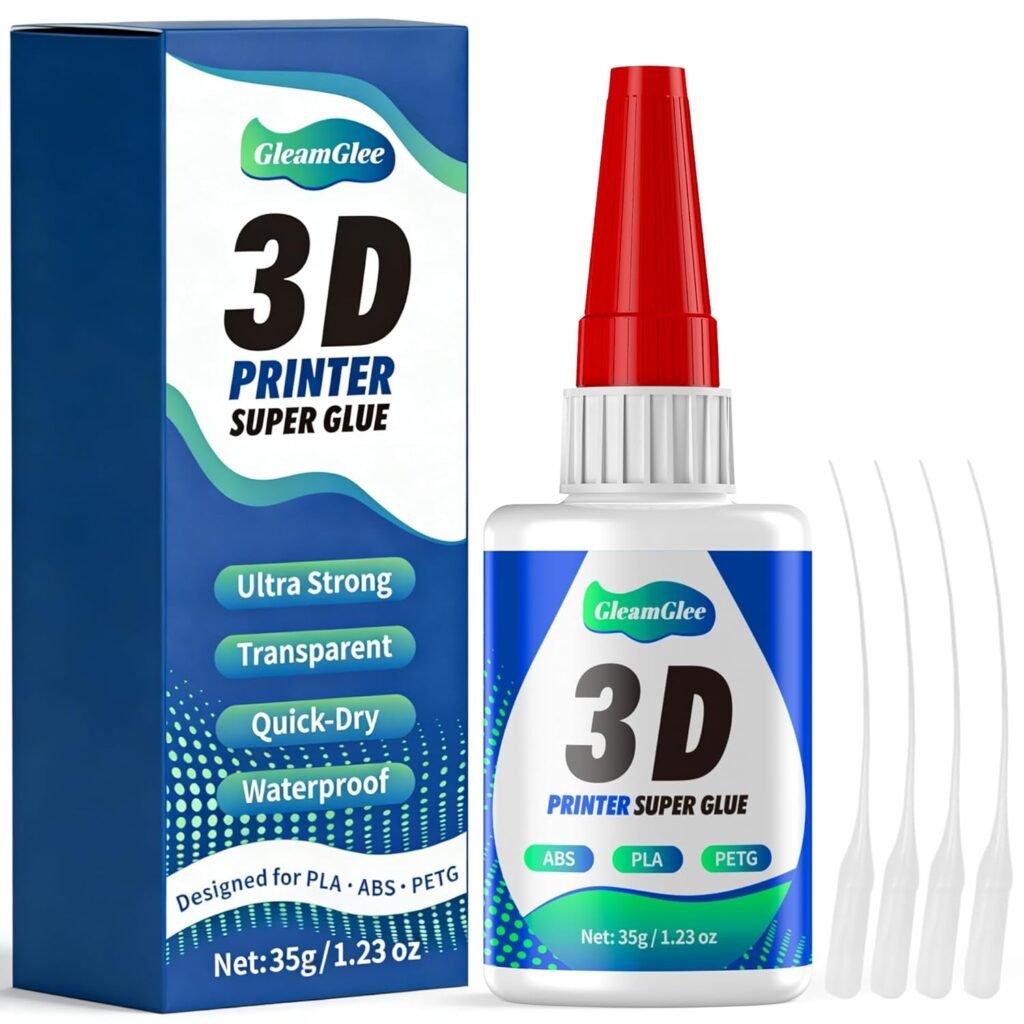
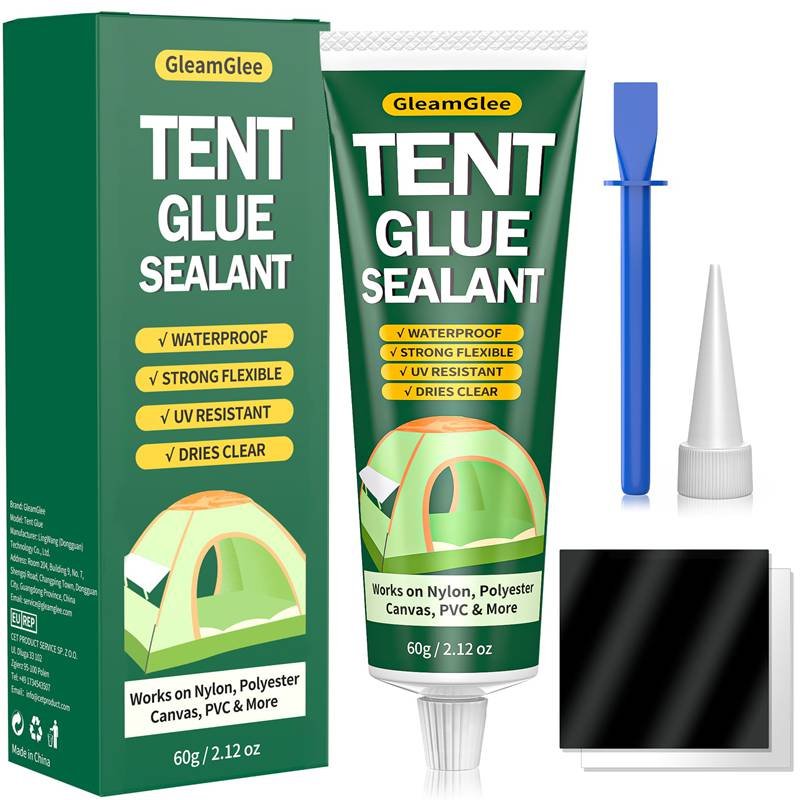
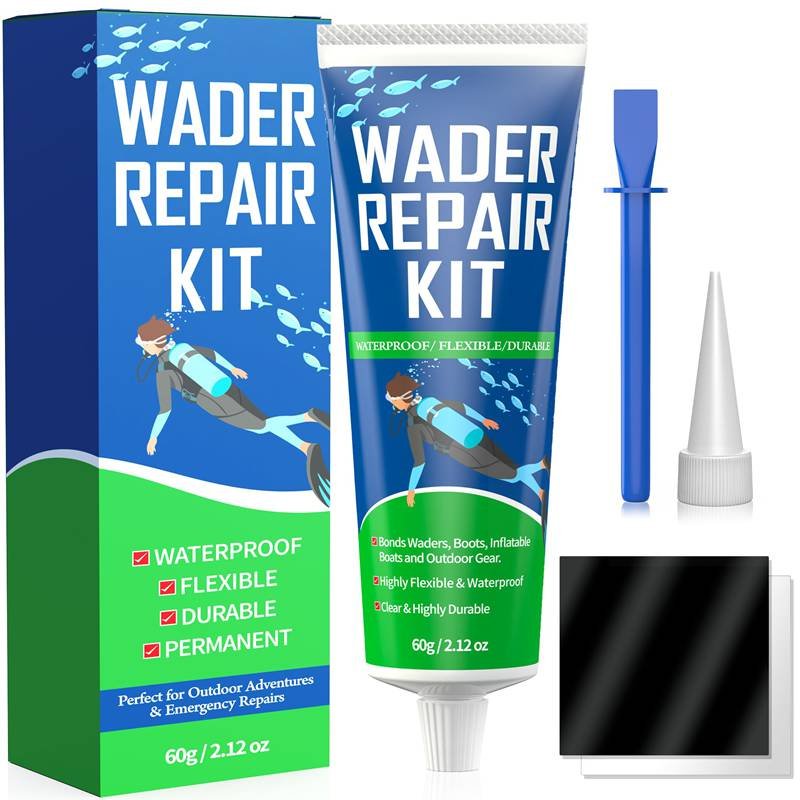
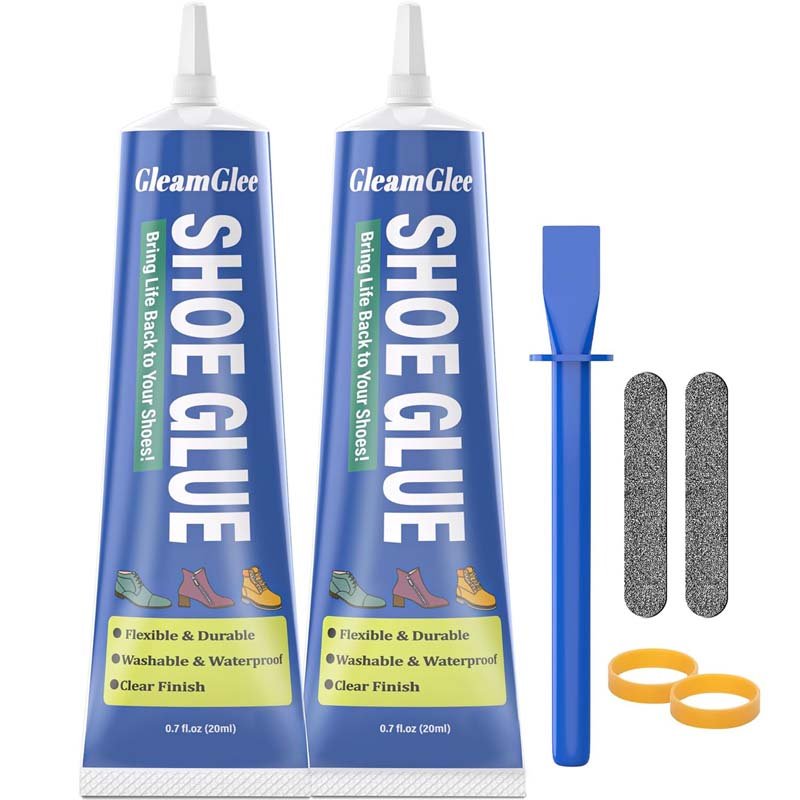
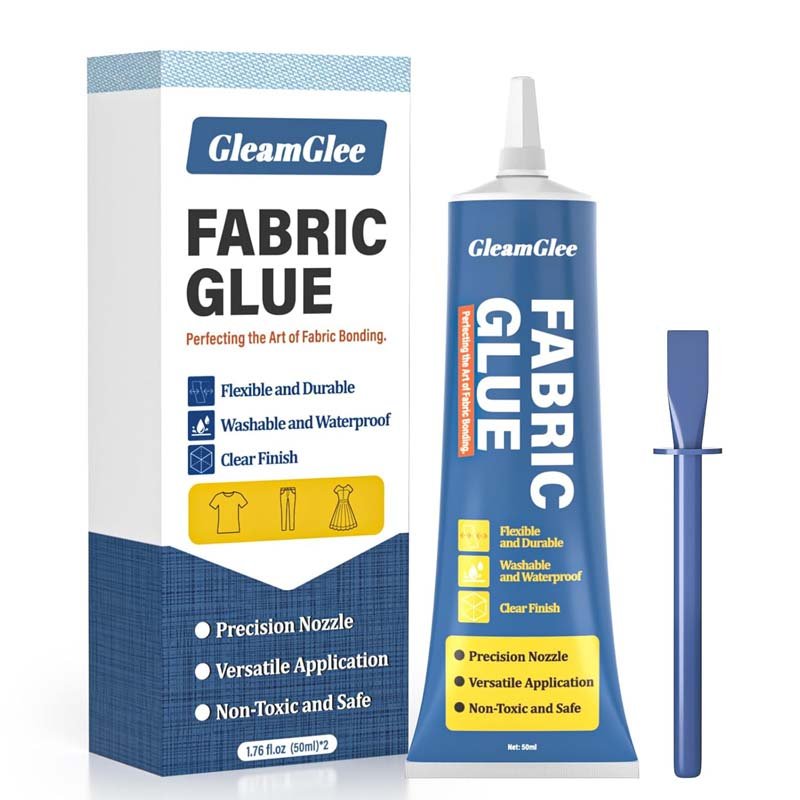
If you’re looking for a professional-grade solution trusted across outdoor gear applications, GleamGlee offers wader repair glue engineered for neoprene seams, breathable fabrics, and extreme conditions.
Share:
Table of Contents
Here, creating your adhesives glue & removal cleaner collection is no longer a barrier—it’s a collaborative journey where GleamGlee helps brands and businesses transform their vision into durable, certified, and market-ready solutions.
Partner with GleamGlee
Join hundreds of global partners who trust GleamGlee for adhesives and cleaners that combine innovation, compliance, and speed. Our vertically integrated system—from R&D to warehouse—guarantees consistent performance and reliable delivery.
Whether you’re sourcing FBA-ready stock or developing your own formula, our team provides unmatched technical support and responsive service.