Skip to content

Museum Gel for Displaying Miniatures: A Practical Guide
Your trusted adhesives glue & cleaner manufacturer

Miniatures are easy to underestimate until one actually falls. A resin figure that weighs only a few ounces can still chip, lose a painted detail, break an accessory, or knock several neighboring pieces from a display shelf. The problem is especially common on glass, acrylic, polished wood, ceramic, and other smooth surfaces where a narrow miniature base has very little resistance to sideways movement. A cabinet door closing, nearby footsteps, cleaning, pets, speakers, or routine handling can slowly shift a figure that once looked perfectly stable.
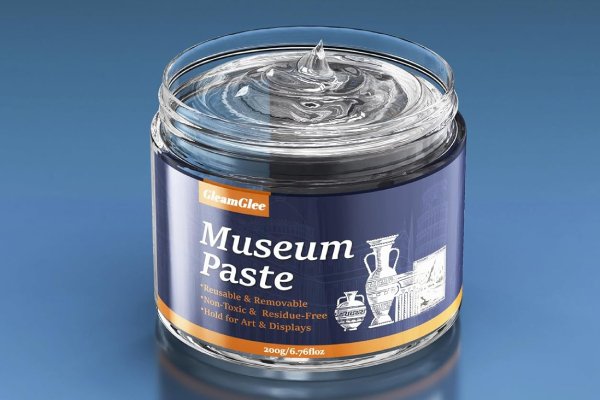
Museum gel offers a practical solution when the goal is to keep miniatures in position without permanently gluing them down. A clear, flexible gel placed beneath the base increases contact with a smooth horizontal surface, helping reduce sliding, rotation, tipping, and minor vibration. Unlike structural glue, it remains removable and can be repositioned, making it useful for figurines, models, dollhouse furniture, train-layout scenery, collectibles, photography props, and display pieces that may need to move again.
That difference matters more than raw adhesive strength. Collectors usually want their displays to stay still today without losing the freedom to rearrange them tomorrow. Anyone who has spent half an hour carefully spacing a row of figures only to find one leaning into another the next morning already understands why a small amount of removable stabilization can make a surprisingly large difference.
What Is Museum Gel for Miniatures?
Museum gel is a clear, flexible material placed beneath miniatures to reduce sliding, tipping, rotation, and minor movement on horizontal display surfaces. It stabilizes finished objects rather than permanently bonding components together. For collectors, its main advantage is reversibility: figures can remain securely positioned during normal display while still being removable when the collection needs cleaning, rearranging, photographing, transporting within a display, or updating.
How Does Museum Gel Hold Miniatures?
A miniature that appears flat may touch its shelf at only a few points. Molded plastic bases can be slightly uneven, resin bases may contain shallow recesses, and small furniture pieces can rest on narrow feet. On polished glass or acrylic, those limited contact points provide relatively little resistance to sideways movement. A flexible museum gel fills minor gaps and increases the effective contact area between the object and the display surface.
The material does not behave like epoxy, cyanoacrylate, or model cement. It remains flexible instead of curing into a rigid structural joint. That makes it more appropriate when the miniature is already complete and simply needs to stay where it was placed. The figure can later be lifted, the gel removed, and the display rearranged without turning the shelf, stand, and collectible into one permanent assembly.
For miniature displays, useful performance is therefore not measured only by maximum bonding strength. The better question is whether the material can resist the small movements that occur during ordinary display while still preserving removability. That balance is particularly valuable for collectible cabinets, dollhouse rooms, model layouts, photography sets, temporary exhibitions, retail displays, and hobby scenes that change throughout the year.
Why Use Gel Instead of Permanent Glue?
Permanent glue makes sense when a broken model part must be repaired or when two components are intended to remain joined for the life of the object. Displaying a finished miniature creates a different requirement. Collectors clean shelves, rotate pieces, move figures between cabinets, photograph individual models, change seasonal arrangements, add new purchases, or sell parts of a collection later. Permanent attachment complicates all of those activities.
A removable gel keeps those choices open. A dollhouse owner can stabilize a miniature table without committing to the same room layout forever. A figure collector can secure several characters on an acrylic riser and later reorganize the display without scraping away hardened glue. A model railway enthusiast can keep lightweight buildings aligned while still removing them when track work or scenery adjustments are needed.
The same logic applies in commercial showcases. Retail staff often change product spacing, swap samples, update seasonal displays, or rebuild shelves around new stock. A removable stabilizer supports those changes far better than permanent tape or hard-setting adhesive. In display work, the strongest possible bond is not automatically the best solution; a controlled, reversible hold is often more useful over the life of the collection.
What Problems Does Museum Gel Prevent?
Most miniature display failures begin with small movements rather than dramatic accidents. A figure may rotate slightly every time a cabinet door closes. A miniature chair may shift several millimeters during cleaning. A tall statue may slowly lean toward a neighboring object until one light bump causes a chain reaction. Museum gel helps reduce these ordinary movements before they become more serious problems.
Common situations include:
- Sliding on polished glass, acrylic, ceramic, marble, or metal
- Rotation caused by repeated low-level vibration
- Tipping from narrow or lightweight bases
- Movement when cabinet doors and drawers are opened
- Light accidental contact while cleaning or arranging shelves
- Minor disturbance from pets or everyday household activity
- Shifting of photography props during product shoots
- Misalignment in miniature scenes, dollhouses, and train layouts
Museum gel should still be treated as one part of a stable display rather than a substitute for sensible placement. A severely top-heavy figure can still fall if struck hard, and a loose shelf should be repaired rather than compensated for with extra gel. The product is intended for horizontal stabilization and should not be treated as a hanging adhesive or vertical wall-mounting system.
| Display Problem | Typical Cause | How Museum Gel Helps | Important Limit |
|---|---|---|---|
| Sliding | Smooth glass or acrylic | Adds resistance beneath the base | Surface should remain horizontal |
| Rotation | Repeated vibration | Increases stable contact | Does not correct severe imbalance |
| Tipping | Narrow or top-heavy base | Reduces initial sideways movement | Strong impacts can still overturn objects |
| Misalignment | Cleaning or handling | Helps keep small items positioned | Proper spacing is still important |
| Domino falls | Figures placed too closely | Helps each piece resist small movement | Adequate clearance is still recommended |

Which Miniatures Work Best with Museum Gel?
Museum gel works best with miniatures that have a reasonably stable footprint and enough smooth contact area beneath the base. Resin figures, anime collectibles, model kits, dollhouse furniture, miniature scenery, scale vehicles, train-layout buildings, craft displays, and photography props are common applications. In practice, base geometry, weight distribution, surface finish, and center of gravity matter more than the hobby category printed on the packaging.
Can You Use It on Figurines?
Figurines are among the most practical museum gel applications because many collectible designs combine a relatively small footprint with a much taller body. Resin statues, anime figures, blind-box characters, gaming miniatures, action-figure displays, and small decorative sculptures may look balanced when first placed but can become unstable after repeated shelf vibration or a light sideways touch.
Before applying gel, inspect the underside rather than judging the object only by its weight or height. A broad circular stand usually offers more usable contact area than a figure resting directly on two narrow feet. Hollow bases may touch only around the edge, while molded lettering or recessed cavities can reduce the amount of flat surface available for stabilization.
Whenever the collectible includes a separate factory stand, placing gel beneath the stand is usually cleaner than applying it directly to painted feet or detailed character surfaces. This keeps the stabilizing material hidden, makes removal easier, and avoids unnecessary contact with decorative finishes. The purpose is to secure the stable support beneath the figure rather than interfere with the collectible itself.
Does It Work for Dollhouse Miniatures?
Dollhouse displays are particularly well suited to removable stabilization because rearranging the scene is part of the hobby. Miniature chairs, tables, lamps, flowerpots, books, kitchen accessories, ornaments, and decorative pieces may stay in one location for several months and then move when the room is redesigned. Permanently gluing every item creates a tidy scene but removes much of that flexibility.
A very small amount of clear museum gel can help lightweight furniture and accessories remain aligned on suitable smooth floors or removable room-box platforms. The amount should remain proportional to the object. At miniature scale, even a small excess can become visible beneath chair legs or make an accessory sit unnaturally above the surface, so controlled application is more important than using a large quantity.
The construction material also deserves attention. Smooth finished surfaces are generally more predictable than paper wallpaper, fabric, unfinished wood, chalk paint, or other porous decorative materials. Gel may be excellent for holding completed miniature furniture in place, but permanent model adhesive remains more suitable when the miniature itself needs to be assembled or structurally repaired.
Can It Secure Model Displays?
Model displays often contain several object types in one scene, which makes removable stabilization especially useful. A railway layout may include buildings, signs, vehicles, signal boxes, trees, and accessories. A scale-car collection may sit on polished glass. Aircraft models may use broad display stands but still rotate when the cabinet moves. Diorama builders may also want temporary positioning during photography before making final layout decisions.
Museum gel performs best when the model is already mechanically stable. It can help a properly balanced object resist movement, but it should not be expected to correct a severe center-of-gravity problem. An aircraft model with a very narrow stand and a strongly offset body may need a better support system before any temporary adhesive can provide reliable stabilization.
Different miniature types therefore call for different expectations. A broad resin base usually provides more predictable contact than four tiny furniture legs, while a lightweight model car may require only enough resistance to stop gradual rolling or sliding. Understanding the contact area first makes application cleaner and helps avoid using more gel than necessary.
| Miniature Type | Typical Contact Area | Main Display Need | Museum Gel Suitability |
|---|---|---|---|
| Resin figurine | Broad molded base | Reduce tipping | High on suitable smooth surfaces |
| Anime figure | Separate plastic base | Reduce sliding and rotation | High |
| Dollhouse furniture | Several small feet | Hold arrangement | High to moderate |
| Model car | Tires or flat chassis | Prevent rolling or shifting | High to moderate |
| Train-layout building | Broad underside | Keep scenery aligned | High if surface is compatible |
| Tiny loose accessory | Very small footprint | Prevent displacement | Moderate |
| Wall-mounted miniature | Vertical contact | Hanging support | Not suitable |
Do Base Shapes Affect the Hold?
Base shape is one of the most important factors in real-world performance. A broad, flat circular base creates predictable contact and spreads the miniature’s weight over a larger area. Narrow feet, deeply recessed bottoms, curved surfaces, raised lettering, and heavily textured bases reduce the area available for the gel to contact, meaning two objects of similar weight can behave very differently on the same shelf.
Top-heavy designs deserve additional attention. A figure holding a large weapon, wearing extended wings, or leaning dramatically to one side creates leverage that works against the base. Museum gel can reduce the initial sideways movement, but it cannot change the object’s basic balance. If the figure visibly rocks before gel is applied, a broader stand or improved positioning should be considered before increasing the amount of stabilizing material.
For irregular bases, several small contact points may create a cleaner result than one large lump in the center. The goal is to support the areas already carrying the miniature’s weight rather than force the object into an unnatural position. In experienced display work, good geometry comes first and removable stabilization is added afterward.
Which Surfaces Are Best for Museum Gel?
Museum gel performs most consistently on clean, smooth, level, non-porous surfaces. Glass, ceramic, marble, metal, crystal, many plastics, resin surfaces, and suitable finished wood are common examples. Delicate coatings, porous materials, freshly painted surfaces, aged finishes, and valuable antiques deserve more caution because their behavior can vary considerably. Surface condition often matters as much as the material category itself.
Does It Work on Glass Shelves?
Glass is one of the strongest practical matches for clear museum gel because it is smooth, non-porous, visually clean, and widely used in collectible cabinets, retail showcases, and display cases. A transparent gel can remain almost invisible when kept beneath the miniature’s footprint, which helps preserve the polished appearance collectors expect from a carefully arranged glass cabinet.
Preparation is more important than many users realize. Glass may appear clean while still carrying fingerprints, furniture polish, oily residue, or traces of silicone-based cleaners. These materials can interfere with consistent contact. The underside of the miniature should also be dry and free from dust before it is placed, because trapped debris can reduce grip and become visible through a transparent shelf.
After placement, the object should be pressed vertically rather than dragged sideways. Sliding can smear the gel beyond the base and collect dust along the edge. A well-positioned application should improve stability without drawing attention to itself, allowing the miniature, lighting, and arrangement to remain the visual focus.
Can You Use It on Acrylic?
Acrylic shelves and risers are popular in modern collections because they add height while keeping the display visually light. They are common with anime figures, blind-box collections, scale cars, jewelry, model kits, and small retail products. Because elevated objects have farther to fall, a small amount of removable stabilization can be especially useful on acrylic risers that are frequently touched during rearrangement.
Not every acrylic surface is identical. Clear cast acrylic, extruded acrylic, printed acrylic, coated stands, and decorative surfaces can differ in finish. When the riser is expensive, printed, coated, or difficult to replace, a small hidden compatibility test is a sensible precaution before extended use.
The quantity also matters more on transparent supports. Excess gel may disappear beneath an opaque wooden shelf but remain obvious through a clear riser. The material should stay inside the footprint of the base after pressure is applied. A clean application lets the riser keep its floating appearance while giving the figure more resistance to ordinary vibration or light movement.
Does It Work on Ceramic or Metal?
Smooth glazed ceramic and finished metal provide the kind of hard, non-porous contact surfaces that generally suit removable display gel. These materials appear frequently in decorative trays, trophy shelves, retail fixtures, ceramic platforms, and mixed-material display furniture. Sealed marble, crystal, and other polished surfaces can also provide good contact when they are clean, level, and free from surface contamination.
The finish still matters. The word “metal” can describe bare stainless steel, powder-coated steel, painted aluminum, plated brass, or an antique decorative coating, and these surfaces should not automatically be treated as identical. The same caution applies to ceramics with hand-painted decoration, specialty glazes, or valuable historic finishes.
A useful rule is to evaluate the coating rather than only the base material. A modern steel display plate and a century-old painted metal stand may both be metal, but their preservation requirements are completely different. Valuable or unfamiliar finishes should be tested in an inconspicuous area before long-term contact.
Should You Use It on Painted Wood?
Painted wood needs more judgment than glass or glazed ceramic because both the paint and the substrate can vary significantly. Modern factory-applied finishes may be hard, fully cured, and relatively resistant, while chalk paint, waxed furniture, fresh DIY paint, shellac, old lacquer, delicate varnish, and antique surfaces may be more vulnerable to marking or changes in gloss.
Unfinished wood is less predictable because it is porous. A flexible material placed on an absorbent surface can behave differently from the same gel used on glass. For that reason, museum gel is better suited to compatible finished wood rather than assumed safe for every timber surface found in a dollhouse, bookcase, vintage cabinet, or handcrafted display.
A simple hidden-area test is appropriate when the finish is uncertain. Apply a very small amount, remove it carefully after a reasonable observation period, and inspect for darkening, softening, gloss change, or residue. Valuable antique furniture and historically significant objects may require professional conservation guidance rather than ordinary household display methods.
| Surface | General Suitability | Main Advantage | Main Caution |
|---|---|---|---|
| Glass | High | Smooth, clear, non-porous | Remove oils and fingerprints |
| Acrylic | High | Ideal for clear risers | Test printed or coated acrylic |
| Glazed ceramic | High | Stable hard contact | Avoid fragile painted decoration |
| Finished metal | High | Smooth and durable | Coatings can vary |
| Sealed marble | High | Broad stable contact | Test valuable specialty finishes |
| Finished wood | Moderate to high | Common shelving material | Paint and varnish systems vary |
| Unfinished wood | Lower | — | Porosity and staining risk |
| Fabric or paper | Low | — | Soft or porous surface |
| Vertical wall | Not suitable | — | Intended for horizontal stabilization |

How Do You Apply Museum Gel Correctly?
Correct application starts with clean, dry surfaces and a controlled quantity of gel. Roll a small amount into a compact portion, place it beneath a stable part of the miniature base, set the object on a level horizontal surface, and press downward firmly. The hold becomes stronger and more stable after about 30 minutes, so unnecessary movement during this initial period should be avoided.
How Much Museum Gel Should You Use?
More material does not automatically create a better display. Excess gel can spread beyond the base, become visible, collect dust, or raise a lightweight miniature above the shelf. For small display objects, a controlled portion is generally more useful than covering the entire underside. The objective is sufficient contact without creating a thick visible cushion beneath the object.
A pea-sized amount is a practical reference for many suitable display items, while very small miniatures may require considerably less. Larger bases may benefit from dividing the material into several small contact points instead of placing one large amount in the center. Once the miniature is pressed down, the gel should remain inside the outline of the base rather than squeeze outward.
A useful application sequence is:
- Inspect the underside of the miniature before applying anything.
- Identify the areas that actually carry the object’s weight.
- Start with a small amount rather than trying to estimate the maximum needed.
- Keep the gel away from visible edges.
- Press vertically instead of sliding the object.
- Remove excess material if it becomes visible.
Precision creates a cleaner display and usually makes future removal easier.
Where Should You Place the Gel?
Gel should be positioned under the areas that genuinely contact the shelf. A flat circular base may work well with a central contact point, while a rectangular stand can benefit from two or more smaller portions distributed across the underside. A hollow base may require material around the solid rim because placing gel in an empty central cavity provides little useful support.
Miniature furniture creates a different challenge. Several narrow legs may need very small contact points, but there is little reason to force gel against delicate painted areas or textile details if a separate support plate can be used instead. Whenever a collectible includes a removable factory base, stabilizing that base is generally the cleaner and more predictable approach.
Weight distribution should also influence placement. A figure leaning toward one side places greater load in that direction. Gel can increase resistance to movement, but it should not be used to disguise a fundamentally unstable display. A level shelf, suitable stand, and balanced orientation remain the foundation of good positioning.
How Do You Press the Miniature Down?
Once the gel is positioned, apply pressure vertically rather than twisting or dragging the miniature across the surface. Sideways movement can spread the material beyond the footprint and may pull dust or grit underneath the base. A steady downward press allows the gel to settle into close contact while keeping the application hidden beneath the object.
Pressure should match the strength of the miniature. A robust molded resin base can tolerate more handling than a delicate glass ornament, thin vintage model, or fragile hand-painted piece. The goal is not to crush the gel as flat as possible; it is to create stable contact without introducing a new risk of damage during installation.
After pressing, look at the figure from several angles. Confirm that it remains level, faces the correct direction, and does not sit noticeably higher than neighboring pieces. If gel is visible around the edge, lift the object carefully, reduce the amount, and place it again rather than accepting an untidy result.
How Long Should You Let It Set?
The hold becomes stronger after approximately 30 minutes of undisturbed contact. This does not mean the gel cures into a permanent adhesive. The material remains flexible and removable, but allowing it to settle against the base and shelf helps create a more stable connection. Repeatedly lifting or testing the miniature immediately after placement can interrupt that process.
A simple installation routine works well for most displays:
| Step | Action | Practical Check |
|---|---|---|
| 1 | Clean both contact surfaces | No dust, oil, or moisture |
| 2 | Prepare a small gel portion | Keep it within the base footprint |
| 3 | Position the miniature | Confirm final orientation |
| 4 | Press vertically downward | Avoid twisting or dragging |
| 5 | Leave undisturbed | Approximately 30 minutes |
| 6 | Check stability gently | Do not forcefully test the hold |
| 7 | Reinspect later | Watch for movement after cleaning or relocation |
If the miniature remains unstable after careful application, inspect the base shape, shelf level, center of gravity, and surface cleanliness before automatically adding more gel. Too much product rarely compensates for a fundamentally poor support arrangement.
Is Museum Gel Safe for Miniature Displays?
Museum gel is designed to stabilize display objects without permanent bonding, and a suitable clear formulation can be removed from compatible smooth surfaces without leaving the hardened residue associated with permanent glue. However, no responsible collector should assume every paint, plastic, varnish, coating, antique finish, or porous material will behave identically. Valuable, delicate, freshly coated, aged, or unfamiliar surfaces should be tested before extended contact.
Does Museum Gel Leave Residue?
On compatible smooth surfaces such as clean glass, ceramic, marble, suitable metal, and many finished non-porous materials, museum gel is intended to lift away cleanly rather than leave the hardened adhesive layer associated with permanent glue. This removable behavior is one of the main reasons collectors choose gel when they expect to rearrange or clean displays later.
Long-term cleanliness still depends on the environment. Soft display materials can pick up dust, fibers, skin oils, or residue from cleaning products if they remain exposed. When a miniature is removed, the gel should be gathered gently rather than scraped aggressively across the shelf. If the material has collected visible contamination, using a fresh portion is usually more sensible than pressing dirty gel back onto a valuable surface.
Displays that remain untouched for months still benefit from occasional inspection. The purpose is not only to assess the gel. Dust, humidity, sunlight, minor furniture movement, and changes in the miniature’s base can all affect how securely the object sits over time.
Can Museum Gel Damage Paint?
“Painted surface” covers a very broad range of materials. Factory-coated PVC, acrylic hobby paint, enamel, lacquer, varnish, hand-painted resin, printed graphics, decals, and antique finishes can respond differently to prolonged contact. That is why responsible use relies on compatibility testing rather than a blanket claim that every painted surface will behave exactly the same way.
Whenever possible, place the gel beneath a dedicated display stand rather than directly against painted character details. If a figure stands directly on painted feet without a separate base, collectors should be more cautious, particularly when the item is expensive or difficult to replace. A small hidden-area test is a sensible precaution when surface chemistry is uncertain.
Painted furniture deserves the same judgment. Fully cured factory coatings are different from fresh DIY paint, waxed furniture, chalk paint, or fragile vintage lacquer. For historically significant or irreplaceable objects, specialist conservation advice may be more appropriate than ordinary household display methods.
Does Heat or Humidity Matter?
Environmental conditions matter to both temporary mounting materials and collectibles. Flexible materials can change in softness as temperature shifts, while plastics, resins, paints, wood, and packaging materials can also respond to heat, moisture, and prolonged sunlight. A stable indoor environment therefore protects the entire display rather than only the gel beneath the object.
Collectors should avoid placing valuable miniatures directly beside radiators, powerful lamps, sunny windows, or other areas that experience significant temperature swings. Displays located in ordinary living spaces do not need laboratory conditions, but preventing extreme heat and direct ultraviolet exposure is sensible for both stabilization and material preservation.
Important pieces should be checked after major seasonal changes, cabinet relocation, deep cleaning, or any event that noticeably changes the room environment. Look for slow rotation, leaning, visible spreading, or reduced resistance when the object is touched gently. A short visual inspection can identify a problem before a miniature reaches the edge of a riser.
Can You Use Museum Gel Long Term?
Museum gel can support long-term displays when the object, surface, application, and environment are suitable, but “long term” should not mean that the arrangement never needs to be checked. Dust accumulates, furniture shifts slightly, rooms experience seasonal changes, and the underside of collectibles can develop wear or contamination that remains hidden during normal viewing.
Occasional repositioning gives collectors an opportunity to inspect both the shelf and the miniature base. Check for dust, warped supports, loose paint, damaged feet, or contamination. A reusable gel can be reshaped and applied again when it remains clean and in good condition, while material that has collected dirt or debris should be replaced rather than reused indefinitely.
Long-term use should also remain within the intended application. Museum gel is designed for stabilization on horizontal surfaces. It is not a substitute for mechanical mounting when objects are installed on walls, ceilings, hanging structures, or locations where failure could create a safety hazard.
Is Museum Gel Better Than Wax or Putty?
Museum gel is not automatically better than museum wax or museum putty in every situation. Gel is especially useful when transparency, discreet appearance, smooth horizontal surfaces, and easy repositioning are priorities. Wax and putty can be more convenient for other base shapes or hidden applications. The better choice depends on object geometry, surface compatibility, visibility, environmental conditions, and how often the display will be rearranged.
Museum Gel vs Museum Wax: Which Is Better?
Museum gel and museum wax share a similar purpose: stabilizing display objects without permanently bonding them to the shelf. The practical differences are mainly in handling, consistency, appearance, and how easily the material can be hidden. Clear gel is particularly attractive for glass and acrylic displays because it can remain almost invisible when applied in a controlled amount.
Museum wax is firmer and has a long history of use for decorative-object stabilization. It can be useful when the contact area is hidden or when a slightly firmer material is easier to position. The best choice therefore depends less on which product sounds stronger and more on how the object, base, and shelf interact.
For transparent cabinets, crystal pieces, acrylic risers, and highly visible miniature arrangements, clear gel often has a visual advantage. Wax may remain practical for concealed bases or displays where its appearance cannot be seen. Both should still be used according to surface compatibility and realistic expectations about removable stabilization.
Museum Gel vs Museum Putty: What Changes?
Museum putty is generally firmer and easier to mold into a defined shape than soft gel. That can be useful beneath uneven or irregular bases where the user needs material to stay exactly where it is pressed. The tradeoff is visibility. Many putties are opaque, making them easier to notice on clear shelves, transparent risers, or beneath very small collectible bases.
Clear museum gel is usually easier to conceal in modern display cabinets. This matters because collectors often invest considerable effort in lighting, acrylic risers, mirrored panels, and precise spacing. A visible white, gray, or blue material beneath every figure can distract from the display even if it performs well mechanically.
Putty may still be preferable when the contact point is completely hidden and the underside is unusually shaped. Instead of choosing by brand reputation alone, examine the base geometry, whether the stabilizer will be visible, and how frequently the object needs to be removed or repositioned.
Museum Gel vs Poster Putty: Which Is Safer?
Poster putty is widely available and inexpensive, which is why many hobbyists try it first. Its primary purpose, however, is usually temporary household mounting, especially for lightweight paper items. Museum gel is designed more specifically around stabilizing objects on display surfaces, so the two materials should not automatically be considered interchangeable in every collectible application.
Poster putty formulations vary between manufacturers, and differences in color, oils, plasticizers, consistency, and long-term residue behavior can affect how suitable a particular product is for a valuable miniature. That does not mean all poster putty is unsafe; it means users should evaluate the specific product and surface rather than assume identical behavior across brands.
For transparent displays, museum gel also offers an aesthetic advantage because the material can remain much less visible. When a collectible is expensive, the small difference in purchase price between temporary mounting materials is usually less important than removability, surface compatibility, and preserving the appearance of the display.
| Factor | Museum Gel | Museum Wax | Museum Putty | Poster Putty |
|---|---|---|---|---|
| Typical appearance | Clear | Usually visible | Usually opaque | Usually opaque |
| Strong visual use | Glass and acrylic | Hidden bases | Irregular hidden bases | General household mounting |
| Repositionable | Yes | Usually | Usually | Usually |
| Structural repair | No | No | No | No |
| Transparent-display suitability | High | Moderate | Lower | Lower |
| Sensitive-surface testing | Recommended | Recommended | Recommended | Especially important |
| Primary role | Display stabilization | Display stabilization | Display stabilization | General temporary mounting |
When Should You Use Permanent Glue Instead?
Permanent adhesive should be used when the miniature itself needs structural assembly or repair. If a resin arm has broken, a model-kit component needs to be permanently joined, or two materials must become one mechanical unit, museum gel is not designed for that task. Structural applications may require model cement, cyanoacrylate, epoxy, or another adhesive selected according to the materials involved.
The distinction is simple. Display stabilization begins with a complete object and asks how to keep it from sliding or tipping. Structural bonding begins with separated or broken components and asks how to permanently reconnect them. Using the same product for both jobs can produce disappointing results because the performance requirements are fundamentally different.
Museum gel is valuable precisely because it remains removable and flexible. Expecting it to behave like a permanent repair adhesive would eliminate the property that makes it useful for miniature collectors in the first place.

How Do You Build a Stable Miniature Display?
A stable miniature display combines secure furniture, level shelves, sensible spacing, balanced object placement, and controlled use of removable stabilization. Museum gel performs best as one part of that system rather than the only protective measure. Fragile or top-heavy figures should be positioned carefully, neighboring objects should have enough clearance, and small hidden gel contact points can then be used where ordinary vibration or accidental movement creates a realistic risk.
How Do You Secure a Display Cabinet?
Begin with the cabinet rather than the collectibles. Check that the furniture stands level, shelves are properly seated, glass panels are secure, and acrylic risers do not rock when lightly touched. A flexible or unstable shelf transfers movement to every miniature placed on it, making even a good stabilizer work harder than necessary.
Next, arrange figures according to risk rather than only appearance. Heavy pieces should not sit where a fall could strike several fragile items. Tall, narrow figures need more clearance than low, broad models. Leaving modest gaps between collectibles reduces domino-style damage and also makes dusting and routine inspection easier.
Risers deserve separate attention because they add another movable layer between the miniature and cabinet shelf. Where appropriate and surface-compatible, the riser can be stabilized first and individual figures secured separately. A well-designed display should still look natural; the protective measures should support the collection quietly rather than become a visible part of the presentation.
Can Museum Gel Help with Pets?
Museum gel can increase resistance to light contact from pets, but it should not be described as cat-proof, dog-proof, or capable of resisting a determined animal. A jumping cat can apply much more force than ordinary shelf vibration, and no temporary gel should be expected to turn an open bookcase into the equivalent of a closed display cabinet.
Homes with pets benefit from layered protection. Valuable miniatures are generally safer behind doors, fragile figures should stay away from shelf edges, and top-heavy pieces should receive more clearance and stable support. Museum gel can then provide an additional measure against minor bumps, cabinet movement, or light contact rather than carrying the entire responsibility for protecting the collection.
The same principle applies in homes with children or frequent household activity. Reducing movement is useful, but physical barriers, sensible placement, stable furniture, and good spacing remain the strongest first line of defense against more serious impacts.
How Do You Protect Miniatures from Vibration?
Low-level vibration is one of the easiest display risks to ignore because the movement can be too small to notice in the moment. Cabinet doors, speakers, nearby appliances, footsteps on flexible floors, desk equipment, traffic, and routine handling can all cause lightweight collectibles to move a fraction at a time.
A figure may remain upright while gradually rotating or shifting several millimeters over days or weeks. Museum gel adds resistance at the contact point, helping the object stay closer to its original position. This is especially useful for narrow bases on glass, acrylic, polished ceramic, and other smooth horizontal surfaces.
If vibration is obvious, the source should still be addressed. Moving a speaker, leveling the cabinet, tightening a loose shelf, or relocating the display may improve stability more effectively than simply adding more gel. Temporary stabilization works best after larger mechanical problems have already been reduced.
When Should You Check the Display Again?
A miniature display deserves another look whenever something significant changes. Moving the cabinet, cleaning shelves, rearranging figures, adding new risers, changing room conditions, or experiencing an accidental bump are all sensible times to check alignment and contact points. A quick inspection can reveal leaning, rotation, visible spreading, or a miniature that no longer feels as stable as before.
Long-standing collections also benefit from occasional removal and cleaning. Dust can accumulate around bases, and exposed gel can collect debris over time. Lifting selected pieces allows the shelf, the underside of the figure, and the stabilizing material to be inspected before a small problem becomes more difficult to correct.
The most reliable display strategy is preventive rather than reactive. A few minutes spent checking shelf level, spacing, object balance, and contact points can help avoid damage to a miniature that may be expensive, discontinued, or impossible to replace.
Conclusion
Displaying miniatures securely is rarely about finding the strongest possible adhesive. The better goal is creating enough stability to protect the collection while preserving the freedom to clean, rearrange, photograph, update, or eventually remove individual pieces. Museum gel fits that requirement particularly well when the object already has a stable base and the shelf is smooth, clean, horizontal, and compatible with a removable gel material.
The most successful applications are usually the simplest. Start with a level cabinet, give fragile figures enough space, inspect the underside of each base, use only a controlled amount of gel, and allow roughly 30 minutes for the grip to become more stable. Glass and acrylic displays are especially natural applications because a transparent gel can remain visually discreet while reducing the small movements that commonly cause sliding, rotation, or tipping.
Collectors should still treat valuable finishes with care. Painted, porous, antique, freshly coated, and unfamiliar surfaces deserve testing, and no temporary stabilizer should replace proper mechanical support where a heavy or severely unbalanced object presents a genuine safety risk. Used within those limits, museum gel offers a practical balance between security and reversibility, helping miniatures stay where they belong without turning a carefully curated display into a permanent installation.

Frequently Asked Questions
Is museum gel safe for resin miniatures?
Museum gel can be suitable for many resin miniatures when it is applied beneath a stable base and used on a compatible smooth horizontal surface. Whenever possible, place the gel against the unpainted display base rather than directly onto detailed painted resin. Valuable hand-painted figures, specialty coatings, or unknown finishes should be tested in a discreet location before extended contact because different paint systems can behave differently.
How much museum gel should I use for a small miniature?
Small miniatures generally need much less material than larger decorative objects. Start with a very small portion and increase only if necessary. A pea-sized amount is a useful reference for many display items, but miniature bases often require less. The gel should remain inside the base footprint after pressing, because excess material can become visible, collect dust, and make the miniature sit unnaturally high.
Can museum gel be used on acrylic display stands?
Museum gel can work well on many smooth acrylic stands and risers, particularly when a clear stabilizing material is preferred for an unobtrusive appearance. Acrylic products can have different coatings, printed surfaces, and manufacturing finishes, so valuable or specialty acrylic should be tested first. Use a small amount and keep it within the miniature’s base so it does not become visible through the transparent riser.
Does museum gel permanently glue miniatures to shelves?
Museum gel is intended for removable display stabilization rather than permanent structural bonding. It helps resist sliding, rotation, tipping, and minor vibration while allowing the miniature to be lifted and repositioned later. This makes it useful for collectors who regularly clean, rearrange, photograph, or rotate displays. Broken model parts or structural assemblies still require an adhesive designed for permanent bonding.
Is museum gel better than museum wax for miniatures?
Neither product is universally better. Clear museum gel is particularly useful when visibility matters, such as on glass shelves, acrylic risers, and transparent display cases. Museum wax may be convenient beneath hidden bases or where a firmer consistency is preferred. The better choice depends on surface compatibility, object shape, room conditions, appearance, and how frequently the miniature needs to be repositioned.
Can museum gel stop a cat from knocking over a figure?
Museum gel can make a miniature more resistant to light bumps and ordinary movement, but it should not be considered protection against a determined cat or a strong direct impact. Valuable figures are safer inside closed display cabinets, away from exposed shelf edges. Gel works best as an additional stabilizing measure alongside stable furniture, sensible placement, adequate spacing, and physical protection.
How long should museum gel sit before checking the hold?
After a miniature is positioned and pressed onto the gel, leaving it undisturbed for approximately 30 minutes allows the contact to become more stable. The material does not cure permanently like epoxy, so the object remains removable. After the initial period, check stability gently rather than pushing or pulling aggressively. If the figure still moves too easily, inspect the base, shelf cleanliness, and balance before adding more gel.
Share:
Table of Contents
Here, creating your adhesives glue & removal cleaner collection is no longer a barrier—it’s a collaborative journey where GleamGlee helps brands and businesses transform their vision into durable, certified, and market-ready solutions.
Partner with GleamGlee
Join hundreds of global partners who trust GleamGlee for adhesives and cleaners that combine innovation, compliance, and speed. Our vertically integrated system—from R&D to warehouse—guarantees consistent performance and reliable delivery.
Whether you’re sourcing FBA-ready stock or developing your own formula, our team provides unmatched technical support and responsive service.