Skip to content

Waterproof Plastic Glue for Outdoor Gear
Fast, clear and controlled bonding for small rigid plastic parts exposed to rain, damp storage and everyday outdoor temperature changes.
- Waterproof performance for repaired plastic parts that may meet rain, splashes or damp outdoor storage during normal use.
- Sets in seconds to help align small tabs, covers, housings and accessories without a long hand-holding period.
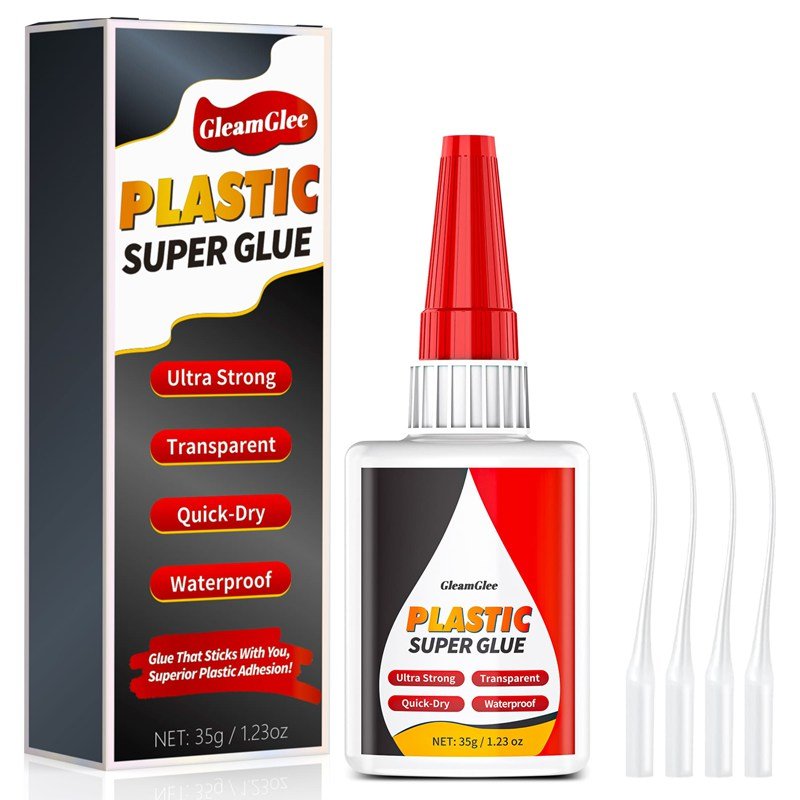
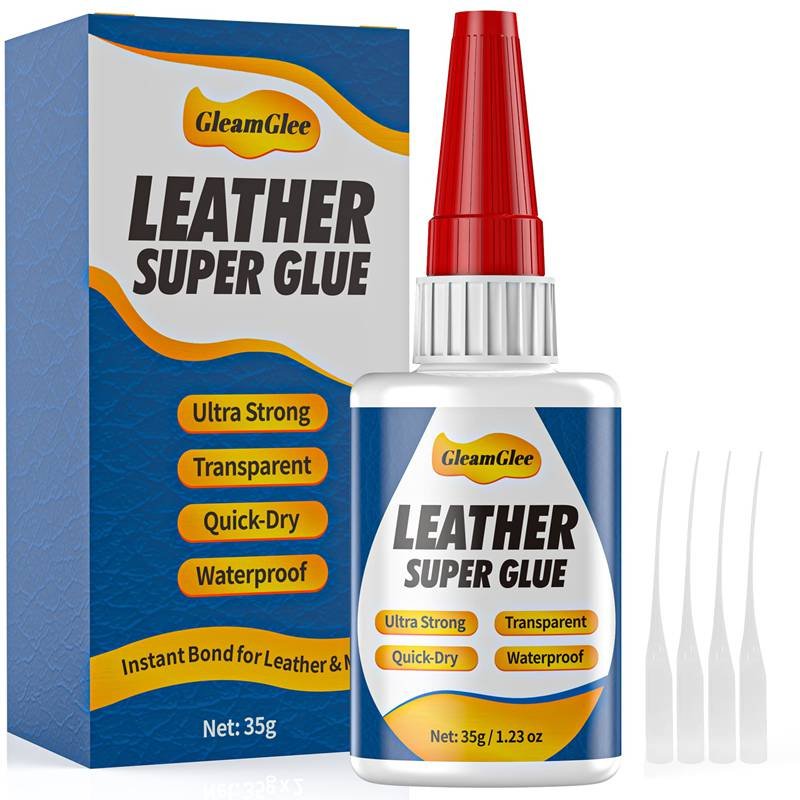
- Clear-drying, medium-viscosity liquid formula with four precision nozzles for narrow joints, small cracks and detailed repair areas.
- Positioned for ABS, PVC, acrylic and PLA used in suitable rigid-plastic camping, fishing, storage and outdoor DIY components.
Waterproof Performance for Real Outdoor Conditions
Outdoor plastic repairs face more than a dry shelf environment. Rain, damp storage and seasonal temperature movement all influence how a repaired part performs.

Rain and Splashes
Camping boxes, tackle organizers, plastic covers and portable outdoor accessories can meet rain, wet hands or surface splashes. A waterproof adhesive helps the cured bond remain useful around ordinary moisture exposure. Material compatibility and correct surface preparation still come first; a waterproof label cannot compensate for a dirty surface, an unsuitable plastic or a badly fitting fracture.
Damp Gear Storage
Outdoor equipment is often returned to a garage, vehicle, shed or storage bin before every surface is perfectly dry. Moisture in the surrounding environment raises the value of a waterproof bond, but application should begin on clean, dry surfaces. Allow the repair to develop fully before returning the part to a damp box or placing it back in service.
Temperature Changes
Gear may move between a warm vehicle, a cool garage and changing outdoor weather. GleamGlee product information lists heat resistance and cold resistance alongside waterproof performance. Those properties support everyday outdoor temperature changes without inventing an unverified service range. Joint design, contact area and load direction remain equally important to the finished repair.
Made for Outdoor Repair-Minded Users
Different outdoor users encounter different plastic failures. The best match is a small, rigid, non-safety-critical part with a close-fitting break.

Campers
Campers often discover a snapped storage-box tab, lantern housing edge, cooler accessory or small protective cap immediately before a trip. GleamGlee suits detail repairs where both fracture surfaces remain present and can be returned to their original position. Fast initial bonding reduces holding time, while a precision nozzle helps keep adhesive away from hinges, threads and moving mechanisms.

Anglers
Fishing gear spends time near spray, wet hands and damp storage. Suitable projects include rigid tackle-box dividers, small cover pieces and non-load-bearing plastic accessories. Waterproof performance is relevant, yet the repair must not replace a structural reel component, rod load path or personal flotation equipment. Confirm the plastic type before relying on any adhesive around valuable gear.

Outdoor DIYers
Outdoor DIY work may involve garden accessories, rigid PVC project pieces, acrylic covers, PLA-printed organizers or small ABS housings. Makers value a medium-viscosity liquid that can reach a narrow joint without behaving like thick putty. Four precision nozzles support repeatable placement, especially when visible details, tight corners or small contact surfaces leave little room for excess adhesive.

Gear Maintainers
Routine gear maintenance is often about preserving a usable item before a minor defect grows. A clean crack or separated tab can be a reasonable repair candidate when the part is rigid, complete and non-critical. Inspection matters: missing material, constant flexing, high peel load or an unknown low-surface-energy plastic may call for a different repair system or replacement part.
Why Outdoor Plastic Repairs Fail Early
Water is only one variable. Material chemistry, surface condition, joint fit and mechanical loading often decide whether a repair lasts outdoors.
Outdoor Durability Starts Before Application
A waterproof adhesive can resist ordinary moisture after the bond has developed, but water resistance cannot correct a mismatched substrate or weak joint. Plastic is a family of materials, not one surface. ABS, rigid PVC, acrylic and PLA differ from polyethylene, polypropylene, silicone, flexible vinyl and coated fabric. GleamGlee is positioned for the first confirmed group; unconfirmed plastics require identification and a small compatibility test.
The fracture also matters. A complete break that closes neatly provides two matching surfaces and a controlled bond line. A wide gap, missing chip or distorted edge reduces contact and may require a filler, patch or replacement part. Surface dust, skin oil, sunscreen, fish residue, mold-release agents and garage grime can block direct adhesive contact. Clean and dry both sides, then test-fit before opening the bottle.
Outdoor loads are rarely simple. A latch may be peeled open, a cover may vibrate in a vehicle, and a guard may flex every time it is handled. Adhesive strength is most useful when the repaired joint carries a suitable load across enough bonded area. Repeated bending, sharp peel forces or safety-critical duty can exceed what a small rigid-plastic repair should handle. Evaluate the job before treating speed or waterproof performance as the only selection criterion.
Match the Outdoor Damage to the Repair
Start with the broken part, not the bottle. Four common rigid-plastic problems call for different checks before adhesive reaches the surface.

Snapped Plastic Tab
A complete tab with two matching fracture faces can be a good precision-repair candidate. Confirm the material, clean away dirt and test the alignment. Apply a controlled amount to the true contact surface, keep adhesive out of moving slots, and avoid returning the tab to a high-peel or safety-critical role before evaluating the load.

Narrow Housing Crack
A narrow crack in a rigid external housing may benefit from a fine nozzle that reaches the joint without flooding nearby details. Check whether the crack closes naturally and whether it protects only a non-electrical exterior area. Do not allow liquid adhesive to enter switches, battery contacts, vents, internal electronics or moving mechanisms.

Broken Accessory Cover
Small rigid covers and decorative caps often need accurate alignment more than gap filling. Clear drying supports a cleaner visible finish, while seconds-level initial setting reduces movement during hand positioning. Replacement is safer when the cover carries a load, protects a hazardous mechanism or has lost a large section of material.

Clear Plastic Component
Acrylic guards, display pieces and transparent project parts make excess adhesive easy to see. Use the smallest controlled amount that wets the actual contact area. Align once, avoid smearing, and keep cleanup solvents away unless the plastic manufacturer confirms compatibility. Clear drying improves appearance but does not guarantee a completely invisible fracture line.
Identify the Plastic Before Choosing Glue
A confident repair begins with a material name. Color, hardness and appearance alone cannot reliably identify an outdoor plastic component.

Find a Reliable Material Clue
Look for molded lettering, a recycling symbol, an equipment manual or a manufacturer material specification. ABS may appear on rigid housings and molded accessories. Rigid PVC can occur in project parts and outdoor accessories. Acrylic is common in clear covers and decorative panels. PLA is widely used for 3D-printed clips, organizers and hobby components. Those four materials align with GleamGlee’s current product positioning.
PE, HDPE and PP are common in buckets, crates, storage bins, kayak parts and living hinges because they tolerate impact and moisture. Their low-surface-energy surfaces are difficult for many ordinary adhesives. A component that feels waxy, flexes repeatedly or carries a PE, HDPE or PP code should not be treated as confirmed merely because it is rigid. Silicone, rubber, nylon fabric and flexible vinyl also require their own evaluation.
When no mark is available, search the equipment maker’s documentation or ask the manufacturer directly first. Test only on a hidden, non-critical area after reading the official adhesive directions. A test should check surface damage, appearance and adhesion; it cannot convert a safety-critical part into an acceptable repair. Avoid flame, solvent or destructive identification tricks on valuable gear.
Rigid Plastic or Flexible Outdoor Material?
Movement changes the adhesive decision. A tight rigid joint and a folding waterproof fabric demand very different cured-bond behavior.
Rigid Plastic Parts
Choose the rigid-plastic path when the component keeps its shape under normal handling, both fractured pieces remain complete, and the joint closes with little or no gap. Typical candidates include small ABS housings, rigid PVC accessories, acrylic covers and PLA-printed parts. GleamGlee offers a fast-setting, clear-drying CA-style liquid with medium viscosity and four precision nozzles. It is especially useful where controlled placement and short hand-positioning time matter more than flexibility or heavy gap filling. Still check load direction: a tiny tab repeatedly peeled sideways may be a poor repair even when its material is compatible.
Flexible Outdoor Materials
Use a flexible repair system when the material folds, stretches, inflates or bends during every use. Tents, rainwear, waders, soft vinyl, inflatable gear, neoprene and coated fabric usually need a flexible adhesive, seam sealer, patch or material-specific cement. A rigid CA bond can concentrate stress at the edge of a moving repair. GleamGlee should not be presented as a substitute for tent seam sealant, marine inflatable adhesive or flexible footwear repair compound. When rigid plastic is attached to flexible fabric, confirm both substrates and the movement requirement before choosing any adhesive.
Check the Break Before Applying Adhesive
Four break patterns reveal whether a liquid precision adhesive, a filling system, a flexible patch or a replacement part is more appropriate.
Clean Break
Both pieces remain intact and return to their original shape with broad, matching contact. Clean away contamination, test-fit without force and mark the alignment if needed. A clean, close-fitting break offers the most predictable starting point for a medium-viscosity CA adhesive used on a confirmed rigid plastic.
Hairline Crack
The crack is narrow, stable and accessible without dismantling a safety-critical assembly. A precision nozzle may help deliver a controlled amount, but first determine whether the crack is spreading from vibration or repeated flexing. Keep liquid away from electronics, optical surfaces, threads and mechanisms.
Missing Material
A chip, void or distorted edge prevents the original surfaces from meeting. GleamGlee is a liquid adhesive, not a thick structural filler or moldable putty. Filling the space with excess glue does not recreate missing plastic. Consider a compatible filler, reinforcement, replacement component or professional repair.
Flexible Tear
The substrate bends, stretches or folds across the damaged area. Flexible vinyl, coated fabric, neoprene and inflatable materials normally need a flexible adhesive or patch that moves with the gear. A CA-style rigid-plastic repair is not the correct default for a tear under continuing movement.
Repair the Part or Replace It?
A successful repair is more than an adhesive bond. The part must remain appropriate for service after its safety role and load are considered.
Good Repair Candidate
A small rigid component made from a confirmed material, with an intact close-fitting fracture and no safety function, is the strongest candidate. Examples include a tackle-box divider, decorative lantern cover, non-load-bearing storage cap or PLA organizer. Clean, dry, test-fit and apply a controlled amount. Keep the repaired item out of service until the bond has developed according to the product directions.
Evaluate Carefully
Pause when the plastic type is unknown, the area vibrates, the joint is loaded in peel, a hinge flexes repeatedly or the crack protects electronics. Determine whether the job needs flexibility, gap filling or reinforcement. A hidden test may help with material compatibility, but it cannot verify a structural duty or establish an untested underwater, temperature or load rating.
Replace the Part
Replace rather than glue climbing equipment, helmets, personal flotation devices, bicycle brakes, frame parts, fuel-system parts, stove or gas components, load-bearing mounts and any item whose failure could injure someone. Severe distortion, missing material and repeated fatigue cracking also favor replacement. Follow the equipment manufacturer’s repair policy whenever a component has a defined safety or warranty function.
Confirmed Plastics and Important Material Limits
GleamGlee has a focused material position. Clear compatibility language helps prevent avoidable failures on difficult outdoor plastics and mixed-material equipment parts.
Build Around Confirmed Materials
ABS is widely used in rigid molded housings, model parts and equipment accessories. Rigid PVC appears in outdoor DIY pieces and some non-pressurized accessories. Acrylic, also called PMMA, is valuable where clear covers or decorative plastic need a clean-looking bond line. PLA is common in 3D-printed organizers, prototypes, replacement knobs and hobby additions. GleamGlee product information specifically positions the adhesive for ABS, PVC, acrylic and PLA.
Outdoor equipment also contains many unconfirmed materials. PE, HDPE and PP are especially common in storage bins, buckets, kayak components and living hinges. Their low-surface-energy surfaces resist many general-purpose adhesives. Nylon, flexible vinyl, rubber, silicone, polycarbonate blends and fiber-reinforced composites vary widely. Do not infer compatibility from a generic plastic description or from a successful repair on a different object.
Material is only the first filter. The part should be rigid, non-safety-critical and close fitting. Rigid PVC compatibility does not extend the product to drinking-water plumbing, pressurized pipe or structural systems. Acrylic compatibility does not promise a perfectly invisible optical repair. PLA positioning supports suitable 3D-printed parts, not engineering-certified outdoor structures. Test uncertain combinations before a full application and follow the equipment maker’s guidance.
Outdoor Plastic Compatibility at a Glance
Use the material name, movement pattern and repair duty together. Confirmed positioning is different from a universal guarantee across every formulation.
| Material | Common Outdoor Uses | GleamGlee Status | Repair Notes |
|---|---|---|---|
| ABS | Rigid housings, covers, model and accessory parts | Confirmed positioning | Best evaluated on clean, close-fitting, non-structural breaks. |
| Rigid PVC | DIY accessories and rigid project components | Confirmed positioning | Not a claim for pressurized plumbing, drinking-water systems or flexible vinyl. |
| Acrylic / PMMA | Clear covers, displays and decorative guards | Confirmed positioning | Apply sparingly; clear drying does not erase the physical fracture line. |
| PLA | 3D-printed organizers, models and replacement accessories | Confirmed positioning | Suitable for small prints, not certified structural outdoor components. |
| PE / HDPE | Bins, buckets, kayak parts and molded containers | Not confirmed | Low-surface-energy plastic; use a system specifically documented for the grade. |
| PP | Latches, living hinges, containers and equipment fittings | Not confirmed | Often difficult to bond; do not rely on a generic plastic claim. |
| Flexible vinyl | Tarps, inflatables, soft covers and coated fabric | Different system usually needed | Choose a flexible vinyl cement, PU repair adhesive or patch system. |
| Rubber / silicone | Boots, seals, grips and flexible protection | Not confirmed | Material-specific flexibility and surface chemistry must be evaluated. |
| Nylon fabric | Tents, backpacks, webbing and rain gear | Not a rigid-plastic use | Use a seam sealer, flexible fabric adhesive or approved patch. |
Rigid Plastic Repairs Across Outdoor Gear
Outdoor gear contains many small rigid components where accurate placement matters. Suitability depends on material, fit, movement and safety role.

Camping Equipment
Potential projects include a storage-box tab, non-load-bearing lantern cover, small organizer divider or protective cap. Confirm the molded material and keep adhesive away from fuel, flame, electrical contacts and moving locks. Tents, sleeping pads and coated fabrics belong to a flexible repair category rather than a rigid-plastic CA repair.

Fishing Accessories
Tackle-box sections, plastic covers and rigid accessory housings may offer clean, close-fitting repairs. Waterproof performance is relevant around spray and wet hands. Avoid rod load paths, reel mechanisms, line-guiding parts and flotation equipment. Saltwater duty, constant immersion and critical mechanical loads require a specifically documented system.

Outdoor Storage
Rigid storage organizers, small lid components and plastic handles can sometimes be repaired when the fracture is complete and the part does not carry the container’s main load. PE, HDPE and PP are common in outdoor boxes, so locate the material code before assuming compatibility. Large wall cracks and base failures often favor replacement.

Protective Covers
External covers, trim pieces and guards can benefit from clear drying and controlled application when they serve a minor protective or decorative role. Do not glue a cover whose failure exposes a blade, flame, electrical hazard or moving drive. Keep liquid adhesive outside vents, seals, optical surfaces and switch openings.
Camping Gear Parts Worth Evaluating
Small rigid camping components can be good repair candidates when the material is confirmed and the part does not carry a safety load.

Storage Box Latches
Evaluate a latch only when the broken section is a small rigid tab, the mating surfaces close neatly and the part does not retain hazardous equipment. Many storage boxes use PE or PP, so read the molded material mark. If the latch is the main load-bearing closure, a manufacturer replacement may be more dependable.
Lantern Housings
An external decorative ring, battery-door corner or rigid plastic cover may suit a careful repair when the electrical compartment remains isolated. Remove batteries before inspection, keep adhesive away from contacts and vents, and allow the housing to remain undisturbed. Do not repair heat shields, fuel lantern parts or flame-adjacent components with ordinary plastic glue.
Cooler Accessories
A non-food-contact cap, decorative trim piece or organizer accessory may be evaluated as a rigid-plastic project. Avoid food-contact surfaces, drain systems, pressure areas and heavily loaded handles. Cooler bodies and lids frequently use difficult PE-type plastics; confirm the exact material rather than extending PVC or ABS compatibility to the entire item.
Small Gear Covers
Protective caps and small covers are best when the fracture is complete and the cover only shields against dust or light handling. Test alignment before application and keep glue away from threads, seals and sliding tracks. Replace the component if it retains pressure, protects a hazardous mechanism or must survive repeated heavy impact.
Fishing Gear Repairs Around Water
Moisture makes waterproof performance relevant, but fishing equipment still requires material confirmation, mechanical judgment and protection of moving systems.

Tackle Box Parts
Rigid dividers, small lid tabs and organizer components are visible, low-complexity projects when the plastic is compatible. Wash away dirt, salt, bait residue and oil, then dry thoroughly. Keep adhesive away from living hinges and seals. Many molded tackle boxes use PP, so a material mark can change the adhesive decision immediately.
Accessory Covers
Small covers for non-critical accessories may need a clean-looking bond that tolerates wet hands and ordinary spray. Clear drying and precision application help around visible edges. A cover attached to electronics, a reel mechanism or a sharp tool requires extra care so liquid cannot enter the assembly or restrict movement.
Non-Load Components
Decorative clips, rigid holders and minor protective pieces can be considered when they carry no rod, reel, line or flotation load. A waterproof property does not establish saltwater immersion, pressure or structural performance. Replace parts that transfer force, guide fishing line under tension or protect personal safety equipment.
Safe Boundaries for Bicycle Accessories
Bicycle repairs demand strict separation between minor plastic accessories and parts whose failure could affect steering, braking, impact protection or visibility.
Reflector Housings
A cracked external housing may be evaluated only when the optical reflector, mounting security and legal visibility remain unaffected. Keep adhesive off the reflective lens and mounting hardware. Replace the assembly if the repair could alter alignment, detach during riding or reduce nighttime visibility. Follow local equipment requirements and the bicycle maker’s instructions.
Accessory Covers
Non-structural plastic covers on a parked-bike accessory, storage unit or display component can be candidates when their material is confirmed. Remove the accessory from the bicycle when possible, test the fit and isolate electronics. Do not allow liquid adhesive to enter switches, charging ports, battery compartments or mounting threads.
Non-Structural Guards
A small decorative guard or rigid trim piece can be considered when it does not retain clothing, shield a moving drivetrain or carry impact. Vibration and repeated flexing may reopen a poorly designed joint. Never use an ordinary glue repair for helmets, brakes, frames, forks, handlebars, pedals or load-bearing mounts.
Fast, Clear, Strong and Precise
Four connected benefits define GleamGlee’s role in outdoor rigid-plastic repair. Each one solves a different part of the application problem.
Fast Initial Bond
The adhesive sets in seconds, helping small components stay aligned after a brief hand-positioning period. Speed is useful for tabs, covers and detailed parts that are awkward to clamp. Initial setting is not the same as final bond development, so keep the repair undisturbed and delay water exposure or mechanical stress according to the directions.
What Waterproof Means for Outdoor Repairs
Waterproof is a confirmed GleamGlee property. Responsible use still requires a dry application surface and a realistic exposure category.
Plan for Moisture Without Overstating the Claim
Waterproof performance supports repaired plastic parts that may encounter rain, surface splashes, wet hands or damp outdoor storage during normal use. It adds confidence for suitable camping, fishing, garden and storage accessories after the adhesive has developed. The property does not identify the plastic, prepare the surface or strengthen a poorly fitting joint, so those decisions remain separate.
Apply to clean, dry mating surfaces. Water, mud, oil, sunscreen, algae and cleaning residue can interfere with direct contact during application. After positioning, leave the joint undisturbed and follow the product directions before returning it to moisture. Do not publish an exact ready-for-water time until a verified instruction or test document supplies one.
Waterproof should not be expanded into an unverified marine rating. Long-term submersion, saltwater immersion, water pressure, underwater application and below-waterline service require specifically documented adhesives and test methods. A small rigid fishing accessory exposed to spray is not the same duty as an inflatable boat seam or submerged fitting. State the environment honestly so the correct user reaches the correct product. Also inspect seals and drainage paths separately, because bonding a crack does not automatically restore the equipment maker’s original water-ingress rating.
Outdoor Performance Is a System
Moisture, temperature and movement interact with material compatibility and joint design. No single label can describe every outdoor service condition.
Moisture Exposure
Waterproof performance is relevant after a suitable rigid-plastic joint has developed, especially around rain, splashes and damp storage. Begin with dry surfaces so the adhesive can contact the plastic directly. Constant immersion, pressurized water and marine fittings belong to a separate qualification category and should not be inferred from an ordinary outdoor-use statement.
Temperature Changes
GleamGlee product information lists both heat resistance and cold resistance, supporting content about everyday temperature changes. No verified temperature range is currently supplied, so avoid invented degrees, freeze-thaw cycles or laboratory claims. A compatible plastic can also expand, contract or soften differently from the adhesive, making part geometry and service conditions important.
Outdoor Movement
Vehicle vibration, repeated opening, side loading and accidental impact can concentrate force at a small joint. A rigid, close-fitting repair performs differently from a flexible hinge or peel-loaded tab. Increase confidence by restoring accurate alignment and protecting the repair from premature stress; choose a flexible or structural system when the part’s movement demands it.
Four Nozzles for Controlled Outdoor Repairs
A precision tip turns a general bottle into a more useful detail tool for cracks, narrow housings and small accessory joints.
Reach Small Cracks
A fine extension can approach a narrow crack without placing the bottle opening directly against the gear. Inspect where the liquid may travel before squeezing, especially around electronics and seams. Use only enough adhesive to wet the contact area; a nozzle improves access but does not stop capillary flow by itself.
Control Glue Flow
Controlled hand pressure and a fine outlet help reduce the amount delivered at once. Keep the bottle stable, aim before dispensing and stop as soon as the bond surface is covered. Excess adhesive can spread beyond the joint, delay clean alignment and leave visible residue on textured or transparent plastic.
Access Narrow Joints
Tabs, housing corners and model-like outdoor accessories often leave little room for a standard opening. A precision nozzle helps reach between nearby features while keeping the application focused. Test-fit first so there is no need to search for alignment while the fast-setting adhesive is already on the surface.
Support Cleaner Work
Cleaner application begins with preparation, not only the tip. Protect the work area, keep the cap and nozzle clean, and place the part so gravity does not draw liquid into an unwanted channel. Clear drying improves the finished appearance, but careful placement remains the strongest defense against a messy repair.
Shop with the Key Product Facts
Confirm the formula, size, included applicators and material position before opening Amazon. The facts below support informed selection without inflated claims.
35 ml / 1.23 oz
One compact bottle fits a household repair shelf, hobby bench or outdoor gear-maintenance kit while providing more than a single-use mini tube. The exact number of repairs depends on joint size, waste and application control, so no unsupported repair-count promise is made. Store and handle the bottle according to the label.
Four Precision Nozzles
Four included applicator nozzles support access to small cracks, model joints and detailed plastic components. Multiple tips add useful working flexibility across separate projects, but the package does not include gloves, sandpaper, cleaning cloths or other tools unless the current Amazon listing explicitly shows them.
Sets in Seconds
Seconds-level initial setting helps position small rigid parts without a long wait or bulky clamp in suitable jobs. No unverified five-second or ten-second number is substituted. Keep initial set separate from final bond development and avoid loading or wetting the repaired part too soon.
Four Confirmed Plastics
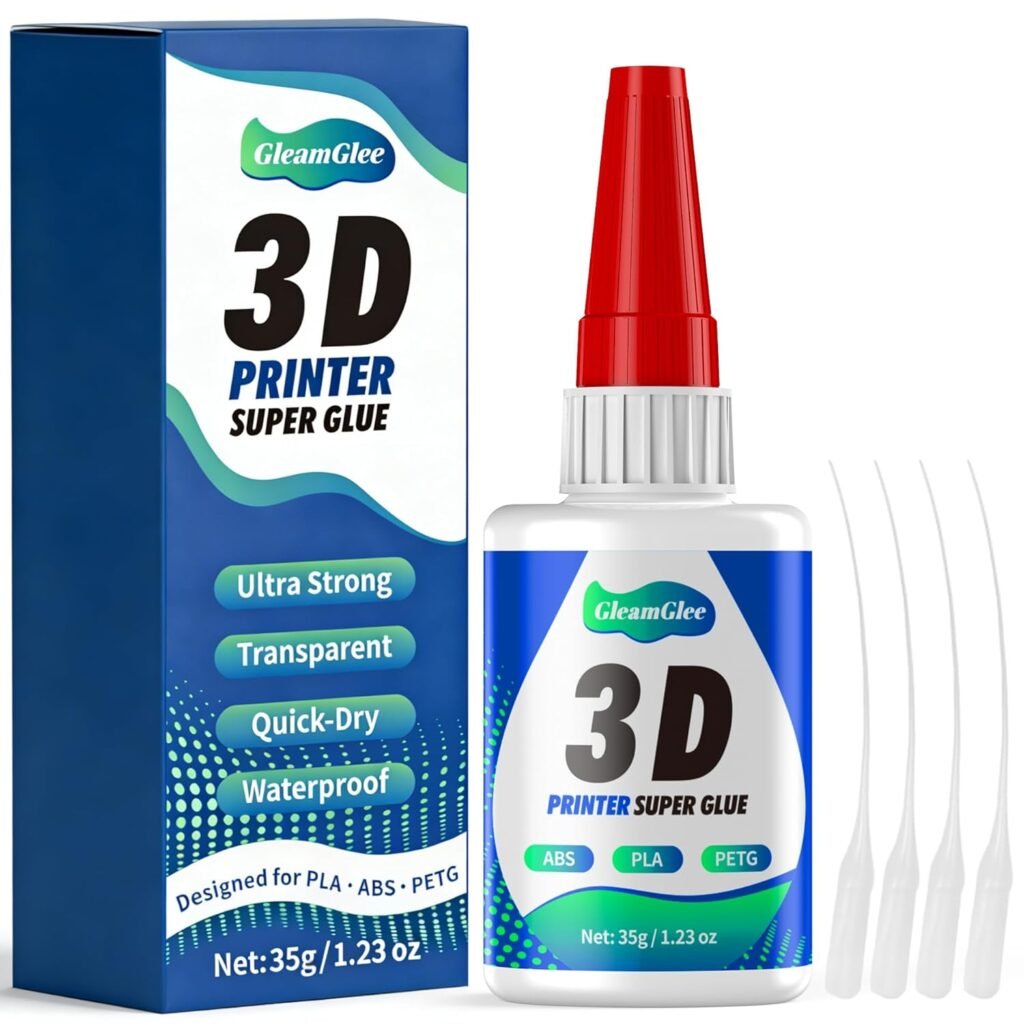
Current positioning names ABS, PVC and acrylic, while the Amazon title also identifies PLA and 3D printing. Those materials form the primary compatibility group for content and selection. Other plastics, rubbers and fabrics should not be added to the confirmed list without verified product documentation.
How to Repair Rigid Outdoor Plastic
A disciplined six-step process improves alignment, glue control and finished appearance while reducing avoidable failures across suitable outdoor plastic repair projects.
Identify Material
Find a molded code, manufacturer specification or reliable product description. Continue when the part is a suitable rigid ABS, PVC, acrylic or PLA component. Pause for PE, HDPE, PP, silicone, rubber, flexible vinyl or unknown material. Material identification comes before cleaning because it determines whether GleamGlee belongs in the repair plan.
Clean Surfaces
Remove loose debris, dirt, oil, sunscreen, fish residue and workshop contamination from both fracture faces using a cleaning method compatible with the plastic. Avoid soaking electronics and avoid solvents that may craze, cloud or dissolve the substrate. Direct adhesive contact requires a clean surface rather than a layer of invisible residue.
Dry Completely
Allow both pieces and nearby crevices to dry before application. Moisture trapped in a crack can interfere with preparation and may carry contamination back onto the joint. Drying is especially important after rinsing fishing gear or retrieving equipment from damp storage. Do not apply while rain is falling onto the repair area.
Test Fit Parts
Join the pieces without adhesive and check whether they return to the correct position. Note orientation, edges and nearby moving features. A strong candidate closes neatly without force and leaves little gap. If the part is distorted, missing material or impossible to align, choose a filling, reinforcing or replacement approach instead.
Apply and Align
Select a precision nozzle when access is narrow. Place a controlled amount on the real contact surface, then align the pieces promptly and accurately. Keep adhesive away from threads, hinges, optical faces, electrical contacts and fabric. More glue is not automatically stronger; excess can spread, smear or prevent close seating.
Press and Protect
Press lightly while the adhesive develops its fast initial bond. Once positioned, set the item down where it will not be moved, loaded or exposed to water. Follow the product directions before service. Inspect the repair again before returning outdoor equipment to use, especially when vibration or repeated handling is expected.
Use a Controlled Amount of Glue
Precision usually produces a cleaner, closer joint than flooding the area. Glue should serve the contact surfaces, not surround the entire component.
Control Beats Excess
Begin by identifying the true mating area. On a clean fracture, the strongest visual guide is where the original plastic surfaces touch. Place a small, continuous amount across that area rather than coating the outside edge. A precision nozzle helps reach narrow sections, but the user still controls pressure, angle and duration. Stop dispensing before liquid pools around the part.
Too much adhesive can make the pieces float apart, spread onto textured plastic or run into a hinge, thread, vent or electronic opening. It can also create a wider visible area on clear acrylic. Too little may leave dry portions of the contact face. Aim for even wetting of the joint, then seat the pieces together so the bond line remains thin and close fitting.
Do not use extra liquid as a substitute for missing material. Medium viscosity describes flow behavior, not large-gap filling ability. When a chip is missing or the edges cannot meet, evaluate a compatible filler, reinforcement or replacement part. Practice dispensing onto a disposable compatible surface only when the product directions allow it, and protect the workbench before starting. Keep spare nozzles capped and organized so contamination from soil, grease or previous repair debris does not reach a later bond area.
Repair a Small Outdoor Housing Crack
A narrow rigid-plastic crack needs inspection, controlled access and protected bond development. Expanding or load-bearing cracks call for replacement or reinforcement.
Work from Diagnosis to Protected Cure
Inspect the crack under good light. Determine where it starts, whether it reaches a screw hole or corner, and whether normal use flexes the area. Confirm the housing material and verify that the crack is external. Remove batteries or power when appropriate, but do not dismantle equipment beyond the manufacturer’s service guidance. Liquid adhesive must stay away from circuits, contacts, switches, optics and internal mechanisms.
Clean and dry the accessible fracture surfaces. Gently test whether the crack closes without distortion; do not force brittle plastic. Choose a precision nozzle that can approach the joint from a stable angle. Apply a controlled amount, align the edges and press lightly while the initial bond develops. Avoid wiping adhesive across a broad visible face, especially on acrylic or glossy plastic.
Place the housing where it cannot roll or spring open. Do not reinstall, wet or load it immediately. After the bond develops according to the directions, inspect for alignment and continued cracking. Replace the housing when the crack surrounds a structural fastener, protects hazardous moving parts, contains missing material or continues to spread under ordinary handling. Record where the crack began if the equipment is used repeatedly; renewed whitening or edge movement can signal continuing stress outside the repaired bond line.
Account for Impact, Vibration and Flexing
Outdoor equipment moves. The direction and frequency of movement can matter as much as the adhesive’s published strength or waterproof property.
Rigid Daily Handling
Small covers, dividers and decorative accessories usually experience modest handling when used as intended. A compatible, close-fitting joint can distribute force across the fracture area. Keep the part aligned and protect it from premature use. Strong everyday bonding does not convert a thin repaired tab into a newly molded component with its original uninterrupted geometry.
Repeated Vibration
Vehicle storage, bicycle accessories, fishing equipment and portable devices may vibrate repeatedly. Vibration can work a poorly supported edge back and forth, especially when the load peels the joint. Inspect how the part is mounted and consider mechanical support or replacement when the repaired area remains the main path for repeated movement.
Continuous Flexing
Living hinges, soft covers, flexible vinyl and fabric-backed materials bend as part of normal operation. A rigid-plastic CA repair is not the default choice for continuous flexing. Select a flexible adhesive, seam system or material-specific cement that is documented for the substrate and movement, or replace the flexible component when safety or sealing is involved.
Waterproof Plastic Glue: What It Really Means
Clear definitions help separate ordinary outdoor moisture from marine immersion and prevent the wrong adhesive from reaching the wrong gear.
Waterproof Is an Exposure Property
A waterproof adhesive is formulated so a developed bond can resist water exposure within its intended use. For small rigid outdoor plastic parts, relevant exposure may include rain, surface splashes, wet hands and damp storage. Water resistance does not identify the substrate, eliminate the need for cleaning or guarantee performance under every load. A compatible plastic and well-fitted joint remain essential.
Water-resistant, waterproof, weather-resistant and underwater-use claims are not interchangeable. Water-resistant commonly describes limited exposure. Waterproof indicates a stronger water-resistance claim, yet the exact duty still depends on product documentation. Weather resistance may include sunlight and temperature effects. Underwater or below-waterline use requires explicit support for immersion, water chemistry, pressure and application conditions.
Outdoor gear can cross several exposure categories in one trip. A tackle-box divider may meet wet hands, while a boat fitting remains submerged and pressurized. A camping-storage latch may face rain but also strong peel force from an overfilled lid. Describe the actual duty, duration and movement before selecting adhesive. Do not upgrade a general waterproof statement into a marine, saltwater, freeze-thaw or impact certification without a documented test method and result from the responsible product source.
Application Conditions Still Matter
Bonding surfaces should be clean and dry unless the adhesive directions specifically allow wet application. Outdoor dirt often includes oils, algae, sunscreen, insect repellent and fine mineral residue that simple rinsing may leave behind. Use a plastic-compatible preparation method and allow moisture in cracks or texture to leave before dispensing.
After alignment, protect the joint while the bond develops. A fast initial set reduces hand-positioning time but does not authorize immediate rain, immersion or heavy loading. Because no verified full-cure or ready-for-water time is currently included in the approved GleamGlee fact set, follow the label and Amazon directions rather than publishing a fabricated number.
The repaired object’s own design also affects water performance. Cracked seals, warped covers, missing gaskets and damaged drainage channels may continue to admit moisture even when the plastic fracture is bonded. Inspect the entire assembly and replace any serviceable seal required by the manufacturer. A glue bond should not be described as restoring an IP rating, watertight enclosure rating or original factory certification without a verified post-repair test. Store repaired gear where the joint can remain clean, supported and visible during bond development. Reinspect the surrounding plastic before use; whitening, distortion or a new crack can indicate unresolved mechanical stress rather than a water-resistance problem.
CA Glue or Flexible PU Adhesive?
The better choice follows movement and repair geometry. Fast rigid-plastic bonding and flexible coating repairs solve different outdoor problems.
| Decision Factor | CA Plastic Glue | Flexible PU Repair Adhesive |
|---|---|---|
| Best substrate behavior | Rigid parts that hold their shape | Flexible materials that bend, stretch or fold |
| Typical outdoor use | Tabs, housings, covers, acrylic and PLA accessories | Tents, waders, inflatables, footwear and coated fabrics |
| Initial positioning | Fast; GleamGlee sets in seconds | Often allows a longer placement or spreading period |
| Application style | Small controlled amount in a close joint | Bead, coating, patch edge or seam treatment |
| Cured movement | Better matched to rigid joints | Designed to remain flexible with moving material |
| Gap and tear handling | Limited; not a thick filler | Usually better for coating tears or supporting a patch |
| Finished appearance | Clear-drying narrow bond line | Often a clear or colored rubbery repair layer |
| Choose when | Material is confirmed, rigid and close fitting | Material flexes or the repair must move repeatedly |
Choose the Adhesive by Repair Duty
A short decision path protects gear, reduces failed repairs and places GleamGlee only where its verified strengths match the job.
Follow Six Questions Before Buying
First, identify the material. ABS, rigid PVC, acrylic and PLA align with GleamGlee’s confirmed position; PE, HDPE, PP and unknown plastics need a specifically documented decision. Second, determine whether the part is rigid. Tents, rainwear, waders, inflatable gear and flexible vinyl normally need a moving bond or patch rather than a rigid-plastic CA joint.
Third, test the geometry without adhesive. Two complete faces that close neatly favor a liquid precision adhesive. Missing plastic, a wide gap or distortion points toward a filler, reinforcement or replacement. Fourth, examine the load. Normal handling differs from repeated peel, heavy vibration, structural retention or a living hinge.
Fifth, define water exposure. Rain and splashes on a suitable repaired part are different from constant immersion, saltwater pressure or underwater application. Sixth, check the safety role. A non-critical cover or organizer can be considered; climbing, braking, flotation, fuel and load-bearing systems should follow manufacturer repair procedures or be replaced.
A good GleamGlee match is confirmed rigid plastic, a close-fitting small break, controlled outdoor moisture and a need for fast, clear, precise application. Ask for help when one condition is uncertain. Choose another system when flexibility, large-gap filling, marine immersion or certified structural performance is central.
Troubleshoot a Weak Outdoor Repair
Most failures leave clues. Diagnose the surface, plastic, glue amount, geometry, waiting period and movement before repeating the same repair.
Surface Was Dirty
Dust, skin oil, sunscreen, fish residue, mold release and garage grime can sit between adhesive and plastic. Remove failed loose adhesive where safely possible, then use a cleaning method compatible with the substrate. Dry all texture and crevices. Avoid aggressive solvents on acrylic and unknown plastic because clouding, cracking or softening can create new damage.
Wrong Plastic Type
A successful ABS repair does not prove performance on PE, HDPE or PP. Check the molded code and manufacturer information after a bond releases cleanly from the surface. Difficult low-surface-energy plastics may require a primer or specialized two-part system. Do not repeatedly coat an unconfirmed material with more CA adhesive.
Too Much Adhesive
A flooded joint may fail to seat closely, spread into nearby mechanisms or leave a large visible residue. Use a precision nozzle and reduce dispensing time. Coat the true contact area rather than the outer perimeter. Excess liquid cannot replace missing plastic or create a structural fillet with verified engineering strength.
Gap Was Too Large
If the surfaces never touch, a liquid adhesive has little close joint to work with. Recheck alignment and look for lost fragments, warping or previous residue. A compatible epoxy, putty, reinforcement or replacement may suit a genuine gap better. Do not hold distorted pieces together under permanent spring force.
Stressed Too Soon
Seconds-level initial setting is useful for positioning, but early handling, water exposure or loading can disturb bond development. Set the item aside after alignment and follow the product directions before service. Repaired outdoor gear should be inspected again before a trip, especially when vibration or repeated opening is expected.
Part Keeps Flexing
A joint that opens every time the item bends is working against a rigid repair strategy. Flexible vinyl, fabric, rubber, living hinges and inflatable materials need a flexible adhesive or patch system. A rigid tab designed to flex may need replacement or redesign. Never keep re-gluing a safety-critical fatigue crack.
Verified GleamGlee Product Facts
The specification table separates confirmed facts from unsupported numbers. Every value can be reused consistently across product and educational content.
| Product Fact | GleamGlee Specification | Outdoor Repair Value |
|---|---|---|
| Adhesive family | CA-style instant adhesive | Fast positioning for suitable rigid plastic joints |
| Form | Liquid | Can reach narrow joints and small cracks |
| Viscosity | Medium | Balances liquid access with controlled application |
| Bottle size | 35 ml / 1.23 oz | Compact size for a repair shelf, hobby bench or gear kit |
| Package quantity | 1 bottle | Clear single-bottle purchase format |
| Initial setting | Sets in seconds | Short hand-positioning period for small components |
| Cured appearance | Dries clear | Cleaner-looking visible repairs |
| Water property | Waterproof | Relevant to ordinary outdoor moisture exposure |
| Temperature properties | Heat resistant and cold resistant | Supports everyday temperature-change positioning without an invented range |
| Applicators | 4 precision nozzles | Controlled access to cracks, tabs and detailed joints |
| Confirmed positioning | ABS, PVC, acrylic and PLA | Focused material starting point for outdoor rigid-plastic repair |
What Comes with GleamGlee Plastic Glue
The package is intentionally simple: one medium-viscosity liquid adhesive bottle and four fine applicators for controlled repair work.
35 ml Glue Bottle
The 35 ml / 1.23 oz bottle offers a compact format for household, workshop and outdoor gear-maintenance storage. The number of repairs varies with joint area, dispensing control and waste, so no fixed project count is promised. Keep the cap secure and store the product according to the packaging after every use.
Four Precision Nozzles
Four applicator nozzles help reach small cracks, recessed tabs and detailed plastic joints. Their purpose is controlled placement rather than increasing bond strength. Keep tips clean and follow package directions for fitting and storage. Do not assume gloves, cloths, sandpaper or other tools are included unless shown in the current listing.
Repair-Ready Format
A one-part CA-style liquid avoids resin-and-hardener mixing and supports fast hand-positioned work on suitable small components. Preparation is still required: identify the plastic, clean, dry and test-fit. Large gaps, flexible materials and structural duties need a different format even when the bottle is convenient to carry.
Download the Outdoor Plastic Repair Guide
Keep a concise material and repair checklist with your workbench or gear shelf for faster decisions before the next outdoor project.
A Field-Friendly Reference for Better Repairs
The downloadable guide should condense the most useful decisions into a format that can be saved or printed. Begin with material identification for ABS, rigid PVC, acrylic and PLA, followed by a clear warning for PE, HDPE, PP, flexible vinyl, silicone, rubber and coated fabric. Include a rigid-versus-flexible decision, clean-break inspection and repair-versus-replace checklist. A compact equipment-photo checklist can ask users to capture the whole item, fracture faces and molded material code before seeking advice.
Add the working sequence: identify, clean, dry, test-fit, choose a nozzle, apply a controlled amount, align, press briefly and protect the joint while the bond develops. Include a glue-amount illustration and reminders to keep liquid away from electronics, hinges, threads, optics and food-contact areas. Avoid unsupported cure times, strength figures, temperature ranges and immersion ratings.
Finish with a safety exclusion panel covering climbing equipment, helmets, flotation devices, bicycle brakes and frames, fuel systems, gas appliances and load-bearing mounts. The guide should point readers back to the material chart, CA-versus-PU comparison and Amazon product listing. A focused reference provides more value than a promotional brochure because it helps users reject unsuitable repairs as confidently as suitable ones.
Continue with Focused Plastic Repair Guides
Material and repair-specific guides answer the next question without forcing one long article to cover every plastic, load and outdoor scenario.
Identify ABS Plastic
Learn where ABS appears in rigid housings and accessories, how to look for a molded mark and why a confirmed material name matters before surface preparation. The guide should link material identification to close-fitting fracture geometry rather than treating every black hard plastic as ABS.
Repair Rigid PVC
Cover suitable rigid PVC accessories, cleaning, controlled application and the boundary between a small plastic project and pressurized plumbing. The guide must not extend a product-positioning claim into drinking-water systems, structural pipe, continuous pressure or flexible vinyl without supporting documentation. Add examples of close-fitting non-pressurized components and unsuitable flexible sheet.
Fix Plastic Clips
Explain why clips often fail at a narrow root and carry peel load. Show how to assess contact area, alignment and continued flexing before applying adhesive. A clip that controls safety, retains a heavy load or repeatedly bends may require redesign or replacement. Include a load-direction sketch and replacement threshold.
Compare CA and PU
Use movement as the central decision: fast, clear and precise CA for suitable rigid joints; flexible PU-style repair compounds for tents, waders, inflatables and moving materials. Objective comparison improves selection and prevents a waterproof claim from becoming a universal recommendation. Add epoxy and vinyl-cement links for gap or PVC-sheet questions.
Control Glue Amount
Use macro images to show even wetting, a thin close joint and common overapplication paths. Explain how bottle pressure, nozzle angle and gravity affect flow. Emphasize that extra liquid does not compensate for a gap or unconfirmed plastic. Finish with nozzle-care and workbench-protection reminders.
Diagnose Outdoor Failure
Organize failures by contamination, wrong material, large gap, premature loading, repeated flexing and unsafe duty. Each cause should lead to a corrective action or a clear replacement decision. Link back to material compatibility and the repair-or-replace checklist. Include photos of adhesive release and plastic fracture.
Waterproof Plastic Glue Frequently Asked Questions
Clear answers cover material fit, outdoor water exposure, flexible gear, application control and the situations where replacement is the safer decision.
1. Is GleamGlee Plastic Glue waterproof?
Yes. Current product information lists GleamGlee Plastic Glue as waterproof. The property is relevant to suitable repaired plastic parts exposed to ordinary rain, splashes and damp outdoor storage after the bond has developed. It does not establish an underwater application method, saltwater rating, water-pressure rating or below-waterline service. Begin with clean, dry surfaces and follow the product directions before water exposure.
2. Can it repair plastic camping gear?
It can suit small, rigid, non-safety-critical camping components made from a confirmed material, such as a close-fitting ABS cover, rigid PVC accessory, acrylic piece or PLA-printed organizer. Confirm the plastic and inspect the load first. Tents, sleeping pads, rainwear, flexible vinyl, fuel equipment, stove parts, heavily loaded handles and structural closures need a different repair path or replacement.
3. Which plastics are currently confirmed?
GleamGlee is positioned for ABS, PVC and acrylic, and the current Amazon title also identifies PLA and 3D-printing applications. Use those four materials as the confirmed starting group. Plastic formulations vary, so preparation, fit and load still matter. PE, HDPE, PP, silicone, rubber, nylon fabric and flexible vinyl are not part of the current confirmed fact set.
4. Does it work on PE or PP plastic?
PE, HDPE and PP are not confirmed in the current GleamGlee fact set. Those low-surface-energy plastics are common in outdoor bins, buckets, kayak parts, living hinges and molded closures, and many ordinary adhesives struggle to bond them. Read the molded material code and choose a system specifically documented for the plastic grade. Do not assume compatibility from a general plastic description.
5. Can it repair flexible tent material?
GleamGlee is designed around rigid plastic repair rather than flexible tent fabric. Nylon, polyester, coated fabric, soft vinyl, waders and inflatables usually need a flexible seam sealer, repair adhesive or patch that moves with the material. A rigid CA bond can concentrate stress along a folding tear. Use a tent or fabric repair system approved for the coating and construction.
6. Can the repaired part stay underwater?
Do not infer continuous underwater or marine service from the waterproof property alone. Long-term immersion, saltwater, pressure and below-waterline connections require explicit product documentation and often a marine adhesive or sealant. GleamGlee’s strongest outdoor position is a small, rigid, close-fitting plastic part that may encounter rain, splashes or damp storage during normal use.
7. Does it resist hot and cold weather?
Current product information lists heat resistance and cold resistance. Those facts support everyday outdoor temperature-change positioning, but no verified numerical range is supplied in the approved fact set. Avoid assigning degrees, cycles or laboratory performance. Material expansion, joint geometry, vibration and load can also influence a repaired part as conditions change.
8. How much adhesive should I apply?
Apply a controlled amount to the real contact surface rather than flooding the outside edge. The four precision nozzles help reach small cracks and narrow joints. Test-fit first, then use enough liquid to wet the mating area and seat the pieces closely. Extra glue does not repair missing material, fill a large gap or create a verified structural fillet.
9. Can it fill a large missing gap?
No. GleamGlee is a medium-viscosity liquid CA-style adhesive, not a thick epoxy paste, moldable putty or structural filler. A missing chip, distorted edge or wide void prevents the original surfaces from meeting. Evaluate a compatible filling or reinforcing system, a replacement component or professional repair instead of building up an unverified mass of liquid adhesive.
10. Which outdoor parts should not be glued?
Do not rely on an ordinary glue repair for climbing equipment, helmets, personal flotation devices, bicycle brakes or frames, load-bearing mounts, fuel systems, gas appliances or any component whose failure could cause injury. Also avoid flexible tears, severely distorted parts and major material loss. Follow the equipment manufacturer’s repair policy and replace safety-critical components when required.
Decide with Confidence Before You Repair
A final material, geometry and safety check leads to one of three honest outcomes: shop, ask for guidance or choose another repair system.
Good Match - Shop
GleamGlee is a strong match when the part is a small rigid component made from ABS, rigid PVC, acrylic or PLA; both fracture surfaces remain complete; the joint closes neatly; and normal service does not involve safety, heavy load or continuous flexing. The repair may face ordinary rain, splashes or damp storage, and fast positioning, clear drying or precision access adds real value.
Prepare the surfaces carefully, apply a controlled amount through the bottle opening or a precision nozzle, align promptly and press lightly while the initial bond develops. Keep the joint undisturbed and follow the product directions before water exposure or service. The Amazon listing provides the current package and purchase information.
Before shopping, confirm the part is not PE, HDPE or PP simply because those materials are common in outdoor storage equipment. Check whether the fracture reaches a screw boss, hinge or loaded corner. A good material match combined with poor geometry is still a weak project. Photograph the material code and break when future reference may be useful. Confirm the component can remain out of service long enough for protected bond development, and arrange a stable support area before opening the bottle. Keep children, pets, food and valuable finished surfaces away from the active work zone.
Not Sure - Ask
Ask before buying when the plastic code is missing, the part combines rigid plastic with fabric or rubber, a crack reaches a fastener, or vibration and peel load are difficult to judge. Provide clear photos of the entire item, both fracture faces, any molded material code and the way the part moves during normal use. Do not send confidential or safety-sensitive information.
Guidance can help distinguish a likely rigid-plastic precision repair from a flexible, filling or marine application. A hidden compatibility test may be appropriate for a non-critical project, but testing does not certify a structural or safety duty.
Useful questions include how often the part bends, whether it stays wet, what force opens the joint and whether a replacement is available. Mention prior adhesive attempts because cured residue can prevent close contact. If the equipment maker publishes an approved repair method, follow that method before relying on general guidance from an adhesive brand. Include scale in the photographs, but avoid placing fingers beside sharp damage. State whether the part contacts food, drinking water, fuel, electricity or skin for long periods. Those details can immediately move the project outside an ordinary rigid-plastic repair recommendation.
Poor Match - Choose Another System
Choose a different repair system for tents, rainwear, waders, inflatable gear, soft vinyl, repeated flexing, large gaps, missing material or long-term submersion. PE, HDPE and PP also require a product specifically documented for those difficult surfaces. Flexible PU adhesives, seam sealers, vinyl cements, epoxies, putties and marine sealants each solve duties that a fast liquid CA adhesive does not.
Replace the part when it carries a safety or structural load, protects fuel or flame, controls braking or steering, retains flotation equipment or has suffered repeated fatigue cracking. Honest exclusion protects both the user and the gear.
Flexible outdoor repairs are not inferior; they simply require different cured behavior. A seam sealer can move with coated fabric, a vinyl cement can suit compatible PVC sheet, and a marine sealant can address documented immersion conditions. Large missing areas may need a patch or replacement rather than adhesive alone. Choose by duty instead of selecting the product with the broadest label.
Retire gear when damage affects a certified system, manufacturer warranty condition or inspection requirement. Do not cover a serious crack with adhesive merely to hide it. Mark replaced or repaired components in a maintenance record when the item is shared, rented or used seasonally, so future users understand what work was performed.