Skip to content
What Is Book Glue for Hardcover Binding Reinforcement: An Expert Guide
Your trusted adhesives glue & cleaner manufacturer

A hardcover book rarely falls apart all at once. In most cases, the damage starts small and easy to ignore. One page loosens near the gutter. The spine feels softer than before. The front cover pulls away by a few millimeters. The book still looks usable, so many people keep reading it, shelving it, opening it wider, and carrying it around as usual. Then one day the problem becomes obvious: the cover separates further, several pages shift, the spine cracks more deeply, and the whole book no longer feels safe to open. That is when people start searching for a real fix instead of a temporary patch.
The good news is that a proper book glue can be a very practical solution for hardcover binding reinforcement when the damage is still repairable. For most home users, teachers, librarians, crafters, collectors, and small publishers, the question is not whether a book can be made “perfect” again. The real question is whether it can be made stable, clean, readable, and durable enough for continued use. In many cases, the answer is yes. The right glue can help secure loose pages, strengthen weak spines, and reattach separating covers without making the repair area stiff, messy, or obviously damaged.
A good book glue for hardcover binding reinforcement is worth using when the book still has a sound overall structure but shows early or moderate damage such as loose pages, weak hinges, or a separating cover. A clear-drying, flexible formula helps extend the life of the book, keeps repairs neat, and reduces the risk of further damage during normal reading and handling.
What makes this so important is that many books people repair are not easily replaced. Some are daily-use school texts, office manuals, and cookbooks. Some are personal journals, family Bibles, sketchbooks, memory books, or favorite novels with sentimental value. Some belong to libraries, classrooms, clubs, or local shops that need practical repair instead of constant replacement. A book like that is not just paper and board. It is a useful object, and sometimes a meaningful one. When the right repair is done at the right time, you are not just fixing damage. You are protecting the next 50, 100, or even 300 uses that book still has left.
What Is Book Glue for Hardcover Binding Reinforcement?
Book glue for hardcover binding reinforcement is a specialized adhesive made to repair and strengthen the stress points of a hardcover book without damaging the paper, stiffening the spine too much, or leaving an obvious repair mark. In real customer use, it is most often applied when a book is still worth saving but has started to show structural weakness: one or more loose pages, a cracked inner hinge, a soft spine, or a cover beginning to pull away from the text block. This is the stage where most people hesitate. The book is not fully broken, but it clearly does not feel reliable anymore. A proper book glue fills that gap between “still usable” and “too damaged to ignore.”
What makes this kind of glue valuable is not simply that it sticks. It is that it supports repeated opening and closing after the repair. A hardcover is handled differently from a paper craft project. It may be opened hundreds of times a year, shelved tightly, carried in bags, pressed flat on desks, or used with one hand while cooking, teaching, studying, or reading. That means the repaired area must hold, but it also must move. If the glue dries too rigid, the next failure often happens right beside the repaired area. If it dries too weak, the original problem returns quickly. Customers usually do not describe it that way, but this is what they are really paying for: a bond that is strong enough for use, clean enough for visible books, and flexible enough for the natural movement of a hardcover.
From a practical point of view, this product is useful because it helps save books that still have real value. That value is often much higher than the replacement price. A cookbook may contain years of handwritten notes. A family Bible may carry names and dates across generations. A student textbook may still be needed for months. A library copy may still have dozens of checkouts left in it. A handmade journal or guest book may be impossible to replace in any meaningful way. For those customers, a clean reinforcement repair is not just a technical fix. It is a way to protect something that is still actively useful or personally important.
A simple way to understand where reinforcement glue fits is this: it is best for books that are damaged, but not yet lost. If the book is still structurally recoverable, book glue can often add many more months or years of practical life. For many households, schools, churches, libraries, hobby users, and small businesses, that makes it a very sensible product to keep on hand.
| Book condition | What the customer usually notices | What reinforcement glue is expected to do |
|---|---|---|
| Early loose page | A page shifts, lifts, or falls out | Reattach it neatly before more pages loosen |
| Weak hinge | The cover opens too far or feels unsupported | Restore support to the opening area |
| Soft or cracked spine | The book feels unstable when held | Strengthen the structure during normal use |
| Cover separation | The board pulls away from the text block | Reattach and stabilize the connection |
| Worn everyday book | The book still works but feels unreliable | Extend its usable life with a cleaner repair |
What does Book Glue for Hardcover Binding Reinforcement do?
Book glue for hardcover binding reinforcement is used to hold damaged parts together, support weak structural areas, and slow down further wear so the book can stay in normal use longer. In simple terms, it helps a hardcover stay readable, stable, and worth keeping after the first signs of binding failure appear.
For most customers, that answer becomes clearer when they look at how books actually fail. A hardcover rarely breaks all at once. More often, one problem starts another. A loose page means the attachment edge is already weakening. A weak hinge allows the cover to pull harder against the text block. A soft spine no longer distributes opening pressure properly, so pages and endpapers begin to take more stress. That is why customers are often surprised when “just one loose page” turns into a much bigger repair a few weeks later. Good book glue helps stop that chain early.
In real use, the glue usually does four specific jobs:
- It re-secures detached material, such as a loose page, a lifting hinge, or a separating board.
- It adds support to weakened areas, especially where repeated opening puts stress on the structure.
- It helps maintain alignment, so pages and covers sit in the right position instead of shifting during use.
- It reduces future damage, because once the weakest point is stabilized, the rest of the book handles stress better.
Customers also care about how the repair looks after drying. A repair that holds but leaves shiny buildup, wrinkled paper, yellowing, or stuck pages usually feels disappointing, even if the book technically stays together. That is why a proper book glue is expected to work in a thin, controlled layer and dry clean. In customer terms, the glue should fix the problem without creating a new one.
This is what that usually means in everyday situations:
| Repair need | What the customer wants | What the glue needs to do |
|---|---|---|
| One loose page | Keep the page in place during normal turning | Bond cleanly at the edge without wrinkling |
| Weak inner hinge | Make the book feel solid when opened | Support movement without cracking |
| Cover starting to lift | Stop the separation from spreading | Reattach the board neatly and firmly |
| Soft spine | Make the book feel more stable in the hand | Reinforce the stress area without stiffness |
A good way to judge whether the glue is doing its job is not just to ask, “Did it stick today?” The better question is, “Does the book feel usable again after drying?” That is what most customers actually care about.
Who needs Book Glue for Hardcover Binding Reinforcement?
Book glue for hardcover binding reinforcement is mainly needed by people and organizations that still rely on physical books and want to keep them in service longer instead of replacing them too quickly. That includes home users, schools, libraries, offices, churches, hobby makers, collectors, and small brands producing paper-based products.
For home users, the need is usually personal and practical at the same time. Many households have books that are worn but still used often. A family cookbook may be opened several times a week. A child’s favorite hardcover may be handled rougher than any adult book in the house. A planner, diary, or memory book may no longer sit securely in its binding. In these cases, customers are not looking for a complex restoration process. They want a repair that is clean, manageable, and worth the effort.
Schools and libraries usually look at the problem differently. Their concern is scale. One damaged book may not be a major issue, but 20 damaged books in one term or 100 damaged books across a collection becomes a maintenance cost. In that setting, a repair product is valuable when it can save repeat replacement expense and keep books usable for longer. Even extending the life of a classroom or library book by another 6 to 12 months can matter when multiplied across many copies.
Office and institutional users also have a real need here. Training manuals, reference books, policy binders, notebooks, and work logs are often handled hard and stored badly. These are not always “valuable” books in an emotional sense, but they are valuable in terms of function. When one manual has to stay in circulation for a team, a simple repair may be more useful than a new print run.
Craft and small-business users form another strong group. People making journals, guest books, sketchbooks, albums, or short-run printed books need an adhesive that works cleanly on paper and board materials. For them, the glue is not just for repair. It is part of product quality.
The customer groups below explain the market clearly:
| User group | Most common reason for needing it | What matters most to them |
|---|---|---|
| Home reader | Save a favorite or useful book | Clean result, easy use, real durability |
| Parent | Repair children’s hardcovers | Better control, low mess, quick success |
| Teacher or school staff | Extend the life of textbooks and reading sets | Good value, repeatable results |
| Library staff | Maintain books with circulation wear | Neat repair, reliable performance |
| Office user | Fix manuals and binders that are still needed | Practicality and time savings |
| Crafter or maker | Repair or build journals and paper products | Precision and versatility |
| Small brand or seller | Develop a paper-safe adhesive product line | Stable quality and customization support |
Customers in this category usually do not want fancy wording. They want to know one thing: will this help me keep the book or product usable? If the answer is yes, then the glue already has clear value.
Why is Book Glue for Hardcover Binding Reinforcement useful?
Book glue for hardcover binding reinforcement is useful because it helps customers protect the value they already have in a book before that value is lost. In many cases, the book is still readable, still needed, or still meaningful, but it is beginning to fail at the exact points that get worse quickly with normal use. Reinforcement gives the customer a chance to fix the problem while the book is still recoverable.
That matters because early repair usually gives the best return. A slightly weak hinge is a smaller job than a fully detached cover. One loose page is easier to fix than an entire loose section. A spine that is soft but still aligned is much more manageable than a text block that has already shifted badly. In customer terms, acting earlier usually means:
- less mess
- less repair time
- lower risk of visible damage
- better long-term result
It is also useful because replacement is often not as simple as it sounds. Some books are out of print. Some have handwritten notes, family records, study highlights, or recipe changes inside. Some are shared copies used by a classroom, office, church group, or club. Some are handmade or personalized. In those cases, replacing the book may cost more than money. It may mean losing the version the customer actually cares about.
Customers also look at usefulness in a very practical cost-per-use way, even if they do not say it directly. One bottle of book glue may help repair multiple books or projects. If that bottle saves even 5 to 10 items from replacement, the value becomes easy to understand.
Here is a straightforward example customers relate to:
| Situation | Without repair | With repair |
|---|---|---|
| Favorite cookbook with notes | Replace the book and lose personal changes | Keep the original in service |
| One damaged textbook | Buy another copy | Extend use through the term |
| Small set of classroom books | Replace several worn copies | Repair multiple books from one bottle |
| Family Bible or memory book | Replacement has little emotional value | Preserve the original item |
| Library copy with early hinge wear | Remove from circulation sooner | Gain more usable loans before replacement |
For many users, usefulness also means peace of mind. A damaged hardcover often becomes annoying to handle. People open it carefully, avoid certain pages, hold the cover awkwardly, or stop using it altogether because it feels too close to breaking. A successful repair changes that. The book feels dependable again. That alone can make the product feel worth it.
So when customers ask whether this kind of glue is useful, what they usually mean is: will it save time, save the book, and save me frustration? When the product is right and the repair is done at the right stage, the answer is often yes.
Which Books Need Book Glue for Hardcover Binding Reinforcement?
Books that need book glue for hardcover binding reinforcement are usually books that are still usable but have started to lose structural stability in one or two key areas. In real customer situations, this most often means a loose page, a weak inner hinge, a soft or cracked spine, or a cover beginning to separate from the text block. These are the books that people still want to keep using, but no longer trust to open normally. That is the ideal stage for reinforcement. If the book is repaired at this point, the job is usually cleaner, easier, and more cost-effective than waiting until the damage spreads across the whole binding.
From a customer point of view, the books most worth reinforcing are not always the most expensive books. They are the books that still have practical value, emotional value, or repeated-use value. A $20 cookbook used every week may be more worth repairing than a more expensive book that sits untouched on a shelf. A school textbook needed for the next four months may be more urgent than a decorative hardcover. A family Bible, guest book, or journal may be impossible to replace in any meaningful way, even if a new copy exists. This is why the “right book to repair” is usually defined by use and importance, not only by market price.
The most common book groups that need reinforcement are:
- Frequently used home books, such as cookbooks, devotionals, journals, planners, and favorite reading copies
- School and library books, which go through repeated handling, pressure, and transport
- Children’s hardcovers, which often suffer hinge stress and cover pulling much earlier than adult books
- Office and work reference books, including manuals, binders, procedure books, and training texts
- Sentimental or archival books, such as family Bibles, memory books, signed copies, and inherited books
- Creative and handmade books, including journals, guest books, sketchbooks, scrapbooks, and small-batch printed projects
A useful way to judge whether a book needs reinforcement is to look at how often it is handled and whether the damage is beginning to affect normal use. If the owner has started turning pages carefully, supporting the spine with one hand, avoiding the front cover, or worrying that another page may come loose, the book is already sending clear signals that reinforcement may help.
| Type of book | Why it commonly needs reinforcement | Why customers usually choose repair |
|---|---|---|
| Cookbook | Opened flat often, exposed to kitchen moisture and handling | Keeps notes, stains, and family edits intact |
| Textbook | Daily use, backpack pressure, repeated page turning | Cheaper and faster than replacement mid-term |
| Library book | Many users, shelf pressure, repeated circulation wear | Extends useful life before replacement |
| Children’s hardcover | Rough handling, pulling on covers, page stress | Saves a favorite book at low cost |
| Journal or planner | Frequent opening, folding, carrying in bags | Preserves personal writing and records |
| Family Bible or keepsake | Years of repeated use, aged hinge and spine fatigue | Emotional value is higher than replacement value |
| Manual or office guide | Constant reference use, poor storage, spine fatigue | Keeps materials usable without reprinting |
The reason this question matters so much is simple: not every damaged book needs to be repaired, but a surprisingly large number of books are still very good candidates for reinforcement. Customers get the best result when they repair books early enough that the structure is still recoverable. That is why recognizing the right type of book at the right stage of wear is often just as important as choosing the glue itself.
Can Book Glue for Hardcover Binding Reinforcement fix loose pages?
Yes, book glue for hardcover binding reinforcement can fix loose pages very effectively when the problem is limited to one page, a few pages, or an early-stage edge failure rather than a complete binding collapse. This is one of the most common reasons customers buy book glue, because loose pages are usually the first visible sign that a hardcover is starting to fail.
For most customers, a loose page feels like a small problem at first. The book still opens, the cover is still attached, and the rest of the text block may look fine. But in practice, a loose page often means the surrounding area is already under stress. Once one page comes out, nearby pages may begin to loosen faster, especially in books that are used often. This is why page repair is one of the best examples of early reinforcement saving a book before the damage becomes larger and more expensive.
The kinds of books most likely to develop loose pages are:
- school textbooks opened daily
- cookbooks handled with one hand while cooking
- journals and planners carried in bags
- novels or hardcovers that are read repeatedly
- library books with high circulation
- handmade books or printed short-run books with lighter binding strength
Customers usually care about three things when fixing loose pages:
Will the page sit back in the right position?
If the page is not aligned correctly, it may catch during turning and loosen again.
Will the repair look messy?
Overflow glue, wrinkles, or shiny marks make the repair feel disappointing even if it holds.
Will the page stay in during real use?
Customers want the book to be readable again, not just “repaired on paper.”
The stage of damage matters a lot here. Page repair usually works best when:
- only one or a few pages have detached
- the page edge is still mostly intact
- the text block remains aligned
- the surrounding binding has not fully broken down
It becomes less ideal when:
- many pages are loose across different sections
- a whole signature or group of pages is separating
- the book has major internal structural failure
- the paper is brittle and breaking apart at the edge
Here is a simple customer guide:
| Loose page condition | Is reinforcement glue a good fit? | What the customer can expect |
|---|---|---|
| One loose page | Very good fit | Usually a clean, straightforward repair |
| 2–5 loose pages in one area | Good fit | Best repaired early before spread |
| Several loose pages across book | Moderate fit | May need broader binding repair |
| Whole section detached | Limited fit | Glue may not be enough alone |
| Brittle antique page edge | Use caution | Needs gentle handling and careful judgment |
For many customers, a loose-page repair is the most satisfying use of book glue because the result is immediate and practical. A page that was no longer usable becomes part of the book again. If done neatly, the repair can add many more readings to a book that otherwise felt close to failure.
Can Book Glue for Hardcover Binding Reinforcement repair weak spines?
Yes, book glue for hardcover binding reinforcement can help repair weak spines when the spine has softened, cracked, or begun losing support, but the book has not yet reached full structural collapse. For many hardcovers, the spine is the part that determines whether the whole book still feels dependable. Once the spine weakens, pages, hinges, and covers all begin to suffer more stress.
Customers often describe spine problems in very everyday terms. They may say the book “feels loose,” “opens strangely,” “doesn’t feel solid anymore,” or “seems like it might split if opened wider.” These are important warning signs. A weak spine does not always show dramatic visible damage at first. Sometimes the biggest clue is simply that the book no longer feels stable in the hand.
The books most likely to need spine reinforcement are usually high-use books, such as:
- cookbooks opened flat again and again
- hardcover novels reread multiple times
- reference books used on desks
- training manuals or workbooks stored badly
- family religious books used over many years
- school books carried daily
- library books with heavy circulation
Customers usually want spine repair for one reason: they still need the book, but it no longer feels safe to keep using without help. In many cases, the spine is at an ideal stage for reinforcement when:
- it feels soft or weakened but still holds alignment
- it shows a crack or small opening near the hinge area
- the text block shifts slightly, but not severely
- the cover is still mostly attached
- page loss has not become widespread
A weak spine is often more urgent than customers think because spine damage spreads pressure outward. If the spine stops doing its job, the book starts transferring opening stress into the pages, endpapers, and cover joints. That is why customers who wait too long often discover that what looked like “just a spine issue” has become a cover problem and a page problem too.
Here is a realistic decision table:
| Spine condition | Is glue reinforcement suitable? | Why |
|---|---|---|
| Slightly soft spine | Yes | Good stage for early stabilization |
| Small crack, book still aligned | Yes | Often responds well to careful reinforcement |
| Minor shifting in text block | Usually yes | Best treated before it worsens |
| Large internal separation | Limited | May need more than surface reinforcement |
| Fully broken-down old binding | Caution | Simple glue repair may not be enough |
For schools, libraries, and offices, spine reinforcement can make a noticeable budget difference. If a small collection has 30 books with early spine fatigue and even half of them can be kept in use longer through careful repair, that represents real savings. For home users, the value is more personal but just as real: the book feels trustworthy again instead of fragile every time it is opened.
Can Book Glue for Hardcover Binding Reinforcement reattach covers?
Yes, book glue for hardcover binding reinforcement can reattach covers when the board is beginning to separate from the text block or when the hinge area has weakened enough that the cover no longer opens with proper support. This is one of the most important repair cases because once a cover starts pulling away, many customers feel the book is “basically broken,” even if the pages are still mostly intact.
In real use, cover separation usually starts at the hinge, not at the outer board itself. The customer may first notice a gap near the inside front or back joint. Then the board begins to lift more easily. After that, the cover starts carrying stress in the wrong way, and the whole book becomes awkward to hold. People begin supporting the book strangely, opening it carefully, or avoiding use altogether.
The books most likely to need cover reattachment are:
- children’s hardcovers
- school books carried in bags
- cookbooks used one-handed in kitchens
- journals and planners opened flat repeatedly
- library books handled by many users
- older family books with worn hinges
For customers, cover repair usually matters for both function and appearance. A loose cover makes the book feel unreliable, but it also makes the book look far more damaged on the shelf. This matters especially for gift books, family keepsakes, displayed books, church use books, and public-use books.
Customers usually see the most success when the cover problem is caught at one of these stages:
- the cover is lifting but still partly attached
- the hinge has weakened but the text block remains stable
- the separation is local, not spread across the full structure
- the book can still be aligned correctly before drying
Here is a simple customer-facing overview:
| Cover condition | Is reinforcement glue a good fit? | Practical outcome |
|---|---|---|
| Slight lift at front or back hinge | Very good fit | Can often stop further spread early |
| Board pulling away but still aligned | Good fit | Reattachment may restore normal handling |
| Cover loose after long use | Good fit | Useful if inner structure is still sound |
| Cover fully detached with major spine failure | Moderate to limited | Depends on total book condition |
| Rare fragile keepsake with brittle materials | Use care | May need more delicate treatment |
What customers care about most here is not only whether the cover can be attached again, but whether the book will feel normal to use afterward. A successful cover repair should let the owner open the book, hold it, shelve it, and carry it without feeling that the whole structure is about to give way again.
Which hardcover books are the best candidates for reinforcement?
The best candidates for book glue for hardcover binding reinforcement are hardcover books that still have a mostly recoverable structure and are showing early or moderate wear at specific stress points. These are the books where the repair has a high chance of being clean, worthwhile, and long-lasting enough to justify the effort.
Customers usually get the best value from reinforcement when the book still meets most of these conditions:
- the text block is still generally aligned
- the damage is limited to one or two main areas
- the paper is not crumbling badly
- the book is still actively used or personally important
- the repair can stop further damage before it spreads
In practical customer terms, the best candidates are often:
- favorite household books used regularly
- student books needed for the rest of a course
- reading copies with sentimental value
- library books with early wear
- journals, sketchbooks, and planners
- handmade or custom-bound books
- reference books still needed at work or home
The poorest candidates are usually books with very advanced structural failure, severe water damage, mold, or paper so brittle that handling itself causes new loss. In those cases, customers may still try repair, but expectations need to be more careful.
A final overview makes this easier to judge:
| Type of hardcover | Common damage stage | Reinforcement value |
|---|---|---|
| Cookbook | Weak hinge, loose page, soft spine | High |
| School textbook | Page loosening, cover stress | High |
| Library book | Early hinge fatigue, cover pull | High |
| Child’s hardcover | Cover loosening, page-edge damage | Moderate to high |
| Family Bible | Spine and hinge wear | High if paper remains stable |
| Journal or planner | Joint stress, loose sections starting | High |
| Decorative or little-used hardcover | Minimal wear | Lower urgency |
| Severely damaged antique | Brittle paper, deep structural failure | Case by case |
This is why reinforcement matters so much: many books are not beyond saving when customers first notice damage. In fact, that early stage is often the best time to act. A careful repair at that point can give the book a much longer working life, which is exactly what most customers are hoping for.

How to Use Book Glue for Hardcover Binding Reinforcement?
To use book glue for hardcover binding reinforcement well, the goal is not to use a lot of adhesive. The goal is to place a small, controlled amount exactly where the book is failing, align the damaged area correctly, and give the repair enough time and pressure to dry in the right position. Most customers get better results from patience and neat handling than from extra glue. In real use, the difference between a repair that lasts and one that fails in a week usually comes down to three things: preparation, accurate application, and proper drying time.
From a customer point of view, hardcover repair is often stressful because people are afraid of making the book worse. They worry about wrinkling the pages, sticking the wrong parts together, or leaving a visible glue mark. That is why the process matters so much. A clean repair is usually done slowly and in steps. First, the damaged area is inspected and prepared. Then the glue is applied in a thin line. Then the page, hinge, spine, or cover is placed back into the correct position. Finally, the book is held still while the adhesive sets and cures.
In practical terms, most successful repairs follow this pattern:
- check the exact damage before starting
- clean and position the repair area
- apply a thin, controlled amount of glue
- press the damaged part back into alignment
- remove excess glue immediately
- keep the book stable while drying
- wait long enough before using the book again
Customers usually get the best results when they avoid rushing. Even a repair that looks small, like one loose page or a slightly weak hinge, can turn messy if the book is handled too soon or if too much glue is used. A proper process helps the book look cleaner and stay stronger after repair.
| Repair stage | What the customer should focus on | Why it matters |
|---|---|---|
| Before gluing | Understand the exact damage | Prevents fixing the wrong area |
| During gluing | Use less glue, not more | Reduces mess and stiffness |
| During positioning | Align carefully | Helps the repair last in real use |
| During drying | Keep the book stable | Prevents shifting and weak bonding |
| After drying | Resume use gradually | Protects the fresh repair |
A simple way to think about it is this: book glue works best when it is treated like a precision repair product, not like ordinary household glue. That mindset alone improves the final result for most customers.
How do you prepare a book for Book Glue for Hardcover Binding Reinforcement?
The first step in using book glue for hardcover binding reinforcement is to inspect the book carefully, clean the damaged area gently, and make sure the loose page, hinge, spine, or cover can be placed back in the right position before any glue is applied. Good preparation makes the repair cleaner, easier, and much more reliable.
Many customers want to start gluing immediately because the damage looks obvious. But in real book repair, rushing the setup is one of the main reasons repairs fail early. A page may be loose because the page edge detached, but the nearby hinge may also be weak. A cover may look like the main problem, but the spine support may already be soft underneath. If the customer only fixes the visible part and ignores the actual stress point, the book may fail again very quickly.
A good preparation routine starts with checking four things:
Where is the real damage?
Look at the loose page, hinge, spine, or cover and see whether the problem is limited or already spreading.
Is the book still aligned?
The text block, cover board, or page should still be able to sit back in the correct position before glue is added.
Is the surface clean enough to repair?
Dust, loose fibers, and flaky old adhesive should be removed gently so the new glue can contact the surface properly.
Can the book stay still while drying?
Before gluing, the user should already know how the book will be pressed or supported while it sets.
In real customer use, preparation usually means using a flat table, good lighting, and simple support materials like wax paper, parchment paper, a clean cloth, and light weights or clips. Most people do not need advanced tools. They need control.
Here is a practical preparation checklist:
| Preparation task | What to do | Common mistake |
|---|---|---|
| Inspect damage | Check page, hinge, spine, and cover together | Only looking at the most obvious loose part |
| Clean area | Remove dust and loose debris gently | Leaving flakes or dirt in the repair zone |
| Test fit | Place the damaged part back without glue first | Trying to align it after glue is already applied |
| Protect nearby pages | Use wax paper or barrier sheets | Accidentally gluing extra pages together |
| Plan drying support | Prepare clips, weights, or stable positioning | Searching for tools after glue is already on the book |
Customers usually get much better results when they take 5 to 10 minutes to prepare properly. That short setup time can save a repair that might otherwise end up crooked, messy, or weak.
How do you apply Book Glue for Hardcover Binding Reinforcement neatly?
To apply book glue neatly, use a small amount, place it only in the damaged area, align the page or cover carefully, and wipe away excess glue immediately before it dries. In most hardcover repairs, a thin glue line works better than a thick one because it gives enough hold without creating seepage, wrinkles, or stiffness.
This is the point where many customers go wrong. They assume that more glue means a stronger result, but with books the opposite is often true. Too much glue causes most of the problems customers hate most: shiny residue, swollen paper edges, page warping, stiff hinges, glued-together pages, and visible overflow. A hardcover repair should look controlled, not soaked.
The exact application depends on the repair type, but the basic rule stays the same: place glue where support is needed, not across every visible surface.
For example:
Loose page repair
Apply a very thin line along the binding edge of the page, not across the page face.
Weak hinge repair
Place glue into the inner joint area carefully, keeping it controlled and narrow.
Cover reattachment
Apply glue into the board connection or hinge zone, not smeared broadly over the endpaper or visible board surface.
Spine reinforcement
Focus on the weakened structural area, not on flooding the whole spine edge.
A fine metal nozzle helps a lot here because most book repairs happen in narrow spaces. Customers often feel much more confident when they can place the glue exactly rather than guessing with a wide opening bottle.
A neat application usually follows this order:
- apply a thin amount of glue
- position the damaged part immediately
- check alignment before pressing fully
- wipe away any glue squeeze-out
- insert wax paper if needed to protect nearby surfaces
- hold the repair in place with gentle, even pressure
Here is a clearer view of what neat and messy application usually look like:
| Application style | Likely result |
|---|---|
| Thick glue line | Seepage, wrinkles, stiffness |
| Thin controlled line | Cleaner finish, better movement |
| Glue spread too far | Visible marks and stuck surfaces |
| Glue placed only in repair zone | More natural-looking result |
| No excess cleanup | Shiny or messy repair edge |
| Immediate wipe-off | Cleaner shelf appearance |
Customers often judge the whole product by this step. Even if the bond is technically strong, a messy repair feels unsuccessful. That is why neat application is not only about appearance. It is part of customer satisfaction.
How long does Book Glue for Hardcover Binding Reinforcement take to dry?
Book glue for hardcover binding reinforcement usually needs enough time to set in place first and then more time to cure well enough for normal use. In simple customer terms, the repair may look fine after a few hours, but that does not mean the book should be opened fully or handled normally right away.
This is one of the most important parts of book repair because many repairs fail not from bad glue, but from early handling. A customer repairs a loose page, checks it too soon, flips the page back and forth, or opens the cover “just to test it.” That small movement can weaken the bond before it has settled properly.
Drying depends on several real-world factors:
- how much glue was used
- whether the repair is a loose page, hinge, cover, or spine
- room temperature and humidity
- how absorbent the paper or board is
- whether the book is kept under steady pressure while drying
In practical customer use, a page repair often becomes more stable sooner than a hinge or cover repair, but even then it is smarter to allow a full overnight rest before normal handling. Spine and cover repairs usually deserve even more patience because they carry more mechanical stress when the book opens.
A useful rule for customers is this:
- light setting helps the repair stay in place
- full drying helps the repair survive use
- full curing gives the best long-term result
Here is a simple customer guide:
| Repair Area | Minimum Rest Time Before Light Checking | Recommended Time Before Normal Use | What the User Should Avoid |
|---|---|---|---|
| Loose page | 3–6 hours | 12–24 hours | Do not flip that page back and forth too early |
| Inner hinge | 6–12 hours | 24 hours | Do not force the book open wide |
| Cover joint | 6–12 hours | 24–48 hours | Do not lift or carry the book by the cover |
| Spine area | 8–12 hours | 24–48 hours | Do not bend the spine hard during early drying |
| Multi-area repair | 12 hours | 48 hours or longer | Do not test the repair repeatedly during curing |
For customers, the best advice is simple: once the book is aligned and pressed correctly, leave it alone. The people who get the strongest repairs are usually not the ones who check the book every hour. They are the ones who give the glue enough quiet time to do its job.
What tools make Book Glue for Hardcover Binding Reinforcement easier to use?
The most useful tools for hardcover repair are simple: wax paper or parchment paper, a clean cloth or tissue, light weights, clips or elastic bands, and a stable flat surface. These tools do not make the repair fancy, but they make it much easier to keep the book neat, aligned, and still while the glue dries.
Customers often assume they need professional bookbinding equipment, but for most everyday repairs that is not true. What they really need is a way to control movement, protect nearby pages, and remove excess glue before it creates a mess.
The most helpful tools usually do these jobs:
Wax paper or parchment paper
Prevents pages or boards from sticking where they should not.
Clean cloth or tissue
Wipes away extra glue before it dries visibly.
Light weights or stacked books
Keep repaired surfaces in contact while drying.
Clips or elastic bands
Help hold the book closed gently during setting.
Good lighting
Makes alignment much easier, especially for hinge and page repairs.
Precision nozzle bottle
Gives better control in narrow repair zones.
Here is a simple tool table customers can actually use:
| Tool | Main use | Why it matters |
|---|---|---|
| Wax paper | Protect nearby pages | Prevents accidental sticking |
| Clean cloth | Remove overflow glue | Keeps repair neat |
| Light weights | Hold surfaces flat | Improves contact while drying |
| Clips or bands | Keep the book stable | Useful for hinge and cover repairs |
| Flat work surface | Support the book evenly | Reduces shifting during repair |
| Fine nozzle | Apply glue accurately | Less waste and better control |
For many customers, using just 3 to 5 of these simple tools improves the repair result a lot. The repair becomes less messy, less stressful, and more likely to hold through real use. That is why the glue itself matters, but the setup around it matters too.
Is Book Glue for Hardcover Binding Reinforcement Strong?
Yes, book glue for hardcover binding reinforcement can be strong enough for real daily use, but customers need to understand what “strong” really means in a book repair. In this category, strong does not mean rock-hard or stiff like plastic. It means the repaired area can hold through repeated opening, page turning, shelf pressure, and normal handling without quickly failing again. A hardcover book moves every time it is used. The spine flexes, the hinge opens, the cover shifts slightly, and the text block carries weight. So the best repair glue is usually one that combines holding power, clean bonding, and controlled flexibility rather than just hardness.
For most customers, the real question is not whether the glue can stick two surfaces together for one day. The real question is whether the repair will still feel dependable after the book has been opened 10 times, 30 times, or 100 times. That is especially important for books used often, such as cookbooks, textbooks, library books, journals, training manuals, and family-use books. If the glue is applied correctly, the book is aligned properly, and enough drying time is given, reinforcement glue can add a meaningful amount of working life to a hardcover that is beginning to fail.
The strength of the final result usually depends on five things working together:
- the book is still repairable, not fully collapsed
- the glue is suitable for book and paper materials
- the glue is applied in a thin, controlled amount
- the page, hinge, spine, or cover is aligned well
- the repair is given enough time to set and cure
A useful way to explain this to customers is that a good repair should survive real use, not just pass a quick touch test. If the book opens normally, feels stable in the hand, and does not show fresh stress right next to the repaired area, that is what strength looks like in book repair.
| What customers mean by “strong” | What they usually want in real use |
|---|---|
| “Will it really hold?” | The repair should stay together during normal reading and handling |
| “I don’t want to fix it twice.” | The bond should last longer than a short-term patch |
| “It still needs to open.” | The repaired area should not become too stiff |
| “It has to feel secure.” | The book should feel stable again in the hand |
| “I use this book all the time.” | The repair should survive repeated opening and closing |
So yes, it can be strong, but the strength customers care about is practical durability. A repair that looks clean, opens naturally, and keeps working over time is usually far more valuable than one that dries extremely hard but creates new stress in the book.
Is Book Glue for Hardcover Binding Reinforcement good for daily reading?
Yes, book glue for hardcover binding reinforcement can be good for daily reading when the repair is done on a book that still has a stable overall structure and the damaged area has been fixed carefully. For most customers, this means the repaired book can go back into normal home, school, office, church, or library use instead of being treated like an object that might fall apart at any moment.
This matters because many books people repair are not occasional-use books. They are books handled often. A cookbook may be opened several times a week. A planner may be used every day. A devotional book, training manual, or textbook may be opened repeatedly over months. Customers in these situations are not looking for a decorative fix. They want a repair that makes the book feel usable again.
In practical terms, daily-reading strength usually means the repair can handle:
- regular page turning
- moderate opening and closing
- shelf pressure from surrounding books
- being picked up and put down often
- ordinary hand pressure during reading
The best results usually happen when the repair is done at the right stage. If a book has one loose page, a weak hinge, or a slightly separating cover, reinforcement glue often performs very well. If the book has severe internal separation across multiple sections, expectations need to be more careful.
Here is a realistic customer-use table:
| Use Level After Repair | What Customers Can Usually Expect |
|---|---|
| Light home reading | Usually very reliable |
| Daily personal reading | Very good if the repair was done well |
| Cookbook use | Good, if the book is not forced open flat too early |
| School or office use | Good, especially for early-stage repairs |
| Shared household use | Good, but depends on how carefully the book is handled |
| Heavy public circulation | Helpful, though wear will still continue over time |
Customers should also know that daily-use strength improves a lot when they return the book to service gradually. For example, after a spine or hinge repair, the book should not be forced fully open on day one. That small amount of care often adds much more life to the repair.
So the short answer is yes: for many hardcover books, a proper reinforcement repair is absolutely strong enough for daily reading. The book may not become “brand new,” but it can become dependable again, and that is what most customers truly want.
Does Book Glue for Hardcover Binding Reinforcement stay flexible?
Yes, and that flexibility is one of the main reasons book glue works better than many ordinary household adhesives for hardcover repair. In books, flexibility is not a weakness. It is part of what makes the repair durable. A hardcover book is built to move. The spine bends slightly, the hinges open and close, and the text block shifts under normal reading pressure. If the repair area becomes too hard, the movement does not stop. It simply transfers stress to the next weakest point.
This is where many customers get confused. They assume the strongest glue must be the hardest glue. But in book repair, a very rigid bond can actually shorten the life of the repair. It may hold for a short time, then create cracking, paper tearing, or fresh separation next to the glued area. That is why the better result often comes from a bond that feels secure but still allows natural motion.
Customers especially need flexibility in these repair types:
- spine reinforcement
- inner hinge repair
- cover reattachment
- frequently used cookbooks and textbooks
- older books that should not be forced against a rigid repair
A practical way to describe this is simple: the glue should move with the book, not fight the book.
Here is a useful comparison:
| Dry Bond Behavior | What Usually Happens in a Hardcover |
|---|---|
| Too rigid | Stress builds next to the repair and can cause cracking |
| Slightly flexible | Better opening movement and more natural handling |
| Too soft | The repair may not provide enough support |
| Balanced hold and flexibility | Best mix of movement, stability, and durability |
For customers, this means a good book glue should not make the book feel “locked” in the repaired area. It should make the book feel supported. That is a much better standard to judge by.
What can make Book Glue for Hardcover Binding Reinforcement fail?
Most repair failures happen because of technique, timing, or book condition, not because the product cannot bond at all. Customers often blame the glue first, but in many real situations the bigger issue is too much adhesive, poor alignment, early handling, or trying to repair a book that already has more structural damage than a simple glue repair can solve.
The most common reasons repairs fail are:
- too much glue is applied
- the page, hinge, or cover is misaligned
- the book is opened too soon
- the repair surface is dusty, flaky, or unstable
- the damage is more serious than it looked at first
- the book is handled roughly right after curing
Too much glue is one of the biggest problems because it creates several new issues at once. It can seep into nearby paper, wrinkle the repair zone, stiffen the hinge, and leave visible residue. Misalignment is also very common. A page placed slightly too high or too far out may catch every time it is turned. A cover that dries slightly crooked can keep pulling at the hinge. Early handling is another major cause. Customers often “test” the repair too soon and weaken it before it has fully settled.
Here is a clearer breakdown:
| Cause of Failure | What the Customer Usually Sees | How to Reduce the Risk |
|---|---|---|
| Excess glue | Wrinkles, overflow, stiff movement | Use a thin glue line only where needed |
| Poor alignment | Page catches, cover pulls unevenly | Test-fit before applying glue |
| Early opening | Repair loosens or shifts | Give the book enough rest time |
| Dirty repair zone | Weak hold or uneven bonding | Clean the area gently first |
| Hidden larger damage | The next area fails soon after | Check the hinge, spine, and text block together |
| Rough post-repair handling | New strain appears near repair | Return the book to full use gradually |
Customers get the best results when they understand that glue strength is only one part of repair strength. The condition of the book and the quality of the repair process matter just as much.
Is Book Glue for Hardcover Binding Reinforcement worth it compared with replacing the book?
In many cases, yes, especially when the book still has useful life left and the damage is local rather than total. Customers often ask this question in a practical way: is it really worth spending time repairing a hardcover when a new one might be available? The answer depends on what the book means to the user and how much real use it still has ahead of it.
Repair is usually worth it when:
- the book is still actively used
- the damage is early or moderate
- the book contains notes, records, or sentimental value
- replacement would cost more in time, effort, or money
- several books can be repaired from one bottle
For example, one bottle of book glue may be able to repair multiple books, depending on the size of the repairs. That makes the cost per repair much lower than replacement in many households, classrooms, or small collections.
Here is a simple value comparison:
| Situation | Replace | Repair |
|---|---|---|
| Favorite cookbook with handwritten notes | New book loses personal value | Repair keeps the original in use |
| Student textbook needed for one term | Replacement may cost more than needed | Repair can cover the remaining months |
| 5–10 worn classroom books | Replacing all copies becomes expensive | Repair spreads value across multiple books |
| Family Bible or keepsake | Replacement does not replace history | Repair preserves the original item |
| One cheap book with severe damage | Replacement may be easier | Repair may not be worth the effort |
For many customers, the value of repair is not only money saved. It is continuity. The same book stays in use, with its notes, wear, memory, and history still attached to it. That is why book glue for hardcover binding reinforcement is often worth it even when a new copy exists. The customer is not always trying to save “a book.” Often, they are trying to save their book.

Why Choose GleamGlee Book Glue for Hardcover Binding Reinforcement?
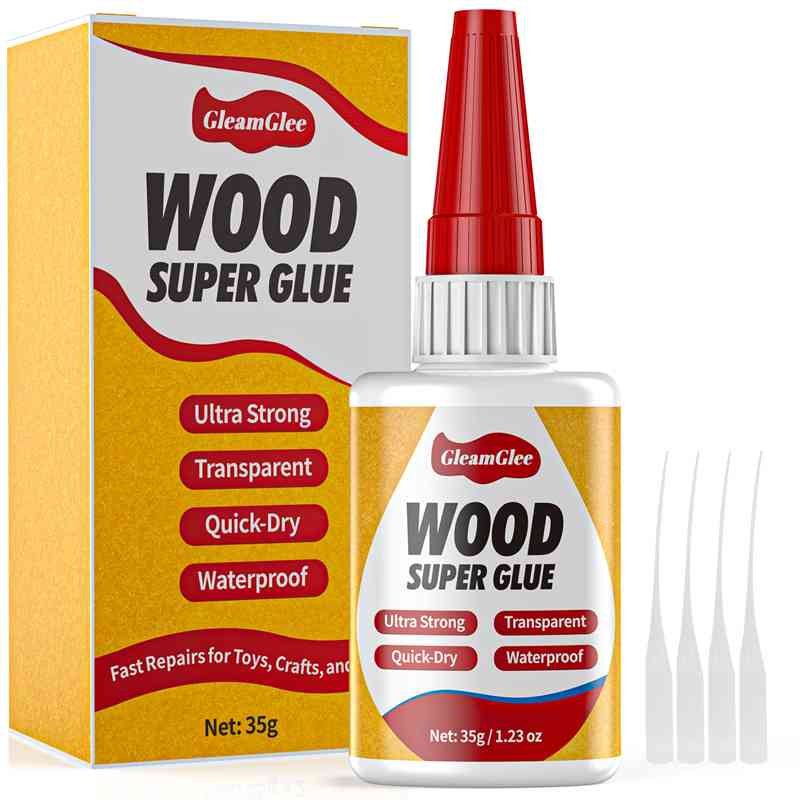
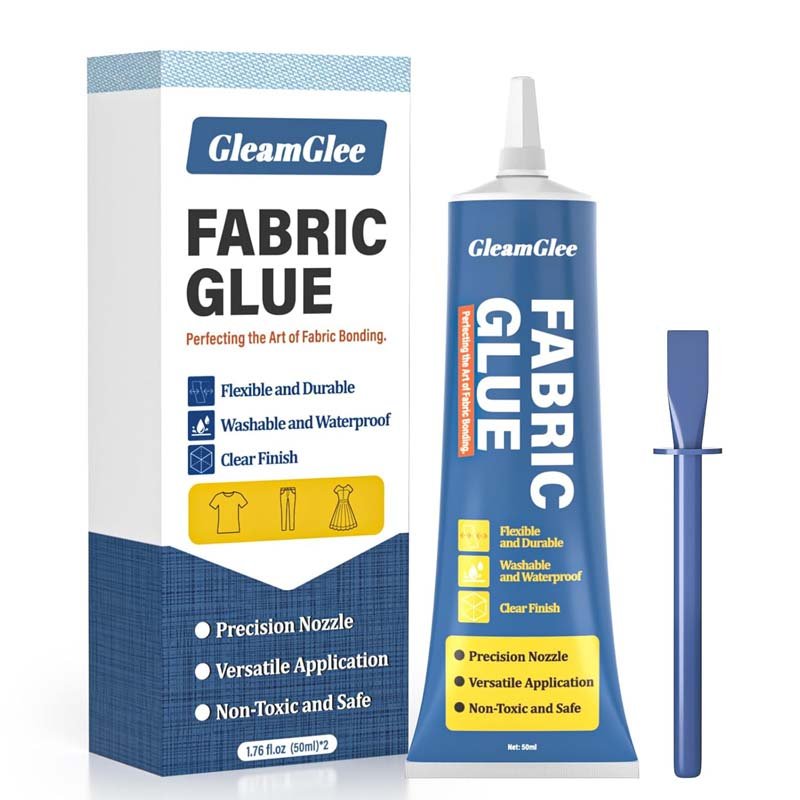
Customers choose GleamGlee Book Glue for Hardcover Binding Reinforcement because it answers the three questions that matter most before a repair begins: Will it fix the book neatly? Will it hold in real use? Can I trust the supplier behind it? In this category, customers are not only buying adhesive. They are buying control, confidence, and a better chance of saving a book that still matters to them. GleamGlee stands out because the product is built around real book-repair needs—clear drying, paper-safe bonding, precise application, and support for repeated handling—while the company behind it offers something many small glue brands cannot: strong formulation capacity, packaging support, scalable production, and private label flexibility.
For home users, that means the product feels easier to trust on cookbooks, journals, family Bibles, textbooks, and favorite hardcovers. For schools, libraries, offices, and small businesses, it means the glue is not just a one-time fix. It can become part of an ongoing repair and maintenance solution. For brand owners and distributors, the value is even broader because GleamGlee is not simply reselling a finished item. It has integrated R&D, manufacturing, packaging, and global supply support behind the product.
A big part of that confidence comes from the company’s real operating strength. GleamGlee’s broader business structure includes:
- 25+ chemists, material scientists, and process engineers
- 18+ professional designers focused on packaging, graphics, and usability
- 4 specialized factories covering formulation, packaging materials, printing, and raw materials
- annual output capacity above 12 million pieces
- 3,000+ packaging molds
- customization starting from 200 units
- design drafts in as fast as 2 days
- sampling often in 7–14 days
- mass production commonly around 20 days, with rush handling around 15 days
- warehousing support in the US, UK, and Germany
- experience serving more than 40 countries
- thousands of positive reviews across product categories, with average ratings of 4.5 stars and above
- over 5,000 wholesale and private label customers served
These numbers matter because they show customers that the book glue is supported by a serious adhesive business, not a thin-label trading operation with little control over formula, packaging, or supply. For a customer choosing between “just another glue bottle” and a more reliable long-term option, that difference matters.
| What customers want to know | Why it matters in real buying decisions | What GleamGlee offers |
|---|---|---|
| Can I repair the book neatly? | Visible books need clean results | Clear-drying formula and precise nozzle |
| Will it hold in daily use? | Books are opened again and again | Book-and-paper-focused bonding support |
| Is it easy to use? | Many buyers are not professionals | Fine metal nozzle and practical application control |
| Can I reorder with confidence? | Important for repeat users and businesses | Integrated production and global supply support |
| Can I build my own brand with it? | Important for Amazon sellers and distributors | Low MOQ customization and packaging support |
So when customers choose GleamGlee, they are usually choosing more than just glue strength. They are choosing a product that is easier to use, more suitable for book repair, and backed by a company with real manufacturing depth.
What makes GleamGlee Book Glue for Hardcover Binding Reinforcement easier to use?
GleamGlee Book Glue is easier to use because it is designed around controlled, precise repairs rather than broad, messy application. For most customers, that starts with the fine metal nozzle, which makes a real difference in hardcover repair because the areas being fixed are usually small and narrow: a page edge near the gutter, a weak hinge, a cracked inner joint, or a cover that is beginning to separate from the text block.
Customers often struggle with ordinary glue bottles because the opening is too wide. As soon as they squeeze, too much glue comes out. Then the repair turns stressful. The page wrinkles, the hinge gets overloaded, or the user spends more time cleaning overflow than actually fixing the book. That is why control matters so much more than many brands admit. In book repair, being able to place a thin line of glue exactly where it is needed often decides whether the result looks clean or messy.
For GleamGlee, ease of use comes from a combination of practical features rather than marketing language:
- Precision metal nozzle for narrow repair zones
- Clear-drying finish to reduce visible repair marks
- Formulated for books and paper rather than general all-purpose use
- Multi-use value across book repair, paper repair, journals, cards, scrapbooks, and paper craft work
From a customer’s point of view, this means less guesswork. The user does not have to wonder whether the glue is too strong, too messy, or too harsh for book materials. They have a product that is already positioned for the type of repair they need.
This is especially important for first-time repair customers. Many of them are not skilled crafters or binders. They are ordinary people trying to save an item they care about. A product that lowers fear and raises confidence has much higher practical value.
| Ease-of-use factor | What the customer feels during repair | Why it improves the result |
|---|---|---|
| Fine metal nozzle | “I can place this where I need it.” | Less overflow and better accuracy |
| Clear-drying formula | “The repair won’t look ugly after drying.” | Better shelf appearance and lower anxiety |
| Paper-safe positioning | “This feels made for books, not random materials.” | Higher confidence before use |
| Multi-use application | “I can use this for more than one repair or project.” | Better value per bottle |
In real customer experience, ease of use often becomes the reason for repeat purchase. When the repair feels manageable and the result looks clean, the customer remembers that.
Why is GleamGlee Book Glue for Hardcover Binding Reinforcement good for repair work?
GleamGlee is a good fit for repair work because the product matches the actual failure points customers see in hardcover books. Customers are usually not repairing a book in a general way. They are dealing with very specific problems: a loose page, a soft spine, a weak hinge, or a cover that no longer feels secure. A useful repair glue has to perform well in those exact situations, not just sound good on a label.
GleamGlee book glue is especially practical for these repair needs:
- reattaching loose pages
- reinforcing cracked or softened spines
- stabilizing weak inner hinges
- reattaching separating covers
- repairing journals, planners, guest books, and paper-based bound items
- supporting handmade book and paper projects
Customers usually judge repair quality in three ways:
- Does the repair hold?
- Does the book still open naturally?
- Does the repair look clean enough to live with?
This is why the combination of a clear finish and accurate application matters so much. Many books people repair are visible, meaningful, or shared with others. A family Bible sits on a shelf. A cookbook may stay on a kitchen counter. A classroom set gets passed from student to student. A library copy represents the condition of the collection. In these situations, appearance is part of performance. A repair that works but looks rough is still a weaker customer experience.
GleamGlee also performs well as a repair product because it is positioned for books and paper first, not just as a generic craft adhesive. That matters because customers want the product to feel appropriate for the job. It also matters commercially because positioning around a real use case usually improves trust and conversion.
| Repair job | What the customer needs most | Why GleamGlee fits well |
|---|---|---|
| Loose page repair | Clean edge bonding without wrinkles | Thin, controlled application support |
| Spine reinforcement | Holding power plus movement | Better suited to book structure than rigid glue use |
| Weak hinge repair | Support in a narrow stress area | Precision placement matters |
| Cover reattachment | Clean repair in visible areas | Clear finish reduces ugly repair marks |
| Journal and planner repair | Reliable paper-safe bonding | Strong fit for daily-use paper items |
For many customers, what makes GleamGlee “good for repair” is not one dramatic claim. It is that the product solves the small, real problems that determine whether a book can be used comfortably again.
How does GleamGlee Book Glue for Hardcover Binding Reinforcement compare in practical value?
GleamGlee compares well in practical value because customers are getting more than a repair bottle. They are getting a product backed by a larger system of formulation, packaging, design, manufacturing, and supply support. For end users, that creates confidence. For business customers, it creates opportunity.
Practical value is usually measured by what happens after purchase:
- Did the repair work well enough to be worth the time?
- Did the book stay usable?
- Did the product feel easy enough to buy again?
- Did one bottle cover several repairs or projects?
- If I want to scale this into a branded product, can the supplier support that?
GleamGlee’s company structure gives strong answers to those questions. Based on the information provided, the company can offer:
- 25+ R&D specialists
- 4 specialized factories
- 12 million+ annual production capacity
- 3,000+ packaging molds
- 2-day design turnaround for some projects
- 7–14 day sample cycles
- 20-day standard mass production, with rush around 15 days
- customization from 200 units
- warehousing in the US, UK, and Germany
- service across 40+ countries
- 5,000+ wholesale and private label customers served
For a home user, those numbers may simply mean the brand feels more trustworthy. For an Amazon seller, stationery brand, distributor, or private label customer, they mean something much bigger: supply reliability, speed, and room to grow.
| Practical value question | What the customer wants to know | GleamGlee advantage |
|---|---|---|
| Will this product solve the repair cleanly? | Day-to-day use matters more than bold claims | Clear finish and controlled application support |
| Can I use it across multiple needs? | Better value from one purchase | Book repair plus paper and craft versatility |
| Is the brand stable enough to trust? | Repeat buying depends on confidence | Integrated production and category depth |
| Can I launch my own version? | Important for sellers and brand builders | MOQ from 200 units and packaging support |
| Can supply keep up with growth? | Important for wholesale and e-commerce | Large production capacity and overseas support |
This is why GleamGlee’s value is not only in formula performance. It is in the combination of repair usefulness, packaging usability, supply stability, and business flexibility.
Conclusion
A good hardcover repair product should do more than stick paper together. It should help customers save books that still matter, whether that means a favorite family cookbook, a school textbook, a heavily used library title, a child’s storybook, a journal, or a special keepsake that simply should not be thrown away yet. Book Glue for Hardcover Binding Reinforcement is worth it when it solves those problems cleanly, reliably, and without turning repair into a stressful mess.
That is exactly where GleamGlee has a strong position. The product benefits are easy to understand and genuinely useful: made for books and paper, clear drying, precise metal nozzle, and wide use across repairs and paper-based projects. For everyday users, that means better control, cleaner results, and more confidence. For schools, libraries, and offices, it means a practical way to extend the life of books and printed materials. For creative users, it means one adhesive can cover both repair and project work.
For customers who want more than a finished retail product, GleamGlee also offers something much bigger: real manufacturing depth, custom development support, flexible packaging options, fast design turnaround, low-MOQ customization, and global supply experience. That makes it a strong choice not only for people who want to buy a reliable book glue today, but also for brands, distributors, and sellers who want to build a competitive book repair product line of their own.
If you want to order GleamGlee branded Book Glue for Hardcover Binding Reinforcement, or if you want to ask about OEM, private label, custom packaging, or formula development, GleamGlee is ready to support both small and large projects. Whether your goal is to repair books, launch a branded product, test a new market, or scale an existing adhesive line, this is a practical place to start.
Share:
Table of Contents
Here, creating your adhesives glue & removal cleaner collection is no longer a barrier—it’s a collaborative journey where GleamGlee helps brands and businesses transform their vision into durable, certified, and market-ready solutions.
Partner with GleamGlee
Join hundreds of global partners who trust GleamGlee for adhesives and cleaners that combine innovation, compliance, and speed. Our vertically integrated system—from R&D to warehouse—guarantees consistent performance and reliable delivery.
Whether you’re sourcing FBA-ready stock or developing your own formula, our team provides unmatched technical support and responsive service.