 Skip to content
Best Glue for Cracked Wood
Cracked wood can often be repaired beautifully—but only if you use the right adhesive for the type of crack you are dealing with.
That is where many people go wrong. A small surface crack in a wood frame, a split along the edge of a tabletop, and a stressed crack in a chair leg may all look similar at first, but they do not need the same repair method. Some cracks need a fast adhesive that can flow deep into a narrow split. Others need a traditional wood glue and clamping pressure. Wider, uneven cracks may need a gap-filling solution instead.
In this guide, we will walk through the best glue options for cracked wood, explain when each one works best, and help you choose the right repair approach for furniture, trim, crafts, wood panels, and everyday DIY fixes.
Why So Many Cracked Wood Repairs Fail
Most cracked wood repairs do not fail because the glue is weak. They fail because the wrong glue is used for the wrong kind of crack.
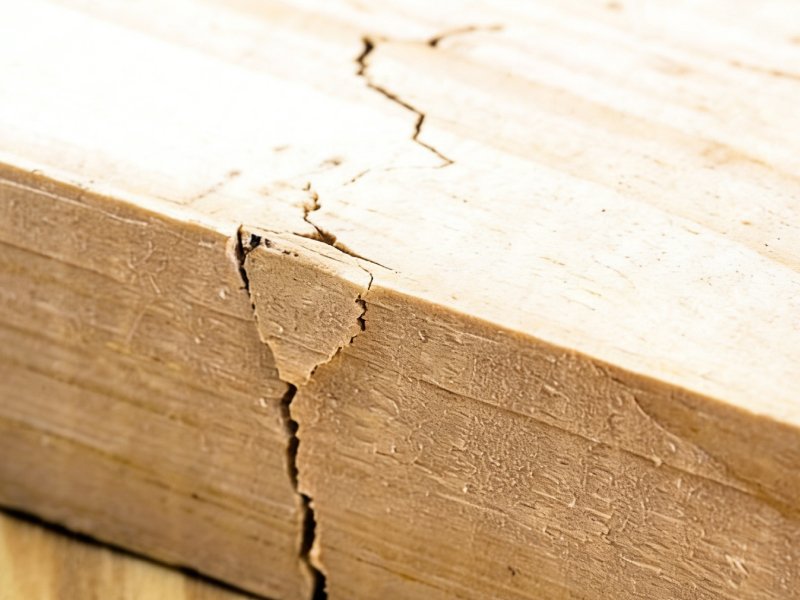
A very fine crack in dry wood behaves differently from a deep split in a furniture joint. A narrow decorative crack may only need a thin adhesive that can wick into the opening and bond fast. A structural crack in a chair or table may need a slower adhesive with more working time and firm clamping pressure. A crack with a visible gap or missing material may need a filler-capable adhesive rather than a standard wood glue.
This is why asking “What is the strongest glue for wood?” is usually the wrong question.
The better question is: What is the best glue for this exact kind of cracked wood repair?
When you match the glue type to the crack type, the repair is usually cleaner, stronger, and much more durable.
First, Identify the Type of Crack
Before choosing an adhesive, take a close look at the crack itself. The size, shape, depth, and stress level of the damaged area matter more than most people realize.
Hairline Surface Crack
This is a very fine crack that appears on the surface of wood, veneer, trim, or decorative pieces. It may not have a large gap, but it still needs an adhesive that can reach deep into a narrow line.
Tight Split with Clean Edges
This happens when a piece of wood has split, but the two sides still fit back together closely. This is common in furniture parts, wood panels, and some DIY repair situations.
Uneven Crack or Visible Gap
If the crack is wider, jagged, or missing material, a standard wood glue may not be enough. These repairs often need a gap-filling adhesive.
High-Stress or Load-Bearing Crack
Chair legs, table corners, frames, and frequently used wooden items often experience more stress than decorative pieces. Strength and repair method matter more here than speed alone.
The more accurately you identify the crack, the easier it becomes to choose a glue that actually works.
What Type of Glue Is Best for Cracked Wood?
There is no single best glue for every cracked wood repair. The best option depends on the way the wood failed and what the repaired piece needs to do afterward.

PVA Wood Glue
Traditional PVA wood glue is one of the best choices for wood-to-wood repairs when the broken or cracked parts still fit together well. It is ideal for furniture joints, panels, woodworking projects, and many repairs that can be clamped during curing.
It is usually the best choice when:
- the crack is clean and tight,
- both sides fit back together properly,
- and the repair can be held under pressure while the glue cures.
CA Glue (Cyanoacrylate / Super Glue)
CA glue is often the best choice for small cracks, narrow splits, trim repairs, crafts, and quick-detail wood fixes. Because it can flow into tight openings and set quickly, it is especially useful for fine cracked wood areas where speed and precision matter.
This type of glue is often overlooked in wood repair because many people think of it only as “super glue,” but in the right repair scenario, it can be extremely effective.
It is usually the best choice when:
- the crack is small or narrow,
- you need a fast repair,
- the repair is visible and you want a neat finish,
- or the piece is a small furniture part, trim section, or wood craft item.


Epoxy
Epoxy is often the better choice when the crack is wider, irregular, or damaged enough that standard wood glue cannot bridge the gap properly. It is also useful when small chunks are missing or when the crack is not a clean wood-to-wood fit.
It is usually the best choice when:
- the crack has width,
- material is missing,
- the wood is chipped or crushed,
- or the repair needs some filling ability in addition to bonding strength.
Polyurethane Glue
Polyurethane glue can work in certain wood repairs, especially where moisture resistance matters, but it is often less beginner-friendly for visible repairs because it expands while curing. That expansion can be messy and harder to control on neat indoor repairs.

Best Glue for Cracked Wood by Repair Scenario
The easiest way to choose the right adhesive is to match it to the repair situation.
Best for Small Visible Cracks
A clear CA glue is often the smartest choice for small visible cracks where you want a fast, neat-looking result.
Best for Tight Wood Splits
A quality PVA wood glue is usually best for cracks where the two sides fit back together well and can be clamped.
Best for Wider Cracks or Damaged Areas
An epoxy is typically better when the crack is uneven, wider, or missing material.
Best for Fast DIY Repairsv
A medium-viscosity CA glue is often ideal for quick home repairs, small trim cracks, craft wood, and edge splits.
Best for Furniture Repairs Under Stress
For high-stress repairs like chairs, frames, and load-bearing wood sections, a strong wood glue or an epoxy is often the safer long-term option depending on fit and damage level.
Popular Glue Types People Commonly Choose for Cracked Wood
Different cracked wood repairs call for different adhesive categories. Below is a practical breakdown of the most common glue types buyers consider, along with one representative product style for each.
| Glue Type | Best For | Example Product | Typical Price Range* | Pros | Limits |
|---|---|---|---|---|---|
| PVA Wood Glue | Tight wood-to-wood splits, furniture joints, general woodworking | Gorilla Wood Glue / Titebond III | About $8–$15 | Strong bond, beginner-friendly, great for clamped repairs | Not ideal for filling larger visible gaps |
| CA Glue | Hairline cracks, small splits, trim, crafts, quick repairs | GleamGlee Wood Super Glue | About $7.99 | Fast-setting, clear, precise, great for narrow cracks | Less ideal for large gaps or major load-bearing repairs |
| Epoxy | Uneven cracks, chipped areas, gap filling, damaged corners | Clear epoxy products | About $7–$15 | Fills gaps, durable, useful for damaged wood | Slower, messier, mixing required |
| Polyurethane Glue | Some interior/exterior repairs where moisture resistance matters | Polyurethane wood adhesive | About $10–$18 | Water resistant, strong in some repair situations | Expands while curing, harder to control neatly |
| Hide Glue | Antique restoration, reversible traditional repairs | Specialty hide glue | Varies | Good for restoration work, reversible in some cases | Niche use, not ideal for most everyday DIY buyers |
Price ranges are general reference ranges and may vary by size, quantity, and retailer.
For most homeowners and DIY buyers, the real decision usually comes down to this:
- Choose PVA wood glue for traditional clamped wood-to-wood repairs
- Choose CA glue for small, narrow, quick cracked wood repairs
- Choose epoxy for uneven or gap-heavy damage
Our Top Pick for Small Cracked Wood Repairs: GleamGlee Wood Super Glue
If your cracked wood repair is small, narrow, visible, or detail-sensitive, a fast-setting CA glue is often the most practical choice—and that is exactly where GleamGlee Wood Super Glue stands out.

This type of repair is more common than many people think. A split on the edge of a wood shelf. A fine crack in trim. A small separation on a decorative wood piece. A quick furniture touch-up before the damage gets worse. In these cases, you do not always need a bulky, slow-curing adhesive. You often need something that can reach into the crack, bond quickly, and leave a cleaner-looking result.
GleamGlee Wood Super Glue is especially well suited for:
- small cracked wood repairs,
- narrow splits,
- trim cracks,
- wood crafts,
- detail work,
- and quick furniture touch-ups.
Why it is a smart choice for many cracked wood repairs
- Fast-setting formula for quick repairs
- Clear finish for neater visible results
- Precise application for smaller cracks and narrow repair lines
- Useful for woodworking, furniture repair, crafts, and DIY jobs
- Great when you need a practical fix without the long wait of slower adhesives
This is not the right answer for every severely broken chair or large structural gap. But for the kind of everyday cracked wood repairs many people are actually searching for online, it is a very strong fit.
If the crack is small, tight, visible, and does not require heavy filling, GleamGlee is one of the most practical options to start with.
When a Fast CA Glue Is Not the Best Choice

A good guide should tell you not only when a product works well, but also when you should choose something else.
A fast CA glue is not usually the best option if:
- the crack is wide and needs filling,
- the wood is missing chunks,
- the damaged area is badly crushed,
- the repair is heavily load-bearing,
- or the two sides do not fit back together tightly.
In those cases, a traditional wood glue or epoxy is often the better choice.
That is one reason this page focuses on matching glue type to crack type rather than pretending one product is perfect for every wood repair. That approach is more useful, more honest, and usually leads to better long-term results.
How to Repair Cracked Wood the Right Way
Even the best glue can fail if the repair process is poor. Good preparation matters.
For a Small or Narrow Crack
- Remove dust, loose fibers, wax, oil, or debris from the crack area.
- If needed, gently open the crack just enough to let the adhesive reach inside.
- Apply a thin or medium CA glue carefully into the crack.
- Press the crack closed and hold it steady.
- Wipe away any excess glue right away if necessary.
- Let the adhesive fully set before sanding, staining, or painting.
For a Tight Structural Split
- Dry-fit the parts first to make sure they align properly.
- Apply wood glue evenly to the mating surfaces.
- Clamp the repair firmly.
- Wipe off squeeze-out.
- Leave it clamped for the recommended time.
- Allow full cure before regular use.
For a Wider or Damaged Crack
- Clean out the damaged area thoroughly.
- Choose an epoxy that can fill the crack properly.
- Mix and apply carefully.
- Support or clamp as needed.
- Let it fully cure.
- Sand and refinish if desired.
The biggest difference between a repair that lasts and one that fails in a week is often not the brand of glue—it is choosing the right repair method for the damage.
Common mistakes that make glass repairs fail
A lot of wood repairs fail for very predictable reasons. Avoiding these mistakes can make a huge difference.

Choosing by “Strongest” Instead of by Crack Type
Not every repair needs the most aggressive adhesive. Some need precision, some need flexibility, and some need filling ability.
Gluing Over Dust or Old Finish
A dirty repair surface weakens adhesion and can make even a good glue underperform.
Using Standard Wood Glue to Fill a Gap
Traditional wood glue works best when wood fits wood. It is not the best gap filler for wider damaged cracks.
Skipping Clamping When the Repair Needs It
Some repairs, especially furniture and structural wood splits, need pressure during curing.
Using Too Much Glue
More glue does not always mean a stronger repair. Too much adhesive can create squeeze-out, mess, and a less natural finish.
Sanding or Painting Too Early
Even if the repair feels set, it may not be fully cured yet.
Which Glue Should You Choose?

Choose CA glue if you want:
- a fast repair,
- a neat-looking fix on a small crack,
- a clear adhesive for visible areas,
- or a precise option for trim, crafts, and quick DIY work.
Choose PVA wood glue if you want:
- a traditional wood-to-wood repair,
- a strong furniture or panel bond,
- more working time,
- and a repair you can clamp properly.
Choose epoxy if you want:
- gap filling,
- help with chipped or uneven damage,
- or a better solution for cracks that are not a tight clean fit.
For many everyday small cracked wood repairs, a clear, fast-setting CA glue is often the most convenient and effective starting point. That is why GleamGlee Wood Super Glue makes so much sense for narrow cracks, small furniture repairs, trim, edge splits, and visible detail work.
FAQ
Q1: What is the best glue for cracked wood?
It depends on the crack. For small, tight, visible cracks, a CA glue is often the best choice. For tight structural splits, a PVA wood glue is usually better. For larger gaps or damaged areas, epoxy is often the better solution.
Q2: Can I use super glue on cracked wood?
Yes. A CA glue can work very well on small cracks, trim, crafts, edge splits, and other quick wood repairs where the crack is tight and does not need major gap filling.
Q3: Is wood glue better than super glue for cracked furniture?
For larger or load-bearing furniture repairs, traditional wood glue is often the better choice because it is designed for wood-to-wood bonding and clamped joints. For smaller visible cracks or quick repairs, CA glue can still be very useful.
Q4: Can wood glue fill a crack?
Usually not well. Standard wood glue works best when two wood surfaces fit closely together. If the crack is wide or uneven, epoxy is often a better option.
Q5: Can I sand and paint over a cracked wood repair?
Yes, in many cases—but only after the adhesive has fully cured. Always allow proper cure time before sanding, staining, or painting.
Q6: What is the best glue for small cracked wood repairs?
For many small cracked wood repairs, a clear, fast-setting CA glue is one of the easiest and most practical choices.


If you are dealing with a small crack, narrow split, trim crack, decorative wood repair, or quick furniture touch-up, a fast-setting CA glue is often the smartest place to start.
And if you want a practical option that is designed for quick bonding, clean application, and everyday wood repair use, GleamGlee Wood Super Glue is a strong choice.
It is especially well suited for:
- small cracked wood repairs,
- narrow splits,
- visible touch-ups,
- wood craft fixes,
- trim cracks,
- and quick DIY repairs that need speed and precision.
When the crack is small and the fit is tight, the right glue can make the repair feel easy. GleamGlee helps make that kind of repair faster, cleaner, and more approachable. Shop GleamGlee Wood Super Glue and fix cracked wood with confidence.





















