 Skip to content
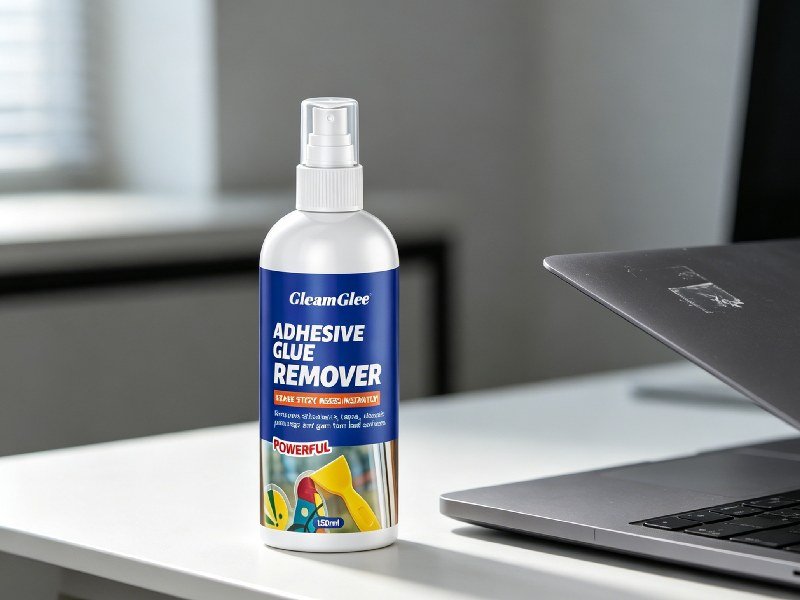
Glue residue is one of those small cleaning problems that quickly becomes annoying. A new glass jar looks reusable until the label leaves a cloudy sticky patch. A desk looks neat until old tape marks collect dust. A car looks clean until a peeled decal leaves a dull adhesive shadow. Many people try to solve the problem by rubbing harder, scraping with a blade, or using the strongest chemical they can find in the cabinet. That may remove the glue, but it can also scratch glass, whiten plastic, dull paint, stain wood, or leave an oily mark that looks almost as bad as the original residue.
To remove glue residue from surfaces, first identify the surface material, test a hidden spot, soften the residue with a suitable adhesive remover, lift it gently with a plastic scraper or cloth, then wipe the area clean. The safest result usually comes from short contact time, light pressure, and repeated passes instead of aggressive scraping.
The real problem is not only the glue. It is the combination of glue, dust, skin oil, heat, sunlight, packaging ink, and time. Fresh sticker residue may wipe off in less than a minute. Old double-sided tape on a window, car surface, or storage box may need several controlled cleaning rounds. Once the cleaning order is right, the job becomes much easier: soften first, lift second, wipe last. That simple order can save a surface that might otherwise be scratched, stained, or permanently marked.
What Is Glue Residue?
Glue residue is the sticky layer left behind after a sticker, label, tape strip, decal, hook pad, protective film, or adhesive-backed product is peeled away. It may look clear, cloudy, yellow, gray, oily, rubbery, or dusty depending on the adhesive type and how long it has stayed on the surface. Fresh glue residue usually feels soft and tacky, while older residue can become harder, darker, and more difficult to wipe off.
Most glue residue is not just “leftover dirt.” It is a mix of adhesive, pressure, surface texture, air exposure, dust, skin oil, heat, and time. A price label on a glass jar may leave a thin sticky film. Double-sided tape on a wall hook may leave a thick raised patch. A car decal may leave a wide adhesive shadow after the vinyl top layer is removed. Each case needs a slightly different cleaning approach.
The best way to understand glue residue is to look at three things: where it came from, how old it is, and what surface it is stuck to. A fresh label mark on glass may take less than a minute to clean. Old tape residue on plastic, painted wood, or car trim may need repeated softening and gentle lifting. Once the residue is softened correctly, it can usually be removed with less rubbing, less scraping, and less risk of damaging the surface.
Why glue residue sticks
Glue residue sticks because many everyday adhesives are pressure-sensitive. They are made to grip when pressed onto a surface, not simply sit on top of it. When a label, sticker, tape strip, or decal is applied, the adhesive layer spreads into tiny surface texture that the eye cannot easily see. Even smooth-looking glass, plastic, painted metal, wood finish, and car panels have small pores, coating lines, or microscopic unevenness. The more pressure, heat, and time involved, the deeper the adhesive can settle into that surface texture.
That is why peeling off the top layer does not always remove the whole adhesive layer. The paper, plastic film, or tape backing may come away cleanly, but the glue underneath may stay behind. If the residue is fresh, it may feel soft and stringy. If it has been exposed to sunlight, room heat, hand oil, dust, or cleaning chemicals, it may become darker, gummy, or dry around the edges.
A few details decide how stubborn the residue becomes:
- Pressure: a sticker pressed firmly for shipping or storage usually leaves more residue.
- Heat: warm kitchens, cars, windows, and garages can make adhesive spread wider.
- Time: residue left for months is usually harder than residue left for one day.
- Dust: exposed glue catches dust quickly and turns gray or black.
- Surface texture: matte plastic, painted wood, and rough metal can hold glue more tightly than smooth glass.
- Adhesive thickness: double-sided tape and hook pads leave more material than thin price labels.
| Residue source | Common feel | Removal difficulty | Cleaning note |
|---|---|---|---|
| Price label | Thin, tacky film | Low | Usually softens quickly |
| Product sticker | Cloudy or gummy | Low to medium | May smear if rubbed dry |
| Packing tape | Sticky lines | Medium | Often needs repeated wiping |
| Double-sided tape | Thick, elastic layer | High | Remove bulk first, then clean |
| Wall hook pad | Dense sticky patch | High | Use patience and light scraping |
| Car decal | Thin adhesive shadow | Medium to high | Avoid harsh scraping on paint |
The safest habit is to soften the glue before trying to lift it. Dry rubbing usually spreads residue. Hard scraping may remove the glue, but it can also scratch the surface underneath. A short softening step helps the adhesive loosen first, so the residue can be lifted instead of forced off.
Where glue residue appears
Glue residue appears anywhere labels, tape, stickers, hooks, films, or decals are used. In daily life, it often shows up during simple tasks: opening a new appliance, removing a barcode from a plastic box, peeling a label from a glass jar, taking tape off a window, cleaning old stickers from a child’s desk, or removing a decal from a car. The residue may be small, but it becomes noticeable because it collects dust and makes the surface feel dirty again shortly after wiping.
Home surfaces are the most common places. Glass jars, bottles, candle holders, mirrors, windows, kitchen counters, appliance doors, storage boxes, desks, shelves, and tabletops often collect label glue or tape marks. In kitchens, glue residue can mix with grease and become more stubborn. On desks and storage boxes, residue often catches dust and turns into a dark gray patch. On windows, sunlight can make old tape marks look baked into the glass or frame.
Car surfaces bring another set of problems. Bumper stickers, inspection labels, dealership decals, protective films, and temporary signs can leave adhesive on glass, painted panels, plastic bumpers, and interior trim. These areas need extra care because people worry about scratches, dull paint, and cloudy marks.
Common glue residue locations include:
- Glass jars and bottles: label glue, price stickers, barcode marks.
- Windows and mirrors: tape lines, decal residue, transparent film glue.
- Plastic bins and containers: old storage labels, shipping stickers, barcode glue.
- Desks and tables: tape residue, craft glue marks, name tag residue.
- Kitchen counters and appliances: packaging stickers, grease mixed with adhesive.
- Car windows and bumpers: sticker residue, decal glue, protective film marks.
- Office and school items: folders, rulers, trays, whiteboards, file labels.
- DIY and craft areas: glue dots, vinyl adhesive, scrapbooking tool buildup.
| Area | Common residue | Customer concern |
|---|---|---|
| Kitchen | Label glue mixed with grease | Clean finish, no oily film |
| Car | Decal or sticker glue | No paint damage |
| Office | Old label marks | Neat appearance |
| Storage | Barcode and label glue | No sticky dust buildup |
| Window | Tape and film residue | Clear glass, no scratches |
| Craft table | Glue dots and tape marks | Smooth work surface |
The same glue residue may behave differently depending on the surface. A label mark on glass can often be removed quickly. The same kind of label on matte plastic may grip harder. Tape on unfinished wood may leave a stain if soaked. A hook pad on painted trim may pull paint if removed too aggressively. Before choosing a cleaning method, the surface matters as much as the residue.
When glue residue gets worse
Glue residue gets worse when it is left too long, exposed to heat, rubbed the wrong way, or cleaned with unsuitable products. Fresh residue is usually easier because the adhesive is still soft and has not collected much dust. Old residue is often darker, thicker, and harder to lift because it has absorbed dirt, oils, and air exposure. On windows, cars, and appliances, sunlight and heat can make residue more stubborn within weeks.
One common mistake is wiping the residue dry again and again. At first, it may look like the glue is moving, but it often spreads into a wider cloudy patch. Another mistake is using a sharp tool too early. A blade may remove the top sticky layer, but it can leave fine marks on plastic, painted surfaces, coated glass, or car paint. Strong solvents can create another problem: the glue disappears, but the surface turns white, dull, or stained.
Glue residue usually becomes harder in these situations:
- In hot cars: decal glue and sticker residue can soften, spread, then harden again.
- Near windows: sunlight can bake tape marks and label residue.
- In kitchens: grease can mix with glue and create a stubborn sticky film.
- On storage boxes: dust sticks to exposed glue and turns it gray.
- On painted surfaces: adhesive may bond more tightly than the paint layer.
- On wood: liquid cleaning attempts can push residue deeper into the finish.
- On plastic: harsh rubbing can create white marks before the glue is fully removed.
A practical way to judge the cleaning difficulty is by age and thickness:
| Glue residue condition | What it usually means | Better cleaning approach |
|---|---|---|
| Soft and fresh | Recently peeled label or sticker | Short softening time, cloth wipe |
| Cloudy and thin | Label film left behind | Spray, wait, wipe in one direction |
| Gray and dusty | Residue exposed for days or weeks | Remove dust first, then soften |
| Thick and raised | Tape, hook pad, or double-sided adhesive | Lift bulk layer first, then clean film |
| Yellow and hard | Aged adhesive or sun exposure | Repeat softening, avoid force |
| Oily and smeared | Wrong cleaner or over-rubbing | Clean in small sections with fresh cloth |
The safest cleaning habit is to stop treating stubborn residue as a strength test. If it does not move, it usually needs more softening, not more force. Spray the residue, wait briefly, lift what has loosened, wipe the tool or cloth clean, and repeat. This method protects the surface and gives a cleaner result, especially on visible areas such as glass, plastic containers, car surfaces, desks, kitchen counters, and finished wood.
Which Surfaces Have Glue Residue?
Glue residue can appear on almost any hard surface, but the safest removal method depends on the material underneath. Glass, plastic, wood, metal, car paint, acrylic, appliance panels, desks, counters, and tools do not react the same way to adhesive remover, scraping, heat, water, or oil. The surface decides how much pressure, dwell time, and cleaning liquid is safe.
Most sticky residue comes from labels, stickers, tape, decals, hook pads, protective films, packaging seals, or double-sided adhesive. On smooth glass, the residue may sit mostly on top. On textured plastic, painted wood, or car trim, it can grip into tiny surface lines and become harder to lift. A kitchen label may also mix with grease, while a car decal may be baked by sunlight.
Before cleaning, separate the job into two questions: what is the residue, and what is the surface? A fresh sticker mark on a glass jar can be cleaned faster than old tape residue on plastic trim. A label on a sealed tabletop is safer than glue on raw wood. A bumper sticker on car paint needs more control than a sticker on a metal tool box.
Glue residue on glass
Glue residue on glass is common because glass products often come with labels, barcode stickers, price tags, decals, tape, or protective film. Food jars, candle jars, drink bottles, windows, mirrors, shower doors, glass tables, display cases, and car windows can all hold sticky residue after the top label is peeled away. The good news is that glass is usually less absorbent than wood or paper, so residue often stays near the surface and can be softened before removal.
Even so, glass should not be treated carelessly. Plain glass jars are much more forgiving than mirrors, coated glass, tinted car windows, frosted glass, or glass with heating lines. A sharp blade may remove glue quickly on plain glass, but it can scratch coated surfaces or damage thin films. For daily cleaning, a plastic scraper and soft cloth are safer choices.
A good method for glass is to remove loose paper first, spray the glue residue, wait briefly, then lift the softened adhesive with a plastic scraper. After that, wipe the glass with a clean cloth until it feels smooth. For thick residue, repeat the process instead of scraping harder.
Common glass glue residue cases include:
- Food jars: label glue may stay in a wide cloudy patch.
- Candle jars: label glue may mix with wax or fragrance oil.
- Windows: tape lines can dry into long sticky strips.
- Mirrors: sticker residue can streak if rubbed with a dirty cloth.
- Car windows: decals may leave a thin adhesive shadow.
- Glass tables: price stickers can leave small but visible tacky marks.
| Glass surface | Common residue | Main concern | Safer cleaning choice |
|---|---|---|---|
| Food jar | Paper label glue | Sticky film after washing | Spray remover + plastic scraper |
| Candle jar | Label glue + wax | Oily haze | Remove wax first, then clean glue |
| Window | Tape marks | Scratches or streaks | Plastic scraper + clean cloth |
| Mirror | Sticker residue | Edge moisture and streaking | Light spray, soft cloth |
| Car glass | Decal glue | Tint or heating line damage | Gentle wiping, avoid harsh scraping |
| Glass table | Price sticker | Visible smears | Short dwell time, final dry wipe |
For glass, the final wipe matters. If the first cloth collects softened glue, use a second clean cloth for the finish. This prevents the sticky material from being spread back across the surface.
Glue residue on plastic
Plastic is one of the most difficult surfaces for glue residue because it can look durable while reacting badly to strong cleaners or rough tools. Storage bins, food containers, appliance trim, plastic folders, toys, rulers, acrylic display sheets, car interior panels, tool handles, and packaging parts often carry stickers or labels. After peeling, the surface may hold a soft sticky patch, a white film, or a gray dusty mark.
The biggest problem is that “plastic” is not one material. A flexible food container, a hard storage bin, a clear acrylic sheet, and a soft-touch car trim panel can respond very differently. Some plastics turn cloudy after strong solvents. Some become dull after rubbing. Some show white stress marks from scraping. Printed labels, icons, or coating on appliance panels may also rub off if cleaned too aggressively.
The safest approach is to test first and use short contact time. Spray lightly, wait briefly, then wipe with microfiber or lift with a plastic scraper. Do not use metal blades, steel wool, rough scouring pads, or strong solvents unless the material is known to tolerate them. If the residue smears, stop rubbing dry and soften it again.
Plastic glue residue usually appears on:
- Storage bins: old labels leave dusty gray patches.
- Food containers: barcode stickers leave thin sticky film.
- Appliance panels: protective stickers may leave glue near printed icons.
- Acrylic sheets: protective film can leave a cloudy adhesive layer.
- Office supplies: folders, trays, and rulers often hold label residue.
- Car interior trim: phone mounts, stickers, and accessories may leave adhesive.
| Plastic type or item | Residue risk | Cleaning risk | Better habit |
|---|---|---|---|
| Storage box | Medium | Dulling from hard rubbing | Test, spray lightly, wipe |
| Food container | Low to medium | Odor or oily film | Clean thoroughly after removal |
| Acrylic sheet | High | Clouding and scratches | Use soft cloth, minimal pressure |
| Appliance panel | Medium | Printed icons may fade | Avoid rubbing printed areas |
| Car trim | Medium to high | Discoloration | Test hidden edge first |
| Plastic folder | Low | Surface scuffs | Cloth wipe, no blade |
On plastic, a clean result means the surface still looks like itself after the glue is gone. Removing the residue is not enough if the plastic becomes white, cloudy, or rough. Work slowly, use light pressure, and repeat short cleaning rounds when needed.
Glue residue on wood
Wood needs careful glue residue removal because the surface may be sealed, stained, painted, waxed, laminated, varnished, or unfinished. Sticker residue on a wooden desk is not the same as tape residue on raw wood or hook adhesive on painted trim. Some wood surfaces can handle light cleaning, while others absorb liquid quickly and become stained, swollen, or dull.
The first step is to check the finish. A sealed tabletop usually gives more protection than raw wood. Painted wood may hold adhesive strongly, but the paint layer may also lift if the glue is pulled too hard. Laminated wood can resist liquid on the top surface, but its edges may swell if cleaner runs into seams. Waxed or oiled wood can develop uneven shine if the cleaning product removes part of the surface treatment.
For wood, apply less product and use more control. On delicate wood, spray the remover onto a cloth first rather than directly onto the surface. Press the dampened cloth onto the sticky area, wait briefly, then rub with the grain. If scraping is needed, use a plastic scraper at a low angle and keep the pressure light. Dry the area quickly after cleaning.
Wood glue residue often appears on:
- Desks and tables: tape marks, name labels, craft glue.
- Shelves and cabinets: price labels, hook adhesive, packaging tape.
- Wooden boxes: barcode stickers and shipping labels.
- Craft boards: glue dots, vinyl adhesive, stencil tape.
- Painted trim: wall hook residue or mounting tape.
- Laminated furniture: sticker residue near edges and corners.
| Wood surface | Glue residue issue | Main risk | Safer cleaning habit |
|---|---|---|---|
| Sealed desk | Tape or sticker glue | Dull finish | Cloth application, quick wipe |
| Painted wood | Hook adhesive | Paint lifting | Test first, avoid pulling hard |
| Laminated wood | Label residue | Edge swelling | Keep liquid away from seams |
| Raw wood | Sticker mark | Staining | Avoid soaking, test carefully |
| Waxed wood | Tape mark | Uneven shine | Minimal cleaner, gentle wipe |
| Craft wood | Glue dots | Surface marks | Work with grain |
A common mistake is leaving wet cleaner on wood while waiting for glue to soften. Long soaking is risky. A better method is several short passes. Remove what has softened, wipe dry, then repeat only on the residue that remains.
Glue residue on cars
Car glue residue needs extra attention because car surfaces are visible, glossy, and expensive to repair. Stickers, inspection labels, dealership decals, bumper stickers, vinyl graphics, temporary signs, protective films, phone mounts, dash accessories, and double-sided tape can all leave adhesive behind. The residue may look like a thin shadow, a sticky patch, a raised tape layer, or a gray outline that catches dust.
A car is made of many surfaces, not just paint. There may be clear-coated metal panels, plastic bumpers, rubber trim, chrome accents, glass windows, tinted glass, soft-touch dashboard areas, and textured interior panels. Each area needs a different level of caution. Exterior glass can usually handle more cleaning than painted body panels. Interior trim may stain, soften, or discolor if a strong cleaner is used carelessly.
The safest car method is to work in shade on a cool surface. Wash away loose dirt first so it does not scratch during wiping. Test the remover on a hidden area, then clean a small section at a time. Spray only the glue residue, wait briefly, and lift it with microfiber or a plastic scraper. Do not let the product dry on the panel, and do not use metal blades on paint or plastic trim.
Car glue residue often appears on:
- Car windows: inspection labels, decals, parking stickers.
- Bumpers: bumper sticker adhesive and tape marks.
- Painted panels: vinyl decal shadows or protective film residue.
- Interior trim: phone mount adhesive, accessory tape.
- Dashboard areas: sticky pads or temporary holders.
- Chrome or metal trim: tape residue and label marks.
| Car surface | Common residue | Main concern | Safer cleaning choice |
|---|---|---|---|
| Exterior glass | Decal glue | Scratches near tint or lines | Cloth + plastic scraper |
| Painted panel | Vinyl adhesive | Clear coat dulling | Small sections, light pressure |
| Plastic bumper | Sticker residue | Discoloration | Hidden test first |
| Interior trim | Mount tape | Texture damage | Minimal product, cloth wipe |
| Chrome trim | Tape marks | Streaks | Wipe clean after removal |
| Rubber edge | Sticky film | Swelling or smearing | Avoid heavy solvent exposure |
For car surfaces, patience protects appearance. If the residue is thick, do not try to remove it in one hard scrape. Soften it, lift what comes away, wipe the area, then repeat. A controlled process helps remove glue residue while keeping the surface clean, glossy, and ready for normal use.
How to Remove Glue Residue?
To remove glue residue, work in the right order: test the surface first, soften the sticky layer, lift the loosened glue with a safe tool, then wipe the area clean. Most damage happens when people skip softening and start scraping dry residue with force. A controlled method is safer for glass, plastic, wood, car surfaces, desks, counters, tools, and packaging.
The best method is not about using the strongest cleaner. It is about using the least force needed to remove the residue. For light sticker glue, a short 15-second softening time may be enough. For old tape, double-sided adhesive, hook residue, or sun-baked decal marks, several short cleaning rounds are usually safer than one harsh attempt. Always test first, especially on plastic, painted surfaces, car paint, acrylic, finished wood, and appliance panels.
Step 1: Test glue residue
Testing protects the surface before the visible cleaning begins. Glue residue may look harmless, but the material underneath can react badly to strong cleaners, long soaking, scraping, or heat. A glass food jar is usually forgiving. A painted car panel, acrylic sheet, plastic appliance face, sealed wood desk, or coated mirror needs more care. If the surface changes color, loses shine, turns cloudy, or feels tacky during testing, the same damage may happen on the main area.
Choose a hidden place close to the residue when possible. On a plastic storage bin, test the back corner. On a desk, test the underside. On a car, test a lower edge or hidden trim area. On an appliance, test away from printed icons or buttons. Apply a small amount of remover, wait briefly, then wipe dry and inspect under good light.
Check for:
- Color fading or paint transfer
- White marks on plastic
- Clouding on acrylic or clear plastic
- Dull spots on glossy surfaces
- Softening or sticky texture
- Swelling on wood edges
- Streaking on coated glass
- Loss of printed letters or icons
A simple test can take less than one minute, but it can prevent permanent marks. If the surface looks normal after testing, clean a small visible area first instead of spraying the entire residue patch. This is especially useful for old glue residue because the first cleaning pass shows how strongly the adhesive is bonded.
| Surface | Where to test | Warning sign | Safer next move |
|---|---|---|---|
| Glass jar | Bottom edge | Strong smell or haze | Wash after cleaning |
| Plastic bin | Back corner | Whitening or dullness | Use less product |
| Acrylic sheet | Small corner | Clouding | Stop or use gentler method |
| Wood desk | Underside | Finish change | Apply by cloth only |
| Car paint | Hidden lower edge | Dullness or color transfer | Use very light pressure |
| Appliance panel | Side edge | Icon fading | Avoid printed areas |
| Mirror | Outer corner | Streaking near edge | Keep liquid away from backing |
If the hidden test fails, do not try to “clean faster” on the main surface. Use a milder method, reduce contact time, or clean only with a damp cloth and light repeated rubbing. The surface is more important than the sticky mark.
Step 2: Soften glue residue
Glue residue should be softened before lifting. Dry adhesive grips the surface and often smears when rubbed. Once softened, it can be moved with less pressure, which lowers the risk of scratches, dull marks, and surface damage. For many household sticky marks, GleamGlee adhesive remover can be sprayed on the residue, left for about 15 seconds, then wiped or scraped away.
Start with a small amount. More liquid does not always mean better cleaning. Too much remover can run into seams, soak wood edges, collect around appliance buttons, or drip onto car trim. On horizontal glass, counters, and jars, spraying directly is usually easy to control. On vertical surfaces, spray lightly. On delicate wood, painted areas, or plastic, spray onto a cloth first and press the cloth against the residue.
Different residues need different softening habits:
| Glue residue type | First wait time | What usually happens | Better action |
|---|---|---|---|
| Fresh label glue | About 15 seconds | Turns slippery | Wipe with cloth |
| Price sticker residue | About 15 seconds | Edges lift | Use plastic scraper |
| Tape marks | 15–30 seconds | Becomes gummy | Wipe in one direction |
| Old decal glue | 30 seconds, repeat | Softens in layers | Clean in small sections |
| Double-sided tape | 30 seconds, repeat | Top layer loosens slowly | Remove bulk first |
| Hook adhesive | 30 seconds, repeat | Thick patch breaks down | Lift gently, do not pull paint |
| Gum residue | After bulk removal | Remaining stickiness softens | Scrape residue only |
| Wax mixed with glue | After wax removal | Thin film remains | Spray and wipe |
For thick residue, repeat the softening process instead of increasing force. A raised double-sided tape patch may need the top foam or rubber layer removed first so the remover can reach the adhesive base. Old decal glue on a car or window may come off in layers. A kitchen label mixed with grease may need one pass to remove the sticky layer and another pass to remove the oily film.
The most reliable rhythm is: spray, wait, lift, wipe, repeat. If the glue starts dragging under the cloth, it is not soft enough or the cloth is already loaded with adhesive. Use a fresh section of cloth and apply a little more remover only to the sticky area.
Step 3: Lift glue residue
After softening, lift the glue residue with a safe tool. The tool matters because many surfaces are damaged during this step. A metal blade may feel fast, but it can scratch plastic, car paint, acrylic, coated glass, appliance panels, painted wood, and furniture finishes. A plastic scraper is safer for most daily surfaces because it can push softened adhesive without cutting into the material underneath.
Hold the scraper low and almost flat. Start at the edge of the softened residue, then push in short, slow strokes. Do not dig downward. Wipe the scraper edge often so sticky glue does not spread back onto the surface. If the residue stops moving, spray again and wait briefly. The scraper should glide; it should not feel like you are carving the surface.
A good lifting method looks like this:
- Keep the surface slightly wet with remover while lifting.
- Use short strokes instead of long hard pushes.
- Work from the outside edge toward the center.
- Wipe softened glue from the scraper after each pass.
- Change cloth sections often.
- Repeat small areas instead of scraping the whole patch at once.
- Stop immediately if the surface shows scratches, clouding, or color change.
| Surface | Better lifting tool | Pressure level | Avoid |
|---|---|---|---|
| Glass jar | Plastic scraper | Medium | Dirty blades |
| Window | Plastic scraper | Light to medium | Scraping dry residue |
| Plastic box | Plastic scraper or cloth | Light | Metal tools |
| Acrylic sheet | Microfiber cloth | Very light | Hard scraper pressure |
| Wood desk | Cloth, with grain | Light | Scraping across grain |
| Car paint | Microfiber cloth | Light | Razor blades |
| Car glass | Plastic scraper | Light | Tint lines and heaters |
| Appliance panel | Soft cloth | Very light | Rough pads |
If the residue rolls into small balls, remove those pieces right away with a cloth. If the residue smears, do not keep rubbing the smear wider. Add a small amount of remover, wait again, and wipe in one direction. Circular rubbing often spreads sticky residue into a haze, especially on glass, plastic, and painted surfaces.
For hook adhesive or double-sided tape, do not pull upward too hard. On painted surfaces, the adhesive may be stronger than the paint layer. Lift slowly and keep softening the base. This is slower, but it protects the finish.
Step 4: Wipe glue residue
The final wipe decides whether the surface is truly clean. Removing the main adhesive layer is only part of the job. A surface can still feel tacky, oily, hazy, or dusty if the loosened glue is not wiped away properly. This matters most on glass, mirrors, car surfaces, kitchen counters, desks, plastic containers, tools, and appliance panels because leftover film is easy to see and feel.
Use a clean cloth for the final wipe, not the same dirty section used to lift glue. When a cloth is loaded with softened adhesive, it can smear residue back onto the surface. For glass and mirrors, one cloth can remove the residue and a second cloth can polish the finish. For plastic, use light wiping and avoid strong rubbing. For wood, wipe dry quickly. For car surfaces, clean in small sections and do not let remover dry on the panel.
A clean final result should meet three checks:
- The surface does not feel sticky when touched.
- Dust does not cling to the cleaned spot.
- The area looks even under light from different angles.
If the surface still feels sticky, repeat the remover step only on the remaining residue. If it feels oily, wipe with a suitable damp cloth or mild cleaner after the adhesive is removed. If it looks cloudy, use a fresh cloth and check whether the cloudiness is leftover film or surface change.
| After-cleaning issue | Possible reason | Better fix |
|---|---|---|
| Still sticky | Residue not fully softened | Spray again, wait, wipe |
| Gray haze | Dirty glue spread by cloth | Use fresh cloth section |
| Oily feel | Too much cleaner or oil method | Damp wipe, then dry |
| White plastic mark | Surface stress or solvent reaction | Stop rubbing |
| Streaky glass | Dirty final cloth | Use clean dry cloth |
| Wood dull spot | Too much liquid or finish change | Stop and dry area |
| Car panel haze | Product dried or residue spread | Re-wipe gently in shade |
For reusable items such as jars, containers, tools, and packaging, wash or wipe the surface after residue removal. For kitchen counters and desks, the surface should feel smooth and ready for normal use. For cars, a final wash or detail wipe can help restore an even look after decal or sticker residue is removed.
The best cleaning habit is controlled repetition. A light first pass removes the easy residue. A second pass removes the remaining film. A final wipe finishes the surface. This gives a cleaner result than heavy rubbing and helps protect the materials people care about most.

What Removes Glue Residue?
Glue residue can be removed with adhesive remover, rubbing alcohol, oil, warm water, gentle heat, and a plastic scraper, but the best choice depends on the surface and the residue type. Thin label glue may wipe off easily, while old tape residue, hook adhesive, car decal glue, and double-sided tape usually need a stronger softening step before scraping.
For most hard surfaces, a dedicated adhesive remover is the most practical choice because it is made for sticky residue, not just dirt. Household methods can work on small marks, but they often have limits: alcohol may evaporate too fast, oil may leave a greasy film, heat may damage plastic, and sharp scraping may scratch the surface. The safest approach is to match the remover to the material and test first.
Adhesive remover for glue residue
Adhesive remover works well because glue residue is not the same as ordinary dust, mud, or food stains. Sticky residue has tack, stretch, and grip. A normal cleaner may remove the dirt around it, but the glue layer can stay on the surface and keep collecting dust. A dedicated adhesive remover softens the adhesive so it can be lifted with less pressure.
GleamGlee adhesive remover is designed for common sticky messes such as sticker residue, label glue, tape marks, double-sided tape, light silicone residue, grease mixed with glue, wax residue, gum residue after the bulk is removed, and hook adhesive left behind by clips or removable pads. It is suitable for many hard surfaces such as glass, metal, plastic, finished wood, car surfaces, windows, tables, counters, tools, and household surfaces, with a hidden-area test before full use.
The main advantage is speed and control:
- Spray the glue residue evenly.
- Wait about 15 seconds for light residue.
- Use the scraper or cloth to lift softened glue.
- Wipe the surface clean.
- Repeat for thick or aged residue instead of scraping harder.
A spray remover is especially useful when the residue area is wide or uneven. A label on a jar may leave a full rectangle of glue. Tape on a window may leave long strips. A car decal may leave a thin adhesive shadow. A spray covers the sticky layer more evenly than dabbing with a cloth, and the scraper helps lift thicker residue without using fingernails or metal blades.
| Glue residue type | How adhesive remover helps | Cleaning note |
|---|---|---|
| Sticker residue | Softens tacky film | Wipe in one direction |
| Label glue | Breaks down cloudy patches | Repeat if paper fibers remain |
| Tape marks | Loosens sticky lines | Use scraper after softening |
| Double-sided tape | Helps remove thick adhesive base | Remove foam layer first |
| Hook adhesive | Softens raised sticky patch | Avoid pulling paint |
| Car decal glue | Helps lift thin adhesive shadow | Work in shade on cool surface |
| Wax mixed with glue | Cleans remaining film after wax removal | Remove thick wax first |
| Gum residue | Removes sticky leftovers | Scrape off bulk gum first |
Adhesive remover is not a reason to ignore surface care. Plastic, acrylic, car paint, appliance panels, painted wood, and coated glass should still be tested first. Use short contact time, light pressure, and a clean cloth. For thick residue, two or three gentle rounds are safer than one heavy scrape.
Alcohol for glue residue
Rubbing alcohol can remove some light glue residue, especially fresh sticker marks, thin label glue, and minor tape film on hard, non-porous surfaces. It is useful because it dries quickly and does not usually feel oily after use. For small marks on plain glass, metal tools, some sealed surfaces, and certain plastic items after testing, alcohol may be enough.
The weakness of alcohol is that it often evaporates before thick adhesive has time to soften. Old tape residue, double-sided tape, hook adhesive, sun-baked decals, and rubbery sticker glue may only smear instead of lifting cleanly. When alcohol partly dissolves the surface glue but does not fully remove it, the residue can spread into a wider cloudy patch.
Use alcohol carefully:
- Apply it to a cloth, not directly into seams or buttons.
- Hold the damp cloth on the residue for a few seconds.
- Wipe in one direction.
- Change to a clean cloth area when glue transfers.
- Stop if plastic turns white, dull, or sticky.
- Avoid printed icons, soft-touch coatings, acrylic, and delicate paint unless tested.
| Surface | Alcohol suitability | Main concern |
|---|---|---|
| Plain glass | Good | Streaks if cloth is dirty |
| Stainless steel | Good | May leave wipe marks |
| Hard sealed counter | Medium | Check finish first |
| Plastic bin | Medium | Whitening possible |
| Acrylic sheet | Low | Clouding risk |
| Car interior trim | Low to medium | Discoloration risk |
| Painted wood | Low | Finish dulling |
| Appliance panel | Low to medium | Printed icon damage |
Alcohol is best for light residue, not heavy sticky buildup. If the glue feels thick, rubbery, or stringy, an adhesive remover is usually more efficient. Alcohol can also be used after residue removal on some surfaces to reduce light film, but only when the surface is known to tolerate it.
Oil for glue residue
Oil can soften certain glue residue because it reduces tack and helps loosen adhesive from the surface. Cooking oil, mineral oil, baby oil, and some citrus-oil cleaners are often used for glass jars, metal cans, and small household stickers. Oil can be useful when the surface can be washed afterward with dish soap.
The downside is the greasy film. Oil may remove the sticky glue, but it can leave another residue behind. On glass jars, that may be fine because the jar can be washed. On desks, plastic drawers, car panels, wood, appliance surfaces, and packaging, the oily layer may attract dust or leave a visible mark. On porous materials, oil can stain.
Oil is more suitable for:
- Glass jars
- Candle jars after wax is removed
- Metal cans
- Some plastic containers after testing
- Small sticker residue
- Surfaces that can be washed with soap afterward
Oil is risky for:
- Raw wood
- Painted walls
- Matte furniture
- Paper packaging
- Fabric
- Unsealed stone
- Soft plastic
- Car interior trim
- Surfaces that must stay dry and non-greasy
A safe oil method is to apply a small amount only to the sticky area, wait several minutes, rub gently, then wash the surface thoroughly. Do not pour oil over a large area. Do not use oil on wood or porous surfaces unless staining does not matter.
| Oil method result | What it means | What to do |
|---|---|---|
| Glue turns slippery | Adhesive is softening | Wipe and wash |
| Glue smears wider | Too much oil or not enough lifting | Use less oil, scrape gently |
| Surface feels greasy | Oil remains | Wash with mild soap |
| Dark mark appears | Surface absorbed oil | Stop immediately |
| Dust sticks later | Oil film not removed | Clean again with soap |
| Label paper clumps | Paper layer still present | Remove paper first |
Oil is a simple home option, but it is not always clean or fast. For frequent glue residue cleaning, a spray adhesive remover is usually easier because it is made to soften sticky residue and wipe clean without leaving a heavy oily feel.
Scraper for glue residue
A scraper removes glue residue mechanically, but it should work together with a softening step. Scraping dry residue often requires too much force and can leave scratches. Scraping softened residue is safer because the adhesive has already loosened and can be pushed away with less pressure.
A plastic scraper is the best first choice for most daily surfaces. It is useful on glass jars, windows, plastic storage boxes, desks, counters, tools, car windows, bumpers, and many hard surfaces. Metal blades should be reserved only for surfaces that can truly tolerate them, such as some plain glass jobs, and even then they require care. They are not a safe everyday choice for plastic, acrylic, painted wood, car paint, appliance panels, or coated glass.
Use a scraper correctly:
- Soften the glue residue first.
- Hold the scraper at a low angle.
- Start at the edge of the adhesive.
- Push in short strokes.
- Wipe the scraper edge often.
- Reapply remover if the glue drags.
- Do not press downward into the surface.
- Stop if the surface shows scratches or clouding.
| Tool | Best use | Risk level |
|---|---|---|
| Plastic scraper | Most softened glue residue | Low |
| Microfiber cloth | Thin residue and final wipe | Low |
| Old plastic card | Small flat residue | Low to medium |
| Rubber scraper | Delicate flat surfaces | Low |
| Fingernail | Tiny residue spots | Low but slow |
| Metal blade | Plain glass only with care | High |
| Rough sponge | Tough non-glossy surfaces | Medium to high |
| Steel wool | Rarely suitable | Very high |
For double-sided tape or hook adhesive, remove the thick top layer first if possible. Then apply remover to the remaining adhesive base and scrape gently. For car surfaces, keep the scraper pressure light and work in shade. For acrylic and glossy plastic, use a microfiber cloth first and avoid hard scraping unless the material has been tested.
A scraper should make the job easier, not rougher. If it feels like the scraper is fighting the surface, the residue needs more softening. The safest rhythm is: soften, scrape lightly, wipe, and repeat.
Warm water for glue residue
Warm water can help with paper labels and water-sensitive label backing, especially on glass jars, bottles, and some washable containers. It can soften paper fibers and make the top label easier to peel. However, warm water often removes the paper layer better than the glue layer. After soaking, a sticky film may still remain.
Warm water is useful for:
- Paper labels on glass jars
- Some product stickers on washable containers
- Light glue residue on metal cans
- Water-safe kitchen items
- Fresh packaging labels
Warm water is not ideal for:
- Wood
- Painted surfaces
- Car interiors
- Appliance seams
- Electronics
- Paper packaging
- Acrylic sheets with sensitive coatings
- Surfaces that can absorb water
A practical method is to soak only washable items, then remove the softened paper first. After the paper is gone, use adhesive remover to clean the remaining glue film. This two-step approach works well for glass jars and bottles because water handles the paper, while adhesive remover handles the sticky residue.
| Item | Warm water use | Follow-up step |
|---|---|---|
| Glass jar | Soften paper label | Remove glue film with remover |
| Bottle | Loosen label edge | Scrape and wipe |
| Metal can | Soften sticker | Dry quickly after cleaning |
| Plastic food container | Test heat tolerance | Wash after residue removal |
| Candle jar | Helps loosen label paper | Remove wax separately |
| Storage bin | Limited use | Avoid soaking labels into texture |
Warm water is gentle, but it is not always enough. If the glue stays tacky after soaking, stop rubbing and switch to a residue remover. Rubbing wet paper and glue together often creates a gray paste that spreads across the surface.
Heat for glue residue
Gentle heat can soften adhesive and help peel stickers, decals, or tape more cleanly. A hair dryer on low or medium heat can be useful for vinyl decals, old stickers, protective film edges, and tape strips. The goal is to warm the adhesive, not overheat the surface.
Heat should be used carefully because many surfaces are heat-sensitive. Plastic can warp. Acrylic can soften. Painted surfaces can become more vulnerable. Car interiors can discolor or deform. Thin films can shrink. If the glue becomes too soft, it may smear wider instead of lifting cleanly.
Heat may help with:
- Old stickers
- Vinyl decals
- Tape strips
- Protective film edges
- Thick adhesive that needs peeling
- Car window decals, with care
Heat is risky on:
- Thin plastic
- Acrylic
- Painted wood
- Car interior trim
- Soft-touch surfaces
- Coated glass
- Appliance panels
- Laminated furniture
A safer heat method:
- Clean loose dust first.
- Warm a small section for a short time.
- Try to peel slowly at a low angle.
- Stop if the surface feels too hot.
- Remove the top sticker or film.
- Use adhesive remover on the remaining glue.
- Wipe clean with a soft cloth.
| Heat result | Meaning | Next step |
|---|---|---|
| Sticker edge lifts | Adhesive softened | Peel slowly |
| Glue becomes stringy | Too soft or pulled too fast | Let cool slightly, use remover |
| Plastic feels soft | Heat is too high | Stop immediately |
| Paint feels tacky | Surface risk | Stop and cool |
| Residue smears | Glue needs controlled removal | Use remover and cloth |
| Film tears | Adhesive still gripping | Warm briefly again |
Heat is a helper, not the whole cleaning method. It can make peeling easier, but the remaining glue still needs removal. For daily cleaning, the cleaner-and-scraper method is usually more controlled than heat alone.

Why Use GleamGlee for Glue Residue?
GleamGlee adhesive remover is made for the sticky problems people meet in real cleaning jobs: sticker residue, label glue, tape marks, double-sided tape, light silicone residue, wax film, gum residue, grease mixed with glue, and hook adhesive. It is designed to soften residue quickly, reduce heavy scraping, and help the surface feel clean after wiping.
Its biggest advantage is simple use. Spray the glue residue, wait about 15 seconds, lift the softened adhesive with the scraper or cloth, then wipe the area clean. It is suitable for many hard surfaces such as glass, metal, plastic, finished wood, car surfaces, windows, tables, counters, tools, storage boxes, and office supplies. For sensitive surfaces, a hidden-area test is still important.
Fast glue residue cleaning
Fast cleaning matters because glue residue often appears during a normal task, not during a planned deep clean. Someone wants to reuse a glass jar, remove a price label from a gift box, clean tape marks from a window, remove a car decal shadow, organize storage boxes, or clear sticky marks from a desk. If the cleaner takes too long, smells too strong, or needs repeated hard scraping, the job feels frustrating.
GleamGlee adhesive remover is designed for a short, easy process. For light residue, the use method is simple: spray, wait about 15 seconds, wipe or scrape, then check the surface. Thick residue may need another round, but the process stays controlled. This helps reduce fingernail scraping, blade use, rough rubbing, and long soaking.
Common fast-cleaning scenes include:
- Glass jars with label glue after washing
- Storage bins with old barcode stickers
- Windows with tape lines after decoration
- Desks with name tag residue
- Whiteboards with hook adhesive marks
- Car windows with inspection sticker residue
- Bumpers with old sticker adhesive
- Tools with sticky grip residue
- Kitchen counters with label glue mixed with grease
- Acrylic sheets with protective film marks after testing
| Cleaning situation | Common problem | GleamGlee use method | Expected cleaning style |
|---|---|---|---|
| Glass jar label | Cloudy glue film | Spray, wait, scrape, wash | Quick and direct |
| Window tape mark | Long sticky strip | Spray small sections, wipe | Controlled, less rubbing |
| Plastic storage box | Dusty old label | Test, spray lightly, scrape | Gentle repeated passes |
| Car sticker residue | Thin adhesive shadow | Work in shade, wipe gently | Slow and careful |
| Double-sided tape | Thick raised glue | Remove bulk, spray base | Layer-by-layer cleaning |
| Kitchen counter | Glue mixed with grease | Spray, wipe, final clean | Smooth finish |
| Office desk | Name tag residue | Spray cloth, rub gently | Neat surface |
A good adhesive remover should save time without making the user feel rushed. The practical rhythm is short and clear: soften first, lift second, wipe last. For old adhesive, repeating this rhythm is safer than pushing harder. That is especially useful on visible surfaces, where one scratch can matter more than the original sticky mark.
Multi-surface glue residue use
Glue residue does not stay in one room. It appears in kitchens, bathrooms, cars, offices, schools, workshops, garages, craft tables, packaging areas, and retail displays. A useful adhesive remover should handle many everyday surfaces so people do not need a separate cleaner for every sticky mark.
GleamGlee adhesive remover is suitable for many hard surfaces, including glass, metal, plastic, finished wood, car surfaces, windows, tables, counters, tools, and other non-porous or sealed areas. It can help with sticker residue, label glue, tape residue, light silicone marks, wax film, gum leftovers, double-sided tape, and removable hook adhesive. The safest habit is still to test a hidden area before full use, especially on plastic, acrylic, painted surfaces, car paint, appliance panels, and wood finishes.
Typical use locations:
- Home: jars, bottles, mirrors, windows, storage boxes, tabletops.
- Kitchen: counters, appliance surfaces, food containers, glass jars.
- Car: windows, bumpers, body surfaces, hard interior trim.
- Office: folders, desks, whiteboards, plastic trays, file labels.
- School: rulers, pencil boxes, craft boards, desk labels.
- DIY: acrylic sheets, vinyl decals, finished wood crafts, tools.
- Packaging: reusable boxes, gift bags, metal cans, plastic containers.
| Surface area | Residue type | Cleaning concern | GleamGlee advantage |
|---|---|---|---|
| Glass | Sticker and label glue | Streaks and sticky film | Softens and wipes clean |
| Plastic | Barcode residue | Whitening or dullness | Short, controlled use after testing |
| Finished wood | Tape marks | Finish damage | Apply with cloth, avoid soaking |
| Car surface | Decal adhesive | Paint or trim damage | Gentle small-section cleaning |
| Metal | Label glue | Oily marks | Wipe clean after lifting |
| Countertop | Packaging glue | Hygiene and smooth feel | Removes sticky film |
| Office supplies | Old label marks | Dust buildup | Helps restore neat surface |
For daily users, multi-surface use means one bottle can solve many small sticky problems around the home and car. For store owners, hardware retailers, cleaning brands, Amazon sellers, and private-label product lines, it also means the product can be marketed across more scenes: household cleaning, car care, office organization, DIY cleanup, packaging reuse, and craft maintenance.
Spray glue residue control
Spray control is important because glue residue is usually uneven. A sticker may leave glue only around the edges. Tape may leave thin lines. A decal may leave a wide but light adhesive shadow. Double-sided tape may leave a thick patch in one area. Pouring cleaner onto these marks can waste product and create drips, especially on windows, car panels, cabinets, appliance fronts, and vertical surfaces.
GleamGlee uses a spray format so the product can cover the sticky area more evenly. The user can spray the residue directly, wait about 15 seconds, then use the included scraper or a cloth to lift the softened glue. On delicate surfaces, the spray can be applied to a cloth first, then dabbed onto the residue. This gives better control around seams, printed labels, appliance buttons, wood edges, and car trim.
Spray control helps in several ways:
- Less waste than pouring liquid onto a cloth.
- More even coverage on wide sticker shadows.
- Easier cleaning on vertical surfaces.
- Better control around small residue spots.
- Lower chance of flooding seams or edges.
- Easier repeat application on stubborn glue.
- More comfortable use for home and car cleaning.
The scraper also matters. Many people use knives, fingernails, metal blades, rough pads, or random plastic cards. These may work, but they can scratch surfaces or feel awkward. A scraper included with the product makes the cleaning process more complete.
| Tool or feature | What it does | Why it matters |
|---|---|---|
| Spray bottle | Covers residue evenly | Helps soften glue without flooding |
| Short wait time | Allows glue to loosen | Reduces dry scraping |
| Plastic scraper | Lifts softened residue | Safer than metal on many surfaces |
| Cloth wipe | Removes final film | Leaves smoother feel |
| Repeat use | Handles thick residue | Avoids heavy force |
| Hidden test | Checks surface reaction | Reduces damage risk |
A clear use process also improves confidence. The user does not need to guess whether to soak, scrub, scrape, or heat first. The product gives a simple order: spray, wait, lift, wipe. That is easy to understand from the first use and easy to show in product images, videos, packaging instructions, and Amazon A+ content.
Clean glue residue finish
A clean finish is the result people notice most. Removing the sticky patch is not enough if the surface still feels oily, smells strong, looks cloudy, or attracts dust the next day. Good glue residue removal should leave the surface smooth and ready for normal use.
GleamGlee adhesive remover is designed to wipe clean after use and help reduce heavy oil marks, stains, sticky leftovers, and visible residue. This is important for surfaces people touch often, such as desks, counters, car doors, storage boxes, tools, appliance fronts, folders, jars, and tables. A clean surface should not feel tacky when touched, and dust should not stick to the cleaned area.
A proper final wipe improves the result:
- Use one cloth to remove softened glue.
- Use a second clean cloth for the final wipe.
- On glass, wipe until the surface looks clear from an angle.
- On plastic, avoid hard rubbing after the glue is gone.
- On wood, dry the area quickly.
- On car surfaces, clean in shade and do not let remover dry on the panel.
- On kitchen surfaces, wipe again with a suitable damp cloth after glue removal.
| Surface | Clean finish goal | Final wipe advice |
|---|---|---|
| Glass jar | No label shadow | Wash or wipe after removal |
| Mirror | No streaks | Use clean dry cloth |
| Desk | No sticky touch | Wipe with fresh cloth |
| Plastic bin | No dust-catching film | Light final wipe |
| Car window | Clear view | Avoid dirty cloth smears |
| Countertop | Smooth, usable surface | Wipe again after residue lifts |
| Tool handle | Clean grip | Remove softened glue fully |
| Appliance front | No cloudy marks | Avoid printed icons |
The clean finish also connects with repeat use. A product that works once but leaves a greasy mess may stay in the cabinet. A product that removes glue, wipes clean, and feels easy to use becomes part of normal household cleaning.
GleamGlee supports this product with manufacturing experience in adhesives, cleaners, packaging, and surface-care formulas. The company has R&D labs, formula testing, packaging design, automated filling, label printing, and international logistics capability. That helps the adhesive remover stay practical from the customer’s first spray to the final wiped surface.
Conclusion
Glue residue removal works best when the surface is protected first. Instead of scraping hard or using harsh solvents immediately, the safer process is to test a hidden spot, soften the glue residue, lift it gently, and wipe the area clean. Glass, plastic, wood, cars, counters, tools, desks, and packaging all need slightly different care, so the right method depends on both the sticky residue and the material underneath. A few controlled cleaning rounds usually give a better result than one aggressive attempt.
GleamGlee adhesive remover is built for real daily sticky problems, including sticker residue, label glue, tape marks, double-sided tape, wax film, gum residue, light silicone residue, and hook adhesive leftovers. With a spray design, fast softening action, included scraper, and clean wipe finish, it helps make residue removal easier for home cleaning, car care, office use, packaging reuse, and DIY projects. For branded product orders or custom adhesive remover formulas, packaging, and label solutions, GleamGlee can support customers with R&D, production, design, compliance, and global delivery capability.





















