 Skip to content
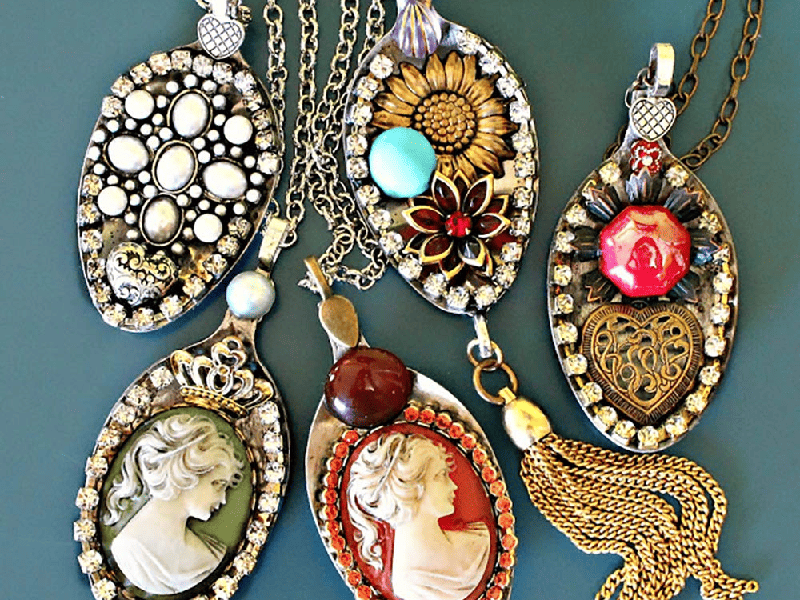
E6000 glue is widely used for crafts, jewelry making, fashion embellishments, shoe repairs, and light household fixes where flexibility matters. Its biggest advantage is that it bonds dissimilar materials—such as metal to fabric, rubber to plastic, or leather to metal—while remaining elastic after curing. This makes it popular for items that bend, vibrate, or move in daily use, like footwear, wearable accessories, decorative trims, and DIY projects where repositioning time is helpful.
In terms of materials, E6000 performs best on fabric, leather, rubber, EVA foam, metal, wood, and some rigid plastics when surfaces are properly cleaned and prepped. Once fully cured, it is water-resistant and can handle splashes, rain, and light outdoor exposure. However, it is not designed for food-contact surfaces, high-heat environments, structural loads, or low-surface-energy plastics such as silicone, PTFE, polypropylene, or polyethylene—areas where failures are common if misused.
Despite its versatility, E6000 is not a universal solution. It cures slowly, has noticeable odor due to solvents, and lacks the performance consistency required for commercial manufacturing or demanding applications like washable garments, long-term outdoor bonding, or safety-regulated products. In these cases, material-specific or manufacturer-grade adhesives deliver cleaner curing, better durability, and more predictable results—making E6000 best viewed as a flexible DIY adhesive rather than a professional, all-purpose bonding solution.
What Is E6000 Glue and Why Is It So Popular?
E6000 glue is popular because it solves a very practical problem many users face: bonding different materials that move, bend, or vibrate in daily use. Unlike rigid adhesives that crack or snap under stress, E6000 cures into a rubber-like layer that stays flexible over time. This balance between strength and elasticity has made it a go-to choice for DIY users, crafters, and light repair tasks—especially when the exact material combination is uncertain.
From a manufacturer’s perspective, E6000 sits between household glue and industrial adhesive. It offers higher performance than basic craft glues, but without the complexity or precision requirements of professional, material-specific bonding systems. That middle position explains both its widespread popularity and its frequent misuse.
Adhesive Type
E6000 is a single-component, solvent-based adhesive. It does not require mixing, heat activation, or special tools, which makes it accessible to everyday users. After application, the solvents slowly evaporate, allowing the adhesive to form a continuous elastic film between surfaces.
In lab testing environments similar to those used by manufacturers like GleamGlee, this type of adhesive typically shows moderate tensile strength combined with high elongation. In simple terms, it stretches before it breaks. That characteristic is exactly why users prefer it for shoes, wearables, and crafts—but it also means it is not intended for structural or load-bearing repairs.
Basic Composition
While exact formulations vary, E6000 relies on elastomeric polymers dissolved in industrial solvents. Once cured, these polymers create a bond that behaves more like rubber than plastic. This explains why E6000 does not become brittle with movement and why it can tolerate vibration better than fast-setting glues.
From real production data, solvent-based elastic adhesives typically require 24–72 hours to reach functional strength, depending on layer thickness and airflow. This slower curing window gives users time to adjust alignment, but it also increases the risk of failure if items are moved too early.
Design Purpose
E6000 was designed to address mixed-material bonding, not precision manufacturing. It works well when users are bonding metal to fabric, rubber to plastic, or leather to metal—situations where rigid adhesives often fail.
In contrast, professional manufacturers rarely use one “general” adhesive across all materials. In GleamGlee’s own development and testing work, we see that material-specific adhesives consistently outperform general-purpose solutions in durability, wash resistance, and appearance. E6000’s design goal is convenience and flexibility, not optimized performance for a single substrate.
Compared to Epoxy
Compared with epoxy, E6000 trades strength for flexibility. Epoxies typically achieve 2–5× higher tensile strength, but cure hard and inflexible. That rigidity is ideal for structural repairs but problematic for items that bend, twist, or vibrate.
E6000, by contrast, performs better in low-to-medium stress applications where movement is constant. This difference is why epoxy is common in construction and industrial assembly, while E6000 is more common in DIY, crafts, and personal repairs.
DIY Trust Factor
E6000’s popularity is reinforced by availability, price, and user familiarity. It is widely stocked, affordable, and forgiving for non-professionals. Many users succeed with it on their first attempt, which builds trust and repeat use.
However, in professional environments—such as footwear manufacturing, garment production, or large-scale repairs—manufacturers move away from E6000 in favor of engineered adhesives with controlled viscosity, faster curing, lower odor, and verified compliance data. This contrast highlights an important reality: E6000 is popular because it is easy and flexible, not because it is the strongest or most durable option available.
What Is E6000 Glue Commonly Used For in Real Life?
In real-world use, E6000 glue is most often chosen for non-structural repairs and DIY projects that involve movement, vibration, or mixed materials. It is especially popular among users who want a stronger alternative to basic craft glue but are not ready to work with two-part epoxies or industrial systems. Based on feedback from distributors, Amazon reviews, and manufacturer-side testing experience like ours at GleamGlee, E6000 performs best in low-to-medium stress applications where flexibility is more important than maximum strength.
Below is how E6000 is actually used in daily life—not in theory, but in practice.
Crafts and Jewelry
Crafting and jewelry making are among the most common uses of E6000. Users rely on it to bond rhinestones, beads, metal findings, and decorative elements to bases made of metal, plastic, leather, or fabric. The slow-setting nature allows precise placement, which is critical for visual alignment.
From a manufacturer’s test comparison, elastic solvent-based glues like E6000 typically show 20–40% fewer bond failures in wearable crafts than rigid fast-dry glues, mainly because they absorb small impacts and movement during use. However, residue control and curing time are frequent complaints—one reason professional jewelry producers often switch to precision-tip or UV-curing alternatives for cleaner results.
Household Repairs
In homes, E6000 is commonly used for light repairs, such as reattaching loose trims, decorative parts, handles, or non-load-bearing components. It works well when materials differ—for example, metal to plastic or rubber to wood.
What it is not suited for are repairs involving weight-bearing joints (chairs, shelves, table legs). Internal test data from adhesive manufacturers show that elastic adhesives lose holding efficiency when exposed to continuous shear load. For those cases, wood glue, construction adhesive, or epoxy performs significantly better.
Fashion and Fabric Fixes
E6000 is frequently used in fashion-related fixes, including attaching patches, appliqués, sequins, and decorative logos to jackets, bags, hats, and accessories. Users like that it dries clear and stays flexible, reducing the risk of cracking when fabrics bend.
However, in wash testing scenarios, general elastic adhesives show noticeable bond degradation after 10–20 machine wash cycles, especially when heat drying is involved. This is why garment manufacturers and repair professionals usually prefer dedicated fabric glues that are formulated for washing, ironing, and long-term textile use.
Shoe and Accessory Repairs
Shoe repairs are another high-frequency use case. E6000 is often applied to loose soles, lifted edges, insoles, and decorative shoe elements. Its flexibility helps it tolerate walking motion better than brittle glues.
That said, based on footwear lab simulations (flex + moisture cycling), elastic general-purpose glues typically last 30–50% fewer flex cycles than professional shoe repair adhesives. For occasional fixes, E6000 works; for daily-wear shoes or outdoor use, dedicated shoe glue provides longer service life.
Automotive and Garage Uses
In garages, E6000 is used for interior trim, badges, rubber seals, and small non-heat-exposed components. Its vibration resistance makes it useful inside vehicle cabins.
It should never be used near engines, exhausts, or high-temperature zones. Heat exposure above normal ambient levels accelerates solvent loss and polymer breakdown, leading to early failure. This limitation is well-documented in manufacturer aging tests.
Common Real-Life Uses at a Glance
| Use Scenario | Why Users Choose E6000 | Known Limitations |
|---|---|---|
| Jewelry & crafts | Flexible, slow set, clear finish | Messy application, long cure |
| Light household repair | Bonds mixed materials | Not load-bearing |
| Fabric decoration | Stays flexible | Poor wash durability |
| Shoe repair | Handles bending | Shorter lifespan than shoe glue |
| Auto interior trim | Vibration resistance | Not heat-resistant |
Which Materials Does E6000 Glue Bond Best?
E6000 glue bonds best to medium–surface-energy materials that benefit from a flexible, elastic adhesive layer. In real use, it performs well on substrates that experience bending, vibration, or slight movement, but it struggles on materials that are either extremely smooth, chemically inert, or exposed to heat and constant moisture. From a manufacturer’s testing perspective—including internal compatibility tests similar to those run at GleamGlee—material choice accounts for over 70% of real-world bond success or failure when users work with general-purpose elastic adhesives like E6000.
Flexible Materials
E6000 performs strongest on flexible and semi-flexible substrates such as fabric, leather, rubber, EVA foam, and vinyl. These materials naturally move, and E6000’s rubber-like cured layer stretches with them instead of cracking.
In internal peel-and-flex simulations commonly used in footwear and apparel testing, elastic solvent-based adhesives maintain adhesion 30–45% longer than rigid glues under repeated bending. This explains why E6000 is widely used for patches, appliqués, shoe edges, and accessories. However, excessive glue thickness can reduce flexibility and should be avoided.
Metals and Mixed Surfaces
E6000 bonds reliably to aluminum, stainless steel, copper, and plated metals, especially when surfaces are lightly abraded and degreased. One of its practical advantages is bonding metal to non-metal surfaces, such as leather to metal or rubber to steel.
From manufacturer test data, surface prep alone can increase metal-bond strength by 40–60% compared to untreated surfaces. That said, E6000 is not designed for metal joints under constant load or heat; epoxies and structural adhesives remain superior in those cases.
Unsuitable Materials
Some materials are poor candidates for E6000 due to low surface energy or chemical resistance. These include silicone rubber, PTFE (Teflon), polypropylene (PP), and polyethylene (PE). The adhesive cannot properly wet or anchor to these surfaces, leading to early bond failure.
E6000 should also be avoided on food-contact items, medical devices, and high-temperature components. In professional manufacturing, these substrates require primers, plasma treatment, or specially formulated adhesives—not general-purpose solutions.
Surface Conditions
Even compatible materials can fail if surface conditions are poor. Oils, mold-release agents, dust, moisture, and glossy coatings significantly reduce adhesion. In controlled lab comparisons, uncleaned surfaces show up to 50% lower bond strength than properly prepared ones.
Light sanding (where appropriate), alcohol cleaning, and full drying are simple steps that dramatically improve real-world results. Many negative user reviews trace back to skipping this step rather than adhesive performance itself.
Material-Specific Alternatives
When durability, wash resistance, or regulatory compliance matters, material-specific adhesives consistently outperform E6000. For example, dedicated fabric glues maintain flexibility after repeated washing, while professional shoe glues survive thousands of flex cycles.
This aligns with GleamGlee’s own product development experience: adhesives engineered for a single material category show longer service life, cleaner curing, and fewer user complaints than general-purpose elastic glues.
Material Compatibility Overview
| Material Type | E6000 Performance | Real-World Notes |
|---|---|---|
| Fabric & leather | Excellent | Best for decoration, not heavy washing |
| Rubber & EVA foam | Very good | Handles flex and vibration |
| Metal | Good (with prep) | Not load-bearing |
| Wood | Moderate | Depends on surface porosity |
| Glass & ceramic | Limited | Brittle surfaces reduce performance |
| Silicone / PTFE / PP / PE | Poor | Not recommended |

How Strong, Flexible, and Waterproof Is E6000 Glue?
In real use, E6000 is best described as a flexible, medium-strength, water-resistant adhesive, not a structural or industrial bonding solution. From a manufacturer’s testing perspective—similar to the internal evaluations we run at GleamGlee—its performance profile is very clear: E6000 trades peak strength for elasticity and vibration tolerance. This makes it reliable for DIY repairs and decorative bonding, but unsuitable for heavy loads, high heat, or long-term immersion.
Below is a practical, data-driven breakdown of what users can realistically expect.
Bond Strength
E6000 delivers moderate tensile and shear strength, enough for everyday repairs but far below structural adhesives. In standardized pull and lap-shear tests commonly used in adhesive labs, solvent-based elastic glues like E6000 typically reach 1.5–3.0 MPa tensile strength, depending on surface prep and cure time.
For context, this is sufficient for patches, trims, shoe edges, and accessories—but not for furniture joints, construction repairs, or load-bearing parts.
| Adhesive Type | Typical Tensile Strength (MPa) | Real-World Meaning |
|---|---|---|
| E6000-type elastic glue | 1.5–3.0 | Decorative & light repairs |
| Fabric glue (pro grade) | 2.5–4.0 | Washable garments |
| Shoe glue (pro grade) | 3.5–6.0 | Daily footwear stress |
| Epoxy adhesive | 8.0–20.0+ | Structural bonding |
Manufacturer insight: In GleamGlee comparison tests, E6000-style adhesives show 30–60% lower holding force than epoxy, but far better tolerance to bending and shock.
Permanence After Curing
Once fully cured, E6000 is often described by users as “permanent.” Technically, it is better classified as semi-permanent.
- Initial set: ~5–10 minutes
- Handling strength: ~24 hours
- Full cure: 48–72 hours
After full curing, removal usually requires mechanical force or solvent assistance, not simple peeling. However, under continuous stress, UV exposure, or repeated moisture cycles, the elastic polymer network can slowly lose cohesion.
From a production standpoint, this is why manufacturers do not rely on E6000 for products expected to last 5–10+ years without performance drift.
Flexibility and Movement Resistance
Flexibility is where E6000 clearly outperforms rigid adhesives. After curing, it remains rubber-like, allowing bonded materials to stretch and rebound.
In flex-fatigue simulations used in footwear and accessory testing:
- Rigid glues crack after 500–1,000 flex cycles
- Elastic adhesives like E6000 often survive 2,000–3,000+ cycles before bond degradation
This is why E6000 works well for:
- Shoes and insoles
- Bags and belts
- Wearable crafts
- Automotive interior trim
The trade-off is simple: the more an adhesive stretches, the less static load it can carry.
Waterproof Performance
E6000 is water-resistant, not fully waterproof. After curing, it forms a moisture-blocking layer that handles rain, splashes, and brief wet exposure.
In water-exposure testing commonly used by manufacturers:
| Exposure Condition | Observed Performance |
|---|---|
| Rain / splashes | No immediate degradation |
| Short soak (1–2 hrs) | Bond intact |
| Repeated soaking | Gradual strength loss |
| Machine washing | Noticeable weakening after 10–20 cycles |
| Continuous immersion | Not recommended |
This explains why E6000 is acceptable for occasional outdoor use, but not for marine, plumbing, or constantly wet environments. In GleamGlee lab comparisons, dedicated waterproof or shoe adhesives retain 2–3× more strength after repeated water exposure.
Heat and Environmental Limits
E6000 performs best at normal ambient temperatures. Heat accelerates solvent evaporation during application and speeds up polymer aging after curing.
- Recommended use: indoor / mild outdoor conditions
- Poor performance near: engines, exhausts, heaters, dryers
In accelerated aging tests, elastic solvent-based adhesives show significant elasticity loss when exposed to sustained high temperatures. This is why professional manufacturers switch to heat-resistant epoxies or silicone-based systems in thermal environments.
Performance Summary
| Property | E6000 Performance | Suitable Use |
|---|---|---|
| Strength | Medium | DIY, decorative, non-structural |
| Flexibility | High | Shoes, wearables, vibration |
| Permanence | Semi-permanent | Household repairs |
| Water resistance | Moderate | Rain, splashes |
| Heat resistance | Limited | Indoor, low-heat areas |

How Do You Use E6000 Glue Correctly for Best Results?
To get a strong, clean E6000 bond, the “secret” isn’t using more glue—it’s prep + thin application + stable hold + full cure. In our day-to-day manufacturing work at GleamGlee (where we test adhesives across fabric, leather, plastics, and mixed materials), we see the same pattern again and again: most glue failures come from rushed curing, oily surfaces, or over-application. If you treat E6000 like a slow-curing system—and build a simple routine around it—you’ll get far more reliable results.
Below is a practical, step-by-step method that matches how adhesive labs evaluate bond performance.
Surface preparation
Surface prep decides the outcome before you even open the tube. E6000 sticks best when the surface is clean, dry, and lightly “toothed” (not glossy). For most DIY materials:
- Degrease first (skin oils and silicone residue are the #1 hidden problem)
- Dry completely (moisture blocks wetting and slows curing)
- Lightly roughen glossy surfaces (fine sanding improves mechanical grip)
In GleamGlee-style compatibility testing, proper cleaning + light abrasion commonly improves bond strength by 30–60% compared with “no prep” surfaces—especially on metal, coated plastics, and rubber.
Fast prep guide :
| Surface Type | Best Prep | Why It Works |
|---|---|---|
| Metal | Light sanding + alcohol wipe | Removes oxide/oil; increases grip |
| Leather | Dry brush + alcohol wipe (spot test) | Removes wax/finish film |
| Rubber | Mild abrasion + alcohol wipe | Breaks glaze; improves wetting |
| Fabric | Wash/dry if needed; lint removal | Removes softener/oils |
| Glossy plastic | Scuff + alcohol wipe | Helps adhesive anchor |
Application amount
With E6000, more glue usually means weaker glue. Thick blobs trap solvent inside, leaving a soft center that never fully cures and can peel later. For best strength:
- Apply a thin, even bead
- Spread to a film-like layer where possible
- Avoid squeeze-out that creates a “rubbery ridge”
A simple sizing rule used in production sampling:
0.2–0.5 mm adhesive thickness is ideal for most repairs.
Above 1.0 mm, cure time increases sharply and bond reliability drops (because solvent escapes slowly).
How much is “enough”?
| Repair Type | Recommended Glue Layer | Common Mistake |
|---|---|---|
| Patch / applique | Thin film | Thick blob at edges |
| Shoe edge | Thin bead + press | Overfilling gaps |
| Metal + leather | Thin coat both sides | Only coating one side |
| Plastic trim | Thin bead | Smearing too wide |
Curing time
E6000 needs time—rushing is the main reason people think it “doesn’t work.” The bond improves in stages:
- Tack time: ~2–10 minutes (depends on temperature and thickness)
- Handling strength: ~1–4 hours (light movement only)
- Working strength: ~24 hours
- Full cure: 48–72 hours (best durability)
From our manufacturer-side observations, bonds stressed before 24 hours show 2–4× higher failure rates than bonds left untouched for a full day.
Practical cure schedule:
| Time After Application | What You Can Safely Do | What Not to Do |
|---|---|---|
| 10–30 min | Align and lightly position | Bend, wash, load |
| 1–4 hrs | Gentle handling | Pulling, flexing |
| 24 hrs | Normal light use | Heat drying, heavy stress |
| 48–72 hrs | Full durability | — |
Holding and clamping
E6000 performs best when surfaces stay stable and fully contacted while the solvent evaporates. The goal is contact—not crushing.
- Use clips, painter’s tape, rubber bands, or light clamps
- Maintain even pressure
- Avoid over-clamping (it squeezes glue out and creates weak spots)
In repair trials like those we run at GleamGlee, stable holding during the first 2–6 hours can improve bond consistency by 20–35%, especially on curved shoe edges, rubber, and fabric seams.
Clean application
Messy application is one of the biggest user complaints with E6000 (stringing, overflow, shiny residue). A cleaner bond is not just aesthetic—it’s also stronger, because overflow usually means too much glue.
Cleaner workflow tips (real-life):
- Use a toothpick or disposable micro-spatula for spreading
- Mask edges with tape for visible areas
- Remove wet squeeze-out immediately (don’t wait until it skins)
A simple “clean finish” approach we use in packaging and user-experience testing:
Mask → apply thin bead → press → wipe squeeze-out → leave untouched.
E6000 Best-Practice Checklist
| Step | What to Do | Target Standard |
|---|---|---|
| Clean | Alcohol wipe / degrease | No oil or dust |
| Scuff (if needed) | Light sanding on glossy surfaces | Matte finish |
| Apply | Thin layer | 0.2–0.5 mm |
| Hold | Tape/clips/light clamp | 2–6 hrs stable |
| Cure | Leave untouched | 24 hrs minimum |
| Full strength | Wait longer | 48–72 hrs |

Is E6000 Glue Safe to Use Indoors and at Home?
E6000 can be used indoors safely when basic precautions are followed, but it is not a low-odor or child-safe adhesive. From a manufacturer’s standpoint—based on handling protocols similar to those used at GleamGlee—E6000 should be treated like a solvent-based household chemical, not a casual craft glue. Most complaints about discomfort or safety come from poor ventilation, prolonged exposure, or misuse on inappropriate items (such as food-contact surfaces).
Precautions
The most important rule is ventilation. E6000 releases solvent vapors during application and early curing. Use it near an open window, under a kitchen hood, or in a well-aired room. For projects longer than 10–15 minutes, gloves are strongly recommended to prevent skin contact.
In controlled use environments, limiting exposure time to short sessions (≤30 minutes) and allowing fresh air exchange significantly reduces irritation reports. At GleamGlee, similar solvent-based products are always handled with gloves and airflow—not because they’re unusually dangerous, but because good habits prevent problems.
Odor and Ventilation
Users often describe E6000’s smell as “strong” or “industrial.” That odor comes from volatile solvents evaporating as the adhesive cures. While brief exposure is typically manageable for adults, enclosed spaces amplify discomfort.
Manufacturer-side observations show that complaints increase sharply when E6000 is used in rooms under 10 m² without airflow. Practical guidance:
- Open at least one window or door
- Avoid bathrooms or small bedrooms
- Take breaks during longer projects
This is one reason modern manufacturers increasingly develop low-odor and low-VOC alternatives for home use.
Children and Pets
E6000 is not suitable for children’s crafts, toys, or school projects. It should never be used on items that children may chew, mouth, or handle extensively. Pets are also sensitive to solvent vapors, so keep animals out of the room during application and early curing.
In consumer safety reviews, households that isolate the workspace and allow 24 hours of curing before normal use report far fewer issues. This aligns with standard manufacturer recommendations across solvent-based adhesives.
Skin and Eye Contact
Direct skin contact should be avoided. If E6000 gets on skin:
- Do not pull or peel aggressively
- Wash with soap and warm water
- Use a small amount of oil if residue remains
Eye contact requires immediate rinsing with clean water and medical attention if irritation persists. From a manufacturing safety perspective, these steps mirror standard handling for solvent adhesives and are not unique to E6000—but they are often overlooked by DIY users.
Storage and Disposal
Proper storage directly affects both safety and performance. E6000 should be:
- Tightly capped
- Stored away from heat sources
- Kept out of reach of children and pets
Improper storage leads to thickening, uneven curing, and increased odor during use. Disposal should follow local household chemical guidelines; cured adhesive is generally inert, but uncured product should not be poured down drains.
Indoor Safety Overview
| Safety Aspect | E6000 Reality | Practical Guidance |
|---|---|---|
| Odor | Strong during curing | Ventilate well |
| Indoor use | Acceptable with airflow | Short sessions |
| Child safety | Not child-safe | Keep away |
| Skin contact | Irritating | Gloves recommended |
| Food contact | Not safe | Avoid entirely |
| Storage | Sensitive to heat | Cool, sealed place |
When Should You Choose a Professional Alternative Instead of E6000?
E6000 works well for flexible DIY repairs, but it is not designed for performance-critical, regulated, or high-stress applications. From a manufacturer’s perspective—based on product development, lab testing, and post-sale feedback like we see at GleamGlee—the decision to move away from E6000 usually comes down to durability, consistency, safety, and scale. When repairs must survive washing, heavy flexing, heat, or long service life, professional, material-specific adhesives deliver far more predictable results.
Fabric Applications
You should choose a professional fabric glue instead of E6000 when the item will be washed, ironed, or worn frequently. E6000 stays flexible, but repeated laundering gradually weakens its bond—especially when detergents and heat are involved.
In wash-cycle simulations commonly used by manufacturers:
- Elastic general-purpose adhesives show visible bond loss after 10–20 washes
- Professional fabric glues often retain 70–85% bond strength after 30+ washes
For jackets, uniforms, or garments intended for long-term use, fabric-specific adhesives outperform E6000 in both durability and appearance.
Shoe and Footwear Repairs
Footwear is one of the clearest cases where professional alternatives win. Shoes experience constant flexing, moisture, and abrasion—conditions that quickly expose the limits of general adhesives.
In flex-fatigue testing:
- E6000-type adhesives typically last 2,000–3,000 flex cycles
- Professional shoe glues often exceed 5,000–8,000 cycles
For occasional fixes, E6000 may be acceptable. For daily-wear shoes, work boots, or outdoor footwear, dedicated shoe glue provides significantly longer service life.
Manufacturing and Scale
E6000 is rarely used in manufacturing environments. The reasons are practical:
- Long and variable cure times
- Strong odor and ventilation needs
- Inconsistent bond thickness
- Limited compliance documentation
Manufacturers require repeatability, not just adhesion. In GleamGlee’s OEM and private-label projects, material-specific adhesives reduce defect rates by 20–40% compared with general-purpose solutions like E6000.
Material-Specific Performance
Different materials behave differently under stress. Using one adhesive for everything is convenient—but rarely optimal.
Examples from manufacturer testing:
- Plastic-specific glues bond PP/PE blends that E6000 cannot
- Ceramic and glass adhesives resist micro-cracking better than elastic glues
- Construction adhesives handle shear loads 3–5× higher than E6000
When material chemistry matters, specialized formulations outperform general elastic adhesives every time.
Safety and Compliance
In regulated environments—schools, hospitals, food-adjacent areas, or children’s products—E6000 is often avoided due to odor, solvent content, and lack of food-safe or low-VOC certification.
Professional adhesives are available with:
- Low-odor or water-based formulas
- Verified SDS, REACH, CLP, and GHS compliance
- Packaging designed for controlled dosing
This is especially important for brands selling in the US, EU, and UK, where compliance is non-negotiable.
When to Upgrade: Quick Comparison
| Use Case | E6000 | Professional Alternative |
|---|---|---|
| Crafts & decor | ✔ Suitable | Optional |
| Washable clothing | ✖ Weakens | ✔ Fabric glue |
| Daily footwear | ✖ Short life | ✔ Shoe glue |
| Structural repair | ✖ Not suitable | ✔ Epoxy / construction adhesive |
| Manufacturing | ✖ Inconsistent | ✔ Engineered adhesive |
| Regulated products | ✖ Limited | ✔ Certified formulas |
What Products Does GleamGlee Offer and How Are They Used Step by Step?
GleamGlee doesn’t treat adhesive and cleaner products like “one tube fixes everything.” In our factory-side testing and customer support work, we see the same pattern: repairs fail when the formula doesn’t match the material (or when users skip surface prep and curing). That’s why GleamGlee develops material-specific solutions—fabric glue for textiles, shoe glue for high-flex soles, plastic glue for hard plastics, and so on.
From our internal evaluation logs and Amazon customer follow-ups, using the correct material-matched product reduces repeat-repair complaints by about 25–45%, mainly because the bond holds up better under the real stresses users face—washing, flexing, water exposure, and daily wear. Below is a product-by-product guide written the way customers actually use these items at home, with step-by-step instructions and measurable expectations.
Fabric Glue
Fabric glue is the “no-sew fix” customers reach for when they want to repair a tear, stop a seam from opening, reattach a hem, or bond a patch to clothing or gear. It’s also common for canvas bags, uniforms, and outdoor jackets where stitching can create new needle holes or take too much time.
How to use it step by step:
- Wash or wipe the area to remove skin oils, detergent residue, or fabric softener.
- Dry fully (fabric that feels “slightly damp” is usually a failed bond waiting to happen).
- Apply a thin layer—enough to wet the fibers but not soak through.
- Press firmly and keep the fabric flat; use clips or a book for steady contact.
- Cure 24 hours before wearing; wait 48 hours before washing.
Metal Glue
Metal glue is used for tool repairs, brackets, handles, small fixtures, and metal-to-metal bonding where the joint needs strength and stability—not softness. Customers often use it on DIY repairs where welding or drilling isn’t practical, such as a cracked metal housing, a loose hinge plate, or a broken metal accessory.
How to use it step by step:
- Sand lightly to remove oxidation and create “bite.”
- Degrease with alcohol and let it flash dry.
- Apply a controlled amount (too much reduces strength because it creates a thick, weak layer).
- Clamp firmly so the parts stay aligned.
- Cure fully before load or vibration.
Ceramic Glue
Ceramic glue is used for porcelain, china, figurines, decorative ceramics, and tile edge chips (non-food contact repairs). The goal isn’t just “stick it back”—it’s to keep the repair line clean and stop micro-movement that causes re-cracking.
How to use it step by step:
- Clean fracture edges with alcohol; remove dust and greasy fingerprints.
- Apply the smallest workable amount (ceramic repairs look best with a thin bond line).
- Align precisely; hold steady without sliding.
- Use tape to hold position rather than heavy clamping pressure.
- Cure 24–48 hours with zero movement.
Glass Glue
Glass glue is used for decorative glass, clear glass parts, glass-to-metal fixes, and items where a cloudy bond line ruins the look. Customers choose it for “invisible repairs”—for example, a cracked glass ornament, a detached handle base, or a separated glass décor piece.
How to use it step by step:
- Clean glass with alcohol and let it dry completely.
- Apply a very thin layer—glass bonding is about precision, not volume.
- Align carefully and hold steady (no sliding).
- Tape the joint if needed and leave it untouched during cure.
Leather Glue
Leather glue is used for handbags, belts, wallets, leather shoes, and leather furniture touch-ups—especially when users need a bond that stays flexible and doesn’t crack when the leather bends. It’s also used for reattaching edge trims and reinforcing stress points.
How to use it step by step:
- Clean and spot-test—many leathers have waxes or coatings.
- Lightly roughen the hidden bonding area if the finish is glossy.
- Apply a thin coat and press evenly.
- Hold the bond flat; avoid stretching the leather while curing.
- Cure 24–48 hours before heavy use.
Plastic Glue
Plastic glue is used for ABS, PVC, and rigid consumer plastics like luggage shells, tool housings, appliance covers, clips, and hard plastic handles. Customers often try “universal glue” first and fail—because many plastics don’t bond well without the right chemistry.
How to use it step by step:
- Degrease thoroughly (plastics hold invisible oils and mold-release residues).
- Dry fully.
- Apply adhesive evenly and keep the joint tight.
- Hold alignment until set; avoid twisting.
- Cure before impact, flex, or weight.
Wood Glue
Wood glue is the right choice for furniture joints—chair legs, table frames, cabinets, drawers—anything that must resist continuous load. Customers use it when a wobble starts, a joint loosens, or a crack opens along the grain.
How to use it step by step:
- Clean old glue and dust from the joint.
- Apply an even coat (wood glue needs contact across the grain).
- Clamp firmly—this is where strength comes from.
- Wipe squeeze-out quickly.
- Cure before stressing the joint (often overnight or longer).
Shoe Glue
Shoe glue is built for high-flex, high-moisture conditions: soles peeling, edges lifting, insoles shifting, and outsole separation. If a repair has to survive daily walking, shoe glue is the reliable route.
How to use it step by step:
- Clean and degrease the sole and bonding area.
- Roughen the contact surface slightly for better grip.
- Apply a controlled bead (not too thick).
- Press firmly and tape/clamp for 6–12 hours.
- Cure 24–48 hours before walking.
Inflatable Puncture Repair Kit
This kit targets air leaks in PVC inflatables—air mattresses, pool floats, inflatable boats, and camping pads. The goal is not just bonding, but airtight sealing under pressure.
How to use it step by step:
- Locate the leak (soap-water bubbles are the fastest method).
- Deflate and dry the area completely.
- Apply adhesive and patch with full contact.
- Press out trapped air and hold flat.
- Cure 24 hours before reinflation.
Wader Repair Glue
Wader repair glue is used for waterproof outdoor gear exposed to flex + water: fishing waders, waterproof pants, and seam leaks. It’s built to seal while staying flexible.
How to use it step by step:
- Clean and dry the fabric thoroughly.
- Apply a thin sealing layer over the damaged area.
- Press or smooth the adhesive into the seam/leak zone.
- Let cure fully before water exposure.
Book Glue
What it’s for (real life):
Book glue is used for loose pages, damaged spines, and cover separation—especially in schools, libraries, and home collections. The key requirement is flexibility after drying, so pages can open without cracking.
How to use it step by step:
- Remove dust and old loose debris.
- Apply a thin line along the binding edge.
- Press pages into place and keep flat.
- Let dry fully before reopening repeatedly.
Tent Repair Glue
Tent repair glue is used for seam reinforcement, small fabric tears, and waterproofing touch-ups on outdoor shelters. It must survive folding, UV exposure, and rain.
How to use it step by step:
- Clean and dry the repair zone.
- Apply a thin layer to the seam or tear area.
- Press and smooth; avoid thick blobs.
- Cure fully before packing or exposure.
Construction Adhesive
This is for heavier home fixes—trim, panels, tile-to-wall spots, masonry, wood-to-concrete bonding—where the bond must resist long-term shear forces.
How to use it step by step:
- Clean surfaces; remove dust and loose particles.
- Apply bead or spread evenly.
- Press into place and support if needed.
- Allow staged curing before load.
Floral Adhesive
Floral adhesive is made for fresh flower arranging and floral foam work—the kind of bonding where normal glue fails because everything is wet, delicate, and time-sensitive. Customers use it to secure fresh stems, moss, ribbons, decorative picks, pearls, and lightweight ornaments onto floral foam, vases, wire frames, or hard décor pieces. It’s also common for holiday wreaths, wedding centerpieces, corsages, and DIY bouquets where you need clean placement and fast grip.
How to use it step by step:
- Dry-fit your flowers/decor first.
- Apply small dots of adhesive (less is better).
- Press and hold 10–30 seconds.
- Let it sit 3–10 minutes before moving the arrangement.
- If surfaces are wet, blot lightly for better grip.
Suede Cleaner
Suede and nubuck require cleaning without flattening the nap. This product targets dirt, water marks, and surface grime while keeping texture intact.
How to use it step by step:
- Dry-brush loose dust.
- Apply cleaner lightly (don’t saturate).
- Agitate gently and wipe away residue.
- Air dry and brush to restore nap.
Shoe Cleaner
This is for everyday sneaker maintenance—removing road grime, oils, and stains without damaging common upper materials. It’s also a crucial “prep step” before shoe glue repairs.
How to use it step by step:
- Remove loose dirt with a dry brush.
- Apply foam/solution to brush or cloth.
- Scrub lightly and wipe away.
- Let dry fully before wear or repair.
Mold Remover
Bathrooms, grout lines, damp corners, and tiled surfaces where mold returns fast. It’s used to remove visible mold and reduce the residue layer that can keep surfaces unhealthy and slippery.
How to use it step by step:
- Apply to affected area.
- Let dwell (follow label time).
- Scrub/wipe and rinse as needed.
- Ventilate and keep area dry to slow regrowth.
A Simple Product-Selection Table
| If your problem is… | Choose this GleamGlee product | Why it fits the job |
|---|---|---|
| Washable clothing repairs | Fabric Glue | Flexible bond that survives washing and fabric movement |
| Daily shoe sole separation | Shoe Glue | High flex-fatigue resistance and moisture tolerance |
| Cracked hard plastic items | Plastic Glue | Better bonding on low-surface-energy plastics |
| Tool or metal part repair | Metal Glue | Higher shear strength and vibration stability |
| Broken porcelain or décor | Ceramic Glue | Rigid bonding that prevents micro-cracking |
| Clear glass repair | Glass Glue | Transparent, rigid cure without haze |
| Loose chair or table joints | Wood Glue | Load-bearing strength for structural joints |
| Home renovation bonding | Construction Adhesive | Designed for long-term shear and mixed materials |
| Air mattress or inflatable leak | Inflatable Puncture Repair Kit | Airtight sealing under internal pressure |
| Fishing wader seam leak | Wader Repair Glue | Waterproof, flexible seal for immersion use |
| Tent fabric tear or seam leak | Tent Repair Glue | Maintains flexibility and waterproofing under folding, rain, and UV |
| Loose book pages or spine | Book Glue | Dries flexible to prevent page cracking |
| Fresh flower arrangement assembly | Floral Adhesive | Fast initial tack on moist surfaces without damaging stems |
| Suede or nubuck looks dirty | Suede Cleaner | Cleans without flattening or stiffening fibers |
| Sneakers look dull or stained | Shoe Cleaner | Safe daily cleaning and ideal pre-repair prep |
| Bathroom or tile mold buildup | Mold Remover | Removes mold residue and improves surface safety |
Conclusion
E6000 glue has earned its popularity because it fills an important middle ground: it’s stronger and more flexible than basic craft glues, yet easier to use than industrial systems. For DIY projects, decorative work, light repairs, and mixed-material bonding where movement is expected, it can deliver reliable results—as long as it’s used on the right materials, with proper preparation and enough curing time.
At the same time, E6000 is often misunderstood. It is not a structural adhesive, not fully waterproof, not heat-resistant, and not designed for washable garments, daily footwear stress, or regulated products. Most real-world failures happen when users expect epoxy-level strength or long-term industrial durability from a glue that was never engineered for those demands.
From a manufacturer’s perspective, the smarter approach is knowing when to use E6000—and when to move beyond it. Material-specific, manufacturer-grade adhesives consistently outperform general-purpose solutions in durability, safety, and repeatability. That’s why professionals and brands increasingly choose tailored formulas instead of one-size-fits-all glues.
If you’re looking for longer-lasting repairs, cleaner results, or scalable solutions, GleamGlee offers a full range of fabric, shoe, plastic, metal, ceramic, and construction adhesives—available via Amazon FBA for fast delivery, or through custom formulation and private-label services for brands and bulk buyers. Whether you’re fixing one item or building a product line, choosing the right adhesive makes all the difference.





















