 Skip to content
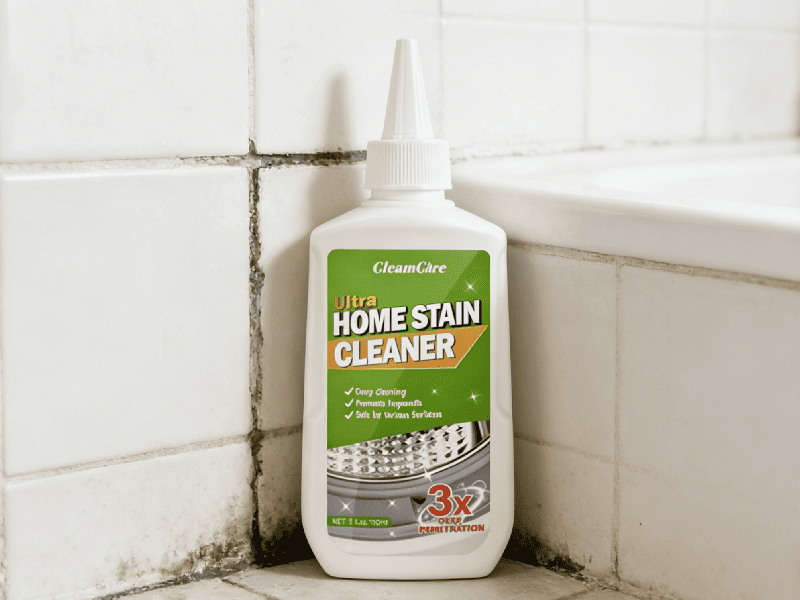
Mold rarely announces itself loudly. It starts quietly—dark spots in grout, a musty smell behind the washing machine gasket, black streaks creeping along bathroom silicone. For many homeowners, the first real shock isn’t discovering mold—it’s discovering the cost of getting rid of it properly.
Search online and you’ll see wildly different answers. Some say mold removal costs “under $50 with DIY cleaners.” Others warn it can spiral into thousands of dollars with professional remediation crews, containment systems, and air scrubbers. So which is true? And more importantly—what does mold removal actually cost for real homes, real surfaces, and real people?
Here’s the uncomfortable truth: mold removal cost is not a single number. It depends on where the mold is, how deep it has grown, what materials are affected, and whether the moisture problem is solved. Paying too little often means mold comes back. Paying too much often means you paid for services you didn’t need.
Mold removal typically costs between $20–$150 for DIY treatments and $500–$6,000 for professional remediation, depending on mold severity, affected area size, surface type, and moisture source. Small bathroom or appliance mold can often be treated affordably with professional-grade mold removers, while hidden or structural mold usually requires professional intervention. Choosing the right method prevents repeat costs.
Many homeowners only realize later that the real cost of mold isn’t the first cleanup—it’s the second, third, and fourth time it comes back. In the sections below, we’ll break down costs honestly, explain when professionals are worth it, and show how smart product choices can permanently eliminate mold without overspending.
What Does Mold Removal Cost on Average in 2024–2025?
In 2024–2025, mold removal costs typically range from $20–$150 for DIY treatments and $500–$6,000+ for professional remediation. The final price depends on mold severity, affected area size, surface material, accessibility, and whether moisture issues are resolved. Small, surface-level mold can often be eliminated affordably, while hidden or structural mold dramatically increases labor and containment costs.
When people search “what does mold removal cost”, they are rarely looking for a single number. What they actually want to know is:
- How much will this cost me, in my home, for my mold problem?
- Am I about to overpay—or underestimate the problem?
The term average cost is misleading unless you understand what sits behind it.
In real-world homes, mold removal costs fall into three practical tiers, not one average.
Average DIY Mold Removal Cost
For visible mold on grout, silicone caulk, rubber gaskets, plastic seals, tiles, and hard surfaces, most homeowners spend:
- $20–$40 for a professional-grade mold remover gel
- $40–$150 if multiple rooms or repeat treatments are needed
This tier includes:
- Bathroom grout & shower caulk
- Washing machine rubber seals
- Refrigerator door gaskets
- Sink edges, window sills, tile joints
The key cost factor here is product effectiveness, not quantity. Low-cost sprays often bleach stains temporarily, leading to repeat purchases. Higher-quality gel formulations cost slightly more upfront but usually eliminate mold at the root, reducing long-term spending.
For the majority of households, this is where mold removal should stop—both practically and financially.
Average Professional Mold Removal Cost
Professional mold remediation typically starts at:
- $500–$1,500 for a single room or localized issue
- $1,500–$3,500 for multiple affected areas
These costs usually include:
- Labor (the biggest expense)
- Containment setup
- HEPA filtration or air scrubbers
- Chemical treatments
- Basic moisture assessment
In many cases, homeowners pay professional rates not because the mold is severe—but because they are unsure whether DIY is safe. This uncertainty often drives over-remediation, especially for bathrooms and appliances that do not require demolition.
Whole-House or Structural Mold Removal Cost
Severe or hidden mold pushes costs into a different category entirely:
- $3,000–$6,000+, sometimes significantly more
This tier applies when mold affects:
- Drywall behind walls
- Attics, crawl spaces, basements
- HVAC ducts or insulation
- Wood framing or subfloors
Costs rise quickly due to:
- Demolition and material disposal
- Extended labor time
- Reconstruction after removal
- Moisture source repairs
At this level, mold removal is no longer a “cleaning problem”—it’s a construction and risk-management problem.
Why Mold Removal “Averages” Are Often Misleading Online
Many cost estimates online blend DIY cleaning, localized remediation, and structural remediation into a single range. This causes two problems:
- Homeowners with minor mold panic and overpay
- Homeowners with serious mold underestimate the true cost
A more accurate way to think about mold removal cost is:
“What surface is affected, and is the structure compromised?”
If the answer is no, professional-grade DIY treatment is usually sufficient and cost-effective.
Cost Summary Table
| Mold Scenario | Typical Cost Range | Best Approach |
|---|---|---|
| Shower grout & silicone | $20–$40 | DIY gel treatment |
| Washing machine gasket | $15–$30 | DIY |
| Bathroom wall surface | $30–$100 | DIY / light pro |
| Single-room remediation | $500–$1,500 | Professional |
| Basement / attic mold | $1,500–$4,000 | Professional |
| Whole-house structural mold | $3,000–$6,000+ | Professional |
Which Factors Affect Mold Removal Cost the Most?
Mold removal cost is most affected by mold severity, affected area size, surface material, accessibility, and the underlying moisture source. Surface mold on grout or rubber seals is inexpensive to treat, while hidden or structural mold behind walls, in insulation, or HVAC systems greatly increases labor, containment, and repair costs.
Why the Same “Mold Problem” Can Cost $30 or $3,000
When homeowners compare mold removal quotes, the confusion usually comes from one question:
“Why does my neighbor fix mold for $40 while I’m quoted $2,000?”
The answer lies in five core cost drivers. Understanding these factors allows you to predict costs accurately—and avoid unnecessary spending.
Does Mold Severity Change the Price Dramatically?
Yes—severity is the single biggest multiplier of cost.
- Light mold / mildew Appears as surface stains on grout, silicone, plastic, or tile. Typically removable with chemical treatment alone.
- Moderate mold Spreads across multiple surfaces, returns quickly, or penetrates porous materials. May require repeated treatment or professional assessment.
- Severe mold infestation Thick black growth, musty odor, health symptoms, or material deterioration. Often requires professional remediation, containment, and material removal.
The difference between light and severe mold can mean a cost jump from $30 to $3,000+, even if the visible area looks similar.
How Does the Size of the Affected Area Impact Cost?
Mold removal pricing scales with square footage, but not linearly.
- Small, concentrated areas (e.g. shower corner) are cheap
- Multiple rooms increase labor and treatment time
- Large continuous areas may require containment zones
Professionals price by time + risk, not just surface size. DIY costs scale more gently because product use—not labor—is the main variable.
Why Does Surface Material Matter So Much?
Different materials absorb moisture and mold differently, which directly affects cost.
| Surface Type | Mold Behavior | Cost Impact |
|---|---|---|
| Tile, glass | Surface-only | Low |
| Silicone caulk | Porous, flexible | Low–Medium |
| Rubber gaskets | Deep mold roots | Low with gel |
| Wood | Absorbs moisture | Medium–High |
| Drywall | Highly porous | High |
| Insulation | Traps spores | Very High |
This is why bathroom mold is often cheap to fix, while wall or ceiling mold is not.
Are Hidden Mold Problems More Expensive to Fix?
Almost always—yes.
Hidden mold behind walls, under flooring, or inside HVAC systems increases cost because it introduces:
- Detection work (inspection, moisture testing)
- Demolition and reconstruction
- Containment to prevent spore spread
- Longer labor time
Many expensive mold cases begin as untreated surface mold that slowly migrates inward.
Which Moisture Problems Make Mold Come Back and Raise Costs?
Mold removal without moisture control is wasted money.
High-cost moisture drivers include:
- Leaking pipes or roofs
- Poor bathroom ventilation
- Condensation on windows or appliances
- Washing machine and refrigerator seals that stay damp
If moisture persists, mold returns—forcing repeat spending. This is why permanent mold removal is not just about killing mold, but also breaking the moisture cycle.
How Accessibility and Labor Increase Mold Removal Cost
Accessibility determines how long humans must work, which drives professional cost.
High-cost access scenarios include:
- High ceilings
- Tight crawl spaces
- Behind cabinets or appliances
- HVAC duct interiors
DIY treatments often bypass these labor costs entirely—if the mold is accessible and non-structural.
Cost Driver Summary Table
| Factor | Impact on Cost | Why It Matters |
|---|---|---|
| Mold severity | Very High | Determines method & labor |
| Area size | High | Affects time & materials |
| Surface material | High | Determines penetration & removal |
| Hidden vs visible | Very High | Adds demolition & containment |
| Moisture source | High | Controls recurrence |
| Accessibility | Medium–High | Increases labor hours |
How Much Does Professional Mold Remediation Cost Compared to DIY?
Professional mold remediation typically costs $500–$6,000+, while DIY mold removal usually costs $20–$150. Professional services are worth the cost only for severe, hidden, or structural mold problems. For most household mold on bathrooms, appliances, grout, silicone, and rubber seals, professional-grade DIY solutions can permanently eliminate mold at a fraction of the price.
When homeowners ask whether to hire professionals or do it themselves, they’re rarely comparing results—they’re comparing risk, certainty, and fear of getting it wrong.
Professionals don’t just sell mold removal. They sell reassurance.
But reassurance comes at a high price, and in many cases, that price has little to do with the actual chemistry needed to kill mold.
To decide wisely, you need to understand what you are actually paying for in each option.
What Does Professional Mold Remediation Really Cost—and Why?
Professional mold remediation pricing is driven far more by labor and liability than by cleaning products.
Typical professional cost ranges:
- $500–$1,500 – Single room or localized mold
- $1,500–$3,500 – Multiple rooms or recurring mold
- $3,000–$6,000+ – Structural, attic, basement, or HVAC mold
What you’re paying for includes:
- On-site inspection and reporting
- Protective equipment and insurance risk
- Containment barriers and negative air pressure
- HEPA air scrubbers and filtration
- Manual removal of contaminated materials
- Time-intensive labor
In many cases, the actual mold-killing chemicals represent a very small portion of the total bill.
How Much Does DIY Mold Removal Cost—and What Do You Really Get?
DIY mold removal costs are much lower because you are paying primarily for chemistry, not labor.
Typical DIY cost ranges:
- $10–$20 – Basic sprays (often cosmetic)
- $20–$40 – Professional-grade gel mold removers
- $40–$150 – Multiple areas or repeat treatments
High-quality DIY solutions focus on:
- Deep penetration into porous surfaces
- Long dwell time to destroy spores
- Adhesion to vertical and irregular surfaces
- Minimal labor and no demolition
When used correctly, professional-grade DIY treatments can deliver permanent mold elimination on non-structural surfaces—without recurring costs.
Is Professional Mold Removal Worth It for Most Homes?
For most homes, the answer is no.
Professional remediation is truly worth the cost when:
- Mold is hidden behind walls or under floors
- Structural materials (drywall, insulation, framing) are compromised
- Mold is linked to serious health symptoms
- Moisture sources cannot be controlled easily
However, for the most common mold scenarios—bathrooms, washing machine gaskets, refrigerator seals, grout, silicone, tiles, window frames—professional remediation is often financial overkill.
This is where many homeowners overspend.
What Kills Mold Permanently—DIY or Professional Methods?
Permanent mold removal depends on method, not who applies it.
Mold comes back when:
- Treatments only bleach stains
- Chemicals evaporate too quickly
- Spores remain alive beneath the surface
Professional-grade DIY gel formulations are designed to:
- Stay in contact with mold for hours
- Penetrate deeply into rubber, grout, and silicone
- Destroy mold at the root level
Manufacturers like GleamGlee focus R&D on exactly these performance variables—because they determine whether mold is gone once or keeps coming back.
When Does DIY Mold Removal Become a Costly Mistake?
DIY becomes expensive when it’s used outside its limits.
Common high-cost DIY mistakes include:
- Treating hidden mold you can’t access
- Ignoring ongoing moisture problems
- Scrubbing porous materials aggressively
- Using weak household cleaners repeatedly
These mistakes don’t just fail—they often worsen spread, leading to eventual professional remediation at a higher cost than if the problem had been addressed correctly early on.

What Is the Cost to Remove Mold in Specific Areas of the Home?
The cost to remove mold varies significantly by location because surfaces, moisture exposure, and accessibility differ. Bathroom and appliance mold can often be removed for $20–$50 using targeted DIY treatments, while mold in basements, attics, walls, or HVAC systems may cost $1,500–$6,000+ due to labor, containment, and structural repair requirements.
One of the most common homeowner mistakes is judging mold by appearance alone.
A small black stain in a bathroom corner may look alarming—but cost very little to fix. Meanwhile, faint discoloration in a basement or ceiling can signal a much more expensive problem.
That’s because mold removal cost is driven less by color and more by:
- Surface type
- Moisture exposure
- Structural involvement
- Ease of access
Let’s break down the most common household locations—one by one.
How Much Does Bathroom Mold Removal Cost?
Bathrooms are the most common and often least expensive places to remove mold.
Typical bathroom mold locations:
- Shower grout and tile joints
- Silicone caulk around tubs and glass doors
- Sink edges and faucet bases
- Toilet base seals
Cost range:
- DIY treatment: $20–$40
- Professional service: $500–$2,000
Why the big difference? Bathroom mold usually grows on non-structural, surface-level materials. When treated early with deep-penetrating gel formulas, it can often be eliminated permanently without demolition or labor-intensive work.
What Is the Cost to Remove Mold from Washing Machines and Appliances?
Appliance mold is widespread—but frequently misunderstood.
Common areas include:
- Front-load washing machine rubber gaskets
- Refrigerator door seals
- Dishwasher edges
- Dish racks and drip trays
Cost range:
- DIY mold remover: $15–$30
- Professional service (rarely needed): $400–$1,000
Appliance mold thrives in damp rubber and plastic. Wiping alone rarely works. Targeted gel treatments that cling and penetrate seals are far more effective—and dramatically cheaper than professional calls.
How Much Does Kitchen Mold Removal Cost?
Kitchen mold typically appears around:
- Sink edges and backsplash caulk
- Countertop seams
- Refrigerator seals
- Trash areas and damp cabinets
Cost range:
- DIY treatment: $20–$60
- Professional service: $500–$1,500
Kitchen mold is often localized and moisture-driven. As long as cabinets and walls are not compromised, professional-grade DIY solutions are usually sufficient and cost-effective.
Basement Mold Removal Cost—Why Prices Rise Quickly
Basements are where mold removal costs begin to escalate.
Common basement mold areas:
- Concrete walls and floors
- Storage boxes and shelving
- Corners with condensation
- Near sump pumps or leaks
Cost range:
- DIY surface treatment: $50–$150
- Professional remediation: $1,500–$4,000+
Basements combine high humidity + porous materials + poor airflow, increasing recurrence risk. If mold is limited to surfaces, DIY treatment may work. If mold penetrates drywall or framing, professional remediation becomes necessary.
Attic and Crawl Space Mold Removal Cost
Attic and crawl space mold is often hidden—and expensive.
Affected areas include:
- Roof decking
- Insulation
- Wooden beams
Cost range:
- Professional remediation: $2,000–$6,000+
DIY is generally not recommended due to access difficulty, safety risks, and insulation contamination. Most costs come from labor, material removal, and rebuilding—not from mold killers themselves.
HVAC and Ventilation System Mold—The Highest Risk Zone
HVAC mold poses air quality risks and spreads spores throughout the home.
Cost range:
- Professional-only: $2,000–$6,000+
Costs include:
- Duct access and sealing
- HEPA filtration
- System shutdown and cleaning
DIY treatments are rarely appropriate here, and partial treatment can worsen spread.
Mold Removal Cost by Location
| Area | Typical DIY Cost | Typical Pro Cost | Recommended Approach |
|---|---|---|---|
| Shower grout & caulk | $20–$40 | $500–$2,000 | DIY gel treatment |
| Washing machine gasket | $15–$30 | Rarely needed | DIY |
| Kitchen sink & seals | $20–$60 | $500–$1,500 | DIY |
| Basement surfaces | $50–$150 | $1,500–$4,000 | Case-dependent |
| Attic / crawl space | Not advised | $2,000–$6,000+ | Professional |
| HVAC system | Not advised | $2,000–$6,000+ | Professional |
Which Mold Removal Methods Are the Most Cost-Effective?
The most cost-effective mold removal methods are those that kill mold at the root and prevent regrowth. In most homes, thick gel-based mold removers outperform sprays, foams, and repeated scrubbing by reducing labor, avoiding surface damage, and eliminating the need for repeat treatments. Professional remediation is only cost-effective for hidden or structural mold.
Many homeowners judge mold removal methods by purchase price alone. This is the fastest way to overspend.
The true cost of mold removal is not:
- how cheap the product is, or
- how fast stains disappear,
but how many times you have to do it again.
A method that costs $10 but requires five repeat treatments is more expensive than a $30 solution that works once.
Below, we compare the most common mold removal methods by total cost of ownership, not marketing claims.
Are Household Cleaners and DIY Remedies Actually Cost-Effective?
Household solutions like vinegar, baking soda, bleach, and diluted sprays are often recommended because they are cheap and accessible.
Upfront cost: $5–$15
Real-world effectiveness: Low–medium
Long-term cost: High
Why?
- Bleach whitens stains but does not kill mold roots on porous surfaces
- Liquids run off vertical areas too quickly
- Repeated scrubbing spreads spores deeper
These methods appear inexpensive but frequently lead to recurring mold, surface damage, and repeated spending—making them one of the least cost-effective options long-term.
Spray vs Foam vs Gel Mold Removers—Which Saves the Most Money?
Not all commercial mold removers are equal. Their physical form directly affects cost-effectiveness.
| Method | Behavior | Cost Efficiency |
|---|---|---|
| Spray | Runs off quickly | Low |
| Foam | Expands, collapses | Medium |
| Gel | Clings, penetrates | High |
Gel-based mold removers stay in place for hours, allowing active ingredients to penetrate grout, silicone, rubber, and porous materials. This reduces the need for scrubbing and repeat applications—lowering total cost.
In real households, gel treatments often solve mold problems in one cycle, while sprays require multiple attempts.
Do No-Scrub Mold Removal Methods Reduce Labor Costs?
Yes—and labor is the hidden expense most people ignore.
Scrubbing costs you:
- Time
- Physical effort
- Risk of damaging grout or caulk
- Increased spore spread
No-scrub methods rely on dwell time instead of force. You apply, wait, and rinse or wipe lightly. This dramatically reduces labor while improving results.
From a cost perspective, less labor = fewer mistakes = fewer repeat treatments.
What Actually Kills Mold Permanently and Prevents Repeat Costs?
Permanent mold removal requires three things:
- Sufficient dwell time (hours, not minutes)
- Deep penetration into porous materials
- Surface adhesion so chemistry stays where mold lives
Methods that fail on any of these points often look effective but don’t stop regrowth.
This is why professional cleaners and manufacturers like GleamGlee focus R&D on formulation viscosity, penetration depth, and controlled release—because these factors determine whether mold is gone once or keeps coming back.
When Is Professional Mold Removal the Most Cost-Effective Option?
Professional remediation becomes cost-effective only when DIY methods cannot physically reach the mold.
Examples include:
- Mold behind walls or under floors
- Insulation contamination
- HVAC duct systems
- Structural wood framing
In these cases, paying more upfront avoids health risks and future structural damage. For all surface-accessible mold, professional services usually add cost without proportional benefit.
Cost-Effectiveness Comparison Table
| Method | Upfront Cost | Repeat Risk | Long-Term Cost |
|---|---|---|---|
| Bleach / vinegar | Low | Very high | High |
| Spray cleaners | Low–medium | High | Medium–high |
| Foam cleaners | Medium | Medium | Medium |
| Gel mold removers | Medium | Low | Low |
| Professional remediation | Very high | Low | Justified only for severe cases |

Is Mold Removal Worth the Cost—or Should You Replace the Material?
Mold removal is worth the cost when the affected material is structurally intact and mold is surface-level. Replacement becomes more cost-effective when mold penetrates drywall, insulation, or wood framing, or when moisture problems cannot be controlled. The right choice depends on material type, mold depth, recurrence risk, and total long-term cost—not just the first cleanup price.
This is the moment where many homeowners either:
- save hundreds of dollars, or
- unknowingly lock themselves into repeated costs.
The mistake most people make is thinking in terms of today’s expense, instead of total cost over time.
The real question isn’t:
“Is mold removal cheaper than replacement?”
It’s:
“Will mold removal actually last—or will I pay twice?”
Let’s break this down clearly.
When Is Mold Removal Worth the Cost?
Mold removal is almost always worth it when all four conditions below are met:
- The material is non-structural (tile, grout, silicone caulk, rubber, plastic, sealed surfaces)
- The mold is visible and accessible (you can see it and reach it without demolition)
- The material is still physically sound (no crumbling, warping, softness, or rot)
- The moisture source can be controlled (ventilation, drying, routine cleaning)
In these cases, professional-grade DIY mold removal often delivers permanent results at a very low cost—typically $20–$50—making replacement unnecessary and wasteful.
This applies to:
- Bathroom grout and caulk
- Shower seals and glass doors
- Washing machine gaskets
- Refrigerator seals
- Kitchen sink edges
When Should You Replace Instead of Removing Mold?
Replacement becomes the smarter financial decision when mold has moved beyond the surface.
You should seriously consider replacement when:
- Drywall feels soft, swollen, or crumbly
- Wood framing shows discoloration or rot
- Insulation smells musty or stays damp
- Mold returns repeatedly despite treatment
- Moisture sources (leaks, condensation) cannot be fixed
In these cases, mold removal often becomes a temporary cosmetic fix, while replacement solves the problem at its root.
Although replacement costs more upfront, it often prevents:
- Ongoing mold regrowth
- Repeated labor and product purchases
- Health concerns
- Declining property value
How Long Does Mold Removal Take Compared to Replacement?
Time matters—not just money.
Typical timelines:
- DIY surface mold removal: 3–24 hours
- Professional localized remediation: 1–5 days
- Whole-house remediation: 1–3 weeks
- Material replacement (drywall, caulk): 1–3 days (plus drying)
In many cases, removal is faster than replacement. But when repeated treatments are required, replacement may actually save time overall.
Mold Removal vs Replacement—Cost Comparison by Material
| Material | Mold Removal Cost | Replacement Cost | Better Choice |
|---|---|---|---|
| Tile & grout | $20–$40 | $300–$1,000 | Remove |
| Silicone caulk | $20–$40 | $50–$150 | Depends |
| Rubber gaskets | $15–$30 | $100–$300 | Remove |
| Painted drywall | $100–$500 | $500–$2,000 | Depends |
| Insulation | Not effective | $1,000–$3,000 | Replace |
| Wood framing | Not reliable | $2,000–$6,000+ | Replace |
Does Mold Removal Increase Home Value or Reduce Future Costs?
Yes—when done correctly.
Effective mold removal:
- Reduces inspection red flags
- Prevents insurance disputes
- Improves indoor air quality
- Avoids emergency remediation later
However, ineffective removal (bleaching stains without killing roots) does the opposite—it creates a false sense of security while costs quietly accumulate.
This is why formulation quality matters. Manufacturers like GleamGlee design mold removal products to focus on penetration, dwell time, and regrowth prevention, not just surface appearance—helping users make removal actually worth it.

Conclusion
Mold removal doesn’t have to be confusing, frightening, or expensive—if you understand what actually drives the cost.
As this guide has shown, the price of mold removal is not determined by how scary the mold looks, but by where it is, how deep it goes, and whether moisture is controlled. For most households, mold appears on surface-level, non-structural materials such as bathroom grout, silicone caulk, rubber gaskets, tiles, and appliance seals. In these common scenarios, professional-grade DIY mold removal is often the most cost-effective, fastest, and smartest solution, usually costing tens of dollars—not thousands.
Professional mold remediation has its place. When mold is hidden behind walls, embedded in insulation, or circulating through HVAC systems, higher costs are justified to protect health and property. But hiring professionals for every mold issue often leads to overpaying for labor rather than better results.
The real financial mistake homeowners make is not choosing DIY or professional—it’s choosing temporary solutions that allow mold to return. Repeat treatments, surface bleaching, and ignored moisture problems quietly turn small issues into major expenses. Cost-effective mold removal means eliminating mold at the root, once, and preventing regrowth.
That’s why formulation quality matters. Companies like GleamGlee focus on deep penetration, long dwell time, and precision application—so mold problems are solved permanently instead of cosmetically.





















