 Skip to content
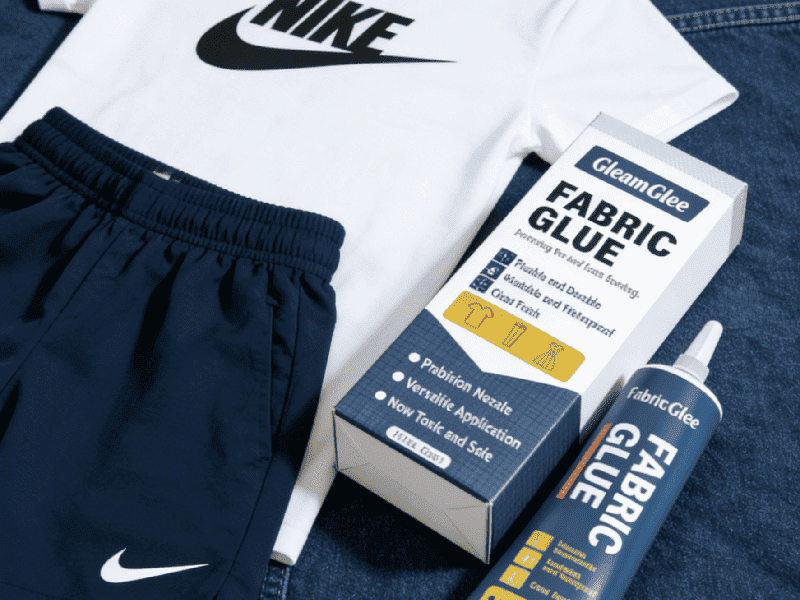
When people search for fabric glue price, they’re rarely just asking “How much does it cost?”
What they really want to know is whether fabric glue is worth paying for at all—or if sewing, replacing clothes, or hiring a tailor makes more sense.
At first glance, fabric glue can feel expensive. A small tube might cost more than a basic sewing kit. That comparison alone causes hesitation, especially for shoppers fixing a single hem or patch. But price tags don’t tell the full story. Fabric glue pricing reflects more than volume—it reflects formulation quality, wash durability, flexibility after drying, ease of use, and how many real repairs you can complete before needing more.
Fabric glue prices typically range from low-cost craft options to premium washable, flexible formulas. Whether fabric glue is worth it depends on cost per repair, durability after washing, and ease of use compared to sewing. High-quality fabric glue often delivers better long-term value by reducing repair time, avoiding stiffness, and surviving repeated washes—making it cost-effective for everyday clothing fixes.
There’s also a modern shift in how people approach clothing repair. Many users—DIY beginners, busy parents, travelers, and even small brands—want fast, clean, no-sew solutions that don’t require tools or skill. That demand reshapes how value is measured.
In this guide, we’ll break down fabric glue pricing the way professionals do: not by sticker price alone, but by true cost per repair, durability per wash, and return on use. By the end, you’ll know exactly when fabric glue is worth the money—and when it isn’t.
What Is the Typical Fabric Glue Price Range?
The typical fabric glue price ranges from low-cost craft glue to premium washable and flexible formulas. Entry-level options are cheaper upfront but often fail after washing, while mid-range and premium fabric glues cost more initially yet offer better durability, flexibility, and lower cost per successful repair. The true value becomes clear when comparing price per ounce and cost per repair.
What price ranges do most consumers actually see online and in stores?
When users search “fabric glue price,” they usually encounter a wide spread that feels confusing. In reality, most fabric glue products fall into three practical price tiers, each serving a different type of user.
- Entry-level / craft glue These are the cheapest options and are often marketed for crafts rather than clothing repair. They appeal to first-time buyers because of the low upfront price, but many are not washable and become brittle after drying.
- Mid-range washable fabric glue This is the most popular category for clothing repair. These glues are designed to survive washing, remain flexible, and dry clear. They cost more than craft glue but are far more reliable for daily wear garments.
- Premium or professional-grade fabric glue These products focus on maximum durability, reduced waste, and consistent results. They are often chosen by frequent DIY users, parents, uniform wearers, or small brands that value reliability over the lowest price.
Why the lowest fabric glue price is rarely the cheapest option
Many users assume the cheapest fabric glue saves money—but this often backfires. Low-priced glue may:
- Fail after the first wash
- Require reapplication
- Damage fabric due to stiffness
- Lead to garment replacement
When a repair fails, the real cost includes wasted time, extra glue, and sometimes a ruined garment. This is why professionals evaluate cost per successful repair, not price per tube.
How size and packaging change real fabric glue cost
Fabric glue is usually sold in small tubes (for convenience) or larger tubes/multi-packs (for value). Size directly affects:
- How many repairs you can complete
- How often you repurchase
- How much glue dries out unused
A small tube may look affordable, but if it only completes a handful of repairs, it can cost more per fix than a larger, better-designed package with an anti-clog nozzle.
Table 1: Typical Fabric Glue Price Ranges by Market Tier
| Price Tier | Typical Size | General Price Level | Performance Level | Best For |
|---|---|---|---|---|
| Entry-level | Small tube | Low | Limited, often non-washable | Crafts, temporary fixes |
| Mid-range | 30–60 ml tube | Medium | Washable, flexible | Everyday clothing repairs |
| Premium | Large tube / multi-pack | Higher | Long-lasting, low waste | Frequent repairs, uniforms |
Why “price per ounce (or ml)” matters more than sticker price
Two fabric glues with similar shelf prices can deliver very different value. A controlled-flow glue that applies thinly may complete twice as many repairs as a runny formula, even with the same volume.
That’s why experienced buyers calculate:
- Price per ml
- Average glue used per repair
- Expected repair lifespan
This approach reveals that mid-range and premium glues often deliver the lowest real cost.
Table 2: Example Comparison — Sticker Price vs Real Cost
| Comparison Factor | Cheap Craft Glue | Washable Fabric Glue |
|---|---|---|
| Upfront price | Low | Medium |
| Repairs per tube | Few | Many |
| Wash durability | Poor | High |
| Re-repair needed | Often | Rare |
| Cost per successful repair | High | Lower |
What price range makes sense for different buyers
- Occasional users benefit from mid-range washable glue in a smaller tube
- Families and DIY users save money with larger tubes or 2-packs
- Sellers, schools, and brands gain the best value from consistent, bulk-ready formulations
The “right” fabric glue price isn’t about being cheap—it’s about matching performance to how often and how seriously you repair clothing.
Which Factors Make Fabric Glue More Expensive?
Fabric glue becomes more expensive due to advanced formulations, wash resistance, post-cure flexibility, precision packaging, and regulatory compliance. These factors increase R&D, testing, and manufacturing costs but significantly improve durability, ease of use, and long-term repair success—often making higher-priced fabric glue more economical over time.
How does the adhesive formulation itself drive fabric glue price?
The core formula is the biggest cost driver. Low-cost fabric glues often rely on basic synthetic resins that bond initially but lack elasticity. As a result, they crack or peel once the fabric bends, stretches, or gets washed.
More expensive fabric glues use advanced polymer systems designed to:
- Penetrate fabric fibers instead of sitting on the surface
- Maintain elasticity after curing
- Resist water, detergent, and heat
Developing and stabilizing these polymers requires skilled chemists, controlled raw materials, and longer formulation cycles—all of which raise production cost but dramatically improve repair lifespan.
Why washable performance increases price significantly
One of the most searched user questions is: “Does fabric glue survive the washing machine?”
Glues that truly do are not accidental.
Washable fabric glue must be tested across:
- Multiple wash cycles
- Different water temperatures
- Detergent exposure
- Mechanical agitation
Each round of testing adds cost, but without it, claims are unreliable. Cheaper glues often avoid this testing altogether, which is why they fail after one or two washes. From a user perspective, paying more for wash resistance prevents repeated repairs and garment loss.
How post-cure flexibility affects long-term cost
Clothing moves constantly. A glue that dries hard behaves like plastic—eventually cracking under stress points such as hems, knees, elbows, and waistbands.
Flexible fabric glue uses elastic polymers that stretch and recover with the fabric. These materials are more expensive than rigid adhesives, but they:
- Prevent cracking
- Preserve fabric drape
- Maintain comfort when worn
This flexibility is essential for sportswear, children’s clothing, and daily-wear garments—and it directly explains why higher-quality fabric glue costs more.
Why applicator and packaging design raise (but also reduce) cost
Precision nozzles, anti-clog caps, and controlled-flow tips increase packaging complexity and unit cost. However, they reduce glue waste dramatically.
Poor packaging causes:
- Over-application
- Messy repairs
- Dried-out tubes
Well-designed packaging can reduce glue usage per repair by 20–40%, lowering the real cost per use even if the product price is higher.
How compliance and safety standards affect pricing
Fabric glue sold in major markets must comply with regulations such as:
- US GHS
- EU CLP & REACH
- UK regulations
Compliance requires:
- Ingredient screening
- Safety documentation (SDS)
- Multilingual labeling
- Ongoing audits
These steps don’t make glue stronger—but they make it legal, safe, and sellable worldwide, which is essential for brands, retailers, and Amazon sellers.
Table 1: Key Cost Drivers Behind Fabric Glue Pricing
| Cost Factor | What It Adds to Manufacturing | Why It Matters to Users |
|---|---|---|
| Advanced polymers | Higher raw material & R&D cost | Stronger, longer-lasting repairs |
| Wash resistance testing | Lab time & validation cost | Repairs survive washing |
| Elastic curing | Specialized materials | No cracking or peeling |
| Precision applicator | Higher packaging cost | Less waste, cleaner repairs |
| Regulatory compliance | Certification & labeling | Safe, legal global sales |
Why cheap fabric glue often costs more in the long run
Lower-priced fabric glue often skips one or more of the above factors. The result is:
- Failed repairs
- Repeat application
- Ruined garments
- Frustrated users
When you factor in time, rework, and replacement, cheap glue frequently becomes the most expensive option.
Table 2: Cheap vs Higher-Quality Fabric Glue — Real Cost Comparison
| Comparison Metric | Cheap Fabric Glue | Higher-Quality Fabric Glue |
|---|---|---|
| Upfront price | Low | Medium–Higher |
| Wash durability | Poor | High |
| Flexibility | Low | High |
| Repairs per tube | Few | Many |
| Re-repair frequency | High | Low |
| Long-term value | Low | High |

How Do You Compare Fabric Glue Value Beyond the Sticker Price?
To compare fabric glue value beyond the sticker price, you must evaluate cost per repair, durability after washing, flexibility during wear, waste from application, and time saved versus sewing. Higher-quality fabric glue often costs more upfront but delivers lower long-term cost by lasting longer, reducing rework, and preventing garment replacement.
Why “price per tube” is the least useful comparison
Most shoppers stop at the shelf price. That’s a mistake.
Fabric glue is not consumed evenly. A poorly designed glue may:
- Flow too fast and waste product
- Require thick layers to hold
- Fail after washing and need reapplication
Two glues priced similarly can differ 2–3× in how many successful repairs they deliver. That’s why experienced users ignore sticker price and focus on value per outcome.
How cost per successful repair reveals real value
The most practical way to compare fabric glue is to ask:
“How many repairs does this tube actually survive?”
A glue that costs slightly more but completes 25–30 durable repairs is cheaper than a budget glue that fails after 5–8 repairs.
This metric captures:
- Adhesion strength
- Wash resistance
- Flexibility
- Application efficiency
It also aligns perfectly with how users experience value.
Table 1: Sticker Price vs Real Repair Value
| Metric | Low-Cost Glue | Quality Fabric Glue |
|---|---|---|
| Tube price | Low | Medium |
| Repairs completed | Few | Many |
| Repairs that survive washing | Rare | Consistent |
| Re-repair needed | Often | Rare |
| Cost per successful repair | High | Lower |
Does fabric glue hold as well as sewing for everyday repairs?
This is one of the most common user questions—and the honest answer is context-dependent.
For many everyday repairs (hemming, patches, seams, appliqués), modern washable fabric glue performs comparably to sewing, especially when:
- The area isn’t load-bearing
- The glue remains flexible
- The garment is washed normally
Sewing still wins for structural seams, but fabric glue excels in speed, accessibility, and invisibility—making it more valuable for many users.
How washing durability changes long-term value
A glue that fails after one wash has negative value, no matter how cheap it is.
Wash-durable fabric glue:
- Eliminates repeated repairs
- Preserves garment appearance
- Reduces frustration
Users who calculate cost per wear (how many wears after repair) consistently find washable glue far more economical than non-washable alternatives.
Table 2: Value Comparison — Glue vs Sewing (Everyday Use)
| Factor | Fabric Glue | Sewing |
|---|---|---|
| Time required | Minutes | 20–60 min |
| Skill needed | Low | Medium–High |
| Tools needed | Minimal | Needle, thread, machine |
| Wash durability | High (quality glue) | High |
| Best for | Quick, clean repairs | Structural seams |
How application waste silently increases cost
Poor applicators are one of the biggest hidden expenses.
Runny glue, clogged caps, or oversized openings cause:
- Over-application
- Messy results
- Dried-out tubes
Precision tips and anti-clog caps may raise product price slightly, but they reduce glue usage per repair by 20–40%, lowering true cost.
Why time saved is part of fabric glue value
Time is an overlooked but critical value factor.
Fabric glue:
- Requires no setup
- Works without sewing skills
- Allows quick fixes at home, work, or school
For parents, professionals, and frequent DIY users, time saved often outweighs small price differences—making fabric glue the more rational choice.
Table 3: Hidden Value Factors That Matter More Than Price
| Value Factor | Why It Matters |
|---|---|
| Cost per repair | Reflects real performance |
| Wash durability | Prevents repeat work |
| Flexibility | Avoids cracking |
| Application control | Reduces waste |
| Time saved | Improves daily efficiency |

What Fabric Glue Price Should You Expect for Different Use Cases?
Fabric glue price should match how the glue will be used. Light clothing repairs require affordable, washable glue, while denim, upholstery, and high-stress applications need stronger, more durable formulas that cost more upfront but reduce failure and rework. Paying the right price for your use case lowers long-term cost and improves repair success.
What fabric glue price makes sense for everyday clothing repairs?
This is the largest and most searched use case. Everyday repairs include hemming pants, fixing small seams, attaching patches, and securing loose cuffs.
For these jobs, users should expect a mid-range fabric glue price—not the cheapest craft glue, but not industrial-grade either. The key requirements are:
- Wash resistance
- Flexibility after drying
- Clear, invisible finish
Cheap craft glue often fails after the first wash, while mid-range washable fabric glue consistently holds up to normal laundering. From a value perspective, this category offers the best balance of price and reliability for most households.
What price should you expect for crafts, decorations, and embellishments?
Craft and decorative uses (sequins, rhinestones, appliqués, costumes) place less stress on adhesion but require precision and clean appearance.
Here, price is less about strength and more about:
- Controlled flow
- No staining or yellowing
- Clean edges
Users should expect to pay a mid-range price for glue with a precision nozzle. Extremely cheap glue often spreads uncontrollably, ruins designs, and wastes material—making it poor value despite the low cost.
Why denim, backpacks, and workwear require higher-priced fabric glue
Denim and heavy fabrics move, stretch, and carry load. Repairs on jeans, uniforms, backpacks, and tote bags experience constant mechanical stress.
These use cases require:
- Stronger polymer systems
- Deeper fiber penetration
- Long-term flexibility
As a result, fabric glue designed for heavy fabrics costs more. However, the alternative—cheap glue that cracks or peels—leads to total repair failure. For these applications, higher upfront price directly prevents replacement costs.
What fabric glue price is realistic for upholstery and home textiles?
Upholstery, cushions, curtains, and sofa covers fall into a high-stress but low-frequency category. Repairs are fewer, but failure is costly and visible.
Users should expect premium-level pricing here because:
- Bond strength must handle weight and friction
- Glue must remain flexible over large surface areas
- Repairs are often permanent
Choosing cheap glue in this category almost always leads to visible failure and wasted effort.
How temporary or emergency repairs change price expectations
Some users only need short-term fixes—for events, costumes, or one-time use.
In these cases:
- Entry-level fabric glue may be acceptable
- Wash resistance may not be required
- Lower price is reasonable
However, users should understand that these repairs are not designed to last, and the low price reflects that limitation.
Table 1: Recommended Fabric Glue Price by Use Case
| Use Case | Stress Level | Recommended Price Level | Why |
|---|---|---|---|
| Everyday clothing repairs | Medium | Mid-range | Washable, flexible, reliable |
| Crafts & embellishments | Low | Mid-range | Precision & clean finish |
| Denim & workwear | High | Higher | Strong fiber bonding |
| Backpacks & bags | High | Higher | Load & movement resistance |
| Upholstery & home textiles | Very High | Premium | Long-term durability |
| Temporary fixes | Low | Low | Short-term use only |
Why paying the “wrong” price costs more
When fabric glue price doesn’t match the use case, users experience:
- Failed repairs
- Repeat application
- Damaged garments
- Frustration and wasted time
In contrast, choosing the right price tier for the job consistently results in fewer failures and lower total cost.
Table 2: Consequences of Under- or Over-Paying
| Scenario | Outcome |
|---|---|
| Cheap glue for heavy fabric | Cracking, peeling, failure |
| Cheap glue for washable clothes | Repair fails after washing |
| Premium glue for light crafts | Overkill, unnecessary cost |
| Correct glue for use case | Long-lasting, cost-efficient |
Do Bulk Packs and Wholesale Fabric Glue Prices Really Save Money?
Bulk packs and wholesale fabric glue prices can save money when usage frequency is high and product quality is consistent. However, for occasional users, oversized packs often lead to waste, drying out, and higher real costs. True savings come from lower cost per successful repair—not simply a lower unit price.
When do bulk fabric glue packs actually save money?
Bulk packs work best in high-usage scenarios, such as:
- Families with frequent clothing repairs
- Schools, workshops, and costume departments
- DIY-heavy households
- Small brands, Amazon sellers, and resellers
In these cases, glue is used continuously before it can dry out. The lower unit price per tube translates directly into a lower cost per repair, which is where real savings happen.
Why bulk packs can backfire for casual users
For occasional users, bulk buying often creates hidden losses:
- Tubes dry out before being finished
- Opened glue thickens or clogs
- Storage time exceeds shelf-life after opening
In these situations, a cheaper multi-pack may end up costing more per usable repair than a single, well-designed tube.
How wholesale pricing works for brands and B2B buyers
Wholesale fabric glue pricing is not just about volume—it reflects:
- Stable formulation across batches
- Regulatory compliance for target markets
- Packaging, labeling, and logistics readiness
For brands, the real value of wholesale lies in predictability and consistency, not just lower price. A cheaper but inconsistent supply can damage brand reputation and increase returns.
Table 1: Is Bulk Fabric Glue Worth It for You?
| Buyer Type | Usage Frequency | Bulk Savings Potential | Recommendation |
|---|---|---|---|
| Occasional home user | Low | Low | Buy single tube |
| Family / DIY user | Medium–High | Medium | Small multi-pack |
| School / workshop | High | High | Bulk packs |
| Brand / reseller | Very High | Very High | Wholesale supply |
Why cost per finished repair matters more than unit price
Bulk packs reduce sticker price per tube—but only matter if each tube delivers full performance.
Smart buyers calculate:
- Repairs per tube
- Repairs that survive washing
- Failure and rework rate
Bulk pricing is only “cheap” when performance remains consistent across every unit.
How Do You Avoid Overpaying or Buying the Wrong Fabric Glue?
To avoid overpaying for fabric glue, buyers should match glue performance to their actual use case, avoid non-washable formulas for clothing, watch for vague marketing claims, and choose packaging sizes that prevent waste. The cheapest glue often becomes the most expensive after failures and repeat repairs.
Why buying the cheapest fabric glue is usually a mistake
Low-priced fabric glue often cuts cost in critical areas:
- Weak or rigid formulas
- No wash testing
- Poor applicator control
These glues may bond initially but fail after washing or movement. When a repair fails, users pay again—in time, effort, and sometimes ruined garments.
How to spot misleading fabric glue claims
Overpaying isn’t always about price—it’s about false promises.
Red flags include:
- “Strong hold” with no mention of washing
- No curing time listed
- No fabric compatibility details
- No instructions beyond “apply and dry”
Reliable fabric glue clearly states washability, cure time, and intended fabrics.
How choosing the wrong size increases cost
Size mismatch is a common source of waste:
- Small tubes for frequent users → repeated purchases
- Large tubes for casual users → dried-out glue
Choosing the right size reduces waste and lowers cost per repair more effectively than chasing discounts.
Why application design affects how much you really pay
Runny glue and poor tips cause over-application. Users end up using more glue than necessary, even if the tube is cheap.
Precision nozzles and anti-clog caps may increase product price slightly, but they reduce glue usage per repair—lowering real cost.
Table 2: Common Buying Mistakes and Their Real Cost
| Mistake | What Happens | Long-Term Cost |
|---|---|---|
| Buying cheapest glue | Repair fails | High |
| Ignoring washability | Glue washes out | High |
| Buying too large | Glue dries out | Medium–High |
| Buying too small | Frequent repurchase | Medium |
| Ignoring applicator | Glue wasted | Medium |

Is GleamGlee Fabric Glue a Cost-Effective Choice for Buyers and Brands?
GleamGlee Fabric Glue is a cost-effective choice because it combines washable durability, flexible performance, precision application, and competitive pricing. For individual users, it lowers the real cost per repair by lasting through repeated washes and reducing waste. For brands and bulk buyers, it offers consistency across batches, global compliance, flexible packaging, and OEM/private-label options—making it not just affordable, but strategically valuable.
Why “cost-effective” isn’t just about price
Many consumers compare fabric glues based on sticker price alone. But real cost includes:
- Cost per successful repair
- Durability through washing and wear
- Time saved vs sewing or tailoring
- Glue waste and applicator efficiency
A product that costs a little more upfront but finishes more repairs without failure is economically better. GleamGlee’s formulas are engineered to deliver high success rates on first application, which significantly reduces the likelihood of re-repair—a hidden expense consumers often overlook.
Washable durability: a key factor in long-term value
One of the biggest determinants of cost-effectiveness is how well the fabric glue survives laundering.
GleamGlee Fabric Glue is formulated to remain bonded through:
- Machine washing (cold & warm cycles)
- Normal detergent use
- Tumble drying and ironing (low heat)
This performance means fewer repeat repairs, saves money over time, and maintains garment appearance—especially important for everyday clothes, uniforms, denim, or activewear.
Flexible curing for reduced failures and better comfort
Flexible curing means the glue doesn’t become stiff or brittle after drying. That’s essential for:
- Stretch fabrics
- Sportswear and performance garments
- Kids’ clothing
- High-stress seams
Rigid adhesives are cheap but often crack under movement, leading to failures and additional re-repair costs. GleamGlee’s elastic formulas maintain comfort and durability—improving real value.
Precision application reduces waste
GleamGlee Fabric Glue uses precision nozzles and anti-clog caps. This matters because:
- You apply glue where it’s needed, not everywhere
- Less product ends up on fingers or fabric surface
- Less over-application means fewer tubes used long-term
Good packaging may slightly increase unit cost, but it lowers total glue consumption per repair, which reduces your real cost over time.
Table 1: Value Comparison — Typical Glue vs GleamGlee Fabric Glue
| Feature | Typical Low-Cost Glue | GleamGlee Fabric Glue |
|---|---|---|
| Wash durability | Poor or untested | High & tested |
| Flexibility after curing | Often rigid | Flexible & resilient |
| Applicator control | Basic | Precision nozzle |
| Repairs per tube | Low | High |
| Cost per successful repair | Higher | Lower |
| Suitable for heavy fabrics | Limited | Good |
| Professional / brand use | Not ideal | Designed for B2C & B2B |
Real-world cost savings
Instead of buying multiple cheap tubes that fail after a few washes, users often find that a single tube of GleamGlee glue completes many more repairs—which means:
- Lower cost per wear
- Fewer tubes purchased annually
- Better garment longevity
- Less waste
From a household budget perspective, this translates to measurable savings.
Why brands, sellers, and B2B buyers benefit
For individual shoppers, cost-effectiveness looks like “how many repairs per tube.” For brands and bulk buyers, the value equation expands:
Consistency Across Batches
- Stable formula performance
- Predictable curing and strength
- Fewer customer complaints
Compliance and Retail Readiness
- Meets GHS / CLP / REACH / UKCA standards
- Multi-language labeling
- Great for Amazon, Walmart, and retail shelves
OEM / Private Label Options
- Low MOQ for custom branding
- Custom packaging helps differentiation
- Supported by in-house design and labeling services
For B2B buyers, these features reduce return rates, compliance risk, and retailer rejection, offsetting raw price per unit.
Table 2: B2B Value Drivers — Generic Glue vs GleamGlee
| Value Driver | Generic Glue | GleamGlee |
|---|---|---|
| Batch consistency | Limited | High |
| Compliance certifications | Varies | Standardized |
| Packaging customization | Poor | Available |
| Bulk pricing | Basic | Optimized |
| OEM/private label | Not supported | Fully supported |
| Logistics readiness (FBA) | Limited | Multiple global warehouses |
Cost-effective pricing models
GleamGlee’s pricing is structured to support both individual buyers and commercial partners:
Single tubes — perfect for occasional DIY
Multi-packs — most cost-effective for households
Wholesale cartons — lowest unit cost for brands
OEM pricing — tailored quotes with private-label options
This flexibility means you don’t overpay for features you don’t need—and can scale cost effectively as usage increases.
The “true cost” framework
A helpful way to evaluate whether a fabric glue is cost-effective is to think in terms of “total cost of ownership” (TCO):
TCO = Acquisition Cost + Waste Cost + Failure Cost + Time Cost – Longevity Savings
GleamGlee consistently scores well across this equation because:
- Low re-repair rate reduces failure cost
- Controlled application lowers waste cost
- Wash durability increases longevity savings
- Easy use reduces time cost
Conclusion
Fabric glue isn’t cheap—or expensive—by default. Its true price is measured in time saved, repairs completed, washes survived, and garments kept in use.
For everyday users, choosing the right fabric glue means fewer frustrations and longer-lasting clothes. For brands and sellers, it means consistent quality, predictable costs, and customer trust.
Buy GleamGlee Fabric Glue on Amazon for fast delivery
Contact GleamGlee for bulk orders, OEM formulas, or private-label pricing
When you evaluate fabric glue like a professional, the right price becomes obvious—and the value speaks for itself.





















