Skip to content
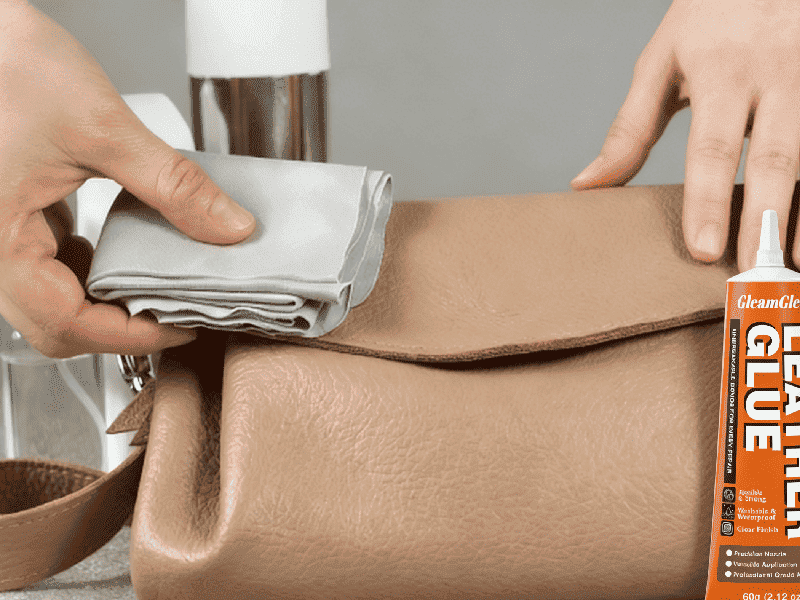
Leather is one of those materials people hesitate to throw away. A favorite pair of shoes, a worn-in leather jacket, a luxury handbag, or a sofa that has aged beautifully over the years—these items carry value far beyond their price tag. Yet when leather cracks, peels, or separates, many people assume replacement is the only option. That’s where leather glue quietly changes the story.
Unlike rigid adhesives that harden and snap under movement, leather glue is designed to move with the material. It flexes when leather bends, stretches when it’s worn, and resists moisture, heat, and daily friction. For DIY users, repair enthusiasts, and even professionals, leather glue has become a practical alternative to sewing, stapling, or expensive professional restoration.
Leather glue is a flexible adhesive formulated specifically to bond leather without turning brittle or visible. It works by penetrating leather fibers and curing into an elastic, durable bond that resists cracking, peeling, and moisture. Unlike super glue or rigid adhesives, leather glue remains flexible after drying, making it ideal for repairing shoes, bags, jackets, furniture, and other leather items that bend and move daily.
But not all “glues that stick” are right for leather. Some fail quickly. Others damage the surface permanently. In the sections below, we’ll break down how leather glue works, which types actually perform, and how to use it correctly—with real-world logic, not marketing myths. And along the way, you’ll see why many repairs that look complicated are far easier than most people expect.
What Is Leather Glue and How Does It Work?
Leather glue is a specialized flexible adhesive designed to bond leather fibers without becoming brittle. It works by penetrating leather’s porous structure and curing into an elastic polymer network that moves with the material. Unlike rigid glues, leather glue resists cracking, peeling, whitening, and moisture damage, making it ideal for shoes, bags, jackets, furniture, and other leather items that bend and flex daily.
What type of glue works on leather, and why does the formula matter?
Leather is fundamentally different from materials like glass, metal, or plastic. It is organic, porous, fibrous, and constantly in motion. Because of this, the type of glue that works on leather must satisfy three critical requirements at the same time:
- Penetration – the adhesive must soak slightly into leather fibers instead of sitting on the surface.
- Elasticity – once cured, the bond must stretch and flex without cracking.
- Surface safety – the glue must dry clear and avoid staining, whitening, or stiffening the leather.
This is why leather-specific glues outperform general-purpose adhesives. Common household glues may stick initially, but they usually fail after repeated bending or exposure to moisture.
From a chemical standpoint, leather glue typically uses flexible polymer systems (often modified acrylics, rubberized polymers, or polyurethane blends). These polymers form long molecular chains that interlock with leather fibers while remaining flexible after curing.
Key takeaway:
A glue that is “strong” but rigid is worse for leather than a glue that is slightly less strong but highly flexible.
How does leather glue bond to leather fibers without turning brittle?
Leather glue bonds through a fiber-interlocking mechanism, not surface crystallization.
When applied correctly, the adhesive:
- Flows into microscopic gaps between leather fibers
- Anchors mechanically as it cures
- Forms a continuous elastic film instead of a hard shell
This is critical because leather items experience thousands of micro-movements during normal use—walking, sitting, gripping, folding, stretching, and twisting.
Rigid glues fail because stress concentrates at the bond line. Flexible leather glue, by contrast, distributes stress across a wider area, allowing the bond to deform and recover repeatedly without failure.
This behavior is especially important for:
- Shoe soles and heels
- Bag straps and handles
- Jackets, gloves, and belts
- Upholstered furniture and car interiors
In real-world terms, leather glue behaves more like a rubber joint than a welded seam.
What makes leather glue different from regular craft glue or super glue?
Many users ask: “Why can’t I just use super glue or craft glue on leather?”
The answer becomes clear when comparing performance characteristics.
Leather Glue vs Other Common Glues
| Feature / Property | Leather Glue | Super Glue (Cyanoacrylate) | Craft Glue (PVA) |
|---|---|---|---|
| Flexibility after curing | High | Very low | Low |
| Dries clear & non-yellowing | Yes | Often whitens | Can yellow |
| Resistance to cracking | Excellent | Poor | Poor |
| Waterproof performance | Water-resistant | Limited | Weak |
| Suitable for shoes & bags | Yes | No | No |
| Reversible / repair-friendly | Moderate | Very difficult | Limited |
Super glue cures almost instantly into a hard, glass-like structure. While it may feel strong at first, it cannot tolerate repeated flexing. Over time, it creates micro-fractures that cause sudden failure—often tearing leather fibers with it.
Craft glue, on the other hand, lacks both strength and moisture resistance. It is best reserved for paper, fabric crafts, or temporary decorative use.
Leather glue occupies the functional middle ground: strong enough for daily use, yet flexible enough to move naturally with leather.
Why is flexibility more important than raw strength for leather repairs?
A common misconception is that the “strongest” glue is always the best choice. In leather repair, this is rarely true.
Leather does not fail because of lack of tensile strength—it fails because of repeated flex stress. A bond that is too rigid becomes the weakest point in the system.
Flexible leather glue solves this by:
- Absorbing movement instead of resisting it
- Preventing edge lifting and peeling
- Reducing visible stress lines on the surface
This is why professional cobblers, upholsterers, and leather craftsmen prefer flexible adhesives even when repairing heavy-duty items like work boots or motorcycle seats.
Professional insight:
In leather repair, controlled flexibility creates longer-lasting results than maximum hardness.
How does leather glue support clean, invisible, and professional-looking repairs?
Beyond strength, appearance matters—especially for visible items like handbags, jackets, and furniture.
High-quality leather glue is designed to:
- Dry transparent without clouding
- Avoid white residue or shine spots
- Maintain the original texture and feel of leather
- Prevent stiff edges or “plastic-like” patches
Precision applicators (such as metal tips) further improve results by allowing thin, controlled application. This minimizes glue bleed-through and makes the repair nearly invisible once cured.
For consumers, this means:
- Repairs look intentional, not improvised
- Luxury items retain their aesthetic value
- DIY repairs approach professional quality

Which Types of Leather Glue Are Commonly Used?
The most commonly used leather glues include water-based flexible adhesives, polyurethane leather glue, rubber-based contact adhesives, and hybrid polymer formulas. Each type is designed for different leather repair needs, from light cosmetic fixes to heavy-duty footwear and upholstery bonding. Choosing the right type depends on flexibility requirements, moisture exposure, material combination, and how much stress the repaired area will endure.
Which glue types work best on leather for different repair goals?
Not all leather repairs face the same conditions. A decorative patch on a leather jacket, a peeling shoe sole, and a cracked sofa cushion all require different adhesive behaviors.
At a high level, leather glues can be grouped by how they balance flexibility, strength, and resistance:
- Flexibility-focused glues → best for apparel, bags, and crafts
- Strength + flexibility glues → best for shoes, belts, and straps
- Maximum holding glues → best for furniture, automotive, and outdoor use
Understanding these categories helps users avoid two common mistakes:
- Choosing a glue that is too weak for high-stress areas
- Choosing a glue that is too rigid for flexible leather
Common Types of Leather Glue (Comparison Table)
| Leather Glue Type | Flexibility After Cure | Strength Level | Best Use Cases | Key Advantages | Limitations |
|---|---|---|---|---|---|
| Water-Based Leather Glue | High | Medium | Jackets, bags, wallets, crafts | Dries clear, low odor, easy control | Not ideal for heavy load |
| Polyurethane Leather Glue | Medium–High | High | Shoes, belts, straps, upholstery | Strong, durable, waterproof | Longer cure time |
| Rubber-Based Contact Adhesive | Medium | Very High | Soles, heavy footwear, furniture | Immediate grip, industrial strength | Less forgiving during alignment |
| Hybrid Polymer Leather Glue | High | High | All-purpose leather repair | Balanced performance | Premium formulations only |
User insight:
Most everyday leather repairs succeed best with hybrid or water-based flexible leather glue, not industrial contact cement.
Which leather glue works best for flexible items like shoes, belts, and jackets?
Flexibility is the deciding factor for items that bend repeatedly.
- Shoes & boots: require glue that resists water, heat, and constant flexing. Polyurethane or hybrid leather glue performs best here.
- Belts & straps: need elasticity plus edge strength. Flexible polymer leather glue prevents cracking along stress points.
- Jackets & apparel: prioritize softness and appearance. Water-based leather glue is ideal because it dries clear and remains supple.
Using overly rigid glue on flexible items often causes:
- Edge cracking
- Visible glue lines
- Premature failure at bend points
This is why professional cobblers and leather repair shops rarely rely on instant adhesives.
Which leather glue is safest for suede, nubuck, and delicate finishes?
Suede and nubuck are high-risk materials when it comes to adhesives. Their open fiber structure absorbs liquids easily, making staining a major concern.
For these materials, the safest options are:
- Low-viscosity water-based leather glue
- Flexible glue applied in very thin layers
- Precision-tip application to avoid spread
Heavy solvent-based or rubber contact adhesives can permanently darken suede and flatten fibers. Always test on an inconspicuous area before full application.
Professional tip:
For suede, the application method is as important as the glue type itself.
Which type of leather glue works best for leather-to-other-material bonding?
Many real-world repairs involve mixed materials, not just leather-to-leather bonding.
| Bonding Scenario | Recommended Leather Glue Type | Reason |
|---|---|---|
| Leather → Rubber (shoe soles) | Polyurethane / Hybrid | Handles flex + moisture |
| Leather → Fabric / Foam | Water-based / Hybrid | Absorbs into both surfaces |
| Leather → Wood | Polyurethane | Strong structural hold |
| Leather → Plastic (PU/PVC) | Hybrid Polymer | Compatibility across surfaces |
| Leather → Metal | Polyurethane | Temperature & stress resistance |
Hybrid polymer leather glues excel here because they accommodate different expansion rates between materials—critical for durability.
Why “one-size-fits-all” glue is rarely ideal for leather repairs
Some products advertise themselves as “universal glue.” In practice, leather repairs benefit from targeted formulations.
Leather-specific glue considers:
- Porosity differences
- Surface oils and finishes
- Movement patterns during use
- Visual appearance after curing
Using the wrong glue may still “stick,” but it often:
- Shortens repair lifespan
- Damages leather fibers
- Makes future repairs harder
What Materials Can Leather Glue Be Used On?
Leather glue can be used on genuine leather, faux leather, suede, and nubuck, as well as for bonding leather to rubber, fabric, foam, wood, certain plastics, and even metal. Its flexible formulation allows it to adapt to different surface textures and movement patterns, making it suitable for footwear, bags, furniture, apparel, automotive interiors, and DIY leather projects when applied correctly.
Can I glue two pieces of leather together for seams, patches, or panels?
Yes—leather-to-leather bonding is one of the most reliable and common applications of leather glue.
Because genuine leather is porous, leather glue can partially penetrate both surfaces, creating a fiber-interlocking bond rather than a surface-only attachment. This makes it ideal for:
- Repairing tears or cracks
- Attaching decorative patches or reinforcements
- Laminating leather panels in crafts and accessories
When applied in a thin, even layer and pressed firmly, leather glue creates a seam that remains flexible and visually discreet. In professional leatherworking, glue is often used before stitching to hold alignment and distribute stress evenly.
User insight:
Properly glued leather-to-leather joints often last longer than stitched-only seams in low-to-medium stress areas.
What’s the difference between bonding genuine leather vs faux leather?
Although they look similar, genuine leather and faux leather behave very differently when glued.
| Material Type | Absorption | Glue Behavior | Key Considerations |
|---|---|---|---|
| Genuine Leather | High | Glue penetrates fibers | Clean oils, avoid over-saturation |
| Faux Leather (PU/PVC) | Low | Surface bonding only | Light sanding improves grip |
| Bonded Leather | Medium–Low | Inconsistent bonding | Test area first |
Faux leather often has a plastic coating that resists absorption. For these surfaces, hybrid polymer or polyurethane leather glue performs better than simple water-based formulas.
Skipping surface preparation is the main reason faux leather repairs fail.
Can leather glue be used on suede and nubuck safely?
Yes—but with extra care.
Suede and nubuck have open, raised fibers that absorb liquids quickly. Leather glue can bond them effectively, but only when:
- Applied in very thin layers
- Used with precision applicators
- Tested on a hidden area first
Heavy solvent-based adhesives may permanently darken suede or flatten its texture. For visible suede repairs, low-viscosity, flexible leather glue is the safest option.
Professional tip:
For suede, application control matters more than adhesive strength.
Can leather glue bond leather to rubber, fabric, foam, or wood?
Many real-world repairs involve mixed materials, and leather glue is designed for this versatility.
Leather-to-Other-Materials Compatibility Table
| Bonding Combination | Suitable? | Recommended Glue Type | Typical Applications |
|---|---|---|---|
| Leather → Rubber | Yes | Polyurethane / Hybrid | Shoe soles, heels |
| Leather → Fabric | Yes | Water-based / Hybrid | Bags, linings |
| Leather → Foam | Yes | Water-based / Hybrid | Upholstery, seats |
| Leather → Wood | Yes | Polyurethane | Furniture, headboards |
| Leather → Plastic (PU/PVC) | Yes | Hybrid Polymer | Faux leather trim |
| Leather → Metal | Yes | Polyurethane | Buckles, handles |
Hybrid polymer leather glues perform especially well because they tolerate different expansion and contraction rates between materials.
Can leather glue be used for footwear, furniture, and automotive interiors?
Yes—these are some of the most common and practical use cases.
- Footwear: leather glue bonds uppers, soles, insoles, and linings while withstanding flex, moisture, and friction.
- Furniture: ideal for repairing peeling upholstery, loose panels, or cracked seating areas.
- Automotive interiors: suitable for dashboards, seat edges, steering wheel wraps, and leather trim when flexibility and heat resistance are required.
For these applications, users should prioritize waterproof, flexible leather glue and allow full curing time before use.
When should leather glue NOT be used?
Leather glue is versatile, but not universal. Avoid using it when:
- Leather is dry-rotted, powdery, or crumbling
- The area carries continuous heavy structural load (e.g., suspension straps without reinforcement)
- Surfaces are heavily waxed or silicone-treated and cannot be cleaned
In such cases, professional restoration or replacement is more reliable.

How Do You Use Leather Glue Correctly Step by Step?
To use leather glue correctly, clean and dry both surfaces, lightly roughen smooth finishes if needed, apply a thin even layer, align carefully, press firmly, and let the bond set and fully cure. Most flexible leather glues grab within minutes but need up to 24 hours to reach full strength and waterproof performance. Proper preparation, controlled application, and patience are what make leather repairs last.
How do you prep two leather surfaces so the glue actually grips?
Prep is where most leather repairs are won or lost. Leather often carries invisible contaminants—conditioner oils, wax, sweat, dust, or silicone-based protectants—that act like a “release layer.” If glue sticks to the contamination instead of the leather, the bond will peel off early.
Prep checklist (fast but effective):
- Dry wipe with a clean cloth to remove loose debris.
- Degrease lightly (if needed) using a small amount of isopropyl alcohol on a cloth. Avoid soaking.
- Dry completely—moisture trapped under glue weakens bonding and can cause edge lift.
- Light scuff (optional but powerful) for glossy/finished leather or faux leather: 600–800 grit sanding just to “break the shine.”
- Test fit before gluing: align pieces, mark edges lightly (tape or pencil), plan clamp direction.
How do you apply glue evenly when gluing two pieces of leather together?
With leather glue, “more” is rarely “better.” Too much adhesive causes:
- seep-through stains
- glossy patches
- stiff edges
- longer cure time with weaker interior bonding
A thin, even film lets adhesive penetrate fibers and cure into a flexible bond line. Precision tools (metal tip, toothpick, small brush) make a big difference for clean-looking repairs.
Application Method Table (Choose by Repair Type)
| Repair Type | Where to Apply Glue | Best Layer Thickness | Extra Tip |
|---|---|---|---|
| Leather patch on jacket/bag | Patch + base surface | Very thin | Press with flat weight to avoid bubbles |
| Shoe sole separation | Both surfaces | Thin–medium | Use clamps + keep shape aligned |
| Strap or handle reattach | Both surfaces | Thin | Reinforce edges; avoid glue squeeze-out |
| Upholstery peel (sofa/car) | Back of leather flap + base | Thin | Use tape to hold while curing |
| Suede/nubuck repair | Minimal on base | Ultra-thin | Test first; avoid spread into fibers |
Practical rule:
If glue squeezes out heavily when pressed, you used too much.
How do you press, dry, and cure leather glue for best strength?
Pressing and curing are what turn “it stuck” into “it lasts.”
- Pressing ensures intimate contact between fibers and pushes air out of the bond line.
- Setting time creates initial tack so pieces don’t drift.
- Full curing develops maximum flexibility + waterproof resistance.
Dry vs Cure Timeline Table (What Users Get Wrong Most Often)
| Stage | What It Means | Typical Time Range | What You Should Do |
|---|---|---|---|
| Initial tack | Pieces start holding | 1–10 min | Hold firmly, align precisely |
| Set / handling strength | Repair feels secure | 10–60 min | Avoid bending, avoid stress |
| Full cure | Maximum strength & waterproof | Up to 24 hrs | Don’t wear/use heavily until done |
Why patience matters:
Leather glue often cures from the outside in. If you bend or wear the item too early, the inner adhesive layer may still be soft—leading to micro-slippage and future peeling.
What clamp pressure and tools should you use for clean, durable results?
Clamping doesn’t have to be complicated, but it should be even.
Good pressure tools:
- Spring clamps (shoes, straps)
- Binder clips (small accessories)
- Flat weights (books, tiles, cutting board for patches)
- Rubber bands (curved areas)
- Painter’s tape (light hold + no residue)
Pressure rule:
Use enough pressure to bring surfaces into full contact, but not so much that you squeeze all adhesive out.
How do you avoid glue marks, shine spots, and visible repair lines?
This is the part most DIY guides skip, but users care about it a lot—especially for bags and jackets.
To keep repairs invisible:
- Apply glue inside the seam line, not at the outer edge
- Use masking tape along edges to catch squeeze-out
- Remove squeeze-out immediately with a cotton swab (lightly dampened if safe)
- Avoid rubbing, which can spread glue and create shine patches
- Let it cure fully before cleaning or conditioning the repaired area
If the leather is high-value (luxury bag, premium sofa), always do a spot test—even “clear-drying” glue can slightly change sheen on certain finishes.
Step-by-Step Leather Gluing Workflow (Quick Reference)
| Step | What You Do | Why It Matters |
|---|---|---|
| 1 | Clean + degrease lightly | Removes oils that cause peeling |
| 2 | Dry completely | Prevents weak bond / edge lift |
| 3 | Scuff glossy areas (optional) | Increases grip dramatically |
| 4 | Apply thin, even glue layer | Stronger + cleaner finish |
| 5 | Align once, press firmly | Avoids sliding + weak bonds |
| 6 | Clamp/weight evenly | Locks in full contact |
| 7 | Let set, then full cure 24h | Real strength + waterproof develops |
What Are Common Leather Repair Mistakes to Avoid?
The most common leather repair mistakes include using rigid glue, skipping surface preparation, applying too much adhesive, rushing curing time, and choosing the wrong glue for the material or stress level. These errors often cause cracking, peeling, discoloration, or premature bond failure—especially in shoes, bags, and furniture that flex daily.
What mistakes cause leather glue to peel, crack, or fail early?
The number one reason leather repairs fail is using the wrong type of glue. Rigid adhesives may feel strong at first but cannot tolerate repeated bending. As leather moves, stress concentrates at the bond line, leading to micro-fractures that eventually cause peeling or complete separation.
Another major cause is poor surface preparation. Oils from leather conditioners, hand contact, or polish act like a barrier. The glue sticks to the oil—not the leather—so the bond detaches cleanly over time.
Early Failure Triggers Table
| Mistake | Why It Happens | What You See Later |
|---|---|---|
| Rigid glue (super glue) | No flexibility | Cracks, sudden separation |
| Oily surface | No true adhesion | Clean peel-off |
| Damp leather | Trapped moisture | Edge lift, weak bond |
| Thin pressure | Poor fiber contact | Gaps, bubbling |
What happens if you use the wrong type of glue on leather?
Using the wrong glue doesn’t just reduce durability—it can permanently damage leather.
Super glue and solvent-heavy adhesives often:
- Dry white or cloudy
- Create hard, shiny patches
- Burn or seal leather fibers
- Make future repairs difficult or impossible
For visible items like handbags, jackets, or car interiors, this often means the item looks worse after repair than before.
Glue Choice Consequences Table
| Glue Used | Immediate Result | Long-Term Outcome |
|---|---|---|
| Super glue | Fast bonding | Brittle failure, white marks |
| Craft glue | Clean look at first | Weak, moisture-sensitive |
| Contact cement | Strong grip | Alignment errors permanent |
| Leather glue | Slower set | Durable, flexible repair |
What application mistakes cause stains, shine spots, or edge lift?
Over-application is the most common cosmetic mistake. Excess glue seeps through leather pores, causing:
- Dark stains
- Glossy “plastic” patches
- Stiff edges
Uneven pressure during curing can also cause edge lift, where corners gradually peel despite the center holding.
Application Errors & Fixes
| Problem | Cause | How to Avoid |
|---|---|---|
| Glue stains | Too much glue | Apply thin layers |
| Shine spots | Surface overflow | Mask edges |
| Edge lift | Uneven pressure | Clamp evenly |
| Visible lines | Glue at edge | Apply inside seam |
Why rushing the drying or curing process ruins repairs
Leather glue often sets quickly but cures slowly. Many users test or wear items too soon, bending the bond before internal strength has developed.
This causes internal slippage that may not be visible immediately—but failure shows up days or weeks later.
Dry vs Cure Misunderstanding Table
| Stage | What Users Think | What’s Actually Happening |
|---|---|---|
| 5–10 minutes | Repair is done | Surface tack only |
| 30–60 minutes | Safe to use | Interior still soft |
| 24 hours | Fully cured | Maximum strength |
What mistakes make repairs look unprofessional or obvious?
Even strong repairs can look bad if technique is sloppy. Common visual mistakes include:
- Glue squeeze-out along visible edges
- Misalignment during pressing
- Uneven pressure marks
Professional-looking repairs depend on precision, patience, and restraint, not speed.
Visual-quality checklist:
- Dry fit before gluing
- Align once, press once
- Remove squeeze-out immediately
- Let cure fully before conditioning
Is Leather Glue Strong and Waterproof Enough for Daily Use?
High-quality leather glue is strong and water-resistant enough for daily use when applied correctly. It forms a flexible bond that withstands bending, friction, sweat, and light moisture exposure. While no adhesive is indestructible, properly cured leather glue can last months or years in shoes, bags, furniture, and apparel without cracking or peeling.
How strong is leather glue compared to stitching or replacement?
Leather glue does not replace stitching in every situation—but in many everyday repairs, it performs better than people expect.
The key difference is stress distribution. Stitching concentrates stress at needle holes, which can tear leather over time. Leather glue spreads stress across the bonded surface, reducing localized damage.
Strength Comparison Table
| Repair Method | Strength Type | Flexibility | Best For | Limitations |
|---|---|---|---|---|
| Leather glue | Surface-distributed | High | Soles, patches, upholstery | Not ideal for hanging load |
| Stitching | Point-load | Medium | Straps, handles | Can tear leather |
| Replacement | Full structural | High | Severe damage | Cost & waste |
In many professional repairs, glue + stitching is used to combine alignment, flexibility, and load-bearing strength.
Is leather glue waterproof, and what does “waterproof” really mean?
“Waterproof” is one of the most misunderstood terms in leather repair.
Leather glue is best described as water-resistant and moisture-stable, meaning:
- Rain, puddles, sweat, and damp environments won’t break the bond
- Occasional washing or wiping is safe after full curing
- The bond resists swelling and peeling caused by moisture cycles
However, prolonged soaking or machine washing can shorten lifespan—especially in footwear.
Water Resistance Reality Table
| Exposure Type | Leather Glue Performance |
|---|---|
| Rain & splashes | Excellent |
| Sweat & humidity | Stable |
| Wet ground contact | Limited over time |
| Machine washing | Not recommended |
| Submersion (hours) | Not designed for |
Is leather glue permanent, or can it loosen over time?
Leather glue creates a long-lasting bond, but permanence depends on how the item is used.
Under normal daily wear:
- Low-stress areas may last years
- High-flex zones may require maintenance reapplication
- Failure tends to be gradual, not sudden
This gradual aging is actually beneficial—it allows users to repair again without destroying the leather, unlike brittle glues that tear fibers during failure.
Longevity Expectation Table
| Usage Area | Typical Lifespan |
|---|---|
| Jacket patches | 2–5 years |
| Handbag seams | 1–3 years |
| Shoe soles | 6–18 months |
| Furniture upholstery | 2–4 years |
How do daily stress factors affect leather glue durability?
Daily use subjects leather to a mix of stressors:
- Flexing: walking, sitting, gripping
- Friction: rubbing against surfaces
- Heat: body temperature, summer pavement
- Moisture: sweat, rain, humidity
Leather glue is engineered to absorb these forces rather than resist them rigidly. Flexible polymer chains stretch and recover, preventing crack propagation.
Stress Resistance Table
| Stress Factor | Leather Glue Response |
|---|---|
| Repeated bending | Absorbs movement |
| Heat fluctuation | Softens then recovers |
| Friction | Maintains bond |
| Sweat exposure | Stable after curing |
When does leather glue outperform replacement from a sustainability perspective?
Beyond strength, leather glue offers environmental and economic benefits. Repairing leather instead of replacing it:
- Extends product lifespan
- Reduces waste and carbon footprint
- Preserves broken-in comfort and fit
For many users, leather glue isn’t just a repair tool—it’s part of a repair-first mindset.

When Should You Use Leather Glue Instead of Sewing or Replacement?
Leather glue should be used when flexibility, appearance, and material preservation matter more than structural load-bearing. It is ideal for surface repairs, reattachment, edge lifting, and cosmetic fixes where sewing may weaken leather or leave visible holes. Sewing is better for heavy load areas, while replacement is best only when leather is severely degraded or structurally unsafe.
When is leather glue better than stitching for leather repairs?
Leather glue excels in situations where movement and appearance are critical.
Stitching introduces permanent needle holes, which:
- Weaken leather fibers
- Create new tear points over time
- Are highly visible on smooth or luxury leather
Leather glue, by contrast, creates a seamless bond without puncturing the material. This makes it ideal for:
- Attaching patches or overlays
- Re-gluing lifted edges
- Repairing delamination or peeling
- Fixing shoe soles where stitching isn’t possible
Glue vs Stitching Comparison Table
| Factor | Leather Glue | Stitching |
|---|---|---|
| Flexibility | High | Medium |
| Visual impact | Invisible | Visible holes |
| Fiber damage | None | Permanent punctures |
| Repair speed | Fast | Slow |
| Skill required | Low–Medium | Medium–High |
When is sewing better than glue for load-bearing areas?
Glue should not replace sewing where the repair must carry continuous weight or tension.
Sewing is better for:
- Bag straps that support weight
- Handles under constant pulling force
- Structural seams on heavy-duty gear
However, even in these cases, glue plays an important supporting role:
- Aligning parts before stitching
- Distributing stress across the seam
- Preventing leather from shifting or tearing
Best-Practice Combination Table
| Repair Area | Recommended Method |
|---|---|
| Decorative patch | Glue only |
| Shoe sole edge | Glue only |
| Handbag strap | Glue + stitch |
| Furniture seam | Glue, stitch if needed |
| Load-bearing harness | Stitch reinforced with glue |
When does glue outperform replacement as the smarter option?
Replacement is often chosen out of convenience—but not always out of necessity.
Leather glue outperforms replacement when:
- Damage is localized
- Leather quality is still good
- The item is broken-in or custom-fit
- Replacement cost is high
Repairing preserves comfort, patina, and craftsmanship that new items lack.
Repair vs Replacement Decision Table
| Situation | Repair With Glue | Replace Item |
|---|---|---|
| Small crack / peel | Yes | No |
| Sole separation | Yes | No |
| Cosmetic tear | Yes | No |
| Dry rot / crumbling | No | Yes |
| Structural collapse | No | Yes |
How does sustainability influence the glue vs replace decision?
From a sustainability standpoint, leather glue supports a repair-first mindset.
Benefits include:
- Reduced landfill waste
- Lower carbon footprint
- Extended product life
- Less demand for new leather production
Many modern consumers actively search for repair solutions because they align with eco-conscious values without sacrificing performance.
When should you avoid both glue and sewing?
There are situations where neither glue nor sewing is effective:
- Leather fibers turning powdery
- Severe UV or chemical damage
- Mold-damaged structural areas
In these cases, professional restoration or full replacement is safer and more cost-effective.
FAQs — Do You Really Need Special Glue for Leather?
Yes, using special glue for leather is strongly recommended if you want durable, clean, and flexible repairs. Leather is porous and constantly moves, so ordinary glues often crack, peel, or leave visible residue. Leather-specific glue is formulated to penetrate leather fibers, stay flexible after curing, and resist moisture. It bonds leather safely without stiffening or discoloration, making it suitable for shoes, bags, jackets, furniture, and other items that experience daily bending and wear.
Q1.Do you really need special glue for leather?
Yes—if you want the repair to last and look right.
Leather is flexible, porous, and constantly moving. Regular glues may stick temporarily, but they often fail once the leather bends, stretches, or encounters moisture. Special leather glue is formulated to remain flexible after curing, penetrate leather fibers, and dry clear without damaging the surface.
Using non-leather glue usually leads to cracking, peeling, whitening, or stiff patches—especially in shoes, bags, and jackets.
Q2.What type of glue works on leather best for beginners vs professionals?
Not all users need the same level of adhesive performance. Skill level and repair type matter.
Beginner vs Professional Glue Selection Table
| User Type | Best Glue Type | Why It Works |
|---|---|---|
| DIY beginner | Water-based leather glue | Easy control, low risk, clean finish |
| Frequent home repairs | Hybrid polymer leather glue | Balanced strength + flexibility |
| Professional / heavy-duty | Polyurethane leather glue | Maximum durability, waterproof |
| Crafts & decor | Flexible leather adhesive | Precise, aesthetic-friendly |
Q3.Can I use super glue or all-purpose glue on leather instead?
Technically yes—but practically no.
Super glue (cyanoacrylate) bonds instantly and rigidly. On leather, this causes:
- Brittle bond lines
- White or cloudy residue
- Cracking under movement
- Permanent fiber damage
All-purpose glues often lack waterproofing and long-term flexibility.
Leather Glue vs Common Alternatives
| Glue Type | Works Initially | Flexible | Waterproof | Long-Term Safe for Leather |
|---|---|---|---|---|
| Leather glue | Yes | Yes | Yes | Yes |
| Super glue | Yes | No | Limited | No |
| Craft glue (PVA) | Weak | Low | No | No |
| Contact cement | Strong | Medium | Yes | Risky |
Q4.Is leather glue permanent, or can it be removed or repaired later?
Leather glue is long-lasting but not destructive—and that’s a good thing.
A proper leather glue bond:
- Holds firmly under daily use
- Ages gradually rather than snapping
- Can often be reworked with careful cleaning
Unlike super glue, leather glue usually fails without tearing leather fibers, making future repairs possible.
Permanence Comparison
| Adhesive | Bond Style | Failure Behavior |
|---|---|---|
| Leather glue | Flexible | Gradual, repairable |
| Super glue | Rigid | Sudden, destructive |
| Stitching | Mechanical | Can tear leather |
| Replacement | Permanent | High cost & waste |
Q5.Is leather glue waterproof enough for shoes, bags, and outdoor use?
Yes—after full curing.
Leather glue is water-resistant and moisture-stable, meaning it can handle:
- Rain and splashes
- Sweat and humidity
- Damp ground contact (short-term)
It is not designed for prolonged submersion or machine washing.
Water Exposure Suitability Table
| Exposure Scenario | Leather Glue Performance |
|---|---|
| Walking in rain | Excellent |
| Daily sweat | Stable |
| Wiping with damp cloth | Safe |
| Washing machine | Not recommended |
| Full submersion | No |
Q6.Can I glue two pieces of leather together and still keep them flexible?
Yes—this is exactly what leather glue is designed for.
When applied thinly and cured properly, leather glue creates a bond that:
- Bends with the leather
- Does not crack at fold lines
- Preserves the natural feel
This makes it ideal for seams, patches, overlays, straps, and decorative panels—especially where stitching would leave visible holes.
Q7.Does leather glue dry clear and affect the appearance of leather?
High-quality leather glue dries clear and non-yellowing. It should not:
- Leave white haze
- Create glossy “plastic” spots
- Harden the leather surface
However, appearance depends on application technique. Thin layers, clean edges, and controlled pressure are essential for invisible repairs—especially on smooth or luxury leather.
Q8.How do I know if leather glue is the right solution for my repair?
Ask yourself three questions:
- Does the area bend or move regularly?
- Do I want the repair to look invisible?
- Is the leather still structurally sound?
If the answer is yes to all three, leather glue is usually the best choice.
Quick Decision Guide
| Repair Situation | Leather Glue Recommended? |
|---|---|
| Shoe sole separation | Yes |
| Bag seam lifting | Yes |
| Decorative patch | Yes |
| Load-bearing strap | Glue + stitch |
| Crumbling leather | No |
Conclusion
Leather is designed to last—but only when it’s repaired with the right materials and methods. As this guide has shown, leather glue is not just “another adhesive”; it’s a purpose-built solution that respects how leather moves, breathes, and ages. When you choose a flexible, leather-specific glue, prepare surfaces correctly, apply it with control, and allow full curing time, repairs can be strong, discreet, waterproof enough for daily use, and long-lasting.
Just as importantly, knowing when to glue, when to stitch, and when replacement is unavoidable helps you avoid wasted effort and damaged leather. In many real-world cases—shoes, bags, jackets, furniture, and automotive interiors—leather glue offers the smartest balance of durability, appearance, cost, and sustainability.
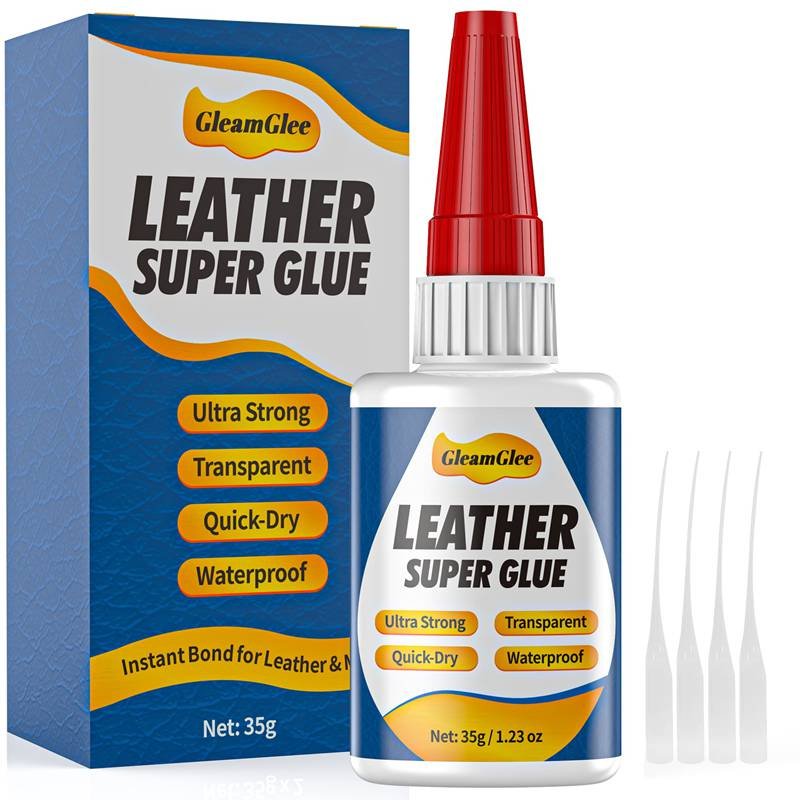
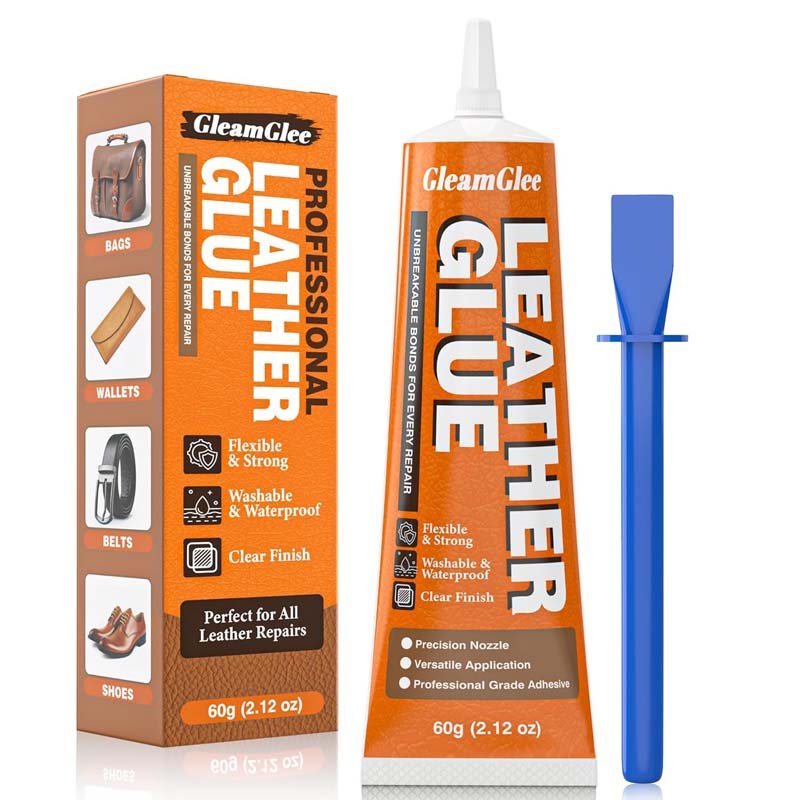
If you’re repairing leather for everyday use, or sourcing a reliable leather adhesive for retail, DIY, or professional applications, GleamGlee leather glue is engineered to deliver consistent, flexible, and clean results.
For consumers, it’s available via Amazon with fast local delivery.
For brands and businesses, GleamGlee also offers custom formulations, OEM/private label options, and low-MOQ production backed by in-house R&D and global logistics.
Repair with confidence. Extend the life of what you already own.
Choose the right glue—and let leather last longer.