 Skip to content
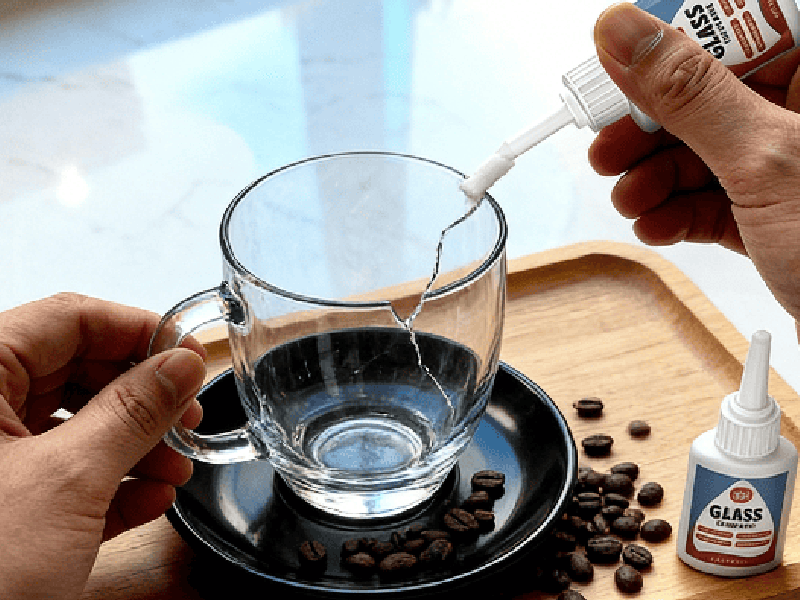
Glue is one of those everyday materials most people rely on—but rarely stop to question. We squeeze it from a tube, brush it onto fabric, apply it to wood, plastic, glass, or shoes, and expect it to “just work.” Yet behind that simple action lies a surprisingly complex blend of chemistry, engineering, and material science. From ancient animal-based adhesives to today’s high-performance polymers, glue has quietly evolved alongside human innovation.
Modern glue is no longer a single substance. It is a carefully engineered system designed to bond specific surfaces under specific conditions—heat, moisture, pressure, movement, or time. A glue that works perfectly on paper may completely fail on rubber. A strong industrial adhesive may be unsafe for home use. And a fast-drying glue is not always the strongest one.
Glue is made of polymers (the bonding backbone), additives (for flexibility, stability, and shelf life), and carriers such as water or solvents. Different glue types—like wood glue, super glue, epoxy, or construction adhesive—use different chemical systems to bond materials through adhesion and cohesion. Modern adhesives are engineered for strength, safety, and compatibility with specific surfaces rather than one-size-fits-all use.
Glue also tells a story—about repair instead of replacement, sustainability instead of waste, and precision instead of brute force. Whether it’s a retired teacher repairing fabric, a hiker saving a favorite pair of boots, or a manufacturer designing safer, eco-friendly formulas, glue connects far more than just surfaces. It connects people to the things they value—and to smarter ways of fixing what matters.
Let’s take a closer look at what glue is really made of, how it works, and why choosing the right adhesive makes all the difference.
What Is Glue Made Of?
Glue is made of three core elements: polymers that create bonding strength, additives that control flexibility, durability, and stability, and a carrier such as water or solvents that keeps the glue usable before application. Different types of glue—like wood glue, fabric glue, epoxy, or construction adhesive—use different polymer systems to match specific materials, environments, and performance needs.
When people ask “what is glue made of?”, they often expect a simple chemical name. In reality, glue is a system, not a single substance. Modern adhesives are engineered blends where each component plays a specific role in how the glue spreads, bonds, cures, and performs over time.
Understanding these components helps users choose the right glue—and avoid common bonding failures.
Why Is Glue Called “Glue”? (Origin and Meaning)
The word “glue” comes from the Latin gluten, meaning a sticky or binding substance. Historically, glue referred to animal-based adhesives, made by boiling collagen-rich materials such as bones, hides, and connective tissue. These early glues were widely used in woodworking, bookbinding, furniture repair, and musical instrument making.
Although modern glues are mostly synthetic, the name remains because the function is unchanged: bonding separate surfaces into a single, stable structure. Today’s glue simply uses advanced chemistry to achieve stronger, cleaner, safer, and more durable results across many materials.
What Are the Three Core Components Found in Most Glues?
Almost all modern adhesives—regardless of brand or application—are built around three foundational components:
| Component | What It Does | Why It Matters |
|---|---|---|
| Polymers | Form the actual bond | Determines strength, flexibility, durability |
| Additives | Modify performance | Controls drying time, clarity, shelf life |
| Carrier (Water/Solvent) | Keeps glue fluid | Affects safety, odor, and application |
This modular structure allows manufacturers to fine-tune glue for specific materials and use cases, rather than offering one “universal” solution.
What Role Do Polymers Play in Glue?
Polymers are the backbone of glue. They are long-chain molecules that either interlock physically, react chemically, or cross-link during curing to form a strong bond.
Different polymer systems create very different behaviors:
- PVA (Polyvinyl Acetate) → flexible, water-based, ideal for wood and crafts
- Cyanoacrylate polymers → ultra-fast bonding for plastic, rubber, metal
- Epoxy resins → high structural strength and chemical resistance
- Polyurethane polymers → waterproof, flexible, excellent for shoes and construction
In simple terms:
👉 The polymer determines what the glue can stick to and how long it will last.

What Additives Are Commonly Used in Glue Formulas?
Additives may sound minor, but they often make the difference between a glue that fails and one that performs reliably.
Common additive categories include:
- Plasticizers – prevent brittleness and cracking
- Stabilizers – protect against heat, UV, and aging
- Fillers – control thickness and gap-filling ability
- Preservatives – prevent mold or bacterial growth
- Anti-yellowing agents – maintain clear appearance
Professional manufacturers like GleamGlee carefully balance additives to ensure consistent performance across millions of units, especially for Amazon and international retail markets.
What Is the Difference Between Water-Based, Solvent-Based, and Reactive Glue Systems?
This is one of the most important distinctions for users:
| Glue System | How It Works | Typical Uses |
|---|---|---|
| Water-Based | Water evaporates, polymers bond | Wood, paper, fabric |
| Solvent-Based | Solvent flashes off | Rubber, leather |
| Reactive | Chemical reaction cures bond | Epoxy, PU, super glue |
Water-based glues are safer and easier to use, while reactive systems deliver maximum strength when conditions demand it.
Why There Is No “One-Ingredient” or “One-Size-Fits-All” Glue
A common misconception is that stronger glue simply contains “more chemicals.” In reality, compatibility matters more than strength.
A glue designed for porous wood may completely fail on smooth plastic. A rigid epoxy may crack on flexible fabric. That’s why professional adhesive design focuses on matching chemistry to materials, not chasing universal strength claims.
This is also why specialized products—fabric glue, shoe glue, glass glue, construction adhesive—exist and outperform generic alternatives.
Which Materials Are Used to Make Different Types of Glue?
Different types of glue are made from different materials because each surface and application requires a specific bonding mechanism. Common glue materials include PVA polymers for wood and paper, acrylics for crafts, cyanoacrylate for fast bonding, epoxy resins for structural strength, polyurethane for flexible waterproof bonds, and silicone for elastic, heat-resistant applications. Choosing the right material matters more than choosing the strongest glue.
One of the biggest reasons glue fails is material mismatch. Many users assume that a “stronger” glue will solve every problem. In reality, glue performance depends on whether the chemical system matches the surface, movement, and environment.
Modern glue manufacturers design different adhesive types by selecting specific base materials, not by changing color, branding, or viscosity alone.
Which Materials Are Used in Water-Based Glues?
Water-based glues are among the most widely used adhesives in everyday life. Their core materials are typically PVA (polyvinyl acetate) or acrylic polymers, dispersed in water.
Key material characteristics:
- Water acts as the carrier
- Polymers form bonds as water evaporates
- No chemical reaction required
Common applications:
- Wood glue for furniture and carpentry
- Fabric glue for textiles and patches
- Paper and bookbinding glue
- School and craft glue
Why users choose them:
- Low odor and low toxicity
- Easy cleanup with water
- Safe for indoor and family use
However, water-based glues are not ideal for non-porous surfaces like metal or glass, and they usually offer limited water resistance unless specially modified.
Which Materials Are Used in Solvent-Based Glues?
Solvent-based glues use organic solvents (instead of water) to dissolve or suspend polymers. Once applied, the solvent evaporates, leaving behind a strong adhesive film.
Typical base materials include:
- Rubber-based polymers
- Neoprene
- Contact adhesive resins
Common applications:
- Leather and shoe repair
- Rubber bonding
- Laminate and flooring installation
Advantages:
- Strong initial tack
- Effective on non-porous surfaces
Limitations:
- Strong odor
- Requires ventilation
- Less environmentally friendly
Many modern manufacturers now reformulate solvent-based glues to reduce VOCs or replace them with safer alternatives.
Which Materials Are Used in Reactive Glues (Chemical-Curing Systems)?
Reactive glues form bonds through chemical reactions, not evaporation. These systems deliver the highest strength and durability when used correctly.
| Glue Type | Core Materials | Typical Uses |
|---|---|---|
| Cyanoacrylate | Acrylic monomers | Plastic, metal, rubber |
| Epoxy | Resin + hardener | Structural repairs |
| Polyurethane | Moisture-reactive polymers | Shoes, construction |
| Silicone | Elastic silicone polymers | Glass, sealing |
These glues are ideal for:
- High-stress environments
- Waterproof or outdoor applications
- Dissimilar material bonding
However, they require precise application and curing time, which is why instructions matter.

What Materials Are Used in Glue for Specific Surfaces?
Professional glue design always starts with the surface:
| Surface | Recommended Glue Materials | Why |
|---|---|---|
| Wood | PVA, modified PVA | Penetrates fibers |
| Fabric | Flexible acrylics | Wash resistance |
| Plastic | Cyanoacrylate, PU | Low surface energy |
| Metal | Epoxy, CA | High shear strength |
| Glass | Silicone, clear epoxy | Transparency |
| Shoes | Polyurethane | Flex + waterproof |
This is why specialized glue products consistently outperform “multi-purpose” glues.
What Is the Strongest Type of Glue — and Why Strength Depends on Material
A common user question is: “What is the strongest type of glue?”
From a materials perspective, the answer is context-dependent.
- Epoxy offers the highest structural strength on rigid surfaces
- Polyurethane excels where flexibility and waterproofing are required
- Cyanoacrylate provides extreme instant bonding but limited flexibility
True strength is measured not just by tensile force, but by:
- Shear resistance
- Environmental durability
- Long-term stability
In real-world use, the “strongest” glue is the one engineered for that exact material and condition.
Why Professional Glue Manufacturers Do Not Use One Universal Material
From a manufacturing standpoint, no single material can meet all requirements. Using one universal glue would mean sacrificing:
- Bond reliability
- Safety
- User experience
This is why manufacturers like GleamGlee develop material-specific adhesive systems, each optimized through lab testing, surface compatibility studies, and real-world simulations.
How Does Glue Actually Work to Bond Materials Together?
Glue bonds materials by creating adhesion to the surface and cohesion within the glue itself. Depending on the formula, glue works through surface wetting, mechanical interlocking, or chemical reactions during curing. Proper surface preparation, correct glue selection, and sufficient curing time are essential to achieve a strong, long-lasting bond.
At first glance, glue seems simple: apply it, press two surfaces together, wait, and the bond holds. But beneath that simplicity lies a combination of physics, chemistry, and material science. Understanding how glue works explains why some repairs last for years while others fail within minutes.
How Does Glue Stick to Different Surfaces? (Surface Wetting Explained)
Before glue can bond anything, it must wet the surface—meaning it must spread evenly rather than bead up. This depends on surface energy.
- High-energy surfaces (wood, paper, fabric, concrete) allow glue to spread easily
- Low-energy surfaces (plastic, rubber, silicone) resist wetting
If glue cannot wet the surface, it cannot form a bond—no matter how strong the adhesive claims to be. This is why certain plastics require special glue formulas or surface primers.
Key takeaway:
👉 Glue must first spread correctly before it can bond effectively.
What Is Mechanical Interlocking and Why Does It Matter?
On porous or rough surfaces, glue flows into microscopic pores, cracks, and fibers. Once it cures, it hardens inside those spaces, creating mechanical interlocking—similar to how roots anchor into soil.
This mechanism is especially important for:
- Wood glue
- Fabric glue
- Paper and cardboard adhesives
The deeper the glue penetrates the surface structure, the stronger and more reliable the bond becomes. This is also why sanding wood before gluing significantly improves results.
How Do Adhesion and Cohesion Work Together?
A successful bond requires two forces at the same time:
| Term | Meaning | What Happens If It Fails |
|---|---|---|
| Adhesion | Glue sticks to the surface | Glue peels off |
| Cohesion | Glue sticks to itself | Glue cracks or splits |
Many people blame glue when a repair fails—but in reality, failure often occurs because:
- The glue adhered well but lacked internal strength
- Or the glue was strong internally but didn’t bond to the surface
Professional adhesives are designed to balance both forces precisely.
How Do Chemical Reactions Create Stronger Glue Bonds?
Some glues don’t just dry—they chemically cure.
Examples include:
- Epoxy: resin reacts with hardener
- Cyanoacrylate (super glue): reacts with moisture in the air
- Polyurethane: reacts with ambient moisture
These reactions create cross-linked polymer networks, dramatically increasing strength, heat resistance, and chemical durability. This is why reactive glues are used in structural, waterproof, and high-load applications.
How Does Drying Differ from Curing in Glue Performance?
A critical misunderstanding among users is confusing drying with curing.
- Drying: carrier (water or solvent) evaporates
- Curing: polymers fully form and strengthen the bond
Many glues feel “dry” in minutes but require hours or even 24 hours to reach full strength. Disturbing the bond too early is one of the most common causes of glue failure.
Why Surface Preparation Has a Bigger Impact Than Glue Brand
Even the best glue cannot overcome poor preparation.
Effective bonding usually requires:
- Cleaning oils, dust, and residue
- Drying the surface completely
- Light sanding on smooth materials
In professional testing labs, surface prep alone can improve bond strength by 30–50%, even when using the same glue formula.
Why Different Glues Work Better Under Different Conditions
Glue performance is affected by:
- Temperature
- Humidity
- UV exposure
- Movement or vibration
For example:
- Rigid epoxy may crack on flexible materials
- Flexible polyurethane may outperform epoxy on shoes
- Silicone may bond less strongly but survive extreme heat and movement
This is why material compatibility matters more than raw strength claims.

Are There Natural and Eco-Friendly Glue Ingredients?
Yes. Glue can be made from natural and eco-friendly ingredients such as plant starches, natural rubber, cellulose derivatives, and bio-based polymers. While traditional natural glues had limits in strength and water resistance, modern eco-friendly adhesives now combine renewable raw materials with advanced polymer chemistry to deliver strong bonding, low VOC emissions, and improved safety for home and professional use.
As sustainability becomes a priority, many users ask whether glue can be both effective and environmentally responsible. The answer today is far more optimistic than it was even a decade ago. Modern adhesive technology has evolved well beyond simple animal or plant glues, offering eco-friendly solutions without sacrificing performance—when used in the right context.
What Natural Materials Were Historically Used to Make Glue?
Before synthetic chemistry, glue came entirely from natural sources:
- Animal-based glue made from collagen in bones, hides, and connective tissue
- Plant-based adhesives derived from starch, dextrin, and natural gums
- Natural rubber latex for early flexible bonding
These glues worked well for wood, paper, and fabric, but they had significant drawbacks:
- Weak resistance to moisture
- Sensitivity to heat and humidity
- Short shelf life
Even today, animal glue is still used in book restoration and musical instrument repair, where reversibility is valued over permanent strength.
What Are Modern Bio-Based Glue Ingredients Made From?
Modern eco-friendly glues no longer rely solely on raw natural materials. Instead, they use bio-based polymers, which are chemically modified from renewable resources to improve performance.
Common bio-based ingredients include:
- Modified plant starches
- Cellulose derivatives
- Bio-polyols (plant-derived polymer building blocks)
- Natural rubber blends
These materials are engineered to behave similarly to synthetic polymers, allowing manufacturers to control flexibility, bonding strength, and drying time.
Are Water-Based Glues Considered Eco-Friendly?
In most cases, yes. Water-based glue systems are among the most environmentally friendly adhesive options available today.
Why water-based glues are eco-friendly:
- No harsh organic solvents
- Low or zero VOC emissions
- Reduced odor and indoor air impact
- Easier disposal and cleanup
They are commonly used in:
- Woodworking
- Fabric repair
- Paper and packaging
- DIY and household applications
However, water-based glues may not be suitable for extreme moisture or outdoor conditions unless specially modified.
Are Eco-Friendly Glues as Strong as Traditional Synthetic Glues?
This is one of the most searched questions—and the answer is “it depends on the application.”
| Application | Eco-Friendly Glue Performance |
|---|---|
| Wood & paper | Excellent |
| Fabric & crafts | Very good |
| Plastic & metal | Limited |
| Outdoor / waterproof | Moderate |
Eco-friendly glues can match or exceed traditional performance in low-to-medium stress environments, but fully synthetic systems still dominate in structural, waterproof, or high-load applications.
How Do Manufacturers Reduce Environmental Impact Without Sacrificing Quality?
Professional manufacturers now focus on:
- Low-VOC and solvent-free formulations
- Hybrid systems combining bio-based and synthetic polymers
- Recyclable or biodegradable packaging
- Longer-lasting adhesives to reduce waste
Companies like GleamGlee invest in R&D to strike a balance between performance, safety, and sustainability, especially for markets in Europe, Japan, and North America.
How Can Users Choose an Eco-Friendly Glue That Actually Works?
Users should look beyond marketing claims and focus on:
- Clear ingredient disclosure
- Water-based or low-VOC labeling
- Compliance with REACH, CLP, and GHS standards
- Material-specific performance claims
An eco-friendly glue that fails quickly creates more waste than a durable one. Effectiveness is part of sustainability.
Is Glue Safe? What Chemicals Should Users Be Aware Of?
Most household glues are safe when used as directed, especially water-based and low-VOC formulations. However, some adhesives contain chemicals that may cause irritation or require ventilation, such as solvents, cyanoacrylates, or reactive compounds. Glue safety depends on formulation, application environment, and proper handling. Reputable manufacturers follow international safety standards to minimize health and environmental risks.
Glue safety is one of the most common—and misunderstood—topics among consumers. Many people assume all glue is either completely harmless or extremely dangerous. The truth is more nuanced: most modern adhesives are safe when used correctly, but different glue types come with different handling considerations.
Understanding what’s inside your glue—and how it’s designed to be used—helps you work safely and confidently.
Is Glue Toxic to Humans?
In general, most household glues are not toxic when used as intended. Water-based glues used for wood, fabric, paper, and crafts are typically non-toxic and suitable for indoor use, including in homes with children and pets.
However, certain adhesives are designed for industrial strength and may cause:
- Skin irritation
- Eye irritation
- Respiratory discomfort if used without ventilation
These risks are related to exposure, not normal use. Following label instructions significantly reduces any potential harm.
Which Glue Chemicals Require Extra Caution?
Some glue types contain chemicals that require attention:
| Chemical / System | Where It’s Found | What Users Should Know |
|---|---|---|
| VOCs | Solvent-based glues | Ventilation recommended |
| Cyanoacrylates | Super glue | Bonds skin instantly |
| Epoxy hardeners | Structural glue | Avoid prolonged skin contact |
| Isocyanates | Some PU systems | Use in well-ventilated areas |
Modern formulations increasingly reduce or eliminate these substances, especially in consumer products.
Are Water-Based and Low-VOC Glues Safer?
Yes. Water-based and low-VOC glues are widely considered the safest category for everyday use.
Why they are safer:
- Minimal fumes
- Lower skin sensitivity risk
- Easy cleanup
- Reduced environmental impact
These glues are commonly used in schools, homes, and DIY projects, and they meet strict safety standards in Europe, North America, and Japan.
What Does “Low Odor” or “Non-Toxic” Really Mean on Labels?
Marketing terms can be confusing. “Low odor” does not always mean “chemical-free,” and “non-toxic” does not mean “edible” or risk-free.
What matters more:
- Presence of SDS (Safety Data Sheet)
- Clear hazard pictograms when required
- Compliance with REACH, CLP, and GHS regulations
Reputable manufacturers disclose ingredients transparently and avoid misleading safety claims.
How Can Users Use Glue Safely at Home or at Work?
Simple best practices dramatically reduce risk:
- Work in a ventilated area
- Avoid direct skin and eye contact
- Keep glue containers sealed when not in use
- Store away from heat and children
These precautions apply to all chemical products, not just glue.
Why Professional Manufacturing and Compliance Matter for Safety
Glue safety is not just about ingredients—it’s about process control.
Professional manufacturers like GleamGlee:
- Test formulations under real-use conditions
- Ensure consistent chemical composition
- Provide compliant labeling and instructions
- Meet ISO, REACH, CLP, and GHS requirements
This level of control is what separates trusted adhesive brands from unverified products.
How Do Professional Manufacturers Design Modern Glue Formulas?
Professional glue manufacturers design modern adhesive formulas through a structured process that combines material science, laboratory testing, real-world simulation, and regulatory compliance. Instead of relying on one universal formula, they tailor polymers, additives, and curing systems to specific materials, environments, and use cases—ensuring consistent strength, safety, and long-term reliability at scale.
To most users, glue looks simple. To professional manufacturers, it is a highly controlled chemical system. Designing a modern adhesive is not about making it “stickier,” but about making it predictable, safe, repeatable, and fit for purpose—whether that glue is used on fabric, shoes, books, glass, metal, or construction materials.
How Do Manufacturers Start with Real-World Use Scenarios?
Professional glue design always begins with how the glue will actually be used.
Manufacturers ask questions such as:
- Will the bonded materials flex or stay rigid?
- Will the bond face water, heat, UV, or chemicals?
- Is the user a DIY consumer or a trained professional?
A shoe glue, for example, must remain flexible under repeated bending, while a glass glue must dry clear and resist yellowing. These use-case questions determine every chemical decision that follows.
How Are Polymers Selected and Engineered for Performance?
Once the use scenario is defined, chemists select the polymer system that best fits the job.
Key considerations include:
- Bond strength vs. flexibility
- Cure speed vs. working time
- Transparency vs. gap-filling ability
Manufacturers may choose:
- Modified PVA for wood and fabric
- Polyurethane for waterproof, flexible bonding
- Epoxy for structural strength
- Silicone for elasticity and temperature resistance
Often, polymers are modified or blended, not used “as is,” to fine-tune performance.
How Do Additives Transform a Basic Formula into a Reliable Product?
Additives are where professional formulas truly differ from generic glue.
They are used to:
- Prevent cracking or brittleness
- Control viscosity for precise application
- Improve aging, UV, and heat resistance
- Maintain shelf life across different climates
Inconsistent or poorly balanced additives are one of the main reasons low-quality glues fail prematurely.
How Is Glue Tested Before It Reaches the Market?
Professional manufacturers rely on multi-stage testing, not assumptions.
Typical tests include:
- Tensile and shear strength testing
- Heat and humidity cycling
- Repeated flex and fatigue testing
- Aging simulations (weeks or months accelerated)
These tests simulate real-life abuse, not ideal lab conditions. Only formulas that pass consistently move to production.
Why Manufacturing Scale and Process Control Matter
A formula that works in a lab must also work at millions of units per year.
Professional manufacturers control:
- Raw material sourcing and purity
- Batch consistency
- Automated filling and packaging
- Compatibility between glue and container materials
Without this control, even a good formula can become unreliable once scaled.
How Do Regulations Shape Modern Glue Design?
Modern glue design must meet global safety standards, including:
- REACH (EU)
- CLP / GHS labeling
- SDS documentation
These regulations influence:
- Which chemicals can be used
- Maximum allowed concentrations
- Packaging, labeling, and instructions
Compliance is not optional—it is built into the formula from day one.
Why Specialized Glue Always Outperforms “One-Size-Fits-All” Products
Professional manufacturers rarely produce true “universal glue” because no single formula can optimize:
- Strength
- Flexibility
- Safety
- Ease of use
- Long-term durability
Instead, they design material-specific adhesives, each optimized for its real environment. This approach reduces failure, waste, and user frustration.
FAQs — What Else Do People Ask About What Glue Is Made Of?
Below are some of the most common questions people ask online when trying to understand what glue is made of, how it behaves, and how safe or durable it really is. Each answer is written to give clear, practical guidance—not marketing claims.
Q1. Is glue basically plastic?
In many cases, yes—partly. Many modern glues are made from synthetic polymers, which are chemically similar to plastics. However, glue is not the same as solid plastic. Adhesive polymers are designed to remain fluid before curing and to form bonds rather than rigid shapes. Some glues are water-based or bio-based and contain little to no plastic-derived material at all.
Q2. Does glue expire, and why does it go bad?
Yes, glue does expire. Over time, polymers can degrade, separate, or react with air and moisture. This can cause glue to thicken, dry out, lose strength, or fail to cure properly. Storage conditions—such as heat, freezing, or leaving containers open—can significantly shorten shelf life. Professional manufacturers include stabilizers to extend usability, but no glue lasts forever.
Q3. Why does some glue dry clear while others turn yellow?
This depends on the polymer chemistry and additives. Clear-drying glues use polymers that remain transparent after curing and include anti-yellowing stabilizers. Glues that yellow over time often lack UV resistance or contain resins that oxidize when exposed to light and air. This is especially important for glass, fabric, and visible repairs.
Q4. Is glue made from animals today?
Most modern consumer glues are not animal-based. While traditional animal glue is still used in niche applications like book restoration or musical instruments, today’s adhesives are primarily synthetic or bio-based. These modern formulas offer better strength, consistency, shelf life, and safety compared to animal-derived glues.
Q5. Can glue be waterproof if it’s water-based?
Yes—some water-based glues become water-resistant or waterproof after curing. Once the water evaporates and polymers form a solid film, the bond can resist moisture. However, not all water-based glues are waterproof, so users should always check product specifications rather than assume water resistance.
Q6. Why doesn’t one glue work on all materials?
Different materials have different surface energies, textures, and movement characteristics. A glue that bonds well to porous wood may fail completely on smooth plastic or flexible rubber. This is why professional manufacturers design material-specific adhesives instead of one universal formula. Compatibility matters more than strength claims.
Q7. What is the strongest ingredient found in glue?
There is no single “strongest” ingredient. Strength depends on how polymers interact with surfaces and with each other. Epoxy resins, polyurethane systems, and cyanoacrylates are among the strongest adhesive chemistries, but each excels in different scenarios. The strongest glue is always the one designed for the specific material and condition.
Q8. Is glue safe to use indoors?
Most household glues—especially water-based and low-VOC formulations—are safe for indoor use when used as directed. Stronger adhesives may require ventilation or protective measures. Always follow label instructions and safety data provided by reputable manufacturers.
Q9. Can glue lose strength over time after it cures?
Yes. Long-term exposure to heat, UV light, moisture, or repeated stress can weaken some adhesive bonds. High-quality glues include stabilizers to resist aging, but no adhesive is immune to extreme conditions. Choosing the right glue for the environment greatly extends bond life.
Q10. How can users tell if a glue is professionally made?
Professional-grade glue typically offers:
- Clear ingredient or safety disclosure
- Consistent performance across batches
- Compliance with REACH, CLP, or GHS standards
- Clear instructions for use and curing
These factors signal proper formulation, testing, and quality control.
Conclusion
Glue is far more than a sticky liquid—it is a carefully engineered solution that balances chemistry, safety, performance, and usability. Understanding what glue is made of empowers you to choose the right adhesive, avoid failures, and extend the life of the things you care about.
At GleamGlee, we design adhesives not just to bond materials—but to support real lives: repairing shoes instead of replacing them, restoring books instead of discarding them, and enabling DIY solutions that are reliable, safe, and professional.





















