Skip to content

Museum Gel for Artifacts and Figurines: A Curatorial Guide to Safe, Stable Displays
Your trusted adhesives glue & cleaner manufacturer

A valuable figurine does not need a dramatic fall to be put at risk. Many display accidents begin with tiny movements that are easy to ignore: a cabinet door closes, someone wipes a shelf, a pet brushes against furniture, or a tall resin figure slowly shifts across a polished surface. For collectors, decorators, hobbyists, galleries, and retail displays, the practical challenge is keeping objects stable without turning a temporary arrangement into a permanent installation.
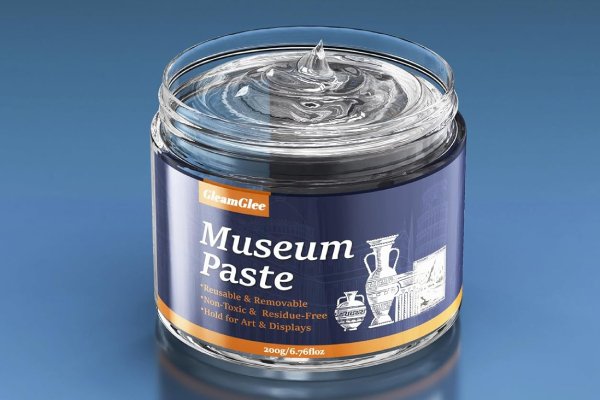
Museum gel is a clear, removable stabilization material placed beneath freestanding collectibles, artifacts, figurines, glassware, ornaments, models, and similar objects on compatible horizontal surfaces. It helps reduce sliding, tipping, and minor movement while allowing the object to be removed and repositioned later. Unlike repair glue, it is intended for display stability rather than structural bonding, wall mounting, or repairing broken components.
That difference matters when the object has emotional, decorative, historical, or financial value. A collector may spend years building a porcelain, anime, crystal, or miniature collection, yet the whole display can remain vulnerable to one careless bump. The most useful museum gel applications are therefore not about making an object permanently immovable. They are about adding a discreet layer of stability while preserving the freedom to clean, rotate, photograph, store, sell, or rearrange the collection in the future.
What Is Museum Gel for Artifacts and Figurines?
Museum gel is a transparent, flexible, removable material used beneath freestanding objects to increase resistance to sliding and minor tipping on horizontal display surfaces. It is commonly used for figurines, collectibles, crystal, glass décor, models, ornaments, and decorative artifacts where users want greater stability without drilling, screws, permanent glue, or highly visible mounting materials.
How Does Museum Gel Hold Collectibles?
Museum gel works differently from ordinary repair adhesive because it is not intended to cure into a rigid structural bond. Instead, the flexible material conforms closely to the base of the object and the display surface beneath it. This broader contact area creates resistance against small sideways movements that may otherwise cause a hard figurine, glass ornament, or polished collectible to slide across a smooth shelf.
The effect becomes especially useful when two hard, smooth surfaces meet. A glazed ceramic figurine placed directly on glass, for example, may look perfectly stable until a cabinet door closes or a table receives a small bump. A controlled amount of gel beneath the base helps absorb minor movement and reduces the chance that the object will gradually migrate from its intended position during everyday use.
For small collectibles, a pea-sized amount is often a sensible starting point rather than covering the entire underside. The gel can be rolled into a small ball, positioned beneath a stable load-bearing area, and compressed by gently pressing the object into place. With the GleamGlee museum gel formulation, the holding effect becomes more established after approximately 30 minutes under normal indoor display conditions.
The objective is not maximum possible bonding strength. For collectible display, excessive permanence can create a different type of risk when an object later needs to be moved. A removable system is more practical for collections that are cleaned regularly, reorganized by season, photographed for social media, taken to events, placed in storage, or eventually sold to another collector.
What Problems Does Museum Gel Help Prevent?
Many collectible accidents begin with ordinary household movement rather than a major event. A display cabinet may vibrate slightly whenever its door opens. A shelf may move when someone walks heavily across the room. A pet may brush against a low table. During cleaning, a cloth can catch the base of an ornament and shift it several centimeters before anyone notices what happened.
Museum gel is most useful against these small but repeated forces. It can help reduce accidental sliding on polished surfaces, minor tipping caused by bumps, gradual movement inside cabinets, disruption during nearby cleaning, and shifting of hobby pieces or decorative displays. It is also useful in office and retail environments where products, samples, awards, or decorative objects need to remain consistently positioned during normal daily activity.
| Display Situation | Common Movement Risk | Practical Role of Museum Gel |
|---|---|---|
| Glass display cabinet | Door movement and low surface friction | Adds removable grip beneath figurine bases |
| Open bookshelf | Accidental bumps during cleaning | Helps reduce small shifts and tipping |
| Acrylic display riser | Smooth surface allows movement | Improves positional stability |
| Office desk | Repeated light vibration | Helps keep awards and décor aligned |
| Hobby layout | Miniatures move during handling | Stabilizes small scenery and models |
| Retail showcase | Frequent activity around display | Helps maintain product positioning |
Museum gel should still be treated as one part of a good display system rather than a guarantee against every accident. Shelf depth, furniture stability, object height, weight distribution, base width, and distance from the edge all affect the likelihood of tipping. A sensible display arrangement reduces risk first; the gel then adds another controlled layer of protection.
How Is Museum Gel Different from Permanent Adhesive?
Permanent adhesive and museum gel solve different problems. A structural glue is designed to join two materials together and maintain that bond after curing. Museum gel is designed to stabilize an object that is already complete and capable of standing on its own. If a porcelain figurine has broken into several pieces, it needs an appropriate repair adhesive, not display gel.
The distinction becomes important whenever an object may need to move again. Collectors routinely rearrange shelves, rotate seasonal pieces, clean cabinets, photograph rare figures, lend objects to exhibitions, move homes, or sell items. Permanent adhesive can make these ordinary activities difficult and may introduce unnecessary risk when the object eventually has to be detached from the shelf or supporting furniture.
Clear museum gel is therefore best understood as a reversible display accessory rather than a repair product. It is particularly useful when the user wants more stability but does not want screws, visible tape, drilled holes, or a permanently altered base. That balance between secure placement and later removability is one of the main reasons the material is used in collectible, decorative, hobby, gallery, office, and retail environments.

Which Collectibles Work Best with Museum Gel?
Museum gel works best with freestanding collectibles that already have a reasonably stable base and are displayed on clean, level, horizontal surfaces. Common examples include resin figurines, porcelain pieces, crystal ornaments, glass décor, miniatures, action figures, trophies, hobby models, and decorative objects, provided the actual contact surfaces are stable and compatible with removable gel.
Is Museum Gel Suitable for Figurines?
Figurines are among the most practical uses because many collectible designs prioritize appearance over maximum mechanical stability. Anime statues can have dynamic poses and narrow footprints. Resin figures may be tall compared with the size of their bases. Porcelain figurines can be heavy but fragile. Blind-box collectibles and small vinyl figures are often placed close together, allowing one accidental movement to affect several neighboring pieces.
Museum gel can be useful beneath anime figures, action figures, resin statues, glazed ceramic collectibles, porcelain figurines, vinyl characters, model kits, miniature sculptures, decorative figures, and similar items. The name of the collectible is less important than its base geometry, material finish, weight distribution, and the type of shelf or riser on which it is displayed.
Before applying gel, inspect the underside carefully. A figurine described as resin or ceramic may actually have a felt pad, paper label, authenticity sticker, artist signature, foil mark, soft rubber foot, hand-painted underside, or restoration area at the point where the gel would make contact. These details can be more sensitive than the main material from which the object was made.
Tall or dynamically posed figurines also require a basic balance check. Museum gel can improve the connection between the base and the shelf, but it cannot eliminate the mechanical disadvantage created by a very high center of gravity. If the figure is unstable before the gel is applied, a dedicated stand, wider support, or other mechanical restraint may be a safer solution.
Can Museum Gel Hold Glass and Crystal?
Glass and crystal are especially suitable applications because they combine smooth contact surfaces with high visual sensitivity. Crystal ornaments, glass animal sculptures, small vases, candle holders, awards, decorative glassware, and transparent art pieces often sit on similarly smooth shelves. That combination looks elegant but may provide relatively little resistance to sideways movement during everyday activity.
A transparent museum gel can increase stability without introducing a visibly colored support beneath the object. This matters when the display is designed around clean lines, glass shelving, acrylic risers, lighting, and careful spacing. A clear support material is less likely to distract attention from the collectible itself when used in a controlled amount beneath an appropriate base.
Plain glass and finished crystal are easier to evaluate than decorated or altered surfaces. Painted glass, mirrored coatings, foil labels, paper maker’s marks, metallic details, decals, restored edges, and decorative films should be treated separately. The contact point matters more than the broad material category written on the product description.
The shelf also needs preparation. Fingerprints, oily furniture treatments, dust, wax, cleaning residue, and moisture can reduce reliable contact. A clean, dry surface gives the gel a better opportunity to conform closely to both sides. For valuable crystal pieces, keeping the object away from the shelf edge remains important even when a stabilization material is used.
Can Museum Gel Be Used for Artifacts and Hobby Displays?
The term artifact can describe everything from a modern decorative reproduction to a historically important object, so the level of caution should reflect the actual value and condition of the item. Museum gel can be practical for ordinary household antiques, memorabilia, vintage ornaments, trophies, decorative ceramics, souvenir collections, and small display pieces that have stable, compatible bases.
Historically significant, irreplaceable, restored, or highly porous objects deserve a more conservative approach. Old varnish, previous repairs, fragile paint, paper provenance labels, unfinished timber, aged coatings, waxed finishes, and unknown restoration materials can behave differently from modern glass, resin, or glazed ceramic. Professional conservation advice is more appropriate when the cost of a wrong decision would be permanent damage to an important artifact.
Hobby displays provide a more straightforward application because the pieces are often lightweight, small, frequently rearranged, and placed on modern display surfaces. Dollhouse furniture, miniature scenery, model railway buildings, scale vehicles, photography props, tabletop models, craft scenes, and display prototypes can benefit from small, carefully positioned gel contact points.
For miniature work, several tiny points are usually more manageable than one large lump. This helps keep the material hidden and makes it easier to reposition individual components later. The object should still be capable of standing properly before stabilization. Museum gel improves an existing display arrangement rather than compensating for a model that is structurally incapable of remaining upright.
Is Museum Gel Safe for Valuable Displays?
Museum gel can be suitable for valuable displays when both the object and supporting surface are stable, smooth, and compatible. Safety depends on the exact material, coating, age, porosity, previous restoration, and environmental conditions. Painted, unfinished, restored, porous, historically important, or irreplaceable pieces should be tested in a concealed area or assessed more carefully before extended direct contact.
Which Materials Are Usually Compatible?
Smooth, stable, nonporous materials generally provide the most predictable environment because the gel remains near the surface instead of being absorbed into the material. Plain glass, glazed ceramic, crystal, polished metal, smooth resin, many rigid plastics, marble, polished stone, and other stable finished surfaces are common applications when the contact area is clean and in good condition.
Wood requires more judgment because the word covers a wide variety of finishing systems. A modern sealed cabinet with a durable factory coating is very different from unfinished timber, an antique shellac finish, wax-treated furniture, or a handmade surface with an unknown coating. The same principle applies to plastics, where standard hard plastic and soft-touch coatings may respond differently to prolonged contact.
| Material or Surface | General Suitability | Practical Precaution |
|---|---|---|
| Plain glass | High | Clean and dry before use |
| Crystal | High | Keep away from foil or paper labels |
| Glazed ceramic | High | Check underside decoration |
| Smooth resin | Good | Test painted areas first |
| Hard plastic | Good | Check coatings and rubberized finishes |
| Metal | Good | Remove oil or polish residue |
| Marble or polished stone | Good | Check sealers and treatments |
| Finished wood | Variable | Test a concealed area first |
| Unfinished wood | Caution | Avoid without compatibility assessment |
| Paper, felt, fabric | Low | Prefer another stabilization method |
Compatibility is always a two-surface question. The object may be made from porcelain while its actual underside is covered by paper. A glass sculpture may be suitable, while the antique wooden table underneath it may not be. Experienced display work starts by identifying both contact surfaces rather than relying on a broad label such as “ceramic,” “wood,” or “plastic.”
Are Painted Figurines Safe to Use with Museum Gel?
Painted figurines require more care because the coating becomes the real contact material. Modern factory coatings may be durable and stable, while hand-painted finishes, matte coatings, metallic paint, soft-touch layers, restored areas, aged varnish, recently painted surfaces, and decorative lacquers can respond differently to pressure and prolonged contact.
A concealed-area test is one of the most practical precautions. Choose a small hidden area that uses the same finish as the intended contact point, apply only a tiny amount of gel, allow it to remain for an appropriate evaluation period, and remove it gently. The area should then be checked carefully under good lighting before the display is installed permanently.
Look for color transfer, softening, staining, changes in gloss, tackiness, texture changes, or visible pressure marks. If the coating behaves differently after contact, the gel should not be used directly on that area. This type of small test is particularly useful for hand-painted resin figures, limited-edition porcelain pieces, restored collectibles, and handmade decorative objects.
The financial or sentimental value of the collectible should influence the acceptable level of uncertainty. A modern inexpensive ornament can tolerate a different decision process from a rare numbered figurine or family heirloom. When the object is irreplaceable, avoiding direct experimentation is often more sensible than relying on assumptions about how a coating will behave.
Which Surfaces Need Extra Caution?
Porous and unstable surfaces require the greatest caution because they may absorb components or release material during removal. Unfinished wood, paper, cardboard, felt, fabric, porous stone, deteriorated paint, old varnish, waxed furniture, delicate labels, and unknown restoration materials should not be treated like clean glass or glazed ceramic simply because the object itself appears solid.
Environmental conditions also matter over time. Displays near sunny windows can experience higher surface temperatures than the general room temperature. Shelves near radiators, fireplaces, strong display lighting, or conservatories may go through repeated heating cycles. Humidity changes can affect antique finishes, paper labels, wooden bases, and old coatings even when the museum gel itself remains flexible.
A practical screening system is to think in three levels. Stable, smooth, nonporous materials generally present the lowest concern. Painted, coated, sealed, or unfamiliar finishes deserve testing. Porous, fragile, aged, historically important, deteriorating, or irreplaceable surfaces require the highest level of caution and may be better served by a barrier, stand, cradle, or conservation-designed support.
For long-term displays, periodic inspection is useful. Objects that can be handled safely should be checked occasionally for dust buildup, changing furniture finishes, shifting position, contamination of the gel, or changes beneath the contact point. Removable stabilization is most reliable when it is treated as part of routine collection care rather than something installed once and forgotten forever.

How Do You Apply Museum Gel Correctly?
For most small collectibles, begin with a pea-sized amount of museum gel, roll it into a ball, place it under a stable part of the base, and press the object onto a clean, dry horizontal surface. Use only enough material to establish reliable contact, and allow roughly 30 minutes for the grip to become more established before repeatedly moving or testing the object.
How Much Museum Gel Should You Use?
More gel does not automatically create a better display. Excess material can spread beyond the object base, become visible, collect dust, or make later removal more inconvenient. The practical goal is to create several efficient contact points rather than filling every available space beneath the collectible with mounting material.
A small figurine may need only one pea-sized portion, while a broader base may benefit from two, three, or four smaller points. The correct arrangement depends on how the base actually carries the object’s weight. Gel placed beneath an unsupported hollow center contributes less than material positioned under stable load-bearing areas around the perimeter.
| Base Design | Practical Starting Arrangement | Main Consideration |
|---|---|---|
| Small flat base | 1 small portion | Keep gel hidden beneath base |
| Medium round base | 2–3 small points | Balance contact around center |
| Wide rectangular base | 3–4 small points | Distribute contact evenly |
| Multiple feet | Small points beneath stable feet | Avoid paint and fragile details |
| Hollow base | Points around solid perimeter | Do not rely on empty center |
| Irregular base | Several minimal contact points | Test balance before leaving display |
These are practical starting arrangements rather than engineering specifications. Object weight, base area, material, center of gravity, and display surface vary too widely for one universal quantity to be appropriate. Experienced collectors usually begin conservatively and increase contact only if the object still moves too easily during normal handling.
Do You Need to Clean the Surface First?
Surface preparation is one of the easiest ways to improve consistency. Dust, fingerprints, wax, furniture polish, skin oil, moisture, and cleaning-product residue can form a layer between the gel and the actual surface. The shelf may look perfectly clean while still carrying enough residue to reduce reliable contact.
Both the base of the object and the display surface should be cleaned using a method appropriate for their materials and then allowed to dry completely. Avoid applying museum gel immediately after using oily polish, silicone-rich treatments, wax, or cleaners designed to leave a protective film on furniture or glass.
After the surfaces are dry, roll the gel into a small ball, position it beneath a stable part of the base, and press the object down carefully. GleamGlee museum gel is designed to develop a firmer hold after approximately 30 minutes, so repeatedly lifting the piece during the first few minutes is unnecessary and can prevent the contact area from settling properly.
For collections that are changed regularly, surface cleaning should become part of the display routine. Each time a figure is removed for photography, dusting, or rearranging, inspect the underside and shelf before reusing the gel. A clean contact area is more important than simply adding more material when a display begins to feel less secure.
How Do You Secure Tall or Top-Heavy Figurines?
Tall figures require more than a larger quantity of gel because their main challenge is leverage. When the center of mass sits high above a relatively narrow base, even a modest sideways force can create enough rotation to start a tip. Museum gel improves base contact but cannot change the fundamental geometry of the object.
Before installation, evaluate the base width, overall height, weight distribution, and distance from the shelf edge. Moving a valuable figure several centimeters farther back can reduce practical accident risk without changing the appearance of the display very much. Objects should also be positioned away from frequently opened doors, curtains, speakers, pets, and high-traffic areas whenever possible.
For broad bases, several smaller contact points can create more balanced stabilization than one large mass in the center. If a figure stands on several distinct feet or supports, the gel should be placed beneath stable load-bearing areas rather than fragile decorative extensions. The object should remain naturally balanced even before the gel begins contributing additional grip.
If a statue cannot stand confidently without assistance, a purpose-built stand, support arm, display cradle, wider platform, or mechanical restraint is often a better answer. Good display practice combines sensible placement, stable furniture, appropriate contact material, and periodic inspection instead of asking one small amount of gel to compensate for every structural weakness in the arrangement.
How Do You Remove and Reuse Museum Gel?
Removal should be slow and controlled, especially with fragile porcelain, glass, crystal, or resin pieces. The object should be supported with both hands and gently worked free rather than being pulled sharply upward by a delicate part such as an arm, wing, handle, accessory, or narrow decorative feature.
On compatible smooth surfaces, the gel can usually be gathered into a small mass after removal. If it remains clean, flexible, and free from dust or fibers, it can often be reused for another suitable display position. Gel that has collected dirt, lint, furniture treatment, or other contamination is better replaced rather than repeatedly pressed against valuable surfaces.
Reusable does not mean that the same small piece should be used indefinitely. Each removal creates an opportunity to check its condition. A visible change in texture, excessive dirt, embedded fibers, or difficulty forming a clean ball suggests that fresh material will provide a more predictable result.
The object base and supporting surface should also be inspected before reinstalling the collection. Cleaning, repositioning, and periodic checking are good habits for any valuable display. They allow collectors to notice loose labels, surface changes, shifted furniture, dust buildup, or developing instability before those small issues become the cause of a larger accident.
How Does Museum Gel Compare with Putty and Wax?
Museum gel, museum putty, and museum wax are all used to stabilize displayed objects without creating a permanent structural bond, but they differ in transparency, texture, handling, visibility, and preferred applications. Clear gel is particularly useful for glass, crystal, acrylic, and visually sensitive displays, while putty or wax may suit concealed bases or situations where their different consistency is more practical.
What Is Museum Gel Best For?
Clear museum gel has its strongest advantage when the mounting method needs to disappear visually. Collectors often spend considerable time arranging lighting, shelf spacing, acrylic risers, color balance, and background décor. An opaque piece of putty beneath a transparent ornament can attract more attention than expected, especially on glass shelves or close-up photography.
Museum gel is especially practical when the object stands on a horizontal surface, has a smooth and stable base, may need to be moved later, and is exposed mainly to ordinary household bumps or light vibration. Crystal figurines, clear acrylic pieces, resin statues on transparent risers, decorative glass, awards, and collectibles displayed in bright cabinets are common examples.
The removable character is also useful for displays that change often. Blind-box collections grow quickly, anime figures may be rotated by series, hobby models are moved during photography, and seasonal decorations are regularly stored and replaced. A clear stabilization material supports these routines without requiring the object to remain permanently attached to one position.
Transparency should not be confused with universal compatibility. A clear gel may look appropriate beneath an object but still be unsuitable if the actual contact surface is paper, felt, unfinished wood, deteriorated varnish, or fragile paint. Appearance is one factor in the decision; surface condition and reversibility are equally important.
When Is Museum Putty More Suitable?
Museum putty normally has a thicker, clay-like consistency and is commonly produced in opaque colors. It can be practical beneath objects where the base is completely hidden and transparency offers no meaningful advantage. General household décor, ceramics, frames resting on furniture, ornaments, and objects with larger concealed bases are common situations in which putty may be convenient.
The texture can make putty easier to shape into small pads or supportive forms. For some objects with irregular bases, users may prefer that tactile handling. However, formulations vary considerably, and the term museum putty does not guarantee that every product will behave the same way on every finish or remain suitable for long-term contact.
Collectors should therefore avoid simplifying the choice into a claim that gel is always safer or putty is always stronger. The real performance depends on the formulation, surface, base geometry, temperature, contact area, duration of use, and the amount applied. A product that works well beneath glazed ceramic may not be equally appropriate for unfinished wood or delicate paint.
The most useful decision starts with the display rather than the product category. If the material will remain completely hidden and shaping is more important than transparency, putty may make sense. If visual discretion on glass or clear acrylic matters more, transparent gel usually offers a cleaner presentation.
How Is Museum Wax Different?
Museum wax is another removable stabilization option commonly associated with decorative objects, ceramics, collectibles, and display pieces. Its texture is often firmer and more wax-like than clear gel, which some users prefer for specific base shapes or traditional display arrangements. The exact consistency and appearance vary by formulation and manufacturer.
| Feature | Museum Gel | Museum Putty | Museum Wax |
|---|---|---|---|
| Typical appearance | Clear | Usually opaque | Wax-like or translucent |
| Visual advantage | Excellent on glass and acrylic | Best when hidden | Moderate |
| Repositionable | Yes | Usually | Usually |
| Permanent structural bond | No | No | No |
| Typical display use | Figurines, crystal, transparent décor | General household displays | Ceramics and collectibles |
| Horizontal stabilization | Yes | Yes | Yes |
| Suitable for all finishes | No | No | No |
| Sensitive surfaces need testing | Yes | Yes | Yes |
Wax can be useful where the mounting point is not visible and a firmer consistency suits the base. Clear gel has an obvious presentation advantage for transparent objects and minimalist shelving. Putty offers easy shaping. None of the three should be selected solely because its name sounds more professional or because it is marketed for museums.
For figurines, the most practical comparison considers material, base design, shelf type, visibility, frequency of repositioning, and the consequences of failure. A transparent resin figure on an acrylic riser naturally favors gel, while a heavy ceramic ornament with a concealed base may allow several suitable choices after compatibility has been confirmed.
When Should You Avoid Museum Gel?
Museum gel should be avoided when an object must be suspended, mounted vertically, structurally repaired, or protected from forces beyond ordinary display movement. It also deserves additional caution on porous, unfinished, deteriorating, restored, freshly painted, or historically important surfaces. Heavy or inherently unstable objects may require brackets, anchors, stands, cases, cradles, or other mechanical protection.
Can Museum Gel Be Used on Walls?
Museum gel is intended for horizontal stabilization rather than continuous vertical loading. On a shelf, gravity presses the object into the supporting surface while the gel mainly resists sideways movement. On a wall, the mounting material would have to resist the full gravitational load continuously, which is a fundamentally different mechanical demand.
For this reason, museum gel should not be used as the primary mounting system for hanging frames, mirrors, wall-mounted figurines, suspended decorations, shelves, plaques, heavy vertical décor, or objects positioned on steeply angled surfaces. These applications require hardware or mounting products specifically rated for the load and wall material involved.
A removable gel can feel surprisingly secure when pressed between two surfaces by hand, but that initial grip should not be mistaken for evidence that it can safely support an object against gravity indefinitely. The direction of the force matters, and the product is designed around flat horizontal displays where the shelf itself carries the object’s weight.
Collectors who want a discreet wall display should therefore choose a dedicated hanging method and use museum gel only where appropriate on horizontal surfaces. Clear limitations protect both the collection and the people around it, particularly when valuable glass, ceramic, or heavy decorative objects are involved.
Is Museum Gel Suitable for Heavy Objects?
Weight is only one part of the stability problem. A broad, low decorative bowl may weigh several kilograms yet remain naturally difficult to tip, while a much lighter statue with a narrow base and high center of gravity can be far more vulnerable to sideways movement. Geometry and consequences matter as much as mass.
Before relying on removable gel, consider the object’s height, base width, center of gravity, contact area, shelf stability, and location. The most important question is what would happen if the gel offered no resistance at all. If the object could injure someone, destroy something irreplaceable, or fall from a high position, additional restraint is sensible.
Large sculptures, oversized trophies, heavy glass objects, public exhibits, and tall decorative pieces may require mechanical solutions such as stands, brackets, cradles, barriers, straps, cabinet restraints, or professionally designed mounts. The gel can still play a supplementary role in some arrangements, but it should not be treated as the only safety measure.
Experienced display planning uses museum gel to improve an already stable arrangement rather than make an unsafe one appear acceptable. When failure carries serious consequences, the support system should be chosen according to the risk, not according to how convenient or invisible the mounting material happens to be.
Are Rough or Porous Surfaces Suitable?
Rough and porous materials are less predictable because the gel cannot develop the same close surface contact it achieves on glass, glazed ceramic, polished metal, or smooth resin. Unfinished timber, rough stone, fabric, felt, paper, cardboard, deteriorating paint, and porous decorative coatings can also trap or absorb materials placed against them.
This issue commonly appears with figurines that have felt-covered bases. Felt protects furniture against scratching, but it prevents the gel from making direct contact with a stable rigid surface. Pressing gel into fabric or felt may produce inconsistent holding and make later cleanup more difficult than it would be on glass or glazed ceramic.
Paper labels deserve particular attention. Older porcelain, crystal, and collectible pieces frequently carry manufacturer marks, artist labels, handwritten provenance information, price stickers, serial numbers, or foil authenticity marks underneath. These details may contribute significantly to the object’s historical or resale value and should not be covered simply because the surrounding material looks compatible.
Always inspect the actual contact point rather than judging the object by the material visible from the front. A porcelain figurine may have paper underneath. A metal trophy may rest on rubber feet. A resin statue may have felt padding. When the base cannot be confidently assessed, a separate stand or other non-contact support may be the better choice.
When Is Mechanical Securing a Better Choice?
Mechanical securing becomes preferable when the expected forces or consequences of failure exceed the role of removable stabilization. Public exhibitions, heavy sculptures, objects placed above occupied areas, severely top-heavy figures, unstable furniture, high shelves, and collections in areas exposed to significant seismic movement may need a more robust system.
Mechanical solutions can include display stands, custom cradles, brackets, straps, cases, barriers, shelf lips, furniture anchoring, or mounts designed specifically for the object. These methods may be more visible than clear gel, but visibility becomes a secondary concern when safety or preservation is the dominant requirement.
Professional display work rarely relies on one material alone. Cabinet stability, shelf strength, object placement, visitor access, vibration, furniture anchoring, base geometry, lighting, and maintenance routines all influence the outcome. Museum gel is most useful when it becomes one small component within that broader system rather than being treated as the entire protection strategy.
For ordinary home collections, the principle can be simplified. Keep valuable pieces away from edges, avoid overcrowding, stabilize the furniture itself, inspect unfamiliar surfaces before applying gel, and choose a mechanical solution whenever the object is too heavy, too unstable, too valuable, or too dangerous to rely on removable contact material alone.

Conclusion
Museum gel is most effective when it is used for the job it was designed to do: adding discreet, removable stability to freestanding artifacts, figurines, collectibles, crystal objects, models, and decorative pieces on suitable horizontal surfaces. Its strength is not permanent bonding. Its value comes from helping reduce ordinary sliding and tipping while allowing the collection to remain flexible enough for cleaning, photography, seasonal rotation, storage, and future rearrangement.
The quality of the result depends as much on judgment as on the gel itself. Smooth glass, glazed ceramic, crystal, polished stone, metal, resin, and other stable surfaces are generally easier to work with than unfinished wood, paper, felt, fragile paint, old varnish, or unknown restoration materials. Starting with a small amount, preparing the surface carefully, testing unfamiliar finishes, and keeping valuable pieces away from shelf edges can significantly improve everyday display safety.
For collectors who care about both presentation and preservation, the best approach is rarely to make every object as permanently fixed as possible. A well-planned display respects the object, the supporting surface, and the possibility that the collection will evolve. When museum gel is matched to the right materials and used within its practical limits, it provides a simple way to make shelves, cabinets, hobby displays, and decorative arrangements feel noticeably more secure without losing the freedom to change them later.

Frequently Asked Questions
Is museum gel safe for porcelain figurines?
Museum gel is generally well suited to stable glazed porcelain surfaces, especially when the figurine sits on a clean glass, ceramic, or polished display shelf. The underside should still be inspected before application because many porcelain collectibles have paper labels, felt pads, painted details, maker’s marks, or restored areas beneath the base. If the actual contact surface is fragile or unfamiliar, test a concealed area first.
Can museum gel damage wood furniture?
The answer depends on the finish rather than the word “wood.” A modern sealed surface can behave very differently from unfinished timber, waxed furniture, antique shellac, oil finishes, or deteriorated varnish. When the finish is unknown, use a small concealed-area compatibility test before placing a valuable object. For unfinished, porous, historically important, or fragile wood surfaces, another stabilization method may be more appropriate.
How long does museum gel take to hold?
For the museum gel described in this guide, the grip becomes more established after approximately 30 minutes on a clean, dry, compatible horizontal surface. This period should not be confused with the chemical curing time of a permanent adhesive because museum gel remains flexible and removable. Avoid repeatedly lifting or repositioning the object immediately after placement if you want the contact area to settle consistently.
Can museum gel be reused after removal?
Museum gel can often be reused when it remains clean, flexible, and free from dust, lint, oil, furniture polish, or other contamination. After removing the object carefully, gather the gel into a clean mass and inspect its texture before using it again. If it has collected fibers, changed significantly in consistency, or no longer forms a clean contact point, replacing it is more sensible than repeatedly using contaminated material.
Is museum gel better than museum putty for figurines?
Neither option is universally better. Clear museum gel is particularly useful when transparency, discreet presentation, and use on smooth glass or acrylic surfaces matter. Museum putty can be practical when the mounting point is completely hidden and easy shaping is more important than visibility. Figurine material, base geometry, shelf finish, frequency of repositioning, and surface sensitivity should determine which removable stabilization method is more suitable.
Can museum gel stop figurines falling during an earthquake?
Museum gel can help reduce small movements and may provide useful supplemental stabilization, but it should not be treated as a complete earthquake-protection system for valuable, heavy, or dangerous objects. Significant seismic movement can exceed the role of removable gel. In higher-risk environments, combine sensible object placement with cabinet anchoring, shelf restraints, mechanical supports, barriers, or other measures appropriate to the value, size, and location of the collection.
Can museum gel be used on walls or for hanging objects?
Museum gel is designed for objects resting on horizontal surfaces rather than for hanging frames, mirrors, wall décor, suspended figurines, shelves, or other vertically loaded items. On a horizontal shelf, the surface carries the object’s weight and the gel mainly helps resist sideways movement. Wall mounting requires hardware or an adhesive system specifically designed and rated to support the object’s weight continuously against gravity.
Share:
Table of Contents
Here, creating your adhesives glue & removal cleaner collection is no longer a barrier—it’s a collaborative journey where GleamGlee helps brands and businesses transform their vision into durable, certified, and market-ready solutions.
Partner with GleamGlee
Join hundreds of global partners who trust GleamGlee for adhesives and cleaners that combine innovation, compliance, and speed. Our vertically integrated system—from R&D to warehouse—guarantees consistent performance and reliable delivery.
Whether you’re sourcing FBA-ready stock or developing your own formula, our team provides unmatched technical support and responsive service.