Skip to content
Floral Adhesive for Prom Corsages: A Practical Guide
Your trusted adhesives glue & cleaner manufacturer

A prom corsage may look light and delicate, yet it has to perform like a small piece of wearable engineering. Fresh flowers, ribbon, greenery, decorative accents, and a wristlet must remain balanced while the wearer walks, hugs friends, raises an arm for photographs, and dances for several hours. A beautiful design can fail quickly when the adhesive is too rigid, applied to a damp surface, or expected to carry more weight than the wristlet can support.
The strongest glue is not automatically the right choice for a corsage. A successful floral adhesive must protect delicate flower tissue, hold securely on small contact points, remain discreet around visible ribbon and petals, and tolerate movement without becoming brittle. The finished corsage also has to survive cooler storage, transport, handling, and several hours of wear.
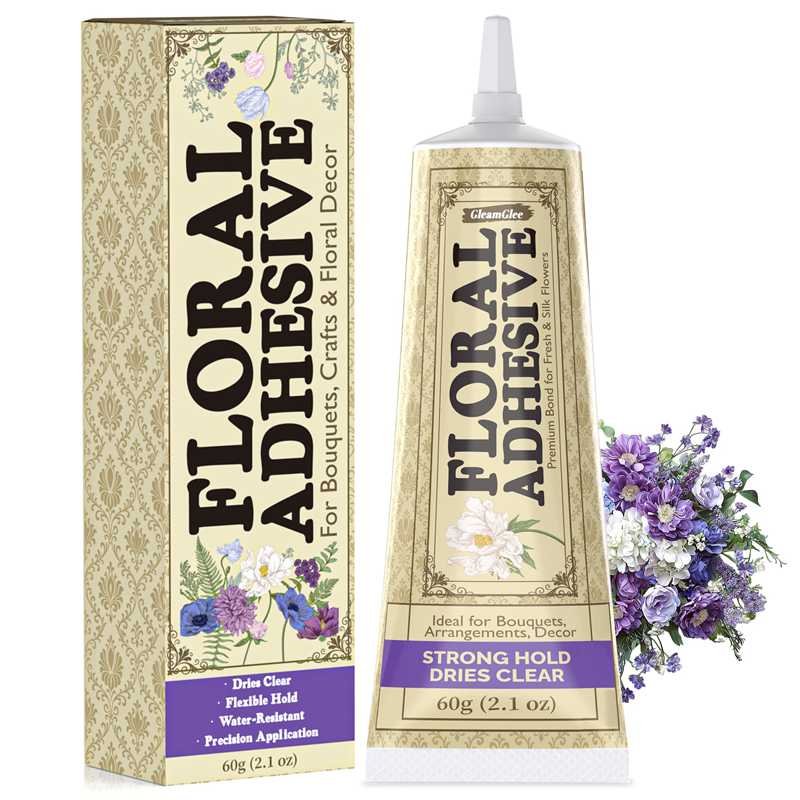
The best floral adhesive for prom corsages is a flower-compatible, fast-setting formula that creates a clean, flexible bond across stems, leaves, ribbon, and suitable wristlet surfaces. It should be applied sparingly to clean, surface-dry contact points, allowed to develop sufficient tack, and given enough time to set before cooling, transport, or wear. Heavy flowers may still require wire, tape, or another mechanical support.
Picture the final hour before prom: the dress is ready, the photographer has arrived, and the focal rose suddenly separates from the wristlet. Most last-minute corsage failures begin much earlier, often with rushed flower conditioning, an unsuitable adhesive, poor weight distribution, or inadequate setting time. Understanding those details makes the difference between a corsage that merely looks good on the worktable and one that remains secure throughout the evening.
What Makes Floral Adhesive Suitable for Prom Corsages?
A suitable floral adhesive must bond fresh flowers without scorching, browning, or leaving obvious residue. It should offer controlled flow, reliable initial grab, moisture resistance, and enough flexibility to tolerate normal wrist movement. The most appropriate formula balances strength, appearance, working time, flower compatibility, and comfort rather than relying on a single performance claim.
Bond Strength and Flexibility
A prom corsage moves whenever the wearer bends a wrist, adjusts a sleeve, lifts a hand for photographs, or dances. Those movements place repeated peeling and twisting forces on every adhesive joint. A bond that feels strong on a flat workbench may become unreliable once the wristlet curves around the arm and the flower begins moving in several directions.
Flexibility matters most where a short stem, calyx, leaf base, or ribbon loop meets a curved support. The adhesive layer needs to absorb small changes in angle without separating from either surface. A large, rigid lump of glue can create a harder stress point around soft floral tissue, increasing the chance that the flower tears beside the bond.
Straight pull tests alone do not represent real wear. A more useful check includes rotating the wristlet, bending the base gently, turning the corsage upside down, and applying light sideways pressure to the focal bloom. These movements reveal weak joints that may not appear during simple handling.
Heavy flowers still require sensible construction. Adhesive can secure a bloom, but it should not compensate for an oversized arrangement, narrow mounting base, or poor balance. Wire, floral tape, ribbon wrapping, clips, or a wider support pad may be needed when the flower cluster carries more concentrated weight.
Moisture and Flower Safety
Fresh flowers contain water, natural oils, sap, and surface waxes. These characteristics affect adhesion even when a product is intended for floral work. Hydrated flowers are essential for freshness, but the small area receiving adhesive should normally be free from visible water before construction begins.
Moisture may come from freshly recut stems, wet foliage, floral preservative solution, cooler condensation, humid event spaces, or perspiration during wear. A moisture-resistant adhesive can protect the completed bond, but it cannot develop properly when applied to a dripping stem or a wristlet coated with condensation.
The safest sequence is to hydrate flowers first, prepare and dry the intended contact point, assemble the corsage, allow the adhesive to reach a stable set, and only then place the design in suitable cool storage. This approach preserves flower freshness without sacrificing bond quality.
Petal safety also depends on application technique. Glue should normally contact a trimmed stem, lower calyx, firm leaf base, or another hidden structural area rather than a thin visible petal. Excessive pressure, oversized glue deposits, or repeated repositioning can damage flower tissue even when the adhesive chemistry is compatible.
Working Time and Flow
A useful corsage adhesive needs enough initial grab to stop flowers from sliding, but it should not become completely immovable before the florist can correct a small placement error. Adjusting the angle of a spray rose, opening a ribbon loop, or repositioning greenery often requires a brief working window.
Flow control can be as important as bond strength. A formula that runs too freely may enter petals or soak through ribbon. A product that is excessively thick may not spread across a small calyx or irregular stem base. A narrow nozzle and stable viscosity make it easier to place adhesive exactly where it is needed.
Packaging affects the experience throughout production. A tube that leaks, clogs, or releases a large amount after light pressure can create visible mess and unnecessary waste. Small florist formats may be convenient for occasional work, while higher-volume seasonal production may require larger packages with controlled applicators.
| Performance factor | Practical expectation | Simple evaluation |
|---|---|---|
| Initial grab | Flower remains in place after brief holding | Position one bloom and observe sliding |
| Flexibility | Joint tolerates normal wrist movement | Complete 10 gentle bend-and-rotate cycles |
| Flow control | No dripping or uncontrolled stringing | Apply to a 5–10 mm contact area |
| Visible finish | Minimal residue around ribbon and flowers | Inspect in daylight and indoor lighting |
| Moisture tolerance | Bond remains stable after cooler storage | Compare before and after storage |
| Repositioning | Minor angle correction remains possible | Adjust during the stated working period |
Comfort and Appearance
A corsage rests against skin or delicate clothing, so reliable construction also includes comfort. Thick glue ridges, exposed wire ends, sharp plastic tabs, and hardened adhesive edges may irritate the wrist, snag a dress, or create pressure during several hours of wear.
The underside deserves the same attention as the floral face. Run a finger carefully around the back after the adhesive has set. Check for hard projections, exposed mechanics, uneven ribbon folds, and adhesive that has spread beyond the intended contact area.
Clear drying is useful, but clear does not always mean invisible. A thick glossy layer may reflect camera flash or stand out against matte ribbon. Controlled application usually produces a cleaner result than attempting to hide excess glue after it has begun to set.
A secure and comfortable corsage comes from several balanced choices: suitable adhesive chemistry, well-conditioned flowers, clean bonding surfaces, controlled dispensing, realistic flower weight, and a wristlet that supports the design without excessive movement.

Which Adhesive Works for Each Corsage Material?
Cold floral adhesive is generally the safest starting point for fresh flowers, short stems, leaves, and delicate botanical details. Ribbon, plastic wristlets, metal cuffs, preserved flowers, artificial flowers, and heavy decorations may behave differently. The correct attachment method depends on material type, texture, weight, moisture, temperature, and movement rather than one universal glue.
Fresh Flowers and Greenery
Fresh flowers require an adhesive that bonds botanical tissue without direct heat. Cold floral adhesive is commonly used because it can be placed on trimmed stems, calyxes, and firm leaf bases while avoiding the thermal risk associated with a hot-glue gun.
The strongest part of a flower is rarely the petal. A small bloom should usually be attached through a stable stem end or calyx. Greenery often bonds more reliably at the thicker stem or leaf base than along a delicate outer edge.
Flower varieties still require individual testing. Spray roses, orchids, miniature carnations, waxflower, chrysanthemums, and eucalyptus have different surface characteristics. Some are waxy, some release sap, and others bruise easily. One application amount or contact method may not suit every variety.
For important orders, test at least three examples of each major flower type. Examine the flowers after initial setting, after cooler storage, and again after several hours at normal room temperature. Look for slippage, tissue damage, discoloration, softening around the joint, and visible adhesive residue.
A flower-compatible adhesive should support the design without becoming the dominant visual element. When the bonding point is hidden beneath greenery, ribbon, or surrounding blooms, the corsage retains a lighter and more natural appearance.
Ribbon and Fabric
Ribbon may look like a simple material, but different fabrics absorb adhesive at different rates. Satin can show dark wet marks, organza may become stiff or visibly saturated, velvet has a raised surface that reduces contact, and polyester ribbon may reveal glossy residue around the edges.
A thin layer placed between hidden surfaces usually gives a cleaner result than a thick bead. When ribbon creates the structural foundation, wrapping, tying, or stitching may provide more dependable support than adhesive alone. The glue can then position flowers instead of carrying the entire load.
Before production, apply the intended formula to a spare piece of ribbon and leave it for the full setting period. Inspect both sides for staining, bleed-through, stiffness, color change, and visible shine. Repeat the check under camera flash because prom photography can reveal marks that remain subtle in daylight.
Fabric should also be tested after bending. A ribbon bond may look clean while flat but develop a hard crease or visible separation when wrapped around a curved wristlet. Material testing should reflect the final shape rather than only the workbench condition.
Wristlets and Decorative Bases
Plastic, metal, silicone, coated fabric, elastic, and hook-and-loop wristlets all present different bonding challenges. Smooth plastic and polished metal offer limited surface texture. Silicone is difficult for many adhesives because its low surface energy prevents reliable wetting. Elastic continually changes shape during wear.
The base should be cleaned before construction. Dust, skin oil, manufacturing residue, or protective film can weaken contact. Use a cleaning method suitable for the wristlet material, then allow the surface to dry before adhesive is applied.
| Material pair | Main challenge | Practical attachment approach |
|---|---|---|
| Fresh flower to ribbon | Fabric absorption and limited contact | Thin floral adhesive on a hidden base |
| Flower to plastic tab | Smooth surface and wrist movement | Test peel resistance and add support when needed |
| Ribbon to metal cuff | Curved, low-texture surface | Combine wrapping, tying, or clips with adhesive |
| Greenery to greenery | Irregular contact area | Bond at firm stems or leaf bases |
| Charm to wristlet | Concentrated weight | Use wire, a mounting pad, or another mechanic |
| Flower to silicone band | Difficult-to-bond surface | Avoid adhesive-only construction unless validated |
Heavy decorations should not hang from one narrow adhesive joint. A small charm or ornament can create substantial leverage when placed far from the wristlet center. Wire, clips, stitched ribbon, or a reinforced mounting pad can carry the structural load while adhesive prevents unwanted movement.
Artificial and Preserved Materials
Artificial flowers may contain polyester, foam, plastic, paper, latex-like compounds, coated wire, or several materials within one bloom. Dried flowers are light but brittle. Preserved flowers may contain glycerin, dyes, oils, or surface treatments that change adhesion.
Hot glue may work for some artificial materials because no living tissue is present, but heat can still melt thin fabric, deform foam, or leave visible strings. Dried flowers can fracture at the stem before the adhesive joint fails, so stronger glue does not always create a more durable result.
Mixed-material corsages require careful planning. One design may include fresh roses, preserved eucalyptus, polyester ribbon, a plastic wristlet, and metal decorations. Each connection should be treated separately instead of assuming one product will perform equally across every surface.
A dependable approach uses floral adhesive for fresh botanical components, mechanical fastening for heavy or difficult materials, and ribbon wrapping where flexibility is needed. The quality of the final corsage depends less on using one glue everywhere and more on selecting an attachment method that matches each material pair.
How Do You Prepare Flowers and Wristlets?
Flowers should be fully hydrated before assembly, while the actual bonding points should remain clean and surface-dry. The wristlet should be inspected, fitted, and organized before glue is applied. Careful preparation creates broader contact, reduces moisture-related failure, improves balance, and prevents rushed repositioning once the adhesive begins setting.
Flower Selection
Corsage flowers need more than visual appeal. They should be light enough for comfortable wear, durable enough to tolerate handling, and structured enough to offer a secure bonding point.
Small and medium blooms are generally easier to manage than one oversized focal flower. Spray roses, miniature carnations, compact orchids, waxflower, small chrysanthemums, and carefully chosen fillers can provide color and dimension without making the wristlet excessively heavy.
Each flower should be evaluated for bloom weight, petal durability, calyx strength, moisture retention, and proportion. A flower with delicate tissue or a very narrow attachment point may still be used, but it should receive additional support from greenery, ribbon, or a prepared florist base.
Avoid flowers with bruised petals, loose heads, damaged calyxes, soft stems, or early dehydration. Adhesive cannot restore weak plant tissue. A flower already separating at its natural joint may fail even when the adhesive remains firmly attached to the disconnected tissue.
The most attractive bloom is not always the best focal flower. A slightly smaller, fresher flower with a firm base may provide a more balanced and dependable result throughout the event.
Conditioning and Drying
Condition flowers before trimming them for the corsage. Clean tools, fresh water, suitable flower food, and enough hydration time help the blooms begin the event in stronger condition.
A practical sequence starts with inspecting the flowers on arrival, recutting the stems with clean sharp tools, and placing them promptly in fresh hydration solution. Damaged petals and unnecessary foliage should be removed before the flowers enter appropriate cool storage.
Chilled flowers may collect condensation when moved into a warmer workroom. Allow surface moisture to dissipate before applying adhesive. The bloom should remain hydrated while only the intended contact point is gently dried.
Sap-producing stems require additional care. Fresh sap can interfere with adhesion or create discoloration around the joint. Wipe the prepared area, wait briefly, and check whether more sap appears before adding glue.
Drying the contact point does not mean leaving the flower exposed until it wilts. Good preparation maintains moisture inside the bloom while removing the visible water that could prevent proper adhesive contact.
Wristlet Preparation
Inspect every wristlet before adding ribbon or flowers. Check the elastic, clasp, hook-and-loop closure, plastic tabs, metal edges, and decorative surface. Any base that feels loose, sharp, cracked, or uneven should be repaired or replaced before construction continues.
Set adjustable wristlets near the expected wearing size before planning the arrangement. A flat wristlet changes shape when wrapped around an arm. Flowers placed perfectly on a flat surface may tilt outward, crowd together, or change direction once the base curves.
Clean the intended attachment area and allow it to dry. Avoid products that leave oil, silicone, polish, or fragrance residue. A visually clean surface can still contain substances that prevent the adhesive from wetting the material correctly.
Create a complete dry layout using the focal flower, supporting blooms, greenery, and ribbon. Check the shape from the front, both sides, and the wearer’s viewpoint. Taking a photograph before gluing helps maintain the intended arrangement during assembly.
Layout and Balance
The heaviest flower should normally sit close to the center of the wristlet. Blooms positioned too far to one side create a lever effect that encourages spinning and increases peeling force at the adhesive joint.
Light materials can create width without adding unnecessary weight. Ribbon loops, fine greenery, and small fillers make a corsage appear full while allowing the focal bloom to remain visually dominant.
For repeated orders, record the approved sample before full production. A simple design record helps several florists produce matching corsages and makes later troubleshooting more accurate.
| Design control | Useful production record |
|---|---|
| Wristlet type | Material, size, closure, and attachment pad |
| Flower count | Number of focal, secondary, and filler flowers |
| Finished weight | Completed sample weight in grams |
| Overall width | Widest finished measurement |
| Overall height | Distance from base to highest bloom |
| Assembly order | Sequence of ribbon, greenery, and flowers |
| Attachment method | Adhesive, wire, tape, clips, or combined method |
A consistent corsage design is easier to reproduce when weight, dimensions, flower count, and construction sequence are documented. These records also help identify whether future failures come from natural flower variation, material substitution, or changes in application technique.

How Do You Apply Floral Adhesive Correctly?
Apply floral adhesive in a thin, controlled layer to clean, surface-dry contact points. Allow it to develop the tack specified for the formula, then press the materials together without crushing the flower. Build the design from the structural base outward, support each joint during its initial set, and avoid cooling or heavy handling until the bond becomes stable.
Choosing the Contact Point
The best contact point is firm, hidden, dry, and broad enough for the weight it must carry. On a flower, that may be the trimmed stem end, lower calyx, or another stable area. On greenery, it may be a thicker stem or leaf base. On a wristlet, it should be a prepared mounting surface rather than a decorative edge.
Avoid attaching a heavy bloom through a thin petal. Petals are designed for display rather than structural loading. Even when the adhesive bonds correctly, the flower tissue may tear around the glue.
Where the available contact area is too small, improve the foundation before applying more adhesive. Add a ribbon base, greenery pad, taped stem, or purpose-made florist attachment. A broader support spreads force more evenly and often creates a cleaner result than a large glue deposit.
Plan the angle before making contact. Rotating a flower repeatedly after the adhesive begins developing tack can weaken the joint, spread glue into visible areas, and bruise the plant tissue.
Inspect the planned connection from several directions. The best bonding point should remain hidden when the wrist is turned, not only when the corsage is viewed straight from the front.
Controlling the Amount
The correct amount of adhesive covers the intended contact area without pooling or squeezing out around the edges. Too much may soak through ribbon, collect dust, extend setting time, form a hard ridge, or leave a glossy mark. Too little may leave gaps between uneven surfaces.
When testing a new formula or flower variety, prepare matching samples with a light coating, a full controlled coating, and a deliberately heavy coating. Allow all samples to set under the same conditions, then compare appearance, movement, and flower damage.
Keep the nozzle clean during production. Dried material around the opening can redirect the flow and cause sudden overapplication. Close the package whenever work pauses, particularly when using a fast-setting product.
Never dilute the adhesive unless the manufacturer specifically permits the change. Altering viscosity may also affect bond strength, drying behavior, moisture resistance, and flower compatibility.
A neat joint usually results from precision rather than volume. The adhesive should remain inside the contact area instead of forming a visible shell around the flower base.
Building in Layers
Begin with the components that create the foundation. Secure the wristlet mechanics, ribbon, and base greenery before adding heavier flowers. Supporting blooms should usually be placed next, followed by the focal flower near the balance point.
Finish the design with light fillers and decorative details. This order keeps the heaviest materials close to the wristlet and reduces the need to push an applicator through a nearly completed arrangement.
Layered construction also makes weak joints easier to identify. A shifting ribbon foundation should be corrected before expensive focal flowers are attached. Each important connection should feel stable enough to support the next layer.
Avoid filling every visible gap. Controlled negative space allows individual flowers to remain recognizable and keeps the corsage light. Overcrowding adds weight, hides contact points, and makes final inspection more difficult.
The back and sides should be checked throughout construction. Visible glue and poorly supported components often remain hidden until the wristlet is rotated, handled, or photographed from another angle.
Checking the Bond
Initial grab and full cure are not the same. A flower may remain upright after brief holding while the adhesive still needs additional time to develop its final strength. Follow the timing provided for the specific formula rather than assuming every floral adhesive behaves alike.
After the initial set, rotate the wristlet slowly, turn it upside down briefly, bend the base through normal wearing positions, and touch each flower lightly from the side. Watch for movement at the calyx, stem, ribbon foundation, and wristlet connection.
Do not pull aggressively on fresh flowers. A destructive test may tear the botanical tissue even when the adhesive is performing properly. Gentle movement reveals slippage without damaging a successful bond.
Keep one separate test corsage when producing a large order. That sample can be transported, stored, and handled more extensively without risking a customer’s finished piece.
Any shifting flower should be removed and the cause examined before more adhesive is added. The surface may be damp, the flower may be too heavy, or the contact point may be too narrow for a reliable repair.
How Do You Keep a Corsage Secure and Fresh?
A secure, fresh corsage begins with conditioned flowers, balanced weight, clean contact points, appropriate reinforcement, and enough setting time before cooling or transport. Protect the design from crushing, standing moisture, heat, and direct airflow. Inspect it after cooler storage and before delivery because condensation, movement, and temperature changes may reveal weaknesses that were not visible during assembly.
Preventing Flower Loss
Flower loss usually results from several structural or process problems rather than one weak adhesive. Frequent causes include damp bonding areas, insufficient contact, oversized blooms, premature handling, incompatible wristlet materials, or poor weight distribution.
When a flower shifts or detaches, examine the surface condition, available contact area, flower weight, setting time, and movement of the wristlet. Reapplying a thick layer of glue without identifying the cause may produce a larger but equally weak joint.
Heavy flowers and decorations should have backup support. A short wire, taped stem, ribbon wrap, mounting pad, or clip can reduce the force carried by the adhesive. The glue then controls movement while the mechanical support carries the main load.
For important event orders, prepare several representative samples before full production. Five matching corsages provide more useful information than one perfect sample because they reveal natural variation between flowers and small differences between operators.
Store, transport, and handle the samples in the same way as the final order. A corsage that remains stable during realistic testing is more informative than one inspected only on a stationary workbench.
Reducing Spinning
A corsage spins when its weight sits too far from the center of the wrist or when the band fits too loosely. The problem begins with balance rather than adhesive strength.
Keep the focal flower near the centerline and avoid placing several heavy blooms on one side. A tall, top-heavy arrangement creates more rotational force than a lower design with the same total flower weight.
Test the corsage with the palm facing down, inward, and upward. The design should remain centered without pulling sharply toward one side. Ask a test wearer to bend the wrist, raise an arm, and simulate normal photography or dancing movements.
When spinning occurs, reduce overhanging weight, adjust the wristlet fit, widen the support base, or add a second attachment point. Adding more adhesive to the same central joint rarely corrects poor balance.
Ribbon and light greenery can create visual width without concentrating weight. A fuller-looking corsage does not need to contain several large flowers when lighter elements can produce the same visual effect.
Cooler Storage
A completed corsage should enter suitable cooler storage only after the adhesive reaches a stable set. Placing a freshly assembled design into a humid environment may slow drying or expose the contact points to condensation.
Use a clean box that protects the flowers without crushing them. The arrangement should not touch the lid or side walls. Avoid standing water inside the box and keep the corsage away from strong direct airflow that may dehydrate exposed petals.
Flower varieties have different temperature sensitivities, so one storage condition cannot suit every design. Follow the postharvest needs of the most sensitive flower and the handling guidance provided with the adhesive.
After removing the piece from storage, check for condensation and allow visible surface moisture to dissipate before sealing the box for delivery. Reinspect every focal flower, decorative accent, and wristlet connection.
Fresh corsages are normally assembled close to the event because flower quality changes over time even when the adhesive remains stable. The safest schedule depends on flower variety, initial freshness, storage environment, packaging, and transport duration.
Transport and Wear
Transport corsages in rigid, correctly sized boxes. The design should rest securely without sliding, but it should not be held so tightly that petals become compressed. When several boxes travel together, keep them level and avoid placing heavy items on top.
Do not leave corsages in a parked vehicle. Interior temperatures can change quickly and damage flowers, soften certain materials, or affect an adhesive that has not completed its full cure.
Before handoff, verify that the wristlet opens and closes correctly, the focal bloom remains stable, the underside has no sharp edges, and the flowers do not touch the box lid. Remove loose plant debris and check the visual balance one final time.
The wearer should handle the corsage by the wristlet rather than lifting it by the flowers. When putting it on, one hand can support the floral cluster while the other adjusts the band.
Small handling habits can prevent damage immediately before the event. Clear storage and wearing instructions are especially valuable when the corsage is collected several hours before prom.

Which Floral Adhesive Specifications Should Buyers Verify?
Purchasers should verify flower compatibility, initial grab, flexible strength, moisture resistance, cooler performance, visible finish, package control, shelf stability, and batch consistency. Evaluation should use the actual flowers, ribbons, wristlets, and production conditions planned for sale. Wholesale projects should also examine quality control, customization, compliance support, lead times, capacity, and repeat-order reliability.
Verifying Product Claims
Terms such as fast-drying, waterproof, clear, flower-safe, and flexible need practical definitions. A reliable supplier should be able to explain the tested materials, environmental conditions, application amount, and point at which each result was measured.
A fast initial set can improve production speed, but it should not remove every opportunity for minor adjustment. A clear finish should be checked on dark ribbon, pale flowers, and under camera flash. Flexibility should be evaluated on a curved wristlet rather than only between rigid laboratory panels.
Each claim can be converted into a repeatable question. How long must the flower be held? Does it slide during the next few minutes? Is the adhesive visible after setting? Does the joint remain stable after repeated bending? Does cooler storage change the result?
Testing should include difficult surfaces as well as ideal ones. A formula that performs well on a dry rose calyx may behave differently on a waxy leaf, preserved foliage, smooth plastic tab, or damp stem.
Performance limitations should be understood before launch. Clear boundaries create more reliable customer instructions and reduce the risk of promoting one product for applications it was never designed to support.
Testing Real Materials
Laboratory data is useful, but corsage production involves irregular natural materials. Application trials should use the actual flower varieties, ribbon types, wristlets, and decorative components expected in the finished product.
A basic trial can include at least three samples for every critical material pair, such as spray rose to ribbon base, greenery to plastic wristlet tab, orchid to prepared mounting pad, and ribbon to metal cuff.
Inspect each sample after initial setting, after the stated curing period, after cooler storage, and following controlled wrist movement. Photographs and written observations provide more value than a simple pass or fail.
For a broader pilot, three production batches with five completed corsages from each batch create 15 samples for comparison. That quantity does not replace formal laboratory testing, but it can reveal variations in viscosity, package flow, initial grab, and operator technique.
Record package weight before and after use, completed unit count, visible stringing, setting behavior, cooler performance, and any discoloration or flower damage. Consistent records make later formulation and packaging decisions more accurate.
Packaging and Production Control
Packaging directly affects application quality. A formula that performs well in bulk can still frustrate florists when the tube leaks, the nozzle clogs, or a small squeeze releases too much product.
Nozzle diameter, flow consistency, cap seal, transport leakage, package recovery after squeezing, and the amount of usable product remaining inside should all be evaluated. The package should support repeated precise application without forcing users to clean the opening after every flower.
Small florist tubes may suit occasional corsage work, while larger formats can be more economical during prom and wedding seasons. The right size depends on daily usage, open-package stability, waste, storage, and applicator control rather than unit price alone.
Production controls should include raw-material verification, mixing records, viscosity checks, filling-weight inspection, leak testing, label inspection, batch coding, retain samples, and final release procedures.
A dependable manufacturer should explain how complaints are traced to a specific batch and how repeat orders are compared with previously approved samples. Formula consistency and package consistency must be controlled together.
Wholesale and Custom Supply
Wholesale and private-label inquiries should describe the intended product in practical terms rather than requesting only floral glue. Fresh, dried, preserved, and artificial flower applications may require different performance targets.
A useful project brief includes the main flower varieties, wristlet materials, package size, nozzle preference, target markets, label languages, seasonal order volume, desired working time, cooler-storage requirements, and reference samples.
Sample testing should happen before bulk production. Formula viscosity, packaging compatibility, artwork layout, application control, storage stability, and shipping performance need to be evaluated as one complete product system.
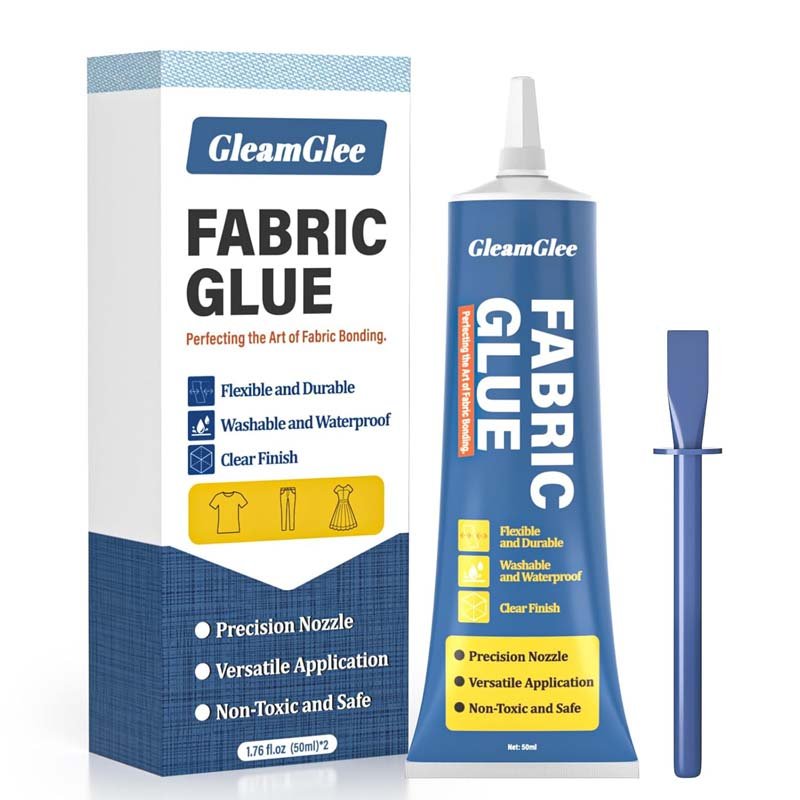
GleamGlee can support qualified projects involving custom formulations, private-label packaging, multilingual artwork, sampling, bulk manufacturing, and international logistics. Its integrated facilities cover formulation research, container sourcing, label printing, filling, quality control, and export preparation.
Custom programs may begin from approximately 200 units when the formulation and packaging are suitable. Printable artwork can be prepared in as little as two days, samples commonly require 7–14 days, and standard bulk production is usually planned around 20 days. Rush schedules near 15 days may be discussed after material, packaging, and production availability are confirmed.

Conclusion
Floral adhesive for prom corsages should be chosen as part of a complete construction system rather than as an isolated product. The finished design must connect fresh flowers, greenery, ribbon, and wristlet materials while remaining attractive, comfortable, and dependable through cooler storage, transport, photography, and several hours of movement.
The most reliable process begins with flower-compatible adhesive and disciplined preparation. Flowers should be hydrated before assembly, but the intended bonding points should remain surface-dry. The wristlet should be fitted and balanced before adhesive is applied, and heavy components should receive mechanical support when necessary.
Controlled application produces cleaner results than using large amounts of glue. Each flower should connect through firm tissue and sufficient contact area, while the completed design should receive enough setting time before refrigeration or extensive handling.
DIY users benefit from testing the chosen flower, wristlet, and adhesive combination before prom day. Florists, distributors, and private-label brands need a broader process that includes repeated samples, cooler checks, transport simulation, package-flow evaluation, batch control, and clear application instructions.
GleamGlee supports adhesive projects through integrated formulation development, packaging selection, label printing, manufacturing, quality control, and international logistics. Floral-supply distributors, online brands, event-product companies, and established retailers can request samples or discuss a private-label formula tailored to specific flower types, applicator formats, markets, and seasonal sales plans.
A detailed quotation request should include the target sales region, intended flower materials, main wristlet surfaces, preferred package format, estimated quantity, label languages, performance targets, sample deadline, and expected launch date.
Providing those details allows the formulation, packaging, compliance, production, and logistics teams to evaluate the project accurately. Qualified customers can contact GleamGlee to discuss wholesale supply, sample testing, private-label packaging, custom formulation, or a complete floral adhesive product-development plan.
Share:
Table of Contents
Here, creating your adhesives glue & removal cleaner collection is no longer a barrier—it’s a collaborative journey where GleamGlee helps brands and businesses transform their vision into durable, certified, and market-ready solutions.
Partner with GleamGlee
Join hundreds of global partners who trust GleamGlee for adhesives and cleaners that combine innovation, compliance, and speed. Our vertically integrated system—from R&D to warehouse—guarantees consistent performance and reliable delivery.
Whether you’re sourcing FBA-ready stock or developing your own formula, our team provides unmatched technical support and responsive service.