Skip to content
Shoe Cleaner for Steve Madden Sneakers : Easy Care Guide
Your trusted adhesives glue & cleaner manufacturer

Steve Madden sneakers are not only shoes for walking. They are part of an outfit. A clean pair can make jeans, dresses, workwear, travel outfits, and weekend looks feel sharp. A dirty pair can do the opposite, even if the sneakers are still comfortable and expensive. The hard part is that many Steve Madden sneakers use mixed materials. One pair may include smooth leather, mesh, synthetic panels, canvas, suede trim, rubber soles, and decorative details. That means one careless cleaning method can solve one problem while creating another.
A shoe cleaner for Steve Madden sneakers should remove dirt, oil marks, scuffs, and surface stains without soaking the upper or damaging the finish. A controlled foam cleaner with a brush and microfiber towel is usually a better choice than heavy water washing because it lets users clean by section, adjust pressure by material, and dry the sneakers more safely.
Imagine a white Steve Madden sneaker after three weeks of commuting. The sole edge has black lines, the toe looks grey, the laces are dull, and the side panel has a small food stain. The sneaker is not ruined. It just needs the right cleaning rhythm before the dirt becomes part of the shoe.
What Is Shoe Cleaner for Steve Madden Sneakers?
A shoe cleaner for Steve Madden sneakers is a controlled cleaning product made to remove daily dirt, sole scuffs, light stains, and surface buildup without soaking the shoe. It is especially useful for fashion sneakers because Steve Madden styles often use mixed materials, such as leather, PU, mesh, canvas, rubber, textile, synthetic panels, and sometimes suede-like trims.
For most daily sneaker cleaning, foam cleaner is easier to control than watery cleaning liquid. It stays on the dirty area, gives the brush enough slip to loosen grime, and allows the microfiber towel to lift dirty residue away before it spreads. This matters for white, beige, cream, and light-colored Steve Madden sneakers, where grey dust, black sole marks, and yellow-toned dullness can show after only a few wears.
A good cleaner should not make the sneaker look over-washed, faded, stiff, or patchy. The goal is to keep the shoe wearable, fresh, and outfit-ready. For Steve Madden sneakers worn for commuting, shopping, work, travel, school, or weekend outfits, regular foam cleaning can help extend the clean look of the shoe and reduce the need for harsh washing later.
What Shoe Cleaner Does
Shoe cleaner works by loosening the bond between dirt and the sneaker surface. On Steve Madden sneakers, dirt usually sits in several places at once: fine dust on the toe box, black transfer marks on the rubber midsole, oil marks on smooth panels, and grey buildup around stitching and lace holes. A foam cleaner helps soften these marks so they can be lifted by a brush and wiped away with a microfiber towel.
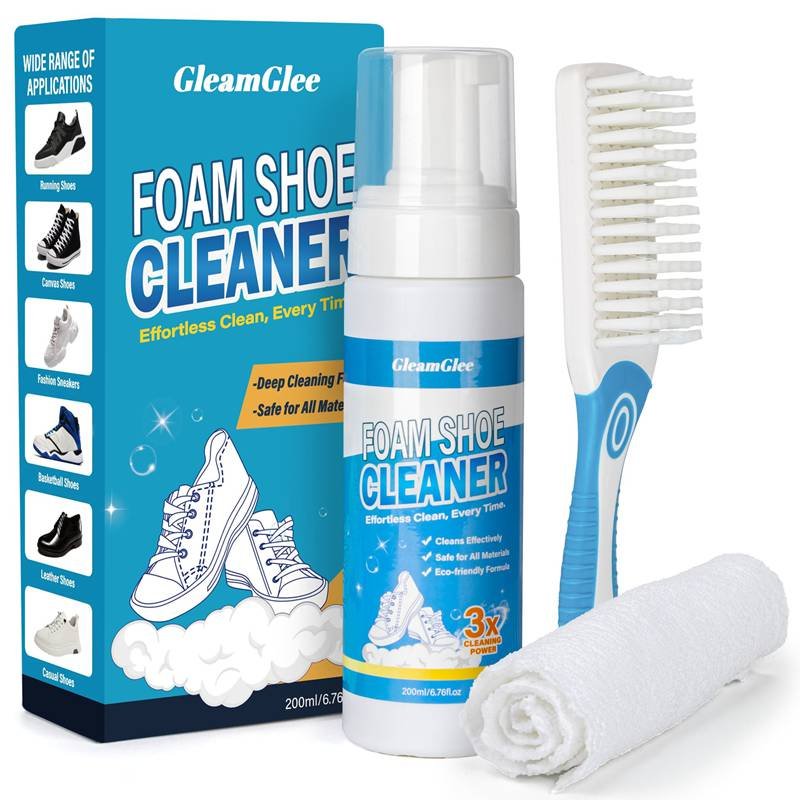
GleamGlee shoe cleaner uses a no-water foam format, which is helpful for customers who do not want to soak their sneakers. Instead of rinsing the whole shoe, the cleaner can be applied only where needed. This gives better control around mixed materials and decorative panels.
Main cleaning functions include:
- Lifting street dust from toe boxes, side panels, and heel areas.
- Loosening black scuff marks from white rubber midsoles.
- Helping remove light oil, food marks, mud splash, and daily grime.
- Refreshing white, beige, and light-colored sneakers before they look heavily worn.
- Cleaning laces, tongues, rubber edges, and fabric panels with less mess.
- Reducing the dull look caused by old dust and surface residue.
| Cleaning Area | Common Problem | Foam Cleaner Benefit |
|---|---|---|
| Toe box | Grey dust, small stains | Lifts dirt without heavy soaking |
| Rubber midsole | Black scuffs, pavement marks | Allows firmer brushing on rubber |
| Tongue | Lace dirt, sweat marks | Cleans in small controlled sections |
| Mesh panel | Dust trapped in texture | Helps loosen dirt with light brushing |
| Laces | Hand oil, dull color | Can be cleaned separately |
| Heel edge | Denim transfer, car-floor dirt | Targets marks without washing full shoe |
Why Steve Madden Sneakers Need Care
Steve Madden sneakers are often chosen for style first. People wear them with jeans, dresses, trousers, skirts, oversized jackets, work-casual outfits, travel outfits, and daily streetwear. Because the sneaker is part of the look, visible dirt changes how the whole outfit feels. A small black mark on the white sole or a grey toe box can make a good pair look older than it really is.
These sneakers also face more daily dirt than many people notice. A pair worn three to five times per week may touch sidewalks, parking lots, office floors, restaurant floors, car pedals, shopping carts, stairs, and rainy streets. Even when the upper still looks acceptable, the sole edge, lace area, and toe curve often collect dirt quickly.
Regular cleaning helps because most sneaker stains are easier to remove early. If dust stays on the shoe and mixes with moisture, oil, or sweat, it becomes grime. If black sole marks are ignored for weeks, they can settle deeper into rubber texture. If laces stay dirty, the whole sneaker looks less fresh.
For daily wear, a practical cleaning rhythm is:
- Lightly wipe or spot clean after visible stains.
- Clean white soles every 1-2 weeks if worn often.
- Clean laces when they start looking grey beside the upper.
- Clean before travel, storage, photos, resale, or important outfits.
- Avoid waiting until the entire shoe looks dirty.
| Wearing Situation | Dirt Level After Use | Suggested Care |
|---|---|---|
| Daily commuting | Medium-high | Light clean every 7-14 days |
| Weekend styling | Low-medium | Spot clean after visible marks |
| Rainy-day wear | High | Dry first, then brush and foam clean |
| School or family use | High | Clean mud and soles weekly |
| Travel wear | High | Clean after each trip |
| Resale or photo prep | Medium | Detail clean upper, sole, and laces |
Which Dirt Shows Fast
The dirt that shows fastest on Steve Madden sneakers is usually not the deepest dirt. It is the dirt placed in the most visible areas. White midsoles show black scuffs quickly. Toe boxes show grey dust because they face forward when walking. Laces darken because they touch hands and collect dust. Heel edges pick up denim transfer, car-floor marks, and chair rub.
Light-colored sneakers show dirt after fewer wears than black sneakers. White, cream, beige, silver, and pastel styles can look dull after a short period of commuting or outdoor walking. Dark sneakers hide some stains, but they still show dust on mesh, sole edges, and textured panels. This is why a clear cleaning routine matters more than waiting for the shoe to look “very dirty.”
Most visible dirt types include:
- Street dust: common on toe boxes, mesh, and side panels.
- Black sole scuffs: common on white rubber edges.
- Mud splash: common after rain, grass, and outdoor walking.
- Food and drink marks: common near the toe or side panel.
- Oil spots: common from restaurant floors, lotion, or hand contact.
- Denim transfer: common near heel collars and side panels.
- Yellow-toned dullness: common on white rubber and synthetic areas.
- Lace grime: common from hand oil, sweat, and dust.
| Dirt Type | Where It Appears | How Fast It Shows | Cleaning Difficulty |
|---|---|---|---|
| Street dust | Toe, mesh, side panel | 1-3 wears | Easy |
| Black scuffs | Rubber midsole | 1-5 wears | Medium |
| Mud splash | Lower upper, sole | Same day | Medium |
| Food marks | Toe, side panel | Same day | Medium |
| Oil marks | Fabric, leather, PU | Same day | Medium-high |
| Denim transfer | Heel, side panel | Several wears | Medium-high |
| Yellow dullness | White rubber, upper | Weeks/months | Medium-high |
Customers usually notice the sneaker looks older when several small dirt types appear together. The upper may only be slightly dusty, but when the laces are grey and the sole edge is marked, the whole shoe looks worn. Cleaning the most visible areas first gives the fastest improvement.
When Cleaning Matters Most
Cleaning matters most before dirt has time to settle. Fresh stains are usually easier to improve than old stains. A food mark cleaned the same day may take only a few minutes. A similar mark left for several weeks may need repeated cleaning and may still leave a shadow, especially on canvas or mesh. The same is true for rubber scuffs: surface transfer is easier to remove than deep abrasion.
Steve Madden sneakers should be cleaned at key moments, not only when they look very dirty. Before travel, cleaning helps the sneakers look better in photos and outfits. Before storage, cleaning prevents old dust and oil from sitting on the material. After rain, cleaning removes mud and water spots before they dry unevenly. Before resale, clean soles and laces can strongly improve first impression.
Useful cleaning moments include:
- After rainy or muddy wear.
- After visible food, drink, or oil stains.
- Before packing sneakers for travel.
- Before storing seasonal sneakers.
- Before photos, events, dates, or casual work outfits.
- Before selling, gifting, or displaying sneakers.
- After several wears when the sole edge starts looking grey.
A simple rule works well: clean small dirt early, clean soles often, and avoid heavy washing unless the sneaker truly needs it. This approach protects the shoe better and keeps the cleaning process easy enough for normal daily use.
| Cleaning Moment | Why It Matters | Best Action |
|---|---|---|
| Same day as stain | Prevents deeper absorption | Spot clean with foam and towel |
| After rain | Removes mud and water marks | Dry brush first, then clean |
| Before travel | Keeps outfits and photos neat | Clean soles, toe, and laces |
| Before storage | Stops dirt from sitting long-term | Full light clean and dry fully |
| Before resale | Improves first impression | Detail clean visible areas |
| Weekly for daily wear | Prevents buildup | Quick foam clean on soles and toe |
Which Shoe Cleaner for Steve Madden Sneakers Fits Materials?
The right shoe cleaner for Steve Madden sneakers should match the shoe material, not just the stain. Smooth leather, PU, synthetic panels, rubber, mesh, canvas, and textile areas can usually be cleaned with controlled foam and gentle brushing. Suede and nubuck-style trims need more caution because too much moisture or pressure can change their texture.
Steve Madden sneakers often combine several surfaces in one pair. A single shoe may have a rubber outsole, synthetic upper, mesh side panel, padded textile tongue, smooth leather-look trim, and suede-like accent. This is why a no-water foam shoe cleaner is practical. It allows section-by-section cleaning instead of soaking the full sneaker. The brush can be used firmly on rubber, lightly on fabric, and carefully around delicate trims.
The safest cleaning choice is one that can remove visible dirt while keeping moisture low. GleamGlee shoe cleaner is suitable for common sneaker materials such as leather, PU, plastic, rubber, canvas, mesh, and suede when used with the right method. The key is not only the formula, but also how it is applied: test first, clean small areas, adjust brush pressure, wipe dirty foam quickly, and air dry naturally.
Leather Steve Madden Sneakers
Leather and leather-look Steve Madden sneakers usually clean better than highly absorbent fabric because much of the dirt stays on the surface. Smooth leather panels often collect grey dust, light food marks, fingerprints, makeup transfer, and black rub marks near the toe and side panels. A foam cleaner works well here because it can loosen surface grime without flooding the shoe.
For leather areas, apply a small amount of foam to the brush or microfiber towel. Clean in gentle circular motions for 15-30 seconds, then wipe away the dirty foam. If a mark remains, repeat once or twice with light pressure instead of scrubbing hard. Strong rubbing can make smooth leather look dull, especially near creases, colored panels, metallic finishes, or coated surfaces.
Important leather cleaning points:
- Use light to medium brush pressure.
- Clean one small panel at a time.
- Wipe away foam before it dries.
- Avoid bleach, alcohol-heavy cleaners, and rough kitchen sponges.
- Keep heat away during drying.
- Check for color transfer on the towel before continuing.
| Leather Area | Common Dirt | Cleaning Method | Risk to Avoid |
|---|---|---|---|
| Toe box | Dust, small stains | Light foam and circular brushing | Dulling from hard scrubbing |
| Side panel | Street grime, rub marks | Foam, brush, towel wipe | Uneven shine |
| Heel counter | Denim transfer, car-floor marks | Repeat light cleaning | Color lift on dyed surfaces |
| Crease lines | Dirt in folds | Soft brush with low pressure | Rough cracked look |
Leather sneakers do not need to be soaked to look clean. A controlled foam cleaner is usually enough for daily dirt. The best result is an even finish that looks refreshed, not overly washed.
Mesh Steve Madden Sneakers
Mesh Steve Madden sneakers need a softer method because dirt gets trapped inside the small openings. The surface may look grey even when the stain is not deep. Heavy brushing can damage mesh, create fuzz, or push dirt deeper. Too much water can also leave uneven wet patches, especially on white, beige, cream, or pastel sneakers.
The best method is dry brushing first. Remove loose dust before adding foam. Then apply a small amount of foam and brush with short, light strokes. Do not press the brush deep into the mesh. The aim is to lift dirt upward and remove it with a microfiber towel. If the mesh still looks dull, repeat a second light round after wiping. Two gentle rounds are safer than one aggressive scrub.
Mesh areas often need attention around:
- Toe vamp.
- Side ventilation panels.
- Tongue fabric.
- Collar fabric.
- Lace row edges.
- Lower mesh near the sole.
| Mesh Problem | What Usually Causes It | Best Response |
|---|---|---|
| Grey surface dust | Sidewalks, office floors, car mats | Dry brush, small foam amount, wipe |
| Dark lace marks | Dirty laces rubbing the tongue | Remove laces and clean tongue lightly |
| Mud dots | Rain, playgrounds, grass | Let mud dry, brush off, then foam clean |
| Sweat dullness | Daily wear and warm weather | Light foam clean, dry fully |
| Old stain shadow | Oil or dirt left too long | Repeat gently, avoid soaking |
Mesh cleaning should be slow and controlled. If the sneaker is cleaned too wet, the inside may take hours to dry and dirt can spread into the fabric. Foam cleaner helps because it limits moisture and gives better control over the exact area being cleaned.
Canvas Steve Madden Sneakers
Canvas and textile Steve Madden sneakers can handle more brushing than mesh, but they absorb stains faster than leather. This makes timing important. Fresh mud, dust, and food marks are usually easier to improve. Old oil stains, denim transfer, and deep color marks may need repeated cleaning and may not fully disappear if they have settled into the fibers.
Canvas should be cleaned more evenly than leather. If only one small spot is scrubbed hard, that area can dry brighter than the rest of the panel. For a better look, clean from seam to seam or across the full visible panel. Apply foam lightly, brush along the fabric direction, and wipe with a microfiber towel before the dirty foam dries.
Good canvas cleaning practice:
- Let wet mud dry before brushing.
- Remove loose dirt before foam cleaning.
- Use light to medium pressure.
- Clean full panels when possible.
- Wipe with a clean towel section.
- Air dry fully before wearing.
- Avoid direct sunlight during drying.
| Canvas Stain | Cleaning Speed Needed | Cleaning Difficulty | Practical Note |
|---|---|---|---|
| Fresh dust | Within 1-2 weeks | Easy | Light foam clean works well |
| Mud splash | After mud dries | Medium | Brush dry dirt first |
| Coffee or drink mark | Same day | Medium | Blot first, then foam clean |
| Oil mark | Same day if possible | Medium-high | May need repeated light cleaning |
| Denim transfer | Early cleaning helps | High | Avoid hard scrubbing |
| Yellow-looking dullness | Regular care needed | Medium | Often improves when surface dirt is removed |
Canvas sneakers should not be treated like laundry. Machine washing or soaking may affect shape, color, glue lines, and drying time. For daily Steve Madden sneaker care, foam cleaning is usually more practical because it targets dirt without putting the whole shoe through a wet wash.
Suede Steve Madden Sneakers
Suede and suede-like trims need the most careful cleaning. The soft surface is made by a raised nap, and that texture can flatten, darken, or become patchy if it is scrubbed too hard or soaked. Some Steve Madden sneakers use suede only as a small accent, but even a small suede area can affect the whole look if it becomes damaged.
Start with dry cleaning. Use a suede brush or soft brush to lift dust before applying any cleaner. Many light marks improve with dry brushing alone. If foam cleaner is needed, test a hidden area first and use a very small amount. The brush should barely press the surface. After cleaning, let the suede dry naturally and brush it again lightly to lift the nap.
Suede care rules:
- Dry brush before using any moisture.
- Test hidden suede areas first.
- Use very little foam if wet cleaning is needed.
- Do not rub suede in a harsh circular motion.
- Do not clean suede with a dirty sole brush.
- Do not dry suede with heat.
- Brush lightly again after drying.
| Suede Condition | Best First Step | Foam Cleaner Use | Main Risk |
|---|---|---|---|
| Surface dust | Dry brush | Usually not needed | Over-wetting |
| Light scuff | Suede brush | Test before use | Flattened nap |
| Mud mark | Let dry, brush off | Minimal, only if needed | Dark patch |
| Oil mark | Blot first | Use with caution | Permanent shadow |
| Water mark | Dry evenly, brush | Avoid soaking | Uneven color |
| Suede trim near sole | Protect while cleaning rubber | Avoid foam transfer | Dirty foam staining trim |
For mixed-material sneakers with suede trims, clean the rubber sole, leather panels, and mesh sections separately. Keep dirty foam away from suede edges. A good shoe cleaner can support suede care, but technique matters more here than speed.
| Material | Best Cleaner Style | Brush Pressure | Foam Amount | Drying Method | Main Cleaning Goal |
|---|---|---|---|---|---|
| Smooth leather | Foam cleaner | Light-medium | Small | Air dry | Remove dust and surface marks |
| PU/synthetic | Foam cleaner | Light | Small | Air dry | Clean without dulling finish |
| Mesh | Low-moisture foam | Light | Very small | Ventilated air dry | Lift dirt without fraying |
| Canvas/textile | Foam cleaner | Light-medium | Moderate | Air dry fully | Clean panels evenly |
| Suede trim | Dry brush first | Very light | Minimal | Natural dry, brush after | Protect nap texture |
| Rubber sole | Foam cleaner | Medium-firm | Moderate | Wipe dry | Remove black scuffs |
| Plastic details | Foam cleaner | Light | Small | Wipe and air dry | Remove surface grime |

How to Use Shoe Cleaner for Steve Madden Sneakers?
To use shoe cleaner for Steve Madden sneakers, remove the laces, brush away dry dirt, apply a small amount of foam cleaner, clean each material with the right pressure, wipe away dirty foam with a microfiber towel, and let the shoes air dry fully. Rubber soles can take firmer brushing, while mesh, canvas, suede, and colored panels need lighter handling.
A full pair usually takes 10-15 minutes for normal dirt, plus drying time. A quick sole-and-toe refresh can take 3-5 minutes if the stain is fresh. The most important rule is not to rush with too much cleaner or too much water. Steve Madden sneakers often mix smooth synthetic panels, textile tongues, mesh sections, rubber soles, and decorative details, so cleaning by section is safer than washing the whole shoe at once.
Before cleaning, prepare the cleaner, brush, microfiber towel, and a small dry towel area for final wiping. Work under good light so grey dirt, black sole scuffs, and residue can be seen clearly. If the sneakers are white, beige, cream, pastel, suede-trimmed, metallic, or printed, test a hidden area first. A careful first clean prevents fading, water marks, rough texture, and uneven dry patches.
Step 1: Prep Steve Madden Sneakers
Preparation decides how clean the final result looks. Start by removing the laces. Dirty laces can make a freshly cleaned pair still look old, especially on white or cream Steve Madden sneakers. Once the laces are removed, the tongue, eyelet area, and side panels are easier to reach. If the laces are lightly grey, clean them with a small amount of foam and wipe them with the microfiber towel. If they are deeply stained, clean them separately and let them dry before relacing.
Next, brush away loose dirt while the sneakers are dry. This step should not be skipped. Dry dust, mud powder, sand, and street dirt can turn into muddy streaks when cleaner is applied too early. Brush from top to bottom: tongue, toe box, side panels, heel, then sole edge. Use light pressure on the upper and stronger pressure only on the rubber sole.
Preparation should also include a quick material check. Different parts of the same sneaker may need different handling. Smooth panels can usually handle gentle circular brushing. Mesh needs short light strokes. Canvas needs even panel cleaning. Suede should be dry brushed first. Rubber soles can take firmer scrubbing.
Useful prep checks:
- Remove laces before cleaning the tongue and eyelets.
- Knock soles together gently outdoors to remove loose grit.
- Brush dry mud before using foam.
- Test hidden areas on colored, suede, metallic, or printed panels.
- Keep one clean towel section for uppers and another for soles.
- Do not clean directly over carpet, bedding, or clothing.
| Prep Item | Why It Matters | Time Needed |
|---|---|---|
| Remove laces | Opens tongue and eyelet area | 1 minute |
| Dry brush upper | Prevents dust from smearing | 1-2 minutes |
| Dry brush sole | Removes grit before foam | 1 minute |
| Test small area | Reduces fading or texture risk | 1-3 minutes |
| Separate towel sections | Stops sole dirt transfer | Immediate |
Step 2: Apply Shoe Cleaner Foam
Apply foam cleaner in small sections instead of covering the entire sneaker at once. A palm-sized area is enough for each round. This gives better control and keeps the foam from drying before it is wiped away. For Steve Madden sneakers, start with visible but safer areas such as rubber sidewalls or smooth synthetic panels. Then move to mesh, canvas, tongue, and more delicate areas.
Use less product than expected. One or two pumps are usually enough for a toe box or midsole section. If foam starts dripping, too much has been applied. The shoe should look lightly covered, not soaked. A no-water foam cleaner is useful because it stays on the target area and reduces the chance of water marks, especially on fabric and mixed-material sneakers.
Do not apply foam directly onto suede unless a hidden-area test has already been done. For suede or suede-like trims, dry brushing is often safer. If cleaning near suede, apply foam to the brush or towel instead of spraying or pumping near the suede edge. This keeps dirty foam from spreading into the nap.
Foam application guide:
| Sneaker Area | Foam Amount | Best Method | Pressure Level |
|---|---|---|---|
| Toe box | 1 pump | Brush lightly in circles | Light-medium |
| Side panel | 1 pump | Clean seam to seam | Light |
| Mesh area | Small amount | Short gentle strokes | Light |
| Canvas panel | 1-2 pumps | Clean evenly across panel | Light-medium |
| Tongue | Small amount | Brush or towel gently | Light |
| Rubber midsole | 1-2 pumps | Focus on scuffs | Medium-firm |
| Suede trim | Minimal or none | Dry brush first | Very light |
For light dirt, one cleaning round may be enough. For black sole marks or grey toe buildup, two gentle rounds usually look better than one hard scrub. The goal is to lift dirt gradually, not force the material to change in one pass.
Step 3: Brush, Wipe, and Repeat
Brushing loosens dirt, but wiping removes it. Many people scrub the shoe and then leave dirty foam sitting on the surface. That can dry into residue and make the sneaker look cloudy or uneven. After brushing each small section for 15-30 seconds, wipe the foam away with a clean microfiber towel. Fold the towel often so a dirty section does not touch a clean upper.
Brush pressure should change by material. Rubber soles can take firmer work because scuffs are often stuck on the surface. Smooth leather and PU panels need light to medium pressure. Mesh should be brushed softly so the fibers do not fray. Canvas can handle a little more pressure, but cleaning should stay even across the panel. Suede should not be scrubbed like the sole.
For rubber midsoles, work along the edge in short strokes. Black marks may need repeated cleaning, especially around the toe bumper and heel. For mesh and canvas, avoid digging the brush deep into the material. If a stain remains after the first round, wipe the area, wait a moment, then repeat lightly. Repeated gentle cleaning is safer than heavy scrubbing.
Good brushing and wiping habits:
- Brush one small section at a time.
- Wipe dirty foam before it dries.
- Use a clean towel section for each new area.
- Clean soles after uppers or use a separate towel area.
- Repeat lightly on stubborn marks.
- Stop if color transfers heavily onto the towel.
- Avoid using a dirty sole brush on the upper without cleaning it first.
| Dirt Type | First Cleaning Round | Second Cleaning Round | What Not To Do |
|---|---|---|---|
| Grey dust | Light foam and wipe | Usually not needed | Soak the whole upper |
| Black sole scuff | Firm sole brushing | Repeat on rubber only | Drag sole dirt onto mesh |
| Food mark | Blot, foam, wipe | Repeat gently | Rub wider into fabric |
| Oil spot | Small foam amount | Repeat after wiping | Use harsh degreaser first |
| Mesh dullness | Soft brush strokes | Light repeat if needed | Press brush deep |
| Suede mark | Dry brush first | Test before foam | Scrub with wet brush |
A good cleaning result should look even. If one area looks much brighter than the rest of the panel, clean the surrounding panel lightly so the finish blends naturally.
Step 4: Air Dry and Finish
After cleaning, let Steve Madden sneakers air dry in a shaded, ventilated place. Do not use a hair dryer, heater, tumble dryer, direct sunlight, or a hot car. Heat can stiffen fabric, dull synthetic surfaces, change suede texture, yellow rubber, or affect glue lines. Even when the outside looks dry, the tongue, mesh, laces, and inner padding may still hold moisture.
Keep the tongue lifted while drying. If the inside feels damp, remove the insoles if possible and let air move through the shoe. Laces should dry separately before being put back. For white sneakers, make sure all dirty foam is wiped away before drying. Residue left on white panels can make the shoe look grey or patchy after it dries.
Once the sneakers are dry, check them under natural light. Some stains look gone while wet but appear again after drying. If needed, do a second light cleaning round on the visible area. Do not repeat heavy cleaning while the shoe is still damp. Let the material recover first, then clean again with controlled foam.
Drying and finishing guide:
| Cleaning Level | Drying Need | When To Relace or Wear |
|---|---|---|
| Sole-only clean | 30-60 minutes | When rubber feels dry |
| Light upper clean | 1-3 hours | When surface feels dry |
| Mesh or canvas clean | 4-8 hours | When fabric and inside feel dry |
| Laces cleaned | 2-6 hours | When laces are fully dry |
| Full sneaker clean | Overnight is safest | When shoe shape and lining feel normal |
Final care points:
- Relace only after laces and tongue are fully dry.
- Store sneakers only when no dampness remains.
- Keep cleaned white sneakers away from direct sunlight.
- Use a clean towel for final polishing on smooth panels.
- Brush suede lightly after drying to restore texture.
- Clean small stains early instead of waiting for heavy buildup.
A good cleaning routine should leave Steve Madden sneakers fresh, dry, and ready to wear without making them feel stiff or over-washed. The best result comes from controlled foam, correct brush pressure, clean wiping, and patient drying.
What Tips Help Shoe Cleaner for Steve Madden Sneakers?
The best tips for shoe cleaner for Steve Madden sneakers are simple: test first, use less moisture, clean soles separately, wipe dirty foam quickly, and let the shoes dry naturally. These habits help remove visible dirt while lowering the risk of fading, water marks, suede damage, rough fabric, and grey residue.
Most cleaning problems do not come from the shoe cleaner alone. They come from using too much product, scrubbing every material with the same force, or cleaning the rubber sole and upper with the same dirty towel. Steve Madden sneakers often combine leather-look panels, mesh, canvas, rubber, synthetic trim, and suede-like accents, so the cleaning method should change from one area to another.
A practical routine should focus on the parts people notice first: toe box, white midsole, laces, tongue, heel edge, and side panels. Cleaning these areas every 7-14 wears can keep daily sneakers looking fresher without a full deep clean. For white or cream sneakers, the sole edge and lace area usually need attention sooner than the full upper.
Test Small Areas First
Testing a small hidden area is the safest habit before cleaning Steve Madden sneakers, especially when the shoe has color, suede trim, metallic details, patent-style shine, printed logos, or mixed fabrics. A test only takes a few minutes, but it can prevent fading, dark spots, rough texture, and uneven finish. The best place to test is the inner side panel, lower heel edge, or a small area under the lace line.
Apply a tiny amount of foam cleaner to the hidden area, brush lightly, then wipe with a clean white or light-colored towel. Wait until the area begins to dry. Check whether color transfers onto the towel, whether the surface turns darker, or whether the finish looks dull. If the test area stays normal, continue cleaning with light pressure.
Testing is especially important for these sneaker areas:
- Suede or nubuck-style trims.
- Bright red, pink, blue, green, black, or metallic panels.
- Printed logos or decorative details.
- Patent-look or glossy synthetic surfaces.
- Older sneakers with worn surface coating.
- Fabric areas with previous stains or water marks.
| Test Result | What It Means | Next Step |
|---|---|---|
| No color transfer | Material is likely stable | Continue with light cleaning |
| Light dirt only on towel | Normal dirt removal | Keep wiping with clean towel sections |
| Shoe color appears on towel | Possible dye transfer | Stop or use a gentler dry method |
| Area stays darker after drying | Moisture sensitivity | Avoid wet cleaning that material |
| Surface looks dull or rough | Finish may be sensitive | Reduce pressure or stop cleaning |
A hidden-area test is more important than using extra cleaner. It gives a clear warning before a visible panel is affected.
Use Less Water
Less water usually gives better control on Steve Madden sneakers. Many sneaker owners still clean shoes as if they are washing clothes, but fashion sneakers are different. Too much water can soak the tongue, create water rings on fabric, flatten suede texture, push dirt deeper into mesh, and make drying take much longer. A no-water foam cleaner helps because it puts cleaning power where it is needed without flooding the full shoe.
The right amount of foam should cover the dirty area lightly. It should not drip down the shoe. For a toe box, one pump is often enough. For a white rubber midsole, one to two pumps may be enough depending on the scuff level. For mesh or canvas, start with less product and repeat if needed. Repeated light cleaning is safer than one wet, heavy scrub.
Useful moisture-control rules:
- Apply foam to the brush or towel first when cleaning delicate panels.
- Keep foam away from suede unless a test area is safe.
- Wipe dirty foam within 30-60 seconds instead of letting it dry.
- Use a clean towel section each time dirt appears on the towel.
- Do not rinse the full shoe under running water.
- Do not clean the inside padding unless it truly needs it.
| Sneaker Area | Foam Amount | Water Risk | Better Method |
|---|---|---|---|
| Smooth leather panel | Small | Low-medium | Light foam, quick wipe |
| Mesh panel | Very small | Medium-high | Short strokes, wipe often |
| Canvas panel | Small-medium | Medium | Clean evenly, avoid soaking |
| Tongue padding | Very small | High | Spot clean only |
| Rubber midsole | Medium | Low | Brush more firmly, wipe clean |
| Suede trim | Minimal or none | Very high | Dry brush first |
Controlled moisture helps the shoe dry faster and keeps the finish more even. For daily sneaker care, a lightly cleaned shoe that dries properly is better than a soaked shoe that looks patchy the next morning.
Clean Soles Separately
Rubber soles and midsoles should be cleaned separately because they collect the dirtiest residue. Pavement, asphalt, car floors, stairs, gym floors, shopping carts, and other shoes can leave black marks on the sidewall. If the same dirty brush or towel touches the upper afterward, grey residue can move onto mesh, canvas, leather, or the tongue.
Clean the upper first if it is lightly dirty, then clean the sole with a separate towel section. If the sole is extremely dirty, dry brush it first before touching the upper. Apply foam directly to the rubber midsole and use firmer brushing only on rubber. Work along the sidewall, toe bumper, heel edge, and grooves near the outsole. Wipe the dirty foam away before it dries.
The sole often gives the fastest visible improvement, especially on white Steve Madden sneakers. A bright sidewall can make the whole shoe look cleaner from a normal standing distance, even if the upper only receives a light refresh.
Focus on these sole areas:
- Outer midsole sidewall.
- Toe bumper.
- Heel edge.
- Groove where upper meets sole.
- Bottom edge near the ground.
- Black scuff lines near the arch.
- Dirt around textured rubber patterns.
| Sole Problem | Cause | Cleaning Tip |
|---|---|---|
| Black sidewall marks | Pavement and shoe contact | Brush rubber with medium-firm pressure |
| Grey rubber edge | Dust buildup | Foam clean and wipe twice |
| Dirt in grooves | Mud and street grit | Use brush tip carefully |
| Heel scuffs | Driving and chair contact | Clean heel edge separately |
| Yellow-looking sole | Dirt, age, heat, oxidation | Remove surface grime, avoid heat drying |
Surface scuffs usually improve well. Deep scratches or aged rubber may look cleaner but may not become factory-white again. This difference matters because cleaner removes dirt; it cannot rebuild worn rubber.
Dry Away From Heat
Drying is part of the cleaning result. A sneaker can be cleaned well and still look worse if it is dried with too much heat. Hair dryers, heaters, direct sunlight, tumble dryers, and hot car interiors can stiffen fabric, weaken glue lines, yellow rubber, shrink some materials, or change suede texture. Steve Madden sneakers with mixed materials are more sensitive because each part reacts differently.
After cleaning, place the sneakers in a shaded, ventilated area. Keep the tongue open and let air move inside. If laces were cleaned, dry them separately before relacing. If the inside feels damp, remove the insole if possible and give the shoe more time. Do not store cleaned sneakers in a closed box until they are completely dry.
Drying time depends on how wet the shoe became:
| Cleaning Level | Common Example | Safe Drying Time |
|---|---|---|
| Sole-only clean | Rubber sidewall scuffs | 30-60 minutes |
| Small spot clean | Toe mark or side stain | 1-2 hours |
| Light upper clean | Toe, side panel, heel | 2-4 hours |
| Mesh or canvas clean | Fabric panels and tongue | 4-8 hours |
| Full pair with laces | Upper, sole, laces | Overnight is safest |
Good drying habits:
- Dry in shade, not direct sun.
- Keep shoes away from heaters.
- Open the tongue for airflow.
- Dry laces separately.
- Do not wear while the inside feels damp.
- Do not pack or store until fully dry.
- Brush suede lightly after drying if the texture looks flat.
A fully dried sneaker stays cleaner longer because damp material attracts dust faster. Patient drying also helps protect shape, comfort, and finish.
Keep a Simple Cleaning Schedule
A cleaning schedule keeps Steve Madden sneakers looking fresh without heavy scrubbing. The shoe does not need a full clean after every wear. The better habit is checking the high-visibility areas and cleaning before dirt becomes stubborn. White soles, toe boxes, laces, and heel edges usually need attention first.
For sneakers worn several times per week, a 5-minute refresh every 7-14 days is usually more effective than a deep clean after two or three months. For fashion sneakers worn occasionally, spot cleaning after visible stains is enough. For travel, school, and rainy-day shoes, cleaning should happen sooner because mud, dust, and oil marks build up quickly.
| Wearing Situation | Cleaning Frequency | Main Area to Check |
|---|---|---|
| Daily commuting | Every 7-14 days | Soles, toe box, laces |
| Weekend outfits | After visible marks | Side panel and heel |
| White sneakers | Every 7-10 wears | Midsole and toe |
| School sneakers | Weekly if dirty | Mud, laces, sole edge |
| Travel sneakers | After each trip | Full upper and sole |
| Stored sneakers | Before storage | Dust, sole, laces |
| Resale/photo prep | Before photos | Upper, sole, tongue, laces |
A simple rule works well: clean small dirt early, clean soles often, and save full cleaning for when the entire pair needs it. This keeps the routine realistic and protects the sneaker from unnecessary moisture and pressure.

Which Stains Need Shoe Cleaner for Steve Madden Sneakers?
Shoe cleaner for Steve Madden sneakers is most useful for visible daily stains: street dust, rubber sole scuffs, mud splash, food marks, light oil, lace grime, heel dirt, and early yellow-looking dullness on white sneakers. These stains usually sit on the upper surface, sole edge, fabric texture, or lace area, so controlled foam cleaning can improve the shoe without soaking the whole pair.
Fresh stains clean faster than old stains. A dust mark or sole scuff cleaned within a few days may take only one light cleaning round. An oil mark, denim transfer, or yellowed rubber edge left for weeks may need repeated cleaning and may not fully return to its original color. The cleaning goal should be clear: remove loose dirt, lift surface grime, reduce visible marks, and protect the shoe finish from harsh washing.
Steve Madden sneakers are often worn in real daily settings: city sidewalks, cars, schools, offices, shopping centers, restaurants, airports, concerts, and rainy streets. These places create different stains on different shoe areas. The toe box and side panel collect grey dust. The rubber midsole catches black scuffs. The laces absorb hand oil and sweat. The heel edge often picks up denim transfer and car-floor marks. Cleaning works best when each stain is treated by location and material.
Dust and Street Dirt
Dust and street dirt are the most common stains on Steve Madden sneakers because they appear even during normal walking. Fine dust collects on the toe box, side panels, lace row, heel counter, and rubber midsole. On white, beige, cream, and pastel sneakers, this dust creates a grey, tired look after only a few wears. On black sneakers, dust can make the surface look faded or powdery, especially on mesh and textile panels.
The right way to clean dust is to start dry. Brush the sneaker before using foam. This removes loose particles and stops the cleaner from turning dust into muddy streaks. After dry brushing, apply a small amount of foam cleaner to the dirty section, brush lightly, and wipe with a microfiber towel. For mesh or canvas, use short soft strokes. For leather-look panels, light circular cleaning is enough. For rubber sole edges, firmer brushing can be used.
Dust care works best as routine maintenance, not emergency cleaning. A pair worn three to five times per week may need a 5-minute refresh every 7-14 days. The goal is to keep dirt shallow. Once dust mixes with rain, sweat, or oil, it becomes darker grime and takes longer to remove.
| Dust Area | Common Cause | Cleaning Difficulty | Best Cleaning Action |
|---|---|---|---|
| Toe box | Walking contact and city dust | Easy-medium | Dry brush, foam, wipe |
| Mesh panel | Fine dust trapped in holes | Medium | Soft brush, small foam amount |
| Lace row | Dust mixed with hand oil | Medium | Remove laces, clean tongue area |
| Side panel | Pavement and car-floor dirt | Easy-medium | Clean seam to seam |
| Rubber midsole | Road dust and floor contact | Medium | Firmer brushing on rubber |
| Heel edge | Driving, chairs, denim rub | Medium | Spot clean and wipe quickly |
Oil and Food Marks
Oil and food marks need faster attention than dust because they can sink into fabric, canvas, mesh, and textile areas. Common sources include cooking oil, salad dressing, sauces, coffee with milk, fast food, restaurant floors, hand lotion, sunscreen, and makeup. On smooth leather or PU panels, oil may sit on the surface for a short time. On canvas and mesh, it can absorb more quickly and leave a darker shadow.
The first step is blotting. Do not rub a fresh oil mark hard, because rubbing spreads it wider. Use a clean microfiber towel to lift extra residue first. Then apply a small amount of foam cleaner around the stain and work from the outside toward the center. This helps prevent the stain from spreading. Wipe away dirty foam quickly and repeat lightly if needed. One heavy scrub can roughen fabric or make the stain look larger.
Not every old oil stain can disappear fully. If the oil has dried inside the fiber, cleaning may reduce the mark but leave a faint shadow. This is normal for absorbent materials. The safest approach is early cleaning, low moisture, and repeated light treatment.
Useful handling points:
- Blot fresh oil before applying cleaner.
- Use very small foam amounts on mesh and canvas.
- Clean the full fabric panel lightly if one spot looks too bright after cleaning.
- Avoid bleach and strong kitchen degreasers.
- Do not soak the shoe to “push out” the stain.
- Let the area dry before deciding whether a second round is needed.
| Stain Source | Most Affected Area | Best Response Time | Practical Result |
|---|---|---|---|
| Sauce or dressing | Toe, side panel | Same day | Often improves with quick foam cleaning |
| Coffee or milk drink | Canvas, mesh, tongue | Same day | Blot first, then clean lightly |
| Hand lotion | Lace area, heel, tongue | 1-2 days | May need repeated wiping |
| Restaurant floor oil | Sole edge, lower upper | Same day | Clean sole separately |
| Makeup transfer | Collar, side panel | Same day | Test colored panels first |
| Old oil mark | Fabric or mesh | As soon as noticed | May fade but not fully disappear |
Rubber Sole Scuffs
Rubber sole scuffs are one of the fastest ways Steve Madden sneakers lose their clean look. The upper may still be fresh, but black marks on the white or cream midsole make the whole pair look worn. These marks usually come from pavement, car pedals, stairs, escalator edges, gym floors, office chairs, shopping carts, and contact with other shoes.
Sole scuffs should be cleaned separately from the upper. Rubber can usually handle stronger brushing, while mesh, canvas, suede, and synthetic panels need lighter pressure. Apply foam cleaner directly to the rubber edge, scrub in short strokes, and wipe with a separate towel section. Do not drag dirty sole foam onto the upper. The toe bumper, outer sidewall, heel edge, and groove where the upper meets the sole need the most attention.
There are two types of sole marks. Surface transfer sits on top of the rubber and usually improves well. Abrasion marks are actual worn or scratched areas in the rubber. Foam cleaner can remove dirt from abrasion marks, but it cannot rebuild the rubber surface. This distinction helps set realistic cleaning expectations.
Key sole-cleaning areas:
- Outer white midsole sidewall.
- Toe bumper front edge.
- Heel edge from driving and chair contact.
- Groove where the upper meets the sole.
- Lower rubber edge near the ground.
- Sidewall black transfer marks.
- Textured outsole edges that hold grit.
| Sole Mark Type | What It Looks Like | Cleaning Difficulty | Expected Result |
|---|---|---|---|
| Surface dust | Grey film on sole edge | Easy | Usually cleans quickly |
| Black transfer | Dark lines or rub marks | Medium | Often improves after 1-2 rounds |
| Mud in grooves | Brown dirt in texture | Medium | Brush tip helps remove buildup |
| Rubber abrasion | Dark scratch in worn rubber | Hard | Looks cleaner but may remain visible |
| Yellowed rubber | Warm dull tone | Medium-hard | Surface grime improves, aging may remain |
Yellowing on White Sneakers
Yellowing is a major concern for white Steve Madden sneakers. It can appear on rubber soles, synthetic uppers, stitching areas, lace edges, and fabric panels. Some yellowing is only surface dirt. Some comes from oxidation, heat exposure, UV light, sweat, old cleaner residue, or material aging. These causes look similar, but they do not clean the same way.
Surface yellowing often improves with foam cleaning because the cleaner removes dust, oils, and old residue that make the shoe look dull. Rubber sidewalls may look brighter after black scuffs and grey grime are removed. White synthetic panels can also look cleaner after gentle wiping. However, deep yellowing caused by age, heat, or oxidation may only improve partly. A shoe cleaner can refresh the appearance, but it cannot reverse every material color change.
Prevention is easier than correction. White sneakers should be cleaned before dirt becomes heavy, dried away from heat, and stored fully dry. Cleaner residue should be wiped away completely because leftover residue can attract new dust and create dull patches.
White sneaker care points:
- Clean sole edges before they turn heavily grey.
- Remove lace dirt because grey laces make white shoes look older.
- Avoid direct sun or heater drying.
- Wipe foam residue completely from white panels.
- Store only after the shoe is fully dry.
- Use light repeated cleaning instead of harsh whitening chemicals.
- Clean after rainy wear, because dirty water can dry unevenly.
| Yellow-Looking Area | Likely Cause | Cleaning Approach | Realistic Expectation |
|---|---|---|---|
| White midsole edge | Dust, scuffs, oxidation | Foam and firmer rubber brushing | Surface dullness improves |
| White toe box | Dust, oil, daily wear | Light foam and towel wipe | Fresh dirt improves best |
| White laces | Hand oil and sweat | Remove and clean separately | Often makes shoe look newer |
| Fabric panels | Dirt absorbed into fibers | Gentle repeated cleaning | Old stains may leave shadow |
| Rubber near sole | Heat, age, grime | Clean grime, avoid heat | Deep yellowing may remain |
| Stitching area | Dust trapped in seams | Soft brush and foam | Improves if dirt is surface-level |
Mud, Rain Marks, and Grass Stains
Mud, rain marks, and grass stains are common after outdoor walking, school use, playgrounds, parks, festivals, and wet sidewalks. These stains often appear around the lower upper, toe edge, heel, and sole groove. The mistake is cleaning wet mud too quickly. Wet mud spreads easily and can push brown residue deeper into canvas, mesh, and stitching.
Let mud dry first. Once dry, brush away as much loose dirt as possible. Then apply foam cleaner to the remaining stain and clean in small sections. For rubber and synthetic lower panels, medium brushing can be used. For canvas and mesh, use lighter brushing and wipe often. Grass stains should be treated early because plant pigment can cling to fabric and light-colored materials.
Rain marks need careful drying. If dirty rainwater dries unevenly, it may leave rings or streaks. Foam cleaner can help remove surface residue, but the shoe should be dried naturally afterward. Do not use heat to speed up drying, especially on white, suede-trimmed, canvas, or mesh sneakers.
Outdoor stain cleaning steps:
- Let wet mud dry before brushing.
- Remove dry dirt before applying foam.
- Clean lower panels from seam to seam.
- Use a separate towel section for muddy soles.
- Treat grass marks as soon as possible.
- Dry shoes in shade with airflow.
- Check again after drying, then repeat lightly if needed.
| Outdoor Stain | Where It Appears | First Step | Cleaning Note |
|---|---|---|---|
| Wet mud | Sole, lower upper | Let dry first | Wet wiping may spread it |
| Dry mud | Grooves, toe edge | Brush off loose dirt | Foam clean after brushing |
| Rain splash | Side panel, heel | Dry then inspect | Clean residue if ring appears |
| Grass mark | Toe, side, sole edge | Treat early | Pigment may need repeated cleaning |
| Gravel dust | Outsole, midsole | Dry brush | Use firmer sole brushing |
| Dirty water ring | Fabric panel | Light foam clean | Avoid soaking the whole area |
What Mistakes Hurt Shoe Cleaner for Steve Madden Sneakers?
The biggest cleaning mistakes are using bleach, soaking the upper, scrubbing every material with the same force, and wearing the sneakers before they are fully dry. These mistakes can leave yellow marks, faded panels, water rings, rough mesh, flat suede, dirty residue, odor, and a shorter shoe life. A cleaner works best when the method is gentle, controlled, and matched to the shoe material.
Steve Madden sneakers often mix several surfaces in one pair. A white rubber sole may need stronger brushing, while mesh, canvas, suede trim, and glossy synthetic panels need less pressure. If the whole sneaker is cleaned like one rubber surface, the result can look uneven. The shoe may become cleaner in one area but damaged or patchy in another.
A safer method is simple: test first, remove loose dirt, apply foam in small amounts, wipe dirty foam quickly, use separate towel sections for soles and uppers, and air dry naturally. Most daily dirt does not need harsh chemicals. It needs the right sequence, clean tools, and patience.
Using Harsh Bleach
Bleach is one of the fastest ways to turn a cleaning job into a damage problem. It may look like the quickest fix for white Steve Madden sneakers, but it can yellow rubber, fade stitching, weaken fabric, and dull synthetic panels. On mixed-material sneakers, bleach is especially risky because each material reacts differently. A white rubber sole, mesh upper, canvas tongue, colored logo, and suede trim should not be treated with the same strong chemical.
Bleach can also create uneven cleaning. One area may look brighter at first, while another dries with a yellow tone or rough texture. This is common on white midsoles, mesh panels, and fabric tongues. Once a material turns yellow from chemical damage or heat reaction, normal shoe cleaner may not be able to reverse it. The shoe may look “cleaner” from far away but worse up close.
Safer cleaning habits include:
- Use foam cleaner before considering any whitening chemical.
- Treat yellow-looking dirt as surface grime first.
- Clean white rubber with a brush, not bleach.
- Keep strong chemicals away from mesh, canvas, suede, and logos.
- Wipe away all cleaner residue before drying.
- Repeat light cleaning instead of one aggressive chemical clean.
| Bleach Risk Area | What Can Happen | Better Method |
|---|---|---|
| White rubber sole | Yellowing, dull surface | Foam cleaner and firmer rubber brushing |
| Mesh upper | Weak fibers, rough feel | Small foam amount and soft strokes |
| Canvas tongue | Patchy color, water rings | Light panel cleaning and fast wiping |
| Colored stitching | Fading or discoloration | Test first and clean gently |
| Suede trim | Dark spots, flat nap | Dry brush first |
| Synthetic panels | Dull finish, uneven shine | Foam and microfiber wipe |
For daily Steve Madden sneaker care, a mild foam cleaner is the safer first choice. Cleaning earlier and more often is better than waiting until the sneakers look heavily stained and then trying to force a bright result with bleach.
Soaking the Uppers
Soaking the upper is another common mistake. Some people rinse sneakers under a faucet, scrub them in a bucket, or spray too much liquid across the whole shoe. This can make the shoe look wetter than cleaner. Mesh, canvas, tongue padding, and fabric linings absorb moisture quickly. Once water moves inside the sneaker, drying takes much longer and the shoe may develop odor, water rings, or a stiff feel.
Soaking is also a problem because dirt can travel. Grey dust from the toe may spread into the side panel. Mud from the sole edge may move into canvas. Dirty water can collect near seams and dry into dark lines. On Steve Madden sneakers with mixed materials, one section may dry smoothly while another becomes patchy or darker.
Foam cleaner helps avoid this because it allows small-area cleaning. The cleaner should sit on the dirty section, not flood the shoe. If foam starts dripping down the upper, too much product has been used. The microfiber towel should remove dirty foam during the cleaning process, not only at the end.
Signs that the sneaker is too wet:
- The tongue feels damp inside.
- The fabric stays dark after wiping.
- Foam or liquid drips into the sole line.
- The shoe takes more than overnight to dry.
- A ring appears around the cleaned area.
- The inside smells damp after cleaning.
- The upper feels stiff after drying.
| Material | Moisture Risk | Safer Cleaning Choice |
|---|---|---|
| Smooth leather | Dull finish if over-wet | Small foam amount, quick wipe |
| Mesh | Dirt pushed deeper | Light foam, short brushing |
| Canvas | Water rings and uneven color | Clean full panel lightly |
| Tongue padding | Slow drying, odor | Spot clean only |
| Suede trim | Dark patches, flat texture | Dry brush first |
| Rubber sole | Lower risk | Clean separately with brush |
A sneaker does not need to be soaked to look clean. For Steve Madden sneakers, controlled foam cleaning usually gives a better result because it removes visible dirt while keeping the shoe structure and finish safer.
Scrubbing Delicate Materials Too Hard
Hard scrubbing is tempting when a stain does not disappear in the first round. The problem is that pressure can damage the material before it removes the stain. Mesh can become fuzzy. Canvas can look rough. Suede can flatten. Leather-look panels can turn dull. Printed details can fade. Once texture damage happens, the sneaker may look older even if the stain becomes lighter.
Brush pressure should change by area. Rubber soles can handle medium-firm brushing because scuffs sit on a tougher surface. Smooth leather and PU need light to medium pressure. Mesh needs short soft strokes. Canvas can handle a little more movement, but it should be cleaned evenly across the panel. Suede should be treated with the least pressure and should be dry brushed first.
A better method for stubborn marks is repeated light cleaning. Brush for 15-30 seconds, wipe away dirty foam, check the result, and repeat if needed. This protects the surface and gives the cleaner time to lift dirt gradually. One hard scrub may make the stain look wider or create a clean patch that does not match the rest of the shoe.
Pressure guide:
| Sneaker Area | Safe Pressure | Common Mistake | Better Action |
|---|---|---|---|
| Rubber midsole | Medium-firm | Using same dirty brush on upper | Clean sole separately |
| Smooth leather | Light-medium | Scrubbing until shine changes | Wipe quickly and repeat lightly |
| Mesh | Light | Pressing brush deep into holes | Use short soft strokes |
| Canvas | Light-medium | Cleaning only one tiny spot hard | Clean the full panel evenly |
| Suede trim | Very light | Wet circular scrubbing | Dry brush first |
| Logos/details | Very light | Rubbing printed areas | Dab and wipe gently |
Delicate materials need control more than force. If a mark does not improve after two light rounds, let the area dry and check again before cleaning more. Many stains look different when wet, and over-cleaning while damp can make the final result worse.
Using Dirty Tools and Towels
Dirty tools can put grime back onto the sneaker. This mistake is common when the same brush and towel are used for the sole, upper, laces, and tongue without cleaning or folding the towel. Rubber soles collect the dirtiest residue: black pavement marks, mud, floor dust, car pedal grime, and outdoor grit. If that residue touches white mesh or canvas, the upper can become grey even after cleaning.
The microfiber towel should be folded often. A clean section should touch each new area. If the towel looks grey or brown, it should not be used on light uppers. The brush also needs attention. After scrubbing a dirty rubber sole, wipe or rinse the brush before moving to the upper. Better still, clean uppers first and soles last, or use separate tools for each area.
This matters most on white, beige, cream, and pastel Steve Madden sneakers. Light-colored panels show transferred dirt immediately. A few seconds of tool control can prevent re-staining and reduce the need for extra cleaning.
Good tool habits include:
- Use one towel section for uppers and another for soles.
- Fold the towel after each dirty wipe.
- Clean laces separately from soles.
- Avoid brushing mesh with a brush just used on muddy rubber.
- Keep the final wiping section clean and dry.
- Replace heavily dirty towels during a full clean.
| Tool Mistake | Visible Result | Better Habit |
|---|---|---|
| Same towel for sole and upper | Grey marks return | Separate towel sections |
| Dirty brush on mesh | Dust pushed into fibers | Clean brush before upper use |
| Not wiping foam quickly | Dull residue | Wipe each section immediately |
| Dirty lace cleaning area | Laces stay grey | Clean laces separately |
| Old rough cloth | Scratches or lint | Use microfiber towel |
| One towel for full deep clean | Dirt transfer | Fold often or use a second towel |
A shoe cleaner can only work well if the dirt is removed from the shoe. Clean tools make that possible.
Wearing Before Fully Dry
Wearing Steve Madden sneakers before they are fully dry can ruin a good cleaning result. Damp fabric collects dust faster. Damp laces can mark the tongue. Mesh and canvas can crease or pick up new dirt. The inside can develop odor if moisture remains in the tongue, lining, or insole area. White sneakers are especially sensitive because damp surfaces grab grey dust quickly.
Drying should happen in shade with airflow. Heat should be avoided. A hair dryer, heater, tumble dryer, direct sun, or hot car may dry the shoe faster, but it can also yellow rubber, stiffen fabric, flatten suede, affect glue lines, or change the shape. Natural air drying is slower but safer.
Drying time depends on the cleaning level. A sole-only clean may need less than an hour. Mesh, canvas, tongue padding, and cleaned laces may need several hours. A full clean is safest when left overnight. The shoe should feel dry outside and inside before being worn, boxed, packed, or stored.
Drying guide:
| Cleaning Level | Common Example | Safe Drying Time |
|---|---|---|
| Sole-only clean | Rubber midsole scuffs | 30-60 minutes |
| Small spot clean | Toe or side mark | 1-2 hours |
| Light upper clean | Toe, side panel, heel | 2-4 hours |
| Mesh or canvas clean | Fabric upper and tongue | 4-8 hours |
| Laces cleaned | Removed and washed by hand | 2-6 hours |
| Full pair cleaned | Upper, sole, tongue, laces | Overnight is safest |
Final checks before wearing:
- The tongue should not feel cool or damp.
- Laces should be fully dry before relacing.
- The inside should not smell wet.
- Suede should be brushed lightly after drying.
- White panels should have no leftover grey residue.
- Soles should be wiped dry before touching clean uppers.
Good drying protects the final appearance. A clean sneaker that dries properly stays fresh longer and avoids the common “it looked clean at first, then got dirty again quickly” problem.
Why Choose GleamGlee Shoe Cleaner for Steve Madden Sneakers?
GleamGlee shoe cleaner is a practical choice for Steve Madden sneakers because it is made for daily shoe care, not complicated restoration work. The no-water foam formula helps clean common marks such as grey dust, black sole scuffs, mud splash, food spots, and dull buildup while reducing the need to soak the shoe. This is important for Steve Madden sneakers because many styles combine smooth panels, mesh, canvas, rubber, PU, synthetic trim, and sometimes suede-like details.
The kit includes foam cleaner, a multi-purpose brush, and a microfiber towel, so the cleaning process is easier to follow at home. A normal light clean can often be handled in about 5-15 minutes, depending on stain level and material. Rubber soles can be brushed more firmly, while mesh, canvas, colored panels, and suede-like trims should be cleaned with lighter pressure and less foam.
GleamGlee is also suitable for retail, Amazon, Shopify, distributor, and private label shoe care projects. The company supports finished product supply, formula adjustment, bottle and kit selection, label design, logo customization, and multi-language packaging. For sellers looking to build a sneaker care line, the product is easy to explain, easy to demonstrate, and strongly connected to repeat daily use.
No-Water Foam Formula
The no-water foam format is one of the strongest reasons to choose GleamGlee shoe cleaner for Steve Madden sneakers. Many sneaker cleaning problems come from using too much water. Water can push dirt deeper into mesh, leave rings on fabric, flatten suede-like trims, soak tongue padding, and make the shoe take too long to dry. Foam gives more control because it stays on the dirty area and can be wiped away quickly.
For daily Steve Madden sneaker care, the foam is useful on high-visibility areas:
- White rubber midsoles with black scuff lines.
- Toe boxes with grey dust and small stains.
- Side panels with street dirt or food marks.
- Tongues with lace dirt and sweat marks.
- Heel edges with denim transfer or car-floor marks.
- Canvas or mesh sections with surface dullness.
GleamGlee’s formula is designed to help remove dirt, oil, and stubborn daily stains while staying gentle on common sneaker materials when used correctly. It contains active cleaning ingredients that help reduce the dull look caused by surface buildup, yellow-toned grime, and oxidation-related appearance issues. The goal is not to over-wash the sneaker. The goal is to refresh the visible areas with controlled moisture, light brushing, and clean wiping.
| Cleaning Need | Why Foam Helps | Practical Result |
|---|---|---|
| Quick daily refresh | No need to soak shoes | Faster cleaning before wear |
| White sole scuffs | Foam stays on rubber edge | Easier focused brushing |
| Mesh and canvas dust | Less liquid than washing | Lower water-ring risk |
| Mixed-material sneakers | Apply by section | Better control around trims |
| Travel shoe cleaning | Less mess and less water | Easier use in small spaces |
Brush and Towel Kit
A shoe cleaner works better when the right tools are included. GleamGlee shoe cleaner comes with a multi-purpose brush and microfiber towel, which makes the process more complete. The brush helps loosen dirt from rubber grooves, stitching lines, sole edges, toe curves, and textured upper panels. The towel removes dirty foam before it dries and helps leave the surface cleaner.
This matters because many people use the wrong tools when cleaning sneakers. A rough kitchen sponge may scratch synthetic panels. A paper towel may tear or leave lint. An old dirty cloth may move sole dirt back onto the upper. A brush that is too hard may damage mesh or suede-like sections. With a proper kit, cleaning becomes more controlled and easier to repeat.
The brush and towel should still be used carefully:
- Use lighter pressure on mesh, canvas, tongues, and colored panels.
- Use firmer pressure only on rubber soles and midsoles.
- Fold the towel often so dirty foam does not touch clean areas.
- Keep one towel section for uppers and another for soles.
- Wipe each cleaned area before moving to the next section.
- Clean laces separately if they look grey beside the upper.
| Kit Part | Main Use | Why It Matters |
|---|---|---|
| Foam cleaner | Loosens dirt and stains | Controls moisture better than soaking |
| Brush | Works into grooves and seams | Helps clean soles, toe areas, and texture |
| Microfiber towel | Removes dirty foam | Reduces residue and grey transfer |
| Complete kit | Ready for home use | No need to buy extra tools first |
For online sales, the kit format is also easier to show in images and videos. A simple demonstration can show dirty sneaker, foam application, brushing, wiping, and clean result. This gives the product a clear use scene and helps reduce confusion after purchase.
Safe Multi-Material Care
Steve Madden sneakers are rarely one-material shoes. One pair may include a rubber sole, synthetic upper, mesh insert, textile tongue, leather-look side panel, plastic detail, and suede-like trim. A good shoe cleaner should handle these daily surfaces with the right cleaning method. GleamGlee shoe cleaner is suitable for many common shoe materials, including leather, PU, rubber, canvas, plastic, suede, and other sneaker surfaces when tested and used properly.
Material control is the key. Multi-material care does not mean every surface should be cleaned with the same force. Rubber soles can take stronger brushing. Smooth leather and PU need lighter circular cleaning. Mesh should be brushed softly so the fibers do not fray. Canvas should be cleaned evenly across the panel to avoid bright patches. Suede-like trims should be dry brushed first and tested before any foam is used.
A practical material guide:
| Material Area | GleamGlee Use Method | Brush Pressure | Risk to Avoid |
|---|---|---|---|
| Smooth leather | Small foam amount, quick wipe | Light-medium | Dull finish |
| PU/synthetic | Foam on towel or brush | Light | Surface shine loss |
| Mesh | Very small foam amount | Light | Fuzzing or deep wetting |
| Canvas | Clean full panel evenly | Light-medium | Uneven clean patches |
| Rubber sole | Foam directly on sole | Medium-firm | Dirty foam transfer |
| Suede trim | Dry brush first, test carefully | Very light | Dark or flat texture |
| Laces | Remove and clean separately | Hand rub or light brush | Grey residue left behind |
This material range makes GleamGlee useful for more than one pair. It can fit white sneakers, casual trainers, school shoes, fashion sneakers, travel shoes, rubber-soled shoes, and family sneaker care. For stores and online sellers, this makes the product easier to position because it solves a common problem across many shoe types, not only one narrow sneaker style.
Daily Sneaker Care Value
GleamGlee shoe cleaner fits the way people actually use sneakers. Most Steve Madden sneakers do not need a deep wash every time they get dirty. They need quick care on the parts that show first: toe box, white midsole, laces, tongue, side panel, and heel edge. A light foam clean every 7-14 wears can help keep daily sneakers looking fresher and reduce the need for harsh cleaning later.
The product is especially useful in these everyday situations:
- Before work, school, travel, dates, or photos.
- After rainy sidewalks or muddy parking lots.
- After food marks, drink spots, or restaurant floor dirt.
- Before storing seasonal sneakers.
- Before listing second-hand shoes for resale.
- After children wear white sneakers outdoors.
- After long commuting days in city streets.
| Use Situation | Common Problem | Suggested Cleaning Action |
|---|---|---|
| Daily commuting | Grey dust and sole scuffs | 5-minute toe and sole refresh |
| White sneakers | Dull toe and yellow-looking sole | Clean every 7-10 wears |
| Travel sneakers | Airport dust and rain splash | Clean after each trip |
| School shoes | Mud, grass, and food marks | Weekly spot cleaning |
| Fashion outfits | Visible sidewall dirt | Clean before wearing out |
| Storage | Dust and old residue | Light full clean before boxing |
| Resale photos | Dirty sole and laces | Detail clean upper, sole, tongue, laces |
This kind of routine is easy to understand and easy to repeat. It also creates stronger product value because the cleaner becomes part of regular shoe care, not a one-time emergency product.
Factory and Custom Supply
GleamGlee is backed by LingWang (Dongguan) Technology Co., Ltd., a manufacturer focused on adhesives, repair products, shoe care, and home cleaning solutions. The company is located in Dongguan, Guangdong, China, and supports formula development, product design, packaging material selection, filling, label printing, and global shipment preparation.
For finished product supply, GleamGlee can provide branded shoe cleaner products suitable for daily sneaker care. For private label projects, the company can support logo customization, bottle selection, label design, kit structure, multi-language instructions, and market-specific packaging style. This is useful for Amazon sellers, Shopify brands, retail chains, regional distributors, online agents, and shoe care product line owners.
Key production and cooperation details include:
- 25+ R&D specialists in chemistry, materials, and formulation.
- 18+ professional designers for packaging, labels, and product visuals.
- Four integrated factories for daily chemical processing, packaging materials, label printing, and raw materials.
- Annual filling capacity above 12 million pieces.
- Support for English, German, French, Italian, Spanish, Dutch, Japanese, and Chinese packaging.
- Custom project MOQ can start from 200 units for suitable orders.
- Packaging artwork can be prepared as quickly as 2 days for suitable projects.
- Sample delivery is commonly around 7-14 days.
- Bulk production is commonly around 20 days.
- Urgent bulk production can be arranged around 15 days when capacity allows.
- Compliance support can include SDS, CLP, REACH, UKCA, GHS, and related label information depending on market needs.
| Business Need | GleamGlee Support |
|---|---|
| Ready-to-sell shoe cleaner | Finished GleamGlee branded supply |
| Private label launch | Logo, label, bottle, and kit customization |
| Amazon product line | Foam cleaner kit with visual demonstration value |
| Retail packaging | Multi-language labels and clear use steps |
| Formula adjustment | R&D support based on cleaning target |
| Small trial order | Low MOQ custom cooperation available |
| Fast launch | Design support and sample preparation |
| Scale production | Automated filling and integrated supply chain |
| Export preparation | Packaging and compliance document support |
For brands planning a shoe care category, GleamGlee can help develop more than one product. A complete line may include foam shoe cleaner, suede cleaner, shoe glue, leather glue, fabric glue, adhesive remover, and repair kits. This gives sellers a wider product structure and more repeat purchase opportunities.
To order GleamGlee branded shoe cleaner or request a private label quotation, prepare the target market, bottle size, order quantity, packaging style, language requirements, sales channel, and preferred delivery schedule. GleamGlee can then recommend a suitable product plan, sample process, packaging direction, and production timeline.
Conclusion
Shoe cleaner for Steve Madden sneakers should make daily care easier, safer, and more realistic. These sneakers are often worn for commuting, shopping, travel, school, casual work, dates, and weekend outfits, so dirt builds up in highly visible areas first: toe boxes, white rubber midsoles, laces, tongues, heel edges, and side panels. A controlled foam cleaner helps remove dust, light oil, food marks, mud splash, and black sole scuffs without soaking the whole shoe. For most pairs, the best result comes from small-area cleaning, gentle brushing, clean towel wiping, and natural air drying.
The right cleaning method depends on the material. Leather and PU panels need light foam and quick wiping. Mesh needs soft strokes and less product. Canvas should be cleaned evenly across the panel. Rubber soles can handle firmer brushing. Suede and suede-like trims should be dry brushed first and tested carefully before using moisture. Avoiding bleach, heavy soaking, dirty towels, hard scrubbing, and heat drying helps protect the sneaker’s shape, color, texture, and overall wearing life. Regular light cleaning every 7-14 wears is often more effective than waiting until the shoes look heavily stained.
GleamGlee shoe cleaner gives customers a practical way to keep Steve Madden sneakers fresh at home with a no-water foam formula, multi-purpose brush, and microfiber towel. It is suitable for daily sneaker care, white sneaker cleaning, family shoe maintenance, travel shoe refresh, fashion sneaker cleaning, and resale preparation. For retailers, Amazon sellers, distributors, Shopify brands, and private label buyers, GleamGlee also supports branded product supply, formula adjustment, packaging design, logo customization, sample production, and bulk manufacturing. To order GleamGlee shoe cleaner or request a custom shoe cleaner quotation, share the target market, bottle size, order quantity, packaging style, and preferred delivery plan.
Share:
Table of Contents
Here, creating your adhesives glue & removal cleaner collection is no longer a barrier—it’s a collaborative journey where GleamGlee helps brands and businesses transform their vision into durable, certified, and market-ready solutions.
Partner with GleamGlee
Join hundreds of global partners who trust GleamGlee for adhesives and cleaners that combine innovation, compliance, and speed. Our vertically integrated system—from R&D to warehouse—guarantees consistent performance and reliable delivery.
Whether you’re sourcing FBA-ready stock or developing your own formula, our team provides unmatched technical support and responsive service.