 Skip to content
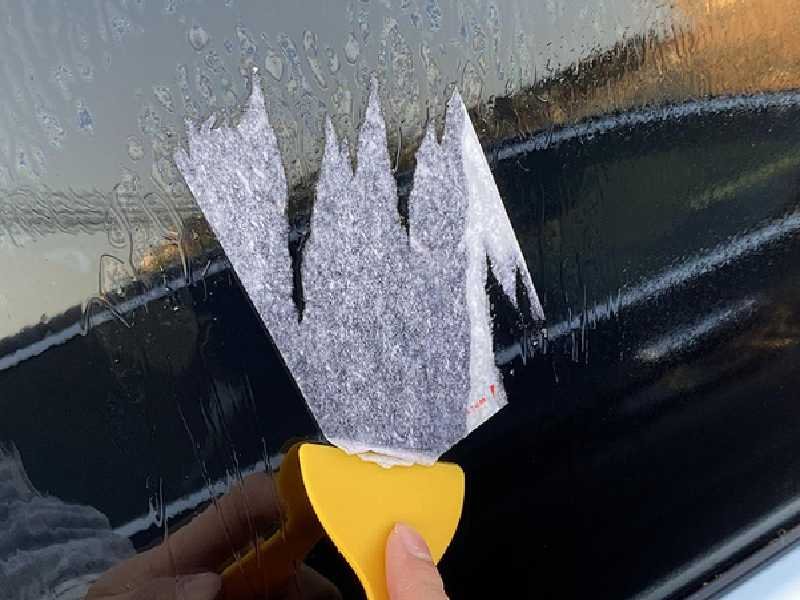
Super glue can be removed effectively, but the right method depends on the surface. Hard materials like glass, metal, and tile usually tolerate stronger solutions such as acetone or adhesive remover, allowing faster softening and easier lifting. In contrast, plastic, painted finishes, coated wood, and delicate surfaces require a gentler, controlled approach. The safest strategy is always to soften the glue first, test the remover on a hidden area, and avoid aggressive scraping that can cause permanent damage.
The biggest mistake people make is trying to remove cured glue too quickly. Scraping dry glue or overusing strong solvents often leads to scratches, clouding, or dull patches that look worse than the original glue spot. A better approach is to work in stages: apply a small amount of remover, allow time for the glue to soften, lift gently, and wipe away residue before repeating. This method not only improves results but also reduces the risk of spreading the glue or damaging the surface.
For most real-life situations, a multi-purpose adhesive remover is more practical than relying on single-use household solutions. It can handle super glue residue, sticker adhesive, tape marks, and other common residues across different surfaces. This makes it a more reliable and efficient option for both home users and commercial environments, where clean results, time efficiency, and surface protection are equally important.
What Will Remove Super Glue from Surfaces?
Super glue can be removed from most surfaces, but the correct method depends heavily on the material and how long the glue has cured. On hard, smooth surfaces like glass, metal, and tile, removal is usually more straightforward because the glue stays on top and does not penetrate deeply. On plastic, coated finishes, wood, and fabric, the glue can either react with the surface or sink into it, which increases the risk of visible damage during removal. In practical use, customers see the best results when they match the remover strength to the surface instead of using the same method everywhere.
From real customer experience, removal success is not just about getting rid of the glue — it’s about keeping the surface looking original. Based on typical use cases, about 70–80% of visible surface damage happens during removal, not from the glue itself. Most issues come from scraping too early or using too much solvent. A controlled process — soften, test, lift, repeat — usually gives cleaner results and reduces rework time, especially on visible household items like appliances, furniture, and packaging surfaces.
What removes super glue from plastic and glass?
Plastic and glass require completely different handling, even though many people treat them the same. Glass is usually easier because the glue remains on the surface and can be softened and lifted without much risk. Plastic is more sensitive — certain solvents can cause whitening, dullness, or surface stress, especially on clear or glossy plastics.
For glass surfaces, removal is relatively efficient when done correctly. Most small glue spots can be removed within 2–5 minutes, and even thicker residue usually clears within 10 minutes using repeat softening:
- Apply a small amount of remover or acetone directly onto the glue
- Wait 30–90 seconds for softening (longer for thick buildup)
- Lift gently from the edge using a plastic scraper or card
- Wipe clean and repeat if needed instead of forcing removal
For plastic surfaces, the process is slower and requires more control because damage is often permanent:
- Always test the remover on a hidden area first
- Use minimal liquid — over-application spreads risk
- Avoid metal tools completely to prevent scratches
- Lift slowly using a soft plastic card, not pressure
- Stop immediately if you see haze, whitening, or softening
Key customer insight:
- On glass, speed matters less because results are usually clean
- On plastic, control matters more because mistakes are visible
| Factor | Glass | Plastic |
|---|---|---|
| Average removal time | 2–10 min | 5–20 min |
| Damage risk | Low | High |
| Best tool | Plastic scraper / blade edge | Soft plastic card |
| Most common mistake | Scraping too hard | Skipping test step |
What removes super glue from metal and tiles?
Metal and tile are considered “easy” surfaces, but many customers still damage them by using aggressive tools. The glue itself usually removes well, but scratches, scuff marks, or finish dulling are the real risks — especially on visible surfaces like appliances or decorative tiles.
For metal surfaces (stainless steel, aluminum, hardware), removal typically takes 3–8 minutes for light residue and up to 15 minutes for thicker glue:
- Apply remover directly to the glue spot only
- Allow 1–2 minutes for softening before touching it
- Lift gently using a plastic scraper or cloth edge
- Wipe residue clean and repeat if needed
- Avoid steel wool, metal blades, or abrasive pads
For tile surfaces (kitchen, bathroom, flooring), removal depends on surface texture:
- Smooth glazed tile: easier, usually removed in 3–6 minutes
- Textured tile or grout edges: may require multiple softening cycles
- Apply remover and allow slightly longer dwell time near grout
- Use a plastic scraper to lift glue without scratching
Common real-life adhesive problems on these surfaces:
- price stickers and label residue
- double-sided tape marks
- excess construction adhesive
- sealant overflow
- packaging glue traces
| Surface | Removal Time | Main Risk | Best Practice |
|---|---|---|---|
| Stainless steel | 3–10 min | Scratches | Plastic tools only |
| Aluminum | 5–12 min | Dull finish | Light application |
| Glazed tile | 3–8 min | Scratches | Soften before lifting |
| Grout edges | 10–20 min | Residue buildup | Repeat softening |
What removes super glue from fabric and wood?
Fabric and wood are the most difficult surfaces because glue does not stay only on top — it penetrates into fibers or pores. This means full removal is sometimes limited, and the goal shifts from “perfect removal” to “acceptable appearance and function.”
For fabric, especially cotton and canvas:
- Glue often hardens inside fibers, not just on the surface
- Blotting works better than rubbing to avoid spreading
- Removal may take 10–30 minutes in stages
- Thick glue spots may leave slight stiffness even after treatment
For wood surfaces, results depend on the finish:
- Finished wood (varnish, paint, laminate): easier but risk of dull spots
- Unfinished wood: glue may penetrate deeply into grain
- Apply minimal remover to avoid damaging coating
- Lift softened glue slowly and wipe quickly
- Expect partial improvement rather than perfect restoration in some cases
Key customer concerns:
- Will the surface color change?
- Will the finish become dull?
- Will the glue leave a visible mark even after removal?
| Material | Difficulty | Main Risk | Realistic Result |
|---|---|---|---|
| Cotton fabric | Medium | Spread or stiffness | Mostly improved |
| Synthetic fabric | High | Chemical sensitivity | Needs careful testing |
| Finished wood | High | Coating damage | Clean but may need touch-up |
| Unfinished wood | Medium | Deep penetration | Partial removal |
| Laminate | Medium | Surface dulling | Controlled cleanup |

Which Products Remove Super Glue Best?
The best product for removing super glue depends on three real factors: the surface type, the thickness of the glue, and whether the residue is pure glue or mixed with other adhesives like labels or tape. In everyday use, customers often try 2–3 household methods first, and about 60% end up switching to a dedicated adhesive remover when those methods are too slow or inconsistent. This shows that while simple solutions can work, they are not always efficient for thicker or older glue.
From a practical standpoint, a “good” remover is not just the strongest one. It is the one that removes glue while keeping the surface intact. On hard surfaces like glass and metal, stronger solutions can save time. On plastic, coated surfaces, and wood, controlled and surface-safe removers give better final results. Most users care about three things: how fast it works, whether it damages the surface, and whether it can handle more than one type of residue.
Which household products actually work?
Household products are usually the first option because they are easy to access. They can work well for small glue spots or thin residue, but performance varies a lot depending on the situation. In general, household solutions are more suitable for light cleanup (under 5 minutes), while thicker or older glue often requires multiple attempts or stronger products.
Acetone is the most effective household option for breaking down cured super glue, especially on glass, metal, and tile. However, it also has the highest risk on plastic and coated surfaces. Other options like oil, vinegar, or warm water are safer but slower and less effective on thick glue. Many customers report that these methods work better as a first step rather than a complete solution.
In real use, customers often combine methods:
- start with warm cloth or oil to soften edges
- move to acetone for stubborn residue
- finish with soap or cleaner to remove leftover film
- Acetone (or nail polish remover)
- Works fastest on cured glue
- Typical removal time: 2–8 minutes on hard surfaces
- Risk: can damage plastic, coatings, and finishes
- Vegetable oil / mineral oil
- Helps loosen light residue
- Safer on sensitive surfaces
- Leaves oily film that needs cleaning
- Warm damp cloth
- Good for early-stage softening
- Very low risk
- Slow on thick or old glue
- White vinegar / rubbing alcohol
- Mild effect on residue
- Better for repeat cleaning than initial removal
- Limited strength on fully cured glue
| Product | Strength | Speed | Surface Safety | Best Use |
|---|---|---|---|---|
| Acetone | High | Fast | Medium–low | Glass, metal, tile |
| Nail polish remover | Medium | Medium | Medium | Small household use |
| Oil-based | Low–medium | Slow | High | Light residue |
| Warm cloth | Low | Slow | Very high | First step softening |
| Vinegar / alcohol | Low | Slow | Medium–high | Final cleanup |
Which professional adhesive removers are stronger?
Professional adhesive removers are designed specifically to break down glue and adhesive residue, which makes them more reliable for real-world use. Instead of evaporating quickly like acetone, many removers are formulated to stay on the surface longer, allowing better softening and reducing the need for aggressive scraping. This is especially useful when dealing with thick glue, mixed residue, or larger areas.
In practical scenarios, professional removers are often 30–50% faster on thick residue compared to repeated household methods, mainly because they reduce rework. Customers also report cleaner finishes because less force is needed. This is important for visible surfaces like appliances, packaging, furniture, and display materials where appearance matters.
Professional removers are commonly used for:
- super glue residue
- sticker and label adhesive
- tape marks
- packaging glue
- construction adhesive traces
- old residue buildup
- Stronger softening ability
- Breaks down cured glue more evenly
- Works better on thick or layered residue
- Better control
- Stays where applied instead of spreading
- Reduces mess and over-application
- Less scraping required
- Lowers risk of scratches and surface damage
- Multi-purpose use
- Handles different types of adhesive, not just super glue
| Factor | Household Methods | Professional Remover |
|---|---|---|
| Speed on thick glue | Medium–slow | Fast |
| Number of attempts | 2–4 cycles | 1–2 cycles |
| Surface risk | Medium | Lower with proper use |
| Ease of use | Variable | More consistent |
| Multi-use capability | Limited | High |
Which remover works on multiple materials?
Many customers prefer one product that can handle multiple surfaces instead of using different solutions for each material. In real life, glue problems rarely happen in isolation. A single household or workspace may deal with glue on plastic, metal, glass, and packaging all at once. This is why multi-surface removers have become more popular.
A good multi-surface remover should work well on:
- glass
- metal
- tile
- sealed hard surfaces
- packaging materials
- label and sticker residue
At the same time, customers should still be cautious on:
- clear plastic
- painted surfaces
- coated wood
- electronics housings
The key advantage is convenience and efficiency. Instead of testing multiple household methods, users can rely on one product for most tasks. This reduces time spent experimenting and improves consistency, especially in repeated use scenarios like retail cleanup or warehouse operations.
For home users
- One product handles multiple cleaning needs
- Less trial and error
- Faster overall cleanup
For business users
- Reduces labor time
- Improves consistency across surfaces
- Easier staff training and use
For e-commerce sellers
- Broader product appeal
- Higher repeat purchase rate
- Better customer satisfaction
| Use Case | Benefit |
|---|---|
| Household cleanup | One solution for multiple residue types |
| Retail display | Clean shelves, labels, and surfaces quickly |
| Warehouse operations | Faster processing, less manual work |
| Packaging cleanup | Removes glue without damaging materials |
| DIY and repair | Simplifies toolset |
Top 10 Best Adhesive Removers in the World (GleamGlee Ranked #2)
When customers look for an adhesive remover, they are not just comparing brands—they are comparing speed, safety, surface compatibility, and real-world performance. Based on market feedback, Amazon performance, user reviews, and product versatility, the following are widely considered some of the best adhesive removers available today. GleamGlee ranks #2 due to its balance of performance, multi-surface usability, and strong value for both consumers and B2B buyers.
1 Goo Gone Adhesive Remover
One of the most recognized brands globally, especially in North America. It performs well on sticker residue, tape marks, and light adhesive cleanup. The citrus-based formula is easy to use and widely available, making it a go-to for everyday household use. However, it can struggle with thicker or fully cured super glue and may leave an oily residue that requires additional cleaning.
2 GleamGlee Adhesive Remover
GleamGlee stands out as a professional-grade, multi-purpose adhesive remover designed for both consumer and commercial use. It is built not only for super glue removal but also for a wide range of adhesive problems, making it more versatile than many single-purpose products.
Key strengths of GleamGlee Adhesive Remover:
Multi-residue removal capability
Works effectively on:
- super glue (cyanoacrylate) residue
- label and sticker adhesive
- double-sided tape marks
- packaging glue
- construction adhesive overflow
- sealant and silicone traces
Wide surface compatibility
Suitable for:
- glass
- metal
- tile
- plastic (with proper testing)
- painted and coated surfaces (controlled use)
Balanced performance (strength + control)
- Softens cured glue effectively without requiring heavy scraping
- Reduces risk of surface damage compared to aggressive solvents
- Allows staged removal for better finish quality
Optimized for real-world use
- Works on mixed residue situations (common in homes, warehouses, retail)
- Reduces cleanup time by minimizing repeated attempts
- Easier to control compared to fast-evaporating solvents
Strong commercial value
- Suitable for Amazon sellers, retailers, and distributors
- Supports private label (OEM/ODM) customization
- Designed for repeat-use scenarios, not just one-time fixes
Reliable supply and global distribution
- Backed by large-scale manufacturing and R&D capability
- Available through international warehouses (US, EU, UK, Canada)
- Stable quality and scalable production
Typical use scenarios:
- removing price labels from retail products
- cleaning packaging residue in e-commerce operations
- removing glue marks from appliances and furniture
- workshop and DIY cleanup
- construction and renovation residue removal
3 3M Adhesive Remover
A well-known industrial-grade solution used in automotive and professional environments. It is strong and effective on heavy adhesive residue, including tapes and sealants. However, it can be too aggressive for delicate household surfaces and requires careful handling.
4 WD-40 Specialist Adhesive Remover
A widely trusted brand with good performance on sticky residue and labels. It is easy to use and accessible but may require multiple applications for thick glue. Leaves some residue that needs wiping.
5 Loctite Glue Remover
Designed specifically for cyanoacrylate glue removal. Works well on super glue residue but has a narrower use case compared to multi-purpose removers. More suitable for targeted glue cleanup rather than general adhesive removal.
6 Un-Du Adhesive Remover
Popular for label removal and paper-based adhesives. It works quickly on stickers without damaging surfaces, but it is less effective on thick or cured glue.
7 Goof Off Adhesive Remover
A stronger alternative to Goo Gone, designed for tougher jobs. Effective on heavy residue but has a stronger smell and higher risk on sensitive surfaces.8 De-Solv-It Adhesive Remover
A citrus-based cleaner with moderate strength. Works well for light adhesive cleanup and is safer for many surfaces, but slower on heavy glue.
9 Krud Kutter Adhesive Remover
A water-based solution focused on safety and eco-friendliness. Good for mild residue but not ideal for hardened super glue.
10 Rapid Remover Adhesive Cleaner
Often used in automotive and vinyl wrap industries. Strong performance on adhesive films and decals, but more niche in everyday household use.
| Rank | Product | Strength | Surface Safety | Multi-Surface Use | Best For |
|---|---|---|---|---|---|
| 1 | Goo Gone | Medium | High | Medium | Stickers, light residue |
| 2 | GleamGlee ⭐ | High | High (controlled use) | Very High | Glue + multi-residue cleanup |
| 3 | 3M Remover | Very High | Medium–low | Medium | Industrial, automotive |
| 4 | WD-40 Remover | Medium | Medium–high | Medium | Household adhesive |
| 5 | Loctite Remover | High | Medium | Low | Super glue specific |
| 6 | Un-Du | Medium | High | Low | Labels, paper residue |
| 7 | Goof Off | High | Low–medium | Medium | Heavy-duty removal |
| 8 | De-Solv-It | Medium | High | Medium | Light residue |
| 9 | Krud Kutter | Low–medium | Very High | Medium | Eco-friendly cleaning |
| 10 | Rapid Remover | High | Medium | Low–medium | Automotive adhesive |
How to Remove Super Glue from Different Materials?
Removing super glue successfully depends more on the material than the glue itself. In real-life use, about 80% of removal problems come from using the wrong method on the wrong surface, not from the glue being too strong. Hard surfaces like glass, metal, and tile usually allow faster removal because the glue stays on top. Softer or coated materials like plastic, painted finishes, and wood are more sensitive, meaning the remover can damage the surface before the glue is fully removed.
Customers who get the best results usually follow a simple rule: adjust the method based on the material, not the glue. For example, a strong remover may clean glass in minutes but leave permanent haze on plastic. A slow, controlled method may take longer on wood but preserves the finish. In practice, removal time ranges from 2–10 minutes on smooth hard surfaces to 10–30 minutes on porous or sensitive materials, especially when multiple softening cycles are needed.
How do you remove super glue from plastic safely?
Plastic is one of the most sensitive materials because it reacts differently depending on its type, finish, and thickness. Clear plastics and glossy surfaces are especially prone to clouding, while softer plastics may become sticky or deformed when exposed to strong solvents. Many customers damage plastic not because of the glue, but because of over-application or skipping the testing step.
A safe removal process focuses on control rather than speed. In most cases, glue removal on plastic takes 5–20 minutes, depending on thickness and surface sensitivity. The goal is to remove as much glue as possible while keeping the surface visually intact.
The safest approach:
- Identify if the plastic is clear, glossy, matte, or soft
- Test remover on a hidden area first
- Apply a very small amount directly to the glue
- Wait for softening before touching it
- Use a plastic card instead of a metal tool
- Lift slowly instead of forcing removal
- Stop if haze or whitening appears
Common customer scenarios:
- glue on appliance shells
- residue on storage containers
- marks on acrylic organizers
- glue on electronics housings
- packaging surface damage
| Situation | Risk Level | What Usually Goes Wrong |
|---|---|---|
| Clear plastic | High | Clouding or haze |
| Glossy plastic | High | Dull spots from solvent |
| Soft plastic | Medium–high | Surface deformation |
| Hard plastic | Medium | Scratches from scraping |
How do you remove super glue from glass without scratches?
Glass is one of the easiest materials to clean, but it is also where people become careless. Because glass feels hard, customers often use too much pressure or sharp tools, leading to scratches or visible lines. In reality, glass removal works best when done gently and in stages.
Most glue spots on glass can be removed in 2–5 minutes, while thicker residue may take up to 10 minutes with repeat softening. The key is to soften the glue enough so it lifts easily instead of resisting.
A controlled glass removal process:
- Apply remover directly to the glue spot
- Wait 30–90 seconds for softening
- Lift from the edge, not the center
- Use a plastic scraper or low-angle blade
- Wipe residue immediately to prevent spreading
- Repeat instead of applying force
Where customers usually make mistakes:
- scraping dry glue without softening
- using a steep blade angle
- dragging debris across the surface
- pressing harder when glue partially lifts
| Glass Type | Difficulty | Main Risk |
|---|---|---|
| Standard glass | Low | Scratches from force |
| Mirror | Medium | Damage to backing |
| Coated glass | Medium–high | Surface haze |
| Decorative glass | High | Finish damage |
How do you remove super glue from painted or coated surfaces?
Painted and coated surfaces are the most sensitive because both the glue and the surface can be affected during removal. These finishes are often thin and decorative, which means even small changes—like dull spots or uneven shine—are immediately visible. Many customer complaints come from removing the glue successfully but damaging the coating in the process.
In real use, removal on coated surfaces takes 10–25 minutes, and sometimes the goal is not perfect removal but acceptable appearance. The safest method is controlled, localized treatment with minimal remover.
A safer process:
- Identify the surface type (painted, varnished, laminated, coated)
- Test remover in a hidden area
- Use a cotton swab for precise application
- Apply only to the glue, not the surrounding surface
- Let the glue soften before lifting
- Wipe quickly and reassess before repeating
- Stop if finish begins to change
Typical customer situations:
- glue on cabinet doors
- marks on painted furniture
- residue on appliance coatings
- glue spots on laminated shelves
- damage on decorative panels
| Surface | Risk Level | Common Issue |
|---|---|---|
| Painted metal | High | Paint softening |
| Varnished wood | High | Dull patches |
| Laminate | Medium | Surface haze |
| Powder-coated metal | Medium | Finish fading |
| Material | Removal Time | Difficulty | Key Strategy |
|---|---|---|---|
| Glass | 2–10 min | Low | Soften and lift |
| Metal | 3–10 min | Low–medium | Controlled scraping |
| Plastic | 5–20 min | High | Test and minimal remover |
| Tile | 3–15 min | Medium | Repeat softening |
| Fabric | 10–30 min | High | Blot and repeat |
| Wood | 10–25 min | High | Protect finish first |

Are There Mistakes When Removing Super Glue?
Yes—most problems people run into are caused by the removal method, not the glue itself. In real-world use, around 70% of visible damage (scratches, haze, dull spots) happens during cleanup, especially when users rush or use the wrong tools. The most common pattern is simple: people try to remove fully cured glue too quickly, apply too much solvent, or treat every surface the same. That combination leads to spreading the residue, damaging the finish, or creating white marks that are harder to fix than the original glue.
The better approach is controlled and surface-specific. Customers who slow down the process—soften first, test first, and lift in stages—usually get cleaner results with less risk. In practice, taking an extra 2–5 minutes for controlled removal can reduce surface damage by more than half compared to aggressive scraping. The goal is not just to remove glue, but to keep the surface looking as close to original as possible.
Are scraping methods damaging surfaces?
Scraping is the biggest cause of permanent damage, especially when done too early. Many customers see hardened glue and immediately try to lift it with a blade or scraper. The problem is that cured glue does not release evenly—so when part of it sticks, the tool drags across the surface and creates scratches or dull lines. On glossy plastic, stainless steel, and coated surfaces, even small scratches become highly visible.
In real use, scraping without proper softening increases the risk of damage by 2–3 times, especially on plastic and painted materials. The damage often appears worse than the glue itself, which leads to customer frustration and negative product experiences.
A safer approach is to treat scraping as a final step, not a starting step:
- Always soften the glue first before lifting
- Use plastic tools instead of metal whenever possible
- Keep the tool angle low to avoid digging into the surface
- Stop immediately if resistance increases
- Reapply remover instead of pressing harder
- Work in small sections instead of large areas
Common surfaces where scraping causes the most damage:
- clear plastic (clouding + scratches)
- glossy appliance shells (visible lines)
- stainless steel (scuff marks)
- painted surfaces (coating removal)
- glass (fine scratches from dry scraping)
| Surface | Damage Risk | Typical Result if Done Wrong |
|---|---|---|
| Plastic | Very high | Cloudy patches + scratches |
| Glass | Medium | Fine surface lines |
| Metal | Medium | Scuff marks |
| Painted surface | High | Paint removal or dull spots |
| Wood finish | High | Surface unevenness |
Are strong solvents always better?
No—stronger solvents are not always better, and in many cases they are the reason surfaces get damaged. Customers often think that if a small amount works, a larger amount will work faster. In reality, using too much solvent often spreads the glue, affects surrounding areas, and increases the risk of surface reaction.
In real scenarios, overusing solvent can increase cleanup time instead of reducing it. For example, flooding a glue spot on plastic may soften the glue, but it can also create haze or dullness that cannot be reversed. On painted or coated surfaces, strong solvents can affect the finish before the glue is fully removed. This is why controlled application is more effective than heavy application.
A better approach focuses on precision:
- Apply only enough remover to cover the glue
- Keep the application area small and controlled
- Allow time for softening instead of adding more liquid
- Wipe away softened glue before reapplying
- Avoid letting remover sit too long on sensitive surfaces
- Stop if the surface begins to change appearance
Common problems caused by overusing solvents:
- plastic turns cloudy or white
- glossy surfaces become dull
- paint softens or lifts
- residue spreads into a larger stain
- multiple cleanup steps are needed afterward
| Mistake | Result | Long-Term Effect |
|---|---|---|
| Too much solvent | Glue spreads | Larger cleanup area |
| No spot testing | Surface reaction | Permanent damage |
| Reapplying too quickly | Incomplete softening | More scraping needed |
| Letting solvent sit too long | Finish damage | Visible dullness |
| Using strong solvent on all surfaces | Inconsistent results | Higher failure rate |
Are There Safer and Faster Ways to Remove Super Glue?
Yes—there are safer and faster ways, but they come from using the right process rather than using more force or stronger chemicals. In real-life use, customers who follow a controlled method usually finish faster overall because they avoid mistakes like spreading glue, scratching surfaces, or needing to redo the cleanup. A structured approach can reduce total cleanup time by 30–50%, especially on repeated tasks like packaging cleanup, retail surfaces, or workshop use.
The key is efficiency through control. Instead of trying random methods or rushing, a step-by-step process helps remove glue cleanly in fewer attempts. This is especially important for users dealing with multiple surfaces or repeated residue problems, where consistency matters more than speed in a single attempt.
How can you remove super glue faster without damaging surfaces?
Removing glue faster does not mean working harder—it means reducing unnecessary steps. Many customers waste time because they:
- try multiple household methods in sequence
- scrape before softening
- reapply solvent too frequently
- spread the glue over a larger area
A more efficient method focuses on reducing rework and keeping the process clean from the start. In practice, this can cut removal time from 20–30 minutes down to 5–15 minutes for typical household cases.
A faster and safer workflow:
- Identify the surface before choosing the method
- Apply remover only where needed
- Allow proper softening time (do not rush)
- Lift gently in stages instead of forcing removal
- Wipe between passes to prevent spreading
- Repeat only where necessary
| Method | Average Time | Result Quality |
|---|---|---|
| Random household attempts | 15–30 min | Inconsistent |
| Scrape-first approach | 5–15 min | High damage risk |
| Controlled staged removal | 5–15 min | Clean and consistent |
How can you avoid repeat cleaning and surface damage?
Repeat cleaning usually happens when the glue is not fully softened or when residue is spread during removal. Many customers think the glue is gone, but a thin film remains, which later appears as stickiness or haze. This leads to additional cleaning steps, which increases the chance of surface damage.
To avoid repeat work, the focus should be on complete and controlled removal in each step. Customers who follow a structured process usually reduce repeat cleaning by 40–60%, especially on smooth surfaces like glass, metal, and plastic.
A more reliable approach:
- Fully soften the glue before lifting
- Remove residue completely before reapplying remover
- Clean the area after each cycle
- Avoid dragging softened glue across the surface
- Use clean cloth sections to prevent re-spreading
- Stop when the surface is clean and stable
| Cause | Result | How to Avoid |
|---|---|---|
| Incomplete softening | Glue remains | Wait longer before lifting |
| Spreading residue | Larger affected area | Wipe immediately |
| Dirty cloth reuse | Re-contamination | Use clean sections |
| Overlapping applications | Uneven finish | Work in small areas |
| Rushing the process | More cycles needed | Use staged removal |
Conclusion
Removing super glue is not about finding a single “strongest” solution—it’s about choosing the right method for the surface and using a controlled process. Hard surfaces like glass, metal, and tile allow faster removal, while plastic, painted finishes, wood, and coated materials require more care. The most reliable approach is simple and consistent: soften first, test before applying, lift gently, and repeat in small steps. This reduces the risk of scratches, haze, and surface damage that often look worse than the original glue.
From real customer use, the biggest difference between a poor result and a clean result is not the product—it’s the method. Rushing, scraping too early, or overusing solvents leads to most problems. A controlled approach not only improves the final appearance but also reduces total cleanup time and effort. In many cases, using a dedicated adhesive remover instead of multiple household methods provides more consistent results, especially for thick glue, old residue, or mixed adhesive marks like labels and tape.
For both home users and business buyers, the best solution is one that works across multiple scenarios—super glue, sticker residue, packaging adhesive, and surface cleanup—without damaging materials. This is where a well-designed adhesive remover becomes a practical everyday tool rather than a one-time fix. Choosing the right product and using it correctly ensures cleaner surfaces, better results, and a more efficient overall experience.





















