 Skip to content
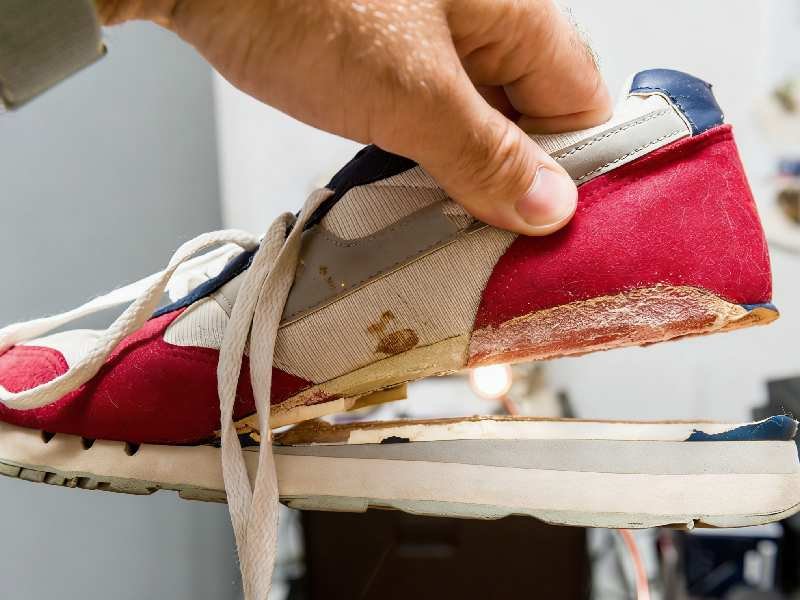
A surprising number of shoes are thrown away for problems that start small: a sole lifting at the toe, a heel edge coming loose, an insole curling up, or a side seam opening after repeated bending. In many cases, the shoe itself is still wearable. The real problem is that the adhesive inside the shoe has aged, softened, cracked, or lost grip after exposure to moisture, sweat, dirt, heat, and constant movement. That is why shoe repair is not really about “just adding glue.” It is about choosing an adhesive that can survive the way shoes are actually used in real life.
A good shoe glue is a strong, flexible, waterproof adhesive made for footwear materials such as rubber, leather, vinyl, canvas, foam, and fabric. It should hold under repeated bending, resist cracking, dry cleanly, and keep the repair area neat rather than stiff, messy, or obvious. The best shoe glue does not just stick once. It stays bonded through walking, pressure, moisture, and daily wear.
For many customers, the turning point comes when a favorite pair of shoes fails at the wrong time: sneakers opening before a trip, work boots separating during a long shift, hiking boots peeling before a weekend trail, or school shoes splitting after only a few months. At that moment, the difference between an ordinary household glue and a real shoe glue becomes very clear. A weak repair may last a day. A proper shoe repair can save the pair, reduce replacement cost, and keep trusted shoes in use much longer.
What Is a Good Shoe Glue?
A good shoe glue is an adhesive designed specifically for the materials and stresses that shoes experience during daily use. Shoes are constantly exposed to bending, pressure, friction, moisture, temperature changes, and dirt. Because of this, ordinary household glues often fail quickly when used on footwear. A good shoe glue must create a strong bond while remaining flexible enough to move with the shoe.
From a practical user perspective, people usually look for four main results when they search for a good shoe glue:
- the repair must hold firmly
- the glue should not crack when the shoe bends
- the repaired area should look clean and natural
- the repair should last through normal daily wear
For example, the front of a sneaker may bend 3,000–5,000 times per day during normal walking. If the adhesive is too rigid, the bond line will eventually fracture. A well-designed shoe glue uses flexible polymers that absorb this movement without breaking.
Another important factor is compatibility with different shoe materials. Modern shoes rarely use only one material. A single pair may include rubber soles, foam midsoles, leather or fabric uppers, and synthetic reinforcement layers. The adhesive must bond these surfaces reliably.
The table below shows common shoe materials and the bonding requirements they create.
| Shoe Material | Typical Repair Issue | Requirement for Good Shoe Glue |
|---|---|---|
| Rubber | Sole separation | Strong grip with flexibility |
| Leather | Upper or heel lifting | Clean bonding with minimal residue |
| Canvas | Sidewall separation | Flexible bond that does not stiffen |
| EVA Foam | Midsole cracking | Elastic bond that absorbs impact |
| Vinyl | Sandal or casual shoe repair | Waterproof adhesion |
Another characteristic customers value is water resistance. Shoes regularly encounter rain, wet pavement, snow, or sweat. A good shoe glue forms a waterproof seal so the repair does not reopen when exposed to moisture.
The following table compares the performance of different adhesive types commonly used by consumers.
| Adhesive Type | Flexibility | Water Resistance | Suitability for Shoe Repair |
|---|---|---|---|
| Super glue | Low | Moderate | Poor for flexible areas |
| Epoxy | Very rigid | High | Limited shoe use |
| Craft glue | Soft but weak | Low | Not recommended |
| Shoe glue | Flexible | High | Ideal for most repairs |
For many people, shoe glue becomes useful when a favorite pair begins to fail but still feels comfortable. Instead of replacing expensive footwear, a proper adhesive repair can extend the life of the shoes significantly.
What Does Good Shoe Glue Actually Do?
Good shoe glue performs several functions simultaneously. First, it bonds separated parts of the shoe together, such as the sole and upper. Second, it maintains this bond while the shoe bends and flexes during walking or running. Third, it protects the repaired area from moisture, temperature changes, and surface friction.
From a structural perspective, a good shoe glue works by forming a thin adhesive layer between two surfaces. This layer must be strong enough to resist pulling forces while remaining flexible enough to stretch slightly when the shoe moves.
In practical shoe repair situations, a good adhesive typically solves the following problems:
- soles separating from uppers
- heel blocks becoming loose
- toe areas lifting from repeated bending
- insoles sliding inside the shoe
- decorative pieces detaching
When these issues appear, the repair adhesive must distribute stress across the bonding area rather than concentrating it at a single point.
The forces acting on a shoe during normal walking are surprisingly high. Studies of foot pressure show that each step can apply 1.2–1.5 times a person’s body weight to the heel and forefoot. During running or jumping, this force can increase significantly. This is why weak adhesives fail quickly when used for footwear.
The durability of a repair often depends on three main factors:
| Repair Factor | Effect on Shoe Glue Performance |
|---|---|
| Surface preparation | Clean, rough surfaces improve adhesion |
| Even glue application | Prevents weak bonding areas |
| Proper curing time | Allows full adhesive strength to develop |
For example, if a sole begins to peel at the toe, applying glue without cleaning the surface may only create a temporary fix. Dust, oil, and old adhesive residues reduce the bonding ability of new glue.
Good shoe glue also helps preserve the appearance of the shoe. Many formulas are designed to dry clear so the repair is less noticeable. This is especially important for white sneakers, leather dress shoes, and fashion footwear where visible glue marks would reduce the overall look of the shoe.
In everyday use, customers often judge a shoe repair product by three simple questions:
- Does it hold after several days of walking?
- Does the repair remain flexible?
- Does the shoe still look good?
When an adhesive performs well in these areas, it is usually considered a reliable shoe glue.
Why Do Shoes Need Special Shoe Glue?
Shoes require special adhesives because the conditions they face are different from most household bonding situations. Furniture, ceramics, or plastic items usually remain stationary after repair. Shoes, however, are constantly moving and absorbing impact.
Several factors make footwear bonding challenging:
- Continuous bending The front of the shoe bends every time the foot pushes forward.
- Compression and weight The heel and midsole absorb body weight with every step.
- Moisture exposure Rainwater, sweat, and wet ground frequently contact the shoe.
- Mixed materials Rubber, leather, foam, and fabric often meet at the same joint.
Because of these factors, shoe glue must perform differently from general-purpose adhesives.
The table below illustrates how daily use affects shoe repairs.
| Daily Condition | Impact on Adhesive |
|---|---|
| Walking | Repeated flexing stress |
| Running | High impact pressure |
| Rain | Moisture penetration risk |
| Heat | Material expansion |
| Dirt and dust | Surface contamination |
For example, a running shoe used by an active person may experience over one million flex cycles per year. Adhesives that cannot tolerate this movement will break down quickly.
Another important point is comfort. If a glue hardens excessively after curing, it can create a stiff area inside the shoe. This may cause discomfort or alter the way the shoe moves. A flexible adhesive helps maintain the original feel of the footwear.
Because of these challenges, shoe repair adhesives are formulated with specialized polymers that combine strength and elasticity.
Is Super Glue a Good Shoe Glue?
Super glue is often used for quick household fixes, so many people try it first when repairing shoes. While it may work temporarily for very small repairs, it is usually not the best choice for most shoe problems.
Super glue dries into a hard and brittle bond. This type of bond works well on rigid materials but performs poorly on flexible surfaces like shoe soles.
Typical problems when using super glue on shoes include:
- the repair becomes rigid and uncomfortable
- the bond cracks when the shoe bends
- white residue appears around the repair
- moisture weakens the adhesive over time
These issues occur because super glue cannot adapt to the constant movement of footwear.
The comparison below shows the difference between super glue and specialized shoe glue.
| Property | Super Glue | Shoe Glue |
|---|---|---|
| Flexibility | Very low | High |
| Performance on rubber | Weak | Strong |
| Appearance after drying | White residue possible | Clear finish |
| Durability under movement | Low | High |
For minor cosmetic repairs, super glue may still be useful. However, for structural repairs such as sole separation, heel bonding, or midsole cracks, flexible shoe adhesives generally provide better long-term results.
Many users discover this difference after attempting a quick fix with super glue and finding that the repair fails after only a few days of walking. Switching to a proper shoe repair adhesive usually produces a much more durable outcome.
Understanding these differences helps customers choose the right adhesive for footwear maintenance and repair.

Which Shoe Glue Is Best?
The best shoe glue is not always the same for every situation. Shoes are made from many different materials, and the repair area can vary widely—from a small toe lift on a sneaker to a fully separated outsole on a hiking boot. Because of this, the best shoe glue is usually the one that balances bond strength, flexibility, waterproof resistance, and compatibility with multiple materials.
From a customer perspective, people often judge a shoe glue by a few simple questions:
- Will it hold the sole firmly after walking several days?
- Will the repair stay flexible instead of becoming stiff?
- Will the glue work on rubber, leather, and fabric?
- Will the repair remain neat without obvious residue?
Different shoe problems require slightly different adhesive properties. For example, repairing a running shoe sole requires high flexibility, while fixing a dress shoe heel requires strong compression resistance.
The table below summarizes common repair needs and the type of shoe glue characteristics that perform best.
| Repair Situation | Key Adhesive Requirement | Why It Matters |
|---|---|---|
| Sneaker sole separation | Flexible waterproof bond | Handles bending and daily walking |
| Leather shoe heel repair | Strong compression resistance | Supports body weight on heel strike |
| Canvas shoe sidewall opening | Elastic adhesion | Prevents cracking at fabric edges |
| Hiking boot outsole repair | Waterproof heavy-duty bond | Survives outdoor conditions |
| Sandal strap repair | Multi-material adhesion | Bonds rubber, leather, and vinyl |
For most consumers, a flexible waterproof shoe glue designed for rubber and leather performs well in the majority of repairs. These adhesives remain elastic after curing and are less likely to crack when the shoe bends.
Which Shoe Glue Is Best for Soles?
Sole separation is one of the most common shoe problems. It usually occurs when the bond between the outsole and upper weakens after repeated bending, moisture exposure, or aging of the original factory adhesive.
When repairing a shoe sole, the glue must handle several types of stress at the same time:
- repeated bending at the toe area
- pressure from body weight
- friction against the ground
- exposure to water or dirt
Because of these conditions, the best shoe glue for soles is usually flexible, waterproof, and designed specifically for rubber bonding.
Most athletic shoes flex primarily at the forefoot area. During walking, the toe section bends each time the foot pushes forward. Research on walking mechanics shows that the forefoot region may flex thousands of times per day, especially for people who walk frequently.
If the adhesive layer becomes rigid after drying, the bending motion will eventually crack the bond. This is why flexible polymer adhesives are widely recommended for sole repairs.
Typical sole repair requirements are shown below.
| Sole Repair Type | Stress Level | Recommended Glue Property |
|---|---|---|
| Sneaker toe separation | High bending | Flexible elastic adhesive |
| Running shoe midsole crack | High compression | Impact-resistant bonding |
| Work boot outsole separation | Heavy load | Strong waterproof adhesive |
| Hiking boot sole repair | Outdoor moisture | Waterproof flexible glue |
Another important factor is surface preparation. Rubber surfaces are often slightly oily, which can reduce adhesion. Light sanding before applying glue helps increase bonding strength by creating a rougher surface for the adhesive to grip.
Customers who repair sneaker soles often report much better durability when using adhesives specifically labeled for rubber or shoe repair rather than general-purpose glues.
Which Shoe Glue Is Best for Heels?
Heel repairs involve a different type of stress compared with sole repairs. While the front of the shoe bends frequently, the heel mainly experiences vertical impact forces each time the foot strikes the ground.
During normal walking, the heel absorbs most of the body weight at the beginning of each step. For an average adult, this force can reach 1.2–1.5 times body weight during heel strike.
Because of this, the adhesive used for heel repair must have strong compressive strength and good adhesion to leather, plastic, or rubber components.
Common heel repair situations include:
- heel blocks separating from the shoe
- heel caps becoming loose
- dress shoe heels detaching
- high heel bases shifting
The following table shows typical heel repair conditions and suitable adhesive characteristics.
| Heel Repair Situation | Required Adhesive Strength | Additional Requirement |
|---|---|---|
| Dress shoe heel block | High compression strength | Clean, invisible finish |
| High heel repair | Strong narrow bonding | Precision application |
| Boot heel separation | Heavy-duty bonding | Water resistance |
| Casual shoe heel lift | Moderate strength | Flexible bond |
Precision application tools are also helpful for heel repairs because the bonding surfaces are often small. A needle-style nozzle allows glue to be placed accurately without spreading across visible leather surfaces.
Clear-drying adhesives are especially useful when repairing formal shoes because visible glue marks can make the repair noticeable.
Which Shoe Glue Works on Leather and Rubber?
Many modern shoes combine leather uppers with rubber outsoles. This combination provides durability, comfort, and traction, but it also creates a challenge for adhesives. Leather and rubber behave very differently, and the glue must bond effectively to both materials.
Leather is porous and can absorb adhesives into its surface, while rubber is smoother and more flexible. A good shoe glue must create a bond that adheres well to both surfaces without becoming brittle.
Customers often encounter this material combination when repairing:
- leather dress shoes with rubber soles
- casual leather sneakers
- hiking boots with rubber outsoles
- sandals combining leather straps and rubber bases
For these repairs, multi-surface compatibility is essential.
The table below illustrates how different shoe materials interact with adhesives.
| Material | Surface Type | Adhesive Requirement |
|---|---|---|
| Leather | Porous | Adhesive penetration and grip |
| Rubber | Flexible, smooth | Strong surface adhesion |
| Canvas | Fabric weave | Flexible bonding |
| EVA foam | Compressible | Elastic adhesive layer |
| Vinyl | Smooth synthetic | Waterproof adhesion |
When bonding leather and rubber together, flexible adhesives are usually the most effective because they can absorb the slight movement between the two materials during walking.
Customers repairing leather shoes often also care about the appearance of the repair. A glue that dries clear helps maintain the natural look of the shoe, especially for visible areas like the toe or side edge.
In practical use, many successful shoe repairs involve three steps:
- cleaning the surfaces
- lightly sanding smooth materials
- applying an even layer of flexible shoe glue
Following these steps increases the likelihood that the repair will remain durable during everyday wear.
Understanding which shoe glue works best for different materials allows users to choose the right repair method and extend the life of their footwear significantly.
What Makes Good Shoe Glue Strong?
When people look for a good shoe glue, the first thing they usually ask is whether the glue is strong enough to hold the shoe together during daily use. However, strength in shoe repair does not simply mean that the adhesive dries hard. A strong shoe glue must hold materials together while the shoe bends, stretches, and absorbs pressure during walking.
Shoes experience constant stress. Every step places pressure on the heel and forefoot, and the front of the shoe bends repeatedly as the foot moves. Studies of walking movement show that the forefoot area of a shoe can bend 3,000–5,000 times per day for an active person. If the adhesive layer cannot tolerate this movement, the repair will fail quickly.
A strong shoe glue typically combines four essential characteristics:
- strong bonding strength
- flexibility after curing
- resistance to water and moisture
- clean, stable bonding across different materials
These factors work together to create a durable repair that can survive daily wear.
The table below summarizes the characteristics that determine whether a shoe glue performs well.
| Property | Why It Matters for Shoes | Effect on Repair Durability |
|---|---|---|
| Bond strength | Holds surfaces together under pressure | Prevents soles or heels from separating |
| Flexibility | Allows the adhesive layer to move with the shoe | Prevents cracking when bending |
| Water resistance | Protects the bond from rain, sweat, and moisture | Maintains adhesion over time |
| Surface compatibility | Works on rubber, leather, canvas, and foam | Ensures stable bonding across materials |
Customers often notice the difference after repairing a shoe with the wrong type of adhesive. If the glue becomes rigid or brittle, the repaired area may reopen within a few days of walking. A properly designed shoe adhesive avoids this problem by maintaining elasticity and strength at the same time.
Why Flexible Shoe Glue Matters
Flexibility is one of the most important factors that determine whether a shoe repair will last. Unlike rigid materials such as wood or metal, shoes are designed to move with the foot. This movement creates continuous bending in several areas of the shoe, especially the toe box and midsole.
When a person walks, the front of the shoe bends upward as the foot pushes forward. This bending motion places stress on the bond between the outsole and the upper. If the adhesive layer is rigid, it will begin to crack after repeated flexing.
Flexible shoe glue behaves differently. Instead of forming a brittle layer, it creates a slightly elastic bond that stretches when the shoe bends and returns to its original shape afterward. This elasticity allows the repair to survive thousands of walking cycles.
The difference between rigid and flexible adhesives can be illustrated in the following comparison.
| Adhesive Behavior | Reaction to Shoe Movement | Repair Outcome |
|---|---|---|
| Rigid glue | Cracks when the shoe bends | Repair fails quickly |
| Semi-flexible glue | Handles limited bending | Moderate durability |
| Flexible shoe glue | Moves with the shoe | Long-lasting repair |
Flexibility is especially important for certain types of footwear:
- running shoes
- basketball shoes
- casual sneakers
- work shoes that require frequent walking
For example, runners may take 5,000–10,000 steps in a single training session, placing repeated stress on the forefoot of the shoe. A flexible adhesive layer helps distribute this stress evenly rather than concentrating it in one weak point.
Another advantage of flexible adhesives is comfort. If the glue becomes stiff, the repaired section of the shoe may feel uncomfortable during walking. A flexible bond maintains the natural movement of the shoe.
Why Waterproof Shoe Glue Is Important
Water exposure is one of the main reasons shoe repairs fail. Shoes frequently come into contact with moisture from rain, wet pavement, snow, grass, or sweat. When water penetrates the bond between two materials, it can weaken the adhesive and eventually cause the repair to separate.
A waterproof shoe glue creates a sealed bond that prevents water from entering the repair area. This is especially important for outdoor footwear such as hiking boots and work shoes.
Common sources of moisture affecting footwear include:
- rain and puddles
- snow and melting ice
- damp grass or soil
- sweat from long periods of wear
- cleaning solutions used on shoes
The durability of a repair often depends on how well the adhesive resists moisture.
| Environment | Standard Glue Performance | Waterproof Shoe Glue Performance |
|---|---|---|
| Dry indoor use | Acceptable | Reliable |
| Light rain | Bond may weaken | Stable bond |
| Outdoor walking | Repair may reopen | Maintains adhesion |
| Hiking conditions | High risk of failure | Durable bond |
Waterproof adhesives are particularly useful for people who regularly wear:
- hiking boots
- outdoor work boots
- running shoes used in wet conditions
- children’s school shoes exposed to rain
In these situations, moisture protection significantly increases the lifespan of the repair.
Why Clear Shoe Glue Looks Better
While strength and durability are critical, the appearance of a shoe repair also matters to many users. A visible glue mark can make a shoe look damaged even if the repair is structurally strong.
Clear-drying shoe glue helps maintain the original appearance of the footwear. After curing, the adhesive layer becomes nearly transparent, allowing the repair to blend with the surrounding material.
Low-quality adhesives often create noticeable visual problems, including:
- white residue around the repair
- yellow discoloration
- hardened glue lines along the edge of the sole
- excess glue spreading onto the shoe surface
These issues are especially noticeable on light-colored shoes, leather footwear, and designer sneakers.
The visual differences between adhesive types can be seen below.
| Adhesive Type | Appearance After Drying |
|---|---|
| Standard super glue | White residue or cloudy marks |
| Low-grade adhesive | Yellow discoloration |
| Clear shoe glue | Transparent, less visible repair |
Clear-drying adhesives are particularly useful when repairing visible areas such as:
- sneaker sidewalls
- toe caps
- leather uppers
- decorative shoe elements
For people who care about maintaining the look of their shoes, this feature can be just as important as the strength of the repair.
When all these factors—strength, flexibility, waterproof resistance, and clean appearance—are combined in a single adhesive formula, the result is a shoe glue capable of handling the real conditions that footwear experiences every day.
How Do You Use Shoe Glue?
Using shoe glue correctly is just as important as choosing a high-quality adhesive. Many shoe repair failures happen not because the glue is weak, but because the surfaces were not prepared properly or the adhesive was not allowed to cure long enough. A well-applied repair can extend the life of a pair of shoes for months or even years, while a rushed repair may reopen within a few days.
In most cases, repairing shoes with glue follows three practical stages: preparing the surfaces, applying the adhesive evenly, and allowing sufficient curing time. When these steps are followed carefully, the adhesive can form a stable bond that resists daily walking stress.
The following table summarizes the typical repair workflow and why each step matters.
| Repair Step | Purpose | Result |
|---|---|---|
| Surface preparation | Removes dirt and improves bonding | Stronger adhesion |
| Even glue application | Creates a consistent adhesive layer | Prevents weak spots |
| Applying pressure | Keeps materials aligned while bonding | Improves durability |
| Proper curing time | Allows adhesive to reach full strength | Long-lasting repair |
For most household shoe repairs—such as fixing a peeling sole or loose heel—the entire process usually takes 10–20 minutes of work plus curing time. However, patience during drying is essential. Wearing the shoes too early can weaken the repair before the adhesive has fully stabilized.
How to Prepare Shoes Before Using Shoe Glue
Surface preparation is the most important step in any shoe repair. Shoes collect dust, oils, mud, and sweat during daily use. These contaminants create a thin barrier between the adhesive and the material, preventing the glue from bonding properly.
Before applying shoe glue, the repair area should be thoroughly cleaned and slightly roughened. This increases the surface area available for the adhesive and allows the glue to grip the materials more effectively.
A practical preparation process usually includes the following steps:
- Clean the surfaces Use a dry cloth or brush to remove dust and debris.
- Remove old adhesive If previous glue is present, gently scrape it away with a small tool.
- Lightly sand the surfaces Sandpaper creates microscopic roughness that improves adhesion.
- Ensure the area is dry Moisture can weaken the bond if trapped under the adhesive.
Proper preparation can significantly improve repair durability.
| Surface Condition | Bonding Strength |
|---|---|
| Dirty surface | Weak adhesion |
| Clean surface | Moderate adhesion |
| Clean and sanded surface | Strong adhesion |
Rubber soles often benefit the most from sanding because rubber surfaces can be smooth and slightly oily. Light abrasion helps the adhesive attach more securely.
Another practical tip is to slightly open the separated area of the shoe before cleaning. This makes it easier to remove dirt trapped inside the joint.
How to Apply Shoe Glue Correctly
Applying the correct amount of glue is essential for a strong repair. Too little adhesive creates weak areas that may reopen, while too much glue can overflow and make the repair messy.
A thin, even layer of adhesive usually produces the best result. The glue should cover the bonding surfaces completely without forming thick pools.
The general application process includes:
- Apply a thin layer of glue to one or both surfaces.
- Spread the adhesive evenly if necessary.
- Press the surfaces together firmly.
- Hold the materials in position while the adhesive sets.
Maintaining pressure during the bonding stage improves the strength of the repair. Many people use simple tools such as rubber bands, clamps, or heavy books to keep the surfaces pressed together.
The following table shows how application technique affects repair results.
| Application Method | Repair Outcome |
|---|---|
| Uneven glue coverage | Weak spots may form |
| Excess glue | Messy repair and slower curing |
| Thin even layer | Strong consistent bond |
| Even layer with pressure | Best durability |
Precision applicators, such as needle-tip nozzles, can make this step easier. They allow users to control the flow of glue and place the adhesive exactly where it is needed, especially in narrow areas like sole edges or heel joints.
For larger repairs, such as a partially detached sole, spreading the glue evenly across the bonding surface helps distribute stress during walking.
How Long Does Shoe Glue Take to Dry?
Drying time is another factor that strongly affects the success of a shoe repair. Most shoe adhesives begin to set within minutes, but full curing usually takes longer.
The adhesive typically passes through several stages during the curing process.
| Time After Application | Adhesive Condition |
|---|---|
| 5–15 minutes | Initial tack develops |
| 30–60 minutes | Surfaces bond together |
| 6–12 hours | Bond strengthens gradually |
| 24 hours | Full curing strength reached |
Although the shoe may feel secure after an hour, it is usually best to allow at least 12–24 hours before wearing the repaired footwear. This ensures that the adhesive has developed maximum strength.
Environmental conditions can also affect curing time. Warm, dry environments generally help adhesives cure faster, while cold or humid environments may slow the process.
The following table shows typical environmental effects on curing speed.
| Environment | Effect on Drying |
|---|---|
| Warm and dry | Faster curing |
| Room temperature | Normal curing |
| Cold conditions | Slower curing |
| High humidity | May delay bonding |
For best results, repaired shoes should be placed in a stable position while curing. Avoid bending or wearing them until the adhesive has fully hardened.
Following these steps—proper preparation, careful application, and sufficient curing time—greatly increases the chances that the repair will remain durable during everyday use.

Why Choose GleamGlee Shoe Glue?
Choosing a shoe glue is not only about finding something that sticks two surfaces together. For most customers, the real question is whether the repair will last during daily walking, outdoor use, and repeated bending. Many low-cost adhesives appear strong when first applied but fail after a short period because they become brittle or lose adhesion when exposed to moisture.
GleamGlee shoe glue was developed with these real repair situations in mind. Instead of focusing only on quick bonding, the formula is designed to create a durable, flexible, and waterproof bond suitable for common shoe materials such as rubber, leather, vinyl, canvas, and EVA foam.
For users, the main advantages usually come down to three practical outcomes:
- the repaired area remains flexible during walking
- the bond resists water, dirt, and daily wear
- the repair remains clean and almost invisible
The following table compares the typical expectations customers have for shoe repair products and how GleamGlee shoe glue addresses them.
| Customer Need | Why It Matters | GleamGlee Solution |
|---|---|---|
| Strong repair | Soles and heels carry body weight | High bonding strength |
| Flexible bond | Shoes bend constantly | Elastic adhesive formula |
| Waterproof durability | Shoes encounter rain and moisture | Waterproof bonding |
| Clean appearance | Visible glue reduces shoe value | Clear drying finish |
| Easy application | Small repair areas require accuracy | Precision metal nozzle |
For many users, these features make the difference between a repair that lasts a few days and one that keeps shoes usable much longer.
What Makes GleamGlee a Good Shoe Glue
GleamGlee shoe glue stands out because it combines several properties that are important for footwear repair. The adhesive formula is designed to remain flexible after curing, allowing the repair to withstand repeated bending.
This flexibility is especially important in areas like the forefoot of a sneaker, where the shoe may flex thousands of times during a single day of walking. A rigid adhesive layer would eventually crack under this movement, but an elastic bond distributes the stress across the repair area.
Another advantage is compatibility with multiple shoe materials. Modern footwear often combines rubber soles with leather or synthetic uppers. A shoe adhesive must bond effectively to both surfaces without weakening over time.
The material compatibility of GleamGlee shoe glue allows it to work on a wide range of footwear components.
| Shoe Material | Common Repair | Performance of GleamGlee Shoe Glue |
|---|---|---|
| Rubber | Sole separation | Strong flexible bond |
| Leather | Heel or upper repair | Clean adhesion |
| Canvas | Sneaker sidewall repair | Elastic bonding |
| EVA foam | Midsole cracks | Impact-absorbing bond |
| Vinyl | Sandal repair | Waterproof adhesion |
These properties make the adhesive useful for many types of shoes, from athletic footwear to formal leather shoes.
How GleamGlee Shoe Glue Repairs More Shoes
Another reason many customers choose GleamGlee shoe glue is its versatility. Instead of being designed for only one specific repair type, the adhesive works across multiple footwear categories.
Typical repair applications include everyday casual shoes, sports footwear, boots, and children’s shoes.
Common repair situations include:
- sneakers with separating soles
- boots with peeling outsole edges
- sandals with broken straps
- work shoes with toe separation
- athletic shoes with cracked midsoles
The ability to repair different shoe types with one adhesive solution can be very practical for households with multiple pairs of shoes.
The table below shows common shoe problems and how the adhesive performs.
| Shoe Problem | Typical Cause | Repair with GleamGlee Shoe Glue |
|---|---|---|
| Sole separation | Aging factory adhesive | Re-bonds outsole to upper |
| Heel detachment | Impact and wear | Reattaches heel block |
| Toe lifting | Repeated bending | Flexible reinforcement |
| Insole detachment | Adhesive wear | Secures interior components |
| Sandal strap break | Stress on strap joints | Bonds synthetic materials |
Another advantage is the repair kit design. Each package includes not only adhesive tubes but also accessories that help users perform repairs correctly.
Typical contents of the repair kit include:
- two 20 ml adhesive tubes
- sandpaper sheets for surface preparation
- rubber bands to maintain pressure during curing
- applicator tools for spreading glue evenly
These tools help users follow proper repair steps such as sanding surfaces and applying consistent pressure during curing.
Who Should Use GleamGlee Shoe Glue
GleamGlee shoe glue is designed for a wide range of customers who want to extend the life of their footwear. The product can be useful for both individual consumers and businesses.
For consumers, repairing shoes is often more economical than replacing them. Many shoes remain comfortable and structurally sound even after small adhesive failures.
Typical consumer users include:
- people repairing everyday sneakers
- outdoor enthusiasts repairing hiking boots
- parents repairing children’s school shoes
- sneaker collectors maintaining valuable footwear
For example, replacing a pair of running shoes may cost $80–$150, while a repair kit can restore several pairs for a fraction of that cost.
| Item | Average Cost |
|---|---|
| New running shoes | $80 – $150 |
| Hiking boots | $120 – $250 |
| Shoe repair kit | Under $20 |
Because one kit can repair many pairs of shoes, it offers strong value for households.
Businesses also benefit from reliable shoe repair adhesives. Online sellers, repair shops, and retailers often offer shoe care products to customers looking to maintain footwear.
Commercial users may include:
- shoe repair services
- outdoor equipment retailers
- online footwear stores
- DIY tool and repair product sellers
For these businesses, working with an experienced adhesive manufacturer like GleamGlee provides additional advantages such as stable supply, product consistency, and packaging customization options.
With strong adhesive performance, versatile repair capability, and practical kit components, GleamGlee shoe glue provides a solution designed to meet the real needs of people who want reliable shoe repairs rather than temporary fixes.
Is Shoe Glue Worth Using?
Many people hesitate when their shoes start to come apart. The first reaction is often to replace the shoes rather than repair them. However, in many cases the rest of the shoe is still in good condition. The upper material may be intact, the cushioning may still be comfortable, and the tread may still provide traction. The only issue is that the original adhesive inside the shoe has weakened after months or years of use.
In these situations, shoe glue can be a very practical solution. A well-applied repair can extend the life of a pair of shoes significantly. Instead of discarding footwear because of a small separation, a proper adhesive repair allows the shoe to remain usable.
For many households, the financial difference between repairing and replacing shoes can be substantial.
| Item | Average Market Cost |
|---|---|
| Casual sneakers | $60 – $120 |
| Running shoes | $80 – $150 |
| Hiking boots | $120 – $250 |
| Shoe repair glue kit | $10 – $25 |
If a single repair kit can restore several pairs of shoes, the cost savings become clear. Many users find that repairing shoes is not only economical but also more convenient than shopping for new footwear.
Another reason people use shoe glue is sustainability. Repairing products instead of discarding them reduces waste and extends the useful life of materials such as rubber, leather, and synthetic fabrics.
When Shoe Glue Works Best
Shoe glue works best when the main structure of the shoe is still intact and only the adhesive bond has failed. This situation is very common, especially in shoes that have been worn frequently.
Typical repair situations where shoe glue performs well include:
- the sole beginning to separate from the upper
- the toe section lifting slightly from repeated bending
- the heel block becoming loose
- the insole sliding or detaching
- decorative parts or overlays coming loose
In these cases, the materials themselves are usually still strong. The problem is simply that the original adhesive has worn out.
The following table shows common shoe problems that can often be repaired successfully with adhesive.
| Shoe Problem | Typical Cause | Repair Success with Shoe Glue |
|---|---|---|
| Sole separation | Aging factory adhesive | High |
| Toe lift | Repeated flexing | High |
| Heel detachment | Impact and wear | Moderate to high |
| Insole detachment | Adhesive breakdown | High |
| Strap separation | Stress on joints | Moderate |
Shoe glue is especially useful for everyday footwear such as sneakers, casual shoes, sandals, and work shoes. These shoes often remain comfortable and structurally sound even when small adhesive failures occur.
Many users also appreciate that repairing shoes can preserve footwear that already fits well. Breaking in a new pair of shoes can take time, while a repaired pair already matches the shape of the foot.
When Shoe Glue Cannot Fix Shoes
Although shoe glue can solve many repair problems, it is not suitable for every type of damage. Some shoes reach a point where the materials themselves are worn beyond repair.
Situations where glue repairs may not be effective include:
- severely torn or cracked uppers
- completely worn-out outsole tread
- collapsed foam midsoles
- broken internal support structures
- large missing sections of material
In these cases, the problem is not simply adhesive failure. The materials themselves have deteriorated or been damaged.
The table below shows examples of repair limitations.
| Type of Damage | Reason Glue May Not Work |
|---|---|
| Torn leather upper | Structural material failure |
| Severely worn outsole | No remaining traction surface |
| Cracked midsole foam | Cushioning material breakdown |
| Broken heel support | Internal structure damaged |
When shoes reach this level of wear, replacement is usually the better option. However, most shoe repairs occur before the materials are completely worn out, which is why adhesive repairs remain popular.
How Long Shoe Glue Repairs Last
One of the most common questions customers ask is how long a shoe repair will last. The answer depends on several factors, including the quality of the adhesive, the condition of the shoe materials, and how the repair was performed.
When surfaces are cleaned properly and the adhesive is allowed to cure fully, many shoe glue repairs can last for a long time under normal use.
Typical durability expectations are shown below.
| Repair Type | Expected Durability |
|---|---|
| Insole reattachment | Several months to years |
| Sole edge repair | Months of regular walking |
| Heel reattachment | Long-term if properly bonded |
| Decorative repair | Often permanent |
Proper repair technique greatly improves durability. Users who clean the surfaces, sand smooth materials, apply an even layer of adhesive, and allow sufficient curing time usually achieve the best results.
The following steps often make the biggest difference:
- cleaning dirt and oil from the surfaces
- lightly sanding smooth materials like rubber
- applying a thin, even layer of adhesive
- pressing the surfaces together firmly
- allowing 12–24 hours for full curing
Many users are surprised to find that a simple repair can restore a pair of shoes for months of additional use. For frequently worn shoes such as sneakers or work footwear, this added lifespan can represent significant savings.
For people who value durability, comfort, and practicality, using shoe glue is often a worthwhile option when shoes begin to show early signs of separation.
Conclusion
In everyday life, shoes experience constant stress from walking, bending, pressure, and exposure to moisture. Over time, even well-made footwear can begin to show small problems such as sole separation, loose heels, or lifting edges. A good shoe glue provides a practical solution for these situations. By creating a strong, flexible, and waterproof bond, the right adhesive allows users to repair shoes instead of discarding them. For many people, this means extending the life of comfortable footwear while saving the cost of frequent replacements.
Using shoe glue also gives consumers more control over maintaining their shoes. Simple repairs—such as reattaching soles, fixing loose insoles, or securing straps—can often be completed at home with basic tools and careful preparation. When surfaces are cleaned properly and the adhesive is allowed to cure fully, many repairs remain durable through months of everyday use. This makes shoe glue a useful option for sneakers, boots, casual shoes, sandals, and many other types of footwear.
For customers who want a reliable repair solution, products like GleamGlee Shoe Glue combine strong bonding performance with flexibility and waterproof durability. Whether the goal is repairing personal footwear, maintaining outdoor gear, or offering repair products through retail or e-commerce channels, choosing a well-designed shoe adhesive can make a meaningful difference. With the right product and proper application, small shoe problems can be solved quickly—helping shoes stay functional, comfortable, and ready for many more miles of wear.





















