 Skip to content
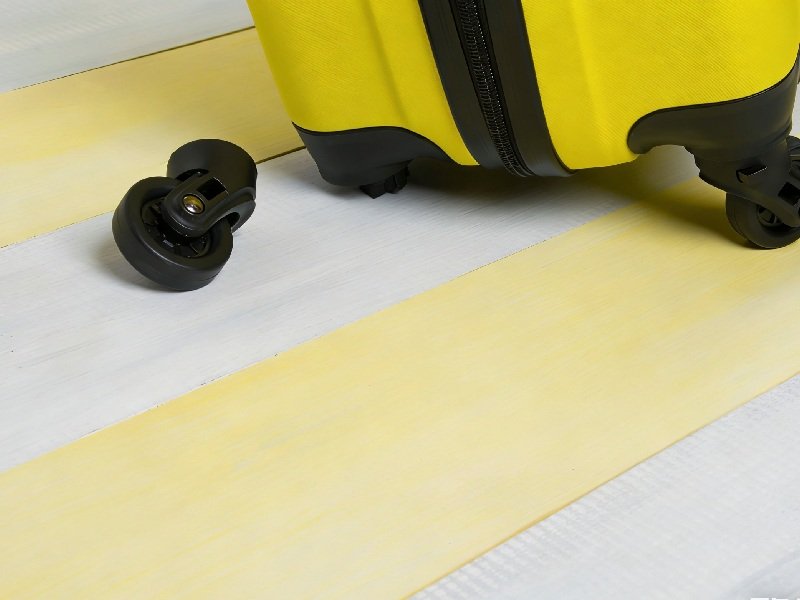
Plastic parts break more often than people expect—remote control covers snap, storage bins crack, toys lose small joints, and appliance housings split along stress lines. The good news is that many of these items can be repaired instead of replaced. Learning how to glue plastic to plastic correctly can restore strength and extend the life of everyday objects while saving money and reducing waste.
To glue plastic to plastic effectively, first clean the surfaces to remove oil and dust, then lightly sand smooth plastic if needed to improve grip. Apply a plastic-specific adhesive designed for materials like ABS, PVC, or acrylic, press the parts together firmly, and hold them in place for several seconds. Most fast-drying plastic glues begin setting quickly and reach full strength after about 24 hours.
When the correct adhesive and preparation steps are used, plastic bonding can create a durable repair suitable for many household items such as toys, electronics housings, storage containers, and small appliance parts. Using a clear, fast-curing plastic glue with precision application also helps produce a clean, nearly invisible repair that looks professional and lasts under normal daily use.
What Is the Best Way to Glue Plastic to Plastic?
The best way to glue plastic to plastic is to match the adhesive to the plastic type, prepare the surface properly, and control the curing time. In most household repairs, strong results come from three practical steps: cleaning the plastic, lightly roughening very smooth areas, and applying a plastic-specific adhesive in a thin and even layer. When these steps are done correctly, the repaired area can often handle normal use such as opening, lifting, or moderate pressure without breaking again.
Many repair failures happen because people skip preparation or use the wrong glue. For example, dust, grease, or hand oils can reduce adhesive strength by 30–50%. Smooth injection-molded plastic also gives adhesives less grip, which is why light sanding can improve bonding durability. With proper preparation and a compatible adhesive, many repairs—such as cracked containers, toy parts, electronics housings, and appliance covers—can remain stable for years.
Why is gluing plastic to plastic sometimes difficult?
Plastic bonding can be challenging because not all plastics behave the same way. Some plastics naturally allow adhesives to attach easily, while others resist bonding due to their chemical structure. Plastics such as ABS, PVC, and acrylic generally bond well with standard plastic adhesives, while materials like polypropylene (PP) and polyethylene (PE) are harder to bond because their surfaces repel many glues.
Another challenge comes from the way plastic parts are manufactured. Most plastic products are produced through injection molding, which creates a very smooth surface. While this finish looks clean and professional, it leaves fewer microscopic areas for adhesive to grip. That is why many repair guides recommend lightly sanding the bonding area before applying glue.
Real-world repair data also shows that joint design affects durability. A small crack along a flat surface usually bonds well, while thin clips, hinges, or corners that bend frequently may require stronger adhesives or reinforcement. Understanding these differences helps users choose the right repair method and avoid repeated failures.
What plastic types affect how you glue plastic to plastic?
The type of plastic has a major influence on adhesive performance. Many everyday products contain different plastic materials, and each material interacts with glue differently.
Here is a quick overview of common plastics and how easily they bond:
| Plastic Type | Common Products | Bonding Difficulty |
|---|---|---|
| ABS | Electronics housings, toys | Easy |
| PVC | Pipes, fittings, accessories | Easy |
| Acrylic (PMMA) | Clear panels, displays | Medium |
| Polystyrene | Model kits, packaging | Easy |
| Polypropylene (PP) | Food containers, bottle caps | Difficult |
| Polyethylene (PE) | Storage bins, plastic bags | Difficult |
For most home repairs, ABS and PVC are the easiest plastics to bond. Acrylic can also bond well but often requires a clear adhesive to keep the repair visually clean. PP and PE are more difficult because their surfaces resist many adhesives, which is why specialized plastic glues or surface treatments are sometimes required.
If the plastic type is unknown, customers can often check the recycling symbol on the product or look at where the item is commonly used. Electronics housings are often ABS, storage containers may be PP or PE, and transparent decorative pieces are usually acrylic. Identifying the material helps users choose the adhesive that will give the strongest and longest-lasting repair.
Which Glue Works Best to Glue Plastic to Plastic?
The glue that works best to glue plastic to plastic depends mainly on the type of plastic and the stress the repaired part will experience. For most everyday repairs—such as cracked containers, broken toys, electronics housings, or appliance parts—plastic-specific adhesives designed for materials like ABS, PVC, and acrylic provide the most reliable results. These adhesives are formulated to bond tightly to plastic surfaces while remaining slightly flexible after curing, which helps the repair withstand normal daily use.
In practical use, many household repairs require adhesives that dry quickly, bond strongly, and leave a clean finish. Fast-curing plastic glue with precision nozzles is often preferred because it allows accurate application on small cracks or delicate components. With the right adhesive, plastic repairs can achieve bonding strengths of 150–250 psi, which is more than sufficient for most consumer products such as storage boxes, toy parts, plastic housings, and decorative items.
What glue is strongest to glue plastic to plastic?
When customers ask for the strongest glue, they usually mean a bond that will not reopen after repeated handling or small impacts. In real repair situations, strength is influenced not only by the adhesive formula but also by the plastic type and how the joint fits together.
Different adhesives provide different strengths depending on the application:
| Adhesive Type | Bond Strength | Best Applications |
|---|---|---|
| Plastic-specific adhesive | Very strong | Household plastic repairs |
| Epoxy adhesive | Extremely strong | Structural or large repairs |
| Cyanoacrylate (super glue) | Strong | Small cracks and precision repairs |
| Plastic cement | Medium to strong | Model kits and polystyrene |
Plastic-specific adhesives often perform best for everyday repairs because they are formulated specifically for bonding common plastics such as ABS, PVC, and acrylic. These adhesives combine strong bonding with controlled application and faster curing times, making them easier to use than many two-part adhesives.
Is super glue good to glue plastic to plastic?
Super glue, also known as cyanoacrylate adhesive, is widely used because it bonds quickly and requires minimal preparation. It works well for small cracks, tight joints, and lightweight plastic parts where the surfaces fit closely together.
For example, super glue is commonly used for repairs such as:
- small toy parts
- remote control housings
- plastic figurines
- decorative plastic items
- model components
However, super glue has limitations. Once cured, it can become quite rigid. If the plastic part flexes frequently—such as a clip, hinge, or flexible corner—the bond may weaken over time. Super glue also performs best when the broken pieces fit together precisely. If there is a large gap between the pieces, the adhesive may not provide enough support.
Because of this, many modern plastic adhesives combine the fast bonding behavior of cyanoacrylate with improved flexibility and stronger plastic compatibility, producing more reliable long-term repairs.
When should you use epoxy to glue plastic to plastic?
Epoxy adhesives are often used when repairing larger plastic components or structural parts that require extra strength. Epoxy consists of two components—a resin and a hardener—that react together to form a strong, durable bond.
This type of adhesive is especially useful when:
- the broken plastic surfaces are uneven
- small gaps must be filled
- the repaired area will experience moderate mechanical stress
Epoxy can produce extremely strong bonds, often exceeding 300 psi of bonding strength on compatible materials. This makes it suitable for repairs such as automotive trim pieces, appliance components, or heavy-duty plastic items.
However, epoxy usually requires mixing before use and typically takes longer to cure than single-component plastic adhesives. For quick household repairs, many users prefer ready-to-use plastic glue that cures faster and is easier to apply in small areas.
Do you need special glue to glue plastic to plastic?
In many cases, using a glue specifically formulated for plastic produces the most consistent results. Standard household adhesives are often designed for porous materials like wood or paper and may not bond well to smooth plastic surfaces.
Plastic-specific adhesives are designed to address several common problems in plastic repair:
- low surface energy on plastics
- smooth injection-molded surfaces
- need for clear, invisible repairs
- precise application in small cracks
These adhesives are commonly used for repairs involving:
- ABS electronics housings
- PVC accessories
- acrylic decorative parts
- plastic furniture components
- household storage containers
Many modern plastic glues also include precision nozzle tips, allowing users to control the amount of adhesive applied to small cracks or detailed areas. This reduces mess and improves the appearance of the repair.
For most everyday repairs, using a plastic adhesive designed for multi-plastic bonding provides the best balance of strength, ease of use, and clean repair results.
How Do You Prepare Surfaces to Glue Plastic to Plastic?
Preparing the plastic surface correctly is one of the most important steps for a strong repair. Even high-quality adhesives cannot form a durable bond if the plastic surface is dirty, oily, or extremely smooth. In many real repair situations, weak results come from poor preparation rather than weak glue. Proper surface preparation helps the adhesive contact the plastic directly and increases bonding reliability.
For most household plastic repairs, preparation involves three simple actions: cleaning the surface, lightly roughening smooth plastic, and removing loose particles before applying adhesive. Tests from adhesive manufacturers show that cleaning and sanding can improve bond strength by 30–60%, especially on injection-molded plastics commonly used in toys, electronics housings, and storage containers. Spending a few minutes on preparation often determines whether the repair lasts for years or fails after a few days.
Why cleaning matters before you glue plastic to plastic
Plastic surfaces often contain invisible contaminants that reduce adhesive performance. These include oils from hands, dust from the environment, soap residue from cleaning products, and mold-release chemicals left from manufacturing. If adhesive is applied directly over these substances, it may stick to the contamination instead of the plastic itself.
Cleaning the repair area removes this barrier and allows the adhesive to bond directly to the material. In practical household repairs, a simple wipe with isopropyl alcohol or a mild solvent cleaner is usually enough to remove oils and dirt.
Below is a comparison showing how contamination affects bonding performance.
| Surface Condition | Bond Strength | Repair Reliability |
|---|---|---|
| Clean and dry | High | Long-lasting repair |
| Slight dust present | Medium | Bond may weaken |
| Oily or greasy | Very low | Glue may peel off |
| Wet surface | Extremely low | Bond usually fails |
After cleaning, the surface should be allowed to dry completely before applying adhesive. Even a small amount of moisture can prevent proper curing and reduce the strength of the bond.
Should you sand before you glue plastic to plastic?
Light sanding helps adhesives grip smooth plastic surfaces. Many plastic products are manufactured through injection molding, which produces a very smooth and glossy finish. While this appearance looks clean, it leaves fewer microscopic areas for adhesives to attach.
Sanding creates tiny scratches on the plastic surface that increase the contact area between the adhesive and the material. This improves mechanical bonding and often results in a stronger repair.
For most plastic repairs, sanding should follow these guidelines:
- use fine sandpaper between 220 and 400 grit
- sand gently to create texture without damaging the plastic
- remove sanding dust before applying adhesive
The difference sanding makes can be significant.
| Surface Type | Adhesive Grip | Expected Durability |
|---|---|---|
| Smooth plastic | Low | Bond may fail early |
| Lightly sanded | High | Strong and stable |
| Rough scratched surface | Uneven | Inconsistent bonding |
However, sanding is not always required. Very small cracks or delicate clear plastic parts may bond well without sanding if the adhesive has strong chemical compatibility with the material.
What tools help you glue plastic to plastic better?
Using the right tools can make plastic repairs easier and produce cleaner results. While professional repair shops may use specialized equipment, most household repairs only require a few simple tools.
Common tools that improve plastic bonding include:
- fine-tip applicators for precise glue placement
- small clamps or clips to hold parts together during curing
- toothpicks or small sticks for spreading adhesive
- microfiber cloths for cleaning surfaces
- masking tape for temporary positioning
Precision applicators are especially helpful when repairing small cracks or delicate plastic components. Applying too much adhesive can weaken the bond and create a messy seam.
Clamps also play an important role because they maintain consistent pressure while the adhesive begins curing. Even pressure helps distribute the adhesive evenly across the bonding surface.
Here is a quick overview of useful tools for plastic repairs.
| Tool | Purpose | Benefit |
|---|---|---|
| Precision nozzle | Control adhesive flow | Cleaner application |
| Clamp or clip | Hold parts together | Stronger bonding |
| Sandpaper | Surface preparation | Improved grip |
| Alcohol wipes | Remove oils | Reliable adhesion |
| Masking tape | Temporary positioning | Accurate alignment |
Many modern plastic adhesives now include precision nozzle tips specifically designed for these situations. This allows users to apply small amounts of glue directly into cracks or narrow joints without creating excess adhesive on the surrounding surface.
With proper surface preparation and simple tools, even small plastic repairs can achieve strong and durable results.
How Do You Glue Plastic to Plastic Step by Step?
Gluing plastic to plastic successfully is usually a simple process when the surfaces fit together well and the right adhesive is used. Most household plastic repairs take less than 10–15 minutes of actual work, although the adhesive still needs time to fully cure. The key is to work slowly and follow a clear sequence: prepare the surface, apply the adhesive carefully, align the parts, and allow enough curing time before using the item again.
Many failed repairs happen because one of these steps is rushed. For example, applying too much glue, moving the part before it sets, or using the item before the adhesive reaches full strength can weaken the repair. When the process is done correctly, plastic adhesives can create durable bonds that handle normal daily use such as lifting, opening, or light impact.
What is the correct process to glue plastic to plastic?
A reliable plastic repair usually follows a simple five-step process. These steps apply to most common household plastics such as ABS, PVC, acrylic, and polystyrene.
Step 1 – Clean the plastic surface
Use isopropyl alcohol or a mild cleaner to remove dust, grease, and residue. Let the surface dry completely before continuing.
Step 2 – Lightly sand smooth areas
If the plastic surface is glossy or very smooth, lightly sand it using 220–400 grit sandpaper. This creates microscopic texture that helps the adhesive grip the surface.
Step 3 – Apply adhesive in a thin layer
Apply a small amount of plastic glue to one side of the repair area. A thin, even layer is usually stronger than a thick layer because it allows the adhesive to spread evenly across the surface.
Step 4 – Join and align the parts
Press the plastic pieces together and adjust them so the edges align correctly. Good alignment prevents stress points that could weaken the bond later.
Step 5 – Hold the parts in position
Maintain steady pressure for several seconds or use a small clamp to keep the parts together while the adhesive begins to set.
The process can be summarized as follows.
| Step | Action | Typical Time |
|---|---|---|
| Surface cleaning | Remove oils and dust | 1–2 minutes |
| Light sanding | Improve surface grip | 1–3 minutes |
| Adhesive application | Apply thin layer | 30 seconds |
| Part alignment | Join plastic pieces | 30–60 seconds |
| Initial setting | Hold or clamp parts | 1–5 minutes |
For most small repairs such as cracked housings, toy parts, or appliance covers, the entire process can be completed quickly with minimal tools.
How long should you hold parts after you glue plastic to plastic?
Holding the parts together during the first stage of curing is critical. Adhesives require a short period to establish an initial bond before they can support any stress.
Fast-drying plastic adhesives usually begin bonding within 30–60 seconds, but holding the parts slightly longer helps ensure proper alignment and stronger adhesion.
Typical holding times depend on the adhesive formula.
| Adhesive Type | Recommended Hold Time |
|---|---|
| Fast-drying plastic glue | 30–60 seconds |
| Standard plastic adhesive | 1–3 minutes |
| Epoxy adhesive | 5–10 minutes |
For larger repairs, small clamps or tape can help keep the pieces aligned while the adhesive begins curing. This is especially useful when repairing items such as storage containers, plastic furniture parts, or outdoor equipment.
Consistent pressure during this stage spreads the adhesive evenly across the bonding surface and removes small air gaps that could weaken the joint.
How long does it take for glue plastic to plastic to cure?
Adhesives typically cure in several stages. The bond may feel strong shortly after application, but the adhesive continues strengthening as the chemical curing process completes.
A typical curing timeline looks like this:
| Curing Stage | Time |
|---|---|
| Initial bond | Seconds to 1 minute |
| Light handling strength | 10–30 minutes |
| Functional strength | 1–2 hours |
| Full cure | Around 24 hours |
Although the repair may appear solid after a few minutes, it is best to avoid heavy stress until the full curing time has passed. Waiting for a complete cure ensures the bond reaches its maximum strength.
Temperature and humidity can also influence curing speed. Warmer conditions usually help adhesives cure faster, while very cold environments may slow the process.
For most household repairs—such as fixing plastic containers, toys, appliance parts, or electronics housings—allowing the adhesive to cure overnight provides the best results. Once fully cured, the repaired plastic can often return to normal use without noticeable weakness.

Is Glue Plastic to Plastic Strong Enough for Real Repairs?
Yes, in many everyday situations glue plastic to plastic repairs are strong enough to restore normal use of the item. Modern plastic adhesives are formulated to bond chemically with common plastics such as ABS, PVC, acrylic, and polystyrene, creating bonds that can handle regular handling, light impacts, and repeated opening or closing. When the surfaces are prepared correctly and the adhesive is allowed to fully cure, the repaired area can often perform very close to the original strength of the plastic part.
For most household items, the stress on the repaired joint is relatively low. Items such as remote control covers, toy parts, storage bins, appliance housings, and decorative plastic pieces mainly experience light pressure rather than heavy structural loads. In these cases, plastic adhesives can easily provide enough bonding strength. Many plastic repair adhesives can reach bonding strengths of 150–250 psi, which is more than sufficient for everyday consumer products. The key factors that determine success are correct surface preparation, using a compatible adhesive, and allowing adequate curing time.
Can glue plastic to plastic handle daily use?
In most household repairs, the bonded plastic part only needs to withstand moderate stress from normal use. For example, a repaired storage container may simply be lifted or opened occasionally, while a toy repair mainly experiences small movements during play. In these situations, a properly bonded joint distributes stress across the seam and prevents the crack from spreading further.
Real-world examples show how plastic adhesives perform in daily use:
| Item Repaired | Typical Stress Level | Expected Repair Durability |
|---|---|---|
| Remote control battery cover | Low | Long-lasting |
| Plastic storage box corner | Low to medium | Durable |
| Toy figure joint | Medium | Durable with proper curing |
| Appliance lid or handle | Medium | Strong repair |
| Garden furniture crack | Medium | Stable under normal use |
Many users report that a properly repaired plastic item continues functioning for months or even years, especially when the repaired area is not subjected to extreme force. This is why adhesives are widely used for repairing electronics housings, small appliance components, and plastic accessories.What items can you repair when you glue plastic to plastic?
Plastic adhesives are used to repair a wide range of everyday objects because plastic components appear in almost every product category. Many of these items fail at small connection points rather than across large structural sections, which makes them ideal candidates for adhesive repair.
Common repair situations include:
Household accessories
- plastic storage containers
- bathroom organizers
- soap dispensers
- cabinet handles
Toys and hobby items
- action figures
- model kits
- board game pieces
- decorative plastic crafts
Electronics and appliances
- remote control housings
- vacuum cleaner attachments
- fan bases
- coffee maker lids
Outdoor equipment
- flower pots
- watering cans
- plastic garden chairs
- storage boxes
These repairs are typically quick and inexpensive compared with replacing the entire item. For example, replacing a plastic storage container may cost $20–30, while repairing it with adhesive may cost less than $2 in materials.
When does glue plastic to plastic fail?
Although plastic adhesives are very effective for many repairs, there are situations where bonding may not be the best solution. Understanding these limits helps users decide when repair is practical and when replacement might be necessary.
Plastic adhesive repairs may fail under the following conditions:
Heavy structural load
Parts that support significant weight or mechanical force may require mechanical fasteners or replacement instead of adhesive bonding.
Constant flexing
Very thin plastic components that bend repeatedly—such as hinges or flexible clips—may weaken the adhesive joint over time.
Large missing sections
If a large piece of plastic is missing, the adhesive cannot rebuild the original structure without additional reinforcement.
Low-adhesion plastics
Some plastics, particularly polypropylene (PP) and polyethylene (PE), are naturally resistant to many adhesives unless special surface treatments or specialty adhesives are used.
The following table summarizes typical repair success rates:
| Repair Situation | Success Probability |
|---|---|
| Small crack or clean break | Very high |
| Decorative plastic parts | Excellent |
| Medium stress household items | High |
| Flexible hinge areas | Moderate |
| Heavy load-bearing parts | Limited |
| Large missing plastic sections | Low |
In most everyday cases—especially small cracks or clean breaks—glue plastic to plastic repairs work extremely well. With proper preparation and curing time, the adhesive bond can restore functionality and extend the life of many plastic products.

Why Choose GleamGlee Products to Glue Plastic to Plastic?
When choosing an adhesive to glue plastic to plastic, most customers focus on three practical factors: bond strength, ease of use, and clean repair results. A good plastic adhesive should cure quickly, bond reliably to common plastics such as ABS or PVC, and allow precise application without creating a messy repair area. GleamGlee plastic glue is designed around these everyday needs, offering a formula that bonds common plastics while remaining simple enough for DIY users and professionals alike.
GleamGlee adhesives are widely used in household repairs, hobby projects, and small equipment maintenance because they combine fast curing, strong bonding, and clear finishing. The product is engineered to bond plastics such as PVC, ABS, acrylic, and polystyrene, which appear in many consumer products including electronics housings, toys, appliance parts, storage containers, and decorative items. With proper application and curing, these repairs can handle normal daily use such as handling, lifting, and moderate stress.
What makes GleamGlee glue plastic to plastic easier?
Ease of application is a major reason many customers choose GleamGlee plastic glue. Plastic repairs often involve small cracks or narrow joints where too much adhesive can create a messy result. GleamGlee products are designed with precision application tips that allow users to apply a controlled amount of glue directly to the repair area.
Each tube typically includes multiple fine-tip nozzles, allowing the adhesive to be delivered into small gaps or detailed parts without spreading across the surface. This helps users achieve cleaner repairs, especially when working with electronics housings, model parts, toys, or delicate plastic accessories.
The adhesive formula is also designed for fast curing, allowing repairs to begin setting within seconds while reaching full strength after proper curing time. This combination of controlled application and quick bonding makes repairs easier for both beginners and experienced users.
| Product Feature | Customer Benefit |
|---|---|
| Fast-drying formula | Repairs can be completed quickly |
| Precision nozzle tips | Cleaner and more accurate application |
| Clear curing finish | Invisible or neat repair appearance |
| Multi-plastic compatibility | Works with common household plastics |
Because of these features, many users keep plastic glue available for quick repairs around the home.
What projects are best for GleamGlee glue plastic to plastic?
GleamGlee plastic glue is commonly used for a wide range of plastic repair situations. Many household products contain small plastic components that may crack or separate over time, but these items can often be restored quickly using a compatible adhesive.
Typical repair applications include:
Household repairs
- plastic storage bins
- cabinet handles
- appliance housings
- bathroom accessories
Toys and hobby equipment
- action figures
- plastic model kits
- board game components
- decorative craft items
Electronics and appliances
- remote control housings
- vacuum cleaner parts
- computer accessories
- fan bases and covers
Outdoor and garden items
- plastic flower pots
- watering cans
- garden furniture
- storage boxes
Because these products usually experience moderate stress rather than heavy structural loads, adhesive bonding is often a practical and cost-effective repair solution.
Why do DIY users trust GleamGlee glue plastic to plastic?
Customer trust often comes from consistent product performance and reliable manufacturing quality. GleamGlee has built its reputation by combining adhesive research, modern production facilities, and global distribution channels.
The company operates integrated manufacturing facilities that include raw material production, adhesive formulation, packaging manufacturing, and label printing. This vertical integration allows strict control over product quality and consistency.
The research and development team includes more than 25 chemists and materials engineers specializing in adhesive chemistry and surface science. Their work focuses on developing formulations that perform well under real conditions such as temperature changes, humidity, and repeated use.
GleamGlee products are distributed internationally through multiple channels including Amazon, eBay, Rakuten, and regional e-commerce platforms, supported by overseas warehouses in the United States, Canada, the United Kingdom, and Germany. This logistics network allows faster delivery and better support for global customers.
| Company Capability | Customer Advantage |
|---|---|
| Dedicated adhesive R&D team | Reliable product formulations |
| Integrated manufacturing system | Consistent product quality |
| Advanced testing laboratories | Performance verification |
| Global distribution network | Faster delivery and availability |
For businesses such as retailers, distributors, and private-label brands, GleamGlee also provides custom formulation and packaging services. Companies can develop their own adhesive product lines with flexible order quantities, packaging design support, and international regulatory compliance.
Because of these capabilities, GleamGlee has become a trusted partner for both individual customers seeking reliable repair products and businesses looking for a professional adhesive manufacturing supplier.
Conclusion
Plastic items break in everyday life, but that does not always mean they need to be replaced. Learning how to glue plastic to plastic properly allows many common objects—such as storage containers, toys, appliance parts, and electronics housings—to be repaired quickly and economically. With the right adhesive, proper surface preparation, and enough curing time, plastic bonding can create a strong and reliable repair that restores normal use.
For most household repairs, success comes from following a few simple principles: clean the plastic surface, lightly sand smooth areas if necessary, apply a compatible plastic adhesive in a thin layer, and allow the bond to fully cure before using the item again. These steps significantly improve bonding strength and durability. In many cases, a properly repaired plastic part can continue functioning for months or even years, making adhesive repair a practical and cost-effective solution.
Whether you are a DIY user fixing everyday items or a business looking for reliable adhesive products, choosing a high-quality plastic glue makes a clear difference. GleamGlee provides plastic adhesives designed for common repair needs as well as manufacturing support for retailers and private-label brands. With strong bonding performance, precision application design, and flexible production capabilities, GleamGlee helps customers solve plastic repair challenges while supporting long-term product and brand development.





















