 Skip to content
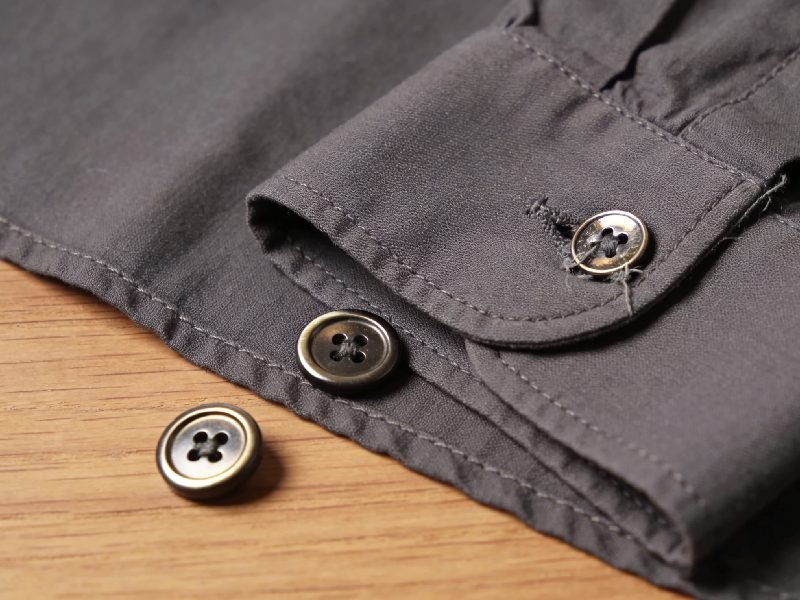
Fabric glue is designed to bond textile fibers while still allowing the material to bend and move naturally. Unlike rigid adhesives that dry into a hard shell, modern fabric glues use flexible polymer formulas that create a soft adhesive layer between fibers. When applied in a thin, even layer and fully cured, the bond stretches slightly with the fabric, making it suitable for clothing repairs, patches, hems, and decorative attachments without causing stiff spots.
Yes, fabric glue is flexible when it is formulated for textiles and applied correctly. High-quality fabric glue dries into a soft, elastic film that moves with the fabric rather than cracking. It can remain flexible through normal wear, machine washing, and ironing, especially on stable fabrics such as cotton, denim, polyester blends, canvas, and felt.
However, flexibility also depends on the fabric type, the amount of glue applied, and proper curing time. Stretch fabrics may require thinner layers of adhesive, while thicker fabrics like denim usually maintain flexibility more easily. When the glue penetrates the fibers instead of forming a thick surface layer, the repair can remain soft, nearly invisible, and comfortable to wear—making fabric glue a practical alternative to sewing for many everyday clothing repairs and DIY projects.
Is Fabric Glue Flexible After Drying?
Yes, most fabric glues remain flexible after drying when they are designed for textile use. Instead of forming a hard shell, the adhesive creates a thin elastic layer between fabric fibers. When applied in a light, even coat and allowed to cure for about 24 hours, the bond stays soft enough to bend, fold, and move with clothing during normal wear and washing.
What Makes Fabric Glue Flexible, Not Hard?
The flexibility of fabric glue mainly comes from the type of adhesive polymers used in the formula. Textile glues are typically made with elastic polymers that remain soft after the water in the formula evaporates. These polymers form a flexible film that connects fibers rather than coating the surface like plastic.
When fabric glue dries properly, it behaves more like a thin rubber layer than a rigid crust. This allows the bonded fabric to fold and stretch slightly without cracking.
Several factors contribute to this flexibility:
- Elastic polymer structure that allows movement
- Adhesive penetration into fabric fibers instead of sitting on top
- Controlled drying that prevents brittleness
A simple test many users use is bending the repaired area between their fingers. If the fabric folds naturally without a hard “hinge” feeling, the glue layer is flexible.
Laboratory testing of textile adhesives often measures flexibility through stretch tolerance. Many fabric glues can stretch between 120% and 250% before breaking, which is sufficient for most clothing movement.
| Adhesive Type | Stretch Tolerance | Flexibility Result |
|---|---|---|
| Super glue | <5% | rigid, cracks easily |
| Craft glue | 10–15% | slightly flexible |
| Standard fabric glue | 80–150% | flexible for normal wear |
| High-performance textile glue | 150–250% | highly flexible |
This difference explains why ordinary glues fail on clothing while textile adhesives perform much better.
Is Fabric Glue Flexible on Everyday Clothes?
For most everyday fabrics, fabric glue dries flexible enough that the repair is barely noticeable during wear. Cotton shirts, denim jeans, polyester blends, canvas bags, and felt crafts all respond well to fabric adhesives.
These fabrics have relatively stable fiber structures, which allow the glue to penetrate slightly into the weave. This creates a bond that distributes stress across many threads rather than concentrating it in one rigid line.
Common flexible repair uses include:
- attaching decorative patches on jeans
- repairing small seam splits on shirts
- hemming curtains or pants
- securing embroidery, ribbons, or appliqués
- reinforcing fabric edges to prevent fraying
Denim repairs are a good example of how flexibility works in practice. When a patch is attached to jeans, the knee area may flex thousands of times during daily movement. A rigid adhesive would crack quickly, but flexible fabric glue allows the patch and the denim fibers to bend together.
Customer feedback often highlights comfort as the main indicator of flexibility. If the repair area does not feel stiff when the garment moves, the adhesive has formed a proper flexible bond.
Is Fabric Glue Flexible Like Sewing?
Fabric glue and sewing achieve flexibility in different ways. Sewing uses thread loops to mechanically hold fabric together, allowing the fabric to move freely between stitches. Fabric glue bonds fibers chemically, creating a continuous flexible layer across the repair area.
For small repairs and decorative attachments, the flexibility difference between glue and stitching is often minimal.
Here is a practical comparison:
| Repair Method | Flexibility | Skill Required | Repair Time |
|---|---|---|---|
| Sewing | very high | moderate | 15–30 minutes |
| Fabric glue | high | very easy | 5–10 minutes |
| Iron-on adhesive | medium | easy | 10–15 minutes |
Fabric glue is especially useful when sewing equipment is not available or when the repair needs to be quick. Many DIY users prefer glue for patch placement because it spreads stress across the entire bonded area instead of concentrating it at stitch points.
However, for seams that carry heavy tension—such as backpack straps or seat seams—stitching still provides stronger reinforcement.
For most everyday clothing repairs, though, properly applied fabric glue dries flexible enough to move with the fabric and maintain comfort during regular wear.
Which Fabrics Keep Fabric Glue Flexible?
Fabric glue stays flexible on fabrics that have stable fiber structures and moderate stretch. Woven materials like cotton, denim, canvas, polyester blends, and felt usually allow the adhesive to sink slightly into the fibers, creating a soft and bendable bond. Extremely stretchy fabrics, such as spandex-heavy knits, may stretch beyond the glue’s elastic range, which can reduce long-term flexibility.
Is Fabric Glue Flexible on Cotton and Denim?
Cotton and denim are two of the most reliable fabrics for flexible fabric glue repairs. Both are woven fabrics with visible fiber structures that allow adhesive to penetrate slightly between threads instead of forming a stiff surface layer.
Cotton fabrics—such as shirts, bed sheets, tablecloths, and lightweight jackets—typically absorb small amounts of glue into their fibers. This helps distribute the adhesive across many threads rather than concentrating it in a single rigid line. When applied correctly, the repair area bends naturally with the garment.
Denim performs particularly well because it is thicker and structurally stronger. The adhesive can grip the dense cotton fibers while still allowing the fabric to flex during movement. This is why denim patches and jean repairs often last longer with fabric glue than on thinner fabrics.
Common flexible repairs on cotton and denim include:
- attaching decorative patches on jeans
- fixing small seam tears on shirts
- hemming pants or skirts
- securing embroidery or appliqués
- reinforcing fabric edges that are beginning to fray
Typical flexibility performance for these fabrics:
| Fabric Type | Fiber Structure | Flexibility After Glue |
|---|---|---|
| Cotton | woven | very good |
| Denim | heavy woven | excellent |
| Canvas | dense woven | very good |
For example, the knee area of jeans can bend thousands of times during daily movement. Because denim distributes stress across many fibers, a thin adhesive layer can flex along with the fabric instead of cracking.
Many home repair users find that when a patch is applied properly with fabric glue on denim, the repair remains comfortable even during walking, sitting, and bending.
Is Fabric Glue Flexible on Stretch Fabric?
Stretch fabrics behave differently because their fibers are designed to expand during movement. Materials such as knit fabrics, athletic wear, leggings, and spandex blends can stretch between 20% and 60% depending on the textile structure.
This high elasticity can exceed the flexibility range of some fabric glues. When the garment stretches repeatedly, the adhesive layer may gradually weaken if it cannot expand at the same rate as the fabric.
Typical stretch ranges for common clothing fabrics:
| Fabric Type | Stretch Level | Glue Flexibility Performance |
|---|---|---|
| Cotton knit | low–medium | usually good |
| Polyester knit | medium | moderate |
| Spandex blend | high | limited without reinforcement |
However, fabric glue can still work on stretch fabrics when used carefully.
Practical tips for maintaining flexibility on stretchy garments include:
- apply glue only along seams or patch edges
- avoid spreading glue across large fabric areas
- use thin layers to preserve elasticity
- allow a full 24-hour curing period before wearing
For example, attaching decorative patches to sports jerseys or dance costumes often works well when glue is applied only around the patch border. This keeps the patch secure while allowing the surrounding fabric to stretch normally.
Professional costume designers often use this technique when working with flexible stage clothing.
When Is Fabric Glue Flexible Not Enough?
There are situations where even flexible fabric glue may not provide enough elasticity or strength on its own. Fabrics that experience heavy pulling forces or repeated stretching may require additional reinforcement.
Examples of high-stress repair areas include:
- seat seams on pants
- backpack straps or bag handles
- highly elastic sportswear seams
- thick multilayer fabrics under tension
These areas experience significant mechanical stress during daily use. While fabric glue can bond the fibers, the repeated force may eventually weaken the adhesive layer.
Repair specialists often follow a simple guideline when choosing repair methods:
| Repair Type | Best Method |
|---|---|
| decorative patches | fabric glue |
| light clothing hems | fabric glue |
| small seam tears | fabric glue |
| heavy tension seams | sewing |
| outdoor gear reinforcement | glue + stitching |
Even in high-stress repairs, fabric glue can still play an important role. Many experienced repair users apply glue to stabilize fibers and prevent fraying before stitching the seam.
This combination distributes stress more evenly and can extend the lifespan of the repair.
In practice, the fabrics that keep fabric glue most flexible are those with moderate movement and stable fiber structures. When the fabric’s stretch level matches the elasticity of the adhesive layer, the repair remains soft, comfortable, and durable during normal wear.
Is Fabric Glue Flexible After Washing?
Yes, quality fabric glue can remain flexible after washing if the adhesive has fully cured before laundering. Most textile adhesives form a flexible polymer layer that bonds with fabric fibers and withstands normal washing cycles. When allowed to cure for about 24 hours and applied in a thin layer, the repair usually stays soft and bendable even after multiple machine washes.
Is Fabric Glue Flexible in Cold Wash?
Cold water washing is the safest environment for maintaining the flexibility of fabric glue repairs. Lower temperatures reduce stress on the adhesive layer and help prevent fiber distortion during washing. Many clothing manufacturers also recommend cold washing for garments with decorative elements, patches, or bonded fabrics.
When fabric glue repairs are exposed to cold wash cycles (typically around 30°C / 86°F), the adhesive layer experiences minimal thermal stress. This helps preserve the elasticity of the glue and reduces the chance of brittleness or peeling.
Common clothing items that benefit from cold washing after repair include:
- cotton shirts with glued patches
- denim repairs and decorative embroidery
- curtains or home textiles with glued hems
- craft fabrics used in costumes or decorations
Typical washing impact on flexible fabric glue repairs:
| Wash Condition | Effect on Glue Flexibility | Expected Durability |
|---|---|---|
| cold wash (30°C) | minimal stress | long-lasting |
| gentle cycle | very low mechanical stress | best performance |
| hand washing | lowest stress | excellent durability |
Another advantage of cold washing is that it helps protect the surrounding fibers of the fabric itself. If the fabric stays stable, the adhesive bond is less likely to experience stress from fiber expansion or contraction.
For most home clothing repairs, cold washing is the easiest way to extend the life of fabric glue bonds.
Is Fabric Glue Flexible in Hot Wash?
Hot washing introduces more stress on both the fabric and the adhesive layer. Higher temperatures cause fibers to expand and move more aggressively during the washing cycle. This movement can gradually weaken weaker adhesives.
However, many modern fabric glues are designed to tolerate moderate heat levels. Repairs often remain flexible if the glue was applied correctly and fully cured before washing.
Typical temperature ranges in household laundry machines:
| Wash Temperature | Adhesive Impact |
|---|---|
| 30°C (86°F) | minimal effect |
| 40°C (104°F) | generally safe |
| 60°C (140°F) | may reduce long-term durability |
For everyday clothing such as shirts, jeans, and casual wear, washing at 30–40°C usually maintains both fabric quality and adhesive flexibility.
Problems are more likely to occur when garments are washed immediately after repair. If glue has not fully cured, the water and agitation inside the washing machine can weaken the bond before it stabilizes.
That is why most textile adhesives recommend waiting at least 24 hours before washing repaired garments.
Is Fabric Glue Flexible After Ironing?
Ironing can actually help fabric glue repairs blend more naturally with the surrounding fabric when done correctly. Heat and pressure from ironing flatten the repaired area and help the adhesive layer settle deeper into the fibers.
However, ironing should only be done after the adhesive has completely cured.
Recommended ironing guidelines for glued fabric repairs:
- wait at least 24 hours after applying glue
- use medium heat settings suitable for the fabric type
- place a thin cloth between the iron and the repair area
- avoid direct steam on freshly repaired sections
These precautions protect the adhesive layer while allowing the fabric to regain its natural shape and drape.
Many users notice that after ironing, the repaired area becomes less noticeable because the fibers relax around the adhesive bond.
Typical ironing heat ranges:
| Iron Temperature | Fabric Types | Effect on Glue |
|---|---|---|
| low heat | synthetic fabrics | safe |
| medium heat | cotton, polyester blends | safe after curing |
| high heat | thick cotton or denim | acceptable if cured |
When fabric glue is fully cured and the repair is applied thinly, the bonded area can remain flexible even after repeated washing and ironing cycles.
This combination of wash resistance and flexibility is one of the main reasons fabric glue has become a popular solution for clothing repairs, DIY crafts, and home textile maintenance.

How Do You Make Fabric Glue Flexible Longer?
Fabric glue stays flexible longer when it is applied in thin layers, evenly distributed across the fibers, and allowed to cure completely before washing or stretching the fabric. Proper preparation, controlled glue quantity, and a full 24-hour curing period help the adhesive form a soft elastic bond that moves with the fabric instead of becoming stiff or brittle.
How Much Fabric Glue Keeps It Flexible?
The amount of glue used has a direct impact on how flexible the repair will feel after drying. When too much glue is applied, it forms a thick surface layer that behaves more like hardened plastic than a flexible textile bond. Thin layers allow the adhesive to soak slightly into the fibers, creating a bond that bends with the fabric.
For most clothing repairs, only a small amount of glue is needed to create a strong and flexible bond.
Typical glue application amounts used in home fabric repairs:
| Repair Scenario | Recommended Glue Amount | Flexibility Result |
|---|---|---|
| small seam repair | thin line along seam | very flexible |
| patch edge bonding | narrow bead around patch | flexible and durable |
| full patch coverage | thin spread across surface | strong but still bendable |
| decorative elements | tiny drops | minimal stiffness |
A useful rule many clothing repair enthusiasts follow is: “Apply the thinnest layer that still bonds the fibers.”
When the glue layer is thin, the adhesive integrates with the fabric threads. This distributes stress across the fibers instead of concentrating it on the surface of the repair.
Common problems caused by excessive glue include:
- stiff repair spots that feel uncomfortable when worn
- visible glue edges around patches
- longer curing time and uneven drying
Precision applicator nozzles—such as those used on modern fabric glue tubes—help control glue flow and prevent over-application.
How Do You Apply Fabric Glue Flexible and Clean?
A clean, controlled application process significantly improves flexibility and durability. When glue spreads evenly between the fibers, the fabric retains its natural movement and appearance.
Before applying glue, preparing the fabric surface is important. Dust, oils, or loose fibers can weaken the adhesive bond and create uneven glue distribution.
A practical step-by-step approach used in many DIY clothing repairs includes:
Preparation
- clean the fabric and remove lint or dirt
- trim loose threads around the repair area
- position patches or fabric pieces before applying glue
Application
- apply a thin, even layer of glue to the bonding surface
- press the fabrics together gently
- smooth the fabric to remove trapped air
Stabilization
- apply light pressure for several minutes
- keep the repair area flat while the adhesive begins setting
Typical bonding timeline for textile adhesives:
| Time After Application | Adhesive Condition |
|---|---|
| 5–10 minutes | glue begins setting |
| 1 hour | bond starts stabilizing |
| 6–10 hours | strong bond forming |
| 24 hours | full cure and maximum flexibility |
This controlled application prevents glue buildup and helps the adhesive distribute naturally between fibers.
The final repair should bend smoothly with the fabric without creating stiff edges or thick glue patches.
How Long Should Fabric Glue Flexible Repairs Cure?
Curing time is one of the most important factors affecting the flexibility and durability of fabric glue repairs. Although glue may appear dry on the surface after a short time, the adhesive inside the fibers still needs time to stabilize.
Most textile adhesives reach their full strength and flexibility after approximately 24 hours.
Several environmental conditions influence curing speed:
| Factor | Effect on Cure Time |
|---|---|
| room temperature | warmer temperatures speed curing |
| humidity | high humidity slows drying |
| glue thickness | thicker layers take longer |
| fabric density | dense fabrics slow evaporation |
Allowing the repair to cure in a stable indoor environment gives the adhesive time to form a uniform elastic bond between fibers.
If the fabric is stretched or washed before curing is complete, the adhesive layer may distort before it has fully stabilized. This can lead to stiff areas or reduced durability.
When fabric glue is applied correctly and allowed to cure completely, the bonded area can remain soft and flexible through normal clothing movement, washing cycles, and ironing.
These small application details make a significant difference in whether a fabric glue repair feels natural and comfortable or stiff and temporary.
Which Fabric Glue Flexible Option Works Best?
The best flexible fabric glue is one that bonds fibers strongly while staying soft after drying. Look for textile adhesives that dry clear, remain elastic, and resist washing and ironing. A good fabric glue should penetrate fabric threads instead of forming a stiff surface layer. Products designed specifically for clothing repair usually perform better than general-purpose craft glues.
What to Look For in Fabric Glue Flexible Repairs
When choosing a fabric glue, customers usually care about three practical things: how strong the bond is, whether the repair feels stiff, and how well it survives washing. The best flexible fabric glues are designed to address all three factors.
Several product features strongly influence flexibility and long-term durability:
- elastic polymer adhesive formula
- transparent drying finish that blends with fabric
- resistance to machine washing and ironing
- low odor for safe indoor use
- precision applicator for controlled glue placement
These features allow the adhesive to bond fabric fibers without turning the repaired area into a hard patch.
Typical performance comparison between adhesive types used on fabric:
| Adhesive Type | Flexibility | Wash Resistance | Typical Use |
|---|---|---|---|
| craft glue | low | poor | paper crafts |
| super glue | very low | poor | rigid materials |
| hot glue | medium | low | temporary decorations |
| textile fabric glue | high | good | clothing repairs |
Textile fabric glue performs better because it is engineered specifically to work with flexible fibers. Instead of drying into a rigid shell, it forms a thin elastic layer that moves with the fabric.
Customers repairing clothing or household textiles generally prefer adhesives that dry soft, clear, and washable, since these qualities make repairs less noticeable during daily wear.
What Causes Fabric Glue Flexible Repairs to Fail?
Even good fabric glue can fail if the application method or repair conditions are not ideal. In many cases, problems occur because the adhesive was used incorrectly rather than because the product itself lacked flexibility.
Some of the most common reasons fabric glue repairs fail include:
- washing clothing before the adhesive fully cures
- applying glue in thick layers that become stiff
- bonding fabrics that stretch excessively
- attaching materials under constant tension
- repairing dirty or oily fabric surfaces
For example, if a patch is glued onto a pair of jeans and washed within a few hours, the adhesive may not have reached full strength yet. The washing machine movement can weaken the bond before it stabilizes.
Another common problem occurs when glue is applied heavily around patch edges. This can create stiff rims that eventually lift from the fabric.
Typical repair issues and their causes:
| Repair Problem | Likely Cause | Solution |
|---|---|---|
| stiff repair spot | too much glue | apply thinner layer |
| patch edges lifting | uneven glue distribution | press evenly during bonding |
| repair peeling after wash | washed too soon | allow 24-hour cure |
| glue cracking | fabric stretches too much | reinforce with stitching |
By controlling glue thickness, allowing proper curing time, and choosing suitable fabrics, most flexible fabric glue repairs can remain durable through many cycles of wear and washing.
Why GleamGlee Fabric Glue Flexible Repairs Work Better
GleamGlee fabric glue is designed specifically for textile repairs where flexibility and comfort are important. The adhesive formula is engineered to bond fabric fibers securely while maintaining a soft elastic finish after drying.
Several product characteristics contribute to this performance:
- strong bonding suitable for cotton, denim, felt, and polyester fabrics
- flexible adhesive structure that prevents brittle cracking
- transparent finish that keeps repairs visually clean
- waterproof durability suitable for washing machines
- compatibility with ironing after full curing
- precision applicator tip for controlled glue flow
The glue sets quickly, allowing users to position repairs easily before the adhesive fully cures. Initial bonding begins within minutes, while full curing typically occurs within about 24 hours, creating a strong yet flexible connection between fabric layers.
Available packaging options also help meet different customer needs:
| Product Version | Best For |
|---|---|
| 50 g single tube | occasional clothing repairs |
| 50 g two-pack | frequent DIY projects and craft use |
Because the adhesive dries clear and flexible, it works well for a wide range of applications, including:
Clothing repairs
- attaching patches to jeans or uniforms
- repairing small seam tears
- hemming pants, skirts, or curtains
Accessories and footwear
- fixing fabric linings inside bags
- attaching decorative patches to hats or backpacks
- securing fabric details on shoes
Home textiles and crafts
- repairing cushion covers or upholstery seams
- reinforcing tablecloth edges
- creating costumes, decorations, and DIY fabric projects
When applied in thin layers and allowed to cure fully, the repaired area remains soft enough to bend with the surrounding fabric. This combination of strength and flexibility is what makes modern textile adhesives a practical solution for everyday clothing repairs.
For people who prefer repairing clothing rather than replacing it, a reliable flexible fabric glue can extend the life of garments, reduce waste, and simplify DIY repairs at home.
What Are the Top 15 Fabric Glue Products on Amazon?
Amazon offers a wide variety of fabric glues designed for clothing repair, crafts, upholstery, and DIY textile projects. The best-performing products usually share several characteristics: strong bonding strength, flexibility after drying, wash resistance, and clear finishes that do not leave visible marks on fabrics.
Based on customer reviews, sales popularity, durability, and flexibility performance, the following fabric glues are frequently considered among the most reliable options available online. These products are commonly used for repairing clothing, attaching patches, hemming fabric edges, and securing decorative elements.
Below are fifteen widely recognized fabric glues used by DIY users, crafters, and clothing repair enthusiasts.
1. Aleene’s Fabric Fusion Permanent Fabric Adhesive
Aleene’s Fabric Fusion is one of the most well-known fabric glues on Amazon. It dries clear and flexible, making it suitable for attaching patches, rhinestones, and decorative fabric elements. Many craft users prefer it for quilting and costume design because the adhesive remains soft even after drying. The glue also holds well after multiple wash cycles.
2. GleamGlee Fabric Glue
GleamGlee Fabric Glue is designed specifically for clothing repairs where flexibility and comfort are important. The adhesive dries clear and forms a soft elastic bond that moves with the fabric rather than becoming stiff. It works well on cotton, denim, felt, polyester blends, and many craft fabrics.
The precision nozzle allows users to control the glue flow easily, which helps prevent thick glue buildup that could cause stiffness. The adhesive begins setting within minutes and reaches full curing strength in about 24 hours. Once cured, the repair can withstand machine washing and ironing without losing flexibility. This makes it suitable for patch repairs, seam reinforcement, curtain hemming, and DIY textile crafts.
3. Beacon Fabri-Tac Permanent Adhesive
Fabri-Tac is popular among costume designers and craft professionals. It dries quickly and forms a strong flexible bond between fabric layers. The adhesive also works well with lace, trims, and lightweight fabrics. Its fast drying speed makes it useful when working on time-sensitive projects.
4. Tear Mender Instant Fabric and Leather Adhesive
Tear Mender is a natural latex-based adhesive that bonds fabrics very quickly. It is often used for repairing heavy materials like denim, canvas, or upholstery. The glue forms a flexible bond and is commonly used in outdoor gear repairs.
5. Gorilla Fabric Glue
Gorilla Fabric Glue is designed for durable textile bonding. It provides strong adhesion and dries clear. Many users choose it for clothing repairs because it works well with cotton and polyester fabrics and maintains flexibility after drying.
6. Dritz Unique Stitch Fabric Glue
Unique Stitch is often used for quick clothing repairs and hemming. It allows users to bond fabrics without sewing and dries flexible enough for many garment applications.
7. E6000 Fabri-Fuse Fabric Adhesive
Fabri-Fuse is widely used in craft and fashion projects. It provides a strong yet flexible bond and dries clear. Many jewelry designers and clothing decorators use it to attach embellishments.
8. Permatex Fabric Repair Kit Adhesive
Permatex is often used for automotive and upholstery repairs. It can bond heavier fabrics such as seat covers, tents, and outdoor gear while maintaining moderate flexibility.
9. Odif USA 505 Temporary Fabric Adhesive
This spray adhesive is commonly used in quilting and embroidery work. Although it is not designed as a permanent repair glue, it is useful for temporarily positioning fabrics before sewing.
10. Loctite Vinyl Fabric and Plastic Adhesive
Loctite’s adhesive works on vinyl and synthetic fabrics. It is often used for repairing bags, upholstery, and inflatable materials.
11. Singer Sew No More Fabric Glue
Singer’s no-sew adhesive is designed for basic clothing repairs and hems. It is easy to apply and commonly used by beginners for quick textile fixes.
12. FabricMend Fabric Repair Adhesive
FabricMend is known for its washable flexible formula. It is often used for repairing work clothing and outdoor fabrics.
13. Roxanne Glue Baste-It
This adhesive is widely used by quilters. It allows temporary bonding while maintaining fabric softness and is especially useful when positioning quilt layers.
14. Gutermann HT2 Fabric Glue
Gutermann HT2 is popular in European sewing communities. It dries clear and flexible and works well for patch attachment and decorative fabric bonding.
15. Surebonder Fabric Stik Fabric Glue
Surebonder Fabric Stik is a simple adhesive designed for craft fabrics and lightweight clothing repairs. It dries clear and provides moderate flexibility for small projects.
Comparison of the Top 15 Fabric Glues
| Rank | Brand | Drying Flexibility | Wash Resistance | Best Use |
|---|---|---|---|---|
| 1 | Aleene’s Fabric Fusion | high | very good | clothing repair, crafts |
| 2 | GleamGlee Fabric Glue | very high | excellent | clothing repair, patches, DIY |
| 3 | Beacon Fabri-Tac | high | good | crafts, costume design |
| 4 | Tear Mender | high | excellent | heavy fabrics, upholstery |
| 5 | Gorilla Fabric Glue | high | good | general clothing repair |
| 6 | Dritz Unique Stitch | medium | moderate | hemming, quick repairs |
| 7 | E6000 Fabri-Fuse | high | good | decorative fabrics |
| 8 | Permatex Fabric Repair | medium | good | automotive fabrics |
| 9 | Odif 505 Spray | low | temporary | quilting positioning |
| 10 | Loctite Vinyl Fabric | medium | good | vinyl and synthetic fabrics |
| 11 | Singer Sew No More | medium | moderate | basic clothing repair |
| 12 | FabricMend | high | good | workwear repairs |
| 13 | Roxanne Glue Baste-It | low | temporary | quilting |
| 14 | Gutermann HT2 | high | good | patch attachment |
| 15 | Surebonder Fabric Stik | medium | moderate | craft projects |

Conclusion
Fabric glue has become a practical solution for many clothing and textile repairs because modern formulas are designed to stay flexible after drying. When applied correctly, a good fabric glue forms a soft bond between fibers that bends with the fabric instead of creating stiff spots. This makes it useful for everyday repairs such as attaching patches, fixing small seam tears, hemming clothing, or securing decorative fabric elements.
The key to maintaining flexibility is choosing the right adhesive and using it properly. Applying thin layers, allowing the glue to cure for about 24 hours, and matching the adhesive to the fabric type all help ensure the repair remains comfortable and durable. Stable fabrics like cotton, denim, canvas, and polyester blends usually produce the best results because the glue can integrate with the fibers and distribute movement across the fabric structure.
For DIY users, clothing repair enthusiasts, and businesses looking for reliable textile adhesives, flexible fabric glue provides a convenient alternative to sewing for many applications. Products designed specifically for fabric—such as GleamGlee Fabric Glue—offer strong bonding, clear finishes, and durable flexibility that can withstand daily wear, washing, and ironing. With the right product and proper technique, fabric glue can extend the life of garments, simplify repairs, and support creative fabric projects with professional-looking results.





















