 Skip to content
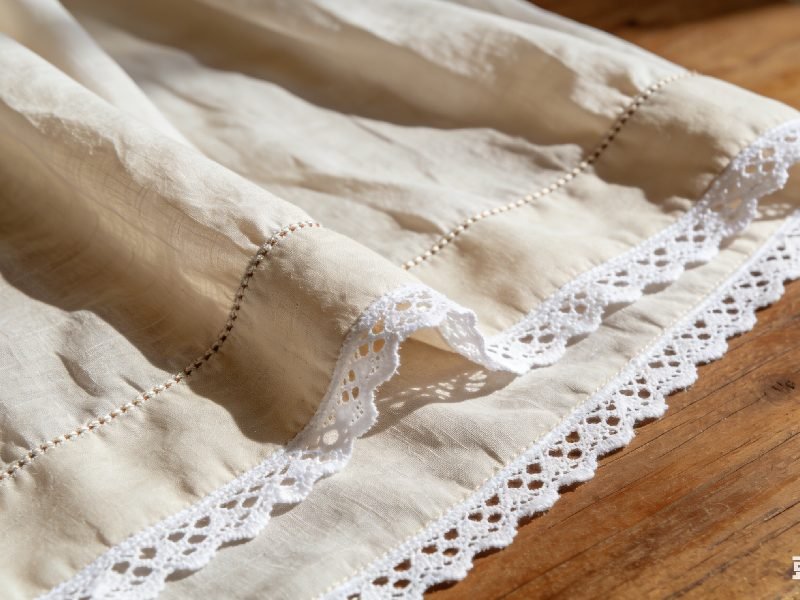
Fabric glue works by bonding textile fibers together with a flexible adhesive layer that dries clear and moves with the fabric. Unlike ordinary craft glue, modern fabric glues are designed specifically for clothing and textiles, allowing repairs such as hems, patches, small tears, trims, and decorative elements to hold without stitching. When applied correctly to clean fabric and allowed to cure fully, fabric glue can create durable repairs that remain soft, washable, and nearly invisible.
In everyday use, fabric glue is especially effective on materials like cotton, denim, canvas, and many polyester fabrics. It is commonly used to hem pants or curtains, attach patches to jeans, repair small seam splits, or secure embellishments such as sequins and ribbons. Because the adhesive spreads across fibers instead of concentrating force on thread lines, it often creates a smooth, flexible bond that looks cleaner than visible stitches on many garments.
However, the success of fabric glue depends on proper application and realistic expectations. Repairs last much longer when the fabric is cleaned first, the adhesive layer is applied thinly, and the bond is allowed to cure for about 24 hours before washing or stretching the garment. For high-stress areas like backpack straps or tight stretch seams, sewing may still be stronger, but for most everyday clothing fixes and DIY fabric projects, fabric glue provides a fast, simple, and effective no-sew repair solution.
Does Fabric Glue Work on Everyday Repairs?
Fabric glue works well for many everyday clothing and home textile repairs, especially when the damage is small and the fabric layers can overlap. It can securely bond hems, patches, small tears, decorative trims, and fabric edges without sewing. When applied to clean fabric and allowed to cure fully—usually about 24 hours—a quality fabric glue can remain flexible, washable, and durable enough for daily wear and household use.
In real daily use, fabric glue is most helpful for quick repairs that people want to fix immediately without sewing tools. For example, a loose hem on a pair of pants, a small seam opening on a shirt, or a patch on a child’s jeans can usually be repaired in minutes. Because the adhesive spreads across fibers rather than relying on stitches, it creates a flexible bond that moves with the fabric instead of pulling against thread holes.
Typical everyday fabric glue repair scenarios include:
- fixing small seam splits on shirts or dresses
- hemming pants, skirts, or curtains
- attaching decorative or reinforcement patches
- repairing bag linings or hat sweatbands
- securing ribbons, lace, sequins, or costume decorations
- reinforcing edges of tablecloths or cushions
In many homes, fabric glue becomes a small but useful tool for quick fixes that prevent clothing or textiles from being thrown away.
Does Fabric Glue Work on Rips?
Fabric glue can repair many small rips when the torn edges can be aligned neatly and the area is not constantly stretched. The adhesive penetrates the fibers and forms a flexible bond that holds the fabric edges together. For best durability, small tears are often reinforced with a patch placed behind the fabric, which spreads stress across a wider area.
Common examples include:
- repairing small tears in cotton T-shirts
- fixing seams that opened slightly along stitching lines
- reinforcing the edges of a rip before it grows larger
Repair durability depends on stress levels.
| Rip Location | Repair Reliability | Notes |
|---|---|---|
| Shirt side seam | High | Low tension area |
| Sleeve seam | High | Moves but not heavily stretched |
| Knee tear in jeans | Medium | Patch reinforcement recommended |
| Stretch fabric tear | Lower | Sewing often better |
When a patch is used behind the tear, many repairs can last through 15–30 washing cycles depending on fabric thickness and movement.
Does Fabric Glue Work on Hems?
Hemming is one of the most reliable uses for fabric glue because hems create wide bonding surfaces. When the fabric is folded over itself, the adhesive bonds two layers together across a long contact area. This allows the glue to distribute stress evenly and prevents the hem from separating easily.
Many people use fabric glue for:
- shortening pants or skirts
- hemming curtains or drapes
- repairing hems that came loose after washing
- temporarily adjusting clothing for events
Compared with sewing, glue hems are often faster and leave no visible stitching on the outside of the garment.
Typical time needed for a glue hem repair:
| Step | Time |
|---|---|
| Apply glue | 1 minute |
| Press hem | 5–10 minutes |
| Full curing | ~24 hours |
Once cured, the hem remains flexible and can move naturally when the garment is worn.
For best results, users usually:
- fold and align the hem first
- apply a thin line of adhesive inside the fold
- press evenly across the hem
- allow curing before washing or ironing
Cotton and denim hems repaired with fabric glue often remain secure through many normal wash cycles.
Does Fabric Glue Work on Patches?
Patches are one of the most dependable repairs with fabric glue because they create overlapping layers of fabric. This overlap increases the bonding area and spreads stress across the patch rather than concentrating it at a single seam.
Fabric glue is commonly used to attach:
- embroidered patches on jackets or uniforms
- reinforcement patches on ripped jeans
- decorative patches on hats or backpacks
- costume patches for performances or events
The adhesive bonds both the patch backing and the garment fibers, creating a layered structure that holds well during normal wear.
Patch repair performance by material:
| Patch Type | Adhesion Strength | Typical Use |
|---|---|---|
| Denim patch | High | Jeans repairs |
| Embroidery patch | High | Jackets, uniforms |
| Cotton patch | High | Clothing reinforcement |
| Felt patch | Medium | Crafts and decoration |
When patches are pressed firmly and allowed to cure fully, the bond often lasts through repeated washing and daily movement.
For many clothing repairs, patch bonding with fabric glue provides a practical alternative to stitching, especially when users want a clean appearance without visible thread lines.

Does Fabric Glue Work Better Than Sewing?
Fabric glue is not always stronger than sewing, but it can be a better option for many quick clothing repairs where flexibility, speed, and clean appearance matter. It works especially well for hems, patches, decorative elements, and small seam repairs. Sewing remains the best choice for areas under heavy stress, but fabric glue offers a fast, simple solution for many everyday fabric fixes.
In practical use, the difference between glue and sewing comes down to how stress is handled. Sewing holds fabric together with thread passing through small holes. Glue bonds fibers across a wider surface area. This means glue can create a smooth, flexible repair that avoids visible stitches, while sewing provides stronger reinforcement when fabric is pulled frequently.
Typical reasons people choose fabric glue instead of sewing include:
- they do not own a sewing machine
- the repair needs to be done quickly
- the garment should look clean without visible stitches
- the repair area is small and not under heavy tension
Understanding where glue works best helps users decide which method to use.
Does Fabric Glue Work Instead of Stitching?
Fabric glue can replace stitching for many light and medium fabric repairs. When the fabric layers overlap and the adhesive is applied evenly, the bond can be strong enough for normal wear.
Common repairs where glue often replaces sewing include:
- attaching decorative patches to jackets or jeans
- hemming pants, skirts, or curtains
- securing ribbons, trims, or lace
- fixing small seam openings in shirts or dresses
In these situations, glue spreads stress across the entire bonded area rather than concentrating force on thread points.
Comparison of glue vs stitching in common repairs:
| Repair Type | Glue Performance | Sewing Performance |
|---|---|---|
| Decorative patch | High | High |
| Pant hem | High | High |
| Small seam split | Medium–High | High |
| Bag strap repair | Low | Very High |
For decorative or low-stress repairs, glue can perform just as well as stitching while creating a cleaner finish.
Does Fabric Glue Work for Quick Fixes?
One of the biggest advantages of fabric glue is speed. Many everyday repairs can be completed in minutes without tools or sewing experience.
Examples of quick repairs where glue is useful:
- fixing a hem that came loose before work
- attaching a patch to a child’s school uniform
- repairing costume decorations before an event
- sealing the edge of a small tear to prevent fraying
Typical repair time comparison:
| Repair Method | Average Time Needed |
|---|---|
| Hand sewing | 20–40 minutes |
| Sewing machine | 10–20 minutes |
| Fabric glue | 5–10 minutes |
This speed makes fabric glue particularly useful for households, travel situations, or last-minute clothing repairs.
Many DIY users keep fabric glue available because it allows them to repair garments quickly without replacing them.
Does Fabric Glue Work for Long Wear?
Durability depends on the type of repair and how much stress the area experiences. When fabric glue is applied correctly and allowed to cure fully, many repairs remain strong through repeated wearing and washing.
Repairs that usually last well with glue include:
- hems on pants or skirts
- patches on denim or cotton clothing
- decorative trims on jackets or costumes
- minor seam openings in low-stress areas
Expected durability after washing:
| Repair Type | Typical Durability |
|---|---|
| Cotton hem | 20+ washes |
| Denim patch | 15–25 washes |
| Decorative trim | 20+ washes |
| Small seam repair | 10–20 washes |
Areas that stretch frequently, such as tight athletic clothing or backpack straps, place greater stress on adhesives and may require stitching for long-term strength.
For most everyday clothing repairs, however, fabric glue can provide a practical balance between durability, flexibility, and convenience.
Does Fabric Glue Work on Different Fabrics?
Fabric glue works on many common fabrics, but the bonding strength depends on the fiber structure and surface texture. Natural fabrics like cotton and denim usually bond very well because their fibers are porous and slightly rough. Synthetic fabrics such as polyester can also work, but they require cleaner surfaces and proper curing time. Understanding fabric type helps ensure stronger, longer-lasting repairs.
Different fabrics react differently to adhesive because of how tightly the fibers are woven and how smooth the material surface is. Rougher fibers allow glue to penetrate deeper, creating stronger mechanical bonds. Smooth synthetic fabrics have fewer gaps between fibers, so the adhesive mainly bonds on the surface.
Below are some of the most common fabrics people repair with fabric glue and how well the adhesive usually performs.
Does Fabric Glue Work on Cotton?
Cotton is one of the easiest fabrics for glue bonding. The fibers are naturally porous and slightly textured, which allows adhesive to penetrate between fibers and create a stable bond.
Because of this structure, cotton garments are often repaired successfully using fabric glue.
Typical cotton repair scenarios include:
- fixing small seam openings in T-shirts
- hemming cotton pants or skirts
- attaching patches to cotton jackets or uniforms
- reinforcing the edges of tablecloths or curtains
Cotton also handles washing and ironing well, which helps maintain the bond after curing.
Typical glue performance on cotton:
| Repair Type | Bond Strength | Notes |
|---|---|---|
| Cotton hem repair | Very high | Large bonding area |
| Cotton patch attachment | Very high | Strong fiber grip |
| Small seam split | High | Works well if low stress |
| Decorative trim | Very high | Minimal movement |
In many cases, cotton repairs with fabric glue can last through 20 or more wash cycles when the adhesive is applied correctly and allowed to cure fully.
Does Fabric Glue Work on Denim?
Denim is another fabric where glue performs very well because the fibers are thick and tightly woven. This structure allows adhesive to anchor deeply between threads.
Many people use fabric glue to repair jeans because sewing thick denim can be difficult without heavy needles or sewing machines.
Common denim repair examples include:
- repairing knee tears in jeans
- attaching reinforcement patches
- fixing frayed pocket edges
- securing decorative patches on jackets
Denim repairs work best when the glue is used with a patch backing rather than simply bonding torn edges together.
Repair durability comparison:
| Denim Repair Method | Durability | Appearance |
|---|---|---|
| Edge-to-edge glue repair | Medium | Very clean |
| Glue with patch backing | High | Clean and reinforced |
| Traditional stitching | Very high | Visible stitches |
Because denim is strong and slightly textured, adhesives often hold well even during repeated movement.
For many jeans repairs, glue combined with a patch can last through 15–30 wash cycles depending on how much bending the area experiences.
Does Fabric Glue Work on Polyester?
Polyester can be more challenging because the fibers are smoother and less absorbent than natural fabrics. The adhesive has fewer surface gaps to grip, which means preparation becomes more important.
However, fabric glue can still work effectively on polyester when applied carefully.
Typical polyester repair situations include:
- fixing loose seams in sportswear
- repairing lightweight jackets or windbreakers
- attaching decorative patches to synthetic clothing
- repairing linings in bags or backpacks
Steps that improve bonding on polyester include:
- cleaning the surface thoroughly
- removing oils or detergent residue
- applying a thin adhesive layer
- allowing full curing time before wearing or washing
Expected adhesive performance by fabric type:
| Fabric Type | Adhesion Level | Flexibility Requirement |
|---|---|---|
| Cotton | Very high | Moderate |
| Denim | High | Moderate |
| Polyester | Medium | High |
| Nylon blends | Medium | High |
| Stretch fabrics | Lower | Very high |
Stretch fabrics such as spandex blends experience more movement, which can weaken adhesive bonds over time. In those cases, glue may still work for decorative elements but may not replace stitching for structural seams.
Even with synthetic fabrics, many users find fabric glue useful for small repairs where sewing would be difficult or time-consuming.
Does Fabric Glue Work After Washing?
Yes, fabric glue can remain strong after washing if the adhesive has fully cured and the repair is applied correctly. Most textile adhesives need about 24 hours to cure before washing. Once cured, quality fabric glues can handle regular washing, moderate dryer heat, and ironing. Repairs such as hems and patches often stay intact through 15–30 wash cycles, depending on fabric type and stress on the repaired area.
In real household use, washing durability depends on three main factors:
- how well the fabric was cleaned before applying glue
- how much adhesive was applied
- how long the repair cured before washing
If a garment is washed too soon, the adhesive bond may weaken before it stabilizes. When users wait for full curing, the glue forms a flexible bond that moves with the fabric during washing and wearing.
Below are the most common washing-related questions people ask about fabric glue repairs.
Does Fabric Glue Work in a Washer?
Fabric glue can hold up in a washing machine when the repair has cured fully and the adhesive layer is applied correctly. Many fabric glues are designed to be machine washable because the polymer bonds remain flexible rather than brittle.
In normal laundry cycles, garments experience three types of stress:
- water penetration
- mechanical movement from tumbling
- friction against other clothing
Repairs that have wide bonding areas—such as hems and patches—usually perform better because the stress is distributed across a larger surface.
Typical washer durability:
| Repair Type | Expected Washer Durability | Notes |
|---|---|---|
| Hem repair on cotton pants | 20–30 washes | Large bonding surface |
| Patch on denim jeans | 15–25 washes | Strong fibers help bonding |
| Decorative trim attachment | 20+ washes | Low stress area |
| Small seam repair | 10–20 washes | Depends on tension |
To improve washer durability, users usually follow these simple steps:
- allow at least 24 hours curing time
- wash garments in cold or warm water
- avoid heavy-duty washing cycles initially
For the first wash after repair, many people prefer to turn the garment inside out to reduce friction on the repaired area.
Does Fabric Glue Work After Drying?
Dryer heat does not usually damage a properly cured fabric glue repair, especially when the adhesive is designed for textile use. Many fabric glues remain flexible even after exposure to dryer temperatures.
Dryers introduce two types of stress:
- heat exposure
- repeated tumbling movement
If the adhesive becomes brittle under heat, the bond may crack during tumbling. Quality textile adhesives are designed to stay soft and flexible to prevent this problem.
Heat tolerance overview:
| Dryer Setting | Effect on Fabric Glue |
|---|---|
| Low heat | No significant impact |
| Medium heat | Safe for most repairs |
| High heat | May weaken bond over time |
For best durability:
- allow glue to cure before drying
- use low or medium heat settings
- avoid repeated high-temperature cycles
Denim and cotton repairs usually tolerate dryer heat very well because the thick fibers support the adhesive bond.
Does Fabric Glue Work with Ironing?
Many fabric glues are designed to tolerate ironing once the repair has cured completely. Ironing can even help flatten the bonded area, especially when repairing hems or patches.
However, ironing too soon can damage the bond because the adhesive may still be soft.
Safe ironing practices include:
- wait until the repair has cured for about 24 hours
- iron from the reverse side of the fabric when possible
- use a pressing cloth between the iron and the fabric
Ironing compatibility by fabric type:
| Fabric | Ironing Compatibility |
|---|---|
| Cotton | Very good |
| Denim | Very good |
| Polyester | Use medium heat |
| Delicate fabrics | Use pressing cloth |
When fabric glue dries flexible and clear, the repaired area usually behaves like the surrounding fabric during ironing.
For clothing repairs such as hems, patches, and decorative trims, this flexibility allows the garment to be maintained normally without damaging the adhesive bond.

How Do You Make Fabric Glue Work Better?
Fabric glue works better when the fabric is clean, the adhesive layer is thin and even, and the repair is allowed to cure completely before wearing or washing. Most strong fabric glue repairs come from proper preparation and pressure rather than large amounts of glue. Simple steps like cleaning the fabric, pressing the bonded area firmly, and waiting about 24 hours before washing can greatly improve durability.
Many failed repairs happen because users rush the process or apply too much adhesive. When glue spreads evenly between fibers and is allowed to cure without movement, the bond becomes flexible and durable enough for everyday wear.
How Do You Prep So Fabric Glue Works?
Preparation is one of the most important steps for a successful repair. Fabric often contains body oils, detergent residue, dust, or loose fibers that prevent glue from bonding directly with the material.
Before applying adhesive, it is helpful to prepare the repair area carefully.
Basic preparation steps include:
- washing and drying the garment before repair
- trimming loose threads around the tear or seam
- brushing away lint or dust
- laying the fabric flat on a stable surface
Clean fabric allows adhesive to penetrate the fibers rather than sticking to surface contamination.
Surface condition and bonding quality:
| Fabric Condition | Bond Strength |
|---|---|
| Clean and dry | Very strong |
| Slight dust | Moderate |
| Oily or dirty | Weak |
| Detergent residue | Weak |
For thicker fabrics like denim or canvas, lightly pressing the fabric with a warm iron before gluing can flatten the fibers and create a smoother bonding surface.
Taking just a few minutes to prepare the fabric often makes the difference between a repair that lasts months and one that fails after a few washes.
How Much Helps Fabric Glue Work?
Using the correct amount of adhesive is another important factor. Many people assume that more glue will create a stronger repair, but in reality, thick layers of adhesive often reduce durability.
Too much glue can cause:
- slow drying time
- stiff fabric texture
- visible glue marks
- peeling after washing
A thin, even layer usually produces the strongest bond because the adhesive can penetrate the fibers instead of forming a thick surface film.
Recommended glue quantity by fabric type:
| Fabric Type | Suggested Application |
|---|---|
| Cotton | Thin continuous line |
| Denim | Thin line or small dots |
| Polyester | Thin spread layer |
| Lightweight fabric | Very small amount |
When attaching patches or overlapping fabrics, spreading a few small glue dots inside the patch area often works better than covering the entire surface.
Applying gentle pressure also helps distribute the adhesive evenly.
Common pressing tools include:
- a heavy book
- a flat weight
- a pressing block
- stacked magazines
Maintaining steady pressure for several minutes helps the glue spread across the fabric fibers and create a stronger bond.
How Long Until Fabric Glue Works?
Fabric glue usually begins to hold materials together within a few minutes, but it continues strengthening as it cures. Many adhesives require about 24 hours to reach full strength.
Understanding the difference between “initial hold” and “full cure” helps prevent repair failures.
Typical bonding timeline:
| Stage | Approximate Time | What Happens |
|---|---|---|
| Initial set | 5–10 minutes | Fabric stays together |
| Early strength | 1–2 hours | Light handling possible |
| Full cure | About 24 hours | Maximum durability |
During the curing stage, adhesive molecules form a flexible structure that binds fibers together. Movement or washing during this period can weaken the repair.
For best results, users often repair clothing in the evening and allow the glue to cure overnight before wearing or washing the garment.
Allowing enough curing time ensures the adhesive bond remains flexible and durable through normal use, washing, and ironing.
Conclusion
Fabric glue has become a practical solution for many everyday clothing and textile repairs. When used correctly, it can bond fabric fibers together and create flexible repairs that are suitable for hems, patches, small tears, decorative trims, and many household textile fixes. For cotton, denim, and many polyester fabrics, a properly applied adhesive can remain strong through regular wear and multiple wash cycles while maintaining a clean appearance without visible stitching.
The success of fabric glue repairs depends less on the product alone and more on the way it is used. Cleaning the fabric, applying a thin and even layer of adhesive, pressing the bonded area firmly, and allowing enough curing time are the key steps that make the repair durable. When these steps are followed, fabric glue can provide a fast and convenient alternative to sewing for many low-to-medium stress repairs in clothing, home textiles, and DIY projects.
For individuals, retailers, and distributors looking for reliable fabric adhesive solutions, GleamGlee Fabric Glue offers strong bonding performance, a clear flexible finish, and durability designed for washable fabrics. With advanced adhesive research, integrated manufacturing, and global logistics support, GleamGlee also provides bulk supply, private label production, and custom adhesive formulation services. Businesses interested in sourcing high-quality adhesive products or developing their own brand can contact service@gleamglee.com to explore partnership and customization opportunities.





















