 Skip to content
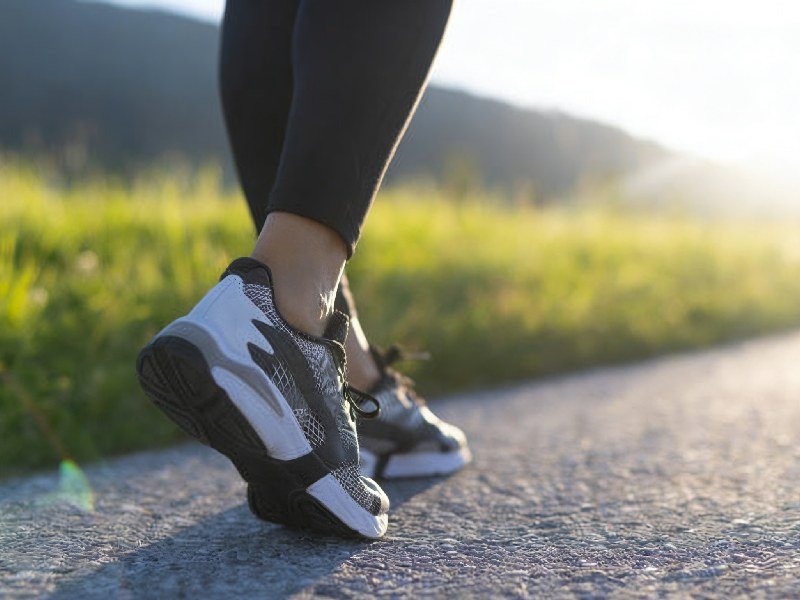
Many people throw away shoes the moment the sole starts peeling or the heel becomes loose. In reality, most of these problems can be repaired quickly with the right shoe glue and a simple process. Modern shoe adhesives are designed to bond materials like rubber, leather, vinyl, foam, and fabric while remaining flexible during walking and running. When used correctly, shoe glue can restore the structure of the shoe, prevent further separation, and extend the life of the footwear for months or even years.
To use shoe glue effectively, first clean and dry the damaged area, then lightly sand the bonding surfaces to improve adhesion. Apply a thin, even layer of shoe glue to both surfaces, press the parts firmly together, and hold them in place using rubber bands, clamps, or steady pressure. Most shoe glues require about 12–24 hours of curing time before the shoes can be worn again. This process creates a flexible, waterproof bond that helps the repair withstand everyday movement and outdoor conditions.
A properly repaired pair of shoes can perform almost like new. Many hikers, runners, and everyday users repair soles, heels, and insoles instead of replacing the entire pair. With the right preparation and patience during curing, shoe glue becomes a reliable tool for maintaining footwear, reducing waste, and saving money while keeping favorite shoes in service much longer.
What Can Shoe Glue Repair?
Shoe glue is designed to repair the most common structural problems that cause shoes to fail during everyday use. In many cases, shoes are discarded even though only a small bonding area has separated. The upper material may still be strong, the cushioning intact, and the shoe comfortable to wear. When the damage involves separation between materials—such as rubber soles, leather uppers, or foam midsoles—shoe glue can often restore the connection and allow the shoe to be used again.
Most modern footwear is assembled using adhesives during manufacturing. This means many failures occur at the glue line rather than the material itself. When the original adhesive weakens due to moisture, repeated bending, or temperature changes, the shoe begins to separate. A high-quality shoe glue can recreate this bonding layer and extend the life of the shoe.
In everyday use, shoe glue is commonly used to repair several specific areas of footwear:
- peeling soles on sneakers and casual shoes
- loose heels on dress shoes or boots
- lifting toe caps on running shoes
- detached insoles inside athletic shoes
- small cracks or gaps along outsole edges
Many consumers are surprised to learn that a single repair kit can often repair 20 or more pairs of shoes, depending on the size of the damage. Because the glue layer required is very thin, only a small amount of adhesive is needed for each repair.
When applied correctly, the repaired area remains flexible and resistant to moisture, allowing the shoe to handle walking pressure and daily wear.
Can Shoe Glue Fix a Loose Sole?
A loose or separating sole is the most common shoe problem people encounter. It usually begins at the toe or along the outer edge of the shoe where bending stress is highest. Every step creates a small pulling force between the sole and the upper part of the shoe. Over time, this repeated movement weakens the original adhesive and causes the sole to lift.
Shoe glue is particularly effective for this type of repair because it is formulated to remain flexible after curing. Unlike rigid adhesives that crack under bending stress, flexible shoe glue moves with the shoe during walking or running.
For a loose sole repair to work well, the two surfaces must still fit together properly. If the rubber sole can be pressed back into its original shape against the upper, the repair usually has a high success rate.
The durability of the repair depends on several factors:
- how clean the surfaces are before gluing
- whether the surfaces were lightly sanded
- how evenly the adhesive was applied
- how long the shoe was left to cure
When these steps are followed carefully, a repaired sole can often last hundreds of miles of walking. Many users continue wearing repaired sneakers or boots for another year or longer.
Can Shoe Glue Repair a Broken Heel?
Detached or unstable heels are another frequent problem, especially with dress shoes, high heels, and leather boots. Unlike sole separation, heel failure usually happens because the joint between the heel block and the shoe base loosens from repeated impact during walking.
Each step places downward force directly on the heel area. Over time, this constant pressure can weaken the adhesive bond or loosen small fasteners inside the heel structure.
Shoe glue can restore the connection by filling small gaps between the heel block and the shoe base. Once cured, the adhesive layer spreads pressure evenly across the contact surface, helping the heel stay stable during walking.
For heel repairs, alignment is extremely important. The heel must be positioned exactly as it was before the failure occurred. Even a small angle change can affect walking comfort and cause uneven wear.
Many shoe repair professionals recommend applying steady pressure with clamps or rubber bands during curing. This ensures the heel remains fully seated against the shoe base while the adhesive stabilizes.
When properly repaired, the heel can often perform as reliably as it did before the separation occurred.
Can Shoe Glue Reattach an Insole?
Insoles can loosen after long periods of use, especially in athletic shoes where sweat, friction, and repeated movement gradually weaken the adhesive. When the insole starts sliding or curling, it can create discomfort inside the shoe and lead to blisters during walking or sports activities.
Shoe glue works very well for insole repairs because it creates a thin, flexible bond that does not affect the comfort of the shoe interior. The adhesive layer holds the insole in place while still allowing natural movement of the foot.
The repair process is usually straightforward. After removing the insole, the bonding surface inside the shoe should be cleaned and dried. A thin layer of adhesive is then applied before the insole is pressed back into position.
Once cured, the adhesive prevents the insole from shifting during movement. Because the glue remains flexible, the repair typically feels smooth and natural when walking.
For runners or athletes, securing a loose insole can significantly improve comfort and stability, especially during long periods of activity.
Can Shoe Glue Repair Sneakers and Boots?
Shoe glue is widely used to repair both casual sneakers and heavier outdoor footwear such as hiking boots or work boots. These types of shoes experience constant stress from bending, ground impact, and exposure to water or dirt.
Sneakers, for example, flex thousands of times during running or walking. This repeated movement can cause small separations to appear along the edge of the sole or toe cap. Shoe glue can seal these gaps and prevent them from spreading.
Boots face different challenges. Outdoor conditions such as rain, mud, and temperature changes can gradually weaken the adhesive holding the outsole in place. When the outsole begins to lift, shoe glue can restore the waterproof seal between layers.
The following table shows some of the most common footwear repairs that shoe glue can handle:
| Shoe Type | Common Damage | Can Shoe Glue Repair It |
|---|---|---|
| Running shoes | Toe edge separation | Yes |
| Casual sneakers | Sole lifting | Yes |
| Hiking boots | Outsole separation | Yes |
| Leather boots | Loose heel or edge seam | Yes |
| Kids shoes | Peeling toe caps | Yes |
These repairs are especially useful for shoes that are otherwise still comfortable and functional. Instead of replacing the entire pair, a simple adhesive repair can extend their lifespan and maintain their performance for everyday use.
Which Shoe Glue Works Best?
Choosing the right shoe glue is one of the most important decisions when repairing footwear. Different shoes are made from different materials—rubber, leather, EVA foam, fabric, or synthetic plastics—and each material reacts differently to adhesive. A glue that works well on leather may not bond strongly to rubber soles, while a rigid glue that works for plastic may crack when used on flexible running shoes.
The best shoe glue for most repairs has three key characteristics:
- strong bonding strength across multiple materials
- flexibility after curing so the bond does not crack during walking
- resistance to water, heat, and daily wear
Flexibility is particularly important because shoes constantly bend during use. A person walking 5,000–10,000 steps per day can flex a shoe thousands of times. If the adhesive becomes brittle, the repair will fail quickly.
Another factor many consumers consider is the appearance of the repair. Good shoe glue should dry clear or nearly invisible, especially when used on light-colored shoes. Visible glue lines or white residue can make a repair look messy even if it holds well.
When selecting shoe glue, the type of shoe and the location of the damage should always be considered. The following sections explain how different adhesives perform with common footwear materials.
Which Shoe Glue Works for Rubber Soles?
Rubber soles are one of the most demanding surfaces for adhesives because they experience constant bending, friction, and impact. Running shoes, sports shoes, and many casual sneakers use rubber outsoles that flex every time the foot moves.
A suitable shoe glue for rubber must remain elastic after curing. If the adhesive becomes rigid, it will eventually crack at the bending point of the shoe.
For rubber soles, the most effective adhesives typically have the following characteristics:
- flexible polymer structure that bends with the shoe
- strong adhesion to textured rubber surfaces
- resistance to water and temperature changes
Light sanding of the rubber surface before applying glue can improve adhesion significantly. Sanding increases the contact area between the adhesive and the rubber material.
The table below shows how rubber soles respond to different types of adhesive.
| Adhesive Type | Flexibility | Durability on Rubber |
|---|---|---|
| General-purpose glue | Low | Weak |
| Super glue | Low | Cracks under bending |
| Flexible shoe glue | High | Strong long-term bond |
Because rubber soles endure high stress during walking and running, flexible shoe glue provides the most reliable results.
Which Shoe Glue Works for Leather Shoes?
Leather shoes require a slightly different adhesive approach because leather is a porous natural material. Unlike rubber, leather absorbs small amounts of adhesive into its fibers. This can actually improve bonding strength when the correct glue is used.
Common leather shoe repairs include:
- lifting soles on dress shoes
- loose edges on leather boots
- detached heel sections
- separated leather layers around the welt
For leather footwear, shoe glue that dries clear and remains slightly flexible usually performs best. A flexible adhesive allows the leather to move naturally while walking.
Appearance also matters more with leather shoes because repairs are often visible. Clear-drying glue helps maintain the original look of the shoe and prevents white marks along the seam.
Another benefit of specialized shoe glue is its ability to bond leather with other materials, such as rubber soles or synthetic midsoles. Many leather shoes combine multiple materials, so the adhesive must work across different surfaces.
Which Shoe Glue Works for Sneakers?
Sneakers are one of the most frequently repaired types of footwear because they experience intense stress during sports and daily activity. Running, jumping, and quick directional movements all place pressure on the bond between the sole and the upper.
Sneaker failures often occur in areas such as:
- toe cap edges
- outer sole seams
- midsole cracks
- outsole separation
These areas flex repeatedly, so the adhesive used must remain flexible and durable over time.
A good sneaker repair adhesive should provide:
- high flexibility to handle bending
- strong bonding across rubber and foam materials
- resistance to sweat and moisture
Sneaker enthusiasts often repair expensive or limited-edition shoes rather than replacing them. A strong adhesive repair can help maintain the original structure of the shoe while preserving its appearance.
For many casual sneaker repairs, a single tube of shoe glue can repair multiple pairs of shoes if applied correctly.
Is Waterproof Shoe Glue Better?
Water resistance is a major factor in shoe durability. Shoes regularly encounter rain, puddles, snow, and sweat, all of which can weaken ordinary adhesives over time.
Waterproof shoe glue forms a sealed bonding layer that prevents moisture from entering the repair joint. This significantly improves the lifespan of the repair, especially for outdoor footwear.
Waterproof adhesives are particularly useful for:
- hiking boots
- work boots
- running shoes used outdoors
- children’s shoes exposed to rain or mud
The difference between standard adhesive and waterproof shoe glue becomes clear after repeated exposure to moisture.
| Feature | Standard Adhesive | Waterproof Shoe Glue |
|---|---|---|
| Moisture resistance | Limited | Strong |
| Flexibility after curing | Moderate | High |
| Outdoor durability | Medium | High |
| Long-term repair stability | Shorter | Longer |
Because footwear frequently encounters wet environments, waterproof shoe glue is often the best choice for long-lasting repairs. A strong waterproof bond helps keep the shoe structure intact even after repeated exposure to moisture and daily wear.
How Do You Prepare Shoes for Shoe Glue?
Proper preparation is the step that most determines whether a shoe glue repair lasts for months or fails within a few days. Many people believe the strength of the glue itself is the most important factor, but in real shoe repairs the surface condition plays an even bigger role. Dust, oils, sweat, or leftover factory glue can prevent the adhesive from bonding directly with the shoe material. When the glue attaches to dirt instead of the shoe, the repair becomes weak.
Before applying shoe glue, the bonding surfaces should be clean, slightly rough, and completely dry. Preparing the surfaces properly allows the adhesive to penetrate small textures in the material and form a stronger mechanical bond. Professional shoe repair technicians often say that preparation accounts for more than half of the durability of the repair.
The preparation process usually includes three simple actions: cleaning the surface, lightly sanding the bonding area, and ensuring the materials are dry and aligned correctly. These steps typically take only a few minutes but can significantly increase the lifespan of the repair.
How Do You Clean Shoes Before Shoe Glue?
Cleaning is the first and most important step before applying shoe glue. Even if the shoe appears clean, the bonding area may contain invisible substances such as body oils, road dust, cleaning residues, or worn adhesive from the original manufacturing process. These contaminants form a thin barrier that prevents the glue from making full contact with the material.
To prepare the shoe properly, the damaged area should be cleaned carefully.
A practical cleaning method includes the following steps:
- remove loose dirt with a soft brush or cloth
- wipe the bonding area with a damp cloth
- use mild soap if grease or oil is present
- remove any loose pieces of old adhesive
- allow the surface to dry completely
For shoes that have been worn outdoors frequently, dirt and sand may be trapped deep inside the seam where the sole meets the upper. In this situation, gently opening the gap slightly can help remove hidden debris.
Once the surface is clean, the adhesive will bond directly to the shoe material rather than to contaminants. This improves the overall strength and reliability of the repair.
Do You Need to Sand Before Using Shoe Glue?
Light sanding greatly improves the effectiveness of shoe glue. Many shoe materials such as rubber, plastic, or leather have relatively smooth surfaces. When glue is applied directly to a smooth surface, the adhesive may not grip well enough to resist repeated bending.
Sanding creates tiny scratches on the surface, increasing the area where the adhesive can attach. These microscopic grooves allow the glue to flow into the texture and lock in place once it cures.
This step is especially useful for the following materials:
- rubber outsoles
- EVA foam midsoles
- plastic heel blocks
- leather edges
For most shoe repairs, medium-grit sandpaper works well.
Recommended sanding guidelines:
- use sandpaper between 120 and 220 grit
- lightly scuff both bonding surfaces
- avoid removing too much material
- wipe away sanding dust before applying glue
Sanding typically takes less than a minute but can significantly increase the durability of the repair. Many long-lasting shoe repairs rely on this simple preparation step.

Should Shoes Be Completely Dry Before Shoe Glue?
Yes, the bonding surfaces must be completely dry before applying shoe glue. Moisture trapped between the materials can interfere with the adhesive curing process and weaken the bond.
Water often enters shoes through rain, sweat, or cleaning. Even after the shoe feels dry on the outside, small amounts of moisture may remain trapped inside seams or foam layers.
Before applying glue, it is best to allow the shoe to dry in a well-ventilated area.
A simple drying routine includes:
- placing the shoes in a warm room with good airflow
- allowing at least 30 to 60 minutes of drying time after cleaning
- avoiding direct heat sources such as heaters or hair dryers
- checking the inside seam for hidden moisture
When the bonding surfaces are fully dry, the adhesive can attach directly to the shoe material instead of reacting with moisture. This leads to a stronger and more stable repair.
In many real repairs, allowing the shoe to dry thoroughly is one of the easiest ways to prevent early adhesive failure.
Why Is Surface Alignment Important Before Applying Shoe Glue?
Before glue is applied, the separated parts of the shoe should be checked to make sure they still fit together properly. If the sole, heel, or insole is twisted or misaligned during the repair, the shoe may feel uncomfortable when worn and the adhesive bond may be uneven.
Proper alignment ensures that the adhesive spreads evenly across the bonding surface when pressure is applied.
A quick alignment check can be done before applying glue:
- press the separated parts together to confirm they match naturally
- check that the edges line up evenly
- ensure there are no large gaps between materials
If the materials fit together smoothly before gluing, the repair will usually be much stronger after curing.
Maintaining this correct position during the curing process—often with rubber bands or light clamps—helps the adhesive form a stable bond that can withstand normal walking stress.
Taking a few moments to confirm alignment before applying shoe glue can prevent many common repair problems and improve the overall durability of the shoe.
How Do You Apply Shoe Glue Correctly?
Applying shoe glue correctly is the step that determines whether a repair will last a few days or continue holding for months of everyday use. Even a high-quality adhesive cannot perform well if it is applied unevenly, used in excessive amounts, or if the shoe parts move while the glue is curing. The goal of a proper application is to create a thin, uniform adhesive layer that fully connects the two surfaces.
When shoe glue spreads evenly across the bonding area and the parts are pressed together firmly, the adhesive fills microscopic gaps in the material. After curing, this creates a flexible bond that can handle walking pressure, repeated bending, and exposure to water.
Most reliable shoe repairs follow a simple sequence:
- apply a thin layer of glue
- press the parts together evenly
- hold the repair under steady pressure
- allow sufficient curing time
This method allows the adhesive to form a strong and stable bond between the shoe components.
Where Should You Apply Shoe Glue?
Shoe glue should always be applied directly to the surfaces that will contact each other during the repair. This usually means applying adhesive to both sides of the separation. For example, when repairing a loose sole, glue should be applied to the underside of the sole and the edge of the shoe upper.
Applying glue to both surfaces helps distribute the adhesive evenly when pressure is applied. This increases the contact area and improves bonding strength.
Common areas where shoe glue is applied include:
- the underside of a lifted outsole
- the edge of the upper where the sole attaches
- the base of a detached heel
- the bottom of a loose insole
Careful placement of the glue also improves the appearance of the repair. Applying adhesive precisely along the bonding seam reduces visible residue on the outer surface of the shoe.
Precision applicators or metal nozzle tips are especially useful for narrow seams because they allow the user to control the amount of glue more accurately.
How Much Shoe Glue Should You Use?
One of the most common mistakes during shoe repair is applying too much glue. Many people believe that a thick layer of adhesive will create a stronger bond, but the opposite is usually true. Excess glue can slow the curing process and prevent the adhesive from forming a stable structure.
The best results usually come from applying a thin, even layer of shoe glue that completely covers the bonding surface without forming thick blobs.
The following table compares the effects of different glue amounts.
| Glue Application | Result |
|---|---|
| Too little glue | Incomplete contact and weak bonding |
| Thick glue layer | Slow curing and soft bond |
| Thin even layer | Strong and flexible bond |
A thin adhesive layer allows the glue to cure evenly while maintaining flexibility. In most repairs, only a small bead of glue is needed along the edge of the damaged area.
Because the glue spreads when pressure is applied, a small amount is usually sufficient to cover the entire bonding surface.
How Do You Press Shoes After Applying Shoe Glue?
After the glue has been applied, the shoe parts should be pressed together firmly. Pressure helps spread the adhesive evenly across the surface and ensures that both materials remain in full contact while the glue begins to set.
When pressure is applied, the adhesive fills tiny gaps between the materials. This increases mechanical grip and improves the overall strength of the repair.
There are several simple ways to apply pressure during shoe repairs:
- wrap rubber bands tightly around the shoe
- place a heavy object on top of the repair area
- use small clamps for heel or sole repairs
The pressure should be firm but not excessive. If too much pressure is applied, the adhesive may be squeezed out of the seam, leaving too little glue to create a strong bond.
Maintaining steady pressure during the early curing stage helps keep the repair aligned and prevents the parts from shifting.
Why Are Rubber Bands Useful for Shoe Glue Repairs?
Rubber bands are one of the easiest tools for holding shoe parts together while the adhesive cures. They are flexible and can wrap around the shoe to apply consistent pressure across curved surfaces.
This is especially helpful when repairing sneakers, boots, or shoes with rounded soles where clamps may not fit easily.
Rubber bands provide several practical advantages:
- they apply steady pressure along the seam
- they keep the repair area aligned
- they allow the adhesive to cure without movement
For larger repairs, multiple rubber bands may be used to distribute pressure evenly around the shoe.
The following table shows common pressure methods used during shoe repair.
| Pressure Method | Best Use |
|---|---|
| Rubber bands | Sneakers and curved soles |
| Small clamps | Heel repairs or flat edges |
| Heavy objects | Flat sole repairs |
| Hand pressure | Small quick repairs |
Maintaining stable pressure during curing prevents the materials from separating while the adhesive is forming its bond.
What Mistakes Should You Avoid When Using Shoe Glue?
Many shoe glue repairs fail not because of the adhesive itself but because of common application mistakes. Avoiding these problems can greatly improve the success of the repair.
Some of the most frequent mistakes include:
- applying glue to dirty or oily surfaces
- using too much adhesive
- failing to hold the parts together long enough
- wearing the shoes before the glue has fully cured
Another common issue occurs when the glue is applied unevenly. If certain areas receive more adhesive than others, the bond strength becomes inconsistent and weak points may appear along the seam.
A careful and controlled application process usually produces the best results. When the glue layer is thin, evenly distributed, and supported by steady pressure during curing, the repair can remain durable even after months of daily use.
How Long Does Shoe Glue Take to Cure?
Shoe glue does not reach full strength immediately after application. Most shoe repair adhesives begin bonding within a few minutes, but the internal structure of the adhesive needs much more time to stabilize. During the curing period, the glue gradually forms a flexible polymer network that connects the materials together. If the shoe is used too early, this structure can break before it becomes strong.
In everyday shoe repairs, curing time usually ranges from 12 to 24 hours depending on the adhesive type, the thickness of the glue layer, and the surrounding temperature. While the surface may feel dry within an hour, the inner bonding layer is still developing. Walking on the shoe during this stage can weaken the bond and cause the repair to reopen.
Most experienced shoe repair professionals recommend leaving the repaired shoe untouched overnight. Allowing a full curing period ensures the adhesive reaches its designed strength and flexibility before the shoe is worn again.
How Long Does Shoe Glue Take to Dry on the Surface?
The first stage of curing is surface drying. This is when the glue stops feeling wet and begins to hold the parts together. Surface drying usually occurs within the first few minutes after the shoe parts are pressed together.
However, this early stage should not be confused with full curing. The glue may feel dry to the touch while the deeper adhesive layer is still soft.
A typical drying timeline for most shoe glues looks like this:
| Time After Application | Condition of Glue |
|---|---|
| 5–10 minutes | Initial bonding begins |
| 20–30 minutes | Surface begins to dry |
| 1–2 hours | Light bonding strength develops |
| 12–24 hours | Full curing and maximum strength |
Because the glue continues strengthening over time, the safest approach is to avoid wearing the shoe until the full curing period has passed.
Surface drying mainly helps keep the parts in place, but long-term durability depends on the complete curing stage.
How Long Should You Leave Shoes Pressed Together?
Pressure plays an important role during the early curing stage. When the glued surfaces are pressed together, the adhesive spreads evenly and fills tiny gaps between the materials.
In most shoe repairs, the parts should remain under pressure for at least 30 to 60 minutes. This allows the glue to stabilize enough to hold the materials together without shifting.
Several simple methods can be used to maintain pressure:
- wrapping rubber bands around the shoe
- using small clamps on flat edges
- placing a heavy object over the repair area
For larger sole repairs, leaving the shoe wrapped with rubber bands for several hours can improve bonding consistency.
The following table shows common pressure durations used in typical shoe repairs.
| Repair Type | Recommended Pressure Time |
|---|---|
| Small sole separation | 30–60 minutes |
| Full outsole repair | 1–2 hours |
| Heel attachment | 1–2 hours |
| Insole repair | 30 minutes |
After the pressure period ends, the shoe should still be left undisturbed while the glue continues curing.
How Do Temperature and Humidity Affect Shoe Glue Curing?
Environmental conditions have a noticeable effect on curing speed. Adhesives rely on chemical reactions that occur more efficiently within a certain temperature range.
For most shoe glues, ideal curing conditions include:
- temperature between 18°C and 30°C (65°F–86°F)
- moderate humidity
- good air circulation
When temperatures are too low, the adhesive reaction slows down and the glue may remain soft for a longer time. In cold environments such as garages or outdoor areas in winter, curing can take several additional hours.
High humidity can also interfere with bonding if moisture becomes trapped inside the repair seam.
The table below shows how different temperatures influence curing speed.
| Temperature | Expected Effect on Curing |
|---|---|
| Below 10°C (50°F) | Very slow curing |
| 18–30°C (65–86°F) | Ideal curing conditions |
| Above 35°C (95°F) | Surface may dry too quickly |
For best results, shoe repairs should be done indoors where temperature and humidity remain stable.
How Can You Tell When Shoe Glue Is Fully Cured?
Before wearing the repaired shoes, it is useful to check whether the adhesive has finished curing. A simple inspection can help confirm that the bond has stabilized.
Several signs indicate the glue has reached full strength:
- the seam feels firm when pressed
- the edges do not separate when gently flexed
- the adhesive is no longer tacky
- the repair line remains stable during light bending
For high-stress footwear such as running shoes or hiking boots, allowing the repair to cure for the full 24 hours provides additional safety.
This extra time allows the adhesive to fully stabilize so the repair can withstand daily walking, bending, and outdoor conditions.
In many cases, the difference between a repair that lasts a few days and one that lasts months simply comes down to giving the glue enough time to cure completely.

Conclusion
Repairing shoes with the right shoe glue is a simple but highly effective way to extend the life of your footwear. Many common problems—such as loose soles, detached heels, lifting toe caps, or slipping insoles—can be fixed at home with just a few tools and the proper repair steps. When the surfaces are cleaned, lightly sanded, and glued with a thin, even layer of adhesive, the bond becomes strong enough to handle everyday walking, bending, and moisture exposure.
The key to a successful repair is patience and correct technique. Allowing the glue to cure fully, maintaining steady pressure during bonding, and choosing a flexible waterproof shoe adhesive can dramatically improve repair durability. In many cases, a well-repaired pair of shoes can continue performing for several more months or even years, saving money while reducing unnecessary waste.
For customers looking for a reliable adhesive solution, GleamGlee Shoe Glue is designed specifically for strong, flexible footwear repairs. Its waterproof formula bonds materials like rubber, leather, vinyl, and fabric while drying clear for a clean finish. Whether you are repairing your own shoes, selling shoe repair products, or developing a private label adhesive line, the GleamGlee team can support bulk orders, product customization, and global distribution to help your business grow.





















