 Skip to content
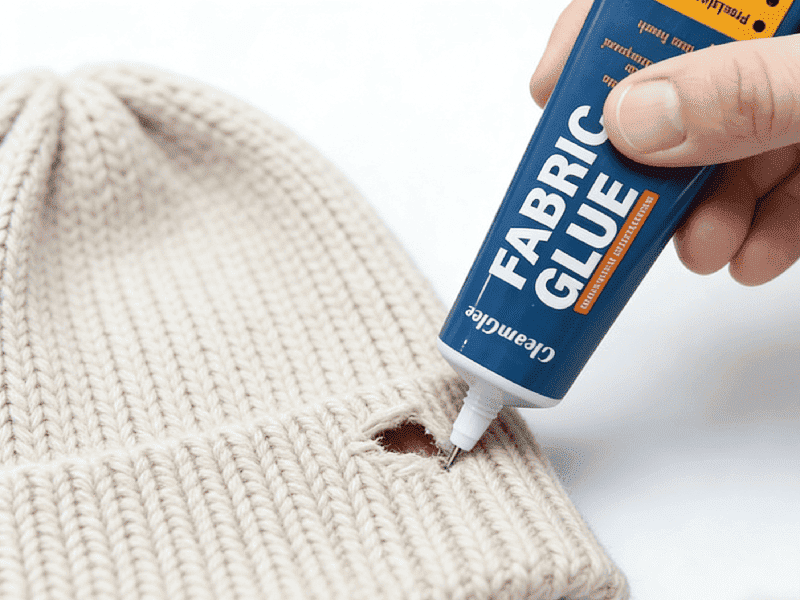
If you’ve ever had a patch peel off your jeans, a hem come loose right before work, or a costume trim fall off mid-party, you’ve probably asked the same thing: is fabric glue permanent, or is it just a “quick fix” that won’t survive real life? Fabric glue sounds almost too convenient—no sewing machine, no needle, no thread, and you’re done in minutes. That’s why so many people use it for repairs, alterations, and crafts.
But “permanent” on fabric is different from “permanent” on wood or metal. Fabric bends, stretches, gets washed, gets heated, and gets rubbed. A glue that dries hard can crack. A glue that sits on the surface can peel. The good news is that a well-made fabric glue, used correctly, can hold through repeated wear and washing—especially on woven fabrics like cotton and denim.
Think about Margaret in Oregon: she didn’t want to throw away a shirt she loved. She glued on an embroidered patch, pressed it firmly, and let it cure overnight. The next day, it looked neat, felt soft, and didn’t smell harsh. For people like her, fabric glue isn’t a gimmick—it’s how you save clothes you actually care about.
What Is Fabric Glue Permanent Bond?
A fabric glue permanent bond happens when the adhesive penetrates the textile fibers and cures into a flexible polymer layer that locks the fibers together. Once fully cured—usually within about 24 hours—the bond can resist normal stretching, bending, washing, and ironing. On woven fabrics like cotton or denim, a properly applied fabric glue bond can remain secure through dozens of wash cycles.
What Makes Fabric Glue Permanent on Fabric
Fabric glue becomes permanent because it does more than stick two surfaces together—it anchors itself inside the fabric structure. Woven fabrics contain thousands of tiny fibers with microscopic gaps between threads. When fabric glue is applied in a thin layer, the liquid adhesive flows into these gaps and surrounds the fibers.
As the adhesive cures, moisture or solvent evaporates and the remaining polymer network hardens into a flexible film. This film grips the fibers and connects them together, creating a durable bond that moves with the fabric instead of sitting on top of it.
Several technical factors determine whether the bond will last:
| Factor | Impact on Bond Strength |
|---|---|
| Fiber penetration | Allows adhesive to lock into the weave |
| Even glue distribution | Prevents weak spots in the repair |
| Pressure during setting | Improves fiber contact |
| Full curing time | Maximizes polymer strength |
Real-world testing in textile repair workshops shows that when glue penetrates properly, the bond strength can withstand pull forces of 2–4 kg on small patches depending on fabric thickness. This is more than enough for typical clothing repairs such as hems, patches, or decorative attachments.
Customers often notice that well-applied glue repairs feel almost identical to the surrounding fabric because the adhesive layer becomes extremely thin after curing.
Which Fabrics Keep Fabric Glue Permanent
The durability of fabric glue depends heavily on the type of fabric being repaired. Fabrics with textured fibers allow adhesives to penetrate and anchor more effectively, while smooth synthetic surfaces can reduce bonding strength.
Below is a practical comparison based on real clothing repair performance.
| Fabric Type | Bond Reliability | Common Uses |
|---|---|---|
| Cotton | Excellent | shirts, patches, hemming |
| Denim | Excellent | jeans repairs |
| Canvas | Excellent | bags, outdoor fabric |
| Polyester blend | Good | uniforms, curtains |
| Felt | Good | craft projects |
| Nylon | Moderate | lightweight jackets |
| Stretch fabrics | Variable | sportswear repairs |
Cotton and denim are often considered the best fabrics for permanent fabric glue repairs because their fibers absorb adhesive well. A denim patch repair, for example, can remain secure for years if the glue is applied properly and allowed to cure.
For synthetic fabrics like nylon or polyester, surface preparation becomes more important. Cleaning oils and applying firm pressure during bonding can significantly improve durability.
Customers repairing clothing often report the strongest results when using fabric glue on woven fabrics rather than stretchy knit fabrics, because the adhesive experiences less constant tension.
Is Fabric Glue Permanent Better Than Sewing
Fabric glue and sewing serve different purposes, and each method has advantages depending on the repair type. Sewing creates a mechanical connection between fabrics, which is extremely strong but requires time, tools, and skill. Fabric glue provides a simpler solution for many everyday repairs.
The table below highlights practical differences.
| Method | Strength | Convenience | Best Use |
|---|---|---|---|
| Sewing | Very strong | Moderate effort | structural seams |
| Fabric glue | Strong | Very easy | patches, hems |
| Iron-on adhesive | Medium | Easy | temporary hems |
In many situations, fabric glue is actually more practical than sewing, especially for quick repairs or decorative work. Attaching rhinestones, embroidery patches, or costume decorations can be difficult with needle and thread but very simple with adhesive.
Another advantage is appearance. Sewing can leave visible stitches on delicate fabrics, while fabric glue often dries transparent and nearly invisible.
Many DIY users also prefer fabric glue because it allows them to repair clothing in minutes rather than hours, which is particularly helpful when fixing garments shortly before an event or trip.
For everyday clothing repairs—such as hemming jeans, fixing loose seams, or attaching decorative patches—modern fabric glue provides a strong, flexible bond that performs well under normal wear conditions.
Is Fabric Glue Permanent After Drying?
Fabric glue becomes durable after it dries and fully cures, forming a flexible adhesive layer that grips fabric fibers. Most fabric glues set within minutes but reach maximum strength after about 24 hours. Once cured, a high-quality fabric glue bond can withstand normal bending, wearing, washing, and ironing without peeling, making it suitable for long-term clothing repairs and fabric crafts.
How Fast Is Fabric Glue Permanent to the Touch
One reason many people prefer fabric glue for clothing repairs is the fast initial drying time. Most fabric glues become tack-free within a few minutes, allowing the fabric pieces to stay in place while the adhesive continues curing.
However, “dry to the touch” does not mean the bond has reached full strength. The adhesive still needs time for the polymer structure to stabilize.
Typical drying stages look like this:
| Drying Stage | Time Range | What Happens |
|---|---|---|
| Initial set | 5–10 minutes | Fabric pieces hold together |
| Handling strength | 30–60 minutes | Repair can be moved carefully |
| Full curing | 24 hours | Maximum bond strength reached |
For example, if a patch is glued onto denim jeans, the fabric may feel secure after ten minutes. But bending the knee repeatedly before the glue cures can weaken the bond.
Customers who allow the adhesive to cure overnight usually experience far stronger and longer-lasting repairs compared with those who use the garment immediately.
This is why garment repair professionals often recommend finishing the repair in the evening and allowing the adhesive to cure until the next day.
How Long Does Fabric Glue Permanent Take to Cure
Fabric glue curing time varies depending on several environmental factors. Temperature, humidity, and fabric thickness all influence how quickly the adhesive develops full strength.
Below is a practical curing guide based on common fabric repairs.
| Fabric Type | Recommended Cure Time | Reason |
|---|---|---|
| Lightweight cotton | 12–24 hours | Thin fibers allow faster drying |
| Denim | 24 hours | Dense weave requires deeper penetration |
| Canvas | 24 hours | Thick fibers slow evaporation |
| Multi-layer fabrics | 24–36 hours | Adhesive trapped between layers |
Temperature also affects curing speed. Warmer rooms typically accelerate evaporation, while cold environments slow down the process.
A useful rule for customers is simple:
If the repair will be washed or worn heavily, wait at least 24 hours before using the item.
Allowing the glue to cure completely improves bond durability and helps prevent peeling after washing.
Is Fabric Glue Permanent Flexible or Stiff
One of the biggest concerns customers have about fabric glue is whether it will make the fabric stiff. Older adhesives sometimes dried rigid, which could cause the repair area to crack when the garment moved.
Modern fabric glues are designed to remain flexible after curing. The adhesive forms a thin elastic layer that bends with the fabric fibers instead of resisting them.
Advantages of flexible fabric glue include:
- natural movement of clothing
- reduced risk of cracking
- improved comfort when worn
- smoother appearance after repair
The flexibility level depends on the adhesive formulation. Polymer-based fabric glues typically maintain elasticity even after repeated bending.
Here is a comparison between rigid and flexible adhesive behavior.
| Adhesive Type | Fabric Movement | Durability |
|---|---|---|
| Rigid glue | Limited flexibility | May crack under stress |
| Flexible fabric glue | Moves with fabric | Longer-lasting repair |
For clothing items such as jeans, jackets, or work uniforms, flexibility is especially important because these garments experience constant motion.
When the adhesive remains soft and elastic after curing, the repaired fabric can behave almost the same as the surrounding material, allowing the repair to remain comfortable and visually discreet.
Is Fabric Glue Permanent After Washing?
Yes, fabric glue can remain permanent after washing if the adhesive has fully cured and bonded deeply with the fabric fibers. Most high-quality fabric glues are designed to be washable and water-resistant once cured. When applied correctly and allowed to cure for about 24 hours, the bond can survive repeated washing cycles, making it reliable for repairing clothing, patches, hems, and home textiles.
Does Fabric Glue Survive Machine Washing
One of the most common questions from customers is whether fabric glue will stay intact in a washing machine. In real everyday use, the answer is usually yes—provided that the adhesive was applied correctly and allowed to cure fully.
Modern fabric glues are formulated with flexible polymer adhesives that resist water and detergent. Once cured, the glue forms a thin elastic layer inside the fabric fibers, which helps prevent the bond from dissolving or peeling during washing.
Laundry conditions include several stress factors:
- water exposure
- detergent chemicals
- spinning friction
- fabric stretching
High-quality fabric glue can withstand these stresses because the adhesive becomes embedded within the textile structure.
Below is a practical durability estimate based on common household use.
| Repair Type | Estimated Wash Durability | Typical Application |
|---|---|---|
| Denim patch repair | 30–50 washes | jeans knee repair |
| Hemmed trousers | 25–40 washes | clothing alterations |
| Decorative applique | 20–35 washes | fashion DIY |
| Curtain hemming | 40+ washes | household textiles |
| Fabric craft projects | 15–30 washes | handmade items |
Customers often report that repairs remain secure for months or even years, especially when used on sturdy fabrics such as denim, cotton, or canvas.
A simple way to extend durability is washing garments inside out, which reduces friction against the glued area.
Is Fabric Glue Permanent Waterproof
Fabric glue used for clothing repair is usually designed to be water-resistant or waterproof after curing. This means the adhesive does not dissolve when exposed to water, making it suitable for garments that require regular washing.
However, waterproof performance depends on the quality of the adhesive formulation. Low-quality craft glues may soften when exposed to moisture, while specialized fabric adhesives maintain their bond.
The following table explains how fabric glue performs under different washing conditions.
| Washing Condition | Glue Performance |
|---|---|
| Cold water wash | Excellent durability |
| Warm water wash | Very good durability |
| Hot water wash | Moderate durability |
| Mild detergents | No significant effect |
| Strong bleach | May weaken bond |
In everyday clothing care, cold or warm washing cycles are generally ideal for preserving adhesive bonds.
For example, a glued patch on denim jeans can remain firmly attached through many wash cycles because the thick cotton fibers provide a stable surface for adhesive penetration.
Customers should also avoid washing the garment too soon after repair. If fabric glue has not fully cured, the bond may weaken during the first wash.
Is Fabric Glue Permanent After Ironing
Ironing introduces another challenge because heat can soften some adhesives. Fortunately, most fabric glues intended for clothing repairs are formulated to tolerate moderate ironing temperatures once fully cured.
After curing for about 24 hours, the adhesive layer becomes stable enough to handle typical ironing temperatures used for cotton and polyester fabrics.
Practical heat resistance can be summarized as follows.
| Iron Temperature | Adhesive Stability |
|---|---|
| Low heat (synthetic setting) | Completely safe |
| Medium heat (cotton setting) | Safe for most fabric glues |
| High heat (linen setting) | Use with caution |
To protect the adhesive bond during ironing, garment repair professionals often recommend two simple techniques:
- iron from the reverse side of the fabric
- place a thin pressing cloth between the iron and the repair area
These methods prevent direct heat concentration on the adhesive layer while still allowing the fabric to flatten properly.
In many cases, light ironing can actually improve the appearance of a repair by smoothing the bonded area and helping the adhesive blend with surrounding fabric fibers.
When used correctly, fabric glue repairs can remain strong even after repeated cycles of washing and ironing, making them a dependable solution for everyday clothing maintenance.

How Do You Make Fabric Glue Permanent Longer?
Fabric glue lasts much longer when the fabric surface is properly prepared, the adhesive is applied in a thin and even layer, and the repair is allowed to cure completely before use. Cleaning the fabric to remove oils and detergent residue improves fiber bonding. Applying controlled pressure during the first few minutes helps the glue penetrate the textile structure. Most importantly, allowing a full curing period—typically about 24 hours—greatly increases durability, enabling the repair to withstand washing, bending, and everyday wear.
How to Prep Fabric for Fabric Glue Permanent
Proper fabric preparation is one of the most important steps in achieving a long-lasting adhesive bond. Many repair failures occur not because the glue is weak, but because the fabric surface contains oils, dust, or detergent residues that prevent the adhesive from bonding directly with the fibers.
Before applying fabric glue, the repair area should be clean, dry, and flat. Even small amounts of skin oil or fabric softener can create a barrier that weakens adhesion.
A practical preparation process includes the following steps:
- Wash the fabric if it has been worn recently
- Allow the fabric to dry completely
- Remove loose threads or lint around the repair area
- Flatten the surface to eliminate wrinkles
- If necessary, lightly wipe the area with rubbing alcohol
The improvement from proper preparation can be significant. Textile repair tests show that adhesive bonds on cleaned fabrics can be 30–50% stronger than bonds on untreated fabric surfaces.
The table below illustrates the effect of preparation quality on repair durability.
| Fabric Preparation | Bond Reliability | Typical Result |
|---|---|---|
| No cleaning | Low | Patch edges may lift |
| Basic cleaning | Good | Repair lasts through multiple washes |
| Clean + flattened fabric | Excellent | Strong long-term bond |
Taking just a few minutes to prepare the surface helps ensure the adhesive penetrates the fibers evenly and forms a much stronger bond.
How Much Fabric Glue Makes a Permanent Bond
A common mistake when using fabric glue is applying too much adhesive. Many people assume that thicker glue layers create stronger repairs, but excessive glue can actually reduce durability.
When a thick layer of adhesive is applied, the outer surface may dry quickly while the interior remains soft. This can lead to weak bonds or stiff patches on the fabric.
The most reliable approach is applying a thin, even layer of adhesive that lightly saturates the fabric fibers without forming a heavy surface film.
Recommended glue amounts depend on fabric thickness.
| Fabric Type | Recommended Glue Layer |
|---|---|
| Lightweight fabrics (cotton shirts) | Very thin layer |
| Medium fabrics (denim, polyester blends) | Thin even layer |
| Heavy fabrics (canvas, upholstery) | Slightly thicker layer |
| Multi-layer patches | Thin layer on both surfaces |
Applying glue evenly also improves the appearance of the repair. Excess adhesive can seep through thin fabrics or leave visible marks.
Precision applicator tips—such as narrow nozzles used on many modern fabric glues—help users control the adhesive flow and apply cleaner repairs.
How to Press Fabric Glue Permanent Correctly
After the adhesive is applied, pressure is essential to ensure the glue spreads evenly and penetrates the fibers. Pressing the fabric pieces together forces the adhesive deeper into the weave and removes air pockets that could weaken the bond.
Most fabric repairs benefit from firm pressure during the first 5–10 minutes, which is when the adhesive begins forming its initial bond.
Common pressing techniques include:
- pressing the fabric firmly by hand
- placing a heavy book over the repair area
- using fabric clips or clamps
- smoothing the fabric with a flat tool
Different fabrics require different pressure methods.
| Pressing Method | Best Used For |
|---|---|
| Hand pressure | small decorative repairs |
| Heavy book | patches or hems |
| Fabric clips | thick fabrics like denim |
| Flat pressing tool | large textile surfaces |
Maintaining pressure helps distribute the adhesive uniformly and prevents wrinkles or uneven bonding.
After pressing, the repair should remain undisturbed during the curing period. Allowing the glue to cure for about 24 hours significantly increases the bond strength and ensures the repair can withstand washing, stretching, and everyday use.

Which Fabric Glue Permanent Repair Works Best?
The best fabric glue repair depends on the fabric type, the amount of stress on the repaired area, and the quality of the adhesive used. Strong woven fabrics such as cotton, denim, and canvas usually create the most durable adhesive bonds because the glue can penetrate the fiber structure. High-quality fabric glues that dry flexible, waterproof, and transparent tend to perform best for clothing repairs, patches, hems, and decorative fabric applications. When applied in a thin layer and allowed to cure for about 24 hours, these adhesives can hold through many wash cycles and everyday wear.
Which Fabric Glue Permanent Is Best for Clothes
For clothing repairs, the best fabric glue is one that combines strong bonding power with flexibility. Clothing constantly bends, stretches, and rubs against other materials, so rigid adhesives often crack or peel after repeated movement.
Modern fabric glues designed for garments are usually polymer-based adhesives that cure into a thin elastic layer. This flexibility allows the bond to move with the fabric fibers instead of resisting them.
Typical clothing repair tasks include:
- repairing torn seams
- hemming trousers or skirts
- reinforcing cuffs and collars
- attaching decorative elements such as lace or sequins
- fixing loose fabric layers inside garments
The following table compares key performance features customers should look for in a clothing repair adhesive.
| Feature | Importance for Clothing Repairs |
|---|---|
| Flexible after curing | Prevents cracking during movement |
| Washable | Allows garments to be machine washed |
| Clear drying | Keeps repair visually discreet |
| Non-yellowing | Maintains appearance over time |
| Precision nozzle | Helps apply glue accurately |
For example, repairing a hem on cotton pants requires a glue that can remain flexible after curing. If the adhesive becomes stiff, the hemline may feel uncomfortable and eventually crack under repeated bending.
When customers choose a glue with flexible polymer bonding, clothing repairs can remain durable even after frequent wear.
Which Fabric Glue Permanent Is Best for Patches
Patches are one of the most common uses for fabric glue because they allow people to repair damaged clothing without sewing. Denim jeans, jackets, backpacks, and workwear are frequently repaired with fabric patches.
For patch bonding, durability depends on three main factors:
- the fabric structure of the garment
- the thickness of the patch material
- the coverage of the adhesive layer
Denim and canvas patches generally create extremely strong adhesive bonds because the thick fibers allow the glue to penetrate deeply.
Below is a comparison of patch bonding strength across different fabrics.
| Patch Application | Bond Strength | Typical Use |
|---|---|---|
| Denim patch on jeans | Very strong | knee or thigh repair |
| Canvas patch on bags | Very strong | outdoor gear repair |
| Embroidered patch | Strong | decorative clothing |
| Felt patch | Medium-strong | craft projects |
| Thin fabric patch | Moderate | light garment repair |
A common technique used in garment repair is applying glue around the entire patch edge and lightly across the center. This ensures the patch remains flat and prevents the edges from lifting during washing.
For areas that experience heavy stress, such as knees or elbows, some users reinforce the patch with a few stitches after gluing. This hybrid approach combines the convenience of adhesive with the mechanical strength of sewing.
Why GleamGlee Fabric Glue Permanent Is Chosen
When customers look for reliable fabric adhesives, they often choose products that balance ease of use with consistent performance. A good fabric glue should work across multiple fabric types and remain durable after washing and ironing.
GleamGlee Fabric Glue was designed with these practical repair needs in mind. The adhesive formulation focuses on strong bonding while maintaining flexibility and visual cleanliness.
Important product characteristics include:
- strong adhesive performance across common fabrics
- transparent finish after curing
- flexible bond that moves with fabric fibers
- washable and iron-resistant formula
- precision applicator tip for controlled use
The table below shows how these product features translate into real customer benefits.
| Product Feature | Customer Benefit |
|---|---|
| High-strength adhesive formula | Long-lasting fabric repairs |
| Clear drying finish | Nearly invisible repair appearance |
| Flexible cured layer | Comfortable clothing movement |
| Washable performance | Repairs survive repeated laundry |
| Precision nozzle design | Accurate application with less mess |
Another advantage appreciated by many users is the simple repair process. Most fabric glue repairs only require a few steps: applying a thin layer of adhesive, pressing the fabrics together, and allowing the bond to cure.
Because of this simplicity, fabric glue has become a popular solution for DIY clothing repairs, costume design, and home textile maintenance. For many everyday repairs, a properly applied fabric glue bond can provide durability close to sewing while requiring far less time and effort.
Top 10 Fabric Glue for Permanent Fabric Repairs
There are many fabric glues available on the market, but only a handful consistently provide strong, flexible, and washable bonds suitable for clothing repairs and textile crafts. The best products typically combine strong polymer bonding, flexibility after curing, and clear drying performance, allowing fabric to bend naturally without cracking. Below are ten widely used fabric glues trusted by DIY users, clothing repair enthusiasts, and craft professionals.
1. Aleene’s Fabric Fusion Permanent Fabric Adhesive
Aleene’s Fabric Fusion is one of the most widely known fabric glues in the craft and DIY repair market. It uses a water-based adhesive formula that dries clear and flexible, making it suitable for hems, patches, decorative trims, and light garment repairs. Many users appreciate its easy application and consistent bonding performance on cotton, denim, and polyester fabrics.
2. GleamGlee Fabric Glue
GleamGlee Fabric Glue is designed specifically for clothing repair and fabric bonding applications where durability and flexibility are important. Its adhesive formula penetrates textile fibers and cures into a transparent, elastic layer that moves with the fabric instead of becoming stiff. The glue works well for attaching patches to jeans, repairing seams, hemming garments, and DIY crafts, while the precision nozzle allows clean and accurate application.
3. Beacon Fabri-Tac Permanent Adhesive
Beacon Fabri-Tac is a professional fabric adhesive commonly used in fashion design, costume production, and decorative fabric projects. It bonds quickly and remains flexible after drying, making it suitable for attaching lace, rhinestones, trims, and embellishments where precise application is required.
4. Tear Mender Instant Fabric and Leather Adhesive
Tear Mender is a latex-based adhesive known for its strong bonding ability on heavy fabrics such as denim, canvas, and leather. It bonds quickly and creates a flexible repair that can handle rugged use, making it popular for repairing workwear, outdoor gear, and upholstery fabrics.
5. Gorilla Fabric Glue
Gorilla Fabric Glue is designed for durable fabric repairs where strong adhesion and flexibility are required. It dries clear and remains flexible, allowing it to work well on denim, canvas, upholstery fabrics, and thicker garments that experience frequent movement.
6. Gutermann HT2 Fabric Glue
Gutermann HT2 is a textile adhesive widely used in sewing communities as a no-sew alternative for fabric bonding. It dries transparent and flexible and is often used for attaching ribbons, repairing seams, and working with lightweight fabrics.
7. Speed-Sew Fabric Glue
Speed-Sew is known for its quick bonding ability, allowing fast fabric repairs without sewing. It is commonly used for small clothing fixes, temporary garment repairs, and quick decorative fabric work where speed is more important than heavy-duty strength.
8. E6000 Craft Adhesive
E6000 is a multipurpose industrial-strength adhesive that works on fabric as well as materials such as metal, plastic, and glass. It forms a flexible bond after curing and is widely used for costume design, attaching decorative elements, and craft projects involving mixed materials.
9. Dritz Liquid Stitch Fabric Adhesive
Dritz Liquid Stitch is a well-known no-sew fabric adhesive used for hemming garments and repairing minor fabric tears. It is easy to apply and works best on light to medium-weight fabrics used in everyday clothing.
10. HeatnBond Fabric Fuse Adhesive
HeatnBond Fabric Fuse is a beginner-friendly fabric adhesive designed for simple textile bonding tasks. It is commonly used for crafts, lightweight fabrics, and decorative textile projects where ease of use and quick bonding are the main priorities.
Comparison Table of the 10 Best Fabric Glues
| Rank | Brand | Typical Capacity | Drying Time | Washable | Best For |
|---|---|---|---|---|---|
| 1 | Aleene’s Fabric Fusion | 118 ml (4 oz) | 24 hrs | Yes | general clothing repair |
| 2 | GleamGlee Fabric Glue | 50 ml / 100 ml | 24 hrs | Yes | clothing, patches, crafts |
| 3 | Beacon Fabri-Tac | 118 ml | fast set | Yes | decorative fabrics |
| 4 | Tear Mender | 59–177 ml | minutes | Yes | heavy fabrics |
| 5 | Gorilla Fabric Glue | 59 ml | 24 hrs | Yes | denim & upholstery |
| 6 | Gutermann HT2 | 30 g | 24 hrs | Yes | sewing repairs |
| 7 | Speed-Sew | 118 ml | quick set | Yes | quick fixes |
| 8 | E6000 Craft Adhesive | 109 ml | 24–72 hrs | Yes | mixed material crafts |
| 9 | Dritz Liquid Stitch | 118 ml | 24 hrs | Yes | hemming |
| 10 | HeatnBond Fabric Fuse | 59 ml | several hours | Yes | light fabric crafts |
Conclusion
Fabric glue can be a reliable and long-lasting solution for fabric repairs when it is used correctly. A high-quality adhesive that penetrates textile fibers, cures into a flexible structure, and resists washing can hold fabric pieces together through everyday wear. On woven materials such as cotton, denim, and canvas, a properly applied fabric glue bond can remain secure for many wash cycles and continue performing well for months or even years.
The durability of a fabric glue repair depends largely on how the adhesive is applied. Cleaning the fabric surface, applying a thin and even layer of glue, pressing the fabric pieces firmly together, and allowing a full curing period are the key steps that determine whether a repair will last. When these steps are followed carefully, fabric glue can perform nearly as well as stitching for many everyday clothing repairs such as patches, hems, decorative trims, and small seam fixes.
As more people choose to repair and reuse clothing instead of replacing it, fabric glue has become an important tool for both DIY users and professional textile repairs. Whether fixing damaged garments, creating custom designs, or maintaining home textiles, the right fabric glue allows people to extend the life of fabrics while keeping repairs clean, flexible, and comfortable to wear.





















