Skip to content
Museum Gel for Crybaby Blind Box Figure Displays : A Safe Collector Guide
Your trusted adhesives glue & cleaner manufacturer

A Crybaby blind box figure may be small, but the display around it can take real effort. Collectors spend time choosing the right acrylic case, lining up each figure by series, leaving space for a secret figure, adjusting lighting, and keeping the shelf clean enough for photos. Then one small problem ruins the whole look: a figure leans forward, slides after the cabinet door closes, or falls when the desk shakes. It is not always a big accident. Most of the time, it is a small shift that makes the display look messy and unsafe.
Museum gel for Crybaby blind box figure displays is a clear, removable, reusable holding gel that helps small figures stay steady on flat, smooth surfaces. It is not permanent glue. It helps reduce sliding, tipping, and light movement while keeping the display clean, nearly invisible, and easy to rearrange.
For collectors, this matters because Crybaby figures are rarely displayed once and never touched again. New boxes arrive. A favorite figure moves to the front. A rare one gets its own acrylic riser. A desk display becomes a shelf display. A shelf display becomes a full themed cabinet. Museum gel gives the display enough hold for daily life without taking away the freedom to move, clean, photograph, and rebuild the collection.
What Is Museum Gel?
Museum gel is a clear, soft, removable holding gel used to keep small display objects steady on flat, smooth, horizontal surfaces. For Crybaby blind box figure displays, it sits under the figure base and adds extra grip, helping reduce sliding, leaning, light rotation, and accidental tipping. It is not used like repair glue. It does not harden into a permanent bond. A small amount can be pressed under the base, hidden from normal view, and removed later when the display needs cleaning or rearranging.
The biggest value of museum gel is quiet stability. A Crybaby figure may weigh only a small amount, and many display shelves are made from acrylic, glass, polished wood, metal, or glossy plastic. These materials look clean in a collector room, but they can offer limited friction. When a cabinet door closes, a desk shakes, a shelf is wiped, or a pet brushes past the display, lightweight figures may move by a few millimeters. That small movement is enough to make a row look uneven, especially when figures are arranged by series, color, height, or rarity.
Museum gel works best when it is used in small, controlled amounts. For most blind box figures, one to three hidden dots are usually better than one large piece. A clean application should stay inside the footprint of the figure base, keep the figure level, and remain almost invisible from the front. It should be used on dry, dust-free surfaces and allowed to settle for about 30 minutes before the display is moved. It is suitable for many smooth surfaces, but it should not be used for hanging figures, wall mounting, tilted boards, fabric mats, paper surfaces, or unstable shelves.
What Museum Gel Does
Museum gel adds grip between the bottom of a display object and the shelf surface. In a Crybaby blind box display, this extra grip helps the figure stay in the chosen position instead of slowly shifting after light contact or vibration. It is especially useful for acrylic risers, glass shelves, glossy display cabinets, desktops, and smooth collector trays.
The product is mainly used for display control. It does not repair broken parts, fill cracks, or replace a figure stand. Its job is to help an already-standing item stay steadier. This makes it practical for small collectibles that look good standing freely but are easy to move by accident.
Common display problems museum gel can help reduce:
- Figures sliding forward on acrylic risers
- Light figures rotating after cabinet doors close
- Front-row figures moving closer to shelf edges
- Small bases wobbling on smooth surfaces
- Display rows becoming uneven after dusting
- Photo props shifting during close-up shooting
A good museum gel application should feel supportive but not permanent. The display still looks natural, but the figure feels more secure when the surface is lightly touched.
Is Museum Gel Real Glue?
Museum gel is not real glue. Regular glue is made to bond materials together. Once cured, it may become hard, difficult to remove, or damaging to the surface. Museum gel is different because it stays flexible and removable. It holds by surface contact and pressure instead of creating a permanent chemical bond.
This difference is important for Crybaby figures. Blind box collectibles may have painted bases, printed marks, delicate coatings, or resale value. Permanent glue can leave marks, pull paint, harden around the base, or make a figure impossible to move cleanly. Double-sided tape can also create visible strips, sticky edges, and residue after removal. Museum gel is a softer option for display use because it gives hold without treating the figure like a repair project.
| Product Type | Main Use | Removal | Display Look | Best for Crybaby Figures? |
|---|---|---|---|---|
| Museum gel | Stabilizing displays | Removable | Nearly invisible when hidden | Yes, for flat displays |
| Super glue | Permanent repair | Difficult | May leave hard marks | No, unless repairing damage |
| Double-sided tape | Temporary sticking | May leave residue | Often visible at edges | Not ideal for clean displays |
| Putty | Light holding | Removable | Can be visible or colored | Works in some cases, less clean |
| Hot glue | Craft bonding | Difficult | Bulky and visible | Not recommended |
For collectors who change displays often, museum gel is more practical than permanent adhesives. It supports the figure without locking the display layout forever.
Why Museum Gel Fits Crybaby
Museum gel fits Crybaby displays because these figures are usually small, expressive, and often arranged in groups. A single figure may stand well on its own, but a full display shelf is different. When 10, 20, or 40 figures are placed close together, one unstable figure can affect the whole row. If one piece tips, it may knock into another, especially on narrow acrylic risers or crowded cabinet shelves.
Crybaby figures are also frequently moved. A collector may open new blind boxes, switch duplicate figures, move a secret figure to the front, or rebuild a shelf for photos. Permanent adhesive does not match that habit. Museum gel allows the display to stay steady while still leaving room for changes.
It is especially helpful in these Crybaby display scenes:
- Full series display on acrylic risers
- Rare figure placed in the front row
- Desk display near a monitor, keyboard, or speaker
- Glass cabinet display with doors opened often
- Shelf display in a room with pets or children
- Social media photo setup with close-up lighting
- Retail counter display where figures must stay aligned
The main benefit is balance: more stable than placing the figure directly on the shelf, but much safer for rearranging than permanent glue.
Where Museum Gel Works
Museum gel works best on smooth, clean, dry, flat, horizontal surfaces. In Crybaby figure displays, this usually includes acrylic shelves, glass cabinets, sealed wood boards, ceramic trays, marble surfaces, metal display stands, and hard plastic risers. These surfaces allow the gel to make close contact and hold more evenly.
Surface choice matters. A good museum gel setup depends on friction, cleanliness, and level placement. If the surface is dusty, oily, tilted, rough, wet, or covered with fabric, the grip may be weaker. If the shelf itself shakes or leans, gel can help only a little. The display base must be stable first.
| Display Surface | Fit for Museum Gel | Practical Note |
|---|---|---|
| Acrylic riser | Strong | Clean fingerprints before use |
| Glass shelf | Strong | Let cleaner dry fully first |
| Sealed wood | Good | Avoid wax or polish residue |
| Metal stand | Good | Works best when smooth and dry |
| Marble tray | Good | Keep surface dust-free |
| Rough wood | Weak to medium | Test before using on rare figures |
| Fabric mat | Poor | Fibers reduce clean contact |
| Paper surface | Poor | May tear or mark during removal |
| Wall or vertical board | Not suitable | Museum gel is not for hanging |
For best results, keep the figure at least 2–3 cm away from the shelf edge, use the smallest amount that holds well, and check the display after the first day. If the figure has not shifted after normal room movement, the placement is working.

Why Do Crybaby Displays Need Museum Gel?
Crybaby displays need museum gel because small blind box figures are easy to move on smooth shelves, acrylic risers, glass cabinets, and desktops. A clear gel dot under the base can help reduce sliding, tipping, rotation, and small position changes caused by dusting, cabinet doors, pets, table vibration, or daily handling.
A Crybaby display often looks simple from the outside, but the setup usually takes time. Figures are lined up by series, color, expression, rarity, or height. Some are placed in the front row, some on acrylic steps, and some inside a clear case with lighting. When one figure moves just 5–10 mm, the whole display can look uneven. If one front-row figure tips forward, nearby figures may fall too. Museum gel helps solve this small but repeated problem without making the display look glued down.
The need becomes stronger when the display area is active. A figure beside a computer monitor may feel vibration from typing, speakers, or desk movement. A figure in a glass cabinet may shift when the door opens and closes. A figure on an open shelf may move during dusting. A figure in a pet home may be touched by a tail, paw, or nose. Museum gel does not make the display unbreakable, but it adds a practical layer of grip where light figures need it most.
| Display Problem | What Usually Happens | How Museum Gel Helps |
|---|---|---|
| Smooth acrylic riser | Figures slide or rotate after small movement | Adds hidden grip under the base |
| Front-row display | Figures move closer to the edge | Helps reduce forward slipping |
| Desk setup | Keyboard, speaker, or lamp movement shifts figures | Keeps the base steadier |
| Glass cabinet | Door movement causes small vibration | Helps figures stay aligned |
| Open shelf | Dusting can move figures out of place | Reduces accidental shifting |
| Pet household | Light bumps can knock figures over | Adds resistance to small contact |
| Photo setup | Figures move while adjusting lighting | Keeps angles easier to control |
Can Museum Gel Stop Tipping?
Museum gel can help reduce tipping when a Crybaby figure already stands on its own but feels too easy to knock over. This is common with small figures that have narrow feet, rounded bases, raised poses, or a body shape that leans slightly forward or backward. A small gel dot under the pressure point gives the base more contact with the shelf, so the figure does not rely only on its own weight.
The best result comes from placing the gel where the figure actually needs support. If the figure leans forward, the front base area needs more grip. If it rocks side to side, two tiny gel dots on the left and right contact points usually work better than one large piece in the center. If the figure is placed near a shelf edge, move it back by at least 2–3 cm before adding gel.
Museum gel is useful for light bumps, shelf vibration, and daily display movement. It is not meant to save a figure from a hard hit, a falling shelf, or a pet jumping directly onto the display.
Practical check after application:
- Wait about 30 minutes before testing the hold.
- Tap near the figure on the shelf, not directly on the figure.
- Check if the figure rotates, leans, or slides.
- If it still moves, add a second small dot instead of using one oversized lump.
- Keep gel hidden inside the base edge to avoid a messy look.
Does Museum Gel Help Shelf Displays?
Museum gel is very useful for shelf displays because shelves are touched, cleaned, and exposed more often than closed storage boxes. Crybaby figures on open shelves may look beautiful, but they can shift during dusting, when nearby books or decorations are moved, or when the shelf receives small vibration from the room. A small amount of museum gel helps keep each figure in its planned position.
Acrylic risers need extra attention. They are popular because they create height and make every figure easier to see, but they are also smooth and lightweight. If the riser moves even slightly, the figures on top may slide or rotate. This is why back-row figures, top-level figures, and front-edge figures are usually the first ones that need gel.
For neat shelf displays, do not apply museum gel to every figure automatically. Start with the high-risk areas first:
- Figures on the top tier of an acrylic riser
- Figures in the front row
- Rare or secret figures
- Figures with small feet or uneven bases
- Figures placed near speakers, doors, or desk equipment
- Figures that already moved during a simple shelf tap test
This keeps the display clean and avoids wasting gel where it is not needed.
Can Museum Gel Handle Pets?
Museum gel can help with light pet-related movement, but it should not be treated as full pet protection. In many homes, a Crybaby figure does not fall because of a dramatic accident. It falls because a cat tail brushes the shelf, a dog bumps a side table, or a pet sniffs around a low display area. In these everyday cases, museum gel can add useful resistance and reduce the chance of sliding or tipping.
The safest pet-home display uses more than one layer of protection. Museum gel helps hold the figure base, but placement still matters. Rare figures should not sit at the front edge of an open shelf. High-value figures are safer inside a closed acrylic case or glass cabinet. Low shelves that pets can reach directly are not ideal for fragile or hard-to-replace figures.
A practical pet-home setup may look like this:
| Pet Risk Level | Display Choice | Museum Gel Use |
|---|---|---|
| Low risk: pets rarely reach shelf | Open shelf or desk display | Use gel on front-row figures |
| Medium risk: pets pass nearby | Acrylic case or higher shelf | Use gel under rare or narrow-base figures |
| High risk: pets jump onto shelves | Closed cabinet recommended | Gel can help, but should not be the only protection |
| Very high risk: pets knock items down often | Avoid open display | Use enclosed storage or locked case |
Museum gel is best for small bumps. If a pet can directly attack, chew, or pull the figure, use a stronger display plan.
When Is Museum Gel Needed Most?
Museum gel is needed most when the figure, surface, and location create a higher chance of movement. A wide-base Crybaby figure on a matte wooden shelf may be fine without gel. A narrow-base figure on a glossy acrylic riser near the front edge needs much more attention. The decision should be based on real display risk, not only on the number of figures.
A simple way to judge need is to score the display. If a figure matches two or more risk points, museum gel is worth using.
| Risk Point | Add 1 Point If True |
|---|---|
| Figure is rare, secret, or hard to replace | Yes |
| Figure is placed in the front row | Yes |
| Figure is on acrylic, glass, metal, or glossy shelf | Yes |
| Figure has small feet or a narrow base | Yes |
| Figure leans or rocks slightly | Yes |
| Display is near pets, children, doors, or desk vibration | Yes |
| Shelf is cleaned or moved often | Yes |
If the figure scores 0–1 point, gel may not be necessary. If it scores 2–3 points, use one or two small hidden dots. If it scores 4 or more points, improve the display location first, then use museum gel as extra support. This method keeps the display safer without overusing product.
Which Crybaby Figures Need Museum Gel?
Crybaby figures that are light, narrow-based, top-heavy, uneven, rare, or placed on smooth display surfaces need museum gel most. The goal is not to apply gel to every figure without thinking. The better approach is to identify which figures are most likely to move, fall, rotate, or lose their display position during normal use.
A stable Crybaby figure on a matte wooden shelf may not need extra support. A small-foot figure on an acrylic riser near the front edge needs much more care. The need depends on three things: the figure shape, the display surface, and the display location. When two or more of these risks appear together, museum gel becomes useful.
For a clean display, start with the highest-risk figures first. These are usually secret figures, front-row figures, figures on the top level of risers, figures near pets or children, and figures that already move during a light shelf test. This keeps the display neat and avoids using more gel than needed.
| Crybaby Figure Type | Museum Gel Need | Reason |
|---|---|---|
| Secret or rare figure | High | Harder to replace if scratched or dropped |
| Figure near shelf edge | High | Small movement can turn into a fall |
| Figure on acrylic riser | High | Smooth surface gives less natural grip |
| Figure with tiny feet | High | Small contact area makes tipping easier |
| Figure with leaning pose | High | Weight may not sit evenly on the base |
| Figure inside glass cabinet | Medium | Door movement can still cause vibration |
| Figure on matte wood shelf | Low to Medium | Surface gives more natural friction |
| Duplicate figure in back row | Low | Lower fall risk and easier to replace |
| Figure used for photos | Medium to High | Needs stable angle during close-up shooting |
Which Museum Gel Fit Works Best?
The best museum gel fit depends on the size and shape of the Crybaby figure base. A small, flat, hidden gel dot usually works better than a large visible piece. For most small blind box figures, start with a piece around 3–6 mm wide after rolling. This is often enough to add grip without lifting the figure too high or making the base look uneven.
A round or flat base can often use one small dot near the center. A longer base may need two small dots placed apart. A figure with two feet may need tiny gel points under both feet instead of one piece in the middle. If the figure leans forward, the gel should support the front contact area. If the figure rocks from side to side, two smaller points usually create better balance.
A clean fit should meet three standards:
- The gel stays hidden inside the base edge.
- The figure stands level after pressing down.
- The hold feels stable after about 30 minutes.
Using too much gel can make the figure sit higher than nearby figures, which looks awkward in a full row. More gel can also spread outside the base and become visible under strong shelf lighting. A small amount placed correctly usually gives a cleaner result.
| Figure Base Shape | Gel Placement | Practical Amount |
|---|---|---|
| Flat round base | One center dot | 3–5 mm |
| Long flat base | Two small dots | 3–4 mm each |
| Two-foot base | One tiny dot under each foot | 2–3 mm each |
| Slightly leaning figure | Support the leaning side | 3–5 mm |
| Uneven bottom | Test 2–3 contact points | Small dots only |
| Front-row figure | Support base and move back from edge | 3–6 mm |
Which Museum Gel Base Holds Better?
A clean, flat, dry base holds better than a dusty, oily, curved, textured, or painted-weak base. Before applying museum gel, check the bottom of the Crybaby figure carefully. Packaging dust, fingerprints, shelf dirt, hand cream, or old cleaning residue can reduce grip. A dry microfiber cloth is usually enough for basic cleaning.
The strongest museum gel hold usually happens when both sides are smooth and stable: the figure base is clean, and the display shelf is acrylic, glass, sealed wood, metal, marble, ceramic, or hard plastic. These materials allow the gel to make close contact. Rough wood, fabric mats, paper boards, unfinished paint, and dusty surfaces are less reliable because the gel cannot grip evenly.
Special care is needed for figures with printed marks, painted bottoms, or decorative coatings. Even when museum gel is removable, weak paint or old coating can still lift if it is already damaged. For rare Crybaby figures, test a very small amount on a hidden base area before long-term display. If the surface changes, feels tacky, or shows any mark after removal, do not use gel directly on that area.
A strong base setup should look like this:
- Base is dry and free from dust.
- Shelf is level and does not wobble.
- Gel touches the strongest part of the base.
- Figure does not lean after pressing.
- Gel is not placed over weak printing, peeling paint, or soft parts.
| Base or Surface Condition | Museum Gel Result | Use Advice |
|---|---|---|
| Clean flat PVC base | Strong | Best choice for small hidden dots |
| Smooth acrylic shelf | Strong | Remove fingerprints before use |
| Glass shelf | Strong | Let cleaner dry fully |
| Sealed wood shelf | Good | Avoid polish or wax residue |
| Metal display tray | Good | Use only when dry and smooth |
| Painted weak base | Risky | Test hidden area first |
| Rough wood shelf | Unstable | Test before using rare figures |
| Fabric mat | Poor | Not recommended |
| Paper surface | Poor | May tear or mark |
| Vertical surface | Not suitable | Do not use for wall display |
Which Museum Gel Spots Matter Most?
The most important museum gel spots are the pressure points under the figure. These are the parts of the base that naturally touch the shelf when the figure stands upright. Gel placed at the wrong point may look fine at first, but the figure may still lean, rotate, or rock after the shelf moves.
For a balanced Crybaby figure with a flat bottom, one small center dot is usually enough. For a figure that leans forward, place gel slightly closer to the front contact area. For a figure that leans backward, support the rear contact area. For a figure with two feet, place two tiny dots under the feet instead of filling the middle space. For a figure that rocks side to side, support the left and right pressure points.
Shelf position also changes the best gel spot. Front-row figures need more care because forward movement can lead to a fall. Move these figures at least 2–3 cm back from the shelf edge before adding gel. Top-tier acrylic riser figures also need careful placement because falls from height can damage faces, ears, hands, or small accessories.
A quick test helps find the right spot:
- Place the figure without gel and check if it rocks.
- Notice which side lifts first.
- Add gel to the side that needs support.
- Press gently and keep the figure level.
- Wait about 30 minutes before testing again.
| Figure Movement | Best Gel Spot | Extra Display Tip |
|---|---|---|
| Slides forward | Front-bottom contact area | Move figure back from edge |
| Leans backward | Rear-bottom contact area | Check shelf level |
| Rocks left and right | Two side contact points | Use two tiny dots |
| Rotates easily | Center plus one side point | Avoid smooth dusty shelves |
| Tips from small bumps | Widest base contact area | Keep away from high-traffic spots |
| Sits unevenly | Lowest pressure points | Use smaller dots, not one large lump |

Which Museum Gel Displays Need Extra Care?
Museum gel is most needed in displays where the figure is exposed to movement, height, smooth surfaces, or frequent handling. A single Crybaby figure inside a deep, stable cabinet may only need a tiny dot or none at all. A front-row figure on the top level of an acrylic riser near a desk speaker needs much more attention.
Acrylic risers are one of the highest-risk display setups. They look clean and make each figure easier to see, but the surface is smooth and the tiers can move when touched. Top-tier figures should be tested first because a fall from even 10–20 cm can cause visible damage, especially on painted faces, ears, hands, and accessories.
Desk displays also need extra care. Figures near keyboards, speakers, lamps, monitor stands, makeup trays, or bedside items face small movement every day. A figure may not fall immediately, but it can slowly rotate or move out of line. Museum gel helps keep the display neat for longer between cleanings.
Pet-home displays should be planned carefully. Museum gel can help with light bumps, but rare figures should not sit in places where pets can jump, paw, or chew. For high-value Crybaby figures, use a closed acrylic case or glass cabinet first, then use museum gel as an extra layer of stability.
| Display Scene | Risk Level | Museum Gel Priority |
|---|---|---|
| Top tier of acrylic riser | High | Use gel under every unstable figure |
| Front row of open shelf | High | Use gel and keep 2–3 cm from edge |
| Desk near keyboard or speaker | High | Use gel on narrow-base figures |
| Glass cabinet with doors | Medium | Use gel on figures that shift after door movement |
| Closed acrylic case | Medium | Use gel for rare or leaning figures |
| Low shelf in pet home | High | Use case plus gel, not gel alone |
| Photo shooting setup | Medium | Use small hidden dots for angle control |
| Back row on matte shelf | Low | Use only if figure already moves |
A simple scoring method can help decide when museum gel is necessary:
| Risk Point | Add 1 Point |
|---|---|
| Figure is rare, secret, or hard to replace | 1 |
| Figure is placed near shelf edge | 1 |
| Figure is on acrylic, glass, metal, or glossy shelf | 1 |
| Figure has tiny feet or narrow base | 1 |
| Figure leans, rocks, or rotates easily | 1 |
| Display is near pets, children, doors, or desk vibration | 1 |
| Shelf is cleaned or opened often | 1 |
Score result:
- 0–1 points: museum gel may not be needed.
- 2–3 points: use one or two small hidden dots.
- 4–5 points: use gel and improve placement.
- 6–7 points: use a safer display case or location first, then add gel.
This method keeps the display practical. Museum gel should protect the figures that need help most, not overload every base with unnecessary product.
How to Use Museum Gel?
Museum gel works best when it is used in small amounts on clean, dry, smooth, horizontal surfaces. For Crybaby blind box figure displays, the process is simple: clean the figure base and shelf, roll a tiny piece of gel, press it under the base, place the figure in position, and let it settle for about 30 minutes before moving the display.
Good application is not about using more gel. It is about using the right amount in the right spot. Most Crybaby figures only need one to three small gel dots. A large piece can lift the figure, make it lean, spread outside the base, or become visible under display lighting. A small hidden dot usually gives a cleaner look and better control.
Before applying museum gel, check three things: the figure base, the display surface, and the display position. The base should be clean and stable. The shelf should be flat and dry. The figure should not sit too close to the edge. If a Crybaby figure is placed on an acrylic riser, glass shelf, or desk display, leave at least 2–3 cm of space from the edge before adding gel. Gel helps reduce movement, but safe placement still matters.
| Use Step | What to Do | Practical Detail | Common Mistake |
|---|---|---|---|
| Step 1 | Clean the base and surface | Use a dry microfiber cloth first | Applying gel over dust or fingerprints |
| Step 2 | Roll a small gel dot | Start around 3–6 mm wide | Using one large lump |
| Step 3 | Press under the base | Keep gel inside the base edge | Letting gel show from the front |
| Step 4 | Place and press | Press straight down gently | Pressing so hard the figure tilts |
| Step 5 | Let it settle | Wait about 30 minutes | Testing the hold too soon |
| Step 6 | Check the hold | Tap the shelf nearby lightly | Pushing the figure directly |
Step 1: Clean Before Museum Gel
Clean the Crybaby figure base and display surface before using museum gel. This step is easy to skip, but it has a big effect on the hold. Museum gel needs close contact with the figure and the shelf. Dust, fingerprints, hand cream, shelf polish, candle smoke residue, cleaner film, and lint can sit between the gel and the surface. When that happens, the gel grips the dirt instead of gripping the display.
Start with a dry microfiber cloth. Wipe the bottom of the figure gently, especially if it has been handled often or kept outside the box. Then wipe the acrylic riser, glass shelf, sealed wood board, metal stand, or display tray. For acrylic cases, fingerprints are common and can reduce the clean feel of the gel. For glass shelves, cleaner marks should be fully dry before gel is applied. For sealed wood shelves, avoid placing gel on areas with wax or furniture polish residue.
For rare Crybaby figures, clean more carefully. Do not scrape the base. Do not use strong solvent cleaners on painted or printed areas. If the bottom has printed text, decorative paint, or a special coating, test a tiny amount of gel on a hidden area before long-term display. A careful first test is better than discovering a surface issue after the figure has been sitting for weeks.
| Surface Condition | Before Using Museum Gel | Why It Matters |
|---|---|---|
| Dusty acrylic | Wipe with microfiber cloth | Dust weakens contact |
| Fingerprinted glass | Clean and dry fully | Oil reduces grip |
| Sealed wood | Remove polish residue | Wax can make gel slide |
| Painted figure base | Test hidden area first | Weak coating may lift |
| Rough or fabric surface | Avoid if possible | Gel cannot grip evenly |
| Wet or oily surface | Do not apply | Hold will be unreliable |
Step 2: Roll the Museum Gel
Take a small piece of museum gel and roll it between clean fingers until it becomes a soft dot, ball, or short oval. For most Crybaby blind box figures, start with a piece around 3–6 mm wide after rolling. Smaller figures, narrow feet, or light accessories may need even less. It is easier to add a second tiny dot later than to remove a large flattened piece that has spread outside the base.
The gel shape should follow the figure base. A flat round base often works with one small center dot. A longer base usually holds better with two small dots placed apart. A figure with two feet may need one tiny dot under each foot. A leaning figure may need support on the side where the weight naturally falls. The goal is not to cover the entire bottom of the figure. The goal is to add grip to the areas that already touch the shelf.
Avoid rolling the gel with dusty hands or placing it on fabric, paper, carpet, or plush surfaces before use. Clear gel picks up small particles easily. Once dust or lint gets inside the gel, it may look dirty under acrylic lighting and may not hold as well. If a gel piece becomes dirty, replace it with a fresh piece rather than pressing it harder under the figure.
| Figure Base Type | Gel Shape | Suggested Amount | Placement Tip |
|---|---|---|---|
| Small flat base | Round dot | 3–5 mm | Place near center |
| Wide flat base | Two dots | 3–4 mm each | Place left and right |
| Two small feet | Two tiny dots | 2–3 mm each | Place under each foot |
| Slight forward lean | Short oval | 3–5 mm | Support front contact area |
| Uneven bottom | Multiple tiny dots | 2–3 mm each | Balance the lowest points |
| Front-row display | Small hidden dot | 3–6 mm | Keep figure 2–3 cm from edge |
Step 3: Press the Museum Gel
Press the museum gel onto the bottom of the Crybaby figure first, then place the figure onto the shelf. This gives better control than sticking the gel directly onto the display surface. When the gel is attached to the base first, it is easier to keep it hidden, centered, and away from visible edges.
Use steady, gentle pressure. Hold the figure near the strongest part of the body or base, not by thin accessories, small ears, loose details, or delicate parts. Press straight down for a few seconds so the gel spreads slightly and makes contact with both the base and shelf. Do not twist aggressively while pressing. Do not smash the figure downward. Too much pressure can flatten the gel unevenly, push it outside the base, or make the figure sit at a slight angle.
After placing the figure, check it from the same viewing angle used for the display. Look from the front, not only from above. If the gel is visible, remove the figure slowly, take away a little gel, and press again. If the figure leans, reshape the gel and place support closer to the pressure point. A clean application should make the figure look naturally placed, with no obvious clear lump under the base.
Use this quick check after pressing:
- The figure stands straight from the front.
- The gel does not show beyond the base edge.
- The figure does not sit higher than nearby figures.
- The base feels supported, not floating.
- The display surface remains clean around the figure.
If the figure has a narrow base or a leaning pose, two small dots often work better than one thick dot. Balanced pressure is more important than heavy application.
Step 4: Let Museum Gel Set
Let the museum gel sit for about 30 minutes after placing the Crybaby figure. During this time, avoid moving the shelf, sliding the acrylic riser, opening and closing the cabinet repeatedly, or adjusting the figure again and again. The gel needs time to settle into the contact points and build a firmer hold.
For a full Crybaby display, work in sections instead of placing every figure at once. Start with the back row or top tier, then move to the middle row, then the front row. This helps avoid accidentally touching figures that have already been placed. It also makes spacing easier to control. For acrylic risers, make sure the riser itself is stable before placing figures on it. Museum gel under the figure will not fix a loose or wobbly riser.
After 30 minutes, test the hold gently. Do not push the figure directly by the head, face, or accessories. Instead, lightly tap the shelf nearby or open the cabinet door once to see whether the figure rotates or slides. If it moves, lift it slowly, adjust the gel position, or add one small support dot. If it stays aligned, the application is working.
| After-Placement Check | Good Result | What to Do If It Fails |
|---|---|---|
| Figure height | Matches nearby figures | Use less gel |
| Front view | Gel stays hidden | Move gel inward |
| Light shelf tap | Figure stays aligned | Add second small dot |
| Cabinet door movement | No visible rotation | Clean surface and reapply |
| Edge safety | Figure stays 2–3 cm from edge | Move figure back |
| Removal test later | Gel lifts cleanly | Use smaller amount next time |
For long-term displays, check the figures after the first day, then during regular cleaning. If a figure slowly shifts, the surface may be dusty, the gel may be too large, or the support point may be wrong. Remove, clean, reshape, and reapply. A careful application takes only a few minutes, but it can keep a Crybaby display looking neat for weeks or months.
What Museum Gel Tips Help?
Museum gel works best when it is used with control, not force. For Crybaby blind box figure displays, the most useful tips are simple: start with a small amount, keep the gel hidden, test the surface first, let the gel settle for about 30 minutes, and reuse only clean gel. These small habits help the display stay neat without making the figures look stuck down.
The best display result comes from matching the gel amount to the figure, base shape, and shelf risk. A rare front-row figure on a smooth acrylic riser needs more attention than a duplicate figure placed deep inside a stable cabinet. A narrow-foot figure may need two tiny gel dots, while a flat-base figure may need only one. The goal is to add enough grip to reduce movement, not to cover the full bottom of the figure.
A good museum gel setup should pass three checks: the figure stays level, the gel is not visible from the front, and the figure can be removed later without stress. If any of these checks fail, the amount or placement should be adjusted. Most display problems come from using too much gel, applying it over dust, placing the figure too close to an edge, or testing the hold too soon.
| Display Goal | Best Museum Gel Tip | Practical Standard |
|---|---|---|
| Keep figure level | Use small dots, not one large lump | 1–3 dots for most small figures |
| Keep gel invisible | Place gel inside the base edge | No gel visible from front view |
| Reduce shelf sliding | Clean acrylic or glass first | No fingerprints or dust before use |
| Protect rare figures | Test hidden base area first | Check for marks before long display |
| Improve front-row safety | Move figure back before applying gel | Keep 2–3 cm from shelf edge |
| Reuse cleanly | Roll and reuse only clean gel | Replace gel if dusty or linty |
| Avoid weak hold | Let gel settle before testing | Wait about 30 minutes |
Use Less Museum Gel First
Using less museum gel first is one of the most important habits for a clean Crybaby display. Many display mistakes happen because too much gel is used at the beginning. A large piece may look stronger, but it can lift the figure, make the base sit unevenly, spread outside the edge, or create a visible clear bulge under bright acrylic lighting. For small blind box figures, controlled placement usually works better than heavy application.
Start with a small piece around 3–6 mm wide after rolling. For a very small base or two-foot pose, use even less. If the figure still moves after the gel has settled, add a second tiny dot instead of replacing it with one big piece. Two small dots often give better balance than one thick lump because they support the base at real pressure points.
This method is especially useful for full Crybaby shelf displays. If every figure sits at a slightly different height because of too much gel, the row can look uneven. Small dots keep the visual line cleaner and make the display feel more professional.
Use less gel when:
- The figure already stands well but slides slightly.
- The base is flat and smooth.
- The figure is placed inside a cabinet, not near an edge.
- The display needs to look clean for close-up photos.
- The figure may be moved or rearranged often.
Use a little more support only when:
- The figure has a narrow base.
- The figure leans forward or backward.
- The figure sits on a smooth acrylic riser.
- The figure is rare, secret, or hard to replace.
- The shelf is opened, touched, or cleaned often.
| Figure Situation | Starting Gel Amount | Better Placement |
|---|---|---|
| Small flat base | 3–5 mm dot | Center of base |
| Two-foot figure | 2–3 mm each | Under both feet |
| Long base | 3–4 mm each | Left and right support points |
| Front-row figure | 3–6 mm | Inside base edge, away from shelf edge |
| Slightly leaning figure | 3–5 mm | Toward the leaning pressure point |
| Heavy small statue | 2–3 small dots | Spread support evenly |
Keep Museum Gel Hidden
Museum gel should support the Crybaby figure without becoming part of the display. A good application is almost invisible when viewed from the front. This matters because Crybaby displays are often built around mood, color, face expression, and clean shelf lines. Visible gel under the base can distract from the figure and make even an expensive acrylic case look messy.
To keep museum gel hidden, place it slightly inside the base edge rather than directly on the outer border. After placing the figure, look at it from the normal viewing angle. Many collectors look at the shelf from eye level, not from above. Gel that seems hidden from the top may still show from the front, especially on glass or clear acrylic risers.
Lighting also affects visibility. LED shelf lights, window light, and camera flash can make thick gel edges easier to see. If the gel spreads beyond the base, remove the figure slowly, reduce the amount, reshape it, and place it again. A small dot set deeper under the base usually looks cleaner than a wide flattened patch.
Good hidden placement follows these rules:
- Keep gel at least 1–2 mm inside the visible base edge.
- Avoid placing gel at the front lip of the base.
- Use two tiny dots instead of one wide strip when the base is long.
- Check the display from the front and side after pressing.
- Remove extra gel if it raises the figure or shows under lighting.
| Display Surface | Visibility Risk | Hidden Placement Tip |
|---|---|---|
| Clear acrylic riser | High | Use smaller dots and place deeper inside base |
| Glass shelf | Medium to High | Avoid front-edge gel placement |
| White shelf | Medium | Keep gel clean to avoid dust marks |
| Dark shelf | Low to Medium | Watch for shine under LED light |
| Marble tray | Medium | Use small dots to prevent visible flattening |
| Metal stand | Medium | Check reflection around the base |
For display photography, hidden gel is even more important. Close-up shots can show details that are not obvious in daily viewing. Before taking photos, check for gel edges, dust inside the gel, uneven figure height, and reflections under the base.
Test Museum Gel Before Display
Testing museum gel before final placement is a smart step for rare Crybaby figures, painted bases, custom pieces, older collectibles, and special display shelves. Most smooth surfaces work well, but figure coatings and shelf finishes can vary. A quick hidden-area test lowers the chance of marks, weak hold, or difficult removal later.
The test does not need to be complicated. Place a tiny piece of gel on a hidden part of the figure base or a hidden corner of the shelf. Let it sit for a short period, then remove it slowly with a gentle twist. Check whether the surface looks the same. If the area feels clean, dry, and unchanged, the surface is more suitable for display use.
Testing is especially important for painted bottoms, printed marks, soft coatings, handmade display boards, old shelves, paper-covered risers, and surfaces cleaned with polish or wax. Museum gel performs best on clean, smooth, hard, sealed surfaces. It is not a good match for fabric, rough wood, peeling paint, paper, soft rubber, dusty shelves, oily surfaces, or vertical panels.
Use this test before a full display setup:
- Clean the base and shelf first.
- Apply a tiny piece in a hidden area.
- Let it sit and remove it gently.
- Check for marks, residue, tackiness, or color change.
- If the surface looks unchanged, apply gel to the real pressure points.
- If anything looks wrong, avoid using gel on that figure or surface.
| Test Result | Meaning | Next Step |
|---|---|---|
| Surface looks clean | Good fit | Use small hidden dots |
| Gel leaves dust marks | Surface or gel is dirty | Clean again or use fresh gel |
| Paint feels weak | Higher risk | Avoid direct gel contact |
| Surface feels oily | Poor contact | Remove residue before use |
| Gel will not grip | Surface may be too rough or dirty | Change display surface |
| Paper or coating lifts | Not suitable | Do not use gel there |
A simple shelf movement test also helps. After the figure is placed and the gel has settled for about 30 minutes, lightly tap the shelf nearby. Open and close the cabinet door once if the figure is inside a case. If the figure rotates, slides, or leans, adjust the gel position before completing the full row.
Reuse Museum Gel Correctly
Museum gel can be reused when it stays clean, soft, and flexible. This is useful for Crybaby displays because collections change often. New blind boxes are opened, duplicate figures are moved, secret figures are placed at the front, and shelves are cleaned or rebuilt. Reusable gel makes these changes easier without wasting material every time.
To reuse museum gel, remove the figure slowly, lift the gel with clean fingers, and roll it back into a small dot. If the gel still looks clear and free from dust, it can be placed again under another figure or back under the same base. If it has picked up lint, hair, shelf dirt, paper fibers, or dust, replace it with a fresh piece. Dirty gel may hold less effectively and can look unattractive under clear display lighting.
Storage during rearranging matters. Do not place removed gel on tissue, fabric, carpet, paper, or dusty tabletops. These surfaces can contaminate the gel quickly. A clean smooth tray, glass plate, plastic sheet, or silicone mat is better for temporary placement while the shelf is being cleaned or rearranged.
Follow these reuse habits:
- Remove slowly with a gentle twist, not a hard pull.
- Roll the gel with clean fingers before reusing.
- Keep removed gel on a clean, smooth surface.
- Replace gel if it becomes cloudy, dirty, or filled with lint.
- Use fresh gel for rare or high-value figures when unsure.
- Do not reuse gel that touched fabric, paper, or dusty shelves.
| Gel Condition | Reuse Decision | Reason |
|---|---|---|
| Clear and flexible | Reuse | Good contact and clean look |
| Slightly dusty | Better to replace | Dust weakens grip |
| Full of lint or hair | Replace | Poor hold and messy display |
| Flattened but clean | Roll and reuse | Shape can be restored |
| Sticky with residue | Replace | May not remove cleanly |
| Used on rough surface | Replace | May contain hidden particles |
For long-term Crybaby displays, check gel condition during routine cleaning. Open shelves may need more frequent checks because dust builds up faster. Closed acrylic cases usually stay cleaner longer. Desk displays may need attention because of daily vibration, hand contact, and small surface dirt. Clean gel keeps the display steadier and helps the figures look better over time.
Is Museum Gel Safe?
Museum gel is safe for many Crybaby blind box figure displays when it is used on clean, dry, smooth, horizontal surfaces and tested before long-term placement. It is not permanent glue, so it does not cure hard, drill into the surface, or lock the figure in place. For painted, rare, custom, or coated figures, a small hidden-area test is the safest first step.
Safety depends on both the product and the display surface. A clear gel dot under a stable PVC figure on an acrylic shelf is very different from pressing gel onto peeling paint, paper labels, fabric, unfinished wood, or a soft rubber part. Smooth hard surfaces usually give cleaner removal. Weak coatings, porous materials, and dusty surfaces create more uncertainty.
The safest museum gel setup follows four rules: use a small amount, keep it under the strongest base area, avoid fragile painted or printed details, and remove it slowly. Museum gel helps reduce daily movement, but it should not be treated as a full protection system for falling shelves, strong impacts, wall mounting, or pets that can directly knock figures down.
| Safety Point | Better Practice | Avoid |
|---|---|---|
| Figure base | Test a hidden area first | Pressing gel onto peeling paint |
| Gel amount | Use 1–3 small dots | Covering the whole base |
| Surface type | Use smooth, dry, hard surfaces | Fabric, paper, rough wood, wet surfaces |
| Shelf position | Keep figures 2–3 cm from edges | Placing rare figures on front edges |
| Removal | Twist and lift slowly | Pulling straight up quickly |
| Acrylic shelves | Roll gel off with fingers | Scraping with metal tools |
| Long display time | Check during cleaning | Ignoring dust and heat changes |
Is Museum Gel Safe for PVC?
Museum gel can be safe for many PVC Crybaby figures when it is placed under a clean, stable base and removed gently. Many blind box figures use plastic materials, but the outer surface can still vary. Some bases are plain plastic. Some have painted bottoms, printed codes, glossy coatings, matte coatings, or decorative surface finishes. Because of that, the safest method is always to test before using gel on rare or valuable pieces.
For ordinary flat PVC bases, a small dot placed away from visible paint or printed marks is usually the cleanest setup. The gel should sit on the strongest contact area, not on a fragile accessory, soft part, or thin decorative edge. If the figure stands on tiny feet rather than a full base, use two very small dots under the feet instead of forcing one large piece into the middle.
Museum gel should not be placed on damaged paint, sticky plastic, soft rubber, flocked surfaces, paper labels, loose decals, or areas that already feel weak. If paint is already lifting, even gentle removable materials may pull it further during removal. For secret figures, limited figures, signed pieces, or figures with uncertain surface coating, fresh gel and a short hidden test are better than immediate long-term placement.
| PVC Figure Area | Safety Level | Use Advice |
|---|---|---|
| Plain flat plastic base | High | Use one small hidden dot |
| Painted base | Medium | Test hidden area first |
| Printed bottom mark | Medium to low | Avoid direct gel placement if possible |
| Tiny feet | Medium | Use two tiny dots under contact points |
| Soft rubber part | Low | Avoid gel contact |
| Peeling paint | Low | Do not use gel directly |
| Flocked or fabric part | Not suitable | Avoid |
A practical PVC test is simple. Place a 2–3 mm gel dot on a hidden base area, leave it for a short test period, remove it slowly, then check the surface under bright light. If the area looks unchanged, feels dry, and shows no lifted coating, the figure is more suitable for normal display use.
Is Museum Gel Safe for Acrylic?
Museum gel is generally suitable for acrylic display cases, acrylic risers, and clear acrylic shelves when the surface is clean, smooth, and dry. Acrylic is one of the most common Crybaby display materials because it is lightweight, transparent, easy to arrange, and clean-looking. Museum gel fits this type of display because it can stay hidden under the figure base without the obvious look of foam tape or white putty.
The main concern with acrylic is scratching, not the gel itself. Acrylic can scratch more easily than glass. When removing gel from acrylic, do not use knives, metal scrapers, tweezers, hard plastic tools, or fingernails with force. Hold the figure close to the base, twist gently, and lift slowly. If gel remains on the acrylic, roll it off with clean fingers instead of scraping.
Fingerprints and dust also matter. Acrylic shelves often collect oil from handling, and clear shelves make small dirt marks more visible. Before using museum gel, wipe the acrylic with a clean microfiber cloth. If a cleaner is used, let the shelf dry fully before placing the figure. Wet cleaner film can reduce grip and may leave cloudy marks around the gel area.
| Acrylic Display Issue | What Can Happen | Better Method |
|---|---|---|
| Fingerprints | Gel grip may weaken | Wipe before use |
| Dust under gel | Gel looks dirty and holds poorly | Clean shelf and use fresh gel |
| Scraping removal | Acrylic may scratch | Roll gel off gently |
| Oversized gel piece | Visible under clear shelf lighting | Use smaller hidden dots |
| Shelf wobble | Figures may still move | Stabilize riser first |
| Heat near window | Gel may soften or collect dust faster | Keep display away from strong direct sun |
For acrylic risers, check the riser stability before applying gel to figures. If the riser itself slides or wobbles, the figures may still move even with gel under them. A stable riser plus small gel dots under high-risk figures gives a cleaner and safer result.
Does Museum Gel Leave Marks?
Museum gel is designed to remove cleanly from many smooth, sealed surfaces, but no display material should be treated as risk-free without testing. Clean removal depends on surface type, coating strength, gel amount, dust level, pressure, heat exposure, and how the gel is removed. Smooth glass, acrylic, metal, ceramic, marble, sealed wood, and hard plastic usually perform better than porous or delicate materials.
Marks are more likely when the surface is unfinished, painted with a weak coating, dusty, waxed, oily, paper-covered, fabric-covered, or exposed to heat for long periods. A thick piece of gel pressed hard into a weak surface for weeks may behave differently from a small dot used on clean glass. This is why small hidden tests are useful, especially on expensive display cases or rare Crybaby figures.
To reduce the chance of marks, use less gel, keep it clean, avoid heat, and remove it slowly. If the gel picks up dust or lint, replace it instead of reusing it under a rare figure. Dirty gel can leave particles behind and may look cloudy under strong display lighting. If a faint mark appears on glass or acrylic, it is often surface dust or oil from handling, but the area should be cleaned gently with a material-safe method.
| Surface | Mark Risk | Practical Advice |
|---|---|---|
| Glass | Low | Clean and dry before use |
| Acrylic | Low to medium | Avoid scraping during removal |
| Marble | Low to medium | Use clean gel only |
| Metal | Low | Surface must be smooth and dry |
| Sealed wood | Medium | Avoid waxed or polished areas |
| Painted shelf | Medium to high | Test hidden area first |
| Rough wood | High | Not ideal for clean removal |
| Paper board | High | May tear or lift |
| Fabric mat | High | Fibers stick to gel |
| Peeling coating | Very high | Avoid |
The safest removal method is a slow twist-and-lift motion. Pulling straight up quickly can stress the figure base and may lift weak coatings. For acrylic or glass shelves, roll leftover gel with fingertips. Never scrape clear display surfaces with sharp tools.
Can Museum Gel Protect Rare Figures?
Museum gel can help protect rare Crybaby figures from common display movement, but it should be used as one layer of protection, not the only one. A rare or secret figure should first be placed in a safer location: away from shelf edges, away from pet access, away from strong sunlight, and away from unstable furniture. Museum gel then adds extra hold under the base.
For rare figures, the risk is not only falling. Small scratches, paint rubs, chipped accessories, and base marks can all reduce display quality. A figure that falls from the top tier of a 15–20 cm acrylic riser may hit other figures, shelf edges, or glass doors. A small gel dot can reduce this risk by keeping the figure better anchored during light movement.
Rare figures should usually get cleaner, more careful treatment than duplicates. Use fresh gel instead of dusty reused gel. Test a hidden base area first. Place the figure at least 2–3 cm from the shelf edge. Use a closed acrylic case or glass cabinet if pets, children, or frequent handling are part of the display environment.
| Rare Figure Risk | Safer Display Choice | Museum Gel Role |
|---|---|---|
| Front shelf edge | Move figure back 2–3 cm | Reduce forward sliding |
| Top riser level | Use stable riser first | Add hidden base grip |
| Pet-access shelf | Use closed case | Help with small vibration only |
| Desk vibration | Move away from speaker or keyboard | Reduce small shifts |
| Painted base | Test hidden area | Avoid direct contact with weak coating |
| Frequent photography | Use fresh clean gel | Keep angle stable |
For high-value figures, a practical rule is to combine location, enclosure, spacing, and gel. Museum gel helps most when the display is already sensible. It cannot make a risky display completely safe, but it can make a good display much more reliable.

Why Choose GleamGlee Museum Gel?
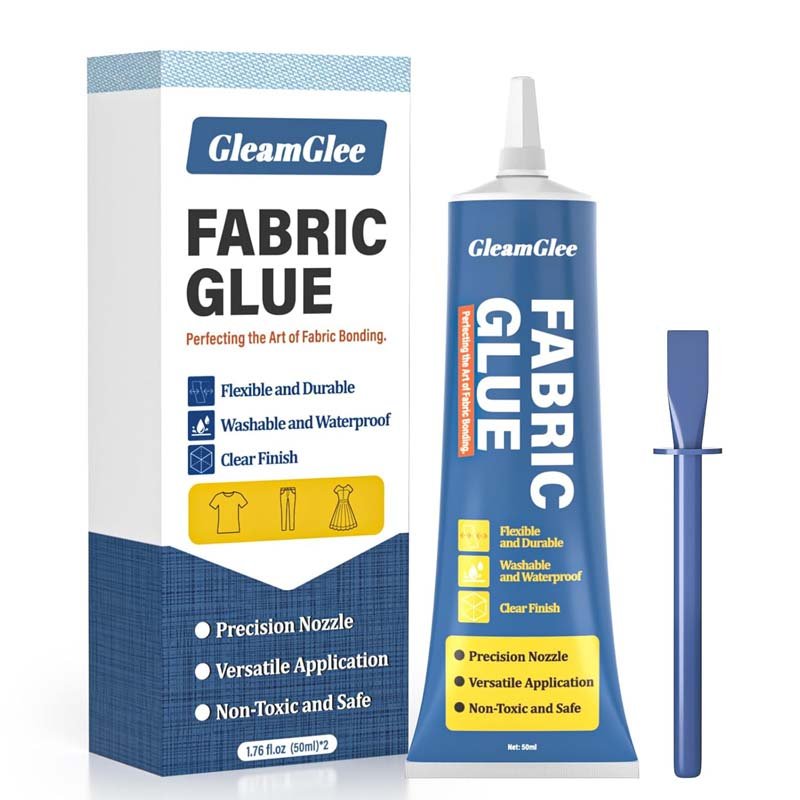
GleamGlee Museum Gel is made for displays that need steady hold without permanent bonding. For Crybaby blind box figure displays, it helps reduce sliding, tipping, light rotation, and accidental movement on acrylic risers, glass shelves, desktops, display cabinets, sealed wood boards, marble trays, and other smooth horizontal surfaces. It gives small figures more grip while keeping the display clean, clear, and easy to rearrange.
A good museum gel should not make a collectible look fixed, repaired, or messy. It should stay hidden under the base, hold well during normal room movement, and remove cleanly when the shelf needs dusting or the display needs a new layout. GleamGlee Museum Gel is built around those real display needs: clear appearance, removable hold, reusable application, simple hand use, and wide compatibility with common display materials.
GleamGlee also has strong manufacturing support behind the product. LingWang (Dongguan) Technology Co., Ltd. works across adhesives, repair products, cleaners, care products, and home display solutions. With R&D, packaging design, production, label printing, filling, and global supply capabilities, GleamGlee can support both ready-to-sell branded museum gel and private label projects for toy shops, hobby stores, museum stores, Amazon sellers, distributors, gift retailers, and collectible accessory brands.
| Need | GleamGlee Museum Gel Advantage | Practical Result |
|---|---|---|
| Crybaby figure display | Clear removable hold | Figures stay neater without visible glue |
| Acrylic riser setup | Low-profile gel dots | Cleaner display layers and less shifting |
| Rare figure protection | No permanent bonding | Easier repositioning with lower damage risk |
| Desk display | Extra grip against light vibration | Better stability near keyboards and speakers |
| Glass cabinet | Helps reduce door-vibration movement | Rows stay more aligned |
| Retail display | Keeps sample pieces in position | Counter displays look cleaner for longer |
| Photo setup | Holds small props and figures steady | Easier close-up shooting |
| Private label supply | Custom packaging and label support | Easier product launch for sellers |
Is GleamGlee Museum Gel Clear?
GleamGlee Museum Gel uses a clear gel format, which is important for collectible displays. Crybaby blind box figures are usually displayed for their expressions, colors, pose details, and series arrangement. A visible white pad, foam strip, tape edge, or thick putty mark can distract from the figure. Clear gel helps the support stay in the background.
This matters most on acrylic and glass. Clear display cases and risers look clean because they do not visually block the figures, but they also make support materials easier to notice. If a figure is placed on a transparent riser, anything under the base can catch light. A small clear gel dot placed slightly inside the base edge is much harder to see from the front.
The best result comes from using the clear gel in small amounts. A clean application should not spread beyond the base or raise the figure too much. For most Crybaby figures, one to three small dots are enough. If the gel becomes visible after pressing, reduce the amount and place it farther inside the base edge.
Clear gel also works well for mixed displays. The same shelf may include Crybaby figures, resin miniatures, glass ornaments, acrylic blocks, mini trophies, candles, ceramic décor, or small model pieces. A clear holding gel gives these items a more consistent display look than colored putty or tape.
| Display Material | Why Clear Gel Helps | Use Detail |
|---|---|---|
| Acrylic riser | Keeps support less visible | Use tiny dots inside the base edge |
| Glass shelf | Avoids obvious tape lines | Clean fingerprints first |
| Marble tray | Keeps premium surface look | Use fresh clean gel |
| White shelf | Reduces visual clutter | Avoid dusty gel |
| Dark shelf | Prevents bright pad contrast | Check under LED light |
| Retail counter | Keeps samples looking neat | Recheck during busy display days |
For display photography, clear gel is even more useful. Close-up lighting can show tape edges, dust, and raised pads. A small hidden clear dot helps the figure stay in position while keeping the camera focus on the face and details.
Is GleamGlee Museum Gel Reusable?
GleamGlee Museum Gel is reusable when it remains clean, soft, and flexible. This is useful for Crybaby displays because collections rarely stay the same. New blind boxes arrive. Duplicate figures are moved. Secret figures are placed in front. A shelf is cleaned. A full series display is rebuilt. Reusable gel makes these changes easier without replacing tape or throwing away single-use pads every time.
The reuse process is simple. Remove the figure slowly with a gentle twist, lift the gel with clean fingers, roll it back into a small dot, and place it again under a clean base. If the gel is still clear and free from dust, it can be reused. If it has picked up hair, lint, shelf dirt, paper fibers, or fabric particles, replace it with a fresh piece.
For larger collections, reuse can save time. A display with 20–40 small figures may need rearranging several times a year. Tape strips often lose shape after removal and can leave sticky edges. Gel can be reshaped when it is still clean, making it more practical for changing shelf layouts.
Use fresh gel for higher-risk pieces. Rare Crybaby figures, secret figures, painted-base figures, front-row figures, and photo-display pieces should get cleaner support. Reused gel is fine when it is clean, but dusty gel should not be pressed under valuable figures.
| Gel Condition | Reuse Decision | Reason |
|---|---|---|
| Clear and flexible | Reuse | Still suitable for clean contact |
| Flattened but clean | Roll and reuse | Shape can be restored |
| Slightly dusty | Better to replace | Dust lowers grip |
| Full of lint or hair | Replace | Poor display appearance and weaker hold |
| Touched fabric or paper | Replace | Fibers may remain inside gel |
| Used on rough surface | Replace | Hidden particles may scratch or mark |
A clean reuse habit helps the display look better. When rearranging a shelf, place removed gel on a smooth plate, clean plastic sheet, or glass tray. Do not place it on tissue, cloth, carpet, cardboard, or dusty desktops.
Is GleamGlee Museum Gel Display-Friendly?
GleamGlee Museum Gel is display-friendly because it is easy to apply by hand, clear in appearance, removable, reusable, and suitable for many smooth horizontal display surfaces. It does not require drilling, tools, screws, brackets, nails, permanent glue, or visible mounting tape. That makes it practical for home collectors and retail displays.
For Crybaby blind box figures, display-friendly also means flexible. A collector may want to move one figure from the back row to the front, change a shelf theme, separate rare figures, or make room for a newly opened box. A permanent adhesive would make these changes difficult. Museum gel gives enough hold for normal display life but still allows careful removal.
It is also useful beyond Crybaby figures. One jar can support different display scenes around the home or shop. It can be used for resin figurines, glass décor, ceramic ornaments, metal trophies, miniature models, dollhouse pieces, candle holders, small vases, retail samples, and photography props. This makes it a practical display accessory rather than a single-use figure product.
The gel is best for flat, smooth, horizontal use. It should not be used for wall mounting, hanging items, tilted boards, ceiling display, or load-bearing installation. Clear use instructions help prevent misuse and reduce complaints. A good display-friendly product should make setup easier while keeping expectations realistic.
| Use Scene | Good Fit? | Practical Note |
|---|---|---|
| Crybaby acrylic shelf | Yes | Use small hidden dots |
| Glass cabinet | Yes | Let shelf dry after cleaning |
| Desk figure display | Yes | Check monthly for dust |
| Retail sample display | Yes | Recheck after heavy handling |
| Photography props | Yes | Helps keep angles stable |
| Rough fabric mat | No | Fibers reduce grip |
| Wall mounting | No | Not designed for vertical hold |
| Heavy hanging item | No | Use proper mounting hardware |
For full display shelves, apply gel only where needed. High-risk figures should be handled first: front-row pieces, rare figures, narrow-base figures, top-tier riser figures, and figures that already slide during a light shelf test. This keeps the display clean and avoids overusing gel.
Is GleamGlee Museum Gel Easy to Remove?
GleamGlee Museum Gel is easy to remove when it is used on suitable smooth surfaces and taken off slowly. Removal matters because collectible displays need cleaning, rearranging, and seasonal changes. A product that holds well but becomes difficult to remove is not ideal for Crybaby figures or acrylic cases.
The safest removal method is gentle. Hold the figure close to the base, twist slightly, and lift slowly. Do not pull hard from the head, ears, arms, or accessories. If gel remains on the shelf, roll it off with clean fingers. Avoid knives, metal scrapers, hard tools, or aggressive fingernail scraping, especially on acrylic shelves that can scratch easily.
Clean removal also depends on the surface. Glass, acrylic, sealed wood, ceramic, metal, marble, and hard plastic are usually better display surfaces. Painted weak surfaces, paper boards, rough wood, fabric mats, soft rubber, peeling coatings, or dusty shelves are less suitable. For rare figures or special coatings, test first in a hidden area.
A small amount also removes better than a large amount. Oversized gel pieces may spread too far, collect dust, or require more effort to lift. Small hidden dots offer better control during both application and removal.
| Removal Step | Better Method | Avoid |
|---|---|---|
| Lifting figure | Twist and lift slowly | Pulling straight up quickly |
| Holding figure | Hold near the base | Pulling by small parts |
| Removing leftover gel | Roll off with fingers | Scraping with metal tools |
| Cleaning acrylic | Use soft cloth | Harsh scrubbing |
| Reusing gel | Reuse only if clean | Reusing dusty gel |
| Rare figure handling | Test hidden area first | Long-term use without testing |
For long-term displays, check the gel during regular cleaning. Open shelves collect dust faster than closed display cases. Desk displays also need more attention because of hand contact and vibration. Clean gel, safe removal, and careful reapplication help Crybaby displays stay neat without locking the collection in place.

Conclusion
Museum gel gives Crybaby blind box figure displays a simple but useful layer of protection. It helps small figures stay steadier on acrylic risers, glass shelves, desktops, display cabinets, and smooth collector surfaces without using permanent glue or visible tape. For collectors who care about clean shelf lines, rare figures, full-series layouts, and close-up display photos, a few small hidden gel dots can reduce sliding, tipping, and small position changes caused by daily movement.
The best results come from careful use. Clean the figure base and shelf first, use only a small amount, keep the gel hidden inside the base edge, and let it settle for about 30 minutes before testing the hold. Museum gel should be used on flat, smooth, horizontal surfaces, not for wall mounting or hanging displays. Rare, painted, custom, or coated figures should always be tested in a hidden area first, especially when the display will stay in place for a long time.
GleamGlee Museum Gel is a practical choice for Crybaby collectors, toy display lovers, retail shops, hobby stores, museum stores, and private label sellers who need clear, removable, reusable display hold. It supports neat home displays, acrylic case setups, retail counters, and photography scenes while keeping figures easy to move and rearrange. For branded museum gel orders, bulk supply, private label packaging, or custom display protection products, GleamGlee can provide product support, packaging design, sample development, and quotation services.
Share:
Table of Contents
Here, creating your adhesives glue & removal cleaner collection is no longer a barrier—it’s a collaborative journey where GleamGlee helps brands and businesses transform their vision into durable, certified, and market-ready solutions.
Partner with GleamGlee
Join hundreds of global partners who trust GleamGlee for adhesives and cleaners that combine innovation, compliance, and speed. Our vertically integrated system—from R&D to warehouse—guarantees consistent performance and reliable delivery.
Whether you’re sourcing FBA-ready stock or developing your own formula, our team provides unmatched technical support and responsive service.