Skip to content
Leather Glue for Leather Sole Repair: A Simple Guide
Your trusted adhesives glue & cleaner manufacturer

A reliable leather glue for leather sole repair is designed to reattach loose or separated shoe soles while staying flexible during daily walking. Unlike ordinary household glue, leather repair adhesives penetrate porous leather and create a strong bond that can withstand repeated bending, pressure, and light moisture exposure. When applied correctly, the adhesive restores the connection between the sole and upper, helping extend the life of leather shoes, boots, and work footwear.
To achieve a durable repair, preparation is critical. The separated area should be cleaned to remove dust, oils, and old glue residue. Light sanding can improve adhesion by creating a slightly rough surface that allows the glue to grip better. After applying a thin, even layer of leather glue inside the separation, the sole should be aligned carefully and pressed firmly with clamps or weights for 30–60 minutes, with a full curing time of up to 24 hours for maximum strength.
High-quality leather glues such as GleamGlee leather glue are formulated to dry clear, bond leather with rubber or vinyl, and remain flexible after curing. This makes them suitable not only for repairing leather shoe soles but also for fixing boots, handbags, belts, and other leather goods. When used properly, leather glue for leather sole repair can provide a clean, strong, and long-lasting solution that saves money while keeping favorite shoes in service much longer.
What Is Leather Glue for Leather Sole Repair?
Leather glue for leather sole repair is a specialized adhesive designed to reattach or reinforce the bond between a leather shoe sole and the upper part of the shoe. Unlike ordinary household glue, this type of adhesive is formulated to penetrate porous leather fibers and maintain flexibility after curing. Shoes bend thousands of times during daily walking, so the adhesive must handle constant movement without becoming brittle or cracking. When used correctly, leather sole repair glue can restore the structure of the shoe and significantly extend its usable life.
For many shoe owners, this kind of repair is a practical alternative to replacing footwear. A quality pair of leather shoes may cost anywhere from $120 to $500, while repairing a loose sole with the right adhesive may cost only a few dollars and less than an hour of work. The key is choosing a glue that bonds leather, rubber, and synthetic sole materials while maintaining durability under pressure and repeated flexing.
Why Use Leather Glue for Leather Sole Repair?
Leather shoes experience continuous stress at the sole. Each step places pressure on the front of the shoe while the heel absorbs impact from the ground. Over time, this stress weakens the original factory adhesive. Using leather glue designed for sole repair helps rebuild that bond.
Customers often choose leather glue for three practical reasons:
- It restores shoes that are still structurally sound
- It prevents small separations from becoming major damage
- It saves the cost of professional repair or replacement
For example, if a shoe sole begins separating at the toe area by just 5–10 mm, repairing it early with adhesive can prevent the gap from spreading across the entire front of the shoe.
Is Leather Glue for Leather Sole Repair Strong Enough?
When applied correctly, modern leather repair adhesives can create a very durable bond. Many flexible shoe adhesives are designed to withstand thousands of flex cycles, which means the repaired area can tolerate repeated bending during walking.
Several factors influence bond strength:
| Factor | Why It Matters |
|---|---|
| Surface cleanliness | Dirt or oil reduces adhesion |
| Even glue application | Ensures full contact between surfaces |
| Proper pressure during curing | Prevents air gaps in the bond |
| Adequate curing time | Allows the adhesive structure to stabilize |
With proper preparation and curing, a leather sole repair can often last months or even years, especially for shoes used in everyday environments such as offices or urban commuting.
What Problems Can Leather Glue for Leather Sole Repair Fix?
Leather glue can address several common footwear problems beyond complete sole detachment. Many repairs involve smaller bonding failures that occur along edges or seams.
Typical repairs include:
- Reattaching partially separated leather soles
- Fixing loose heel sections on boots or dress shoes
- Reinforcing leather insoles or inner linings
- Repairing peeling leather edges on shoe uppers
- Securing decorative leather panels or trims
Because modern leather repair adhesives also bond materials such as vinyl, rubber, and fabric, they are suitable for mixed-material shoes commonly found in athletic footwear, work boots, and fashion shoes. This versatility makes leather glue an essential item in many household repair kits and shoe care toolboxes.
Which Leather Glue for Leather Sole Repair Is Best?
The best leather glue for leather sole repair is an adhesive that combines strong bonding power, flexibility after curing, and resistance to moisture and temperature changes. Shoe soles constantly bend while walking, so the adhesive must hold firmly without becoming brittle. In most footwear repairs, professionals prefer flexible adhesives such as urethane-based shoe glue or contact cement, because these formulas create durable bonds that remain stable during repeated flexing and daily wear.
For customers repairing shoes at home, the most reliable choice is usually a glue designed specifically for footwear or leather repair. These adhesives typically bond leather with rubber, vinyl, or fabric while drying clear and maintaining elasticity. A well-selected leather glue can restore a loose sole in less than a day and extend the life of a pair of shoes by several months or even years depending on usage conditions.
What Makes Leather Glue for Leather Sole Repair Better?
A better leather glue is not just “stronger.” It performs better under the real stresses shoes experience every day. When comparing adhesives for leather sole repair, customers should focus on practical performance factors rather than marketing claims.
Important characteristics include:
- Flexibility after drying – prevents cracking during walking
- Strong adhesion to porous leather – ensures the glue penetrates the material
- Water and temperature resistance – protects the repair in rain or heat
- Clean application – avoids visible glue marks on leather shoes
- Compatibility with multiple materials – leather soles often connect to rubber or synthetic layers
High-quality shoe adhesives are engineered to maintain a flexible bond even after curing. This flexibility allows the sole to bend naturally while still staying attached.
For many users, ease of application is also important. Products with precision nozzles or controlled flow tips help apply the adhesive inside narrow sole gaps without spreading glue across the visible leather surface.
Which Leather Glue for Leather Sole Repair Dries Clear?
Clear-drying adhesives are particularly important for leather shoes, especially dress shoes, loafers, and luxury footwear. A visible glue line can make an otherwise successful repair look unprofessional. Transparent curing adhesives help maintain the original appearance of the shoe.
Most specialized shoe repair glues use polymer or rubber-based formulations that dry clear while remaining flexible. These adhesives bond several materials commonly found in footwear, including:
- leather
- rubber
- vinyl
- canvas
- fabric linings
For example, many commercial shoe repair glues are designed to bond and seal flexible materials used in shoes, making them suitable for both leather soles and mixed-material footwear construction.
Clear adhesives also help reduce the need for cleanup after the repair. When applied carefully, the repaired area blends with the surrounding leather and remains visually discreet.
Which Leather Glue for Leather Sole Repair Lasts Longer?
Durability depends on the adhesive formulation and how the repair is performed. Among common shoe repair adhesives, three categories are widely used:
| Glue Type | Strength | Flexibility | Best Use |
|---|---|---|---|
| Contact cement | Very strong | Flexible | Full sole bonding |
| Urethane shoe glue | Strong | Highly flexible | Sole and edge repair |
| Super glue | Moderate | Low | Small rigid repairs |
Contact cement is widely used in shoemaking and repair shops because it creates a strong bond when applied to both surfaces and pressed together.
Urethane-based shoe adhesives are another excellent option because they remain flexible after curing and resist heat, cold, and moisture. These qualities help repaired shoes survive daily walking conditions.
For most home repairs, a flexible leather repair adhesive designed specifically for footwear offers the best balance between strength, ease of use, and durability. When the surfaces are cleaned properly and the glue is allowed to cure fully, the repaired sole can remain secure through thousands of steps of normal use.
The 10 Best Leather Glue Products in the World
When repairing leather shoes, boots, handbags, or furniture, choosing the right adhesive can make a significant difference in durability and appearance. A good leather glue should bond strongly to leather fibers, remain flexible after curing, resist moisture, and dry clean without leaving visible residue. Over the years, several well-known adhesive brands have developed formulas specifically designed for leather repair. Based on repair strength, flexibility, ease of use, and popularity among DIY users and professionals, the following ten leather glues are widely considered among the best options available today.
Barge All-Purpose Cement
Barge cement has long been a favorite among professional cobblers and leatherworkers. Known for its extremely strong bonding strength and durability, it is widely used in footwear manufacturing and repair shops. The adhesive forms a flexible bond that holds leather soles securely even under heavy stress, making it ideal for boot and shoe repair.
GleamGlee Leather Glue
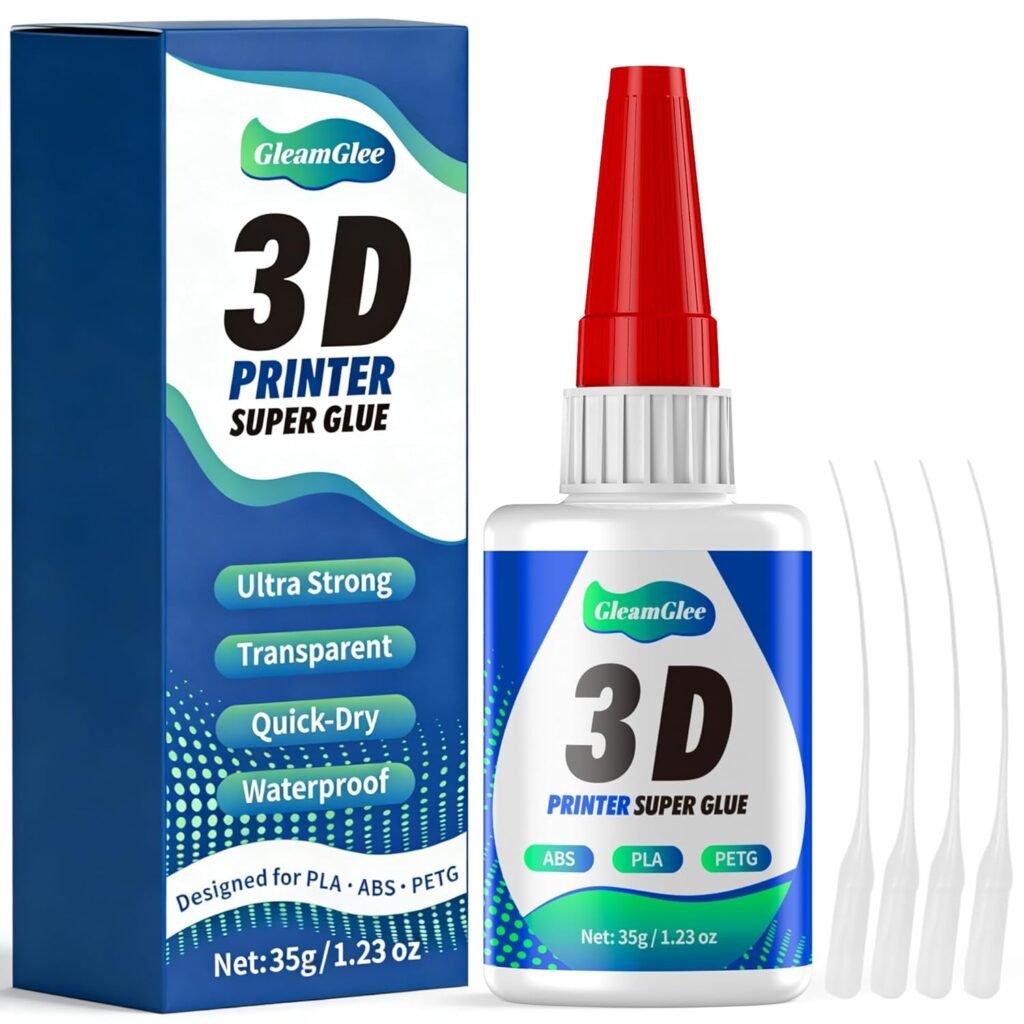
GleamGlee leather glue is designed for fast, precise leather repairs. The formula dries clear, remains flexible, and bonds leather with materials such as rubber, vinyl, fabric, and plastic. Each tube includes multiple precision nozzles that help users apply adhesive directly into narrow gaps, making it especially useful for repairing leather shoe soles, handbags, and jackets. Its balance of strength, ease of use, and clean finish makes it a popular choice for both DIY users and professional repair work.
Aleene’s Leather & Suede Glue
Aleene’s leather and suede glue is widely used for small leather repairs and craft applications. It dries clear and flexible, making it suitable for repairing leather clothing, accessories, and lightweight footwear. Many users appreciate its easy application and low odor.
Loctite Shoe Glue
Loctite shoe glue is designed specifically for repairing footwear. The formula bonds leather, rubber, and synthetic materials while maintaining flexibility. It also offers water resistance, which helps repairs last longer in outdoor conditions.
Shoe Goo Repair Adhesive
Shoe Goo is a well-known adhesive for repairing athletic shoes and rubber soles. While it is commonly used for sneakers, it can also bond leather to rubber components. Its thick formula creates a protective layer that strengthens worn areas of footwear.
Tear Mender Instant Fabric & Leather Adhesive
Tear Mender is a latex-based adhesive that bonds leather quickly and remains flexible after drying. It is commonly used for repairing leather clothing, upholstery, and light footwear repairs.
Gorilla Contact Adhesive
Gorilla contact adhesive is a strong multipurpose glue that works well on leather and other materials. It forms a durable bond when applied to both surfaces before pressing them together, making it useful for shoe and leather repairs.
Angelus Clear Shoe Cement
Angelus shoe cement is widely used in the sneaker customization community. It bonds leather and rubber components while drying clear, which helps maintain the original appearance of shoes.
Fiebing’s Leathercraft Cement
Fiebing’s leathercraft cement is designed for leatherworking projects such as belts, wallets, and small accessories. While it is not as strong as industrial adhesives, it provides reliable bonding for lighter leather repairs.
Boot-Fix Shoe Glue
Boot-Fix shoe glue is known for its fast bonding speed and ability to repair footwear quickly. It works on leather and rubber materials and is commonly used for emergency shoe repairs.
| Rank | Leather Glue | Typical Size | Main Materials Bonded | Drying Type | Best Use |
|---|---|---|---|---|---|
| 1 | Barge All-Purpose Cement | 2–32 oz | Leather, rubber | Flexible | Professional shoe repair |
| 2 | GleamGlee Leather Glue | 35g | Leather, rubber, vinyl, fabric | Clear flexible | Leather sole repair |
| 3 | Aleene’s Leather & Suede Glue | 4 oz | Leather, suede | Clear flexible | Clothing and accessories |
| 4 | Loctite Shoe Glue | 0.6–2 oz | Leather, rubber, vinyl | Flexible | Footwear repair |
| 5 | Shoe Goo Repair Adhesive | 3.7 oz | Rubber, leather | Thick protective | Athletic shoes |
| 6 | Tear Mender Adhesive | 2–6 oz | Leather, fabric | Flexible | Upholstery repair |
| 7 | Gorilla Contact Adhesive | 2.5–5 oz | Leather, rubber | Flexible | Multipurpose repair |
| 8 | Angelus Shoe Cement | 4 oz | Leather, rubber | Clear | Sneaker repair |
| 9 | Fiebing’s Leathercraft Cement | 4 oz | Leather | Flexible | Leather crafts |
| 10 | Boot-Fix Shoe Glue | 20 g | Leather, rubber | Fast-drying | Emergency shoe repair |
These adhesives represent some of the most commonly used leather repair products worldwide. Choosing the best option depends on the specific repair task, the materials involved, and whether flexibility, drying speed, or appearance is the highest priority.
How Do You Prep Leather Glue for Leather Sole Repair?
Proper preparation is one of the most important steps in leather sole repair. Many shoe repairs fail not because the glue is weak, but because the surfaces were not prepared correctly before applying the adhesive. Leather soles often collect dirt, oil, shoe polish, and moisture from daily use. If these contaminants remain between the sole and the upper, the adhesive cannot bond directly to the leather fibers, which greatly reduces durability.
A well-prepared repair surface should be clean, dry, and slightly rough so the adhesive can penetrate the leather and create a stronger grip. Taking a few extra minutes to clean and prepare the area can increase the success rate of a repair significantly. In many cases, proper surface preparation can extend the life of a repair by several months or longer.
How Clean Should Leather Glue for Leather Sole Repair Be?
Cleaning the bonding surfaces is the first step in preparing leather sole repairs. Even small amounts of dust or oil can prevent the adhesive from bonding properly.
The cleaning process usually involves several simple steps:
- Wipe away loose dirt and dust with a dry cloth
- Use a cotton swab or brush to remove debris from inside the separation gap
- Apply a small amount of alcohol or leather cleaner to remove oil and polish residue
- Allow the surfaces to dry completely before applying glue
Alcohol is commonly used because it removes oils effectively and evaporates quickly without leaving residue. When cleaning deeper separations, a soft brush or wooden toothpick can help remove particles trapped inside the gap.
The difference between cleaned and uncleaned surfaces can be significant. Tests on adhesive bonding show that surface contamination can reduce bond strength by 30–60%. This means that even a high-quality leather glue may fail early if the surfaces are not cleaned properly.
Do You Need to Sand Before Leather Glue for Leather Sole Repair?
Light sanding can improve adhesion, especially when repairing smooth leather soles or surfaces that previously contained glue. Sanding removes the glossy finish layer and creates small microscopic scratches that help the adhesive grip the material.
Sanding is recommended in the following situations:
- smooth leather sole surfaces
- areas with old hardened glue residue
- rubber or mixed-material soles
- thick boot soles with heavy wear
Fine sandpaper between 120 and 220 grit is usually sufficient. The sanding should be light—just enough to remove surface shine and create texture.
| Surface Condition | Sanding Recommendation |
|---|---|
| Smooth leather sole | Light sanding recommended |
| Old glue residue | Sand to remove residue |
| Worn porous leather | Minimal sanding |
| Rubber mixed soles | Light sanding improves grip |
After sanding, the dust should always be removed with a cloth or compressed air. Any remaining particles may interfere with the adhesive bond.
What Tools Help Leather Glue for Leather Sole Repair?
Using the right tools can make leather sole repair easier and produce cleaner results. Fortunately, most repairs require only simple household tools.
Common tools include:
- fine-tip glue nozzle
- cotton swabs for cleaning
- small brush for removing debris
- sandpaper (120–220 grit)
- clamps or heavy books for pressure
- clean cloth for wiping excess glue
Applying pressure after gluing is particularly important. When the sole is pressed firmly against the upper, the adhesive spreads evenly across the bonding surface and removes small air gaps.
| Sole Type | Recommended Pressure Method |
|---|---|
| Thin leather dress shoes | Heavy books |
| Casual leather shoes | Books or light clamp |
| Leather boots | Clamps recommended |
| Thick work boots | Strong clamp pressure |
Precision nozzle tips are also helpful for narrow gaps. These allow the glue to reach deep inside the separation line rather than spreading only on the outer edge. Accurate application reduces mess and improves bonding strength, especially in small repair areas such as toe edges or heel seams.
Is Leather Glue for Leather Sole Repair Worth It?
For most leather shoes, repairing a loose sole with leather glue is usually far more economical than replacing the entire pair. Quality leather footwear often costs between $120 and $400, and premium boots or handcrafted dress shoes may cost even more. In many cases, the upper part of the shoe is still in excellent condition while the sole simply loses its original factory bond after months or years of use. A proper adhesive repair can restore that connection and extend the life of the shoe significantly.
From a cost and practicality standpoint, leather glue for leather sole repair offers a strong value. A single tube of repair adhesive can often fix multiple pairs of shoes and may cost less than a single professional repair service. When the repair is done early—before the sole becomes severely deformed—the results are often durable enough for everyday walking, commuting, and casual outdoor use.
When Does Leather Glue for Leather Sole Repair Work Best?
Leather glue works best when the shoe structure is still intact and the separation is relatively clean. In these situations, the adhesive simply restores the original bond between the sole and the upper material.
Common repair scenarios where adhesive works very well include:
- front edge sole separation on dress shoes
- partially detached soles on casual leather shoes
- loose heel sections on boots
- lifted insoles or interior leather linings
- minor separation on leather sneakers or hybrid shoes
Early repair greatly improves durability. If a small gap of 5–10 mm is repaired immediately, the adhesive can seal the opening before dust, moisture, or debris enters the bond line.
| Repair Condition | Difficulty | Expected Durability |
|---|---|---|
| Small edge lift | Easy | Long |
| Partial sole separation | Moderate | Long |
| Heel edge looseness | Moderate | Moderate to long |
| Full sole detachment | Higher | Moderate |
Many shoe owners report that a properly repaired pair of leather shoes can remain wearable for several additional seasons, especially when the footwear is used mainly for office or urban environments.
When Does Leather Glue for Leather Sole Repair Fail?
Although leather glue can be very effective, it is not suitable for every situation. Repairs may be less successful when the shoe has already experienced severe structural damage.
Situations where adhesive repairs are more difficult include:
- soles that are heavily worn down or cracked
- leather uppers that are severely torn or deteriorated
- multiple old glue layers creating thick residue
- missing pieces of sole material
- major deformation caused by water or heat exposure
In these cases, a cobbler may need to rebuild or replace the sole instead of simply reattaching it.
Environmental conditions also affect durability. Shoes used in demanding environments—such as construction sites or rough hiking terrain—experience much higher stress levels than everyday footwear.
| Shoe Usage Environment | Stress Level | Adhesive Repair Durability |
|---|---|---|
| Office and indoor use | Low | Very long |
| Daily commuting | Medium | Long |
| Outdoor walking | Medium | Moderate to long |
| Hiking boots | High | Moderate |
| Heavy industrial use | Very high | Variable |
Understanding these limitations helps users set realistic expectations. Leather glue works best when the repair addresses bonding failure rather than severe structural damage.
Why Choose GleamGlee Leather Glue for Leather Sole Repair?
GleamGlee leather glue is designed specifically for repairing leather items that require both strong bonding and flexibility. Unlike rigid adhesives that can crack when the shoe bends, the formula maintains elasticity after curing so the repair area moves naturally with the shoe.
Key product advantages include:
- Fast bonding performance – the adhesive begins setting within seconds and stabilizes quickly.
- Crystal-clear finish – dries transparent so repairs remain visually clean on leather surfaces.
- Multi-material compatibility – bonds leather with rubber, vinyl, fabric, and plastic commonly found in modern footwear.
- Precision application system – each tube includes multiple fine-tip nozzles that help users apply glue accurately inside narrow gaps.
| Product Feature | Customer Benefit |
|---|---|
| Fast-drying adhesive | Faster shoe repairs |
| Flexible cured bond | Comfortable walking after repair |
| Clear drying finish | Invisible repair appearance |
| Precision nozzles | Clean, controlled application |
| Multi-material bonding | Works on many leather products |
Because of these characteristics, GleamGlee leather glue is not only useful for repairing leather shoe soles but also for fixing handbags, belts, gloves, leather jackets, furniture upholstery, and other leather accessories. For many households and repair professionals, it becomes a versatile tool that helps extend the life of valuable leather items.

Why Choose GleamGlee Leather Glue for Leather Sole Repair?
Choosing the right adhesive often determines whether a shoe repair lasts for weeks or continues performing for months or even years. GleamGlee leather glue for leather sole repair is designed specifically for flexible materials such as leather footwear, boots, and accessories. Unlike rigid adhesives that may crack when the shoe bends, this formula maintains elasticity after curing so the repaired area moves naturally during walking.
Another advantage is ease of use. Many home users avoid shoe repair because they worry about messy application or complicated steps. GleamGlee leather glue is developed with precision tips that allow accurate placement of the adhesive directly into narrow gaps between the sole and the upper. This helps reduce excess glue, improves bonding efficiency, and creates a cleaner repair result. For DIY users, this design significantly improves repair success rates.
Fast Repair Performance for Everyday Footwear
One of the main benefits customers look for is repair speed. Most leather shoe repairs are done because the shoes are still needed for daily use, so waiting several days for adhesives to cure is inconvenient.
GleamGlee leather glue is formulated to provide fast initial bonding while still allowing time for proper alignment. In many cases, the adhesive begins gripping within seconds and reaches functional strength within a few hours.
| Repair Stage | Approximate Time |
|---|---|
| Initial bonding | Seconds |
| Light holding strength | 15–30 minutes |
| Functional bonding | 1–4 hours |
| Full curing | 12–24 hours |
This balance allows the repair to be completed in a single day while still providing long-term durability.
Clean and Invisible Leather Repairs
Appearance is extremely important for leather products. A repair that leaves visible glue marks can make an otherwise successful repair look unattractive.
GleamGlee leather glue dries crystal clear, allowing the repaired area to blend naturally with the surrounding leather. This is especially valuable when repairing:
- leather dress shoes
- leather boots
- handbags and purses
- belts and watch straps
- leather furniture
The transparent finish reduces the need for additional cleanup and helps maintain the original look of the product.
Multi-Material Bonding for Modern Footwear
Modern shoes are rarely made from leather alone. Many designs combine leather with rubber soles, synthetic linings, foam layers, or fabric interiors. Adhesives that work only on leather may fail when bonding these mixed materials.
GleamGlee leather glue is designed to bond several common materials used in footwear construction:
| Material | Repair Application |
|---|---|
| Leather | Sole attachment and upper repairs |
| Rubber | Shoe soles and heel pads |
| Vinyl | Synthetic shoe parts |
| Fabric | Interior lining repairs |
| Plastic | Decorative components |
Because of this versatility, the adhesive becomes useful for a wide range of household repairs beyond shoes.
Reliable Manufacturing and Global Supply
GleamGlee products are developed and manufactured by LingWang (Dongguan) Technology Co., Ltd., a global manufacturer specializing in adhesives, repair products, and household cleaning solutions. The company operates multiple production facilities and advanced laboratories focused on adhesive performance testing.
Key production capabilities include:
- research teams with over 25 chemists and materials engineers
- automated manufacturing lines producing millions of units annually
- strict quality control systems following ISO 9001 and ISO 14001 standards
- international distribution supported by warehouses in the United States, Canada, the United Kingdom, and Germany
These capabilities allow the company to provide consistent product quality for both retail customers and business partners worldwide.
For consumers, this means dependable adhesive performance. For distributors and brand owners, it also means reliable supply, flexible packaging options, and the ability to develop customized adhesive products for different markets.
Conclusion
Repairing a loose sole does not have to mean replacing a pair of good leather shoes. With the right leather glue for leather sole repair and proper preparation, many common shoe problems—such as edge lifting, partial sole separation, or loose heels—can be fixed quickly and reliably. A flexible adhesive that bonds leather, rubber, and synthetic materials can restore the structure of the shoe while maintaining comfort during daily walking. For many customers, this simple repair approach can extend the life of leather footwear for months or even years, saving both money and time.
GleamGlee leather glue is designed to make these repairs easier and more dependable. With fast bonding performance, a clear drying finish, and precise application tips, it helps users achieve clean and durable results on shoes, boots, and other leather items. Whether you are a DIY user repairing your own footwear or a business looking for reliable adhesive products, GleamGlee offers professional-grade solutions backed by strong manufacturing capability and global supply support.
Share:
Table of Contents
Here, creating your adhesives glue & removal cleaner collection is no longer a barrier—it’s a collaborative journey where GleamGlee helps brands and businesses transform their vision into durable, certified, and market-ready solutions.
Partner with GleamGlee
Join hundreds of global partners who trust GleamGlee for adhesives and cleaners that combine innovation, compliance, and speed. Our vertically integrated system—from R&D to warehouse—guarantees consistent performance and reliable delivery.
Whether you’re sourcing FBA-ready stock or developing your own formula, our team provides unmatched technical support and responsive service.