 Skip to content
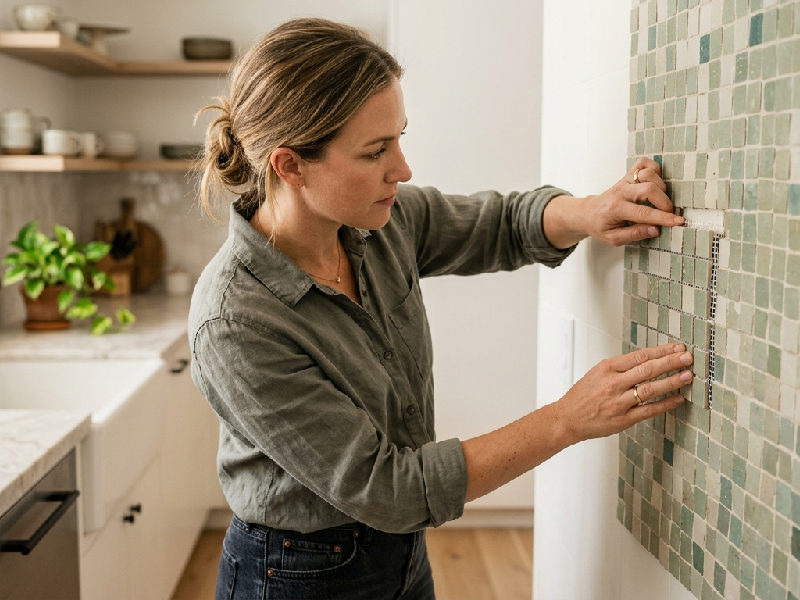
A lot of home repairs fail for a simple reason: the material itself was not the biggest problem, but the way the adhesive was used. A loose tile, a shifting stone, a detached trim piece, or a panel that keeps lifting at one corner often makes people think they need a “stronger glue.” In many cases, they do not. They need better surface prep, better bead control, better pressure, and more patience during curing. That is why construction adhesive can feel disappointing in one home and surprisingly effective in another, even when the same kind of repair is involved.
Construction adhesive works best when it is used as part of a full repair method, not as a shortcut. The right formula can bond wood, tile, concrete, stone, drywall, stucco, and brick, but the real result depends on whether the surface is stable, whether the adhesive is applied in the right amount, and whether the bonded parts are kept still long enough to cure properly. For many indoor and outdoor household repairs, that matters more than the biggest strength claim printed on the package.
Think about a small bathroom tile that has started to move. The job looks easy. Press it back, wipe the edge, and move on. But if the old dust stays behind, if too much adhesive is used, or if the tile slips a few millimeters while curing, the repair may look uneven or fail again in a few weeks. The same thing happens with wall accents, stair risers, patio stones, and basement repairs. The good news is that once you understand how construction adhesive really behaves, home repairs become cleaner, less stressful, and much more durable.
What Is Construction Adhesive?
Construction adhesive is a heavy-duty bonding product made for building materials rather than light household items. It is commonly used to attach wood, tile, stone, concrete, brick, drywall, and similar surfaces during home repairs. People usually reach for it when they want a bond that covers more surface area than a screw or nail alone, especially on loose tiles, wall accents, trim sections, stone details, stair risers, and small outdoor repair spots.
What makes construction adhesive useful in real homes is that it can solve problems across different rooms with one product, as long as the surface is sound and the repair is suitable. A good formula should not only bond strongly, but also apply cleanly, stay in place on vertical surfaces, and hold up under daily use. For most households, the real value is not just “strong hold.” It is fewer repeat repairs, less mess, cleaner-looking results, and better cost efficiency from one tube that can cover multiple jobs.
GleamGlee construction adhesive is designed around those practical needs. It is suitable for concrete, tile, stone, wood, drywall, stucco, and brick, including rough, uneven, or vertical surfaces. Each 8.8 oz tube offers up to about 30 feet of coverage depending on bead thickness, which is enough for several small repairs or one more extended project. The medium-consistency formula, precision-tip cap, and included fixing tape also help reduce two of the biggest complaints in home repairs: messy application and parts shifting before the bond has time to develop.
What does construction adhesive do?
Construction adhesive creates a broad, durable bond between building materials, helping repaired parts stay attached more securely and more neatly than many light-duty glues. In home repairs, it is often used when people want stronger contact across a surface instead of relying only on one or two fastening points.
In practical use, construction adhesive helps with jobs such as:
- reattaching loose backsplash or wall tiles,
- securing decorative stone or brick-facing pieces,
- bonding wood panels or trim sections,
- fixing selected bathroom, kitchen, basement, and patio surfaces,
- and improving stability on rough or vertical repair areas.
What people usually care about most is not only whether the part sticks today, but whether it still looks good and stays firm after normal use. That is why construction adhesive matters in visible areas. A repair in a kitchen or bathroom needs more than strength. It needs controlled placement, less squeeze-out, and enough grip to keep alignment clean while curing.
Here is a simple breakdown of what construction adhesive is expected to do in daily repairs:
| Job need | How construction adhesive helps |
|---|---|
| Hold loose materials in place | Creates strong contact across the bonding area |
| Reduce visible hardware | Helps avoid extra nails or screws in some repairs |
| Work on more than one material | Useful for mixed surfaces like tile over drywall |
| Handle rough or vertical areas | More practical for real home conditions |
| Support indoor and outdoor touch-ups | Extends use across multiple repair zones |
A good construction adhesive is not just there to “stick something back.” It is there to make the repair more stable, more durable, and better-looking over time.
Which jobs need construction adhesive?
Construction adhesive is most useful for repairs where building materials need a strong surface bond and where the job would be harder, messier, or less attractive with ordinary glue or visible fasteners. It fits best in medium-duty home repairs where the materials are stable and the goal is to secure, reset, or reinforce rather than rebuild from scratch.
Some of the most common home uses include:
- Bathroom repairs: loose wall tiles, vanity backsplash sections, decorative tile pieces
- Kitchen repairs: backsplash reset, island base tile touch-ups, wall accents near counters
- Living area repairs: stone feature pieces, trim details, decorative wall panels
- Basement repairs: masonry touch-ups, drywall-adjacent decorative sections, utility-area fixes
- Outdoor repairs: patio tile touch-ups, balcony details, stepping-stone accents, outdoor kitchen tile sections
These are the kinds of jobs where homeowners usually want three things at once:
- a bond that feels dependable,
- a repair that looks neat,
- and a product that is easy enough to control without professional tools.
This is also where cost matters. If one 8.8 oz tube can cover up to around 30 feet depending on application thickness, it can often handle several small fixes in one home instead of being used for only one narrow task. That makes construction adhesive especially useful for people maintaining kitchens, bathrooms, basements, and outdoor areas over time.
Is construction adhesive easy to use?
Yes, construction adhesive can be easy to use when the formula is made for controlled application and the repair is approached step by step. Most people do not struggle because the idea is complicated. They struggle because the bead comes out messily, the part shifts, or they are unsure how much product to use.
Ease of use usually depends on a few practical things:
- Consistency: a medium-consistency formula is easier to squeeze and guide by hand
- Nozzle control: a precision tip helps place the adhesive more neatly
- Early stability: the repair needs enough grip or support to stop parts from sliding
- Coverage: users want enough product per tube to make the job feel cost-effective
- Odor and cleanup comfort: indoor users care a lot about whether the product feels manageable in enclosed spaces
That is why GleamGlee’s design matters in real use. The medium-consistency formula helps the adhesive come out more evenly, the precision-tip cap helps improve bead control, and the included fixing tape helps keep bonded materials in place while curing. These details sound small, but they directly affect whether a repair feels frustrating or straightforward.
Here is a practical view of what makes construction adhesive feel easier to use:
| Ease-of-use factor | Why people care |
|---|---|
| Smooth squeeze by hand | Less fatigue, better control |
| Clean nozzle placement | Neater results in visible areas |
| Less drifting after placement | Better alignment on tile and wall repairs |
| Low odor | More comfortable for indoor work |
| Good coverage | Better value for multiple repairs |
For most home users, “easy to use” does not mean effortless. It means the product gives enough control that the repair feels manageable, even in areas where appearance matters.
Which Surfaces Fit Construction Adhesive?
Construction adhesive fits best on solid, stable building surfaces that can give the adhesive real contact instead of dust, loose coating, or crumbling material. In home repairs, that usually means wood, tile, stone, concrete, drywall, stucco, and brick. The material name matters, but the actual condition matters more. A clean wood panel and a damp, dusty wood board are both “wood,” but they will not bond the same way. The same is true for tile, drywall, and masonry.
For most households, the most useful thing to know is that construction adhesive is not only for one room or one material. A good multi-surface formula can handle kitchen backsplash repairs, bathroom tile touch-ups, decorative wall details, basement fixes, patio sections, and small outdoor jobs. GleamGlee construction adhesive is designed for concrete, tile, stone, wood, drywall, stucco, and brick, including rough, uneven, and vertical surfaces. That makes it practical for mixed-material repairs, which are very common in real homes.
Before applying adhesive, people should check three things first: whether the surface is stable, whether it is clean enough to bond properly, and whether the part can sit with good contact. Those three checks prevent a large share of repeat repairs. In many home projects, the bond does not fail because the adhesive is weak. It fails because the adhesive is stuck to dust, chalk, loose paint, soap film, or a damaged top layer instead of the real surface underneath.
| Surface | Usually a good fit? | What to check first |
|---|---|---|
| Wood | Yes | Dryness, dust, loose paint or finish |
| Tile | Yes | Clean back, stable base, moisture exposure |
| Stone | Yes | Weight, surface fit, stable backing |
| Drywall | Yes | Paper strength, soft spots, loose dust |
| Brick | Yes | Crumbling face, chalking, grit |
| Concrete | Yes | Dust, loose particles, surface soundness |
| Stucco | Yes | Cracks, powdering, weak outer layer |
| Vertical areas | Yes | Need for support during curing |
Does construction adhesive work on wood?
Yes, construction adhesive works very well on wood when the wood is dry, solid, and reasonably clean. It is a strong choice for trim, panels, boards, decorative pieces, backing blocks, and other home repairs where people want a cleaner finish than visible nails or screws alone. In many indoor repairs, wood is one of the easier materials to bond because it often gives good surface contact and does not have the slick, low-absorption feel of glassy tile or polished stone.
What usually causes wood repairs to fail is not the wood itself, but the condition of the wood. Common trouble spots include:
- fresh sawdust left on the surface,
- old paint that is flaking or chalky,
- damp wood in outdoor or semi-outdoor areas,
- warped pieces that do not sit flat,
- oily or dirty surfaces from handling or storage.
A very practical way to judge wood before bonding is to ask:
- Does it feel dry?
- Does the part sit flat enough without force?
- Is the surface strong, not peeling?
- Will pressure bring the two parts into good contact?
If the answer is yes to those questions, construction adhesive usually performs well. This is why it works nicely for:
- loose trim touch-ups,
- wood panel attachment,
- reinforcing decorative sections,
- fixing small furniture-related wood details,
- and selected stair or wall wood accents.
Here is a quick view of wood repair conditions:
| Wood condition | Bonding outlook |
|---|---|
| Dry, clean, flat wood | Strong outlook |
| Painted wood with loose finish | Weak unless cleaned first |
| Dusty cut edge | Weak unless brushed clean |
| Damp wood | Risk of poor performance |
| Warped wood with poor contact | Less reliable |
For homeowners, wood is often where construction adhesive feels most rewarding because the repair can be both strong and visually clean when the prep is done right.
Can construction adhesive bond tile and stone?
Yes, construction adhesive can bond tile and stone very effectively in many home-repair situations, especially for backsplash resets, decorative wall repairs, selected bathroom and kitchen touch-ups, and small outdoor surface fixes. These materials are heavier and less forgiving than wood, so the key is not only bonding power, but also bead control, alignment, and keeping the piece still while the bond begins to develop.
Tile and stone usually need more attention because:
- they show alignment problems very clearly,
- they can be heavier than people expect,
- some surfaces are less absorbent,
- and many of these repairs happen in visible areas.
That is why people usually care about the following before choosing an adhesive for tile or stone:
- whether it can hold on vertical surfaces,
- whether it can be applied neatly around edges,
- whether it fits indoor wet-adjacent or outdoor conditions,
- and whether the part can stay aligned without sliding.
GleamGlee construction adhesive is well suited to these needs because it is designed for tile and stone and can be used on rough, uneven, or vertical surfaces. That makes it useful for repair situations such as:
- loose kitchen backsplash tile,
- decorative bathroom wall sections,
- small stone accent repairs,
- patio and balcony tile touch-ups,
- garden stepping-stone decorative work,
- outdoor kitchen tile details.
Still, tile and stone repairs should always be checked carefully first. Common reasons these repairs fail include:
- dust or old loose material on the back,
- unstable substrate behind the tile,
- too much adhesive causing the piece to slide,
- and not enough support during the first stage of curing.
Here is a practical comparison:
| Material | Main challenge | What helps most |
|---|---|---|
| Ceramic tile | Clean alignment | Thin, controlled bead |
| Stone accent | Weight and fit | Firm pressure and support |
| Mosaic section | Small-piece control | Precise application |
| Outdoor tile | Weather exposure | Strong prep and full cure |
| Vertical wall tile | Slip risk | Support while curing |
In visible repairs, tile and stone do not just need to stay attached. They need to stay straight, even, and clean-looking. That is why controlled application matters so much.
Is construction adhesive good for drywall and brick?
Yes, construction adhesive can work very well on drywall and brick, but these surfaces need closer inspection than many people expect. Drywall and brick are both common in home repairs, yet they fail for different reasons. Drywall often looks smooth and easy, but the paper face can be weak, dusty, or soft from damage. Brick looks strong, but the outer face can sometimes crumble, chalk, or shed grit. In both cases, the adhesive may seem to bond at first, but the weak surface layer can later give way.
For drywall, the main concern is whether the outer paper and the material beneath it are still sound. Construction adhesive is often a good fit for:
- decorative panel sections,
- trim-adjacent repairs,
- selected wall accents,
- and situations where drywall is part of a mixed-material repair.
Before bonding to drywall, check for:
- soft spots,
- torn paper,
- powdery dust,
- moisture damage,
- and loose paint or coating.
For brick, the main concern is surface stability. Construction adhesive can work well for:
- decorative brick-related pieces,
- basement touch-ups,
- masonry-adjacent wall repairs,
- and selected indoor or outdoor bonding jobs where the brick face is sound.
Before bonding to brick, check for:
- chalking,
- loose grit,
- flaking face material,
- cracks at the bonding area,
- and dirt packed into the surface.
Here is a side-by-side view:
| Surface | Main risk | What to do first |
|---|---|---|
| Drywall | Weak paper face or soft damaged spots | Remove loose material, clean gently, inspect firmness |
| Brick | Gritty, chalky, or crumbling face | Brush thoroughly, inspect stability, avoid weak areas |
A useful rule for both surfaces is this: construction adhesive should bond to the real surface, not the failing layer on top of it. When that rule is followed, both drywall and brick can be very practical surfaces for home repair bonding. When it is ignored, the repair may look fine at first but lose strength much sooner than expected.

How Do You Apply Construction Adhesive?
To apply construction adhesive well, the repair should be prepared before the adhesive touches the surface. The bonded area needs to be solid, clean, and dry enough for the job, the part should be test-fitted first, and the adhesive should be applied in a controlled bead rather than squeezed out heavily at random. In most home repairs, the quality of the application matters just as much as the product itself. A strong formula cannot fully rescue a weak substrate, a dusty surface, or a part that shifts out of place while curing.
For most household jobs, the basic process is simple: check the fit, clean the surface, cut the nozzle for the bead size you need, apply the adhesive evenly, press the parts together firmly, and keep them steady long enough for the bond to begin developing. GleamGlee construction adhesive is designed to make this easier in real homes, with a medium-consistency formula for smoother hand application, a precision-tip cap for cleaner control, and fixing tape to help hold materials in place. That matters because a large share of repair failures happen in the first stage, when the part moves slightly or the adhesive is applied too heavily.
A practical way to think about application is to treat it as both a bonding job and a finish job. In a kitchen, bathroom, living area, or entryway, people usually want more than strength. They want the repair to look neat, stay aligned, and avoid messy squeeze-out. Good application helps with all three. It also improves value. Since one 8.8 oz tube can cover up to about 30 feet depending on bead thickness, cleaner bead control often means less waste and more useful coverage across several repairs.
| Step | What to do | Why it matters |
|---|---|---|
| 1 | Check the substrate | Prevents bonding to weak material |
| 2 | Dry-fit the part | Confirms contact and alignment |
| 3 | Clean the surface | Removes dust, oil, and loose residue |
| 4 | Cut nozzle carefully | Improves bead control |
| 5 | Apply a measured bead | Reduces mess and drifting |
| 6 | Press firmly | Improves contact across the surface |
| 7 | Support the repair | Helps vertical or uneven jobs stay aligned |
| 8 | Let it cure | Protects final bond strength |
How do you prep for construction adhesive?
Prep for construction adhesive means making sure the surface is strong enough to hold a bond and clean enough for the adhesive to contact the real material instead of dust or residue. For most home repairs, this is the step that decides whether the job lasts or needs to be redone. Even a high-performance adhesive will disappoint if it is applied over chalky paint, loose grit, soap film, old dust, or a soft damaged layer.
A good prep routine usually includes:
- removing loose particles, crumbling bits, or flaking coating,
- brushing or wiping off dust,
- checking for dampness where the surface should really be dry,
- testing whether the part sits properly before adhesive is applied,
- and confirming that the base underneath is still solid.
This matters more than people expect. A loose bathroom tile may look like a simple glue-back job, but if the back still carries dust and the wall face is weak, the repair starts out compromised. The same is true for wood trim, stone accents, brick sections, and drywall-adjacent repairs.
Here is a useful prep check before bonding:
| Prep question | Why it matters |
|---|---|
| Is the surface solid? | Adhesive needs a stable base |
| Is the surface clean? | Dust and residue reduce bond strength |
| Is the area dry enough? | Excess moisture can weaken contact |
| Does the part fit well? | Poor fit leads to weak contact and shifting |
| Are loose coatings removed? | Adhesive should bond to material, not debris |
A few extra minutes spent on prep often save much more time later. In many home repairs, the difference between a repair that lasts and one that loosens again comes down to this stage.
How much construction adhesive should you use?
You should use enough construction adhesive to create steady, reliable contact across the bonding area, but not so much that the part floats, slides, or pushes excess adhesive out around the edges. In real repairs, too much adhesive is often a bigger problem than too little. It can make the piece harder to align, increase cleanup, slow down curing, and leave a less professional finish.
The right amount depends on the material and the repair size, but the goal is usually the same:
- enough product to support full contact,
- not so much that the part rides on a thick layer,
- and a bead that matches the surface instead of flooding it.
This is especially important in visible areas like:
- kitchen backsplashes,
- bathroom wall tile,
- decorative stone,
- trim and panels,
- and entryway or living-room accent repairs.
A smarter approach is to match the bead to the job:
| Repair type | Better bead approach |
|---|---|
| Small tile reset | Thin, controlled bead |
| Decorative wall piece | Moderate bead with support |
| Wood trim touch-up | Consistent narrow line |
| Rough masonry surface | Slightly fuller bead for better contact |
| Vertical repair | Controlled bead plus support |
Many people squeeze out extra adhesive because they want the repair to feel safer. In practice, better placement usually gives better results than more volume. A well-placed bead with firm pressure creates a stronger, cleaner bond than an oversized bead that causes drifting and mess.
How do you hold parts after construction adhesive?
After applying construction adhesive, the bonded parts should be pressed firmly together and kept steady long enough for the adhesive to begin holding them in place. On many repairs, especially vertical or uneven ones, that means using tape, light support, or temporary bracing. This step matters because a repair that moves even slightly during early curing can lose alignment, reduce contact, and end up weaker than it should be.
This is one of the most overlooked parts of adhesive work. People often assume that if the part seems to stay for a moment, it no longer needs help. But many materials shift slowly rather than immediately. A backsplash tile may sag a little. A decorative stone may tilt. A wall accent may slide just enough to throw off spacing.
Support is especially important for:
- vertical tile repairs,
- decorative stone on walls,
- bathroom accents,
- stair riser details,
- trim or panel sections that do not sit tightly on their own.
GleamGlee includes fixing tape with the adhesive, and that is useful in exactly these situations. It helps hold the repair steady while the bond begins developing, which reduces one of the most common problems in home use: parts drifting before the adhesive has enough hold.
Here is a simple guide:
| Situation | What helps most |
|---|---|
| Small wall tile | Press firmly and tape in place |
| Decorative stone | Support and check alignment carefully |
| Trim or panel edge | Light pressure plus temporary hold |
| Uneven vertical surface | Extra support during early curing |
Holding the repair steady is not just a finishing touch. It is part of how the bond becomes dependable.

Where Can You Use Construction Adhesive?
Construction adhesive can be used in many indoor and outdoor parts of the home where materials such as tile, stone, wood, brick, drywall, stucco, and concrete need a strong, neat bond. In real life, that usually means bathrooms, kitchens, basements, living areas, entryways, patios, balconies, and small garden-related repair spots. What matters most is not only the room name, but the actual repair conditions: surface stability, moisture level, weight of the material, and whether the repair is on a flat or vertical area.
For most households, construction adhesive is especially useful when one product needs to cover several small to medium repair jobs instead of solving only one narrow problem. GleamGlee construction adhesive is designed for concrete, tile, stone, wood, drywall, stucco, and brick, including rough, uneven, and vertical surfaces, and each 8.8 oz tube offers up to about 30 feet of coverage depending on bead thickness. That makes it practical for people who may need to reset a loose backsplash tile, secure a decorative wall piece, fix a basement masonry detail, and handle a small patio repair without opening several different products.
A good way to judge where construction adhesive fits is to look at the repair in four parts: what material is being bonded, how visible the repair area is, whether the space is dry or exposed to moisture, and whether the bonded piece needs extra support while curing. In visible spaces like kitchens and bathrooms, people care about clean edges and alignment. In outdoor areas, they care more about weather exposure and long-term hold. In basements and utility areas, they often care about surface compatibility and practical durability first.
| Area | Common use | What usually matters most |
|---|---|---|
| Bathroom | Wall tile, vanity backsplash, decorative sections | Moisture tolerance, neat finish |
| Kitchen | Backsplash reset, accent tile, island base details | Clean bead, alignment, visible finish |
| Basement | Masonry touch-ups, decorative wall sections, utility repairs | Surface fit, stability, durability |
| Living area | Stone accents, trim, panels, wall details | Appearance, clean application |
| Entryway / hallway | Tile touch-ups, stair risers, accent details | Hold, wear resistance, neat look |
| Patio / balcony | Outdoor tile, stone sections, decorative pieces | Weather resistance, full cure time |
| Garden area | Path accents, small decorative stone fixes | Surface prep, outdoor durability |
Can construction adhesive work in bathrooms?
Yes, construction adhesive can work very well in bathrooms for selected repair jobs such as wall tile resets, vanity backsplash sections, decorative border pieces, and other surface touch-ups where a strong, neat bond is needed. Bathroom repairs are common because tiles loosen over time, decorative sections shift, and repeated humidity can make small problems stand out quickly. In these spaces, people usually want the repair to look clean, stay aligned, and hold up under daily use without making the job overly messy.
Bathroom use is often a good fit because construction adhesive can help with:
- loose wall tiles,
- bathtub surround decorative sections,
- backsplash repairs near sinks,
- small accent tile resets,
- wall-to-wall transition details in non-major rebuild situations.
The main things to check before using it in a bathroom are:
- whether the surface underneath is still solid,
- whether the tile or part can sit flat,
- whether the area is only damp-adjacent or part of a more demanding wet zone,
- and whether the repair can stay undisturbed long enough to cure properly.
People often focus only on strength, but bathroom repairs also depend heavily on finish quality. A tile that stays attached but sits slightly crooked will still bother people every day because bathrooms are close-view spaces. That is why controlled application and support matter so much. GleamGlee’s precision-tip cap and included fixing tape help with exactly these concerns, especially on vertical repairs where slight movement can ruin alignment.
Here is a simple bathroom-use view:
| Bathroom repair | Why construction adhesive helps |
|---|---|
| Wall tile reset | Strong hold and cleaner-looking repair |
| Vanity backsplash | Good control in visible areas |
| Decorative border repair | Precise application on smaller pieces |
| Accent tile touch-up | Helps keep finish neat and aligned |
For most bathroom touch-up and reset work, construction adhesive is valuable because it helps extend the life of existing surfaces without forcing a full replacement job.
Is construction adhesive good for kitchens?
Yes, construction adhesive is very useful in kitchens, especially for backsplash resets, decorative wall tile repairs, island base details, and similar surface fixes where appearance matters as much as hold. Kitchen repairs are some of the most visible in the home. Even a small line of squeeze-out, uneven spacing, or a slightly tilted tile can stand out immediately under cabinet lighting or against a countertop edge.
This is why kitchens are one of the places where people care most about:
- bead control,
- clean edges,
- steady early hold,
- and whether the repair still looks neat after daily use.
Construction adhesive is often a strong fit in kitchens for:
- ceramic or stone backsplash touch-ups,
- small tile resets near counters,
- accent wall details,
- island base tile sections,
- decorative repairs around stoves or sinks.
Kitchens also tend to have a mix of conditions. Some areas are mostly dry but get regular splash and cleaning. Others are exposed to grease, steam, or repeated wiping. That means the product needs to do more than just bond. It needs to stay practical in a room that is cleaned often and seen constantly. GleamGlee construction adhesive fits this well because it is designed for tile, stone, drywall, brick, and wood, and its medium-consistency formula helps create a cleaner, more controlled bead in visible spaces.
A practical kitchen rule is simple: if the repair is on a stable surface and the goal is to reset, secure, or touch up rather than rebuild the whole section, construction adhesive is often a very efficient option.
| Kitchen repair | Main concern | Why controlled application matters |
|---|---|---|
| Backsplash tile reset | Visible alignment | Keeps spacing and edges cleaner |
| Decorative wall tile | Clean finish | Reduces messy squeeze-out |
| Island base tile touch-up | Stability and appearance | Helps the repair blend in better |
| Sink-area accent repair | Splash exposure | Good contact and neat finish |
In kitchens, people do not just want the repair to last. They want it to disappear into the room visually as much as possible.
Can construction adhesive handle outdoor repairs?
Yes, construction adhesive can handle many outdoor repairs when the bonded surface is stable and the repair is suitable for adhesive-based bonding. Outdoor use is common for patio sections, balcony details, stepping-stone accents, outdoor kitchen tile work, and small decorative stone or tile fixes. These repairs usually demand more patience because weather, temperature swings, and surface movement can put more stress on the bond than most indoor jobs do.
Outdoor repairs are where people care most about long-term performance. The main challenges usually include:
- rain,
- heat,
- cooler nights,
- seasonal temperature changes,
- uneven surfaces,
- and longer cure demands before the repair should be stressed.
This is why outdoor repairs should always be judged carefully before starting. Construction adhesive is often a strong option for:
- patio tile touch-ups,
- balcony decorative repairs,
- stepping-stone or path accents,
- poolside decorative sections outside more specialized installation work,
- outdoor kitchen tile details,
- small stone or brick-facing corrections.
The key checks are:
- Is the base still solid?
- Is the bonded piece mainly decorative or medium-duty rather than structural?
- Can the repair stay protected long enough while curing?
- Is the surface clean enough to bond to real material instead of dust or outdoor grit?
GleamGlee construction adhesive is designed for indoor and outdoor use and works on concrete, tile, stone, wood, stucco, and brick, so it fits these multi-condition repairs well. That is especially useful for homeowners who do not want to keep separate products for indoor decorative work and small outdoor fixes.
Here is a simple outdoor-use comparison:
| Outdoor repair | Main challenge | What helps most |
|---|---|---|
| Patio tile touch-up | Weather and foot traffic | Good prep and full cure time |
| Balcony detail repair | Temperature and moisture | Stable surface and support |
| Garden path accent | Uneven contact | Careful bead placement |
| Outdoor kitchen tile | Heat and cleaning exposure | Neat application and sound backing |
A useful outdoor rule is this: the repair should be allowed to cure with extra patience, not less. Outdoor conditions punish rushed work faster than indoor rooms do.
How Strong Is Construction Adhesive?
Construction adhesive can be very strong, but real strength depends on more than the formula inside the tube. In home repairs, the final result is shaped by five things: surface condition, material fit, bead size, pressure during placement, and curing time. A strong adhesive on a dusty surface can fail quickly, while a properly applied bead on a clean, stable surface can hold for a long time under daily use. That is why people should judge construction adhesive by the full repair process, not by the first few minutes after application.
For most household repairs, construction adhesive is strong enough for tile resets, decorative stone, trim, wall panels, selected masonry touch-ups, stair riser details, and many indoor or outdoor surface repairs. GleamGlee construction adhesive is designed for concrete, tile, stone, wood, drywall, stucco, and brick, including rough, uneven, and vertical surfaces. In practical terms, that means it is built for the kinds of repair jobs people actually do at home, where materials are not always perfectly flat and where early movement can ruin the result if the bond is not supported properly.
The main mistake people make is confusing “it feels stuck” with “it is fully strong.” Strength develops in stages. A repair may stop moving fairly soon, but that does not mean it is ready for cleaning, pressure, repeated touch, water exposure, or weight. In kitchens, bathrooms, basements, and outdoor areas, waiting longer usually gives a better result. For most homeowners, the smartest habit is simple: do not test the repair early just because it looks fine.
| What affects adhesive strength most | Why it matters |
|---|---|
| Clean surface | Adhesive bonds to material, not dust |
| Stable substrate | Weak backing can fail before the adhesive does |
| Good fit between parts | Better contact usually means stronger hold |
| Correct bead amount | Too much or too little reduces performance |
| Firm pressure | Helps spread the adhesive across the contact area |
| Support while curing | Prevents slipping, tilting, and weak contact |
| Enough curing time | Allows the bond to build real durability |
How long does construction adhesive take to set?
Construction adhesive usually begins to set before it fully cures, and that early set is simply the stage where the repair starts staying in place more reliably. For home users, this is often the moment when a tile stops sliding or a trim section feels more stable, but it is not the point where the repair should be treated as finished.
What affects set time most often:
- the thickness of the bead,
- the weight of the bonded material,
- room temperature,
- humidity,
- and whether the surface is porous or smooth.
In real repairs, this matters because people often disturb the bond too soon. A backsplash tile may seem steady after a short time, but if it is wiped, pressed, or bumped too early, the alignment can shift. The same problem happens with decorative wall stone and vertical accents. That is why support matters during the first stage, especially in visible areas.
A simple way to think about set time is:
- early set helps the part stay put,
- full cure is what gives the repair dependable strength.
| Repair example | Why early set matters |
|---|---|
| Wall tile | Keeps spacing and alignment stable |
| Decorative stone | Helps prevent tilt or sagging |
| Trim repair | Stops edges from lifting |
| Vertical panel section | Reduces slow slipping during curing |
How long does construction adhesive take to cure?
Construction adhesive usually takes much longer to cure than to set, and cure time is what decides whether the repair will still feel strong after normal use. In most home repairs, cure time matters more than people think because many failures happen after the part seemed fine at first but was stressed before the bond had enough time to develop.
Cure time is affected by:
- bead thickness,
- air temperature,
- humidity,
- surface absorbency,
- and whether the repair stayed still during the early stage.
This is especially important in:
- bathrooms,
- kitchens,
- basements,
- patios,
- balconies,
- and outdoor decorative repairs.
These areas often face moisture, cleaning, repeated contact, or weather changes. A repair in these spaces needs patience. A tile reset done in the morning may look ready by evening, but that does not always mean it should be cleaned or put under regular use yet. A patio detail may seem secure on day one, but early weather exposure can weaken a repair that was not given enough time.
The safest approach is to plan repairs with extra curing time instead of the shortest possible window. That usually improves durability far more than using extra product.
| Condition | Effect on curing |
|---|---|
| Thin, controlled bead | More predictable curing |
| Thick bead | Longer cure, more risk of movement |
| Warm, stable indoor space | Usually more favorable |
| Damp or cooler area | Often slower progress |
| Outdoor exposure too soon | Can reduce reliability |
Is construction adhesive strong on vertical surfaces?
Yes, construction adhesive can be very strong on vertical surfaces when the repair has good contact and the bonded piece is kept steady while the bond begins to develop. Vertical surfaces are more demanding because gravity starts working against the repair immediately. That means strength on walls is not only about the final bond, but also about whether the piece stays exactly where it should during the early stage.
Vertical repairs often include:
- kitchen backsplashes,
- bathroom wall tile,
- decorative stone,
- stair riser details,
- wall accents,
- and selected basement wall repairs.
These jobs usually need:
- a controlled bead,
- firm pressure,
- support during early curing,
- and careful alignment checks.
This is where many repairs go wrong. The part does not fall off right away, so people assume it no longer needs help. Then it slips slightly, tilts a little, or loses contact in one area. That small movement is enough to reduce both strength and appearance. GleamGlee includes fixing tape with the adhesive, and that is especially helpful on vertical jobs because it helps hold the repair in place while the bond starts building.
Here is a simple vertical-surface view:
| Vertical repair type | Main risk | What helps most |
|---|---|---|
| Wall tile | Sliding or spacing change | Tape and steady pressure |
| Decorative stone | Tilt or uneven contact | Support and careful placement |
| Stair riser detail | Edge movement | Controlled bead and hold |
| Wall panel accent | Slow sagging | Good fit and curing support |
For most homeowners, vertical strength comes down to one rule: if the repair cannot stay still, it cannot become as strong as it should be.

What Should You Avoid with Construction Adhesive?
The biggest mistakes with construction adhesive usually happen before the product has a fair chance to work. In most home repairs, problems come from bonding to dust, loose paint, chalky masonry, damp or unstable surfaces, using too much adhesive, or disturbing the repair before it has had enough time to build strength. Many people assume the adhesive itself failed, but in real household jobs, the failure often starts with surface condition or rushed handling.
For most indoor and outdoor touch-ups, construction adhesive performs best when the base is solid, the bonded part fits well, the bead is controlled, and the repair is held steady long enough to cure properly. GleamGlee construction adhesive is designed to make this easier with a medium-consistency formula, a precision-tip cap, and fixing tape, but even a well-designed product can give a poor result if it is used on the wrong surface or in the wrong way. A cleaner method usually saves more time than a faster method.
A practical way to avoid repeat repairs is to check the job in four steps before starting: Is the base strong enough? Is the surface clean enough? Does the part sit properly? Can it stay still while curing? These questions prevent many of the problems people run into with kitchen backsplash resets, bathroom tile touch-ups, decorative wall stone, trim repairs, and patio or balcony fixes.
| Mistake | What usually happens |
|---|---|
| Bonding to dust or residue | Weak hold or early failure |
| Using too much adhesive | Sliding, squeeze-out, uneven seating |
| Poor part fit | Gaps, weak contact, shorter life |
| Moving the repair too early | Reduced long-term strength |
| Skipping support on vertical surfaces | Sagging, tilt, spacing issues |
| Bonding to damaged substrate | Failure from underneath |
| Using it for the wrong type of job | Repair stays unreliable even if it sticks at first |
Why does construction adhesive fail?
Construction adhesive usually fails because it is bonded to the wrong surface condition rather than because the product itself lacks strength. If the adhesive is placed on dust, loose paint, soap film, oily residue, chalky brick, weak drywall paper, or a crumbling outer layer, the bond is only as strong as that weak material. In many home repairs, the adhesive is still doing its job, but the surface underneath is not strong enough to support a lasting result.
The most common reasons for failure include:
- Dirty surfaces Fine dust, old residue, and loose debris can reduce contact and weaken the bond quickly.
- Weak substrate If the tile backing, drywall face, brick surface, or stucco skin is already damaged, the repair may fail from below.
- Poor fit If a tile rocks, a wood piece is warped, or a stone only touches in a few spots, the adhesive cannot spread contact evenly.
- Early movement A repair that is bumped, wiped, or loaded too early may never build the strength it could have reached.
- Wrong job choice Adhesive works well for many surface repairs, but it should not be expected to solve every structural or badly damaged area by itself.
A useful question to ask before blaming the adhesive is: What exactly is the adhesive stuck to?
That question often reveals the real issue immediately.
| Surface problem | Likely result |
|---|---|
| Dusty tile back | Weak contact, early loosening |
| Loose drywall paper | Surface tears before bond holds |
| Chalking brick | Adhesive sticks to powder, not brick |
| Damp unstable backing | Bond becomes less dependable |
| Old flaking paint | Repair separates with the coating |
For most homeowners, failure prevention starts with inspection, not with buying a second tube.
Can too much construction adhesive cause problems?
Yes, too much construction adhesive can cause real problems, and it is one of the most common mistakes in home repairs. A thick, overloaded bead may seem safer, but in practice it often makes the part harder to align, slower to cure, and messier around the edges. In visible spaces like kitchens, bathrooms, and living-area wall details, too much adhesive can turn a simple repair into a cleanup problem.
Too much adhesive often causes:
- Part movement The tile, stone, or trim may float slightly on the thick layer instead of seating firmly.
- Excess squeeze-out Adhesive pushes out from the edges, making the repair look messy and harder to finish cleanly.
- Longer cure time A thicker layer can take longer to stabilize, especially in cooler or less ventilated areas.
- Uneven seating The part may sit proud of the surface or tilt slightly if the adhesive underneath is not balanced.
- Wasted product One 8.8 oz tube can cover up to about 30 feet depending on bead thickness, so overapplication reduces how much useful work one tube can do.
A smarter approach is to match the bead to the repair:
| Repair type | Better approach |
|---|---|
| Small backsplash tile | Thin, controlled bead |
| Decorative wall stone | Moderate bead with support |
| Wood trim touch-up | Narrow, even line |
| Rough masonry section | Slightly fuller bead, not overloaded |
| Vertical repair | Controlled bead plus fixing support |
Many repeat repairs are not caused by “not enough strength.” They are caused by too much adhesive creating slip, uneven contact, and slower curing. In most home jobs, better placement gives better results than more volume.
When should you skip construction adhesive?
You should skip construction adhesive when the surface underneath is failing, when the repair needs a more structural solution, or when the material movement is too great for adhesive alone to handle reliably. Construction adhesive is very useful for many home repairs, but it should not be treated as a shortcut for rebuilding damaged surfaces or replacing the right repair method.
Situations where caution is needed include:
- Badly damaged substrate If the wall, backing, or masonry surface is crumbling, soft, or separating, that condition should be fixed first.
- Major structural repairs Adhesive is not a full substitute for the right mechanical support where structural load is involved.
- Constant movement areas Surfaces that flex, shift, or move too much may need a different repair approach.
- Severely uneven contact If the part cannot sit with reasonable contact, the repair becomes much less dependable.
- Repairs that should be rebuilt from underneath A loose tile caused by a failing backing board is not just a “glue it back” problem.
Here is a practical guide:
| Situation | Use construction adhesive? |
|---|---|
| Loose backsplash tile on sound wall | Usually yes |
| Decorative stone on stable indoor wall | Usually yes |
| Small patio tile touch-up on solid base | Usually yes |
| Crumbling brick face | No, fix the surface first |
| Soft water-damaged wall backing | No, repair substrate first |
| Major load-bearing structural issue | No, use proper structural method |
Knowing when to stop and correct the base is often what separates a short-term patch from a repair that actually lasts. For most homeowners, construction adhesive works best when it is used on a surface that is ready for bonding, not on a surface that is already falling apart.
Conclusion
Construction adhesive can make home repairs faster, cleaner, and more dependable when it is used with the right method. The real difference is usually not just the product strength, but the way the repair is handled from start to finish. A stable surface, a clean contact area, a controlled bead, firm pressure, and enough curing time all matter. When those steps are done well, construction adhesive becomes a practical solution for loose tiles, decorative stone, wood trim, drywall-adjacent details, brick touch-ups, and many indoor or outdoor surface repairs. It helps people save materials that still have value, avoid unnecessary replacement costs, and keep kitchens, bathrooms, basements, and living spaces looking neat and functional.
For anyone looking for a construction adhesive that is easier to control and built for real household repair conditions, GleamGlee offers a strong option. Its formula is designed for concrete, tile, stone, wood, drywall, stucco, and brick, including rough, uneven, and vertical surfaces, while the precision-tip cap and fixing tape help make application cleaner and steadier. If you want to order branded products, request samples, or discuss custom formulas, private label, and bulk supply, GleamGlee can support both direct product orders and larger sourcing needs. A good repair starts with the right adhesive, but a smarter long-term decision starts with a manufacturer that understands performance, packaging, and real market needs.





















