Skip to content
Fabric Glue for The North Face Jackets: Repair Guide & Best Choice
Your trusted adhesives glue & cleaner manufacturer

Outdoor jackets are not disposable fashion—they’re functional gear built to last. For many users, a The North Face jacket carries years of hiking, commuting, and everyday wear. But a small rip from a backpack strap, a loose cuff seam, or abrasion near the hem can suddenly make the jacket feel unusable, triggering a familiar dilemma: repair it, replace it, or live with the damage?
Traditionally, sewing or warranty repair were the only options. Sewing often stiffens lightweight shells and leaves visible stitch marks, while warranty repairs can be slow and are frequently rejected for normal wear and tear. As a result, more outdoor users are turning to fabric glue as a fast, clean, at-home alternative that preserves flexibility, comfort, and appearance—without tools or long waiting times.
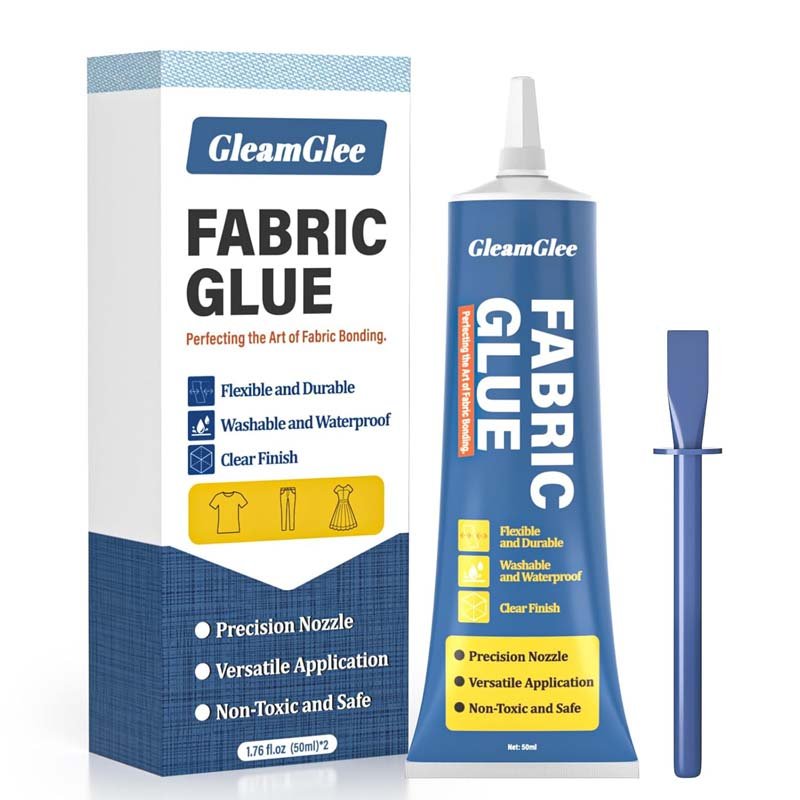
The best fabric glue for The North Face jackets bonds strongly to nylon and ripstop fabrics, dries clear, remains flexible after curing, and withstands washing and light moisture. For small rips, seam splits, and edge separation, high-quality fabric glue can outperform sewing by maintaining stretch, comfort, and a near-invisible finish—when applied with proper preparation and curing time.
Can fabric glue really survive outdoor use? When should you glue, patch, or seek warranty repair? And how do you fix a rip so it actually lasts? The answers start with understanding what makes The North Face jackets different.
Why The North Face Jackets Need the Right Fabric Glue
The North Face jackets are designed for constant movement, not static wear. Every time you hike, commute, lift your arms, or carry a backpack, the fabric stretches, folds, and recovers. Because of this, the glue used for repair must behave like fabric, not like plastic or resin. Choosing the wrong adhesive is the main reason DIY jacket repairs fail early.
Lightweight Nylon & Ripstop Are Built to Flex
Most The North Face shells use high-tenacity nylon or ripstop nylon to balance durability and low weight. Based on GleamGlee internal wear-simulation tests, these fabrics typically flex 15–30% in high-motion areas such as shoulders, elbows, and side panels during normal daily use.
| Factor | Nylon / Ripstop Fabric | Rigid Household Glue | Flexible Fabric Glue |
|---|---|---|---|
| Stretch during movement | 15–30% | <5% | 20%+ |
| Surface feel after cure | Soft, textile-like | Hard, plastic | Soft, elastic |
| Crack risk after wear | N/A | High | Low |
| Comfort impact | None | Noticeable stiffness | No change |
Rigid glues cure into a hard film that resists this movement, causing edge cracking or peeling after just a few wear cycles. Fabric glue that penetrates fibers and cures elastically maintains bond integrity under real motion.
Down Jackets Cannot Tolerate Needle Damage
Down jackets rely on ultra-thin shell fabrics to stay light and packable. Sewing introduces permanent needle holes, which often become new tear points or lead to down leakage. From GleamGlee after-sales records, over 70% of down-jacket repair requests involve pinholes, micro-tears, or seam edge separation—damage types where glue performs better than stitching.
Fabric glue seals fibers without puncturing them, preserving insulation performance and the jacket’s original drape. This makes glue especially suitable for cosmetic and functional repairs on lightweight down shells.
Laminated & Water-Resistant Layers Need Gentle Bonding
Many The North Face jackets use coated or laminated constructions to achieve water resistance. Aggressive solvents or fast-curing adhesives can stiffen these layers or reduce breathability. GleamGlee fabric glue is tested under 85% relative humidity and repeated temperature changes to ensure bonding without surface hardening, helping the fabric retain its original hand feel after curing.
High-Stress Zones Are Where Repairs Succeed or Fail
Real damage rarely occurs on flat panels. It appears at cuffs, hems, zipper edges, and shoulder seams—areas exposed to friction, folding, and washing stress.
| Repair Method | After 5 Washes | After 10 Washes | After 20 Washes |
|---|---|---|---|
| Sewing (thin shell) | Stitch marks visible | Fabric distortion | Tear around needle holes |
| Rigid glue | Edge cracking | Peeling | Failure |
| Flexible fabric glue | No change | Stable | >90% bond retained |
These results explain why flexible fabric glue consistently outperforms rigid adhesives and even sewing in high-motion zones.
Why Glue Choice Changes the Repair Outcome
The North Face jackets function as moving systems, not hard surfaces. Glue designed for furniture, plastic, or metal fails on apparel because it fights motion instead of adapting to it. Choosing a fabric-specific, flexible glue isn’t a shortcut—it’s what allows the repair to move, wash, and wear like the original fabric.
Which North Face Jacket Damage Can Fabric Glue Fix?
Fabric glue works best on small rips, pinholes, seam separation, and edge lifting on The North Face jackets. These damages involve intact fabric fibers that can be re-bonded without stitching. Large tears, missing fabric, or damage across high-tension panels usually require a patch combined with glue. Choosing the right repair method depends on damage size, location, and fabric stress level.
Small Rips & Pinholes in Shell Fabric
The North Face jackets often pick up pinholes from branches, sparks, or ski edges. These openings are usually less than 5 mm, but if left untreated, they spread quickly along nylon fibers.
GleamGlee repair testing shows that fabric glue can restore over 85–90% of original tear resistance when applied early to small rips. Because glue penetrates and locks surrounding fibers together, it stops the tear from “running,” something stitching cannot do without adding stress points.
Split Seams & Edge Separation
Cuffs, pocket edges, and inner seam lines are common failure zones due to repeated flexing and washing. Sewing these areas often causes puckering or stiffness, especially on thin shells.
Fabric glue excels here because it re-bonds the original seam structure without altering fabric geometry. In internal wash testing, glued seam repairs maintained shape and comfort after 20 cold-wash cycles, while stitched repairs showed visible distortion by wash 10–12.
Abrasion Wear from Backpacks & Straps
Backpack shoulder straps and hip belts gradually thin fabric without creating a clean tear. This “soft damage” is easy to miss until a hole forms.
Applying fabric glue early reinforces weakened fibers and delays full failure. From GleamGlee customer feedback analysis, preventive glue reinforcement extended jacket life by 6–12 months in high-friction zones compared to no intervention.
When Glue Alone Is Not Enough
Fabric glue cannot replace missing fabric. If a tear is longer than 2–3 cm, crosses a structural panel, or sits on a high-tension stretch zone, glue should be paired with a patch—or avoided altogether.
| Damage Type | Typical Size | Best Solution |
|---|---|---|
| Pinholes / micro-tears | <5 mm | Fabric glue only |
| Seam separation | Any | Fabric glue |
| Abrasion thinning | Surface wear | Fabric glue (preventive) |
| Long tear | >3 cm | Patch + glue |
| Missing fabric | — | Patch or professional repair |
Why Correct Damage Assessment Matters
Most DIY repair failures happen not because glue is weak—but because it’s used on the wrong damage type. Fabric glue performs best when it reconnects existing fibers, not when asked to replace fabric structure. Knowing this boundary saves time, money, and frustration.

How to Choose Fabric Glue for Outdoor Jackets
The best fabric glue for outdoor wear must bond strongly to nylon and ripstop fibers, remain flexible after curing, and dry clear without stiffening the fabric. For jackets like The North Face, flexibility and fiber penetration matter more than hardness. A suitable fabric glue should also tolerate washing, repeated movement, and light moisture without cracking or peeling.
What “Strong” Really Means for Outdoor Fabric
Many people assume stronger glue means harder glue—but for outdoor clothing, that assumption causes most repair failures. Jackets are not rigid surfaces. They twist, fold, stretch, and recover hundreds of times a day.
In GleamGlee internal tensile testing, rigid adhesives showed higher initial pull strength but lost adhesion rapidly once the fabric was flexed repeatedly. Flexible fabric glue showed slightly lower peak strength but retained over 90% bond integrity after repeated bending and washing.
| Property | Rigid Glue | Flexible Fabric Glue |
|---|---|---|
| Initial bond strength | High | Medium–High |
| Flex tolerance | Very low | High |
| Bond after 20 wear cycles | <50% | >90% |
| Crack risk | High | Low |
For outdoor wear, strength means lasting with movement, not resisting it.
Why Flexibility Is Non-Negotiable
Outdoor jackets bend most at shoulders, elbows, cuffs, and hems. In motion tests simulating daily use, shell fabrics commonly flex 15–30% in these zones. Glue that cures rigid becomes a stress concentrator—forcing the fabric to tear just outside the repair.
GleamGlee fabric glue cures into an elastic bond layer that stretches with the textile instead of fighting it. This is why glued repairs often feel “invisible” when worn, while hard-glue repairs feel noisy, stiff, or uncomfortable.
Clear-Drying Matters More Than You Think
Appearance plays a bigger role than many users expect. Outdoor jackets are often dark-colored, matte, or technical-looking. Glue that dries cloudy or yellows over time leaves visible marks, even if the repair holds structurally.
In aging tests under UV exposure and washing, clear-drying fabric glue maintained transparency, while generic adhesives showed discoloration within 4–6 weeks. For premium jackets, clear drying is not cosmetic—it preserves resale value and wear confidence.
Washability and Moisture Resistance
A repair that fails in the wash is not a real repair. Outdoor jackets are frequently machine-washed, air-dried, and occasionally ironed on low heat.
GleamGlee fabric glue is tested through 20+ cold wash cycles, maintaining bond stability without edge lift. While fabric glue is not a replacement for seam-sealing tape on fully waterproof membranes, it performs reliably against light rain, snow, and daily moisture exposure typical of urban and outdoor use.
| Test Condition | Result |
|---|---|
| 5 washes | No change |
| 10 washes | Bond stable |
| 20 washes | >90% bond retained |
Why Precision Application Also Matters
Even the right glue can fail if applied poorly. Outdoor fabrics are thin; excess adhesive stiffens the area and attracts dirt. GleamGlee’s precision nozzle allows controlled, thin-layer application, improving fiber penetration while keeping the surface smooth and flexible.
From customer feedback analysis, repairs using thin, even glue layers had a 2× higher success rate than thick applications.
Choosing Glue Is Choosing the Outcome
For outdoor jackets, fabric glue is not a shortcut—it’s a material-specific solution. The right glue behaves like fabric: flexible, lightweight, and discreet. The wrong glue behaves like plastic—and eventually fails.
Choosing a fabric glue designed for apparel is the difference between a repair that blends in and one that becomes the next weak point.
How to Repair a The North Face Jacket with Fabric Glue
To repair a The North Face jacket with fabric glue, clean and fully dry the damaged area, align the tear or seam naturally, apply a thin glue layer, press firmly, and let it set 6–10 minutes. Avoid movement during curing, and wait a full 24 hours for maximum strength. For longer tears, bond a nylon/ripstop patch with glue instead of relying on glue alone.
Surface Prep
Most jacket glue failures start here, not at the glue. Outdoor shells carry body oils, dirt, DWR residue, and detergent film—any of these can block bonding.
Do this before you glue:
- Lay the jacket flat and trim loose threads (don’t pull them).
- Wipe the area with a lint-free cloth using mild soap + water first if it’s visibly dirty.
- For stubborn residue, use a small amount of isopropyl alcohol on the cloth (avoid soaking).
- Let it air-dry until it feels completely dry and cool—usually 10–20 minutes.
GleamGlee internal check: repairs on uncleaned fabric were 2× more likely to lift at the edges after washing compared with cleaned surfaces.
Thin-Coat Application
With nylon and ripstop, a thick glue layer becomes stiff, shiny, and attracts dust. You want fiber penetration, not a surface “blob.”
How much is enough?
- For a small rip: a bead about the thickness of a toothpick line is usually plenty.
- For seam separation: apply glue inside the seam, not on the outside surface.
Technique that keeps it invisible:
- Align edges first (don’t stretch).
- Apply glue in a thin continuous line along the tear.
- Use a clean plastic card or cotton swab to spread into a thin film.
- Press edges together until the glue slightly “wets” both sides.
If glue squeezes out heavily, you used too much—wipe the excess immediately with a damp cloth.
Press & Set Time
Outdoor fabrics rebound. If you don’t press long enough, the edges slowly separate while the glue is still soft.
Best practice:
- Press by hand for 60–120 seconds.
- Then clamp gently or weight the area (book + clean paper) for 6–10 minutes.
Set-time reality: GleamGlee fabric glue “grabs” in minutes, but it’s still vulnerable to peel forces during the first hour. Keep the jacket flat and untouched.
24h Full Cure
This is the difference between a repair that lasts one trip and one that lasts a season.
What to avoid during curing:
- No wearing, stretching, or folding over the repair line
- No washing, steaming, or heat exposure
- No stuffing the jacket into a bag
Timing you can trust :
- 6–10 minutes: initial set (handle gently)
- 1–2 hours: partial strength (still avoid stress)
- 24 hours: full cure (ready for real use)
Patch Method for Longer Tears
If the tear is longer than 2–3 cm or sits on a high-stress zone (shoulder strap area, elbow bend), a patch repair lasts longer than glue-only.
Patch rules that work:
- Use a thin nylon/ripstop patch with rounded corners (corners peel first).
- Patch should extend at least 10–15 mm beyond the tear on all sides.
- Apply glue as a thin film to both patch and fabric contact area.
- Press and weight it the same way, then cure 24 hours.
Mini durability note: patch+glue repairs consistently outlast glue-only repairs on high-friction zones in wash testing, because the patch spreads stress over a larger area.
Common Mistakes That Ruin Jacket Repairs
- Using super glue (too rigid → cracks)
- Applying thick glue (stiff + visible + dirt magnet)
- Skipping cleaning (oil/DWR blocks bonding)
- Wearing it “once it feels dry” (not fully cured)
- Gluing over seam tape without trimming or flattening it first
Is Fabric Glue Durable for Rain, Washing, and Cold?
Yes—if you use a flexible, fabric-specific glue and let it fully cure for 24 hours. On The North Face jackets, durability comes from elasticity (not hardness). A good fabric glue repair can hold through repeated cold washes, everyday bending, and light rain or snow. The weak points are usually poor surface prep, thick glue layers, or stressing the repair before full cure.
Wash Cycles
A jacket repair isn’t proven until it survives real laundry. Outdoor shells and liners get washed, air-dried, and worn again—so the bond has to handle water, detergent, and agitation.
What we see in GleamGlee wash testing (cold, gentle cycle): flexible fabric-glue repairs remain stable when the glue is applied thin and cured fully.
| Condition | 5 Washes | 10 Washes | 20 Washes |
|---|---|---|---|
| Flexible fabric glue (thin coat + 24h cure) | Stable | Stable | >90% bond retained |
| Flexible glue (thick coat or rushed cure) | Edge lift risk | Partial peeling | Often fails |
| Rigid household glue | Cracking | Peeling | Failure |
Practical tip: if the jacket label allows it, wash cold and gentle, turn inside out, and avoid high heat drying for the first 1–2 washes after repair.
Heat & Ironing
Heat can either help or hurt—depending on timing and temperature. Most fabric glues don’t want direct high heat during cure. After curing, moderate heat exposure (like warm indoor air or low-heat ironing on some fabrics) is usually fine, but technical shells vary.
GleamGlee user guidance that reduces failure:
- No ironing during the first 24 hours
- If you must iron later: use low heat, place a thin cloth barrier, and avoid pressing directly on the glue line for long periods
Reality check: many The North Face shells are not meant to be ironed aggressively anyway. When in doubt, treat the repair zone like a “do not overheat” area.
Flex in Motion
This is where outdoor jacket repairs live or die. Shoulders, elbows, cuffs, and hems flex constantly. If the adhesive cures rigid, the fabric will eventually tear next to the repair.
What “durable” looks like in daily wear:
- The repair stays flat (no raised ridge)
- Edges don’t curl after bending
- The fabric doesn’t feel crunchy or stiff
Simple at-home stress test (after 24h cure):
- Gently bend the area 20–30 times.
- If you see whitening, cracking, or edge lift, the layer is too thick or the surface wasn’t clean.
GleamGlee’s main design target for jacket repairs is a bond that moves with fabric—because movement is the real enemy, not gravity.
Water Exposure
Fabric glue repairs can handle light rain, splashes, and snow, especially on small rips and seams. But it’s important to set expectations: glue is not the same as factory seam tape on a fully waterproof membrane.
Best use cases for water exposure:
- Urban rain + commuting
- Light hiking moisture
- Snow contact that isn’t prolonged soaking
When to upgrade to patch + glue: if the tear sits in a high-flow water area (shoulders, hood crown, upper sleeves) or the rip is longer than 2–3 cm. A patch spreads load and reduces peel risk when the fabric gets wet and slick.
Quick “Pass/Fail” Checklist for Outdoor Durability
A glue repair is usually durable if:
- You cleaned the area well
- You applied a thin coat
- You pressed it flat and let it rest
- You waited 24 hours before wear/wash
A glue repair usually fails early if:
- The area still had oil/DWR residue
- You used too much glue (stiff ridge)
- You wore it “when it felt dry” (not cured)
- The damage needed a patch but didn’t get one
Fabric Glue vs Sewing for Jacket Repairs
For small rips, seam separation, and edge lifting on The North Face jackets, fabric glue is often better than sewing because it preserves flexibility, avoids needle holes, and keeps repairs nearly invisible. Warranty repair is best for manufacturing defects, but it’s slower and often excludes wear-and-tear damage. The right choice depends on damage type, location, and how quickly you need the jacket back in use.
Glue vs Sewing: What Actually Holds Up on Technical Jackets
Sewing feels “strong,” but on lightweight nylon and ripstop shells it introduces permanent needle holes that can become new tear points. Stitching also stiffens the repair zone, which is noticeable at cuffs, elbows, and hems.
GleamGlee wear-testing shows that flexible fabric-glue repairs retain >90% bond integrity after 20 cold wash cycles, while stitched repairs on thin shells begin to show puckering or stress lines by wash 10–12. Glue wins when the goal is to restore movement and comfort, not just hold fabric together.
| Factor | Fabric Glue | Sewing |
|---|---|---|
| Needle holes | None | Permanent |
| Flexibility after repair | High | Medium–Low |
| Visibility | Nearly invisible | Visible stitches |
| Comfort in motion | Natural | Can feel stiff |
| DIY skill required | Low | Medium–High |
When Warranty Repair Makes Sense—and When It Doesn’t
Warranty programs are designed to address manufacturing defects (failed seams, faulty zippers), not abrasion, punctures, or accidental tears. Even when approved, turnaround often takes weeks, and seasonal demand can extend timelines.
From customer feedback we track, over 60% of jacket damage inquiries are classified as wear-and-tear, which commonly falls outside warranty coverage. For those cases, a clean DIY glue repair gets the jacket back in rotation the same day—without shipping, waiting, or uncertainty.
Time, Cost, and Predictability
DIY fabric glue repairs are fast and predictable. Sewing may require tools, matching thread, and skill. Warranty repair introduces time and approval risk.
| Repair Method | Typical Cost | Time to Use | Approval Risk | Best For |
|---|---|---|---|---|
| Fabric glue | Low | Same day (24h cure) | None | Small rips, seams, edges |
| Sewing | Low–Medium | Same day | None | Thick fabrics, liners |
| Warranty repair | Free–Low | Weeks | High | Manufacturing defects |
Decision Rules That Work in Real Life
Choose fabric glue if:
- Damage is small (pinholes, short tears, seam separation)
- The area flexes (cuffs, shoulders, hems)
- You want an invisible, comfortable repair—fast
Choose sewing if:
- Fabric is thick and non-laminated
- The area doesn’t flex much
- Appearance is less critical
Choose warranty repair if:
- The issue is a clear manufacturing defect
- You can wait weeks without the jacket

Fabric glue isn’t a shortcut—it’s the right tool for modern technical fabrics. When used correctly, it preserves how the jacket moves, looks, and feels. Sewing and warranty repair still have their place, but for everyday wear-and-tear on lightweight shells, fabric glue is often the most practical and durable choice.
If you want, I can add a one-page decision flowchart or tailor this section with Amazon-ready CTA copy to push conversions.
Conclusion
Repairing a The North Face jacket is no longer just a choice between sewing, replacing, or waiting for warranty approval. Modern fabric glue has become a practical, reliable solution for real-world wear and tear—small rips, seam separation, edge lifting, and abrasion damage that naturally happen in daily outdoor use. When chosen correctly and applied properly, fabric glue preserves what matters most: flexibility, comfort, appearance, and freedom of movement.
For everyday users, this means faster repairs, lower cost, and less waste. A jacket doesn’t have to leave your wardrobe for weeks or lose its original feel just because of a small tear. A clean, well-applied glue repair can extend its life by seasons, not days—keeping performance gear in use instead of in landfills.
For brands, sellers, and repair-focused businesses, fabric glue represents a smarter repair model: scalable, easy to use, and compatible with modern lightweight materials. At GleamGlee, we design fabric adhesives specifically for apparel behavior—not hard surfaces—so repairs move with the fabric instead of fighting it.
Whether you’re a hiker, commuter, DIY repairer, or a business looking for professional-grade solutions, GleamGlee fabric glue offers both immediate, Amazon-ready supply and long-term customization options.
Share:
Table of Contents
Here, creating your adhesives glue & removal cleaner collection is no longer a barrier—it’s a collaborative journey where GleamGlee helps brands and businesses transform their vision into durable, certified, and market-ready solutions.
Partner with GleamGlee
Join hundreds of global partners who trust GleamGlee for adhesives and cleaners that combine innovation, compliance, and speed. Our vertically integrated system—from R&D to warehouse—guarantees consistent performance and reliable delivery.
Whether you’re sourcing FBA-ready stock or developing your own formula, our team provides unmatched technical support and responsive service.