Skip to content
Fabric Glue for Nike Clothes: Permanent Repairs Without Sewing
Your trusted adhesives glue & cleaner manufacturer

Nike clothes are designed to move, stretch, breathe, and perform—but that same performance engineering is exactly why they’re difficult to repair. A tiny seam tear on Dri-FIT leggings, a peeling logo on a running shirt, or a loose hem on training shorts often leaves wearers with an uncomfortable choice: live with the damage, replace expensive apparel, or attempt a repair that may ruin the fabric entirely.
Traditional sewing isn’t always the answer. Needle holes can weaken synthetic fibers, distort stretch zones, or create stiff seams that feel uncomfortable during workouts. Household glues, on the other hand, often dry brittle, wash out, or stain high-performance fabrics. This is why more athletes, DIY users, and fashion-conscious consumers are searching for a smarter solution: fabric glue specifically formulated for modern sportswear.
Nike clothes demand something different—an adhesive that dries clear, stays flexible, survives washing, and moves naturally with the body. When chosen and used correctly, fabric glue can repair, reinforce, and even customize Nike clothing without compromising comfort or appearance.
Fabric glue can work extremely well on Nike clothes when it is flexible, washable, and designed for synthetic fabrics. The best fabric glue forms a permanent yet elastic bond that dries clear, won’t wash out, and won’t stiffen Dri-FIT or stretch materials. Unlike sewing or super glue, proper fabric glue preserves breathability and movement, making it ideal for repairs, hems, patches, and logos on athletic apparel.
To understand why fabric glue succeeds—or fails—on Nike clothes, we first need to look closely at what makes Nike fabrics fundamentally different from everyday clothing.
What Makes Nike Clothes Different From Regular Fabrics?
Nike clothes are made from engineered performance fabrics—such as polyester blends, Dri-FIT, mesh, and elastane—that stretch, wick sweat, and recover shape. These materials resist rigid adhesives and traditional sewing. To repair Nike apparel successfully, fabric glue must be flexible, washable, breathable, and compatible with synthetic fibers. Ordinary glues often crack, peel, or wash out under movement and washing.
What Nike Fabric Types Affect Bonding (Dri-FIT, Mesh, Elastane)?
Nike garments are not built like everyday cotton T-shirts. Most Nike clothes rely on synthetic, performance-engineered textiles, each designed to solve a specific athletic problem—moisture, heat, stretch, or durability. These same features directly affect how well glue bonds to the fabric.
Below is a simplified comparison of common Nike fabrics and how they interact with adhesives:
| Nike Fabric Type | Core Function | Surface Characteristics | Adhesive Challenge |
|---|---|---|---|
| Dri-FIT (Polyester blends) | Sweat-wicking, quick-dry | Hydrophobic, smooth fibers | Repels moisture-based glues |
| Mesh panels | Breathability & airflow | Open structure, low density | Glue can bleed through |
| Elastane / Spandex | Stretch & recovery | High elasticity | Rigid glue cracks under tension |
| Nylon blends | Strength & abrasion resistance | Dense, low absorbency | Limited glue penetration |
Because these fabrics are non-absorbent and elastic, fabric glue must chemically bond to fibers rather than soak in. This is why standard household glue often fails, while textile-specific adhesives succeed.
Why Do Stretch and Sweat-Wicking Fabrics Make Repairs Harder?
Nike clothes are designed to move with the body—sometimes stretching 30–50% beyond their resting shape during workouts. Every squat, stride, or jump places repeated micro-stress on seams, hems, and bonded areas.
If glue dries stiff or brittle, it creates a stress point. The fabric stretches; the glue doesn’t. The result is cracking, peeling, or complete bond failure—often after just one wash or workout.
Sweat-wicking technology adds another complication. Dri-FIT fabrics actively push moisture outward, meaning glue has less surface contact time before setting. Adhesives that rely on evaporation or absorption struggle here. Only fabric glue formulated to remain elastic after curing can survive this environment.
Does Fabric Glue Work on Clothing—and When Does It Fail?
Yes—fabric glue absolutely works on Nike clothes, but only under the right conditions.
Fabric glue fails on Nike apparel when:
- The glue dries hard instead of flexible
- The surface isn’t cleaned of sweat, oils, or detergent residue
- Too much glue is applied, creating stiffness
- The garment is washed before full curing (24 hours)
Fabric glue succeeds when it behaves like a soft, invisible seam, not a plastic layer. High-quality fabric glue bonds fibers together while preserving stretch, airflow, and comfort—making it suitable for athletic wear that sees constant motion.
How Nike Fabrics Compare to Regular Clothing Fabrics (Why Glue Choice Matters)
Many users assume fabric glue works the same on all clothing. This is a critical misunderstanding. The table below highlights why Nike clothes demand a different adhesive approach:
| Feature | Regular Clothing (Cotton, Denim) | Nike Performance Clothing |
|---|---|---|
| Fiber absorbency | High | Low |
| Stretch | Minimal | High |
| Sweat exposure | Low–moderate | High |
| Heat & friction | Moderate | High |
| Suitable glue type | Basic fabric glue | Flexible, washable performance glue |
This difference explains why a glue that works on jeans or curtains may completely fail on Nike leggings or training tops.
Why Choosing the Wrong Glue Can Ruin Nike Clothes Permanently
Using the wrong adhesive doesn’t just cause repair failure—it can permanently damage Nike fabrics. Super glue and solvent-based glues can:
- Stain or yellow fabric
- Melt synthetic fibers
- Create sharp, abrasive patches
- Destroy stretch zones
Once damaged, performance fabric rarely recovers. That’s why Nike clothing repairs require a fabric glue designed for modern synthetic sportswear, not improvised substitutes.
Which Fabric Glue Is Safe for Nike Clothes?
The safest fabric glue for Nike clothes is one that stays flexible after drying, bonds synthetic fibers, dries clear, and resists washing and sweat. Because Nike apparel uses stretch, sweat-wicking materials, fabric glue must be water-resistant, non-yellowing, and compatible with polyester and elastane. Rigid glues, instant adhesives, and solvent-based products can permanently damage Nike fabrics.
Which Fabric Glue Is Best to Stick Fabric to Fabric on Nike Apparel?
When repairing Nike clothes, you are not simply “gluing fabric”—you are bonding two engineered textile surfaces that constantly move. The best fabric glue behaves like a flexible seam rather than a hardened patch.
A suitable fabric glue must:
- Penetrate synthetic fibers without soaking through
- Cure into an elastic film that stretches and recovers
- Maintain adhesion under repeated motion and friction
This is why textile-specific fabric glue consistently outperforms general-purpose adhesives. It creates a fiber-to-fiber bond that flexes naturally with Nike apparel, especially in areas like hems, seams, logos, and patches.
What Glue Is Permanent on Fabric—and What “Permanent” Really Means for Nike Clothes
Many users search for “permanent fabric glue,” expecting something indestructible. In reality, permanence on fabric means durability under real-world conditions, not hardness.
For Nike clothes, permanent fabric glue must withstand:
- Repeated stretching (running, squatting, lifting)
- Sweat exposure and body heat
- Regular machine washing
- Light ironing from the reverse side
Rigid glues may seem strong at first but fail quickly under movement. True permanence comes from elasticity plus wash resistance, not stiffness.
Which Fabric Glue Won’t Wash Out? (Washable vs Truly Durable Bonds)
Not all washable fabric glues perform equally. Many products survive a few gentle washes but fail after repeated cycles. On Nike clothes—often washed frequently—this difference matters.
Below is a comparison of glue performance types:
| Glue Claim | What It Usually Means | Suitable for Nike Clothes? |
|---|---|---|
| “Washable” | Survives a few gentle washes | ⚠️ Limited |
| “Water-resistant” | Resists moisture after curing | ✅ Better |
| “Flexible & Washable” | Moves with fabric, survives washes | ✅ Ideal |
| “Rigid permanent” | Hard bond, cracks over time | ❌ No |
A high-quality fabric glue that fully cures for 24 hours will not wash out under normal cold or warm washing conditions.
What Safety Features Should Fabric Glue Have for Sportswear?
Safety for Nike clothes isn’t just about skin contact—it’s also about fabric integrity. The safest fabric glues share several key properties:
| Safety Feature | Why It Matters |
|---|---|
| Non-toxic, low-odor | Safe for indoor use and skin contact |
| Non-yellowing | Maintains clean, professional appearance |
| No fabric hardening | Preserves comfort and breathability |
| Compatible with synthetics | Prevents fiber degradation |
These features ensure repairs remain invisible and comfortable—even during long workouts.
Which Types of Glue Should You Never Use on Nike Clothes?
Some adhesives are actively harmful to Nike apparel and should always be avoided:
| Glue Type | Why It’s Unsafe |
|---|---|
| Super glue (cyanoacrylate) | Dries brittle, cracks, stains |
| Hot glue | Melts or stiffens synthetic fibers |
| Solvent-based glue | Causes discoloration and odor |
| All-purpose craft glue | Washes out, weak bond |
Once damaged by these glues, Nike performance fabric often cannot be restored.
Why Precision Application Matters for Safe Fabric Gluing
Even the safest fabric glue can fail if applied incorrectly. Precision nozzles or applicators allow users to:
- Apply thin, controlled layers
- Avoid bleed-through on mesh fabrics
- Prevent stiff patches on stretch zones
Thin, even application is the difference between a professional-looking repair and an uncomfortable, visible fix.
How Do You Repair Nike Clothes With Fabric Glue Step by Step?
To repair Nike clothes with fabric glue, clean and fully dry the fabric, align the tear or patch, apply a thin, even layer of flexible fabric glue, press firmly, and let it set for 6–10 minutes. For maximum strength, allow a full 24-hour cure before washing or wearing in intense workouts. The key is thin application, correct pressure, and enough curing time—especially on Dri-FIT and stretch fabrics.
How Do You Prep Nike Fabric for Maximum Adhesion?
Nike performance fabrics often carry invisible barriers that weaken adhesion—sweat salts, skin oils, fabric softener residue, and detergent film. If you skip prep, glue may “stick” initially but peel after the first wash or stretch.
Prep checklist (do this every time):
- Wash the garment (no fabric softener, no dryer sheets).
- Air dry completely—fabric must be 100% dry, not “almost dry.”
- Wipe the repair zone with a slightly damp cloth if needed, then dry again.
- Flatten the fabric on a hard surface (table or board).
- For frayed edges, trim loose fibers (do not enlarge holes).
If you’re repairing a seam tear, gently bring edges together and test alignment before applying glue. On mesh panels, place a backing sheet underneath to prevent glue bleed-through.
How Much Glue Should You Apply for a Clean, Flexible Bond?
The most common reason Nike clothing repairs feel stiff is using too much glue. On athletic apparel, glue should work like an invisible seam, not a thick coating.
A good rule: thin layer + full coverage. You want enough adhesive to bond fibers, but not so much that it saturates the fabric or forms a hard ridge.
Application guidance by scenario:
| Repair Type | Glue Amount | Best Technique | Common Failure |
|---|---|---|---|
| Small tear (1–3 cm) | Very thin line | Close edges → glue line → press | Too much glue stiffens |
| Hem (shorts/shirts) | Thin continuous bead | Fold → glue inside fold → clamp | Uneven glue causes waviness |
| Patch (inside reinforcement) | Thin “frame + dots” | Glue edges + small dots center | Full coating causes bleed |
| Logo edge lifting | Micro bead | Toothpick-level control | Glue squeeze-out looks shiny |
Pro tip: Use a cotton swab or small applicator to spread glue evenly. For Nike stretch fabric, spreading is safer than “piling.”
What Is the Best Step-by-Step Method for Common Nike Repairs?
Different Nike clothing problems need slightly different repair methods. Here’s the most reliable “universal” method, followed by scenario-specific micro-adjustments.
Universal 8-Step Repair Method (Works for Most Nike Apparel)
- Clean & dry the area completely (see prep section).
- Align fabric edges or position the patch precisely.
- Apply glue in a thin, even layer (never thick blobs).
- Press surfaces together immediately.
- Apply steady pressure for 30–60 seconds.
- Keep pressed using a clip / weight (5–10 minutes).
- Let it set untouched for at least 6–10 minutes.
- Allow 24 hours full cure before washing or intense workouts.
Scenario Adjustments (What changes and why)
- Dri-FIT / smooth polyester: use slightly longer pressing time because the surface is low-absorbency.
- Mesh panels: glue less, press more, and use backing to prevent seep-through.
- Elastane / leggings: keep glue area small to preserve stretch recovery.
How Do You Clamp or Press Nike Fabric Without Leaving Marks?
Pressure is the “hidden secret” behind durable fabric glue repairs. Nike fabrics often rebound and shift during curing if not held in place.
Safe pressing tools:
- Books wrapped in clean cloth
- Binder clips with cloth padding
- Flat weights (light dumbbell, water bottle)
Avoid:
- Bare metal clips on visible fabric (leave dents)
- Over-tight clamping that squeezes glue out and creates shiny marks
Best practice: Use moderate pressure—enough to keep contact, not enough to squeeze glue into the fabric weave.
How Long Does Fabric Glue Take to Dry on Nike Clothing?
Nike clothes are often worn quickly after repair, which is why this question is so popular in Google searches. Understanding “set time” vs “cure time” prevents 90% of failures.
| Stage | Typical Time | What You Can Do | What You Must Avoid |
|---|---|---|---|
| Initial set | 6–10 minutes | Light handling | Stretching, wearing |
| Handling strength | 1–2 hours | Very gentle movement | Washing, workouts |
| Full cure | ~24 hours | Normal wear, washing | High heat early |
If you repair leggings or stretch zones, be conservative: treat 24 hours as non-negotiable.
What Are the Best “Nike-Specific” Repair Cases for Fabric Glue?
Fabric glue is not just for holes. Nike apparel commonly fails in predictable places, and glue is ideal for many of them:
- Hem separation on shorts or shirts
- Small seam splits near armpits or inner thigh
- Patch reinforcement on high-friction areas
- Logo edge lifting (light, precise bonding)
- Decorative customization (appliqués, reflective strips, DIY designs)
When done properly, these repairs can look nearly invisible, preserve stretch, and survive repeated washes—exactly what Nike wearers want.

Can You Wash and Iron Nike Clothes After Using Fabric Glue?
Yes, Nike clothes repaired with high-quality fabric glue can be safely washed and lightly ironed—but only after full curing. Most flexible, washable fabric glues become water-resistant once cured for 24 hours. Cold or warm washing is recommended, while high heat and early washing can weaken the bond. Ironing should be done from the reverse side at low to medium heat.
What Fabric Glue Won’t Wash Out After Machine Cycles and Sweat?
Not all fabric glues survive washing equally—especially on Nike clothes that are exposed to sweat, friction, and frequent laundering. A fabric glue that won’t wash out must meet three technical conditions:
- Elastic after curing (moves with the fabric)
- Water-resistant polymer structure
- Proper curing time respected (24 hours)
Sweat alone does not dissolve cured fabric glue, but heat + agitation can shorten its lifespan if the glue is rigid or under-cured.
Below is a practical comparison that reflects real-world performance:
| Glue Property | Performance After Washing | Suitable for Nike Clothes |
|---|---|---|
| Rigid / hard-dry glue | Cracks, peels | ❌ No |
| Basic “washable” glue | Fades over time | ⚠️ Limited |
| Flexible & washable glue | Survives 30–50 washes | ✅ Yes |
| Flexible + waterproof glue | Best long-term durability | ✅ Ideal |
For Nike apparel, flexibility matters more than raw “stickiness.”
How Do You Wash Glued Nike Clothes Without Weakening the Bond?
Washing technique is just as important as glue choice. Many repairs fail not because of bad glue, but because garments are washed incorrectly.
Best washing practices for glued Nike clothes:
- Wait at least 24 hours after repair before washing
- Turn garments inside out
- Use cold or warm water (≤30–40°C / 86–104°F)
- Choose a gentle or sportswear cycle
- Use mild detergent only
Avoid at all costs:
- Fabric softener (coats fibers, weakens adhesion)
- Bleach (degrades polymers)
- Heavy-duty cycles
- Early washing (most common failure cause)
Pro tip: Air drying significantly extends bond life compared to tumble drying.
Can You Put Nike Clothes With Fabric Glue in the Dryer?
Technically, some fabric glues tolerate low-heat tumble drying, but this is not ideal for Nike apparel.
| Drying Method | Impact on Glue Bond | Recommendation |
|---|---|---|
| Air dry | Preserves elasticity | ⭐ Best |
| Tumble dry (low heat) | Gradual aging | ⚠️ Occasional |
| Medium–high heat | Softens or weakens glue | ❌ Avoid |
Nike performance fabrics already suffer under high heat; adding glue makes heat management even more important.
Can You Iron Over Fabric Glue—and How to Do It Safely?
Ironing is safe only when done correctly. Fabric glue does not like direct, high heat—especially on synthetic fibers.
Safe ironing rules:
- Wait until glue is fully cured (24 hours+)
- Turn the garment inside out
- Use low to medium heat
- Place a pressing cloth between iron and fabric
- Avoid steam directly on the glued area
Why this matters:
Direct heat can temporarily soften adhesive polymers, causing edge lift or imprinting fabric texture into the glue.
What Happens If You Wash or Iron Too Soon? (Failure Analysis)
Understanding failure modes helps users avoid repeating mistakes. Here’s what typically goes wrong:
| Mistake | Result | Why It Happens |
|---|---|---|
| Washing before 24h cure | Bond peels | Glue not fully cross-linked |
| Hot wash cycle | Edge lifting | Polymer softening |
| Direct high-heat ironing | Shiny marks | Adhesive re-melts |
| Fabric softener use | Gradual failure | Fiber coating blocks grip |
Once a glue bond is compromised by heat or early washing, re-gluing is rarely as strong as the first bond.
How Often Can You Wash Nike Clothes After Fabric Glue Repair?
With proper glue choice and care, repaired Nike clothes can be washed weekly or bi-weekly without issue. Many users report durability across months of regular wear when cold washing and air drying are used consistently.
For athletes who wash clothes frequently, care habits matter as much as the adhesive itself.
What Are Common Mistakes When Using Fabric Glue on Nike Apparel?
Most fabric glue failures on Nike apparel come from using the wrong glue, applying too much adhesive, skipping fabric prep, or washing too soon. Nike fabrics stretch, wick sweat, and resist absorption, so rigid glues and rushed curing lead to peeling, stiffness, or visible marks. Correct glue choice, thin application, proper pressure, and a full 24-hour cure prevent nearly all repair failures.
Why Does Fabric Glue Peel Off After Washing? (Root Causes Explained)
Peeling after washing is the most common complaint users report when repairing Nike clothes. In almost every case, the glue itself isn’t the problem—the process is.
The three most frequent root causes are:
- Under-curing – washing before the adhesive fully cross-links
- Rigid glue choice – glue can’t stretch with the fabric
- Surface contamination – sweat salts, oils, or fabric softener residue
Nike apparel is washed more often than casual clothing, so small process errors show up fast. Once peeling starts, re-gluing rarely restores full strength unless the area is cleaned and re-cured correctly.
Using the Wrong Type of Glue (Why “Strong” Isn’t Always Better)
Many users assume that stronger glue equals better results. On Nike clothing, this logic backfires.
| Glue Type | What Goes Wrong on Nike Fabric |
|---|---|
| Super glue | Dries brittle, cracks with stretch |
| Hot glue | Hardens, melts fibers, uncomfortable |
| Solvent glue | Stains, yellows, weakens fabric |
| General craft glue | Washes out over time |
Nike clothes need flexible strength, not rigid bonding. A glue that feels rock-hard after drying is almost guaranteed to fail on performance apparel.
Applying Too Much Glue (The #1 Beginner Mistake)
Excess glue does not improve durability—it does the opposite. Thick layers dry unevenly, trap moisture, and create stiff patches that pull away under movement.
Symptoms of over-application:
- Shiny or darkened spots
- Stiff or scratchy texture
- Glue seeping through mesh
- Visible outlines after drying
Correct approach: thin, even coverage that bonds fibers without flooding them. Think “invisible seam,” not “coated area.”
Skipping Proper Fabric Preparation
Nike fabrics often look clean but are chemically dirty. Sweat residue, skin oils, and fabric softeners form invisible barriers that prevent proper adhesion.
| Prep Step Skipped | Result |
|---|---|
| Washing before repair | Glue sticks temporarily |
| Removing softener residue | Bond weakens after wash |
| Drying completely | Moisture blocks adhesion |
Always wash (no softener), dry fully, and flatten the fabric before gluing.
Not Applying Enough Pressure During Curing
Fabric glue bonds through contact, not just chemistry. Without pressure, fibers don’t interlock properly.
Common pressure mistakes:
- Light finger press only
- Pressing too briefly
- Uneven pressure across the bond
Use gentle but consistent pressure for 30–60 seconds, then hold or weight the area for 5–10 minutes. This dramatically improves durability—especially on smooth Dri-FIT fabric.
Washing or Wearing Too Soon (Cure Time Misunderstood)
“Dry to the touch” is not the same as “fully cured.” This misunderstanding causes many early failures.
| Stage | Time | What’s Safe |
|---|---|---|
| Initial set | 6–10 min | Do not stretch |
| Partial strength | 1–2 hrs | Light handling only |
| Full cure | ~24 hrs | Washing & workouts |
Wearing leggings or training tops before full cure places immediate stress on the bond—often causing micro-tears that grow over time.
Ignoring Stretch Zones and High-Stress Areas
Nike clothes fail predictably in areas that move the most: waistbands, inner thighs, elbows, knees, and underarms. Applying glue incorrectly here is a common mistake.
What goes wrong:
- Glue applied across entire stretch panels
- Large rigid glue zones restrict movement
- Stress concentrates at glue edges
Better approach: limit glue to seams, edges, or reinforcement points. Preserve the natural stretch path of the fabric.
How to Diagnose a Failed Repair (Quick Troubleshooting Table)
| Symptom | Likely Cause | How to Fix |
|---|---|---|
| Peeling after wash | Early washing | Clean & re-glue, cure 24h |
| Stiff patch | Too much glue | Reduce amount, spread thin |
| Shiny mark | Direct heat | Iron from inside, low heat |
| Edge lifting | Insufficient pressure | Re-press during set time |
Is Fabric Glue Better Than Sewing for Nike Clothing Repairs?
In many cases, yes. Fabric glue is often better than sewing for Nike clothing repairs because it preserves stretch, avoids needle damage, dries clear, and requires no sewing skills. It works especially well for hems, small seam tears, patches, and logo repairs. Sewing is still useful for heavy structural seams, but fabric glue is faster, cleaner, and more compatible with modern Nike performance fabrics.
Why Sewing Can Damage Nike Performance Fabrics
Nike apparel is engineered to stretch, recover, and breathe. Traditional sewing introduces needle holes that permanently puncture synthetic fibers. Over time, these holes can widen, fray, or distort stretch zones—especially on leggings, compression wear, and Dri-FIT tops.
Sewing also creates localized stiffness. Thread does not stretch the same way as elastane fibers, so stitched areas often feel tighter or less comfortable during movement. This is particularly noticeable in high-mobility areas like inner thighs, shoulders, and waistbands.
For lightweight Nike fabrics, sewing can fix the problem—but at the cost of comfort and long-term fabric integrity.
How Fabric Glue Preserves Stretch, Comfort, and Appearance
Fabric glue works differently. Instead of piercing fibers, it bonds them together, creating a flexible seam-like structure that moves with the fabric. When the glue cures elastically, the repair stretches and relaxes naturally with the garment.
Visually, fabric glue also has an advantage. High-quality glue dries clear and remains invisible, while stitches—even neat ones—are often noticeable on smooth athletic fabrics. For logo edges, hems, and decorative elements, glue maintains the original factory look far better than sewing.
For Nike clothing that’s worn close to the skin, comfort and appearance matter just as much as strength.
Fabric Glue vs Sewing: Side-by-Side Comparison for Nike Apparel
| Factor | Fabric Glue | Sewing |
|---|---|---|
| Stretch compatibility | Excellent | Limited |
| Risk of fabric damage | Low | Medium–High |
| Appearance | Invisible when done right | Visible stitches |
| Skill required | Beginner-friendly | Moderate–Advanced |
| Time needed | Minutes + cure | Longer |
| Best for Nike fabrics | Yes | Sometimes |
This comparison explains why many Nike users prefer glue for quick, clean repairs.
When Fabric Glue Is Clearly the Better Choice
Fabric glue is usually the better option when:
- Repairing hems on shorts or shirts
- Fixing small seam splits
- Reattaching logos or patches
- Reinforcing high-friction areas
- Doing DIY customization
In these scenarios, glue preserves the garment’s original performance and appearance while saving time and effort.
When Sewing Still Makes Sense (And How to Combine Both)
Sewing still has value for:
- Long, load-bearing seams
- Structural repairs under heavy tension
- Zipper replacements
In many professional repairs, sewing and fabric glue are used together. Glue is applied first to hold alignment and distribute stress, then stitches reinforce the area. This hybrid approach improves durability while minimizing fabric damage.
Which Method Is Better for Beginners and Everyday Users?
For most everyday Nike wearers—runners, gym users, parents, students—fabric glue is simply more practical. It requires no special tools, no sewing skills, and produces reliable results when basic instructions are followed.
Sewing demands time, precision, and practice. Fabric glue lowers the barrier to repair, making it easier for users to extend the life of expensive Nike apparel rather than replacing it.

FAQs: Do You Really Need Fabric Glue for Nike Clothes?
Yes, fabric glue is often the easiest and safest way to repair Nike clothes. Because Nike apparel uses stretch, sweat-wicking synthetic fabrics, sewing and rigid glues can damage fibers or restrict movement. High-quality fabric glue provides a flexible, washable, and nearly invisible repair, making it ideal for hems, small tears, logos, and patches on Nike clothing.
Q1: Does Fabric Glue Really Work on Nike Clothing?
Yes—when the glue is designed for fabric and used correctly. Nike clothes are made from polyester blends, elastane, and mesh that resist absorption and stretch constantly. Fabric glue formulated for textiles bonds fibers together elastically, allowing the repair to stretch and recover with the garment.
Failures usually happen when people use the wrong glue (super glue, craft glue) or wash the garment too soon. With proper curing, fabric glue works reliably on most Nike apparel repairs.
Q2: Do You Need Fabric Glue If You Can Sew?
Not always—but fabric glue is often the better option for Nike clothes. Sewing punctures synthetic fibers and can distort stretch zones, while glue preserves the fabric’s original structure.
If you’re repairing long structural seams, sewing may still help. But for hems, small tears, logos, patches, and cosmetic fixes, fabric glue is faster, cleaner, and safer for performance fabrics.
Q3: Is Fabric Glue Permanent on Nike Clothes?
Fabric glue can be permanent in real-world terms—meaning it withstands washing, sweat, and daily wear—if it is flexible and fully cured.
“Permanent” on fabric does not mean rigid. The most durable repairs come from glue that stays elastic after drying. When cured for 24 hours and washed correctly, high-quality fabric glue can last for months or even years on Nike apparel.
Q4: What Fabric Glue Won’t Wash Out on Nike Apparel?
A fabric glue that won’t wash out must be:
- Flexible after curing
- Water-resistant
- Compatible with synthetic fibers
- Fully cured before washing
Cold or warm washes and air drying significantly extend bond life. Many users report 30–50 wash cycles with no peeling when care instructions are followed.
Q5: Can Fabric Glue Replace Sewing for Nike Clothing Repairs?
For many everyday repairs—yes. Fabric glue replaces sewing in situations where appearance, comfort, and flexibility matter more than load-bearing strength.
Glue is especially effective for:
- Hemming shorts or shirts
- Fixing seam splits
- Reattaching logos
- Applying patches or decorations
Sewing still has a role for heavy seams, but glue handles most common Nike repairs more gracefully.
Q6: Will Fabric Glue Damage Nike Fabric or Affect Breathability?
No—if you use the right glue and apply it thinly. Fabric glue designed for clothing does not melt fibers, block airflow, or stiffen fabric when used properly.
Problems arise only when glue is applied too thickly or when rigid adhesives are used. Thin, controlled application preserves breathability and comfort.
Q7: Is Fabric Glue Safe for Skin and Daily Wear?
Most modern fabric glues are non-toxic, low-odor, and skin-safe once cured. After drying, the glue layer becomes inert and does not irritate skin during normal wear.
This makes fabric glue suitable for leggings, tops, and garments worn close to the body.
Q8: What’s Better for Beginners—Fabric Glue or Sewing?
Fabric glue is far more beginner-friendly. It requires no sewing skills, no machines, and minimal tools. With basic preparation and patience during curing, even first-time users can achieve clean, professional-looking repairs.
For most everyday Nike wearers, fabric glue removes the complexity and stress of clothing repair.

Conclusion
Nike clothes are built to perform—and they deserve repairs that match that standard. Fabric glue offers a modern, intelligent alternative to sewing, helping you extend the life of your favorite sportswear without compromising comfort, stretch, or style.
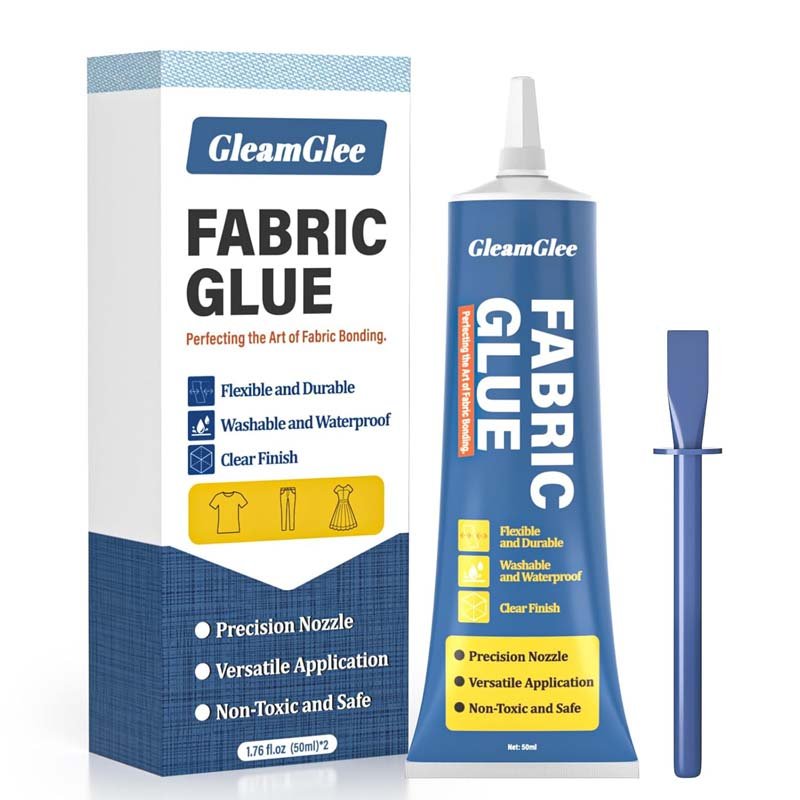
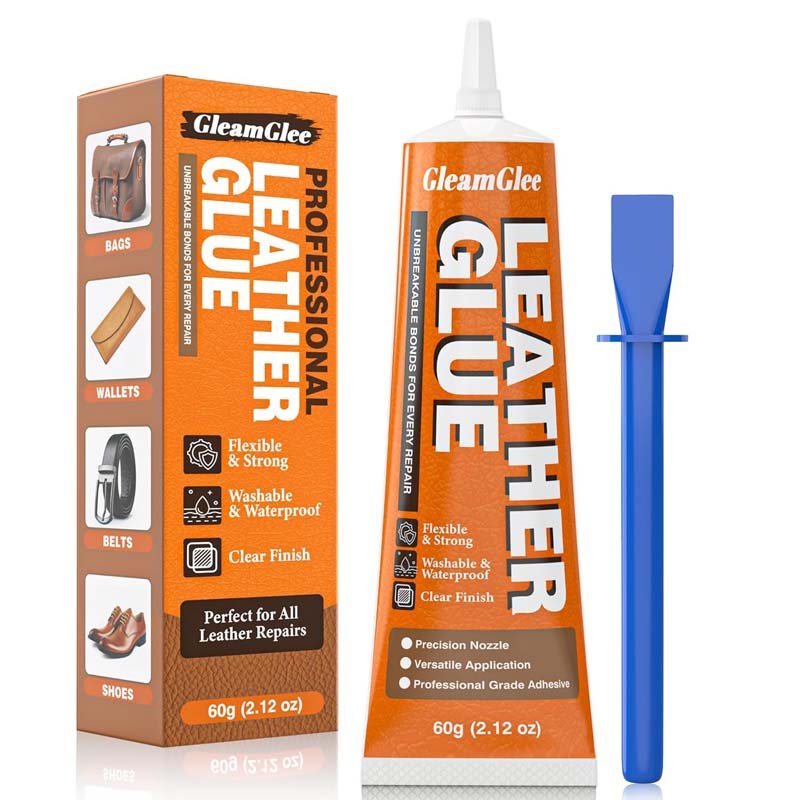
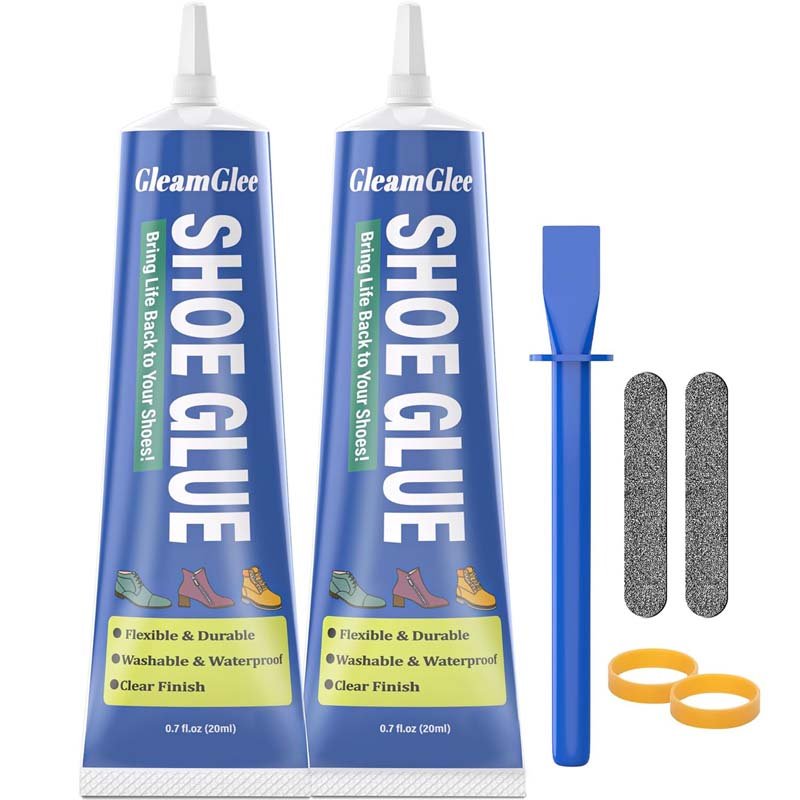
GleamGlee fabric glue is engineered for real clothing repairs, not just crafts. It dries clear, stays flexible, resists washing, and works seamlessly on modern athletic fabrics—making it ideal for Nike apparel repairs, customization, and everyday fixes.
Share:
Table of Contents
Here, creating your adhesives glue & removal cleaner collection is no longer a barrier—it’s a collaborative journey where GleamGlee helps brands and businesses transform their vision into durable, certified, and market-ready solutions.
Partner with GleamGlee
Join hundreds of global partners who trust GleamGlee for adhesives and cleaners that combine innovation, compliance, and speed. Our vertically integrated system—from R&D to warehouse—guarantees consistent performance and reliable delivery.
Whether you’re sourcing FBA-ready stock or developing your own formula, our team provides unmatched technical support and responsive service.