Skip to content
Fabric Glue for Stretch Materials That Stays Flexible After Drying
A cleaner way to repair stretch denim, leggings, knitwear, jersey fabric, and no-sew patch jobs without turning the repair stiff or obvious.
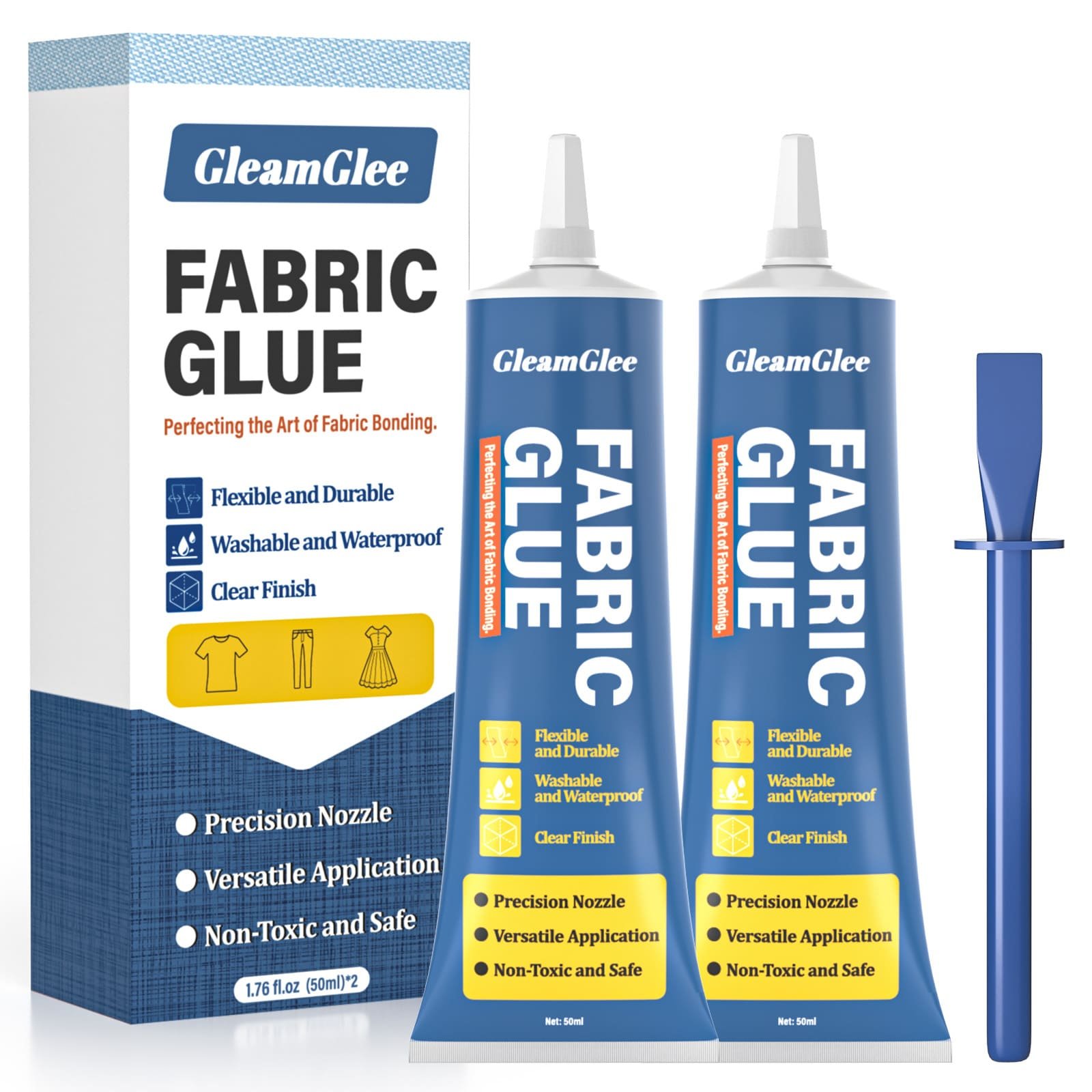
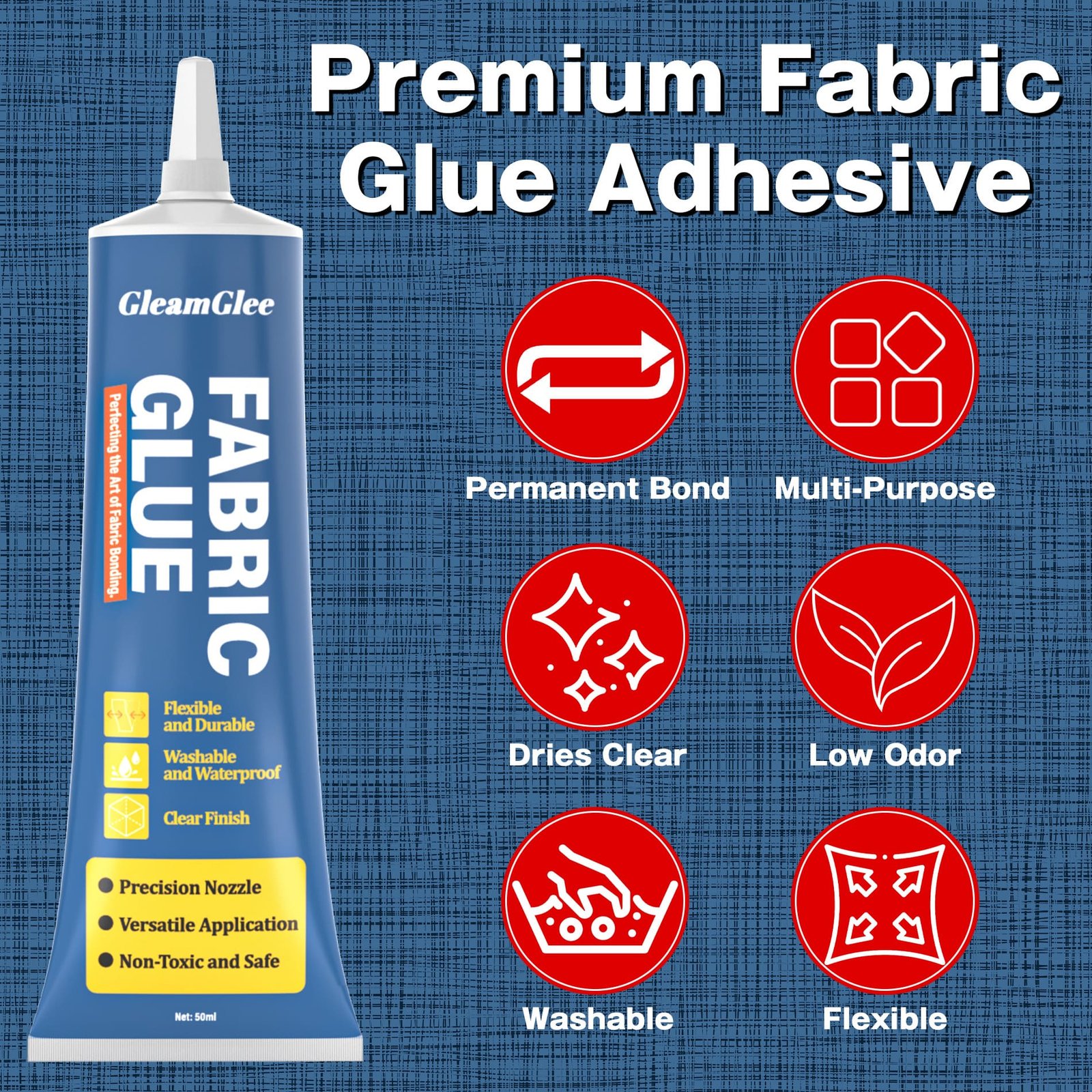
Finding the right fabric glue for stretch materials is not just about strong hold. It is about getting a repair that still looks neat, feels wearable, and stays reliable after movement, daily use, and washing. GleamGlee fabric glue is designed for clean, practical no-sew fixes on clothing and flexible fabric surfaces where appearance and comfort both matter.
Clear-Drying Finish
Helps repairs look cleaner and less obvious on visible fabric.
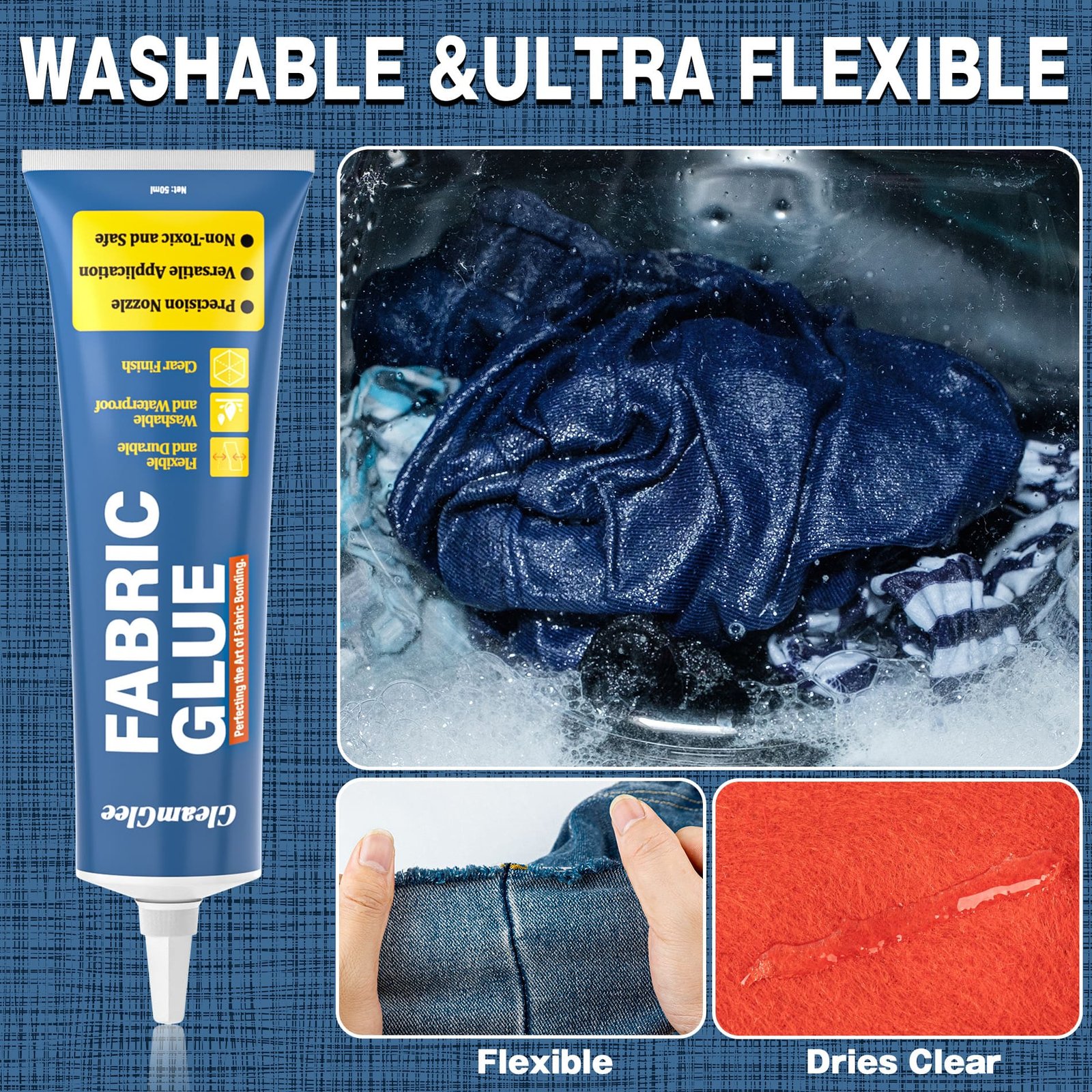
Washable Hold
Made for clothing and fabric repairs that need to handle real use.
Flexible After Drying
Better suited to stretch materials that bend and move.
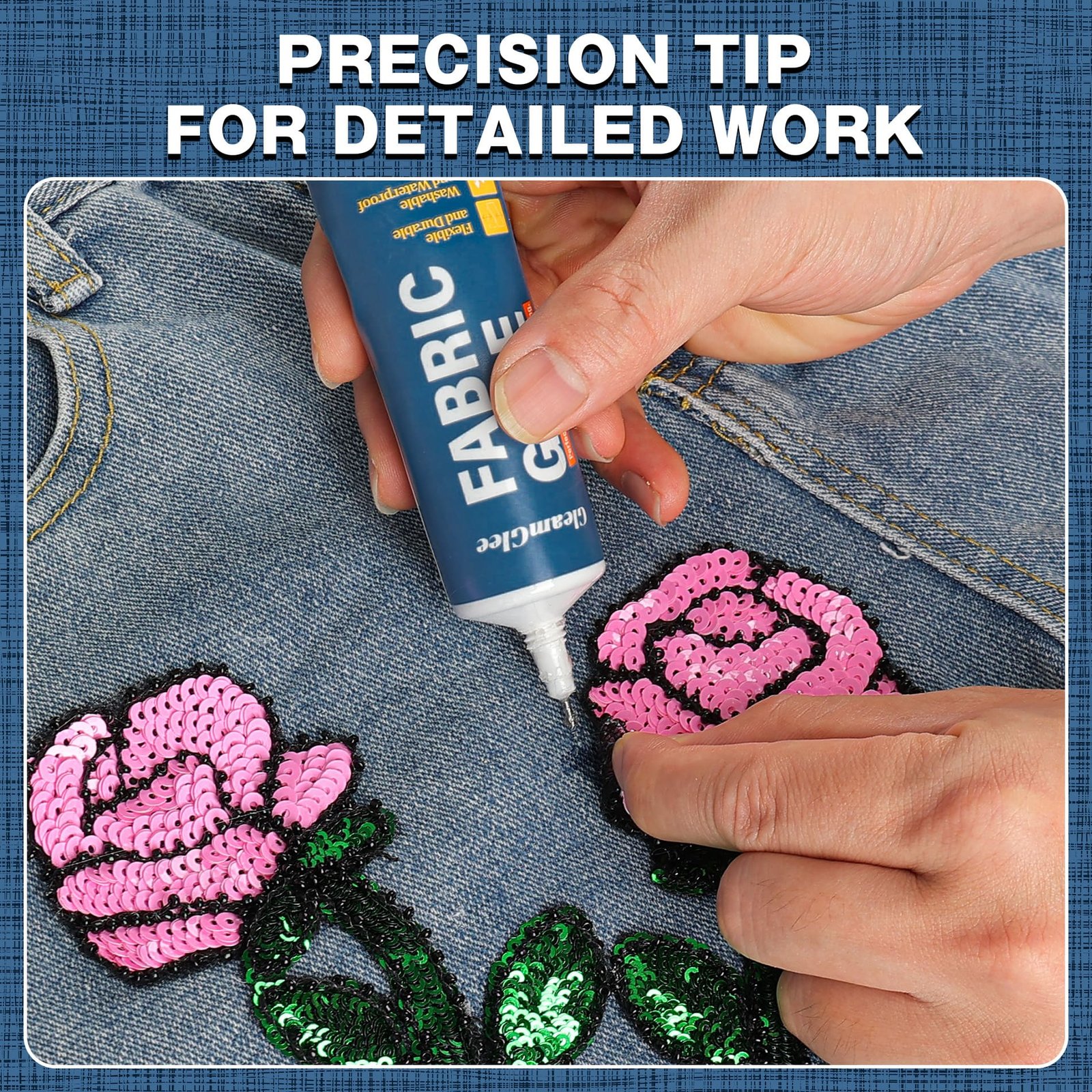
Precision Tip Control
Makes it easier to apply a thin, neat line with less mess.
No-Sew Convenience
A simple option for quick clothing, patch, and fabric fixes.
Multi-Use Fabric Repair
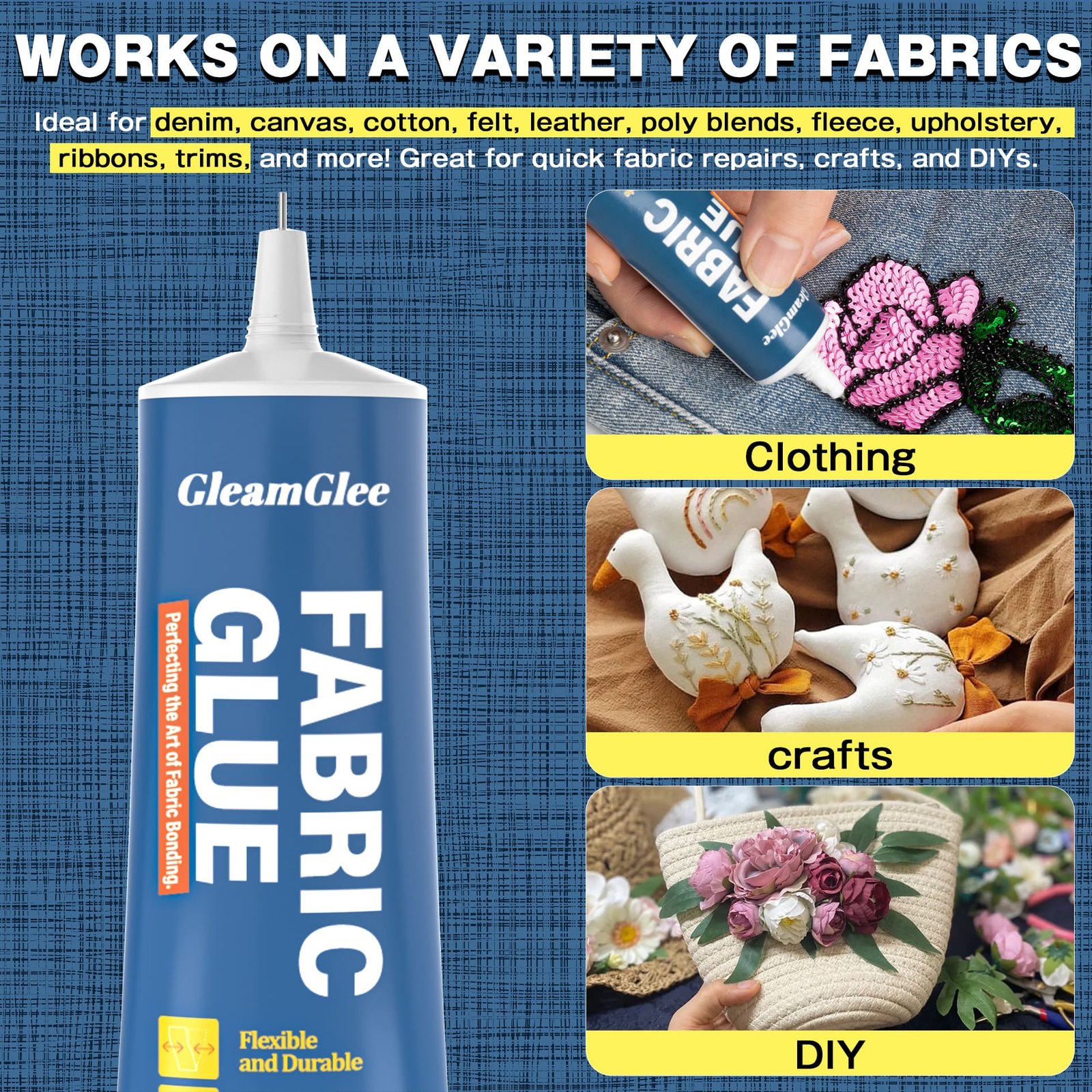
Works well for denim, patches, felt, textiles, and upholstery projects.

What People Really Want When They Search “Fabric Glue for Stretch Materials”
Most people searching “How to Fix Torn Jeans with Fabric Glue” are not looking for a general article about adhesives. They are usually trying to solve one immediate problem:
“These jeans are torn. I still want to wear them. Can I fix them at home without sewing, and will it actually hold?”
That is why this search is more than a simple how-to query. It usually includes several hidden questions about method, appearance, durability, and product choice. A strong page should answer those clearly before trying to sell anything.
1
Too much glue
A big part of the appeal is avoiding sewing altogether. Many people do not want to use a sewing machine, hand-stitch a tear, match thread, or pay for a repair that feels too expensive for everyday jeans.
What they want is:
- a simple home fix
- no special sewing skill
- minimal tools
- a method that feels manageable
This search often starts with convenience, not crafting.
2
The “will it hold?” concern
This is not just about whether glue sticks. It is about whether the repair can handle real denim use: bending, rubbing, sitting, stretching, and washing.
The real concern is usually:
- Will it reopen?
- Will the edges lift?
- Will it fail after one wash?
- Will it survive normal wear?
For jeans, “strong” only matters when the repair still feels wearable.
3
The “will it look bad?” concern
A lot of shoppers can accept a visible repair. What they do not want is a repair that looks worse than the tear itself.
Common worries include:
- white residue
- thick glue lines
- shiny spots
- stiff fabric
- crooked patch placement
That is why clean application, patch choice, and clear-drying performance matter just as much as bond strength.
4
The “is this tear even fixable?” concern
Not every jeans tear is a good fit for fabric glue. A small clean rip is very different from a large hole, blown-out inner thigh area, or very thin worn denim.
People usually want help deciding:
- Is this a good candidate?
- Is glue enough?
- Should I lower expectations?
- Would a patch work better?
This is where trust starts: being clear about what works and what does not.
5
The “do I need a patch?” concern
A lot of people start this search without knowing whether they need glue alone or glue plus a patch. That choice affects how strong the repair will be.
In many cases:
- small tears may work with careful edge repair
- knee tears often need backing
- spreading damage usually benefits from reinforcement
This question matters because it changes both the method and the type of glue that makes the most sense.
6
The “which glue should I trust?” concern
By the time many people search this term, they are already close to choosing a product. They are no longer asking what fabric glue is. They are trying to decide which one fits denim repair best.
They are usually looking for:
- clear drying
- flexible hold
- washable performance
- controlled application
- patch-friendly use
Why Regular Fabric Glue Often Fails on Stretch Fabric
Stretch fabric does not just need something strong — it needs a repair that can move with it.
A lot of people assume any fabric glue will work as long as it says “strong hold” on the label. That is usually where the problem starts.
Stretch fabric is different from ordinary fabric because it is constantly moving. It pulls when you sit down, bends when you walk, shifts when you put it on, and relaxes again afterward. A glue that seems fine on regular fabric can still be a poor choice here because the repair is not being tested on a flat table — it is being tested in real life, on a fabric that keeps moving.
That is why regular fabric glue often fails on stretch fabric. It may stick at first, but once the item is worn again, the repaired area can start to feel stiff, look uneven, crack along the glue line, or simply stop blending in with the rest of the material.
It Dries Too Rigid
One of the most common problems is that ordinary fabric glue dries harder than people expect. On a non-stretch fabric, that may not be a big issue. On leggings, stretch denim, jersey, or knitwear, it becomes much more noticeable. The repaired spot can feel unnatural, especially when the fabric moves against the skin.
It Cannot Keep Up With Movement
Stretch fabric is made to bend and recover shape again and again. If the glue line does not move with the material, the stress builds up in that one repaired area. That is when people start seeing lifting edges, weak spots, or fine cracking after the item is worn a few times.
The Repair Can Look Worse Than the Damage
A lot of failed stretch-fabric repairs are not total bond failures — they just look bad. The glue may leave a thick edge, a shiny patch, a hardened line, or a slightly puckered area that stands out more than the original tear. On clothing, that matters. People do not just want the repair to hold. They want the item to still look decent when they wear it.
Washing Exposes Weak Repairs Fast
Some glues seem fine at first, then lose their appeal after the first wash. The fabric softens, moves, and shifts again, and suddenly the repaired area no longer looks as neat or feels as secure. This is one of the biggest reasons people get disappointed with the wrong glue — the repair works briefly, but not in a way that feels dependable.
Too Much Glue Makes the Problem Worse
Even a decent adhesive can give a poor result when it is applied too heavily. On stretch fabric, a thick layer usually means a stiffer finish, a more visible repair, and a greater chance that the area will not sit naturally once worn. This is why stretch-fabric repairs usually look better with controlled, careful application rather than a heavy-handed approach.
Regular Glue Often Solves the Bond, Not the Wearability
That is really the core issue. A regular fabric glue may technically stick two sides together, but stretch fabric repairs need more than that. They need to stay wearable. They need to look reasonably clean. They need to feel comfortable enough that the repair does not become the worst part of the garment.
Best Uses for Fabric Glue on Stretch Materials
Where flexible fabric glue works best for cleaner, easier, more wearable repairs.
Stretch fabrics are different from standard materials because they move, flex, and recover shape throughout the day. That is why the best use cases for fabric glue on stretch materials are not random craft jobs, but practical repairs where a clean finish, flexible hold, and no-sew convenience matter most. This kind of fabric glue is especially useful when you want to fix, reinforce, or refresh clothing and fabric surfaces without adding bulky stitching or making the repair look overly obvious.
Stretch Jeans Repair
Fabric glue works well for small tears, worn areas, loose edges, and patch placement on stretch denim. It is a smart option when you want the repaired area to stay neat and wearable without turning the fabric stiff or visually overworked.
Leggings and Activewear
For minor damage on leggings, yoga pants, and activewear, fabric glue can be a practical no-sew fix. These garments move constantly, so a cleaner and more flexible repair often feels more comfortable than thick stitching on a high-movement area.
Knit Tops and Jersey Fabric
Soft knitwear and jersey fabrics often need a repair method that looks subtle and feels natural. Fabric glue can help with small tears, edge separation, and light reinforcement where visible stitching may distract from the look of the garment.
Patches and Appliqués
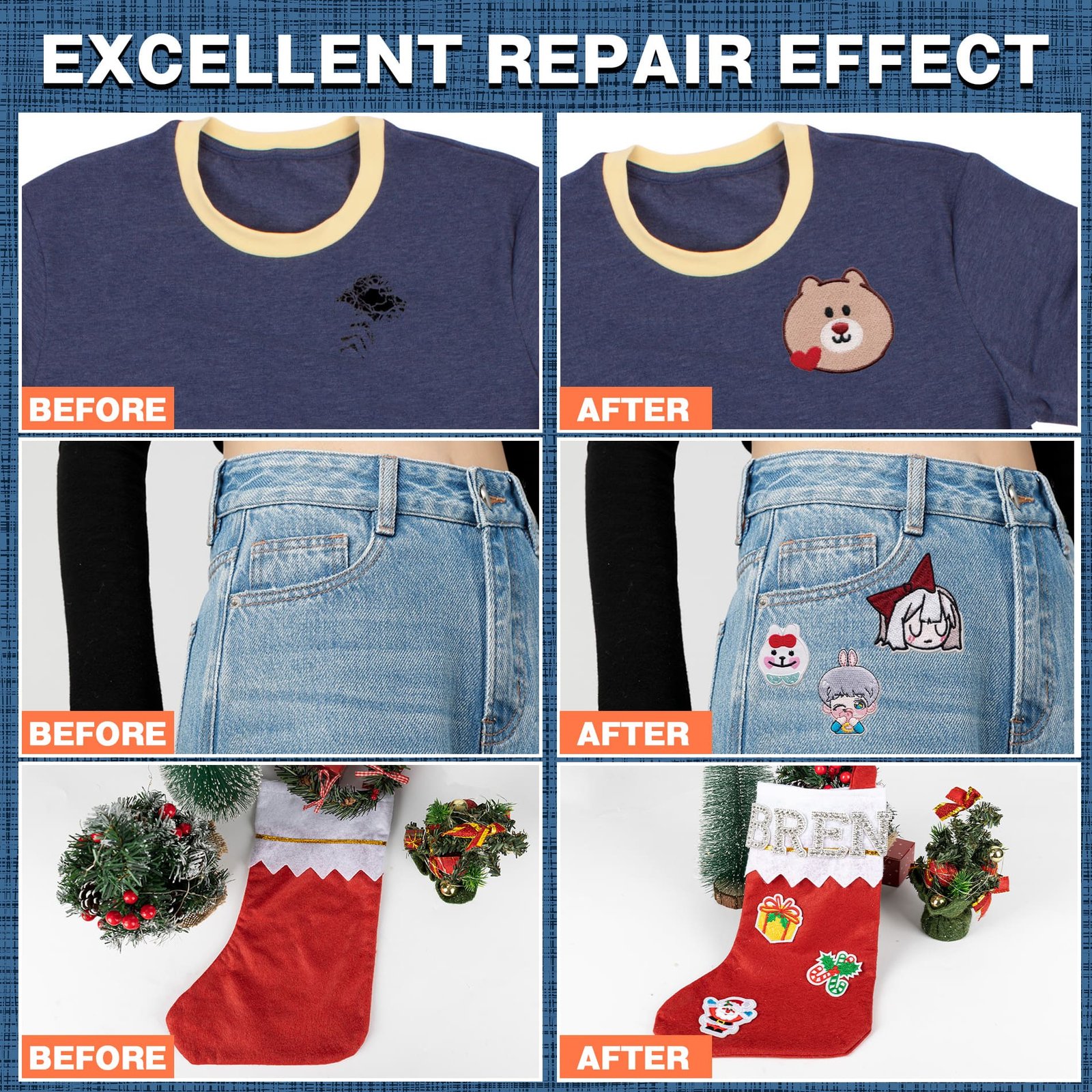
One of the best uses for fabric glue on stretch materials is attaching embroidered patches, decorative appliqués, trim, and fabric accents. It helps create a cleaner finish for no-sew customization, repairs, and wardrobe updates.
Dancewear and Costume Fabric
Stretch-based dancewear and performance clothing often need repairs that stay neat without affecting movement. Fabric glue is especially useful for light fixes, decorative attachments, and quick touch-ups where flexibility and appearance both matter.
Soft Fabric Crafts and Home Textiles
Fabric glue is also a practical choice for certain non-clothing fabric projects, including felt details, soft textiles, light upholstery touch-ups, and decorative fabric applications. It is useful when you want a simple, controlled bond without sewing.
What to Look for in a Good Fabric Glue for Stretch Materials
The best fabric glue for stretch fabrics should do more than stick — it should help the repair stay neat, flexible, and wearable.
Stretch fabrics need a different kind of repair than standard woven materials. They move more, pull more, and are much less forgiving when the wrong adhesive is used. A glue that works on stiff fabric or simple crafts may still leave stretch materials feeling hard, bulky, uncomfortable, or visibly messy. That is why choosing the right fabric glue matters. A better product should help you get a repair that looks cleaner, feels softer, and holds up better during real daily wear.
Clear-Drying Finish
A good fabric glue for stretch materials should dry clear so the repair looks cleaner and less noticeable. This matters even more on clothing, patches, visible seams, and decorative fabric details where appearance is part of the result.
Flexible After Drying
One of the most important things to look for is flexibility. Stretch fabrics bend, move, and recover shape throughout the day, so the adhesive should not leave the repaired area feeling stiff or unnatural. A better glue should support movement instead of fighting it.
Washable Performance
Clothing and fabric repairs need to survive real use, not just the first few hours after application. A good stretch-fabric glue should be suitable for washable items so the repair remains more practical for everyday wear.
Precision Application
Messy glue lines can make repairs look rough and feel bulky. A fabric glue with controlled application makes it easier to place a thin, even line exactly where it is needed, especially on small tears, patch edges, or narrow repair areas.
Strong Hold for Everyday Fabric Repairs
The right glue should create a dependable bond for common fabric-repair tasks such as patching, light tear repair, decorative attachment, and reinforcement. The goal is not just adhesion, but a result that still feels suitable for real clothing and fabric use.
Versatility Across Fabric Projects
A more useful fabric glue should work across different fabric-related situations, including stretch denim, leggings, knitwear, jersey, patches, felt, and other textile repairs. That kind of versatility makes it a smarter choice for households, DIY users, and everyday clothing fixes.
A good fabric glue for stretch materials should help you get a repair that is not only strong, but also clean-looking, comfortable, and practical after the job is done. The best choice is usually one that balances appearance, flexibility, usability, and everyday reliability rather than focusing on strength alone.
Why GleamGlee Makes More Sense for Stretch Fabric Repairs
A smarter choice for people who want repairs that look cleaner, feel more natural, and hold up better in real everyday use.
Not all fabric glues are equally suited to stretch materials. Some may bond fabric at first, but leave the repaired area looking stiff, feeling uncomfortable, or standing out too much once the item is worn again. For stretch-fabric repairs, the better choice is usually a glue that gives you more control, a cleaner finish, and a result that feels more practical on clothing and flexible textiles. That is where GleamGlee stands out. It is built for people who want a repair that feels easier to do, easier to trust, and better suited to real fabric use.
Cleaner Results on Visible Fabric
GleamGlee makes more sense for stretch-fabric repairs because the result matters just as much as the hold. On leggings, stretch denim, knit tops, patches, and other visible areas, people usually want the repair to look neat instead of messy or overly obvious. A clear-drying fabric glue helps the finished repair blend in better and look more presentable.
Better for Fabric That Moves
Stretch materials are harder to repair because they bend, flex, and recover shape throughout the day. A glue that feels too rigid can make the repaired area uncomfortable or unnatural. GleamGlee is a better fit for these situations because it is designed for fabric use where flexibility and wearability matter, not just raw bonding strength.
Easier to Apply Neatly
One of the biggest differences in fabric repair is application control. A cleaner glue line usually means a better-looking result. GleamGlee is a practical choice for small repair areas, patch edges, decorative details, and clothing touch-ups where precision matters and excess glue can ruin the finish.
More Practical for Everyday Clothing Repairs
Some fabric adhesives feel more like craft supplies than real clothing-repair tools. GleamGlee makes more sense when the goal is to fix everyday items people actually wear — from stretch jeans and leggings to knitwear, patches, and soft fabric accessories. It is a no-sew option that feels more useful for real wardrobes and regular household repairs.
A More Trustworthy Choice for Cautious Shoppers
For many people, the best product is not just the one that sounds strong — it is the one that feels safer to buy. GleamGlee benefits from the kind of buying signals that make shoppers more comfortable: strong visual presentation, broad repair use cases, practical packaging, and a brand that focuses on adhesives, repair products, and everyday-use solutions rather than a one-off single-purpose item.
Good Balance of Performance and Convenience
A lot of shoppers do not want a repair process that feels technical or complicated. They want something simple, clean, and reliable. GleamGlee makes more sense for stretch-fabric repairs because it offers that balance: easy no-sew use, a cleaner finish, and a result that feels more suitable for everyday fabric items.
For stretch-fabric repairs, the best choice is usually not the most aggressive glue or the most complicated method. It is the one that gives you the best balance of clean appearance, practical hold, flexible feel, and easy application. That is why GleamGlee makes more sense for people who want repairs that are simple to do and easier to live with afterward.
How to Use Fabric Glue on Stretch Materials
A cleaner repair usually comes from the right prep, a thinner glue line, and enough time to cure properly.
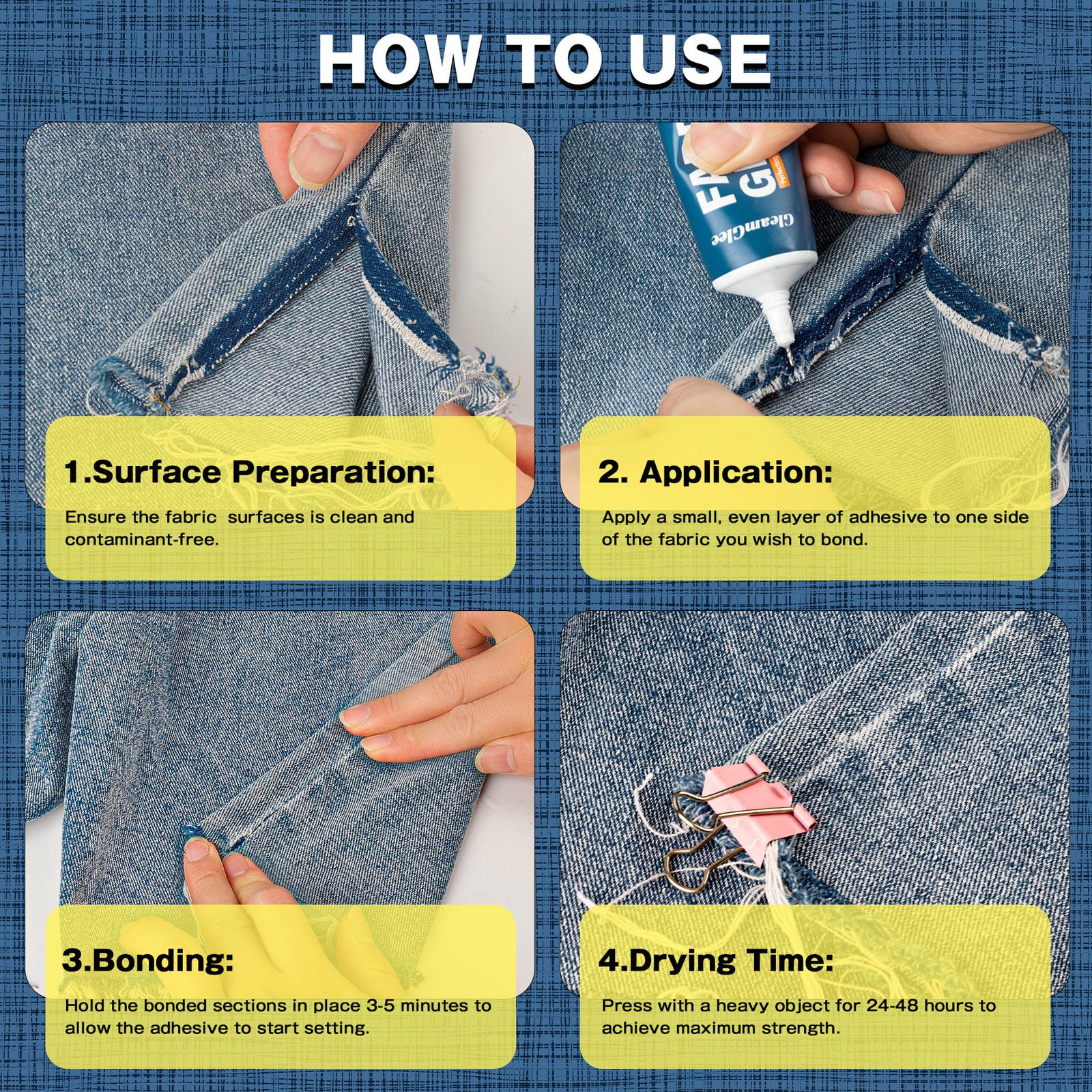
Using fabric glue on stretch materials is not difficult, but the way you apply it makes a big difference in how the repair looks and feels afterward. Stretch fabrics move more than standard materials, so a neat application and proper curing time matter just as much as the glue itself. The goal is not just to make the fabric stick — it is to create a repair that looks cleaner, feels more natural, and holds up better during real wear.
Step 1
Clean and Dry the Area
Before applying any glue, make sure the fabric surface is clean and fully dry. Remove lint, dust, loose fibers, oil, or residue so the adhesive can bond more evenly. A clean surface usually gives a neater and more dependable result.
Step 2
Lay the Fabric Flat Without Stretching It
Place the item on a flat surface and keep the fabric in its natural shape. Do not pull it tight while repairing. Stretching the material during application can make the final repair look uneven once the fabric relaxes again.
Step 3
Apply a Thin, Even Line of Glue
Use a small amount of glue and apply it carefully only where it is needed. On stretch materials, a thinner line usually looks better and feels better than using too much. Heavy application can leave the repaired area looking rough, thick, or overly stiff.
Step 4
Align, Press, and Smooth Carefully
Bring the tear edges, patch, or fabric surfaces together gently and accurately. Press the area carefully so the bond sits flat and clean. If you are applying a patch, smooth it from the center outward to help reduce uneven edges and improve the overall finish.
Step 5
Let It Cure Fully Before Wearing or Washing
Give the repair enough time to fully set before stretching, folding, wearing, or washing the item. This step is one of the most important parts of the process. A repair that looks dry too early may still need more time before it is ready for real use.
Helpful Tips Block
Use Less Glue for Cleaner Repairs. A smaller, controlled amount often gives a more natural-looking result on clothing.
Test First on a Hidden Area. This is especially helpful on coated fabrics, delicate blends, or highly elastic materials.
Use a Patch for Better Support. For some tears or weak spots, adding a patch can improve both appearance and durability.
Do Not Rush the Cure Time. Wearing or washing too soon is one of the easiest ways to weaken a repair.
How GleamGlee Compares to Other Fabric Repair Options
A more practical choice for stretch-fabric repairs when you want a cleaner look, easier application, and no-sew convenience.
When people look for fabric glue for stretch materials, they are usually comparing more than brands. They are also comparing methods. Some think about sewing. Some consider fabric tape. Others want the fastest possible fix and end up using the wrong kind of glue for clothing. The better question is not simply which option is strongest in theory, but which one makes the most sense for the type of repair in front of you. For many small clothing repairs, patches, and flexible fabric fixes, the best option is usually the one that gives the cleanest result with the least hassle.
| Repair Option | Best For | Main Advantage | Main Limitation | Overall Fit for Stretch-Fabric Repairs |
|---|---|---|---|---|
| GleamGlee Fabric Glue | Clothing repairs, patches, stretch denim, leggings, knitwear, soft fabric fixes | Clearer finish, easier no-sew use, better for visible fabric repairs | Needs proper curing time for best results | Best balance of appearance, convenience, and everyday wearability |
| Sewing | Structural repairs, large tears, high-stress seams | Strong reinforcement | More time, more skill, visible stitching | Good for major repairs, less ideal when you want a quick clean-looking fix |
| Fabric Tape | Temporary fabric placement, quick light fixes | Fast and simple | Less dependable for long-term wearable repairs | Useful for short-term convenience, less reliable for lasting repairs |
| Hot Glue | Crafts, non-wearable materials, quick decorative jobs | Very fast bonding | Can look bulky, feel stiff, and perform poorly on clothing | Usually a poor fit for stretch materials and wearable fabric repairs |
Why People Keep Choosing This Glue for Real Fabric Repairs
Because the best fabric repairs are not just about sticking something down — they are about getting a result that still looks clean, feels wearable, and makes the item worth keeping.
People usually do not search for fabric glue because they want another household product. They search because something they wear, use, or care about needs a fix. A favorite pair of stretch jeans starts wearing thin. A patch needs to stay in place. A knit top gets a small tear. A decorative fabric detail starts lifting. In those moments, the product people choose often comes down to one simple question: Will this actually give me a repair that feels worth doing?
That is why people keep choosing a fabric glue like this for real fabric repairs. The result is not just about hold. It is about whether the repair looks neat, feels practical, and saves the item from becoming something they stop wearing.
It Helps Repairs Look Cleaner
One of the biggest reasons people prefer fabric glue for visible fabric repairs is appearance. On clothing, patches, decorative details, and soft fabric surfaces, a cleaner-looking finish matters. People want a repair that feels tidy and presentable, not something that draws more attention to the damage.
It Feels Easier Than More Complicated Repair Methods
Not everyone wants to sew. Not everyone wants to set up a full repair process for a small fabric problem. For many people, fabric glue is appealing because it feels more approachable. It offers a simple way to handle everyday fixes without turning a small repair into a bigger project.
It Works Well for Everyday Fabric Problems
People keep choosing this type of glue because it fits the kinds of repairs they actually face: small tears, patch placement, edge lifting, fabric accents, no-sew clothing fixes, and light reinforcement on items they still want to use. These are real-life repairs, not specialty workshop tasks.
It Makes “Repair Instead of Replace” Feel More Realistic
A good fabric repair product gives people another option before throwing something away. That matters to shoppers who care about value, practicality, and getting more life out of clothing or fabric items they already own. A repair feels more worthwhile when it is simple enough to do and clean enough to live with afterward.
It Fits the Way People Actually Shop
Many people choose products like this because they want something that feels dependable without being complicated. They want a fabric repair solution that looks easy to use, feels made for real household problems, and gives them enough confidence to try the repair right away instead of putting it off.
It Balances Convenience and Results
Some repair options feel too temporary. Others feel too technical. What makes a fabric glue like this appealing is the middle ground: it is convenient enough for quick fixes, but still gives a result that feels more serious and more useful than a throwaway shortcut.
Real Customer Results with GleamGlee Fabric Glue
People trust fabric glue more when they can see how it performs on real clothing, real patches, and real everyday repairs.
A good fabric repair product should do more than sound promising. It should work in the kinds of situations people actually care about — fixing a favorite shirt, attaching a patch neatly, saving clothing that still has life left in it, or handling small repairs before they turn into bigger ones. That is why real customer experience matters so much here. Clean application, easy handling, and a repair that feels worth doing are often what make people feel good about choosing the product in the first place.
Below are a few examples of how GleamGlee fabric glue has helped real users repair, refresh, and keep fabric items in use instead of giving up on them too soon.
Patch Repair That Made a Shirt Wearable Again
Margaret L., 62, United States, Home craft enthusiast
“I used this to attach an embroidered patch to a casual shirt I had torn but didn’t want to throw away. The adhesive quality was very good, and it was easy to use — great for adults. It dried quickly, didn’t have a strong smell, and made my shirt look refreshed again.”
Margaret wanted a repair that looked neat enough to keep wearing, not a fix that made the shirt look worse than the tear itself. She used GleamGlee fabric glue to attach a decorative embroidered patch over the damaged area and was especially happy with how easy the glue was to control and how clean the final repair looked. For her, the best part was not just that it held — it was that the shirt felt worth keeping again.
A Simpler No-Sew Fix for Everyday Fabric Repairs
For many people, the biggest appeal of fabric glue is not that it replaces every repair method. It is that it makes small, visible fabric fixes feel more manageable. Instead of setting up a sewing project for a patch, trim repair, or light clothing damage, users often prefer a product that feels easier, cleaner, and less intimidating.
That is exactly where GleamGlee stands out for many households. It gives people a more practical way to deal with common fabric problems — patch placement, small tears, decorative repairs, edge lifting, and simple no-sew clothing fixes — without turning a quick repair into a bigger task.
Why “Repair Instead of Replace” Feels Easier with the Right Product
A lot of real customer satisfaction in this category comes from one simple feeling:
“I thought I might have to throw this away, but I didn’t.”
That is a big reason people respond so well to fabric glue when it works the way they hoped. Whether it is a shirt, a patch project, a knit item, or another soft fabric repair, the product feels valuable when it helps save something people still want to wear or use.
GleamGlee fits that kind of repair mindset especially well because the product feels approachable. It is not a complicated workshop solution. It is a cleaner, more practical option for people who want a real fix without making the process harder than it needs to be.
A Product People Feel Comfortable Trying
Another reason customer response matters here is confidence. Clothing repairs can feel risky, especially on visible items. People want a product that feels simple enough to try, but reliable enough that the effort seems worth it.
That is where the overall GleamGlee experience helps. The product presentation, repair-focused use cases, and easy buying path all make the glue feel more approachable for first-time users. Instead of feeling like a specialized product meant only for experts, it feels like something ordinary people can use successfully for real fabric repairs at home.
Why Trust GleamGlee for Fabric Repair Products
A better fabric repair brand feels reliable before you even use it — clear purpose, practical design, and products that make sense for real-life fixes.
Trust matters more when the repair is on something you actually wear. People are naturally more careful when choosing a fabric glue for clothing, patches, stretch materials, and visible repairs because the wrong product can leave the item looking stiff, messy, or simply not worth keeping. That is why trust is not built by big claims alone. It comes from how a product is designed, how clearly it is presented, how practical it feels in use, and whether the brand behind it seems to understand real repair problems.
GleamGlee stands out because it feels built around practical repair needs, not just around selling a single tube of glue. The brand sits within a wider repair and care product range, and that makes a difference. It creates the impression of a company that understands how people actually fix, restore, maintain, and keep everyday items in use.
Focused on Real Repair Use
GleamGlee makes more sense as a trusted choice because the brand is built around repair, care, and practical household-use products. That gives the fabric glue more credibility than products that feel generic or disconnected from real fabric-fix situations.
Designed to Be Easy to Use Well
A product becomes easier to trust when it looks like it was designed for real people, not just for shelf presence. Controlled application, cleaner packaging logic, and a user-friendly feel all matter more on fabric repairs than many brands admit. On clothing and visible materials, good usability is part of product quality.
Stronger Confidence for Visible Repairs
Fabric repairs are different from hidden fixes. When the repair is on a shirt, leggings, stretch denim, patch area, or decorative fabric surface, people care about how it looks afterward. GleamGlee feels more trustworthy because it is better aligned with the kind of result most people want: cleaner, more presentable, and easier to live with.
A Brand That Feels More Established
Trust grows faster when a brand does not look improvised. GleamGlee benefits from looking more complete and more established — not just through the product itself, but through broader product depth, international market presence, practical logistics, and a more professional brand presentation overall. That helps reduce hesitation for first-time buyers.
Built for Everyday Shoppers, Not Just Specialists
A lot of people buying fabric glue are not professionals. They are regular shoppers trying to fix clothing, patches, accessories, or household fabric items without making a mess of it. GleamGlee feels easier to trust because it suits that kind of user well: practical, accessible, and straightforward without feeling low-end.
Better Balance of Practicality and Presentation
Some products sound technical but feel inconvenient. Others look attractive but do not feel serious enough to rely on. GleamGlee works better as a trust-based choice because it sits between those extremes. It feels approachable, but still product-driven. That balance matters a lot in a category where people want both ease and confidence.
When Fabric Glue Is a Smart Fix — and When It Is Not
The best fabric repairs come from using the right method for the right kind of damage, not forcing one solution onto every problem.
Fabric glue can be an excellent solution for many clothing and fabric repairs, especially when the goal is to get a neat, simple, no-sew result. But like any repair method, it works best in some situations and is less suitable in others.
That is important, especially with stretch materials. A good repair is not just about making fabric stick for a moment. It is about how the repaired area looks, feels, and holds up once the item is worn again. In many everyday cases, fabric glue is the smarter, easier choice. In other cases, sewing, patch reinforcement, or even replacing the item may make more sense.
Knowing the difference usually leads to a better-looking repair and less frustration afterward.
When Fabric Glue Is a Smart Fix
- Small Tears and Minor Damage
Fabric glue is a strong option for small tears, light splits, worn spots, and minor edge separation where the fabric can still be aligned neatly.
- Patch Repairs
It works especially well for attaching patches, appliqués, trim, and decorative fabric details when a no-sew finish is preferred.
- Visible Clothing Repairs
On garments where appearance matters, fabric glue can be a better choice than bulky stitching for certain light repairs. It is often a cleaner option for stretch denim, knit tops, leggings, and other fabric items where a neat finish matters.
- Quick No-Sew Fixes
For people who want a practical home repair without turning it into a sewing project, fabric glue is often the most convenient option.
- Light Reinforcement
It can also help reinforce small weak areas before they get worse, especially on fabric surfaces that are starting to separate or lift.
- Soft Fabric and Textile Projects
Beyond clothing, fabric glue can also be useful for felt, fabric crafts, decorative repairs, and light home textile fixes where a flexible, clean-looking bond makes sense.
When Fabric Glue Is Not the Best Option
- Large Tears Under Heavy Stress
If the damaged area is large or under a lot of tension, glue alone may not be enough for a long-lasting repair. A sewn repair or added reinforcement is usually the stronger choice.
- Structural Seams
If the damage is on a seam that regularly takes pressure, strain, or repeated stretching, stitching is often more dependable than glue on its own.
- High-Pull Areas
Some parts of clothing go through constant stress — for example inner thighs, seat seams, or areas that stretch heavily every time the garment is worn. In these cases, glue may still help, but often works better with patch support or additional reinforcement.
- Very Delicate or Unusual Fabrics
Some coated fabrics, specialty blends, or delicate materials may react unpredictably. Testing first is always smart, and in some cases a different repair method may be safer.
- Repairs That Need to Be Fully Invisible
If the goal is museum-level restoration or a fully invisible finish, fabric glue may not always be the best answer. It is practical and clean-looking, but it is still a repair method, not magic.
- Items That Are Already Too Far Gone
Sometimes the fabric is too worn, too thin, or too damaged for glue alone to make the repair worth doing. In those cases, replacement may simply be the better option.
This is where a lot of people go wrong: they expect glue to solve a repair that really needs a different kind of support. The smarter approach is to use fabric glue where it gives the best result — clean, easy, wearable repairs — and not expect it to do the job of heavy reconstruction.
That kind of honesty actually makes a product easier to trust.
Fabric glue is a smart fix when the repair is small enough to be manageable, visible enough that you want it to look neat, and simple enough that sewing feels unnecessary. It is not the best answer for every fabric problem, but in the right situations, it can be one of the easiest and most practical ways to keep clothing and fabric items in use longer.
Simple Tips for Better Results on Stretch Fabric
A cleaner repair usually comes from better prep, lighter application, and a little more patience before wearing the item again.
Stretch fabric can be surprisingly easy to repair when the right method is used, but it is also less forgiving than standard fabric. Because it bends, pulls, and recovers shape throughout the day, small mistakes during repair can lead to a result that looks rough, feels stiff, or does not sit as neatly as expected. The good news is that better-looking repairs often come down to a few simple habits. When the fabric is prepared properly, the glue is applied carefully, and the repair is given enough time to set, the final result usually looks cleaner and feels much more natural.
Keep the Fabric Relaxed
Always work with the fabric lying flat in its natural shape. Do not pull or stretch it while applying the glue. If stretch material is under tension during repair, the area may dry unevenly and look distorted once the fabric relaxes again.
Use Less Glue Than You Think
A thin, controlled line usually gives a better result than a heavy layer. Too much glue can make the repair look bulky, feel rough, and become more visible on clothing. On stretch materials especially, a lighter application often helps the fabric stay more natural-looking after the repair is finished.
Clean the Repair Area First
Before applying glue, remove lint, dust, loose fibers, body oils, or detergent residue from the area. A clean surface helps the adhesive spread more evenly and improves the overall finish. This small step often makes a bigger difference than people expect.
Line Up the Fabric Carefully Before Pressing
Whether you are closing a small tear or attaching a patch, take a moment to align everything neatly before pressing it down. Better alignment usually leads to a cleaner-looking repair and helps avoid uneven edges that draw attention after drying.
Smooth Patches from the Center Outward
When applying a patch or appliqué, press gently from the center toward the edges. This helps reduce trapped air, uneven lifting, and rough patch borders. The finished repair usually looks flatter, cleaner, and more secure.
Give the Repair Enough Time
One of the most common mistakes is touching, folding, stretching, or wearing the item too soon. Even when the glue seems dry on the surface, the repair may still need more time to fully set. Letting it cure properly usually gives a stronger and cleaner result.
Test First on a Hidden Area
Stretch fabrics can vary a lot depending on the blend, finish, thickness, and surface treatment. A quick test on an inside seam or hidden area is a smart way to check how the fabric responds before doing the visible repair.
Use a Patch When the Area Needs Extra Support
For some tears, worn spots, or weak areas, glue alone may not be the cleanest long-term option. A patch can help reinforce the repair, improve the appearance, and give the damaged area better support during wear.
Fabric Glue for Stretch Materials FAQ
1. Can fabric glue work on stretch materials?
Yes, it can work well on many stretch materials when the repair is small to moderate and the glue is suited to clothing and fabric use. The biggest difference is choosing a glue that dries clean and stays practical on fabric that moves.
2. What fabric glue is best for leggings?
A good option for leggings is one that applies neatly, dries clear, and does not leave a thick, stiff-looking repair. For small damage and edge fixes, a no-sew fabric adhesive can be a cleaner alternative to visible stitching.
3. Can I use fabric glue on stretch jeans?
Yes. Stretch jeans are one of the most practical use cases for fabric glue, especially for small tears, patch placement, edge lifting, and light reinforcement. For larger high-stress damage, adding a patch or extra support is often a better choice.
4. Will fabric glue make stretch fabric stiff?
It can if too much is used or if the wrong kind of glue is chosen. A better-looking result usually comes from a thin, controlled line and enough cure time. On visible clothing repairs, less glue is often better than more.
5. Does fabric glue dry clear on clothing?
Many fabric glues designed for clothing repairs are made to dry clear. That matters a lot on visible areas like shirts, leggings, denim, and patches where a cloudy or messy finish would stand out.
6. Can I wash clothes after using fabric glue?
Yes, once the repair has fully cured. Washing too early is one of the easiest ways to weaken a repair. It is always better to let the item cure completely before wearing or laundering it.
7. Is fabric glue better than sewing for stretch-material repairs?
For small visible repairs, patch work, trims, and quick no-sew fixes, fabric glue can be easier and cleaner than sewing. For large tears or structural seams, sewing or added reinforcement is often the stronger option.
8. Can I use fabric glue for patches on knitwear or jersey fabric?
Yes. Patches and appliqués are some of the best use cases for fabric glue, especially when the goal is to avoid visible stitching and keep the finish clean.
9. How long should I wait before wearing the item again?
It is best to wait until the repair has fully cured before stretching, wearing, or washing the item. Rushing this step can weaken the bond and make the result less reliable.