Skip to content

DIY Metal Repair Tips with Industrial Glue: A Practical Guide for Strong and Seamless Fixes
Your trusted adhesives glue & cleaner manufacturer

A broken metal fitting does not automatically mean that the entire item belongs in the trash, and it does not always mean that a welder, drill, replacement component, or professional workshop is necessary. Many everyday failures happen at relatively small contact points: a decorative bracket separates from a frame, a cabinet handle loosens, a metal ornament breaks at a narrow joint, a hobby model loses a small component, or a mixed-material craft project needs a precise metal-to-wood connection. For repairs like these, modern industrial glue can offer a surprisingly practical middle ground between doing nothing and undertaking a full mechanical repair. The real skill is not simply applying stronger glue. It is understanding the surface, the load, the environment, the size of the bonding area, and what the repaired object will be expected to do afterward.
Industrial glue can be a practical solution for many small and medium DIY metal repairs when the damaged area is clean, well fitted, compatible with the adhesive, and not exposed to extreme heat, pressure, or structural loads. Successful metal bonding depends on surface preparation, controlled application, correct positioning, and allowing the adhesive to develop the strength specified by its manufacturer before the repaired item is stressed again.
That distinction matters because a good repair often begins before the adhesive bottle is even opened. Someone repairing a small brass ornament needs a very different approach from someone dealing with a pressurized pipe, and a hobbyist attaching an aluminum trim to wood faces different challenges from a person trying to repair a cracked load-bearing bracket. Once those differences are understood, industrial glue becomes much easier to use intelligently. The following sections focus on the situations where adhesive repair makes sense, the details that determine bond quality, and the warning signs that tell you another repair method would be more appropriate.
What Can Industrial Glue Repair on Metal Surfaces?
Industrial glue can repair many household, decorative, hobby, hardware, and mixed-material metal components when the joint has enough contact area and is not safety-critical. Common examples include metal trims, furniture fittings, decorative frames, jewelry parts, light hardware, model components, buckles, small brackets, and craft assemblies made from metal combined with wood, plastic, glass, ceramic, PVC, or similar materials.
Which Metal Items Can Be Fixed with Glue?
The most suitable adhesive repairs are usually localized failures rather than major structural damage. If the metal itself remains largely intact and the problem is a separated connection, detached fitting, small crack, or loose decorative element, a properly selected adhesive may restore function without drilling holes or exposing the part to welding heat. This makes metal glue particularly useful around the home, where the damaged component may be relatively small compared with the value or usefulness of the entire item.
Furniture is a good example. Metal corner fittings, decorative trim pieces, drawer hardware, small brackets, and non-critical frame components can sometimes be rebonded rather than replaced. Similar opportunities appear in lamps, picture frames, display stands, ornaments, household organizers, and other products where metal pieces are attached to another metal or non-metal surface. The important question is not simply whether an object contains metal, but how much mechanical stress the repaired joint must carry during normal use.
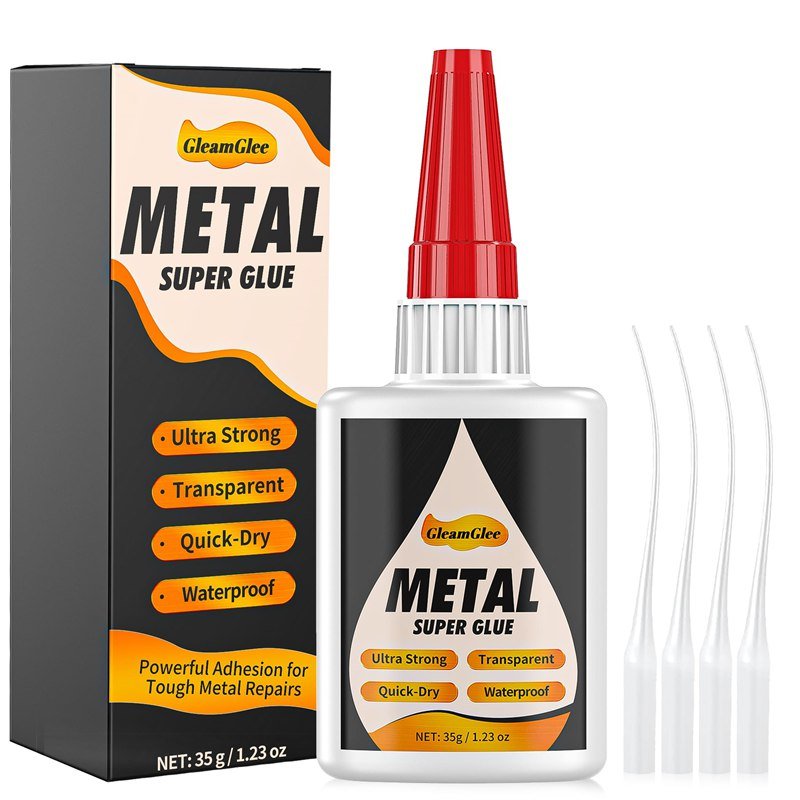
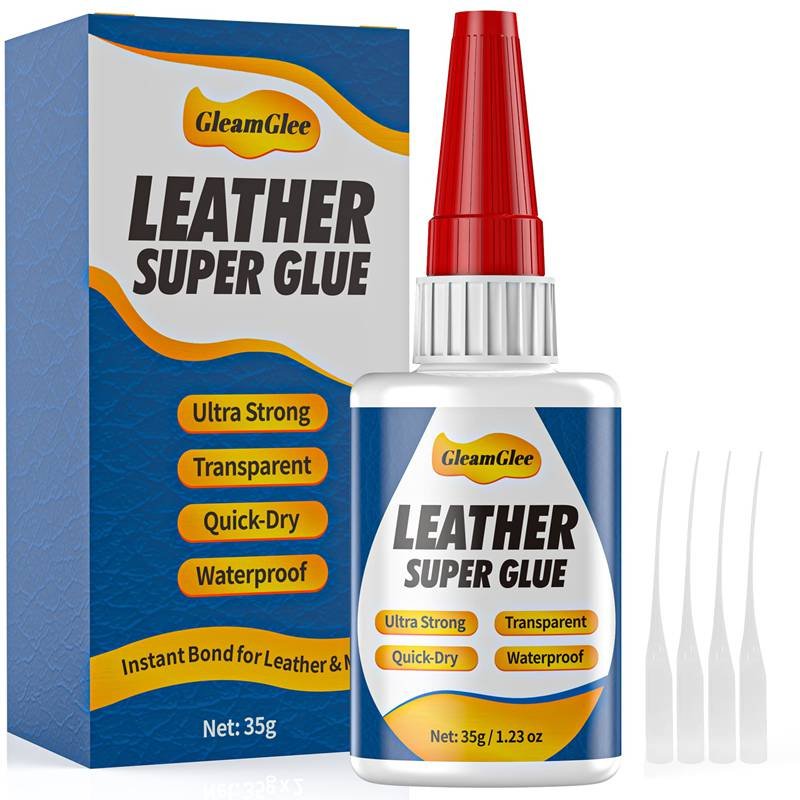
Detailed accessories are another strong application area because mechanical fasteners are often impractical on very small components. Jewelry clasps, metal charms, watch accessories, decorative buckles, miniature models, sculpture details, and hobby assemblies benefit from precise application. A fast-setting 35 g metal adhesive supplied with fine nozzles, for example, can be easier to control in a narrow joint than a thick construction adhesive designed for broad surfaces.
| Repair Area | Typical Example | Adhesive Suitability | Main Check Before Repair |
|---|---|---|---|
| Home décor | Metal frame, candle holder, ornament | High for small joints | Confirm the part is non-structural |
| Furniture | Trim, bracket, decorative fitting | Moderate to high | Check load and movement |
| Accessories | Clasp, buckle, model detail | High | Ensure precise alignment |
| Workshop items | Light clamps, covers, small fittings | Moderate | Check vibration and force |
| Outdoor décor | Small metal ornament or fitting | Application-dependent | Check moisture and weather exposure |
| Safety-critical hardware | Structural support or heavily loaded joint | Generally unsuitable | Use professional mechanical repair |
This distinction helps prevent one of the most common DIY mistakes: treating all metal repairs as if they were equally demanding. A decorative bracket and a load-bearing bracket may look almost identical, but the consequences of failure are completely different. Adhesive repair should always be judged by the job the joint performs, not just by the visible size of the damaged area.
What Materials Can Metal Glue Bond Besides Metal?
Real repair projects rarely involve two perfectly matched pieces of identical metal. Homes, tools, crafts, and consumer products increasingly combine stainless steel with plastic, aluminum with wood, plated metal with glass, or decorative metal with ceramic. For that reason, multi-material adhesion can be just as important as metal-to-metal strength when selecting a practical DIY glue.
A general-purpose metal adhesive may be formulated to bond metal with materials such as plastic, rubber, wood, concrete, PVC, ceramic, or glass, but compatibility should still be checked for the specific adhesive being used. Some plastics have low surface energy and can be difficult to bond, while painted, coated, oily, or highly polished metal can prevent the adhesive from making intimate contact with the actual substrate. In mixed-material repairs, the weakest surface often determines the durability of the entire joint.
Consider a metal trim being attached to wood. The wood may absorb adhesive differently from the metal, and movement caused by humidity can affect the joint over time. A metal piece attached to glass creates another challenge because the bond may be visible, making application control and final appearance much more important. These are practical reasons to choose an adhesive based on the complete material combination rather than simply looking for the words “metal glue” on the packaging.
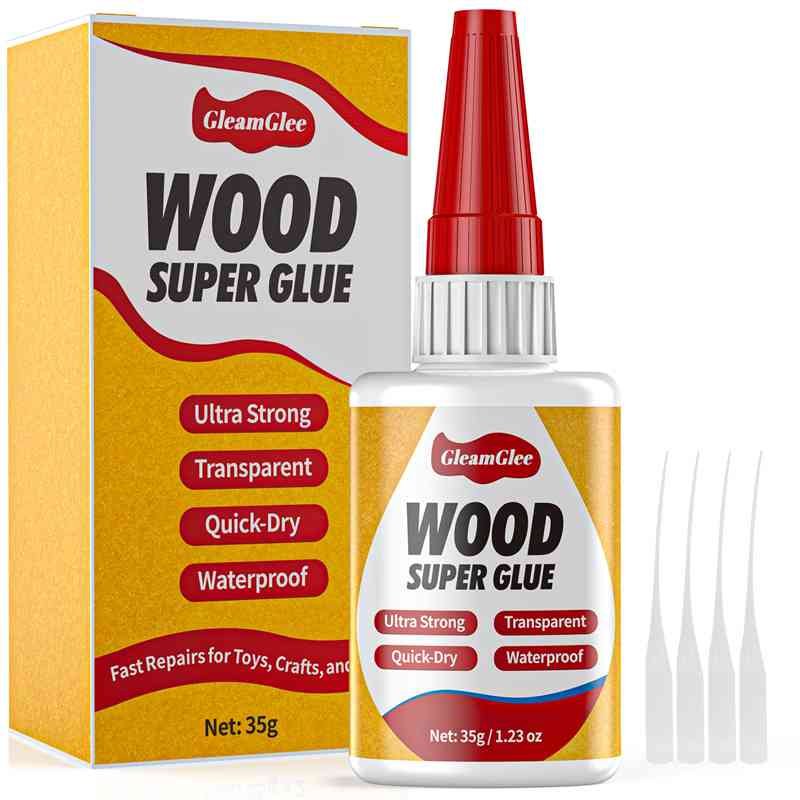
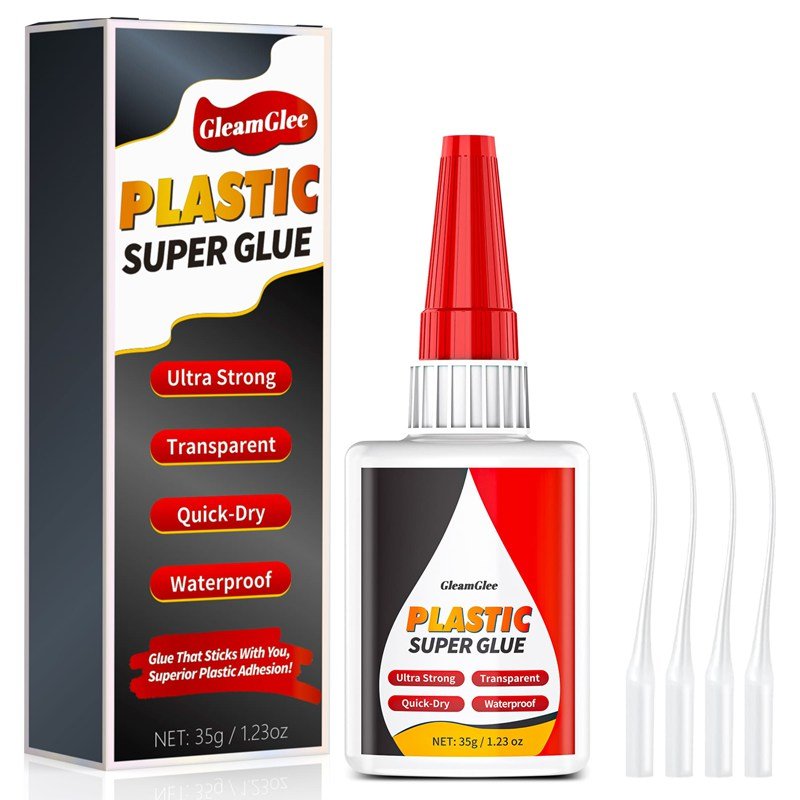
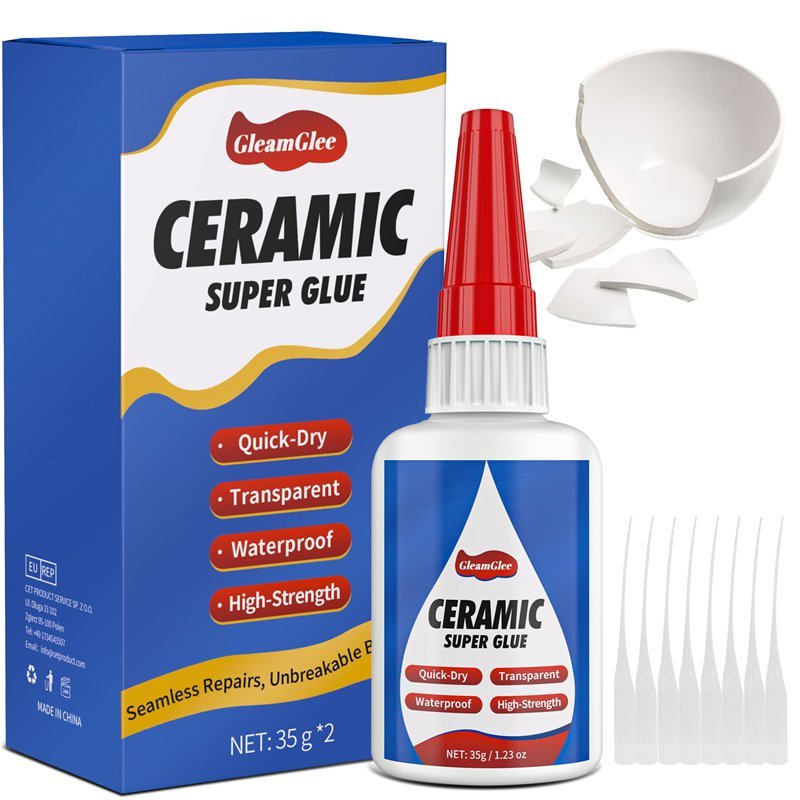
Products designed with fine-tip nozzles are particularly useful for these mixed-material projects because they allow controlled placement along narrow edges. GleamGlee’s 35 g metal glue, for example, is supplied with four precision nozzles per tube, while a two-pack includes eight. That design is useful when the adhesive needs to reach a crack, small fitting, or recessed contact point without flooding the surrounding surface.
How Does Metal Glue Compare with Traditional Repair Methods?
Adhesive bonding, welding, mechanical fastening, and component replacement solve different types of problems. Welding joins suitable metals by using heat and can produce extremely strong structural connections, but it requires appropriate equipment, technical skill, and careful control of heat. Mechanical fasteners such as screws, bolts, or rivets are valuable when the connection must tolerate substantial loads or later be disassembled. Adhesive bonding fills a different role by creating a continuous connection without drilling or introducing welding heat.
For visible household repairs, that absence of heat and hardware can be a major advantage. A small decorative item may be too delicate to weld, while drilling could damage the original surface. Adhesive can also distribute stress across the bonded area rather than concentrating force around a screw or rivet hole. This can be useful for lightweight panels, decorative trim, and mixed-material assemblies where drilling both surfaces is difficult.
The trade-off is that adhesive performance depends heavily on surface condition, joint design, environmental exposure, and the chemistry of the product. A poorly prepared bonded joint can fail even when the adhesive itself is capable of strong performance. Welding and mechanical fastening are also easier to inspect visually in some applications, while adhesive bonds may hide defects between the surfaces. The most professional decision is therefore not to declare one method universally better, but to match the method to the application.
What Makes Metal Glue Effective for DIY Repairs?
For DIY work, effective metal glue is not merely the adhesive with the most aggressive strength claim. Ease of control, material compatibility, curing behavior, bottle design, storage reliability, and final appearance all influence whether a real user can produce a successful repair. A fast adhesive that runs across a visible surface may be inconvenient for detailed work, while a controllable formula with a fine nozzle can make positioning much easier.
Fast-setting adhesives are particularly useful when two small components can be aligned accurately before contact. The GleamGlee metal adhesive described for this type of work is intended to form a rapid bond, with users pressing properly aligned surfaces together for approximately 5–10 seconds during initial bonding. Because fast bonding leaves less time for repositioning, dry-fitting the parts before applying adhesive is one of the simplest ways to improve results.
A clear finish can also matter on jewelry, decorative metal, sculptures, frames, and mixed-material craft projects. Where the repair line remains visible, excessive adhesive often causes more disappointment than insufficient strength. Applying a thin, controlled layer and removing unnecessary excess before it cures can produce a more professional-looking result than applying a large amount in the hope of creating a stronger connection.
Ultimately, DIY success comes from matching the adhesive to the job and respecting the limits of the repaired object. Good metal repair is not about making every joint permanent at any cost. It is about preserving useful items with a repair method that is appropriate, controlled, and proportionate to the risk involved.

How Does Industrial Glue Create a Strong Metal Bond?
Industrial glue creates a strong metal bond by wetting the prepared surface, forming close contact with microscopic surface features, and curing into a solid adhesive layer that transfers stress between the joined parts. Bond quality depends on adhesive chemistry, surface cleanliness, joint area, alignment, environmental exposure, and the direction of force applied after the repair.
How Does Metal Glue Work Compared with Welding?
Welding and adhesive bonding solve metal joining problems through fundamentally different mechanisms. Welding uses heat, pressure, filler material, or a combination of these methods to create a metallic connection between compatible components. Adhesive bonding instead places a polymer-based material between the surfaces. After curing, that layer transfers mechanical force from one part to the other through adhesion at the surfaces and internal cohesion within the cured adhesive.
This difference explains why glue can be useful for jobs that are awkward to weld. Thin decorative components can distort when heated, painted finishes can be damaged, and metal attached to wood, plastic, glass, or ceramic cannot be joined through conventional metal welding. Adhesive creates a path for bonding these dissimilar materials without melting either substrate.
There is also a practical accessibility difference. Most household users do not own welding equipment, protective screens, ventilation systems, or the skills required to produce a reliable weld. Precision adhesive can be applied with minimal equipment, making small repairs more approachable. That convenience, however, should never be confused with structural equivalence. A consumer-grade fast-setting metal adhesive is not a substitute for a professionally engineered weld on a structural beam, vehicle safety component, pressure vessel, or heavily loaded support.
The strongest repair is therefore the one that fits the actual duty of the component. A bonded decorative fixture may be more sensible than welding it, while a cracked structural frame may require professional welding or replacement even if glue appears to hold it temporarily.
What Factors Affect Metal Bond Strength?
Surface preparation is one of the most influential variables because adhesive must contact the actual substrate rather than a layer of grease, corrosion, dust, or loose paint. Metal components often carry invisible contamination from machining oils, fingerprints, polishing compounds, household cleaners, or long-term exposure. Bonding over those contaminants can produce an apparently successful repair that later separates at the surface.
Joint geometry matters just as much. Adhesives generally perform better when force is distributed across a meaningful contact area instead of concentrated at a tiny point. A broad overlap allows stress to spread through the adhesive layer, while a narrow edge or peeling motion can focus force at one end of the joint. This is one reason a glued overlap may perform much better than two pieces joined only at their thin edges.
Environmental exposure also changes the equation. Outdoor moisture, repeated temperature changes, vibration, chemicals, and continuous movement can gradually challenge a bond that performs well under indoor static conditions. Manufacturers test different adhesive systems for these stresses because a formula optimized for rapid household bonding may behave differently from a flexible polyurethane or a two-part structural epoxy.
| Bond Factor | What Helps | What Commonly Hurts the Bond |
|---|---|---|
| Surface condition | Clean, dry, stable surface | Oil, dust, loose rust, peeling coating |
| Contact area | Broad, well-matched surfaces | Tiny edge contact |
| Joint movement | Limited movement after curing | Repeated peeling or flexing |
| Application | Thin, controlled, continuous layer | Large uncontrolled pools |
| Alignment | Parts fit closely before bonding | Large unsupported gaps |
| Environment | Conditions within product limits | Extreme heat, pressure, or incompatible chemicals |
The practical lesson is straightforward: adhesive strength is a property of the completed joint, not just the liquid inside the bottle. Good preparation can improve a modest repair dramatically, while poor preparation can undermine even a high-performance adhesive.
Are Metal Glue Repairs Durable for Daily Use?
A properly designed adhesive repair can remain durable in normal household, hobby, decorative, and light maintenance applications. Everyday durability involves more than surviving one strong pull immediately after bonding. The joint may need to tolerate repeated handling, small vibrations, humidity changes, occasional knocks, cleaning, or outdoor exposure, depending on the object.
This is where product selection becomes important. A fast-setting adhesive can be useful for jewelry, models, small metal fittings, decorative components, and other repairs that benefit from rapid handling strength. A different adhesive chemistry may be better for large gaps, strongly flexible materials, or prolonged exposure to demanding outdoor environments. Choosing the correct category of adhesive is often more important than choosing the product with the strongest marketing language.
Users should also distinguish initial setting from final performance. A fast adhesive may hold parts together within seconds, but that does not mean the repair should immediately be twisted, loaded, immersed, heated, or subjected to maximum stress. The manufacturer’s curing and handling instructions remain the correct reference for when the repaired item can return to normal service.
For a 35 g precision metal glue intended for rapid household and craft work, holding correctly fitted surfaces firmly for approximately 5–10 seconds can establish initial positioning. After that, unnecessary movement should still be avoided while the bond develops. This simple habit prevents many failures caused by users repeatedly testing the joint immediately after bonding.
How Does Joint Design Change the Result?
People often focus entirely on adhesive chemistry while overlooking the shape of the repair. In professional adhesive engineering, joint design is a major consideration because different forces act on bonded surfaces in different ways. Shear forces spread through an overlapping joint relatively efficiently, while peel forces concentrate stress along an edge and can be much more demanding.
A practical DIY example is a thin metal strip attached flat against a wooden panel. If several centimeters of the strip contact the wood, the adhesive has a reasonable area across which to distribute force. If the same strip is attached only by its narrow end, a small sideways movement can create a peeling action at the edge. The second repair may fail even though exactly the same adhesive was used.
Close-fitting surfaces are generally easier to bond with fast, low-viscosity adhesives than large irregular gaps. When two broken pieces no longer align, applying more liquid glue does not necessarily solve the problem. A gap-filling adhesive system, mechanical reinforcement, replacement part, or different repair strategy may be more appropriate.
This is one of the most useful habits a DIY user can learn: examine how the parts fit together before choosing the adhesive. The repair begins with the joint, not the bottle.
How Do You Apply Industrial Glue for Metal Repair?
For a reliable metal repair, first dry-fit the parts, remove loose contamination, clean and dry the bonding surfaces, and prepare them according to the adhesive instructions. Apply only enough glue to create continuous contact, align the parts accurately, press or support them without movement, and respect the specified handling and curing time before returning the object to service.
What Steps Should You Follow Before Applying Metal Glue?
Start by examining the failure rather than immediately applying adhesive. Determine whether both pieces are complete, whether the edges fit naturally, and whether old adhesive, oxidation, grease, or loose coating is preventing full contact. Dry-fitting takes less than a minute in many small repairs, yet it can reveal problems that would become difficult to correct once a fast-setting adhesive touches both surfaces.
Cleaning should be appropriate for both the metal and any second material involved. Loose dirt, dust, corrosion, and unstable paint should not remain in the bonding zone. The objective is to create a stable surface without damaging thin decorative finishes or changing the shape of precision parts. After cleaning, allow the area to become fully dry before bonding. Moisture trapped between surfaces may interfere with some adhesive systems or contaminate the repair.
Light surface abrasion can improve bonding in some applications by removing weak surface layers and increasing microscopic texture, but it should not be treated as a universal requirement. Highly visible jewelry, plated surfaces, polished decorative metal, or delicate components can be permanently marked by aggressive sanding. Always consider appearance and follow the instructions for the adhesive and substrate involved.
Finally, prepare everything before opening the adhesive. Arrange the components, disposable protection, applicator nozzle, and any support needed to hold the joint. This is especially important with fast-bonding products because there may be very little time to correct alignment after contact.
How Do You Apply Metal Glue Correctly?
Controlled application is more reliable than flooding the joint. A thin, continuous adhesive layer that reaches both properly prepared surfaces usually creates a cleaner repair than a large bead squeezed around the edges. Excess adhesive can run onto visible finishes, interfere with moving components, and make later cleanup difficult. More glue does not automatically mean more strength.
With a precision fast-setting metal glue, users should position the nozzle close to the bonding area and apply an even amount only where the surfaces will meet. The fine applicator supplied with a product such as GleamGlee’s 35 g metal adhesive is useful in small cracks, model parts, jewelry fittings, and narrow household hardware. A single tube is supplied with four fine nozzles, providing replacements when detailed application is required repeatedly.
Once adhesive has been applied, bring the surfaces together carefully and avoid sliding them around unnecessarily. The product instructions for this fast-bonding format call for firm pressure for approximately 5–10 seconds after the pieces are correctly aligned. That brief initial hold is intended to establish the joint, but the repaired item should still be handled conservatively afterward rather than immediately subjected to bending, twisting, heat, water, or heavy load.
| Stage | Practical Action | Useful Reference |
|---|---|---|
| Inspect | Confirm the repair is appropriate for adhesive bonding | Reject safety-critical or heavily loaded damage |
| Dry-fit | Align parts before adding glue | Correct fit before fast bonding begins |
| Clean | Remove contamination and loose material | Surfaces should be clean and dry |
| Apply | Use a controlled continuous layer | Avoid unnecessary excess |
| Position | Bring surfaces together accurately | Minimize sliding after contact |
| Initial hold | Press firmly | About 5–10 seconds for the referenced fast-setting glue |
| Return to use | Follow the product’s curing instructions | Do not confuse initial grip with full service readiness |
This sequence is simple, but skipping one step often creates more trouble than taking a few extra minutes at the beginning. Preparation and patience are still essential even when the adhesive itself bonds quickly.
Which Tools Help Create a Cleaner Metal Repair?
Most small metal repairs do not require a professional workshop, but a few inexpensive tools can dramatically improve control. Disposable gloves help keep adhesive off the hands and reduce fingerprints and oils on cleaned surfaces. Lint-free wipes are useful for preparation, while small clamps, spring clips, masking tape, or simple supports can prevent movement on repairs that cannot be held manually.
Precision nozzles are particularly valuable on small components because they limit where the adhesive flows. A fine nozzle can reach the base of a narrow fitting, the corner of a miniature model, or the inside of a small decorative joint without covering the surrounding finish. Replaceable nozzles also make repeated detail work more practical than repeatedly trimming or widening a single applicator tip.
Lighting is another overlooked tool. A bright work area allows users to see whether surfaces are fully aligned and whether adhesive is escaping from the joint. Magnification can help with jewelry, eyeglass components, miniature models, and other detailed projects, although very small safety-critical items should still be repaired or replaced professionally when failure could cause injury.
A clean work surface completes the setup. Place a protective disposable layer under the repair rather than working directly on finished furniture or countertops. Fast adhesives can bond unexpectedly to surrounding materials, and careful workspace preparation is much easier than removing hardened adhesive later.
How Should You Handle Fast-Setting Glue?
Fast-setting adhesives reward preparation and punish hesitation. Before applying the first drop, users should already know exactly where each part will sit, which direction pressure will be applied, and how they will release the joint without disturbing it. This is especially important for small repairs where a millimeter of misalignment can affect appearance or function.
Do not repeatedly separate and reconnect surfaces after the adhesive begins to grab. Doing so can disrupt the developing bond and spread glue across areas that were meant to remain clean. If alignment is incorrect, follow the product-specific guidance rather than forcing or twisting a partially bonded component.
Storage also affects future usability. The referenced metal glue uses an anti-clogging cap intended to reduce drying between applications, but users should still keep the opening clean and close the container promptly after use. Adhesive left around the nozzle can interfere with sealing, while prolonged exposure to air or unsuitable storage conditions can shorten usable life.
Fast repair is convenient, but precision is what makes it useful. Taking two minutes to organize a project before bonding often saves far more time than trying to correct a rushed repair afterward.

Which DIY Metal Repair Projects Work Best with Industrial Glue?
Industrial glue works best for DIY projects involving small, well-fitting metal parts, decorative components, mixed-material assemblies, and repairs that experience light to moderate everyday stress. Good candidates include household fittings, hobby models, metal trim, jewelry, decorative frames, small brackets, craft projects, and selected outdoor accessories when the adhesive is compatible with the expected environment.
How Can You Repair Metal Items Around Your Home?
Home repairs are usually where adhesive bonding delivers the clearest value because many household objects fail at small fittings rather than major structures. A decorative handle may detach while the door remains intact, a metal ornament can separate from a frame, or a lightweight bracket may loosen without breaking the surrounding material. Repairing the localized problem can extend the useful life of the entire item.
Furniture and home décor offer particularly suitable examples. Metal trim attached to wood, decorative corners on boxes, lightweight frames, display stands, candle holders, sculptures, and cabinet accessories can often be repaired without introducing visible screws or welding marks. Transparent-drying adhesive is useful where the bond line remains visible, although careful application is still necessary because even clear adhesive can leave an obvious raised residue if too much is used.
Kitchen repairs deserve more caution. A decorative metal fitting or handle that never experiences direct flame, extreme temperature, heavy loads, or food contact may be a reasonable adhesive project if the product instructions permit it. Components exposed directly to burners, high-temperature cookware zones, pressure, or critical mechanical loads should not be treated as routine glue repairs.
Household repair becomes most effective when the goal is preservation rather than improvisation. Restoring a useful object with an appropriate adhesive can reduce unnecessary replacement, but a repair should never transfer risk from a visible break into a hidden weak joint.
What Outdoor Repairs Can Metal Glue Handle?
Outdoor applications introduce moisture, sunlight, temperature fluctuations, dirt, and repeated movement that indoor objects may never experience. For this reason, simply seeing the word “waterproof” on an adhesive is not enough to determine whether every outdoor repair is appropriate. Users must consider how frequently the object becomes wet, how much it moves, and whether a failure would create a safety problem.
Small garden decorations, metal ornaments, non-critical equipment fittings, lantern details, and mixed-material craft projects are often more suitable than highly loaded sporting or transportation components. A detached decorative piece on a garden feature represents a very different risk from damage to a bicycle frame, handlebar, pedal connection, or climbing-related component. The latter should be professionally assessed because adhesive failure during use could cause serious injury.
Camping and fishing equipment require the same judgment. Small accessory fittings, decorative components, or non-load-bearing attachments may be repairable with a suitable adhesive, while stove components exposed to flame, heavily loaded tent hardware, or critical reel and safety mechanisms may require manufacturer-approved replacement parts.
Even when an adhesive is intended to resist water, surface preparation becomes more important outdoors. Moisture, oxidation, dirt, sunscreen, oils, and previous protective coatings can contaminate the bonding area. Clean, dry, stable surfaces remain the starting point for any durable outdoor adhesive repair.
How Can Hobbyists Use Metal Glue for Creative Projects?
Craft and model work is one of the most natural uses for precision metal adhesive because the objective is often to join small components cleanly without visible mechanical fasteners. Model cars, aircraft, ships, miniature scenery, decorative sculptures, handmade accessories, and mixed-media artwork may combine thin metal details with plastic, wood, ceramic, stone, or glass.
The ability to place a very small quantity of glue becomes particularly important on miniature projects. Excess adhesive can obscure engraved detail, change the fit of components, or create a glossy patch around the joint. Fine nozzles help users position adhesive exactly where it is needed, while transparent curing can make the bond visually unobtrusive when the amount is controlled.
Mixed-material projects also benefit from adhesive because welding is impossible between many material combinations. A metal decorative element can be attached to wood, a small metal fitting can be added to a ceramic object, or a sculptor can combine metal and glass without drilling both materials. Compatibility should still be tested where possible, especially on coatings, specialty plastics, or valuable finished pieces.
For makers, repair glue becomes more than a maintenance product. It becomes an assembly tool. The same principles still apply: design the joint carefully, create enough contact area, prepare the surfaces, and avoid expecting a tiny adhesive point to carry forces that should be handled mechanically.
When Is Repair Better Than Replacement?
Repair makes the most sense when the original item remains fundamentally sound and the damaged connection can be restored without creating new risk. Decorative, sentimental, difficult-to-find, or custom components are obvious candidates because replacing the whole product may be wasteful or impossible. Hobbyists and homeowners also value repair because it allows them to preserve an original design rather than substitute a part that does not match.
Cost is another consideration, but it should not be the only one. Saving money on a repair is useful only when the repaired object remains appropriate for normal use. A low-risk picture frame is a sensible place to experiment with adhesive techniques. A heavily loaded ladder fitting is not, even if replacing the ladder costs substantially more.
Sustainability is also part of the decision. Extending the life of repairable products can reduce unnecessary material consumption and waste. Adhesive repair is especially helpful when a small failure would otherwise cause an entire product to be discarded.
The best DIY mindset is therefore selective rather than aggressive. Repair what can be restored responsibly, replace what has reached the end of safe service, and seek professional help when the consequences of failure are uncertain.
What Mistakes Should You Avoid When Repairing Metal with Glue?
The most common metal-glue mistakes are bonding contaminated surfaces, selecting the wrong adhesive, applying excessive glue, ignoring joint fit, moving parts before the bond develops, and using consumer adhesive on high-temperature, high-pressure, structural, or safety-critical components. Avoiding these errors often improves repair reliability more effectively than simply choosing a product advertised as stronger.
Why Does Metal Glue Sometimes Fail?
Surface contamination is one of the most frequent causes of disappointing adhesion. Metal parts may look clean while still carrying fingerprints, grease, release agents, polishing compounds, oxide layers, or residues from previous repair attempts. When adhesive sticks to contamination instead of the stable substrate, the joint can separate even though the glue appears to have cured normally.
Poor fit is another common cause. Fast-setting adhesives usually perform best when the two surfaces make close contact. If a broken component is bent, missing material, or separated by a large irregular gap, filling the cavity with more adhesive may create a thick weak zone rather than a stronger connection. The correct response may be to reshape the part, choose a gap-filling adhesive system, reinforce the joint mechanically, or replace the component.
Users also frequently disturb repairs too early. Initial grip can feel convincing, especially with a fast adhesive, but repeatedly pulling, twisting, or flexing the joint immediately after bonding adds stress while the adhesive is still developing. This habit turns a simple repair into a durability test that the product was never meant to pass at that stage.
Finally, failure can come from unrealistic application choice. A successful bond under room-temperature decorative conditions does not prove that the same adhesive will perform on a heated engine part, pressurized system, structural beam, or safety-critical tool. Context always matters.
Which Metal Repairs Should Not Use Glue?
Consumer-grade metal glue should not be treated as a universal substitute for welding, brazing, mechanical fastening, engineered structural adhesive, or manufacturer-approved replacement. Applications involving high temperature, high pressure, major structural loading, repeated impact, critical vehicle systems, or human safety require a more conservative approach.
Engine blocks, structural beams, heavily loaded gates, critical bicycle frames, pressure lines, load-bearing ladder components, and cookware exposed directly to flame are examples where an ordinary DIY adhesive should not be assumed sufficient. The same caution applies to gas systems, pressurized boilers, critical plumbing, lifting equipment, protective gear, and components whose failure could injure someone.
Temporary leak repair also deserves careful language. An adhesive may sometimes help seal a minor non-pressurized defect long enough to control a situation, but that does not transform it into a permanent engineering repair. Pressurized water, fuel, refrigerant, gas, steam, or chemical systems should be handled according to applicable safety procedures and professional requirements.
The limitation is not an admission that adhesive technology is weak. Industrial structural adhesives can perform extraordinary engineering tasks when properly designed, tested, and specified. The point is that a consumer fast-setting repair glue and a qualified structural adhesive system are not interchangeable products.
How Can You Improve Metal Bonding Results?
Improvement starts by controlling the variables you actually can control. Make the surfaces stable, clean, dry, and properly fitted. Read the product instructions before applying the adhesive rather than after something goes wrong. Prepare the working area so that the components can be aligned immediately, and use only enough adhesive to create continuous contact between the surfaces.
Joint design can also be improved. If possible, increase the overlapping bonding area instead of relying on a tiny butt joint. Avoid configurations where everyday use repeatedly peels one edge away from the other. When a component can be supported by an existing slot, shoulder, bracket, or mechanical feature, allow that structure to carry part of the load instead of expecting the adhesive to perform every function.
Controlled application is equally important. Four fine nozzles supplied with a 35 g adhesive tube are not merely packaging extras; they can help users manage placement in small joints and reduce excess around visible surfaces. Cleaner application also makes it easier to inspect whether both parts are sitting correctly.
Most importantly, allow the repaired object to rest. An adhesive that establishes an initial bond within seconds should not immediately be treated as if the joint has completed every stage of curing. Follow the product instructions for service conditions and resist the temptation to “test” the repair repeatedly during the early stage.
How Do You Know When to Stop a DIY Repair?
Experienced repair work includes knowing when not to continue. If the break keeps widening, the metal itself is severely corroded, the parts no longer align, surrounding material is fractured, or the component carries significant weight, the problem may be larger than the visible crack. Adhesive can only bond the surfaces presented to it; it cannot restore missing structural material or correct a fundamentally unsafe design.
Repeated failure is another warning sign. If the same joint has been glued several times and continues to separate, adding another layer may conceal rather than solve the cause. The part may be flexing, vibrating, overheating, contaminated, poorly designed for adhesive bonding, or simply worn beyond practical repair.
Valuable antiques, specialized tools, electrical equipment, gas appliances, vehicle safety parts, and important outdoor gear can also justify professional assessment. The cost of expert repair is often small compared with the damage that could result from an incorrect DIY solution.
A successful repair culture is not about proving that glue can fix everything. It is about using adhesive where it offers genuine advantages and recognizing the point where replacement, welding, machining, or professional service becomes the better choice.
How to Choose the Right Industrial Glue for Metal Repair?
Choose industrial glue by matching the adhesive to the materials, joint size, working environment, required setting behavior, appearance, and mechanical demands of the repair. For household and hobby metal work, practical features such as precise application, reliable material compatibility, clear curing, reusable packaging, and appropriate resistance to expected moisture or movement can matter more than a single headline strength claim.
Which Features Matter When Selecting Metal Glue?
The first question should always be material compatibility. “Metal” covers stainless steel, aluminum, copper, brass, plated parts, painted surfaces, and many other finishes, while the second surface may be another metal or a completely different material. A multi-material adhesive can simplify household and craft work, but users should still check whether the actual substrates and coatings are suitable.
Setting behavior is another practical consideration. A rapid adhesive can be convenient for small close-fitting components because users do not need to hold them for long periods. However, very fast bonding leaves little time for repositioning. Larger parts, complex assemblies, or joints that need gap filling may benefit from slower or different adhesive systems.
Application control becomes especially important below a few centimeters of repair area, where a large nozzle can release far more adhesive than necessary. Fine tips are therefore useful for jewelry, models, cracks, decorative fittings, and narrow joints. Packaging that reduces clogging between uses can also increase practical value for people who repair items occasionally rather than consuming the entire tube at once.
Appearance completes the selection process. Transparent-drying adhesive can make visible repairs less distracting, but clean application remains essential. Clear glue does not become literally invisible when a large hardened bead sits around the joint, so control and cleanup still matter.
What Makes a Practical Metal Adhesive Different?
A practical household metal adhesive combines chemistry with packaging that ordinary users can operate consistently. Strong laboratory bonding performance has limited value if the product is impossible to dispense accurately, clogs after the first use, or leaves users uncertain about how long surfaces should be pressed together.
For detailed projects, a 35 g format can provide enough material for multiple repairs without forcing users to manage an oversized cartridge. The product described in this guide uses a fine-tip application system with four precision nozzles per tube and eight when purchased as a two-pack. An anti-clogging cap is intended to help prevent the adhesive from drying between applications, supporting repeated household use.
The formula is intended for rapid bonding, with properly aligned surfaces pressed firmly for approximately 5–10 seconds during initial setting. It is also designed to dry clear and to support metal-to-metal repairs as well as selected combinations involving plastic, rubber, wood, concrete, PVC, and other common materials.
These details are more informative than simply calling an adhesive “industrial strength.” Capacity, nozzle design, compatible substrates, setting method, finish, and realistic limitations help users decide whether a product is appropriate for the repair sitting in front of them.
| Selection Question | Practical Requirement | Example Product Detail |
|---|---|---|
| Can it reach a small joint? | Fine controlled applicator | 4 precision nozzles per 35 g tube |
| Can it be reused? | Secure cap and manageable packaging | Anti-clogging cap design |
| Is it suitable for visible work? | Neat application and clear finish | Dries transparent |
| Does it suit quick repairs? | Rapid initial positioning | About 5–10 seconds of firm pressure |
| Can it handle mixed materials? | Multi-material compatibility | Metal plus selected plastic, rubber, wood, PVC and other surfaces |
| Is the application safety-critical? | Appropriate engineering repair | Consumer adhesive should not replace structural repair |
How Should You Compare Adhesive Claims?
Large numbers and dramatic claims can make adhesive shopping confusing. Strength data can be useful when products are tested according to comparable standards on the same materials, joint geometry, surface preparation, curing conditions, and test method. Without that context, two headline strength values may not describe how either adhesive will behave on a real household repair.
Instead of comparing only the largest number on the package, examine whether the product explains where it should be used. A reliable product description should identify compatible materials, application method, handling guidance, environmental limitations, and situations where another repair method is required. These details help prevent misuse and make the product easier to evaluate objectively.
Retailers, distributors, and private-label brands should apply the same principle when sourcing adhesives. Samples should be tested on the actual substrates and packaging formats intended for the target market. Nozzle performance, leakage resistance, label clarity, storage stability, and repeatability from batch to batch can affect customer satisfaction as much as adhesive strength.
Manufacturing capability also matters when a company intends to sell an adhesive under its own label. Formula adaptation, packaging selection, testing, multilingual instructions, compliance documentation, and production quality control form part of the finished product rather than being separate administrative details.
What Should Retailers and Brands Ask a Manufacturer?
Commercial sourcing begins with a more detailed version of the same question a DIY user asks: will this product perform consistently in the intended application? A capable manufacturer should be able to discuss substrates, formula behavior, packaging compatibility, shelf-life expectations, testing procedures, documentation, and production controls instead of offering only a generic price quotation.
Sample evaluation is particularly valuable for metal adhesive because different markets may prioritize different features. One retailer may need a fine nozzle for hobby use, another may want a larger household format, while a private-label brand may require multilingual packaging suitable for several European markets. Testing the proposed formula and packaging together helps identify leakage, clogging, dispensing, and labeling problems before mass production.
GleamGlee operates across adhesive formulation, packaging development, label production, and finished-product manufacturing, allowing customized projects to combine formula and packaging decisions rather than treating them separately. For private-label projects, low-volume customization can begin from approximately 200 units depending on configuration, with packaging design, sample development, and larger-scale production handled through the same manufacturing network.
For serious commercial sourcing, price should be considered alongside consistency. A slightly lower unit cost has little value if nozzle blockage, leakage, inconsistent curing, unclear instructions, or compliance problems create returns later. Reliable sourcing is ultimately about reproducing the same usable product across every production batch.

Conclusion
Industrial glue has earned a practical place in modern DIY metal repair because many broken household items do not need the heat, equipment, or complexity associated with traditional metalworking. Small decorative parts, hardware fittings, craft components, mixed-material assemblies, jewelry details, frames, and light household repairs can often be restored cleanly when the adhesive, joint design, and surface preparation are appropriate. The strongest habit a DIY user can develop is to evaluate the entire repair before deciding what belongs in the joint.
Good results usually come from simple disciplines that are easy to overlook: dry-fit the parts, remove contamination, keep surfaces dry, use a controlled amount of adhesive, align the joint before rapid setting begins, and avoid stressing it too early. Precision nozzles, clear curing, reusable packaging, and multi-material compatibility make modern metal adhesives easier to use, but none of these features can compensate for an unsafe application or badly designed joint.
The most useful definition of a successful repair is not “the glue held.” It is that the repaired object returned to appropriate service without creating unnecessary risk, waste, or additional damage. Use adhesive confidently for suitable household, hobby, decorative, and light-maintenance projects, but choose professional welding, mechanical repair, engineering adhesives, or replacement whenever heat, pressure, major structural loads, or human safety become part of the equation. That judgment is what turns a quick fix into responsible repair work.
Frequently Asked Questions
Can industrial glue permanently repair broken metal parts?
Industrial glue can provide a long-lasting repair on many small metal components when surfaces are compatible, properly prepared, closely fitted, and used within the adhesive’s intended environmental and mechanical limits. Decorative fittings, hobby parts, jewelry components, trim, frames, and many household connections are realistic candidates. No adhesive should be called permanently suitable for every metal application, because heat, pressure, repeated peeling, heavy loads, chemicals, and corrosion can all change long-term performance.
What is the strongest glue for metal repair?
There is no single strongest metal glue for every repair because different adhesive chemistries perform differently under shear, peel, impact, temperature, moisture, and gap conditions. Fast-setting adhesives are useful for small close-fitting parts, while structural epoxies or specialized acrylic systems may be more appropriate for larger or more demanding joints. The best choice is the adhesive whose documented material compatibility, joint requirements, curing behavior, and environmental limits match the actual project rather than the product with the largest isolated strength claim.
How long does metal glue take to dry?
Drying and curing time depends on adhesive chemistry, application thickness, temperature, humidity, substrates, and joint design. Some fast-setting metal adhesives establish initial positioning within seconds; the 35 g precision adhesive referenced in this guide is applied to aligned surfaces that are then pressed firmly for approximately 5–10 seconds. Initial grip should not be confused with full readiness for maximum stress, water exposure, heat, or repeated movement, so users should always follow the manufacturer’s complete curing instructions.
Can metal glue replace welding for DIY projects?
Metal glue can replace welding for many decorative, household, craft, and mixed-material projects where the joint is relatively small and does not carry significant structural or safety loads. Adhesive is particularly useful when welding heat could damage coatings or nearby materials, or when the second substrate is wood, plastic, glass, or ceramic. Welding remains more appropriate for many heavily loaded structures, high-temperature components, vehicle safety parts, pressure systems, and engineered metal fabrication where failure would create serious consequences.
Which metals can be bonded with industrial adhesive?
Many industrial adhesive systems can bond commonly encountered metals such as stainless steel, aluminum, steel, copper, brass, and plated components, although performance varies with adhesive chemistry and surface condition. Coatings, oxidation, machining oil, polishing residue, and very smooth finishes can influence bonding considerably. The adhesive manufacturer’s compatibility information should therefore be checked for the exact substrate, and valuable finished surfaces should be tested cautiously because aggressive preparation may alter their appearance.
Is metal glue waterproof and suitable for outdoor repairs?
Some metal adhesives are designed to resist water and changing outdoor conditions, but water resistance alone does not make every exterior repair appropriate. Outdoor joints can also experience temperature cycling, ultraviolet exposure, corrosion, dirt, movement, and mechanical impact. Small decorative fittings and non-critical accessories may be reasonable projects with a suitable adhesive, while bicycle frames, load-bearing outdoor structures, gas equipment, pressurized systems, or critical sporting components should not rely on ordinary consumer glue without professional evaluation.

Can metal glue bond metal to plastic, wood, glass, or ceramic?
Many modern metal adhesives support mixed-material bonding, making them useful for home décor, models, repairs, and crafts where metal connects to another substrate. The product discussed in this guide is intended for metal as well as selected plastic, rubber, wood, concrete, PVC, and other common materials. Compatibility still needs to be confirmed because specialty plastics, coated metals, flexible materials, and highly polished surfaces behave differently, and the durability of a mixed-material joint can be limited by whichever surface is more difficult to bond.
Share:
Table of Contents
Here, creating your adhesives glue & removal cleaner collection is no longer a barrier—it’s a collaborative journey where GleamGlee helps brands and businesses transform their vision into durable, certified, and market-ready solutions.
Partner with GleamGlee
Join hundreds of global partners who trust GleamGlee for adhesives and cleaners that combine innovation, compliance, and speed. Our vertically integrated system—from R&D to warehouse—guarantees consistent performance and reliable delivery.
Whether you’re sourcing FBA-ready stock or developing your own formula, our team provides unmatched technical support and responsive service.