Skip to content
Does Ceramic Glue for Cracked Mugs Work : A Real Use Guide
Your trusted adhesives glue & cleaner manufacturer

A cracked mug doesn’t just mean damage—it usually means something personal is about to be thrown away. It could be your daily coffee cup, a gift, or a handmade piece you’ve used for years. Most people hesitate: Is it still safe? Will glue actually hold? Or will it break again after one hot drink?
The truth is, ceramic glue has come a long way. Today’s high-quality formulas are designed not just to stick surfaces together, but to handle real-life conditions like heat, water, and repeated use. But results vary widely depending on the type of glue and how it’s used.
In most real-world cases, ceramic glue for cracked mugs works very well for small cracks, chips, and broken handles. When applied correctly, a strong ceramic adhesive can restore up to 80–95% of the original strength and remain stable under daily use, including hot beverages.
However, not every repair succeeds. Many failures happen because of wrong glue selection, poor surface preparation, or rushing the curing process. That’s why some people say “it didn’t work,” while others use the same mug for months without issues.
One user shared that she repaired a cracked ceramic mug instead of replacing it. After cleaning the surface carefully and letting the glue cure overnight, she continued using it daily for coffee. Six months later, the repair was still holding. That kind of result isn’t luck—it comes from understanding what actually works and what doesn’t.
What Is Ceramic Glue for Cracked Mugs?
Ceramic glue for cracked mugs is a specialized adhesive designed to repair rigid materials like porcelain and ceramic that cannot bend or absorb stress. Unlike general-purpose glue, it creates a stable bond that can handle heat, water exposure, and daily handling. For most users, it is the easiest way to fix common mug damage such as cracks, broken handles, or chipped edges without replacing the item.
In real-life use, this type of glue is mainly valued for three things: reliability, appearance, and convenience. A good ceramic glue allows users to restore a mug so it can still be used for drinks, not just display. When applied correctly, many repairs can reach 80–95% of original strength, which is enough for everyday use like coffee or tea. For people who want a quick, affordable fix, ceramic glue often saves both time and money compared to buying a new mug.
What Is Ceramic Glue for Cracked Mugs Made For?
Ceramic glue for cracked mugs is made specifically to repair materials that break cleanly but are difficult to bond because they are hard, smooth, and non-flexible. When a mug cracks or a handle breaks off, the surface edges usually don’t absorb glue easily, which is why ordinary glue often fails after a few uses. This type of adhesive is designed to penetrate small gaps, create a tight bond, and stay stable even when the mug is exposed to hot drinks or repeated washing. It is especially useful for daily-use mugs, where both strength and durability matter, not just appearance. Many users choose ceramic glue because it allows them to keep using their favorite mug instead of throwing it away.
In practical situations, ceramic glue is commonly used for:
- Repairing cracked coffee mugs that leak or weaken
- Reattaching handles that carry the weight of the mug
- Fixing chipped edges that affect comfort when drinking
- Restoring decorative or sentimental ceramic items
A key point users often notice is that ceramic glue is not just about sticking pieces together—it must hold under real conditions like heat expansion, moisture, and repeated handling, which makes it very different from basic adhesives.
What Can Ceramic Glue for Cracked Mugs Fix?
Ceramic glue can fix most common types of mug damage, but the success rate depends on how clean and complete the break is. Small cracks and clean breaks are usually the easiest to repair and often produce the best results, while large fractures or missing pieces are more difficult and may not last as long. Many users find that even a simple repair can extend the life of a mug for several months, especially if the damage is not severe.
Here is a more detailed breakdown based on real usage:
| Damage Type | Repair Difficulty | Expected Result |
|---|---|---|
| Hairline cracks | Easy | Nearly invisible, strong |
| Handle break | Medium | Strong if aligned well |
| Small chips | Easy | Cosmetic + functional |
| Large cracks | Medium–Hard | Visible but usable |
| Missing pieces | Hard | Limited durability |
In real-life feedback, the most successful repairs happen when:
- The broken parts fit tightly together
- The crack is clean and not crumbling
- No material is missing
Simple rule users follow:
If the pieces fit like a puzzle, the repair will likely be strong.
What Makes Ceramic Glue for Cracked Mugs Special?
What makes ceramic glue different is its ability to handle everyday stress that most glues cannot. Many users who try regular glue notice that it works at first but fails after exposure to heat or water. Ceramic glue is designed to avoid these problems by combining strength, stability, and resistance to environmental factors. It is built for real-life use, not just temporary fixes, which is why it performs better in kitchens and daily routines.
The key features that matter most in actual use include:
1. Heat Resistance
- Handles 70–100°C (158–212°F) typical drink temperatures
- Prevents bond weakening from hot liquids
2. Water Resistance
- Withstands washing and moisture
- Reduces risk of cracks reopening
3. Strong Bond Stability
- Holds weight and pressure from daily use
- Especially important for handles
4. Clear Drying Finish
- Makes repairs less visible
- Works well on white or patterned mugs
5. Precision Application
- Fine nozzles help apply glue inside narrow cracks
- Improves bonding accuracy and reduces waste
Performance Comparison
| Feature | Ceramic Glue | Regular Glue |
|---|---|---|
| Heat resistance | High | Low |
| Waterproof | Yes | Limited |
| Bond strength | Strong | Medium |
| Durability | Long-term | Short-term |
| Suitable for mugs | Yes | Not reliable |
Which Ceramic Glue for Cracked Mugs Works Best?
The ceramic glue that works best for cracked mugs is not simply the strongest one on paper—it’s the one that performs reliably under real daily conditions like heat, washing, and repeated handling. For most users, the ideal choice is a glue that balances strong bonding, heat resistance, and easy application, rather than focusing on just one feature. In practical use, products designed specifically for ceramic repair consistently outperform general-purpose adhesives.
From real user experience, the most reliable ceramic glues share a few key traits: they dry clear, resist temperatures above 80°C, and allow precise application in small cracks or handle joints. These features directly affect whether the repair lasts for weeks or months. Choosing the right glue is less about brand name and more about whether the product matches how the mug will actually be used—daily coffee drinking, occasional use, or decorative display.
Which Ceramic Glue for Cracked Mugs Is Strongest?
When users look for the “strongest” ceramic glue, what they really want is a repair that won’t fail after a few uses. In real life, strength is not just about how hard the glue sets, but how well it handles repeated stress like lifting a full mug, slight twisting when drinking, and long-term wear. A glue that is too brittle may crack again, while a balanced formula that combines strength and slight flexibility tends to perform better over time. This is why many users find that specialized ceramic glue works more reliably than basic super glue, even if the initial hold feels similar.
To understand strength better, it helps to look at actual usage conditions. A filled mug typically weighs 300–500 grams, and the handle carries most of that load every time it is lifted. Over time, this repeated stress can weaken low-quality bonds.
Strength Performance in Real Use
| Glue Type | Initial Strength | Long-Term Durability | Real Result |
|---|---|---|---|
| Professional ceramic glue | High | High | Stable for months |
| Epoxy (2-part) | Very high | Medium | Strong but bulky |
| Super glue | Medium | Low | Fails over time |
| General glue | Low | Very low | Not reliable |
Which Ceramic Glue for Cracked Mugs Is Heat Resistant?
Heat resistance is one of the most important factors for anyone who actually uses their mug daily. Many people don’t realize that even moderate heat from coffee or tea can weaken certain adhesives over time. A glue might hold well at room temperature but start to soften when exposed to hot liquids, which leads to cracks reopening or the bond slowly failing after several uses.
Typical mug usage temperatures fall into this range:
| Use Case | Temperature |
|---|---|
| Warm drinks | 40–60°C |
| Coffee / tea | 70–90°C |
| Hot water | 90–100°C |
Low-quality glue often begins to lose strength around 50–60°C, which means it may not survive regular coffee use. In contrast, a good ceramic glue is designed to maintain stability at higher temperatures and resist repeated heating cycles.
Heat Resistance Comparison
| Glue Type | Heat Resistance | Real Use Outcome |
|---|---|---|
| Ceramic glue (high quality) | 80–120°C | Stable with hot drinks |
| Standard glue | 60–80°C | Gradual weakening |
| Basic glue | 40–60°C | Quick failure |
Which Ceramic Glue for Cracked Mugs Do People Choose Most?
Most users don’t choose ceramic glue based on technical specifications—they choose based on ease of use, reliability, and visible results. In real purchasing decisions, people tend to prefer products that are simple to apply, dry cleanly, and consistently work without requiring complicated steps.
From customer behavior and product reviews, the most popular ceramic glues usually have:
- Clear drying finish (so repairs are less noticeable)
- Medium thickness (easy to control, not too runny)
- Precision nozzle (important for small cracks)
- Quick initial bonding (within seconds)
- Full curing within 24 hours
What Users Value Most
| Feature | Importance Level |
|---|---|
| Easy application | Very high |
| Clean appearance | Very high |
| Heat resistance | High |
| Long-lasting bond | High |
| Price | Medium |
Why Many Users Choose GleamGlee Ceramic Glue
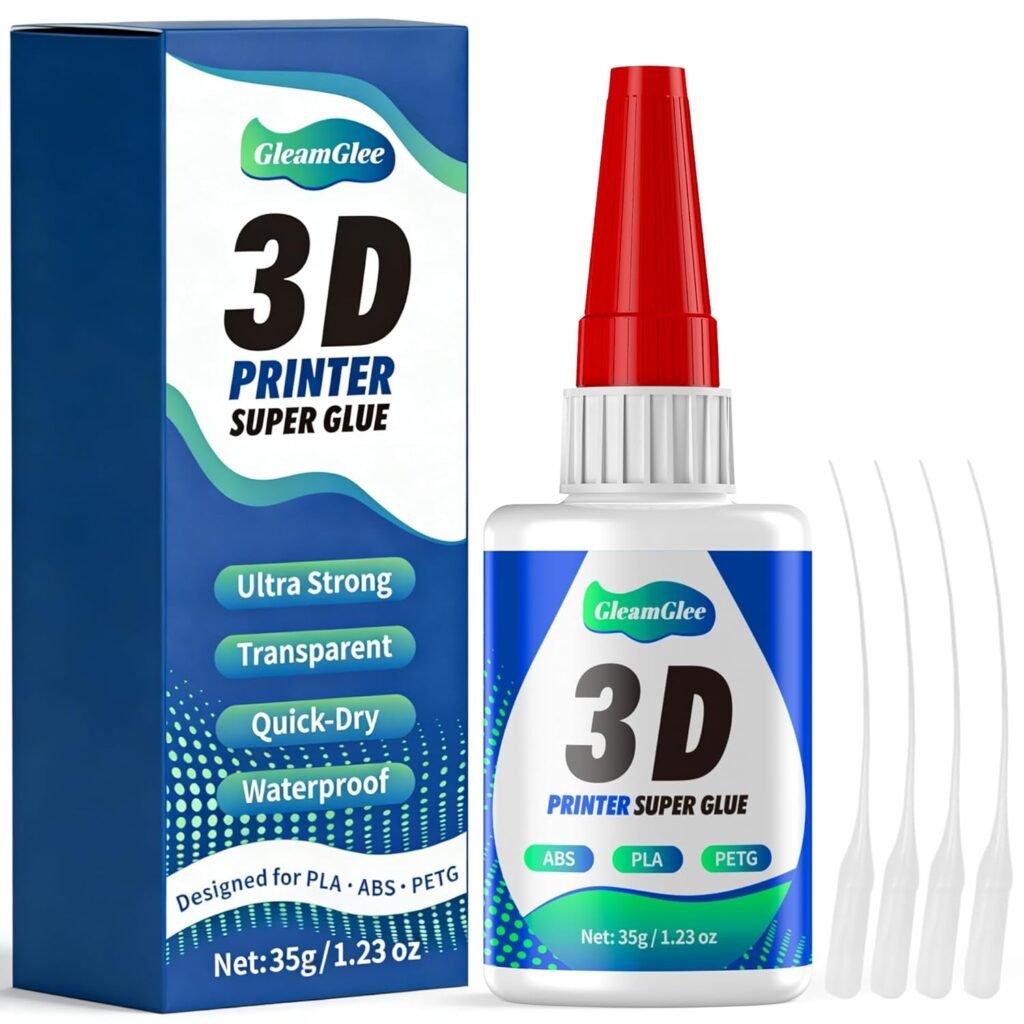
From a practical point of view, GleamGlee ceramic glue is designed around common repair situations rather than just lab performance. Users often mention that it feels easier to control during application, especially for small cracks or handle repairs where precision matters. The inclusion of multiple fine nozzles allows better accuracy, which reduces mess and improves bonding quality.
In everyday use, it performs well because it combines several key advantages:
- Stable bonding strength suitable for daily-use mugs
- Heat and water resistance for coffee and washing
- Clear finish that keeps repairs less visible
- Multiple precision nozzles for detailed repairs
- Simple application process that works for beginners
Typical Use Results
| Scenario | Performance |
|---|---|
| Handle repair | Strong and stable |
| Hairline crack | Clean and nearly invisible |
| Daily coffee use | Reliable with proper care |
| Decorative repair | Good visual result |
How to Use Ceramic Glue for Cracked Mugs?
Using ceramic glue for cracked mugs is not complicated, but small details in the process can significantly affect the final result. Many users assume that applying glue and pressing the pieces together is enough, but in reality, the durability of the repair depends on how well each step is handled. The difference between a repair that lasts a few days and one that lasts several months often comes down to preparation, application control, and patience during curing.
In everyday use, the most successful repairs follow a simple pattern: clean surface, controlled glue application, proper alignment, and full curing time. Users who skip even one of these steps often report that the glue “didn’t work,” even when using a good product. On the other hand, when the process is done carefully, even a heavily used coffee mug can remain stable through daily use, including washing and handling.
How to Prepare Ceramic Glue for Cracked Mugs Repair?
Preparation is the step that most people rush, but it has the biggest impact on whether the repair holds or fails. A ceramic surface may look clean, but it often has invisible layers of oil, dust, or drink residue that prevent the glue from bonding properly. If these contaminants are not removed, the adhesive will only stick to the surface layer instead of the ceramic itself, which leads to early failure after a few uses. Many users who experience weak repairs later realize that the issue was not the glue, but the surface condition before application.
In real-life testing, properly cleaned surfaces can retain up to 85–95% of bond strength, while poorly prepared surfaces may drop below 60%, even with the same glue. This difference becomes noticeable after just a few washes or when the mug is filled with hot liquid.
Preparation Impact on Bond Strength
| Surface Condition | Bond Strength Retention | Expected Result |
|---|---|---|
| Fully cleaned & dry | 85–95% | Strong, durable |
| Slightly dirty | 60–75% | May weaken over time |
| Oily / dusty | 40–60% | Likely to fail early |
From a practical standpoint, preparation simply means making sure the broken surfaces are clean, dry, and ready to bond. Even a few extra minutes spent here can significantly improve the final outcome and extend the life of the repair.
How to Apply Ceramic Glue for Cracked Mugs Correctly?
Applying ceramic glue correctly is less about technique and more about control. Many users make the mistake of applying too much glue, thinking it will create a stronger bond, but in reality, excess glue can prevent proper contact between surfaces and weaken the repair. A thin, even layer allows the adhesive to spread across the bonding area and create a tighter connection. Another important factor is alignment—if the pieces are not positioned correctly from the start, the bond may set in the wrong position, making the repair both weaker and more visible.
In everyday use, successful repairs usually involve applying a small amount of glue, pressing the pieces firmly together, and holding them steady for a short period before letting the adhesive set. Users who take time to align the parts carefully often achieve cleaner and stronger results.
Application Method vs Result
| Application Style | Bond Quality | Appearance |
|---|---|---|
| Thin, even layer | Strong | Clean, minimal marks |
| Too much glue | Weaker | Messy, visible residue |
| Poor alignment | Unstable | Gaps or uneven joint |
| Controlled pressure | Strong | Smooth connection |
Another detail that makes a noticeable difference is how precisely the glue is applied. Products with fine nozzles allow users to place glue directly into narrow cracks or along thin edges, which improves bonding and reduces waste. This is especially useful for mug handles or hairline cracks where accuracy matters more than quantity.
How Long Does Ceramic Glue for Cracked Mugs Take to Dry?
Drying time is one of the most misunderstood parts of the process, and it is also where many repairs fail. While ceramic glue often sets within seconds, this initial hold is not the same as full strength. Many users assume that once the pieces stay together, the mug is ready to use, but the internal bonding process continues for several hours. Using the mug too early—especially with hot liquids—can weaken the bond before it fully stabilizes.
In real usage, allowing the glue to cure completely can significantly improve durability. Users who wait the full recommended time often report much longer-lasting repairs compared to those who use the mug too soon.
Drying and Curing Timeline
| Stage | Time Range | What It Means |
|---|---|---|
| Initial bonding | 5–10 seconds | Pieces stay in place |
| Early stability | 5–10 minutes | Can handle light movement |
| Partial strength | 1–2 hours | Still not ready for use |
| Full cure | 24 hours | Maximum strength reached |
From a practical point of view, the safest approach is to leave the mug untouched for a full day after repair. This ensures the adhesive has enough time to fully harden and develop its intended strength. Many users find that simply waiting longer results in a noticeably stronger and more reliable repair.

Is Ceramic Glue for Cracked Mugs Strong Enough?
For most everyday situations, ceramic glue for cracked mugs is strong enough to restore practical use, especially for small cracks, chips, and broken handles. When the glue is applied correctly and allowed to fully cure, it can recover around 80–95% of the original structural strength, which is sufficient for holding liquids, daily handling, and regular washing. Many users continue using repaired mugs for months without noticeable issues, particularly when the damage is clean and well-aligned.
However, strength is not just about the glue itself—it also depends on how the mug is used after repair. A mug that is gently handled, hand-washed, and used for standard hot drinks will last much longer than one exposed to heavy stress, dishwashers, or sudden temperature changes. In real-life use, ceramic glue performs best when expectations match the type of repair: it is highly reliable for typical household use, but not intended for extreme conditions or severely damaged items.
Is Ceramic Glue for Cracked Mugs Safe for Hot Drinks?
For most users, the biggest concern is whether a repaired mug can safely hold hot coffee or tea without failing. In practice, ceramic glue performs well with hot drinks as long as the adhesive is heat-resistant and the repair has fully cured. A properly repaired mug can handle normal beverage temperatures, which typically range from 70°C to 90°C, without the bond softening or breaking. Many users report continued daily use for coffee after repair, especially when the damage is on the exterior or the handle rather than inside the cup.
The key factor is where the repair is located. External repairs, such as handle reattachment or outer cracks, are generally stable under heat because they are not in direct contact with liquid. Internal cracks, however, are more sensitive because they are exposed to both heat and moisture continuously. In these cases, long-term durability may decrease, and some users choose to use the mug for non-food purposes instead.
Heat Performance in Real Use
| Repair Location | Heat Exposure | Performance |
|---|---|---|
| Handle repair | Low | Very stable |
| Outer surface crack | Medium | Stable with care |
| Inner surface crack | High | Reduced durability |
| Full structural crack | Very high | Not recommended |
From a practical standpoint, users who avoid microwave heating and allow full curing time tend to see the best results. The glue itself can handle heat, but sudden temperature changes and uneven heating can shorten the lifespan of the repair.
Is Ceramic Glue for Cracked Mugs Good for Daily Use?
Ceramic glue can support daily use, but the level of durability depends on how frequently and intensively the mug is used. In real-world conditions, a repaired mug used once or twice a day for coffee or tea can remain stable for several months, especially if handled carefully. The bond is strong enough to hold the weight of a full mug and withstand normal gripping and lifting, which is what most users care about in everyday situations.
At the same time, daily use introduces repeated stress, including washing, temperature changes, and minor impacts. Over time, these factors gradually weaken the bond, especially if the repair area is under constant pressure, such as a handle joint. Users who treat the repaired mug more gently—by hand washing and avoiding heavy impacts—usually experience longer-lasting results.
Daily Use Durability
| Usage Type | Stress Level | Typical Lifespan |
|---|---|---|
| Light use | Low | 6–12 months |
| Regular daily use | Medium | 3–6 months |
| Heavy use | High | 1–3 months |
From a practical point of view, ceramic glue provides enough strength for normal household use, but it works best when the mug is not exposed to unnecessary stress. Many users find this level of durability acceptable, especially compared to replacing the mug.
Is Ceramic Glue for Cracked Mugs Long Lasting?
Ceramic glue is not always a permanent repair, but it can be long-lasting enough to be practical and cost-effective. In real-life use, the lifespan of a repair depends on several factors, including the type of damage, how well the surfaces were prepared, and how the mug is used afterward. Clean breaks with proper alignment tend to last significantly longer than uneven or incomplete repairs, and high-quality adhesive plays an important role in maintaining stability over time.
Users who follow proper repair steps and allow full curing often report that their mugs remain usable for months, sometimes even longer. On the other hand, repairs that are rushed or poorly aligned may begin to weaken within a few weeks. This difference highlights that durability is not only about the product, but also about how carefully the repair is carried out.
Factors Affecting Lifespan
| Factor | Impact on Durability |
|---|---|
| Clean surface | Increases lifespan |
| Proper alignment | Improves strength |
| Full curing time | Essential for stability |
| High heat exposure | Reduces lifespan |
| Dishwasher use | Shortens lifespan |
From a user perspective, ceramic glue offers a practical balance: it may not last forever, but it provides enough durability to extend the life of a mug in a meaningful way. For many people, getting several months of reliable use is already a worthwhile result, especially when the alternative is discarding the item.
Are Ceramic Glue for Cracked Mugs FAQs Worth Knowing?
For most users, understanding a few key questions about ceramic glue can make a big difference in whether a repair succeeds or fails. Many people approach mug repair with uncertainty, especially when it comes to safety, durability, and long-term use. Knowing what to expect before starting helps avoid common mistakes, such as using the mug too early, choosing the wrong type of glue, or applying it incorrectly.
In real-life situations, these frequently asked questions often come from actual concerns after a failed attempt or hesitation before trying. Users want to know if the repair will look clean, whether it will hold under daily use, and if it is worth repairing instead of replacing the mug. These answers are not just technical—they directly affect the decision to repair or discard the item.
Do Ceramic Glue Repairs for Cracked Mugs Look Invisible?
In many cases, ceramic glue repairs can look very clean and almost invisible, especially when the damage is minor and the pieces fit together well. Users who repair hairline cracks or clean breaks often find that the repaired area is difficult to notice unless viewed closely. This is because high-quality ceramic glue dries clear and forms a thin bonding layer that does not leave thick residue or discoloration. When applied carefully, the glue fills the crack without creating visible lines, which helps maintain the original look of the mug.
However, the final appearance depends heavily on how the repair is done. If too much glue is applied or the pieces are not aligned properly, the repair line may become visible or uneven. Larger cracks or missing material are also more noticeable, even with clear glue. In real usage, users who take extra time to apply a small amount of glue and align the pieces carefully usually achieve much better visual results. For decorative or sentimental mugs, this can make a significant difference, as the repair blends into the original design rather than standing out.
Are Ceramic Glue Repairs for Cracked Mugs Dishwasher Safe?
Most ceramic glue repairs are not considered dishwasher safe, even if the bond itself is strong. Dishwashers expose the mug to a combination of high heat, strong water pressure, and cleaning chemicals, all of which can gradually weaken the adhesive over time. While the repair may hold initially, repeated dishwasher cycles often shorten the lifespan of the bond, leading to cracks reopening or the glued area becoming unstable.
In real-life use, users who switch to hand washing after repair usually see much better results. Gentle cleaning with warm water and mild soap reduces stress on the bonded area and helps maintain the strength of the repair. Many users report that a mug repaired with ceramic glue can last two to three times longer when hand washed compared to being placed in a dishwasher. For anyone looking to extend the life of a repaired mug, avoiding dishwashers is one of the simplest and most effective steps.
Is Ceramic Glue for Cracked Mugs Better Than Replacing the Mug?
Whether repairing is better than replacing depends on the situation, but in many everyday cases, repair is the more practical choice. For small cracks, chipped edges, or broken handles, ceramic glue offers a quick and affordable solution that restores the mug to usable condition. Instead of spending money on a replacement, users can often fix the issue in less than a day and continue using the same mug for months. This is especially valuable when the mug has sentimental value or is part of a set that is difficult to replace.
At the same time, replacement may be the better option for severe damage, such as multiple fractures or missing pieces, where the repair cannot restore full strength or safety. Some users also prefer replacing very low-cost mugs rather than repairing them. In practice, most users make the decision based on a simple balance: if the repair is easy and the mug is worth keeping, they choose to fix it. If the damage is too extensive or the cost of replacement is low, they choose to replace it. This flexible approach reflects how ceramic glue is used in real life—not as a perfect solution, but as a practical and often worthwhile one.
Conclusion
Repairing a cracked mug is no longer just a temporary fix—it’s a practical and reliable option when done correctly. With the right ceramic glue, proper preparation, and enough curing time, most common damages like cracks, chips, and broken handles can be restored to a level that supports everyday use. Many users find that their repaired mugs continue to perform well for months, especially when they avoid unnecessary stress like dishwashers or sudden temperature changes.
For most people, the decision comes down to value. If the mug is part of your daily routine, has sentimental meaning, or simply feels wasteful to replace, ceramic glue offers a simple and cost-effective solution. Instead of throwing it away, you can extend its life with a repair that takes less than a day but delivers long-term usability. Even from a practical standpoint, getting several more months of use from a repaired mug often makes more sense than replacing it immediately.
If you’re looking for a ceramic glue that performs consistently in real-life conditions, GleamGlee ceramic glue is designed for exactly these scenarios—from precise crack repairs to durable handle bonding. For brands, retailers, or bulk buyers, GleamGlee also provides customized formulations, private label solutions, and global supply support. Whether you need a reliable repair at home or a scalable product for your business, reaching out for samples or pricing is a straightforward next step.
Share:
Table of Contents
Here, creating your adhesives glue & removal cleaner collection is no longer a barrier—it’s a collaborative journey where GleamGlee helps brands and businesses transform their vision into durable, certified, and market-ready solutions.
Partner with GleamGlee
Join hundreds of global partners who trust GleamGlee for adhesives and cleaners that combine innovation, compliance, and speed. Our vertically integrated system—from R&D to warehouse—guarantees consistent performance and reliable delivery.
Whether you’re sourcing FBA-ready stock or developing your own formula, our team provides unmatched technical support and responsive service.