Skip to content
Need Ceramic Glue for Capodimonte Porcelain Repair: A Gentle Repair Guide
Your trusted adhesives glue & cleaner manufacturer

Capodimonte porcelain is easy to love and hard to repair. A small broken rose petal, loose leaf, cracked base, or missing figurine hand may look like a minor problem, but on a detailed porcelain piece, that small break can change the whole look. These pieces are often kept for years on display shelves, in glass cabinets, or as family keepsakes. People do not repair them only because of price. They repair them because the item has a story.
Ceramic glue for Capodimonte porcelain repair should dry clear, bond strongly, and allow very controlled application. It works best for clean breaks, small porcelain flowers, loose leaves, figurine parts, decorative trims, and display pieces where the original broken parts still fit together closely. For rare antiques, missing fragments, or large structural damage, professional restoration is safer.
The biggest mistake is treating Capodimonte like ordinary ceramic. A mug handle repair usually has a wide contact area. A Capodimonte flower petal may have only a 2–5 mm bonding edge. A figurine finger may be thinner than a matchstick. That means the repair needs less glue, steadier hands, and more patience. With the right ceramic glue and careful steps, many small porcelain breaks can look clean again without turning the repair line into the first thing people notice.
What Is Ceramic Glue for Capodimonte?
Ceramic glue for Capodimonte is a clear repair adhesive used for broken porcelain flowers, leaves, figurine parts, trims, bases, and small decorative pieces. It should bond hard porcelain firmly, dry cleanly, and allow very small glue placement because many Capodimonte breaks have only a few millimeters of contact area.
Capodimonte porcelain usually breaks at the most detailed parts: flower petals, leaf tips, fingers, hats, lace edges, baskets, ribbons, and base ornaments. These parts are often thin, raised, and exposed. A normal ceramic glue may fix a wide mug handle, but Capodimonte repair needs more control. The glue line may sit on a front-facing flower or beside painted detail, so excess adhesive can be more noticeable than the break itself.
For most small repairs, ceramic glue works best when the original broken piece is still available and the two edges fit closely. A clean petal break, a loose leaf, or a detached figurine hand can often be repaired at home. If the porcelain is crushed, missing, previously glued with yellow residue, or highly valuable, the repair may need professional restoration instead of simple gluing.
Why Capodimonte Breaks
Capodimonte porcelain breaks easily because its beauty depends on delicate raised detail. A flower bouquet may contain dozens of thin petals. A figurine may have fingers, lace cuffs, hair ribbons, shoes, or small accessories. These details often extend outward from the main body, so they receive more stress during dusting, moving, storage, or shipping.
Common break areas include:
- Flower petals: often 1–3 mm thick at the edge.
- Leaves and stems: narrow contact points, often curved.
- Figurine fingers and hands: small parts with precise angles.
- Lace-style edges: thin decorative sections that chip easily.
- Base trims: exposed edges that hit shelves or cabinets.
- Old repair lines: previous glue may become brittle or yellow.
Many breaks happen during normal home handling. A dry cloth catches on a flower. A figurine is picked up by the upper body instead of the base. A porcelain piece is wrapped tightly for moving. A cabinet door closes and lightly shakes the shelf. These are small actions, but Capodimonte details can fail because the contact area is limited.
Before gluing, check whether the break is clean or crushed. A clean break usually has sharp matching edges and can sit back in place without forcing. A crushed break leaves powder, missing chips, or uneven gaps. Ceramic glue can bond the original surfaces, but it cannot rebuild missing porcelain shape by itself.
What Ceramic Glue Fixes
Ceramic glue can fix small and medium Capodimonte breaks when the damaged parts still fit together. It is most useful for decorative repairs where the piece will return to display rather than heavy daily use. The goal is a stable, clean-looking repair that keeps the original porcelain detail in place.
Suitable repair examples include:
| Capodimonte Part | Repair Situation | Ceramic Glue Suitability |
|---|---|---|
| Flower petal | One petal snapped off cleanly | Good |
| Leaf | Leaf is loose but complete | Good |
| Figurine hand | Small hand detached at wrist | Good with careful alignment |
| Hat or ribbon | Decorative part broke off | Good |
| Base trim | Small trim piece detached | Good if weight is low |
| Long crack | Crack is visible but still aligned | Moderate |
| Shattered flower | Many tiny missing fragments | Difficult |
| Missing chip | Original piece is lost | Glue alone is not enough |
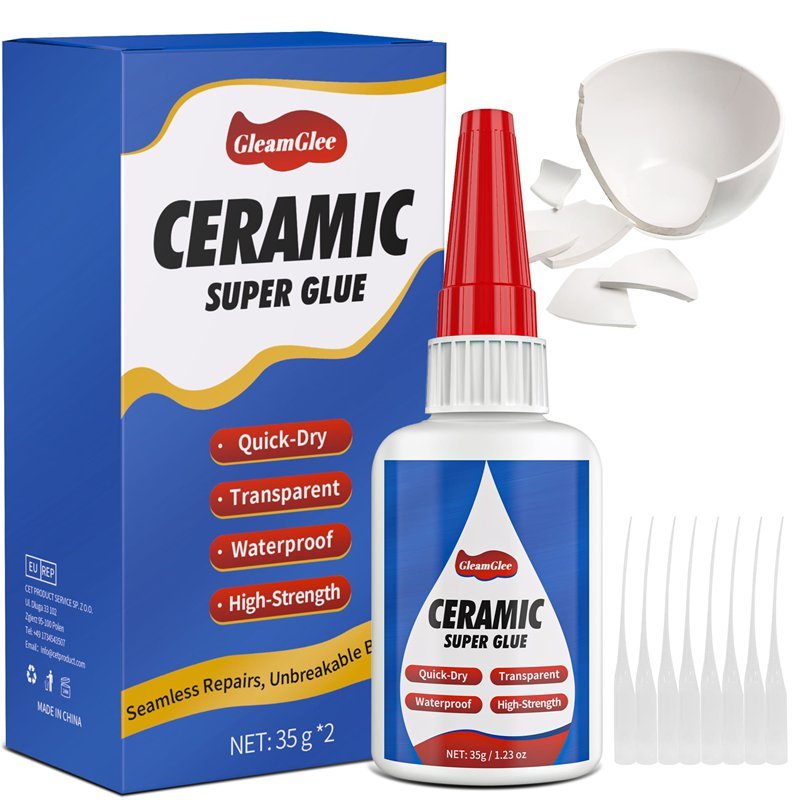
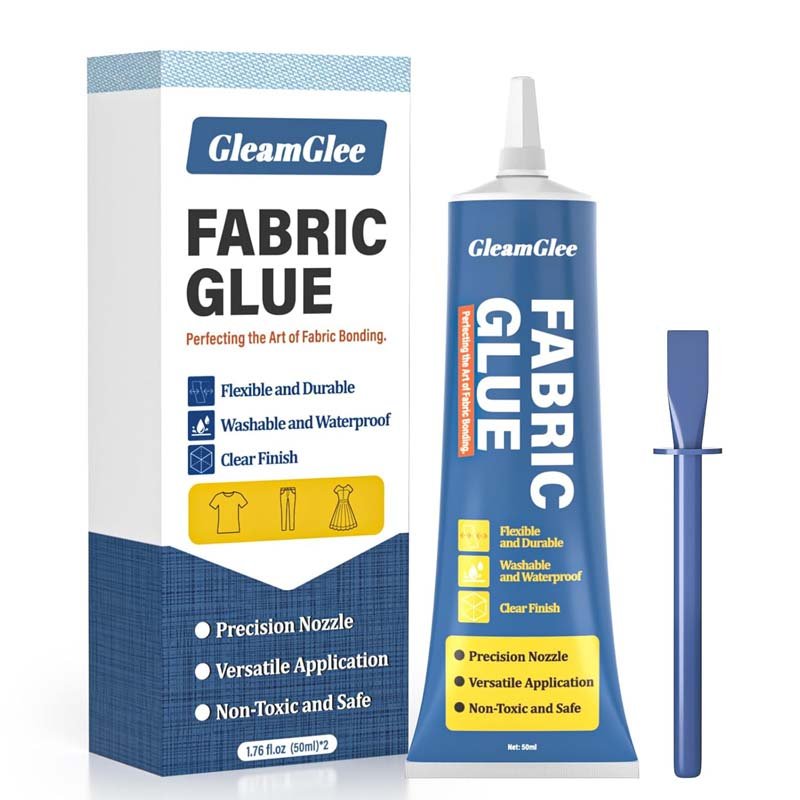
GleamGlee Ceramic Glue is suitable for porcelain, ceramic, glass, wood, metal, plastic, PVC, concrete, and other small repair materials. For Capodimonte repair, this matters because some decorative pieces may include ceramic parts attached to a mixed base, frame, ornament, or craft structure. One glue can handle more than a single porcelain break.
The precision nozzle is especially important. A Capodimonte petal may only need one small dot of glue. A figurine finger may need a narrow line along a tiny edge. Too much glue can squeeze out and create a glossy mark. Fine-tip application helps keep the repair cleaner and reduces waste.
When Repair Is Safe
Ceramic glue repair is safe when the break is small, the pieces match closely, and the item is mainly for display. A detached flower, loose leaf, broken figurine accessory, or small trim can usually be repaired carefully at home. The repair area should be dry, dust-free, and easy to support while curing.
A simple safety check before repair:
- The broken piece is complete.
- The edges fit without pressure.
- The break does not carry major weight.
- The surface is not covered with old thick glue.
- The repair line is not on a high-value painted face.
- The piece will not be washed or handled often.
- The repaired area can sit still during curing.
Repair is less safe when the piece is rare, signed, antique, or intended for resale. A visible glue line, misaligned petal, or cloudy residue may lower value. If the porcelain has missing parts, old yellow adhesive, large cracks, or broken load-bearing sections, professional restoration is usually better.
For home display pieces, ceramic glue offers a practical repair path. It helps save sentimental porcelain without replacing the item. For valuable collectibles, the better first step is evaluation. Once glue is applied badly, removing it can be harder than the original repair.
Which Ceramic Glue for Capodimonte Works?
The best ceramic glue for Capodimonte should dry clear, bond hard porcelain strongly, and apply through a fine-tip nozzle. It should work on tiny petals, leaves, figurine parts, trims, and base details without leaving thick glue marks. For clean decorative repairs, precision is just as important as strength.
Capodimonte porcelain usually has small raised details instead of wide flat bonding areas. A broken mug handle may give several square centimeters of contact surface, but a porcelain flower petal may have only a 2–5 mm edge. The right glue must grip small surfaces quickly while still allowing a clean-looking finish.
A good repair glue should meet these practical standards: clear drying, strong bonding, thin application, fast initial hold, anti-clog storage, and compatibility with ceramic or mixed materials. GleamGlee Ceramic Glue fits these repair needs with a crystal-clear bond, precision nozzles, quick 5–10 second press time, and use on ceramic, glass, metal, wood, plastic, PVC, concrete, and more.
Clear Ceramic Glue
Clear ceramic glue works best for Capodimonte because most repair lines sit close to visible decoration. White porcelain, soft pink flowers, green leaves, gold accents, and painted figurine details can show glue marks quickly. If the glue dries cloudy, yellow, or raised, the repair may look more obvious than the original break.
Clear glue is most useful for:
- White porcelain flowers
- Light-colored figurine parts
- Small chips on glossy surfaces
- Base trims near visible edges
- Decorative ornaments displayed under light
- Porcelain pieces viewed at close distance
A clear finish does not automatically make every repair invisible. The broken edges still need to fit tightly. If there is a missing chip, crushed edge, or old glue residue, even clear glue may reflect light and show a repair line. Thin application is the key. A small dot or narrow line usually looks better than a thick bead.
| Repair Condition | Visual Result with Clear Glue |
|---|---|
| Clean break, tight fit | Repair line can look very subtle |
| Small front-facing petal | Clear glue helps reduce visible marks |
| Painted or gilded area | Must avoid overflow and wiping |
| Missing chip | Gap may still show |
| Old yellow glue underneath | Repair may look uneven |
| Thick glue layer | Can dry clear but still look raised |
GleamGlee Ceramic Glue creates a crystal-clear bond, which helps with porcelain flowers, figurines, ornaments, and decorative repairs. For Capodimonte, use the glue like a fine repair line, not a surface coating.
Strong Ceramic Glue
Strong ceramic glue is needed because Capodimonte parts may be decorative, but they still face daily stress. Dusting, moving, cabinet vibration, packing, and accidental touch can weaken a poor repair. A petal or figurine hand with a tiny contact area needs a bond that grips firmly after curing.
Strength should match the repair type:
- Small petal: needs controlled grip, not heavy glue volume.
- Leaf: needs stable bonding on a curved edge.
- Figurine hand: needs quick hold and correct angle.
- Base trim: needs stronger cured bond because it may touch shelves.
- Long crack: needs close alignment and longer support.
- Load-bearing leg or base: may need professional reinforcement.
For small Capodimonte repairs, more glue does not always mean more strength. If the adhesive layer is too thick, the porcelain surfaces may not meet closely. That can leave a weaker joint and a more visible repair. A thin, even layer on a clean surface usually performs better.
GleamGlee Ceramic Glue is designed for instant, ultra-strong bonding. For most small repairs, the pieces can be pressed firmly for 5–10 seconds, then left undisturbed to cure. This quick initial hold is useful for tiny parts that can slide out of position, such as petals, leaves, fingers, hats, and small accessories.
Fine-Tip Ceramic Glue
Fine-tip ceramic glue is one of the most important features for Capodimonte repair. Many breaks are too small for a wide glue opening. A normal tube can release too much adhesive at once, especially on flower clusters, lace edges, and figurine details. Once excess glue spreads onto painted porcelain, cleanup becomes difficult.
A fine-tip nozzle helps in three direct ways:
- Places glue only on the broken contact edge.
- Reaches narrow cracks and curved repair points.
- Reduces overflow around flowers, leaves, and painted detail.
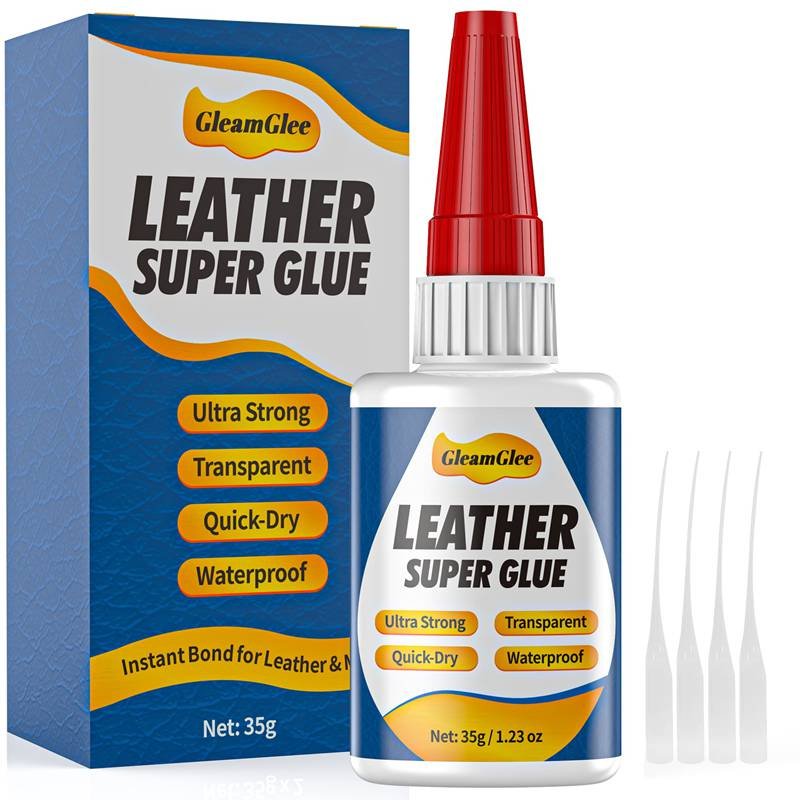
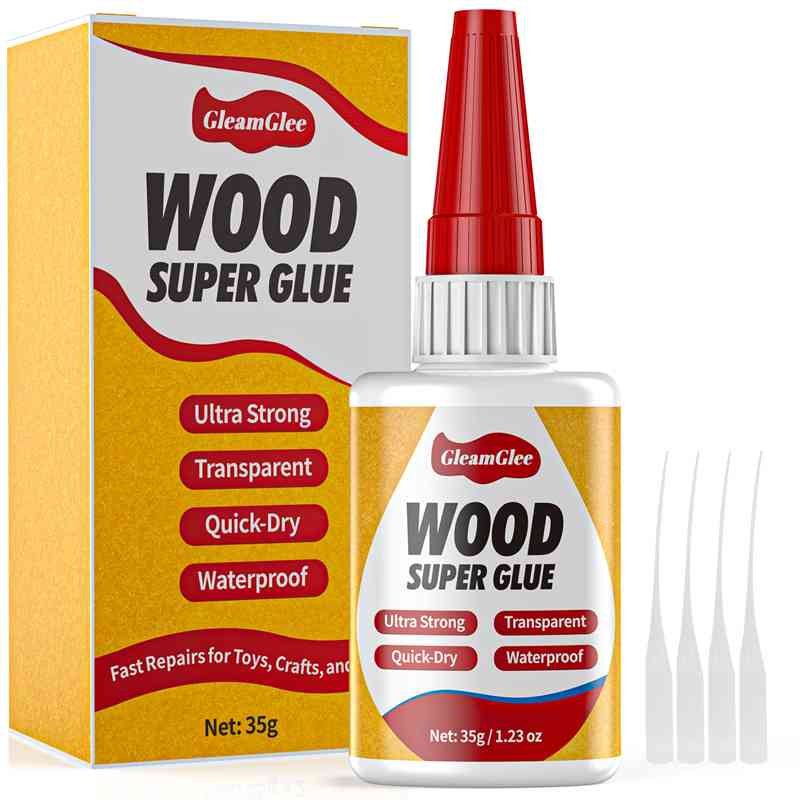
GleamGlee Ceramic Glue includes 4 precision nozzles per pack, and the 2-pack includes 8 precision nozzles. This is useful for multiple repairs or small detailed projects where clean application matters. It also helps keep the glue usable longer, especially when paired with the resealable anti-clog cap.
| Capodimonte Repair Area | Why Fine-Tip Glue Helps |
|---|---|
| Flower petal | Needs one tiny dot, not a wide bead |
| Leaf stem | Curved edge needs controlled placement |
| Figurine finger | Small edge must stay clean |
| Lace trim | Narrow contact area is easy to flood |
| Base ornament | Glue must stay behind visible detail |
| Hair ribbon or hat | Tiny part needs accurate positioning |
For Capodimonte repair, the applicator often decides the final look. A strong glue with poor control can leave a messy repair. A fine-tip ceramic glue gives more control before the bond begins, which is exactly what delicate porcelain needs.
How to Use Ceramic Glue for Capodimonte?
To use ceramic glue for Capodimonte, dry-fit the broken parts first, clean the contact area, apply a thin layer with a fine-tip nozzle, press the pieces together for 5–10 seconds, then let the repair cure fully before moving or displaying the piece. Small porcelain details need careful alignment and very little glue.
Capodimonte repair should start before the glue is opened. Many visible repair mistakes come from poor preparation: the petal sits at the wrong angle, the figurine hand turns slightly outward, old glue blocks the fit, or too much adhesive squeezes onto painted porcelain. A careful dry fit can prevent most of these problems.
Work on a soft towel, under bright light, with enough space around the piece. Small petals, leaves, fingers, and trims can roll away easily. For delicate parts, prepare cotton pads, folded paper, toothpicks, low-tack tape, or soft foam before applying glue. Once the adhesive is on the porcelain, there should be no need to search for support tools.
Step 1: Match the Pieces
Match the broken pieces without glue before starting the repair. This step shows whether the repair is suitable for home gluing. If the edges meet closely and the part sits naturally, ceramic glue can usually work well. If the part rocks, leaves a gap, or does not align, the repair may need cleaning, extra support, or professional restoration.
Check the fit from several angles:
- Front view: does the flower, hand, or trim look natural?
- Side view: is the part tilted too high or too low?
- Top view: does the piece line up with nearby details?
- Contact point: do the broken edges touch closely?
- Stability: can the part stay in place for a few seconds?
For flower clusters, compare the broken area with similar flowers on the same piece. Capodimonte petals often follow a repeated shape, so another rose or leaf can show the correct angle. For figurine parts, check body posture. A hand, shoe, hat, or basket may look strange if it shifts even 2–3 mm.
If several fragments are broken, arrange them in repair order. Larger support pieces should usually be repaired first, then smaller details. Do not glue all pieces at once. Multi-piece repairs need staged bonding so each section has time to hold before the next part is added.
Step 2: Clean the Break
Clean the broken edge gently before applying ceramic glue. Dust, loose porcelain powder, oil from fingers, and old adhesive can weaken the bond. A clean, dry surface gives the glue better contact with the porcelain.
Use gentle cleaning tools:
- Soft brush for dust.
- Dry cotton swab for small edges.
- Wooden toothpick for loose old residue.
- Air blower for fine powder.
- Slightly damp cotton swab only when needed.
- Plastic tool instead of metal scraping.
Avoid soaking Capodimonte porcelain. Water can enter cracks, old repair lines, or unglazed areas. Also avoid strong solvents around painted flowers, gold trim, facial details, or older restoration work. If any moisture is used, wait until the surface is fully dry before gluing.
Old yellow glue is a common problem on vintage pieces. If the previous glue is loose, remove it carefully. If it is hard, thick, and close to painted detail, do not force it off. Scratching the edge may create more damage and make the new repair harder to hide. In difficult cases, professional cleaning may be safer.
Step 3: Apply Thin Glue
Apply ceramic glue in a very thin amount. Capodimonte porcelain usually does not need a large bead of adhesive. A small dot or narrow line is often enough because the repair area is small. Too much glue can squeeze out, leave a glossy edge, or stop the porcelain pieces from sitting tightly together.
Use the fine-tip nozzle to place glue only where the porcelain touches. GleamGlee Ceramic Glue is designed with precision nozzles, which helps control tiny repair areas such as petals, leaves, fingers, lace edges, and trims.
| Repair Area | Glue Amount | Application Tip |
|---|---|---|
| Tiny petal | One small dot | Place glue on the thicker broken edge |
| Leaf base | Thin short line | Follow the actual contact point |
| Figurine hand | Very thin layer | Avoid painted wrist or sleeve areas |
| Base trim | Narrow line | Keep glue behind the visible edge |
| Hair ribbon or hat | Small dot | Use tweezers or toothpick for positioning |
| Fine crack | Minimal amount | Do not flood the crack surface |
After applying glue, place the piece directly into position. Avoid sliding it around, because sliding can smear adhesive onto the glazed surface. If a little glue appears at the edge, do not wipe across painted porcelain. It is better to prevent excess glue than to clean it afterward.
Step 4: Press and Cure
Press the repaired part firmly but gently for 5–10 seconds, or follow the product instructions. The pressure should hold the edges together without crushing the porcelain. Thin petals, fingers, and leaves can break again if squeezed too hard.
For awkward pieces, use soft support during curing:
- Folded paper under a raised flower.
- Cotton pad behind a loose leaf.
- Foam block beside a figurine hand.
- Low-tack tape away from painted areas.
- Small towel roll to stop the piece from tilting.
- Toothpick support for very tiny details.
After the first hold, leave the piece undisturbed. Quick bonding does not mean the repair is ready for normal handling. Do not dust, wash, pack, or return the item to a crowded cabinet too soon. A repaired Capodimonte piece should sit in a safe place until the bond is fully stable.
Before final display, inspect the repair under natural light. Check whether the part sits at the correct angle, whether glue is visible, and whether the repaired area is protected from future bumps. After repair, handle the item from the base or strongest body section, not from flowers, arms, trims, or other delicate parts.
What Ceramic Glue Tips Help?
The most helpful ceramic glue tips for Capodimonte are simple: use less glue, test the fit first, support tiny parts while curing, and keep the repaired piece still long enough to build strength. For porcelain flowers, leaves, figurine hands, and trims, careful control usually matters more than using a large amount of adhesive.
Capodimonte repairs often fail because of small mistakes, not because the glue cannot bond porcelain. A petal is pressed slightly off-angle. A leaf slides during curing. Old dust stays on the break. Too much glue squeezes onto painted detail. These issues are easy to avoid when the repair is planned before the adhesive is applied.
A good repair should look clean from normal display distance, hold during careful dusting, and not create a shiny patch around the break. For most small porcelain details, the best method is to apply a thin glue layer, press steadily for 5–10 seconds, then leave the item alone until fully cured. The repaired area should be treated as delicate even after bonding.

Use Less Glue
Use less ceramic glue than expected. Capodimonte porcelain usually has small bonding edges, so a large bead of glue does not improve the repair. In many cases, too much glue makes the result worse because it pushes the broken pieces apart, creates a raised line, or spreads onto painted porcelain.
For a tiny petal, one small dot is often enough. For a leaf or trim, a thin short line works better than a thick coating. For a figurine hand, apply glue only to the broken wrist edge, not the surrounding sleeve, arm, or painted surface. The glue should sit between the broken porcelain edges, not around them.
A practical amount guide:
| Repair Area | Better Glue Amount | What to Avoid |
|---|---|---|
| Small petal | Pinpoint dot | Full edge flooding |
| Leaf base | Thin short line | Glue on the leaf face |
| Figurine finger | Tiny dot | Thick bead around the hand |
| Base trim | Narrow line | Glue squeezed onto the front |
| Fine crack | Minimal amount | Filling the whole surface with glue |
| Ornament detail | Small controlled layer | Covering painted decoration |
Excess glue is difficult to clean from Capodimonte because many surfaces are painted, raised, or glazed. Wiping can spread adhesive and create a glossy smear. A fine-tip glue such as GleamGlee Ceramic Glue helps reduce this risk by placing adhesive only where it is needed.
Hold Small Details
Small details need support while the ceramic glue cures. Capodimonte petals, leaves, hats, hands, ribbons, and decorative accessories often sit at an angle. Even if the glue grips quickly, gravity can pull the piece slightly out of place before the bond becomes stable.
Prepare support tools before applying glue. Useful options include:
- Folded paper under a raised flower.
- Cotton pad behind a leaf.
- Soft foam to hold a figurine at an angle.
- Wooden toothpick for light positioning.
- Low-tack tape placed away from painted or gilded areas.
- A small towel roll to stop the piece from tipping.
Do not use strong clamps on thin porcelain details. Heavy pressure can crack the part or chip the edge. Metal clips are also risky unless the porcelain is protected with soft padding. For very tiny pieces, tweezers can help, but they should grip lightly and only on a stable area.
A small part should not move during curing. If the petal slowly drops, the leaf twists, or the figurine hand turns outward, the repair may dry in the wrong position. It is better to spend two minutes building a soft support than to redo a crooked repair later.
Test Hidden Areas
Testing a hidden area helps prevent visible damage, especially on older Capodimonte pieces with painted flowers, gold trim, worn glaze, or previous repairs. Even when a ceramic glue dries clear, the surface condition of the porcelain can affect how the repair looks.
Good test areas include:
- Underside of the base.
- Back side of a flower cluster.
- Hidden edge behind a figurine.
- Inner contact point that will be covered.
- Lower decorative trim not seen from the front.
Apply a very small amount and let it dry. Check whether the area becomes cloudy, glossy, stained, or rough. Also check how fast the glue spreads. Some glazed surfaces allow glue to travel farther than expected, especially on curved areas.
Testing is especially useful when:
- The piece is old or collectible.
- The surface has gold paint or hand-painted details.
- The porcelain has fine cracks or crazing.
- Old glue residue is present.
- The repair is on a front-facing area.
- The item has sentimental or resale value.
This small test reduces risk. If the hidden test area looks clean, the main repair can be done with more confidence. If the glue leaves a mark, adjust the amount, placement, or repair plan before touching the visible area.
Let Repairs Cure
Let the ceramic glue cure fully before moving the Capodimonte piece. Fast initial bonding is helpful, but early hold is not the same as full repair strength. A piece may feel attached after several seconds, yet still be vulnerable to movement, dusting, wrapping, or vibration.
After gluing, place the item in a safe area:
| Curing Condition | Better Choice | Risky Choice |
|---|---|---|
| Surface | Soft towel on a flat table | Hard floor, sink edge, crowded counter |
| Position | Stable with support | Leaning or tilted |
| Air movement | Calm room | Open window or fan |
| Contact | No touching | Frequent checking by hand |
| Cleaning | Wait until fully cured | Dusting too soon |
| Storage | Open space | Tight cabinet immediately |
For small petals and leaves, extra curing time is useful because the contact area is tiny. For base trims or figurine parts, the repaired section may carry more stress when the piece is moved. Wait before returning the item to a display shelf, especially if other objects sit close by.
After curing, handle the piece from the strongest area, usually the base or main body. Do not pick it up by flowers, arms, handles, trims, or repaired details. A good glue repair can restore the piece, but Capodimonte porcelain remains fragile by nature.
Is Ceramic Glue for Capodimonte Invisible?
Ceramic glue for Capodimonte can look nearly invisible when the break is clean, the porcelain edges fit tightly, and a thin layer of clear glue is used. It cannot hide missing porcelain, wide gaps, crushed edges, chipped paint, or poor alignment. The cleaner the break, the cleaner the repair will look.
Capodimonte porcelain often has white surfaces, pastel flowers, green leaves, gold accents, and hand-painted figurine details. These surfaces can show cloudy glue, thick repair lines, or shiny overflow very easily. A clear glue helps, but the final look depends on fit, glue amount, pressure, and curing position.
For most display repairs, the goal is not “perfectly invisible from every angle.” A more realistic goal is a clean repair that does not draw attention from normal viewing distance. A repaired petal inside a flower cluster may blend well. A repaired hand on the front of a figurine needs much more careful alignment because people naturally look at faces, hands, and body shape first.
Clear Drying Matters
Clear drying matters because Capodimonte porcelain is usually decorative, light-colored, and viewed closely. A glue that dries yellow, cloudy, or gray can make the repair look old and careless. Even a small mark around a white flower petal or painted hand may stand out under cabinet lights.
A clear ceramic glue is most useful in these areas:
| Repair Area | Why Clear Glue Helps |
|---|---|
| White porcelain petals | Reduces dark or yellow repair lines |
| Pastel flowers | Keeps color from looking stained |
| Green leaves | Helps avoid cloudy edges |
| Figurine hands | Makes small wrist repairs cleaner |
| Base trims | Keeps visible front edges neat |
| Ornaments | Better for close-range display |
GleamGlee Ceramic Glue creates a crystal-clear bond, which helps with Capodimonte flowers, leaves, figurines, ornaments, and small trims. However, clear glue should still be applied thinly. A thick drop may dry transparent but still look raised, glossy, or uneven.
For a cleaner result:
- Apply glue only to the broken contact surface.
- Use a fine-tip nozzle for small details.
- Avoid touching painted or gilded surfaces.
- Press the piece into place without sliding.
- Keep the repaired part still while curing.
- Check the repair under natural light after curing.
Clear glue improves the repair appearance, but careful application decides whether the repair looks discreet or obvious.
Thin Lines Look Better
Thin glue lines look better because they let the broken porcelain edges meet closely. When the edges sit tightly together, there is less shadow, less shine, and less space for glue buildup. This is especially important on Capodimonte petals, leaves, fingers, ribbons, and lace-style details.
A thick glue layer can create several problems:
- The broken part may sit slightly higher than before.
- Glue may squeeze out around the edge.
- The repair line may catch light.
- Painted details may look glossy or stained.
- The joint may be weaker because porcelain edges are separated.
For small decorative repairs, a dot or narrow line is usually enough. A petal with a 2–5 mm edge does not need a large bead. A figurine finger may only need a tiny amount on the broken end. A trim piece should receive glue behind the visible edge, not across the front.
| Repair Type | Better Application | Risky Application |
|---|---|---|
| Flower petal | Tiny dot on contact edge | Glue spread over petal surface |
| Leaf | Thin line at base | Glue covering painted leaf |
| Figurine hand | Thin layer on wrist break | Thick bead around sleeve |
| Base trim | Narrow line behind trim | Glue squeezed onto front |
| Hair ribbon | Small dot | Full coating on visible detail |
| Fine crack | Minimal controlled amount | Flooded glossy crack line |
Thin glue application also helps strength. When porcelain surfaces touch closely, the bond can work more directly. If the glue layer is too thick, the adhesive becomes a spacer between the pieces, which can reduce fit and increase visibility.
Gaps Still Show
Gaps still show because ceramic glue is not a replacement for missing porcelain. If a chip is missing, an edge is crushed, or old glue prevents the pieces from closing, the repair line may remain visible even with clear glue. Transparent adhesive can bond the area, but it cannot recreate the original sculpted shape.
Common reasons gaps appear include:
- A tiny porcelain chip was lost during the break.
- The broken edge became powdery or crushed.
- Old yellow glue is still stuck on the surface.
- The wrong fragment is being fitted first.
- The piece was forced and no longer aligns naturally.
- The damaged area is on a front-facing detail.
For hidden areas, a small gap may be acceptable. For example, a leaf behind a flower cluster or a trim under the base may not be easily noticed. For front-facing details, gaps are much harder to hide. A missing part on a figurine face, hand, flower center, or smooth white surface may need filling, shaping, painting, and surface finishing.
Do not use excess ceramic glue as gap filler on visible Capodimonte areas. It may look shiny, uneven, or raised after drying. If the gap is larger than a hairline crack, the repair may need a different method. For valuable pieces, professional restoration is safer because the restorer can rebuild missing material and match the color more closely.
Alignment Changes Visibility
Alignment is one of the biggest reasons a repair looks visible. Even if the glue dries clear, a petal, hand, ribbon, or base trim can look wrong if it sits 1–2 mm out of place. Capodimonte porcelain has sculpted movement, so small angles matter.
Before applying glue, dry-fit the broken part and check it from several directions:
- Front: does the part look natural?
- Side: is it too high, low, forward, or backward?
- Top: does it match nearby petals or figure posture?
- Contact point: do the edges close tightly?
- Shadow line: does the repair create a dark gap?
For flower repairs, compare the broken petal with similar petals nearby. For figurine repairs, compare the repaired hand or foot with the body posture. For trim repairs, check whether the line follows the curve of the base.
A clear glue line can blend in, but a crooked part cannot. Good alignment makes the repair quieter because the eye continues to read the original shape. Poor alignment draws attention immediately, even when there is no visible glue overflow.
Can Ceramic Glue Fix Capodimonte Flowers?
Ceramic glue can fix many Capodimonte flowers when the broken petal, leaf, stem, or small floral detail is still complete and fits back into place cleanly. It works best on small decorative breaks with tight contact points. Shattered flowers, missing fragments, or valuable antique pieces may need professional restoration.
Capodimonte flowers are difficult to repair because they are thin, layered, and highly visible. A porcelain rose may have many petals overlapping each other, and one broken edge can be only 2–5 mm wide. If the glue is too thick, the petal may sit higher than before. If the angle is wrong, the flower can look unnatural even when the bond is strong.
For floral repairs, the best result comes from dry fitting, tiny glue placement, soft support, and patient curing. GleamGlee Ceramic Glue is useful for this kind of repair because the fine-tip nozzle helps place adhesive on narrow edges, while the clear bond helps reduce visible marks around white, pink, cream, or pastel porcelain flowers.

Broken Petals
Broken petals are one of the most common Capodimonte flower repairs. These petals are usually thin, curved, and easy to snap during dusting, moving, or storage. A cleanly detached petal can often be reattached with ceramic glue if the original piece is still available and the edge is not crushed.
Before applying glue, test the petal position several times. Petals often overlap, so the broken piece may need to sit partly under another petal or lean at a certain angle. Compare it with nearby petals on the same flower. If similar petals curve upward, downward, or outward, use them as a guide.
Practical petal repair points:
| Repair Detail | Best Practice | Risk to Avoid |
|---|---|---|
| Glue amount | Tiny dot on the broken edge | Thick bead around the petal |
| Placement | Match the original curve | Petal sitting too high or flat |
| Pressure | Gentle 5–10 second hold | Squeezing thin porcelain too hard |
| Support | Folded paper or cotton pad | Letting the petal droop while curing |
| Cleanup | Prevent overflow first | Wiping across painted petals |
For very small petals, use a toothpick or tweezers only if needed. Tweezers should hold the thicker part of the petal, not the thin edge. After repair, avoid dusting the flower directly with a cloth. Use light air cleaning or a very soft brush around repaired petals.
Loose Leaves
Loose leaves can usually be repaired with ceramic glue, but they need careful support because many Capodimonte leaves curve away from the flower body. The bonding area may be narrow, and the leaf may slide if it is not held in position while curing.
The first step is finding the true contact point. A leaf may look large, but only a small base edge may actually touch the porcelain. Applying glue across the whole leaf back can cause overflow and visible shine. Instead, place a thin line only where the broken edges meet.
Helpful leaf repair tips:
- Dry-fit the leaf and mark the contact direction mentally.
- Apply a short thin line, not a wide coating.
- Support outward-facing leaves from below.
- Avoid glue on green painted surfaces.
- Keep the repaired piece still until fully cured.
- Handle the figurine from the base after repair.
Leaves often have darker paint than flower petals, so clear glue overflow may still show as a glossy patch. This is why thin application matters. If the leaf is part of a larger flower cluster, repair inner leaves first, then outer leaves. That order helps prevent crowding and misalignment.
Tiny Figurine Parts
Capodimonte floral pieces often include tiny figurine parts near flowers, such as hands holding bouquets, baskets, hats, ribbons, birds, shoes, or small accessories. Ceramic glue can repair these details when the break is clean and the part is not carrying weight.
These repairs require more alignment control than petals because the human eye notices hands, faces, posture, and accessories quickly. A hand that sits 2 mm off-angle may look more obvious than a small glue line. Before gluing, place the piece back and check it from the front, side, and top.
For tiny figurine parts:
- Use bright lighting or magnification.
- Apply a very small amount of glue.
- Press without twisting the part.
- Support the piece during curing.
- Do not use strong clamps on thin porcelain.
- Avoid touching painted skin, sleeves, or gold details.
If a figurine leg, base support, or weight-bearing part breaks, simple ceramic glue may not be enough. Load-bearing repairs may need pinning, internal support, or professional restoration. For decorative accessories and small non-load-bearing parts, fine-tip ceramic glue can provide a clean and practical repair.
Flower Repair Limits
Ceramic glue has limits with Capodimonte flowers. It can bond broken porcelain pieces, but it cannot replace missing petals, rebuild crushed edges, or repaint damaged surfaces. If a flower has several shattered fragments, the repair may become difficult because each petal needs its own angle, support, and curing time.
Repair may be difficult when:
| Damage Type | Why It Is Hard |
|---|---|
| Missing petal piece | Glue has no original shape to bond |
| Powdery broken edge | Weak surface reduces bonding contact |
| Multiple shattered petals | Alignment becomes complex |
| Old glue residue | New pieces cannot fit tightly |
| Front-facing flower center | Repair marks are more visible |
| High-value antique | Poor repair may reduce value |
For sentimental display pieces, a small visible repair may be acceptable if the flower looks whole again. For rare, signed, or high-value Capodimonte, professional restoration is safer. A restorer can rebuild missing porcelain, color-match petals, and reduce visible repair marks better than glue alone.
Why Choose GleamGlee Ceramic Glue?
GleamGlee Ceramic Glue is a strong, clear, fine-tip adhesive for porcelain, ceramic, glass, metal, wood, plastic, PVC, concrete, and small home repairs. For Capodimonte porcelain, it helps repair flowers, leaves, figurine parts, trims, ornaments, and decorative details with better control and a cleaner finished look.
Capodimonte repair needs more than a strong formula. It needs a glue that can be placed in a 2–5 mm broken edge without flooding painted porcelain. GleamGlee Ceramic Glue includes precision nozzles, a crystal-clear bond, quick 5–10 second press time, and a resealable anti-clog cap, making it practical for small display repairs.
For retailers, Amazon sellers, distributors, and private-label brands, GleamGlee also offers stable manufacturing support. The company has 25+ R&D specialists, 18+ design specialists, ISO 9001 and ISO 14001 production management, multi-language packaging support, and more than 12 million units of annual processing capacity.
Precise Nozzle Control
Precise nozzle control is one of the biggest advantages for Capodimonte porcelain repair. Many broken areas are too small for a standard glue opening. A flower petal may need only one small dot. A leaf may need a thin line on a curved base. A figurine finger may need adhesive on an edge only a few millimeters wide.
GleamGlee Ceramic Glue comes with multiple precision nozzles. Each pack includes 4 precision nozzles, and a 2-pack includes 8 precision nozzles. This helps when repairing several small pieces or when one nozzle becomes blocked after use. For small porcelain work, spare nozzles are not just an accessory; they directly affect how clean the repair can be.
Precise application helps with:
| Repair Area | Common Problem | How Precision Nozzles Help |
|---|---|---|
| Flower petals | Too much glue squeezes out | Places one small dot on the edge |
| Leaves | Curved contact area | Applies a thin line only where needed |
| Figurine fingers | Tiny bonding surface | Reduces glue on painted hands |
| Base trims | Visible front edge | Keeps glue behind the trim |
| Narrow cracks | Hard-to-reach gap | Directs glue into the crack |
| Ornaments | Small decorative parts | Lowers mess and waste |
This matters because Capodimonte porcelain is usually viewed up close. A messy glue mark on a flower or hand can stand out quickly. With a fine-tip nozzle, the repair can stay focused on the broken edge instead of spreading across the decoration.
Strong Clear Bond
A strong clear bond is important because Capodimonte pieces need both hold and appearance. A repaired flower should stay in place during careful dusting. A figurine hand should not loosen when the piece is moved. A base trim should stay attached when the item is returned to a shelf. At the same time, the glue should not dry yellow, cloudy, or bulky.
GleamGlee Ceramic Glue creates an instant, ultra-strong bond with a crystal-clear finish. For many small repairs, the process is simple: apply a thin even layer, press the pieces together for 5–10 seconds, then allow the repair to cure fully before handling. This quick initial hold helps reduce slipping, especially on petals, leaves, hats, ribbons, and figurine details.
Useful repair benefits include:
- Clear drying for white porcelain, pastel flowers, and painted details.
- Quick grip for small pieces that may slide out of place.
- Durable bonding for decorative display repairs.
- Waterproof and heat-resistant performance for suitable ceramic uses.
- Good adhesion on porcelain, ceramic, glass, metal, wood, plastic, PVC, concrete, and more.
Still, a strong bond should be used with realistic expectations. A repaired Capodimonte petal remains delicate because the original porcelain edge is delicate. The glue can restore the broken connection, but it cannot make thin porcelain immune to future bumps. After repair, the piece should still be handled from the base or main body, not from flowers, arms, trims, or repaired details.
More Repair Uses
GleamGlee Ceramic Glue is useful beyond Capodimonte porcelain. Many homes have several small repair needs: a mug handle, a cracked vase, a loose ceramic planter, a broken ornament, a detached mosaic tile, or a ceramic accent on a frame. A versatile ceramic glue gives more value because it can stay in the home repair drawer for future use.
Common repair uses include:
| Use Area | Repair Examples |
|---|---|
| Kitchen and tableware | Mugs, cups, plates, bowls, teapot lids, serving trays |
| Home décor | Vases, planters, ornaments, ceramic frames |
| Collectibles | Porcelain figurines, statues, seasonal décor |
| Garden | Flower pots, garden ornaments, decorative tiles |
| Crafts | Mosaics, school projects, ceramic pendants, handmade décor |
| Mixed materials | Ceramic to wood, glass, metal, plastic, concrete |
For Capodimonte owners, this matters because the same glue can be used for other fragile décor items instead of buying a new adhesive for every material. For e-commerce sellers and distributors, broad use cases also make the product easier to position across categories such as ceramic repair glue, porcelain figurine glue, mug repair glue, ornament glue, craft glue, and household adhesive.
GleamGlee’s manufacturing setup also supports wider product planning. With in-house R&D, packaging material production, label printing, and raw material preparation, the company can support ready-to-sell ceramic glue products as well as customized private-label versions for different markets.
Reliable Supply Support
GleamGlee is not only a ceramic glue product supplier; it is an adhesives glue and cleaners manufacturer based in Dongguan, Guangdong, China. For business customers, this matters because repeat quality, packaging control, compliance support, and delivery stability are often just as important as the first sample.
GleamGlee’s production and supply strengths include:
| Capability | Practical Value for Business Customers |
|---|---|
| 25+ R&D specialists | Formula development, testing, and product improvement |
| 18+ design specialists | Label, packaging, Amazon image, and multi-language design support |
| 4 specialized factories | Better control from raw materials to finished packaging |
| 12M+ annual processing capacity | Supports bulk orders and seasonal sales growth |
| 3,000+ packaging molds | More bottle, tube, cap, and packaging choices |
| ISO 9001 / ISO 14001 | Quality and environmental management support |
| CLP / REACH / UKCA / GHS support | Easier access to EU, UK, and US markets |
| Overseas warehouse experience | Better support for FBA and regional distribution |
For private-label ceramic glue projects, GleamGlee can support low MOQ customization from around 200 units, depending on project requirements. Packaging design can be prepared quickly, with print-ready design available as fast as 2 days for suitable projects. Samples usually take 7–14 days, and mass production is commonly around 20 days, with rush options around 15 days when production conditions allow.
This is useful for Amazon sellers, Shopify brands, craft supply companies, hardware retailers, distributors, and repair product brands that want to launch or expand a ceramic glue line. Instead of sourcing formula, packaging, label printing, compliance documents, and logistics from separate suppliers, GleamGlee can help connect the full product process from concept to shipment.
Conclusion
Capodimonte porcelain repair is not only about fixing a broken object. Many pieces carry years of display history, family memory, collecting effort, or decorative value. A broken flower petal, loose leaf, or damaged figurine detail can make the entire piece feel incomplete. With the right ceramic glue, careful preparation, and controlled application, many small porcelain repairs can return to a clean and stable display condition without replacing the original piece.
For delicate Capodimonte flowers, figurines, ornaments, trims, and decorative porcelain, the most important factors are clear drying, fine-tip control, thin glue application, and proper curing time. A clean repair usually comes from patience rather than excess adhesive. When the broken parts still fit closely, ceramic glue can help restore petals, leaves, hands, ribbons, and other fragile details while reducing visible glue marks around painted or glazed surfaces.
GleamGlee Ceramic Glue is designed to support both practical home repair and professional product supply needs. Along with strong clear bonding and precision nozzles, GleamGlee also provides stable manufacturing, private-label customization, packaging design, compliance support, and global logistics solutions for brands, Amazon sellers, distributors, and retailers. Whether repairing a treasured Capodimonte figurine or developing a ceramic glue product line, GleamGlee offers reliable support for long-term porcelain and ceramic repair needs.
Share:
Table of Contents
Here, creating your adhesives glue & removal cleaner collection is no longer a barrier—it’s a collaborative journey where GleamGlee helps brands and businesses transform their vision into durable, certified, and market-ready solutions.
Partner with GleamGlee
Join hundreds of global partners who trust GleamGlee for adhesives and cleaners that combine innovation, compliance, and speed. Our vertically integrated system—from R&D to warehouse—guarantees consistent performance and reliable delivery.
Whether you’re sourcing FBA-ready stock or developing your own formula, our team provides unmatched technical support and responsive service.