 Skip to content
Best Glue for Ceramic Mug Repair
That favorite mug you reach for every morning? The one with the perfect handle, the sentimental design, or the handmade glaze?
When it breaks, most people either toss it—or try a random glue and watch it fail again after a week of hot coffee + rinsing.
This page is built for real-life mug repairs: handles, chips, and small cracks—with the quickest path to a neat repair that actually holds.
Top pick for most mug handle repairs + clean-looking fixes:
The Best Glue for Your Mug Repair
Choose based on the kind of break:
Broken mug handle ✅
Best: Ceramic/porcelain repair glue
Broken handle with a tiny gap / uneven break ✅
Best: Ceramic glue or 2-part epoxy
Small chip on outer edge / cosmetic chip ✅
Best: Ceramic glue for stabilization
Hairline crack that reaches the inside of the mug ⚠️
Not ideal for daily drinking use
Crack through the base / full-thickness structural crack ❌
Usually not worth trusting for hot liquids—better as a keepsake/display piece
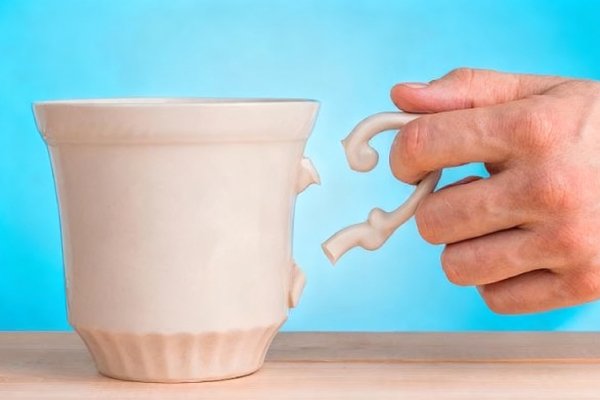
What Makes Ceramic Mug Repair Different
Mugs are tougher than vases and figurines because they face:
- Heat shock (hot coffee → cold rinse)
- Constant leverage (every lift pulls and twists the handle)
- Washing + cleaners (soaking, scrubbing, dish soap)
- Food-contact concerns (rim/interior exposure)
So the “best glue” isn’t just strong—it needs to be clean, controlled, and durable under real use.
Ceramic Mug Glue Types: What Works
Ceramic/Porcelain Repair Glue
Why it wins: precision + clean look + practical durability
Look for: dries clear, fast-drying, and heat resistance
2-Part Epoxy
Pros: very strong; can fill uneven breaks
Cons: mixing, longer cure, harder to keep the repair “invisible”
Regular Super Glue
Can bond ceramic, but many quick fixes fail because:
- brittle bond under twisting/lever force
- messy white haze if moisture is present
- not designed for repeated heat + wash cycles
Decorative repair kits
Great for display and aesthetics, but not always the best for a load-bearing handle you’ll use every day.
Why Mug Repairs Fail
Here’s the brutal truth: mug handles don’t fail by pulling off—they fail by twisting and sliding.
Most failed repairs come from one (or more) of these:

The bond is fighting leverage, not strength.
Every time you lift the mug, the handle experiences torque and shear. If your glue isn’t suited for that—or the bond line is weak—the handle will “pop” again.
Dirty ceramic = fake success.
Tea residue, skin oils, dish soap film, and dust create a surface your glue can’t truly grip. It may feel solid for a day… then give up.
Too much glue makes a weaker repair.
A thick blob can prevent tight contact, cure unevenly, and squeeze out—messy outside, weak inside.
No clamp time
Even slight drifting during cure creates micro-gaps that become failure points.
Popular Best-Selling Options People Buy
When you search “best glue for ceramic mug repair,” most best-sellers fall into three real-world categories. The “best” choice depends on what you’re fixing: a handle break, a chip, or a crack.
Category A: Clear Ceramic Repair Glue
Why people buy it: fast set, controlled application, and a repair line that looks less obvious.
Best for: clean handle breaks, hairline seams, small chips on the outside.
Our pick in this category: GleamGlee Ceramic Glue 35g
Category B: 2-Part Clear Epoxy
Why people buy it: strong + can fill gaps better than thin glues.
Best for: uneven fractures, small missing slivers, repairs where “invisible” isn’t the top priority.
Popular option example: J-B Weld ClearWeld
Category C: Decorative Repair Kits
Why people buy it: turns a break into a design feature.
Best for: keepsakes & display pieces.
Fast rule:
- Want it to look clean and feel simple? Start with Category A.
- Need gap-filling strength? Consider Category B.
- Want “art repair” vibes? Go Category C.
Amazon Hot-Sellers People Commonly Choose
Here are several Amazon-popular options shoppers commonly compare when repairing ceramics/mugs. This list includes both brand-name staples and category best-sellers.

GleamGlee Ceramic Glue 35g (our recommended pick)
clear ceramic repair glue built for ceramic/porcelain/pottery/dishes; positioned as waterproof + high-temperature resistant, with precision application support.
J-B Weld ClearWeld (clear 2-part epoxy)
a go-to clear epoxy option people use for ceramic and many surfaces (good for gaps, less “invisible” than a neat CA-line).
Loctite PL Premium (construction adhesive)
extremely popular for construction materials; great product, but typically more relevant to building/household surfaces than a fine mug-handle seam.
Gorilla Heavy Duty Construction Adhesive
another Amazon staple for heavy-duty indoor/outdoor bonding; again, more “construction category” than “precision mug seam.”
Ceramic glue category best-sellers
many shoppers compare multiple “ceramic glue 35g” listings; the key is picking one that dries clear, is heat/water resistant, and is easy to control on a thin seam.
What this shortlist tells you:
For ceramic mugs, the highest satisfaction usually comes from a precision ceramic repair glue (Category A), because it’s designed for clean, tight seams—exactly what mug handles need.
Best Overall Glue for Ceramic Mug Repair
Best Overall: GleamGlee Ceramic Glue 35g
If you want the most “real-life usable” mug repair—strong + neat + low drama—this is the one we recommend first.
Why it’s the best value for mug repairs
It’s engineered for ceramic-style repairs
GleamGlee is positioned specifically for ceramic/porcelain/
pottery/dishes/tiles—the exact materials and bonding behavior you’re dealing with on a mug.
Clean, invisible-looking finish
A mug handle repair fails twice if it’s strong but looks messy. This one is built to dry clear for a smoother seam line.
Built for “mug life”: heat + water reality.
Your mug sees heat shock and washing. GleamGlee’s specs/positioning emphasize waterproof after full cure and heat resistance up to 120°C / 248°F.
Precision nozzles = fewer mistakes .
It includes 4 precision nozzles so you can apply a thin, controlled line into a hairline seam without flooding the area. That’s a huge win for mug handles and rim chips.
Best for
- Clean mug handle breaks
- Small exterior chips
- Tight seams on porcelain/ceramic/pottery where you want a neat finish
Not ideal for
- Big gaps / missing chunks
- Cracks reaching the interior drinking surface
“Do this and it holds”
- Degrease first
- Dry fit the handle and practice the alignment
- Apply a thin line (less glue, tighter contact = stronger seam)
- Press + brace so it cannot shift while curing
- Let it fully cure (24 hours) before hot liquids or washing
How to Repair a Broken Ceramic Mug Handle
What you’ll need: paper towel, rubbing alcohol (or degreaser), cotton swab, painter’s tape (or rubber bands), optional clamp/brace
1. Clean like your repair depends on it
- Wash off grime, then wipe both break surfaces with alcohol to remove oils.
- Let everything dry fully.
2. Dry-fit the pieces
- Match angles and find the exact “lock” position.
- Practice holding it for 10–15 seconds so you know your grip.
3. Apply glue
- Use a small amount. The goal is full contact, not a thick layer.
- Precision-tip application helps prevent overflow.
4. Press + hold
- Press the pieces together firmly.
- Wipe any squeeze-out immediately (before it sets).
5. Let it cure before you stress it
- Avoid twisting, hot liquids, and washing until fully cured.
- Then test with gentle handling first.
Make the Bond Stronger and the Repair Cleaner
- Use less glue than you think. Thin bond lines are usually stronger (and look better).
- Reinforce against shear: if the break surface allows it, apply glue in small “zones,” not a single blob.
- Tape is your clamp. A stable brace beats “perfect pressure” every time.
- Keep moisture away during bonding. Humidity + wet surfaces can cause sloppy bonds and cosmetic haze.
Safety & Use Guidance
- If the crack reaches the inside of the mug or the drinking rim, it’s safer to treat the mug as decor-only (pen holder, planter, keepsake).
- For handle repairs on the exterior, a heat-resistant, washable ceramic glue is a better fit for daily life than random household glue.
- For dishwasher/microwave use: follow the adhesive’s guidance and be conservative—high heat + harsh cycles are tougher than hand-washing.
FAQ
Q1: What is the best glue for a broken ceramic mug handle?
A clear, fast-drying ceramic/porcelain repair glue made for pottery and ceramic items is usually the easiest and cleanest choice for handle breaks.
Q2: Will ceramic glue hold up to hot coffee or tea?
Look for a glue that’s heat resistant—that’s one of the key requirements for mugs.
Q3: Can I put a repaired mug in the dishwasher?
Dishwasher cycles are harsh (heat + detergent + water pressure). Even “washable” adhesives may perform better with hand-washing, especially for load-bearing handles.
Q4: How long should I clamp or brace a mug handle repair?
Brace it long enough that the handle can’t shift during curing. Movement is the #1 hidden cause of re-breaks.
Q5: How do I remove old glue from ceramic before re-gluing?
Scrape off loose residue carefully, then degrease. Your new glue can only bond as well as the surface underneath it.
Q6: What if my mug has a hairline crack?
If the crack reaches the interior or rim, it’s safer to treat it as a display item instead of a daily drinking mug.
Q7: Does glue work on glazed porcelain?
Yes—but glazed surfaces are low-porosity, so prep matters. Clean/degrease thoroughly and use a glue designed for ceramic repair.
Q8: What glue is best for small chips on a mug?
A clear ceramic repair glue can help stabilize minor chips and reduce further chipping (cosmetic perfection may need additional touch-up).

Fix the Mug You Love

If you’re repairing a broken handle, stabilizing a chip, or restoring a ceramic piece you actually use, don’t gamble with random glue.
👉 Get the recommended ceramic mug repair glue:





















