Skip to content

How to Repair Ceramic Tiles Quickly at Home : A Practical Guide
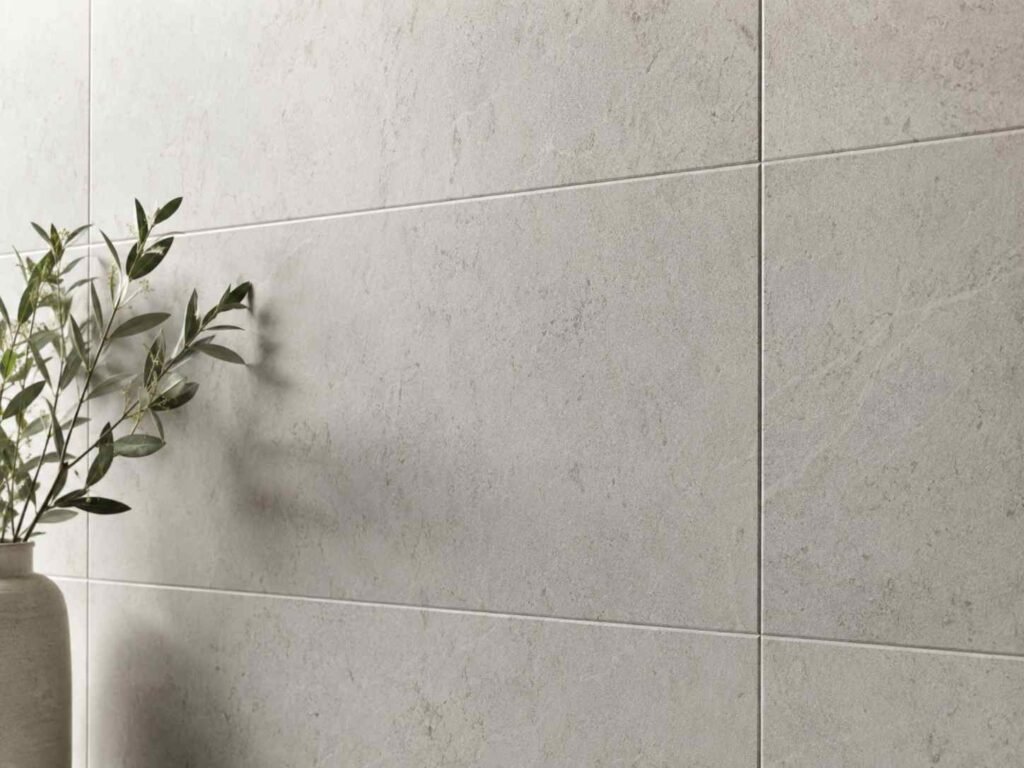
The good news is that many small ceramic tile problems can be repaired quickly without removing the whole tile. If the tile is dry, stable, and the broken pieces still fit together, a clear ceramic glue can seal the crack, hold the broken edge, or reattach a small piece in minutes. The strongest results usually come from three things: clean surface, thin glue line, and firm pressure for 5–10 seconds before curing.
How to Repair Ceramic Vases with Glue : A Complete Guide
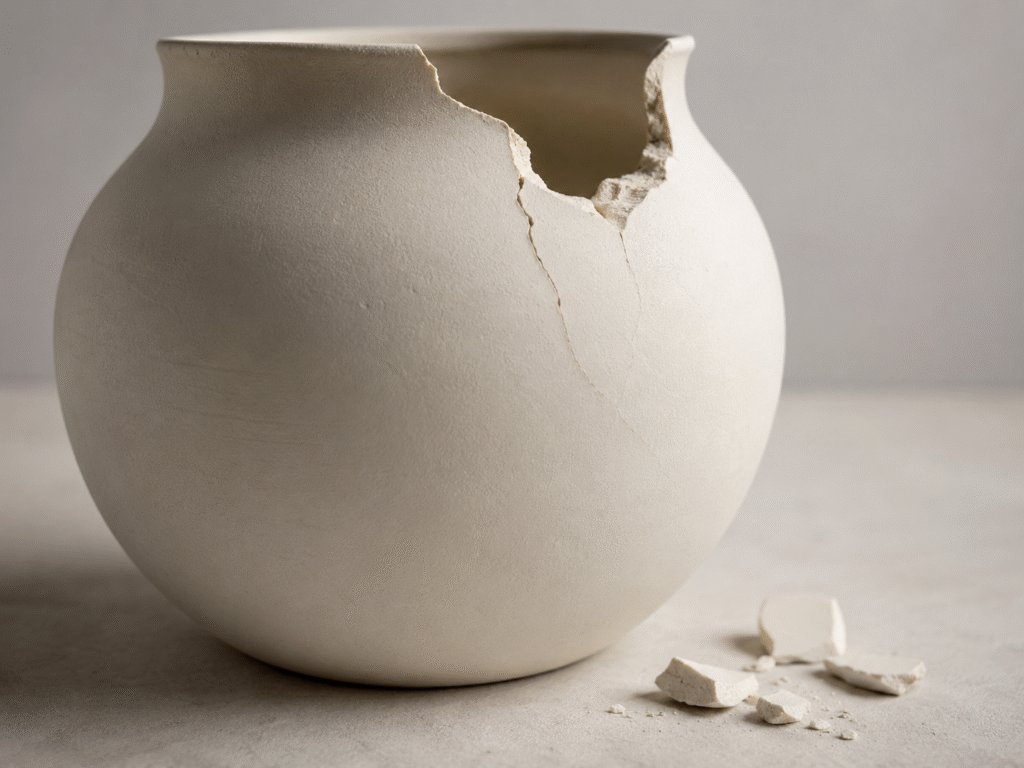
A broken ceramic vase feels different from a broken plastic container or a cracked storage box. Many vases carry memory: a housewarming gift, a handmade piece from a trip, a family decoration, a favorite planter from the living room window, or a vase that simply looks perfect on one shelf. Replacing it may be possible, […]
How to Repair Ceramic Dishes with Ceramic Glue: A Global Step-by-Step Guide
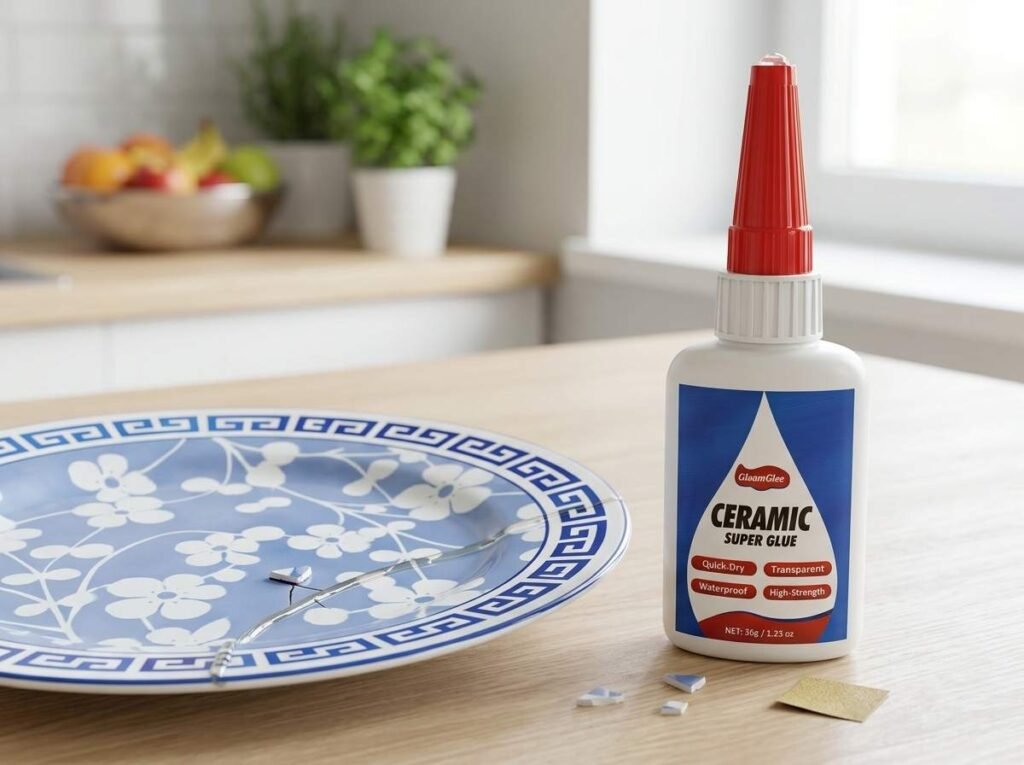
A broken ceramic dish is not always just a broken dish. It may be the mug you use every morning, the plate from a matching dinner set, the small bowl that fits perfectly in your kitchen, or a ceramic piece with family meaning. When it cracks or breaks, many people hesitate before throwing it away because the item still feels useful, beautiful, or personal.
How to Fix Ceramic Figurines at Home: A Professional Repair Guide
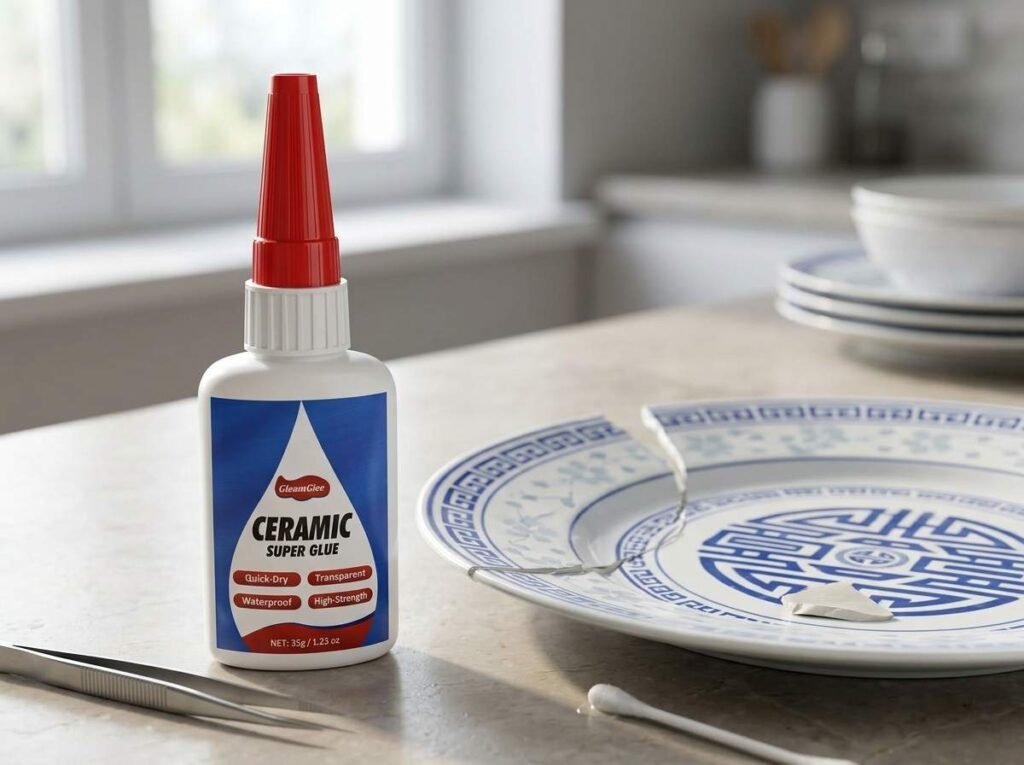
A broken ceramic figurine is rarely “just a broken object.” It may be a porcelain angel from a family shelf, a small ceramic dog from a holiday trip, a Christmas figure brought out every year, or a garden statue that has sat by the door for several seasons. The damage is often small: one hand, one wing, one ear, one base corner. But because figurines are decorative, even a small repair mistake can be obvious.
How to Glue Ceramic : Strong, Clean Repair Guide
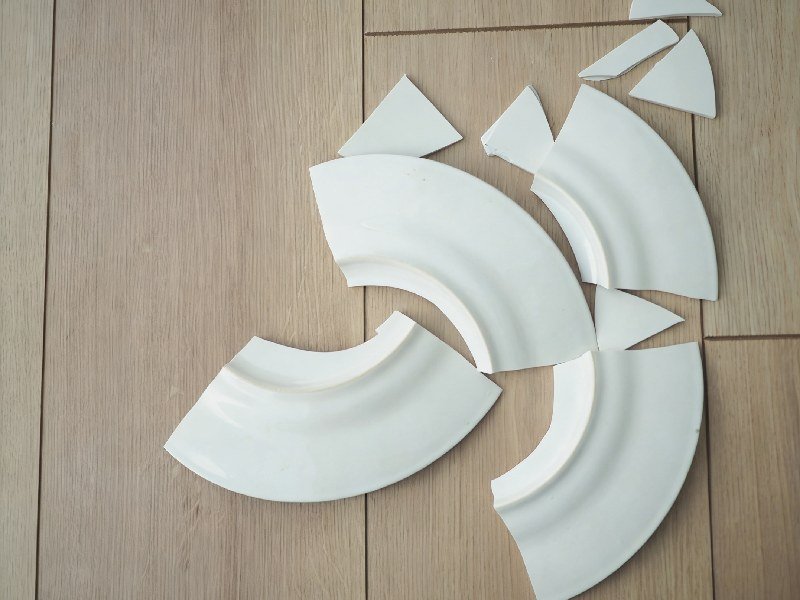
To glue ceramic well, clean and dry the broken edges first, test-fit the pieces, then apply a thin and even layer of the right adhesive. Press the parts together firmly, remove extra glue carefully, and allow full curing before use. For small clean breaks, fast-bond ceramic glue can work very well. For heavier repairs, handle joints, and wider cracks, a stronger gap-filling option is usually the safer choice.
What Is Ceramic Glue:Strong, Clear Repairs Made Simple
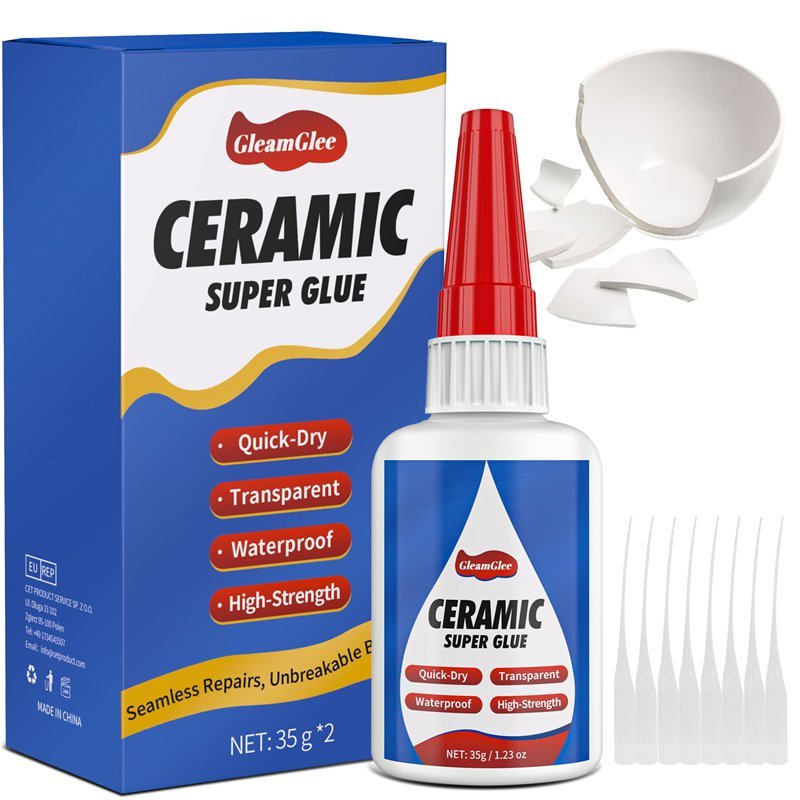
Ceramic glue is an adhesive formulated to bond porous materials like ceramic and porcelain by flowing into micro-pores and locking pieces together. A good ceramic glue sets in seconds, cures fully in about 24 hours, dries clear, and holds up better than general glues against water, heat from hot drinks, and everyday handling. It’s used for mugs, plates, vases, figurines, planters, and small household repairs.
What Kind of Glue to Use on Ceramic:Strong Repair Guide

Ceramic looks solid and permanent, but once it cracks or breaks, repairing it exposes a common problem: not all glue works on ceramic. The smooth, often glazed surface makes adhesion difficult, and ceramic’s rigidity means stress is concentrated right at the glue line. This is why many quick fixes fail after a few uses. Choosing the right glue isn’t about grabbing the strongest product on the shelf—it’s about matching the adhesive to how the ceramic item will actually be used, whether that means heat, moisture, weight, or daily handling.
What Glue to Use on Ceramics: Strong, Clean Repair Guide
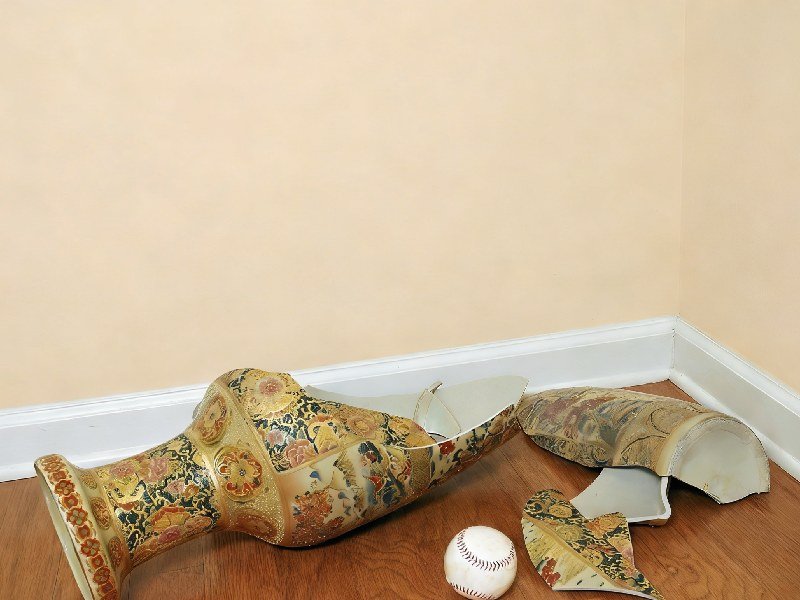
A ceramic break feels small—until it happens to the thing you actually use every day. A mug handle snaps the morning you’re rushing. A favorite bowl develops a hairline crack that “looks fine” until hot soup makes it spread. A porcelain figurine breaks in a way that makes the repair line painfully obvious. Most people don’t want a “quick fix.” They want a repair that looks clean, holds up to real use, and doesn’t fail the first time the item gets warm, wet, or bumped.
What Glue Is Best for Porcelain: Strong, Clear, Heat-Safe Repairs
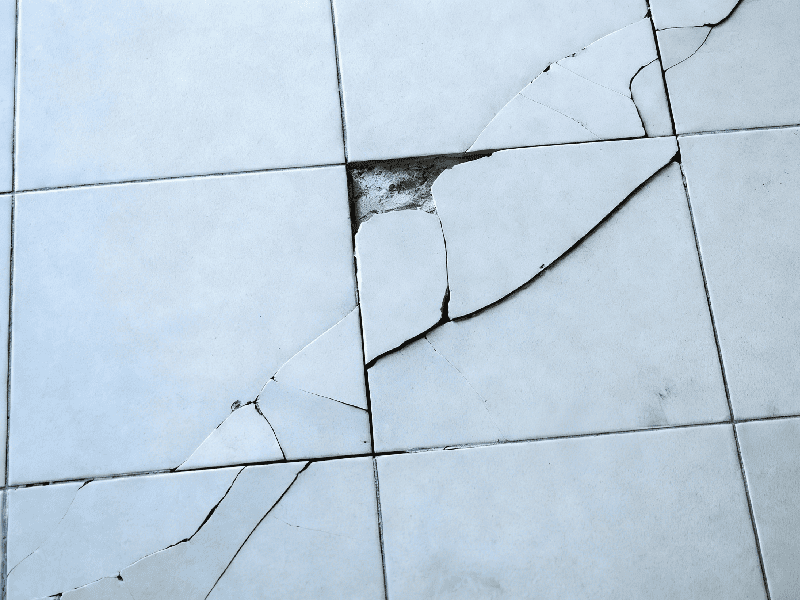
The best glue for porcelain is a purpose-made porcelain/ceramic glue that dries clear, bonds smooth non-porous surfaces, and holds up to daily heat and moisture. For most household repairs (mugs, plates, décor, figurines), it gives cleaner and more reliable results than super glue. For heavy structural breaks or tile load points, 2-part epoxy is often the safer choice.
What Glue Is Best for Porcelain: A Complete Guide for Porcelain Repair
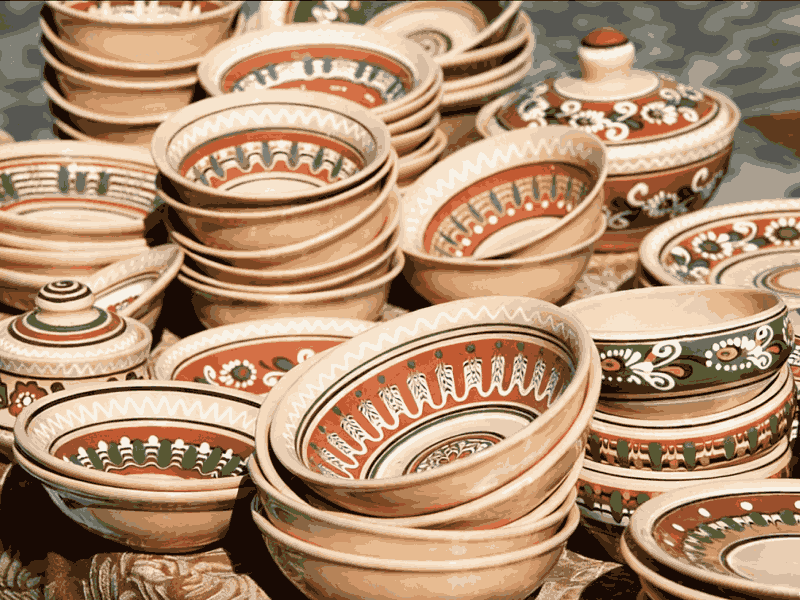
The best glue for porcelain depends on the type of repair. Epoxy glue is typically the strongest and most versatile, while specialized porcelain glues offer precision and invisibility for delicate projects.
For instance, if you’re fixing a decorative porcelain figurine, you’ll need a glue that bonds invisibly without leaving a trace. On the other hand, if you’re repairing a broken mug or teapot, you may want a strong adhesive like epoxy that can endure daily use. In this guide, we’ll walk you through the different types of glues available for porcelain repairs and help you select the best option for your project. Let’s dive into the details of the strongest and most reliable adhesives that will restore your porcelain to its former glory.