 Skip to content
Best Adhesive Remover for Home DIY Projects
Adhesive cleanup is one of those jobs that looks simple until it starts slowing everything down.
A label comes off, but the sticky layer stays behind.
Tape lifts, but the residue still shows.
A quick repair leaves glue on wood, plastic, or metal.
A bathroom or kitchen touch-up ends with a silicone smear that does not wipe away cleanly.
That is usually where the search begins: best adhesive remover for home DIY projects.
For home DIY cleanup, the real question is rarely just whether a remover works. The better question is whether it works well on the kinds of sticky mess that actually show up around the house — without making cleanup messier, more aggressive, or more frustrating than it needs to be.
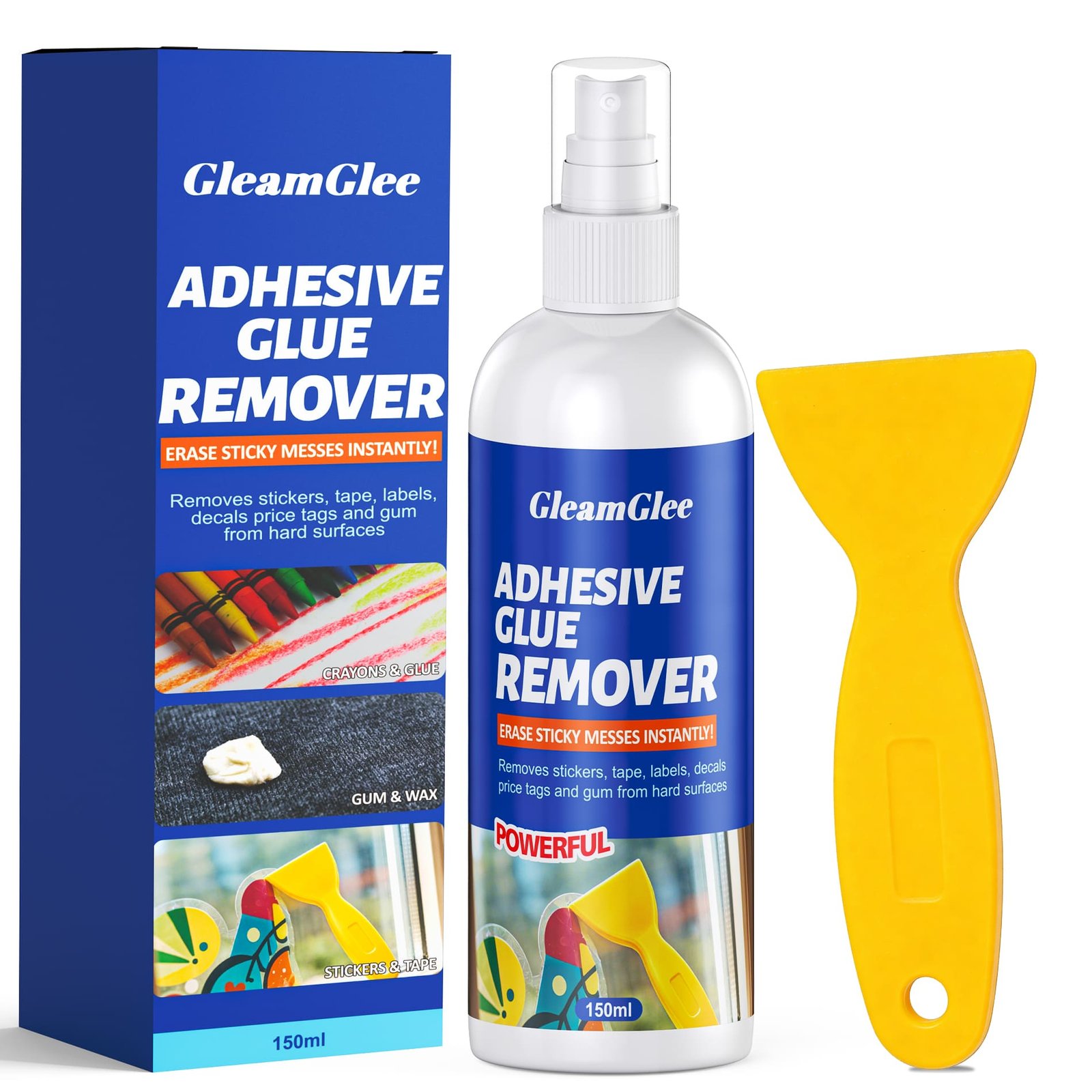
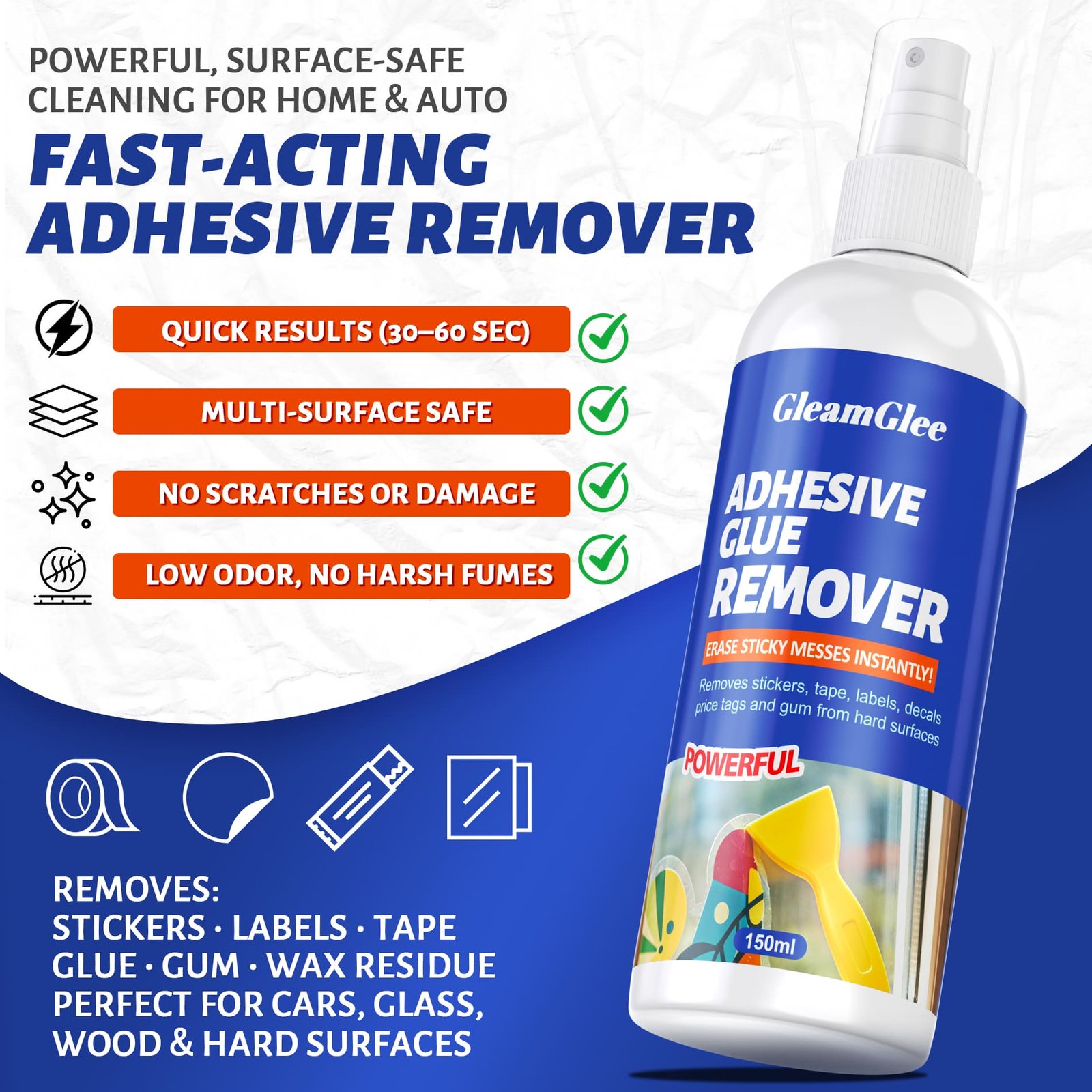
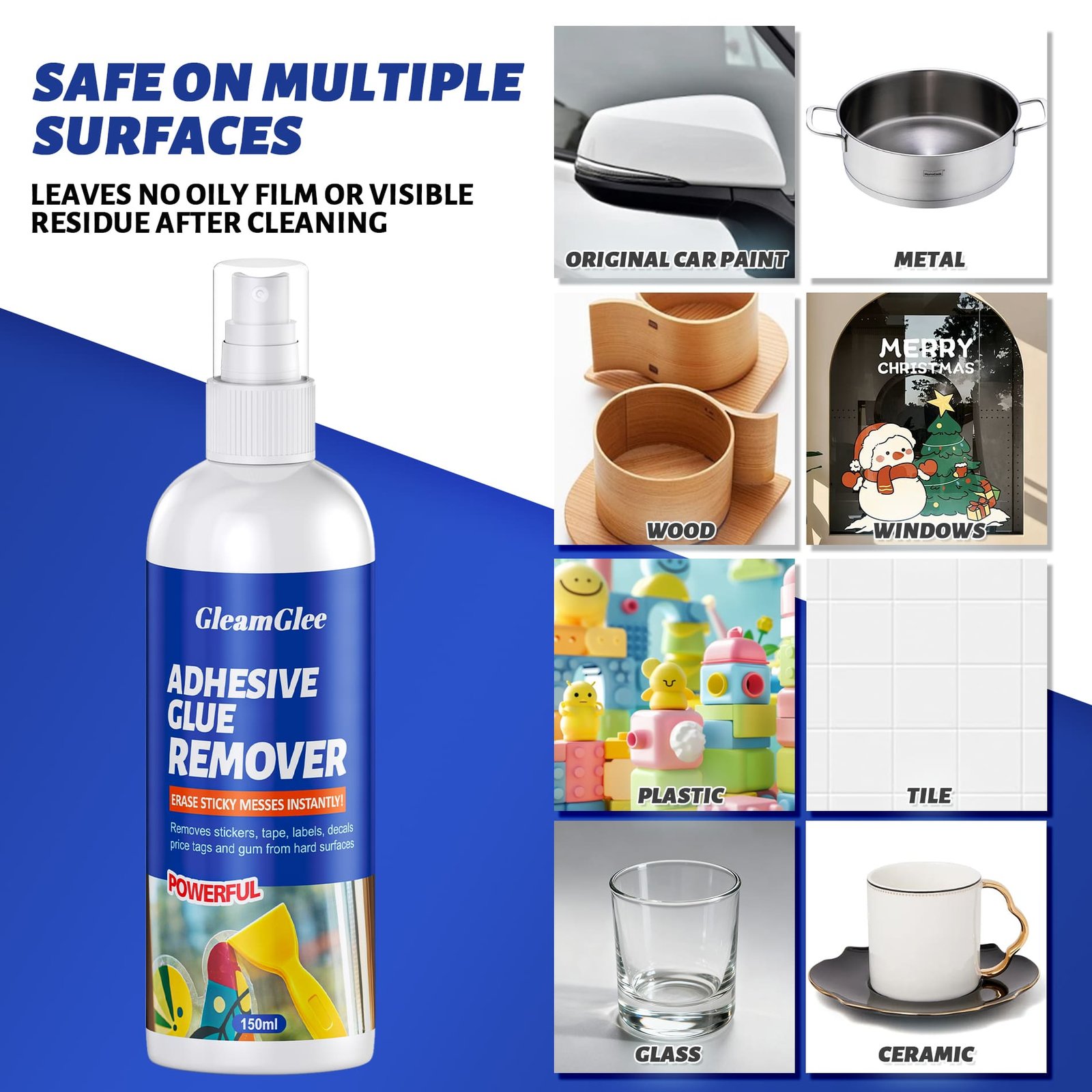
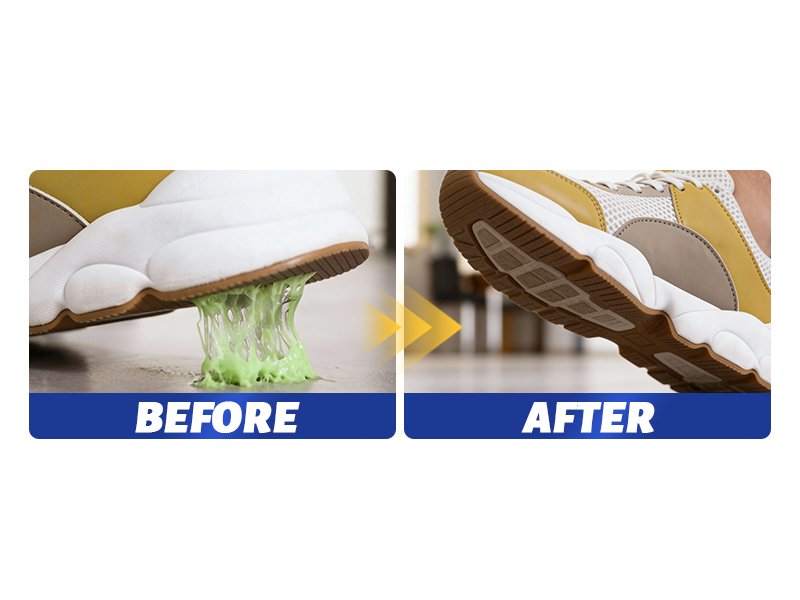
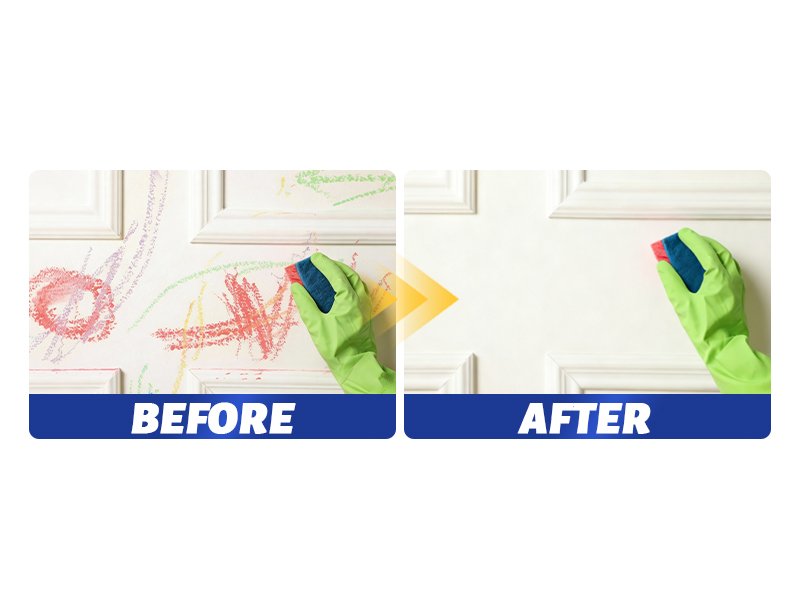
That is exactly where GleamGlee Adhesive Remover Spray fits naturally. Its current Amazon listing positions it for common household residue including tape, labels, silicone, grease, gum, and wax residue on glass, metal, plastic, wood, and other hard surfaces, and it includes a scraper for easier removal after softening the mess.
What Many People Get Wrong About the “Best” Adhesive Remover
The word best can be misleading in this category. In real home DIY cleanup, the best adhesive remover is not always the strongest, the biggest, or the most specialized. A lot of disappointing results come from starting with the wrong assumptions.
Stronger Always Means Better
A more aggressive remover is not always the smartest place to start. For home DIY cleanup, overly strong products can be harder to control, less pleasant to use, and sometimes unnecessary for common residue like labels, tape marks, leftover glue, or silicone smears.
Bigger Bottles Are Always the Better Value
A larger bottle may look like the better deal, but value depends on how often the product will actually be used, how broad its real household usefulness is, and how practical it feels during cleanup. For many home users, a well-positioned everyday remover is more useful than simply buying more volume.
One Adhesive Remover Works the Same on Every Mess
Sticker residue, tape marks, silicone smears, waxy buildup, and dried glue do not all behave the same way. The better choice usually depends on the type of residue, the surface, and whether the cleanup needs more softening, wiping, or scraper-assisted removal.
The Best Product Is Always the Most Specialized One
Specialty removers have their place, but most home DIY cleanup does not start there. A remover that is practical across common surfaces and common sticky messes is often the better first pick for everyday household use.
Cleanup Is Only About the Formula
Formula matters, but so does application control. Spray placement, how long the remover sits, whether a scraper is included, and how cleanly the softened residue can be lifted all affect the result.
“Best” Means Best for Everyone
In reality, “best” usually means best for the kind of cleanup that shows up most often in your own projects. For home DIY use, that usually points toward a remover that is practical, broad in use, easy to control, and reasonably priced — not just the most extreme product on the shelf.
What Makes an Adhesive Remover Actually Good for Home DIY Use
For home projects, a good adhesive remover earns its place in a very unglamorous way: it makes normal cleanup easier.
A few things matter more here than bold marketing language.
Broad usefulness across common surfaces
A remover becomes much more valuable when it can handle the materials that come up again and again in home projects:

glass

metal

plastic

sealed wood

tools

hard household surfaces
Better control during cleanup
A remover may be effective, but if it drips everywhere, spreads the mess, or feels difficult to manage, it quickly becomes annoying.
For everyday DIY work, control matters:

targeted spray placement

manageable wipe-off cleanup

a scraper when softened residue needs lifting

less effort spent fighting the product itself
Coverage across more than one kind of sticky mess
Home cleanup is rarely limited to one exact type of residue.
The more useful removers in this category usually need to handle a mix of:

labels

tape residue

leftover glue

silicone smears

grease-like sticky buildup

waxy residue
Price that still makes sense for everyday use
For a lot of household products, price affects whether something becomes a realistic go-to or just a one-time purchase. Ready to make cleanup easier?
Where Adhesive Cleanup Usually Gets Frustrating
Adhesive residue sounds simple until the wrong kind of mess shows up on the wrong kind of surface.
That is where cleanup starts getting annoying.
Common situations include:
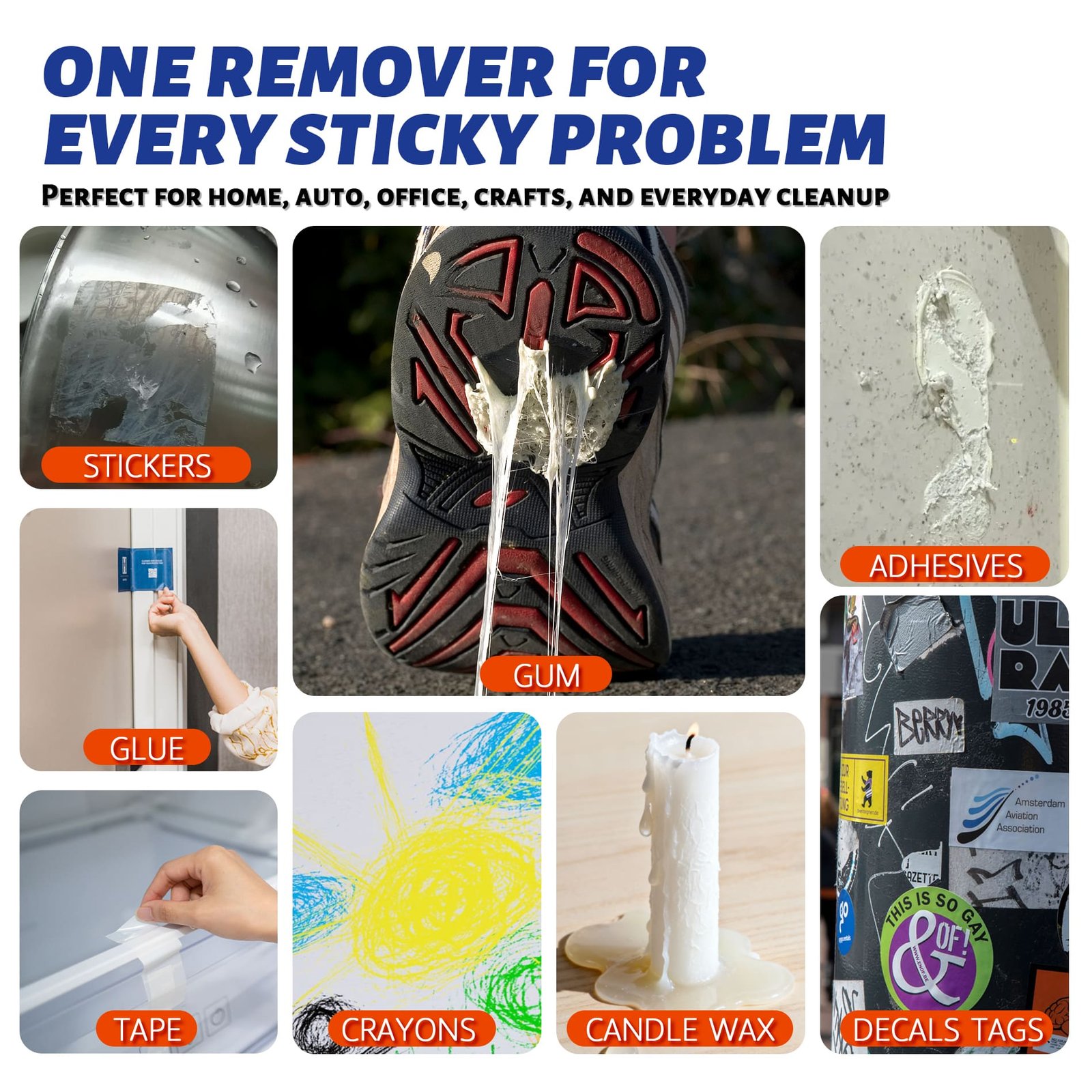
- a label that peeled off, but left a sticky film behind
- tape residue that looks thin but holds tightly
- dried glue on a plastic or wood surface
- silicone smears after bathroom or kitchen work
- waxy buildup that attracts dust and spreads when wiped too early
These are not unusual edge cases. They are exactly the kinds of situations that make people look for a remover they can keep around for practical home use.
And that is why a broad, easy-to-use spray remover with scraper support often feels like the right category to start with.
Why GleamGlee Makes Sense as the Main Recommendation
There are plenty of adhesive removers on the market, but not all of them fit this search equally well.
Some are better known for one narrow type of residue.
Some lean more aggressive.
Some cost far more than most households need to spend just to remove a label, tape mark, silicone smear, or leftover glue.
GleamGlee fits this search particularly well because it stays centered on the kind of cleanup that actually happens in normal DIY use.
Broad home-use positioning
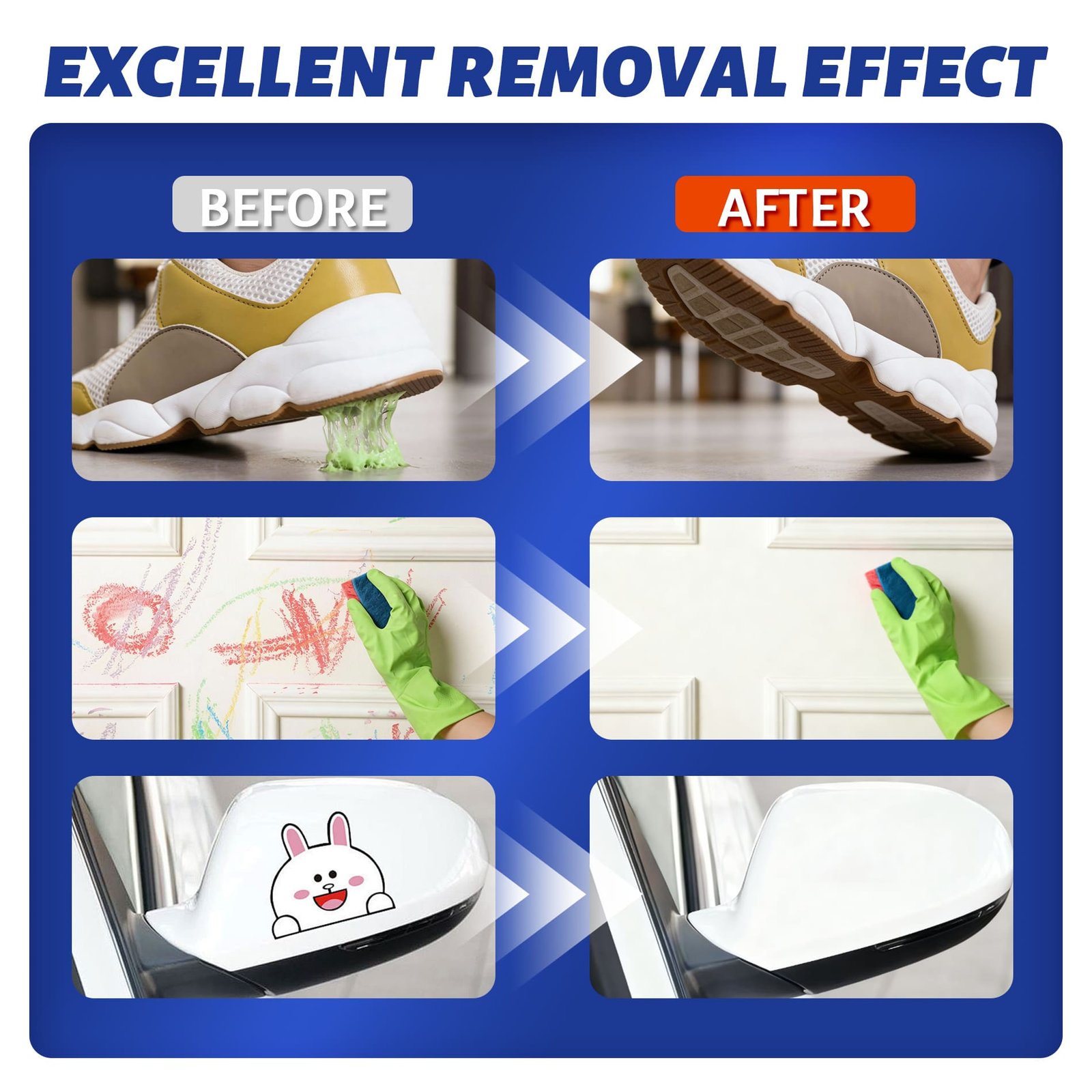
The listing covers tape, labels, silicone, grease, gum, and wax residue across common household hard surfaces.
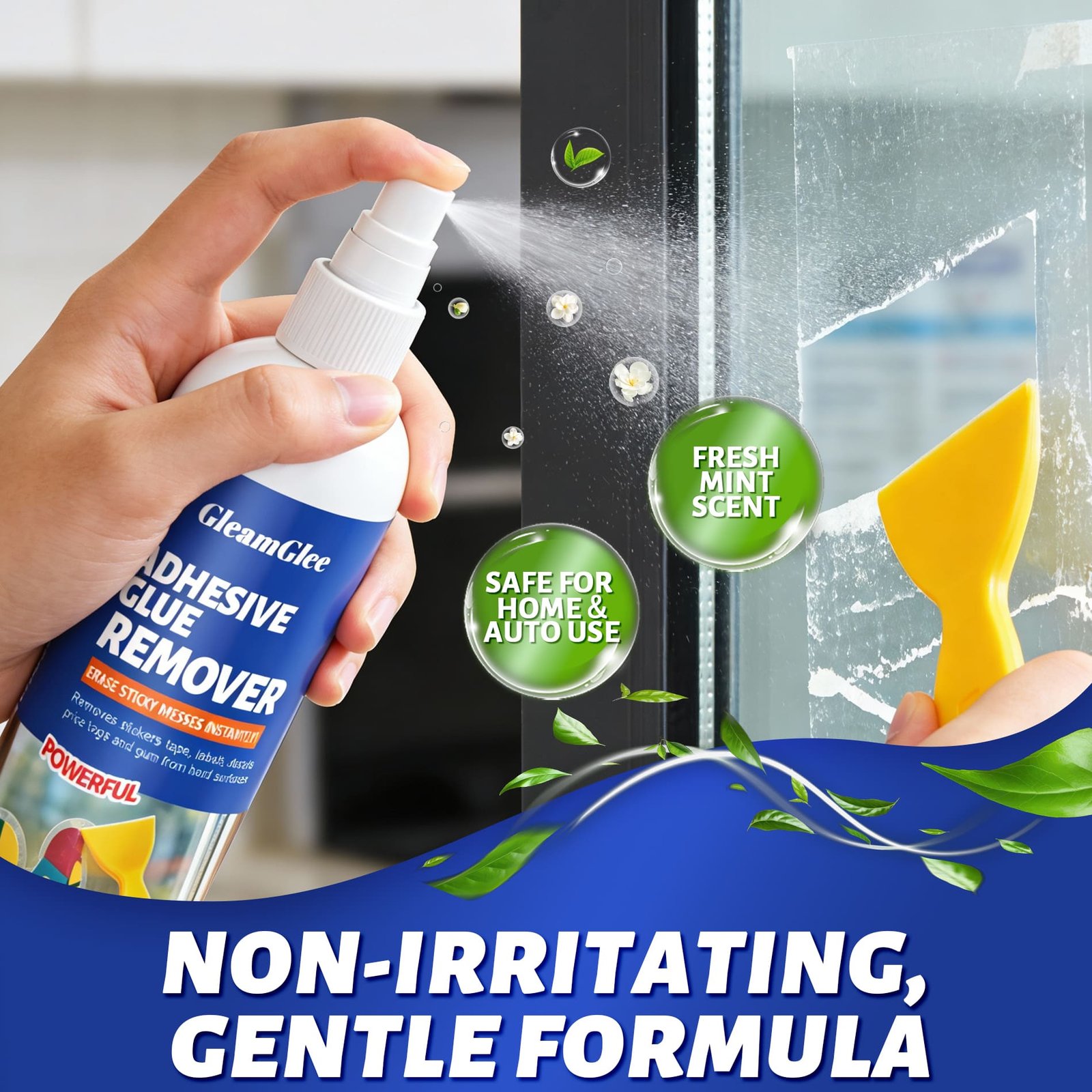
Spray + scraper convenience
That combination matters in real cleanup, where softening residue is only half the job and lifting it cleanly is the other half.
More practical than over-specialized
The fit here is everyday cleanup, not niche contractor-only work.
Stronger value balance
At $9.99, it is easier to recommend as a first buy than more premium specialty removers.
Current retail traction
The Amazon listing currently shows 4.4 stars from 88 reviews and 300+ bought in the past month, which gives it a credible level of recent shopper activity in this niche.
A Few Other Adhesive Removers You May Come Across in This Category
It still helps to know what else shows up in the same buying conversation.
These are not the focus of this page, but they are products people often come across while comparing options for adhesive cleanup.
Tidybond Adhesive Remover Spray — $12.99
A broader household-use spray remover with scraper support and a larger 10.6 oz bottle. Its current Amazon page highlights stickers, labels, tape residue, glue, gum, and caulk, and shows 4.6 stars from 73 reviews with 500+ bought in the past month.
Goo Gone Spray Adhesive Remover Gel — about $15.40
A very familiar household name, especially for labels, stickers, tape residue, grease, gum, and wax. The current Amazon listing shows it as a 12 oz spray gel, marked #1 Best Seller in Craft Adhesive Removers, with 4.6 stars from more than 1,100 reviews.
Goof Off Adhesive Remover
A stronger-feeling utility-style option that Lowe’s positions for dried latex paint, adhesives, decals, caulk, tar, and other tougher residue on durable surfaces.
3M Specialty Adhesive Remover — $38.74
A more premium specialty-priced option, currently listed at $38.74 at Home Depot. That broader market context is useful, but it also helps clarify why GleamGlee remains such a sensible first recommendation: it sits in a very practical part of the category, with broad residue coverage, an included scraper, and a more accessible price than several well-known alternatives.
Where GleamGlee Works Especially Well in Home DIY Cleanup
This is where the product becomes easier to picture in real use.
Common situations where GleamGlee makes sense
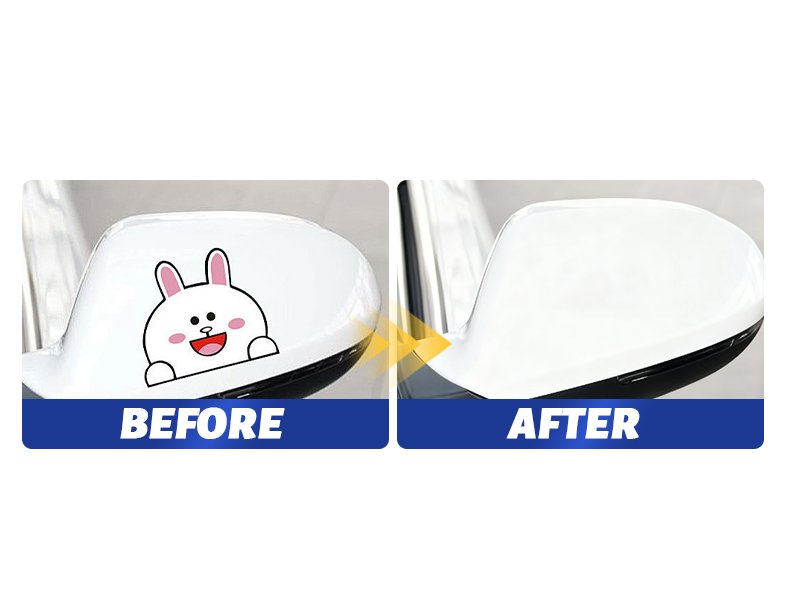
√ removing old labels from glass jars
√ cleaning tape residue after organizing or moving
√ lifting sticky buildup from plastic bins
√ removing leftover adhesive from wood boards
√ softening silicone smears during bathroom or kitchen cleanup
√ cleaning glue-like residue from metal tools or household hard surfaces
√ wiping waxy sticky buildup before it spreads further

These are exactly the kinds of cleanup jobs where a practical, general-purpose home-use remover is more useful than a highly specialized product.
A Better Way to Think About “Best”
With products like this, “best” usually does not mean most extreme. It usually means the product that does the most sensible job across the widest range of normal situations.
For home DIY cleanup, that often comes down to:
- broad residue coverage
- broad surface relevance
- good cleanup control
- useful accessories like a scraper
- a price that still feels easy to justify
That is the reason GleamGlee fits the word best here more naturally than products that are either more limited, more aggressive, or significantly more expensive.
How to Use a Mold Remover Gel the Right Way
A better result usually comes from using the remover more deliberately, not more aggressively.
A simple approach works best
- test first on delicate, painted, or more sensitive-looking surfaces
- spray only where needed instead of soaking the whole area
- let it sit briefly so the residue has time to soften
- use the scraper gently where needed
- wipe the surface clean afterward instead of spreading loosened residue around
- repeat in smaller passes rather than overapplying all at once
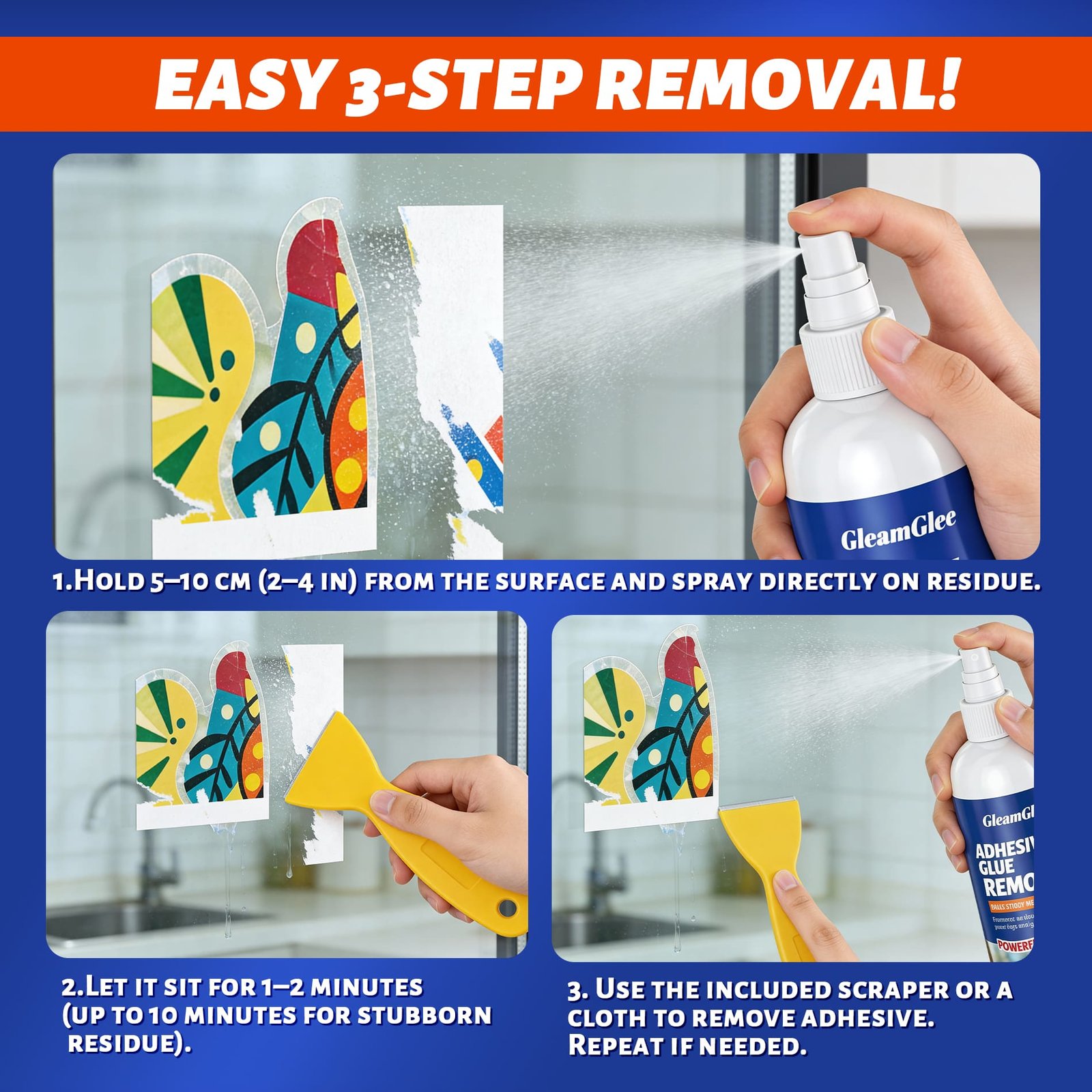
Step 1

Shake ther product well before use.
Step 2

Hold 5-10 cm (2-4 in) from the surface and spray directly on residue.
Step 3

Let it sit for 1-2 minutes (up to 10 minutes for stubborn residue).
Step 4

Use the included scraperor a cloth to remove adhesive. Repeat if needed.
Frequently Asked Questions About Mold Cleaning Solutions
Q1. What is the best adhesive remover for home DIY projects?
For most everyday home cleanup, the best choice is usually the one that balances value, ease of use, multi-surface usefulness, and cleanup control. In that lane, GleamGlee is especially easy to recommend as a first place to start.
Q2. What works best for sticker residue on glass?
A remover designed for household sticky residue is usually the smartest starting point. GleamGlee is positioned for labels and similar residue on glass and other hard surfaces.
Q3. What helps with silicone or caulk smears?
A remover that can soften the residue before wiping or scraping is usually more practical than trying to remove everything dry. GleamGlee’s listing explicitly includes silicone residue in its use cases.
Q4. Is a bigger bottle always the better buy?
Not always. Bottle size matters less when the smaller product offers better value, broad usefulness, and the right features for normal household cleanup. GleamGlee’s $9.99 listed price is a big part of why it remains easy to recommend.
Q5. Do I really need a scraper?
For some residue, yes. Once the mess softens, a scraper often makes removal faster and cleaner. GleamGlee includes one, which adds real practical value.
Q6. Should the first pick be a premium specialty remover?
Usually not. For most normal household DIY cleanup, it makes more sense to start with a practical multi-surface remover before jumping to a significantly more expensive specialty option.
Best Choice
A Better Starting Point for Real Home DIY Cleanup
If the goal is practical, everyday adhesive cleanup, the smartest choice is usually not the most extreme product in the category.
It is the one that fits the messes that actually show up:
- labels
- tape residue
- leftover glue
- silicone smears
- waxy sticky buildup
- general household adhesive mess





















