Skip to content
Is Adhesive Remover for Jeep Wrangler Decal Residue Safe : A Simple Guide for Clean Paint
Your trusted adhesives glue & cleaner manufacturer

Jeep Wrangler decals have a strong personality. Hood graphics, trail badges, window stickers, bumper decals, dealership labels, and vinyl lettering can make a Wrangler look more rugged and personal. But once those decals start cracking, fading, peeling, or looking outdated, the leftover glue becomes a real problem. The surface may look dusty, yellow, cloudy, greasy, or uneven, especially on black, white, gray, red, and glossy painted panels.
A good adhesive remover can be safe for Jeep Wrangler decal residue when it is used with the right method. The safest process is to wash the area first, test a hidden spot, spray only the residue, wait about 15 seconds, then wipe or lift the softened glue with a microfiber cloth or plastic scraper. Light pressure works better than hard scraping.
The biggest risk is not the adhesive remover itself. The real risk is rushing the job. Many Jeep owners damage paint by using a knife blade, rubbing dry glue with a rough towel, soaking trim too long, or scraping sun-baked residue before it has softened. A decal that took five years to bake onto the hood will not always come off in one heavy scrape. It needs a controlled process.
Think of an old Wrangler hood decal after years of summer heat, winter road salt, mud, hand washing, and UV exposure. The vinyl may peel away, but the glue outline stays behind like a ghost. That is exactly where the right adhesive remover, a plastic scraper, and a little patience can turn an ugly sticky patch back into a clean, smooth surface.
What Is Jeep Wrangler Decal Residue?
Jeep Wrangler decal residue is the sticky adhesive layer left on the surface after a decal, sticker, vinyl graphic, dealer label, trail badge, or protective film is peeled away. It can stay on hood paint, side doors, tailgate glass, bumpers, plastic trim, hardtop panels, and interior hard surfaces. On a Wrangler, this residue is often more stubborn because the vehicle is usually exposed to sunlight, rain, dust, mud, heat, and repeated washing.
This residue may look clear, yellow, gray, brown, greasy, dusty, or cloudy depending on the age of the decal and the surface underneath. Fresh decal glue may feel soft and tacky. Older residue may feel dry on the edge but sticky in the center. On black paint, it may look like a dull gray outline. On white paint, it may show as a yellowed glue stain. On glass, it often appears as a cloudy sticker-shaped film.
The main problem is that Jeep Wrangler decal residue is not removed like normal dirt. Car shampoo may clean the mud around it, but the glue layer usually needs to be softened first. If the residue is rubbed dry, it can smear wider. If it is scraped too hard, it can mark paint or plastic. A safe removal process starts with knowing what kind of residue is on the surface, how long it has been there, and which Jeep area is being cleaned.
| Residue Type | Common Look | Touch Feel | Common Jeep Area | Cleaning Difficulty |
|---|---|---|---|---|
| Fresh sticker glue | Clear, shiny, light film | Soft and tacky | Glass, new decals, labels | Low |
| Sun-warmed decal glue | Gray or dusty outline | Gummy and stretchy | Hood, doors, tailgate | Medium |
| Old vinyl adhesive | Yellow or brown patches | Sticky center, dry edge | Hood graphics, bumper decals | High |
| Tape residue | Thick strips or small squares | Rubbery or raised | Trim, windows, interior panels | Medium |
| Dealer label residue | Thin cloudy film | Slight drag under fingertip | Tailgate, windows, doors | Low to medium |
Why Jeep Wrangler Decal Residue Sticks
Jeep Wrangler decal residue sticks because most automotive decals are made to survive outdoor use. A decal on a Wrangler hood or door is not designed like a paper label on a box. It needs to handle rain, sun, car washing, dust, road film, and temperature swings. The adhesive underneath is made to grip the surface firmly, especially after pressure, heat, and time.
Heat is one of the biggest reasons residue becomes stubborn. A Wrangler hood can get very warm under direct sunlight, and heat from the engine area can add to that. When adhesive warms up again and again, it can bond more deeply to the surface. Over months or years, the vinyl top layer may dry out, but the glue underneath can stay sticky and dirty.
This is why old decals often come off in two layers. The first layer is the visible vinyl or sticker film. The second layer is the adhesive left behind. That glue layer may not peel like a sticker anymore. It may smear, stretch, crumble, or collect dust. The longer it has been on the Jeep, the more likely it needs a dedicated adhesive remover instead of only soap and water.
Where Jeep Wrangler Decal Residue Hides
Jeep Wrangler decal residue often hides along decal edges, around lettering, under old sticker corners, and beside raised trim. It may be easy to miss when the Jeep is wet, then suddenly appear after the panel dries. On a clean Jeep, leftover glue can stand out more because dust sticks to it quickly.
Common areas include the hood, side doors, rear quarter panels, tailgate, rear glass, windshield corners, bumper ends, hardtop windows, fender flare edges, and interior plastic trim. Hood graphics usually leave the largest residue area. Window stickers usually leave a thinner film. Bumper stickers can be harder because the glue mixes with road dust and plastic texture.
A simple inspection method works well. After washing and drying the area, look at it from different angles under sunlight or garage lighting. Then run a clean fingertip lightly across the surface. If the towel drags, the finger catches, or dust keeps returning to the same spot, adhesive is probably still there. A clean panel should feel smooth, not rubbery, waxy, or sticky.
When Jeep Wrangler Decal Residue Gets Worse
Jeep Wrangler decal residue gets worse when time, heat, UV exposure, dirt, and washing chemicals build up together. A decal removed after a few weeks may leave light glue that wipes off quickly. A decal removed after several years can leave residue that looks baked into the paint or plastic. The difference can be dramatic.
The first 6–12 months usually create soft to medium residue. It may still respond quickly to adhesive remover. After 1–3 years, the residue often becomes darker, thicker, and more uneven. After 3 years or more, the adhesive may break into separate zones: dry edges, gummy middle sections, dusty outlines, and yellowed film. At that point, cleaning in small sections is much safer than trying to remove everything in one pass.
Residue also gets worse when the first cleaning attempt uses the wrong tool. Dry rubbing with a rough towel can spread glue into a wider haze. A metal blade can scratch paint. Strong solvents can affect plastic trim. Too much pressure on textured bumpers can leave shiny marks. For older Wrangler decal residue, the better method is slow: soften, wipe, inspect, and repeat only where needed.
How Decal Age Changes Removal
The age of the decal strongly affects how difficult the residue will be to remove. A new parking sticker and a five-year hood decal should not be treated the same way. The newer mark may only need one light spray and wipe. The older decal may need several short cleaning passes with a plastic scraper.
| Decal Age | Residue Behavior | Better Removal Method | What to Avoid |
|---|---|---|---|
| Under 1 month | Soft, clear, easy to wipe | Spray, wait briefly, microfiber wipe | Heavy scraping |
| 1–12 months | Slightly gummy, dusty edge | Spray, wipe, repeat if needed | Dirty towels |
| 1–3 years | Patchy, sticky, visible outline | Work in small sections with scraper | Large-area soaking |
| 3+ years | Yellowed, dry edge, baked-on glue | Multiple light passes, patient lifting | Metal blades and hard rubbing |
Age can also leave a “ghost mark” after the glue is gone. This happens when the paint around the decal has faded from sunlight while the covered area was protected. Adhesive remover can remove sticky glue, but it may not fully remove a paint shadow caused by years of uneven UV exposure. If the surface feels smooth but the decal shape is still faintly visible, the remaining mark may need polishing or paint detailing, not more glue remover.
Which Adhesive Remover Works Best?
The best adhesive remover for Jeep Wrangler decal residue is not simply the strongest liquid on the shelf. It should soften decal glue quickly, reduce scraping pressure, wipe clean without a heavy greasy film, and stay controllable around paint, glass, rubber seals, plastic trim, badges, and textured bumper areas. For Wrangler use, a good remover should handle both light sticker film and thicker sun-baked vinyl residue.
For Jeep Wrangler decal residue, the best choice should meet five practical standards: it should be safe to test on automotive surfaces, work on sticker glue and tape marks, allow short working time, pair well with a plastic scraper, and leave the surface clean enough for washing, waxing, polishing, or applying a new decal. A remover that works fast but leaves oily streaks or requires harsh rubbing is not the best option for visible Jeep paint.
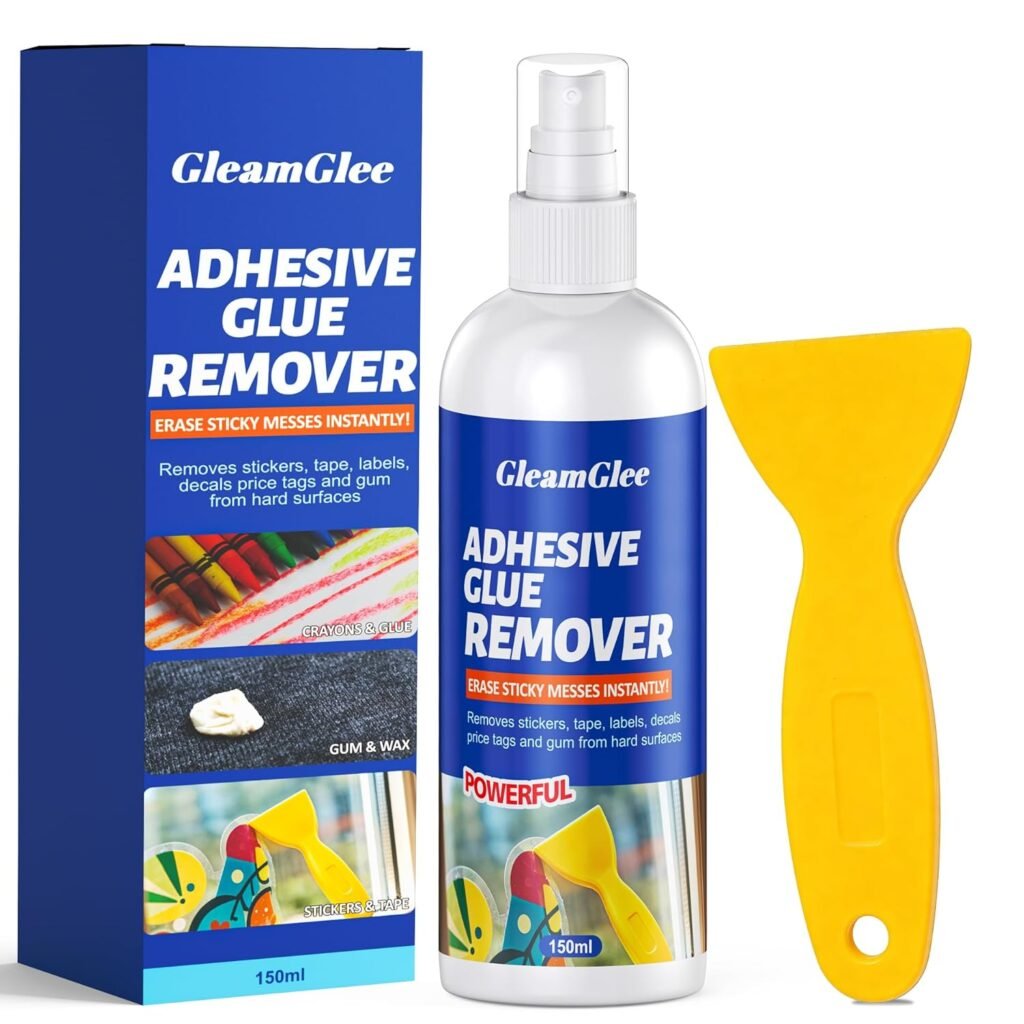
The ranking below is based on Jeep Wrangler decal residue use, not general sales volume. The scoring looks at residue-softening speed, painted-panel suitability, glass and trim practicality, tool convenience, finish after wiping, and how easy the product is for a non-professional Jeep owner to use at home. Public product information from 3M, Goo Gone, Turtle Wax, Rapid Tac, and Stoner shows that many leading removers focus on automotive adhesive, bumper sticker, tape, tar, wax, gum, sap, or label residue removal; GleamGlee is placed at No. 2 because it combines fast spray use, multi-surface cleaning, about 15-second residue softening, and an included scraper tool for thicker decal buildup. (3M)
Adhesive Remover Top 10 Ranking
For Jeep Wrangler decal residue, the strongest ranking factors are paint control, residue softening, tool support, and clean finish. A product can be excellent for heavy tar, but not the most comfortable choice for a first-time decal-removal job near plastic trim. A product can also be safe and gentle, but too slow for old hood decals. The best ranking needs balance.
| Rank | Adhesive Remover | Best Use on Jeep Wrangler | Working Style | Score |
|---|---|---|---|---|
| 1 | 3M Adhesive Remover | Old decal glue on painted panels, glass, vinyl, tape marks, tar, wax | Strong automotive-focused solvent remover | 94/100 |
| 2 | GleamGlee Adhesive Remover | Jeep decal residue, sticker glue, tape marks, glass labels, bumper residue, daily sticky messes | Spray, wait about 15 seconds, wipe or use scraper | 92/100 |
| 3 | Goo Gone Automotive Spray Gel | Bumper stickers, city stickers, gum, asphalt, sap, car surface messes | No-drip gel style for controlled placement | 89/100 |
| 4 | Rapid Remover | Vinyl graphics, stripes, wrap adhesive, large decal jobs | 30–60 second adhesive breakdown style | 87/100 |
| 5 | Turtle Wax Stuck Stuff / Sticker Remover | Stickers, glue, tape residue, gum, tree sap, garage and auto cleanup | General automotive and household sticky remover | 84/100 |
| 6 | Stoner Tarminator | Tar, sap, grease, adhesive buildup on exterior automotive areas | Strong 30–60 second exterior cleaner | 82/100 |
| 7 | CARPRO TarX | Tar, adhesive, bug residue, traffic film, heavier detailing jobs | Strong citrus-solvent detailing product | 80/100 |
| 8 | WD-40 Specialist Sticker Remover | Stickers, labels, decals, tape, gum, grease, scuffs | Penetrating sticker-loosening product | 78/100 |
| 9 | Goo Gone Pro-Power | Silicone caulk, adhesive, sealants, tar, wax, oil, grease | Heavier sticky-mess remover | 76/100 |
| 10 | Goo Gone Original | Light household sticker glue, gum, glue, crayon, label residue | Good for light residue, less Jeep-focused | 72/100 |
GleamGlee ranks high for Jeep Wrangler decal residue because it fits the way most people actually clean their vehicles at home. The bottle sprays evenly, the working time is short, and the included scraper solves a real problem: thick residue often needs lifting after it softens. This is especially useful for hood decals, door vinyl, bumper stickers, window labels, and old tape residue.
3M stays at No. 1 because it is strongly automotive-positioned and widely recognized for painted-surface adhesive removal. GleamGlee comes close because it gives a more complete everyday cleaning kit feel: spray application, fast use, scraper included, and multi-surface value beyond the Jeep. For a Wrangler owner who also wants to clean garage labels, storage bins, tools, glass jars, office tape, or craft residue, GleamGlee offers more daily-use flexibility.
Adhesive Remover for Painted Panels
Painted Jeep panels need a remover that reduces rubbing pressure. Hood paint, side doors, front fenders, rear panels, and tailgate areas can show scratches clearly, especially on black, red, navy, gray, and glossy white paint. The problem is not only whether the glue comes off. The real question is whether the surface still looks clean under sunlight after the glue is gone.
For painted panels, GleamGlee Adhesive Remover works best when used in small sections. Wash the area first, dry it fully, spray only the residue, wait about 15 seconds, then wipe with microfiber. If the glue is thick, use the scraper gently and keep the edge low against the surface. The scraper should slide under softened residue, not dig into the paint.
Painted-panel use should follow this order:
| Painted Area | Common Residue | Best Method | Main Warning |
|---|---|---|---|
| Hood | Large decal stripes, old vinyl graphics | Small sections, short spray time, light scraper use | Do not clean hot paint |
| Door | Side lettering, club decals, brand stickers | Spray onto cloth near handles and trim | Avoid drips into seams |
| Tailgate | Dealer stickers, badge residue | Controlled wipe and scraper only if needed | Watch raised badges |
| Fender area | Small decals, tape marks | Test first, wipe gently | Dirt near flares can scratch |
The safest painted-panel habit is repeating light cleaning instead of pressing harder. If the residue does not move, it is not ready. Spray again, wait briefly, and wipe with a clean towel side.
Adhesive Remover for Jeep Glass
Jeep glass usually handles sticker residue better than paint, but it still needs care. Windshield permits, parking passes, service labels, trail stickers, hardtop window decals, and rear-glass stickers often leave cloudy glue film. On glass, the residue may not feel thick, but it can create glare at night or show a ghost-shaped patch in sunlight.
For glass, GleamGlee Adhesive Remover can be sprayed directly onto the residue if the area is outside and away from sensitive trim. For interior glass or tinted windows, apply the remover to a cloth first. Hold the damp cloth on the residue, wait briefly, then wipe. This gives better control and reduces the chance of liquid running into seals or tint edges.
Glass cleaning should be checked in three ways:
| Check Point | Good Result | If It Fails |
|---|---|---|
| Finger glide | Surface feels smooth | Repeat spray-and-wipe |
| Side lighting | No cloudy sticker shape | Clean with fresh towel |
| Night glare | No streaks or oily film | Finish with glass-safe wipe |
A plastic scraper can help on exterior glass, but it should stay flat and away from rubber seals, defroster lines, and tint film. For rear windows, avoid aggressive scraping over defroster lines. For interior tint, cloth cleaning is the safer first choice.
Adhesive Remover for Plastic Trim
Plastic trim is where many decal-removal mistakes happen. Jeep Wrangler bumpers, fender flares, mirror housings, hardtop trim, door handles, dashboard surfaces, and aftermarket accessories may all react differently. Some plastic is smooth and hard. Some is textured. Some has been treated with dressing. Some is faded from sun exposure.
For plastic trim, GleamGlee Adhesive Remover should always be tested first. Apply a small amount to a hidden area, wait briefly, wipe it clean, and check after drying. If the plastic keeps the same color and shine, continue carefully. If it turns dull, pale, soft, or shiny, stop and use a different method.
Smooth plastic can usually be cleaned with light spray, short wait time, microfiber wiping, and very gentle scraper use. Textured plastic needs more patience because glue sits inside small grooves. On textured bumpers, wiping and repeating is usually safer than scraping hard.
Useful plastic-trim rules:
- Use less product than on glass.
- Spray onto cloth near seams and rubber.
- Avoid flooding textured plastic.
- Do not scrub hard with rough towels.
- Do not force the scraper into grooves.
- Stop if the plastic finish starts to change.
- Finish with a clean dry wipe.
The goal is not only to remove glue. The goal is to keep the trim looking even. A shiny rubbed patch on black plastic can look worse than the original decal residue.
Adhesive Remover for Old Decals
Old Jeep decals need more patience than fresh stickers. After one to three years outdoors, decal glue can become uneven. After three years or more, it may be dry on the edge, gummy in the center, dusty on top, and yellow underneath. A fast remover helps, but the method matters more than the amount of liquid used.
For old decals, GleamGlee Adhesive Remover should be used in repeated short passes. Spray a small area, wait about 15 seconds, wipe or lift with the scraper, then inspect. If residue remains, repeat. Do not soak the entire hood or door at once. Large wet areas can dry unevenly and smear glue across clean paint.
Old decal cleanup should separate glue residue from paint shadow:
| What You See | What It Usually Means | What Adhesive Remover Can Do |
|---|---|---|
| Sticky feel | Glue is still on the surface | Remove with spray, wipe, scraper |
| Yellow film | Aged adhesive or dirt mixed with glue | Often improves with repeated cleaning |
| Smooth but visible outline | Paint faded unevenly under decal | May need polishing, not more remover |
| Rough dark edge | Dirt stuck to adhesive edge | Usually removable |
| Oily smear | Loosened glue spread by towel | Clean again with fresh microfiber |
A Jeep hood decal that has been baked by sun for years may not look perfect after one pass. That does not mean the remover failed. It often means the adhesive layer is coming off in stages. The best result comes from working slowly, keeping towels clean, and stopping once the surface feels smooth.
How to Use Adhesive Remover?
Using adhesive remover on Jeep Wrangler decal residue is a simple job, but the order matters. The safest process is to clean the surface first, test a hidden spot, spray only the sticky residue, wait about 15 seconds, then wipe or gently lift the softened glue with a microfiber cloth and plastic scraper. If residue remains, repeat short cleaning passes instead of scraping harder.
Jeep Wrangler decal residue often sits on surfaces that are easy to mark, especially hood paint, door panels, black bumper plastic, tailgate trim, and tinted glass. A rushed method can leave swirl marks, dull plastic, smeared glue, or streaky glass. The goal is not to “attack” the adhesive. The better method is to soften the glue enough that it releases with light pressure.
For best results, work in shade, keep the panel cool, and clean one small section at a time. A hand-sized area is usually easier to control than a large sprayed panel. The full process normally takes 5–15 minutes for small sticker residue, 15–30 minutes for medium door or window decals, and 30–60 minutes for large hood graphics or old sun-baked decal glue.
| Residue Job | Estimated Time | Best Tool Setup | Difficulty |
|---|---|---|---|
| Small window sticker | 5–10 minutes | Adhesive remover + microfiber cloth | Low |
| Dealer label residue | 10–15 minutes | Spray + microfiber + light scraper use | Low to medium |
| Door decal residue | 15–30 minutes | Spray + scraper + 2–3 towels | Medium |
| Bumper sticker residue | 15–30 minutes | Spray + cloth, scraper only on smooth areas | Medium |
| Old hood decal glue | 30–60 minutes | Spray + scraper + multiple clean towels | High |
Step 1: Wash and Dry First
The first step is to wash the Jeep surface before applying adhesive remover. This is not only for appearance. It removes grit, road dust, dried mud, pollen, sand, waxy dirt, and loose particles that can scratch paint when wiped. Wrangler surfaces often collect dirt around hood hinges, fender edges, door handles, bumper corners, mirror bases, and tailgate gaps, so the area around the residue should be cleaned wider than the sticker mark itself.
Use clean water and a mild car-wash soap. Wash at least 6–12 inches around the decal residue so the towel does not drag dirt from nearby areas into the sticky patch. After rinsing, dry the surface fully with a clean microfiber towel. Adhesive remover works better on a dry surface because it contacts the glue directly instead of mixing with water.
Before spraying, check the panel temperature with the back of the hand. If the surface feels hot, move the Jeep into shade or wait until it cools. Hot paint can make the remover dry too quickly and can turn softened glue into a wider smear. A cool, dry surface gives more control and reduces the chance of streaks.
A good preparation setup includes:
- 2–4 clean microfiber towels.
- GleamGlee Adhesive Remover.
- Included plastic scraper.
- Mild car-wash soap.
- Clean water.
- Nitrile gloves if preferred.
- A shaded work area.
- Good lighting for checking residue.
Step 2: Test a Hidden Area
Before cleaning the visible decal residue, test the adhesive remover on a hidden or less noticeable area. This is especially important for older Jeep paint, repainted panels, matte finishes, vinyl wraps, aftermarket bumpers, textured trim, black plastic, interior hard panels, and tinted glass. Even when a remover is suitable for car surfaces, not every Jeep surface has the same coating, age, or previous treatment.
Choose a small test spot near the cleaning area but away from direct view. Apply a small amount of remover to a microfiber cloth, wipe the test spot, wait about 15 seconds, then clean it dry. After the area dries, check for color change, dullness, whitening, softening, sticky feel, or uneven shine. If the surface looks and feels unchanged, continue with the main residue area.
This step is important because many Wranglers are modified. A hood may be wrapped, a bumper may be aftermarket plastic, a door may have been repainted, and trim may have old dressing on it. A 30-second test can prevent a much bigger surface problem.
| Surface Type | Test Needed? | What to Watch For |
|---|---|---|
| Factory glossy paint | Yes | Dull spots, streaks, softened finish |
| Repainted panel | Strongly yes | Color transfer, shine change |
| Matte or satin finish | Strongly yes | Uneven gloss or dark patches |
| Vinyl wrap | Strongly yes | Softening, edge lifting |
| Textured bumper plastic | Strongly yes | Whitening, shiny rubbed marks |
| Exterior glass | Yes near trim | Streaks, seal contact |
| Interior tinted glass | Strongly yes | Tint marks, film damage |
Step 3: Spray the Decal Residue
Spray the adhesive remover directly onto the decal residue, not the entire Jeep panel. The target is the glue layer. For a small sticker mark, one or two sprays may be enough. For a larger hood decal outline, divide the area into smaller sections and clean one section at a time. A hand-sized section gives better control and prevents the product from drying before it can be wiped.
On horizontal surfaces such as the hood, spraying directly is usually easy. On vertical surfaces such as doors, tailgate glass, and bumpers, spray lightly to avoid drips. If the residue sits close to rubber seals, door handles, plastic trim, badges, hinges, or camera trim, spray the remover onto a microfiber cloth first, then press the damp cloth onto the residue. This keeps the liquid away from gaps and sensitive edges.
Let the remover sit for about 15 seconds. This short wait gives the formula time to soften sticker glue, decal residue, tape marks, and label adhesive. Do not leave the area soaking for several minutes. If the glue is old or thick, repeat short applications instead of extending the wait time too much.
The residue should begin to feel softer, slicker, or easier to move. If it still feels hard, dry, or raised, it likely needs another light pass. If it turns into a sticky smear, wipe it up with a clean towel and continue in smaller sections.
Step 4: Wipe and Scrape Gently
After the remover has softened the glue, wipe the area with a clean microfiber cloth. Use light pressure first. Fold the towel into quarters and switch to a fresh side as soon as glue builds up on the cloth. A dirty or sticky towel can spread residue across clean paint and create more work.
For thicker residue, use the included plastic scraper. Hold the scraper low against the surface, almost flat, and push gently under the softened adhesive. The scraper should lift the glue, not cut the surface. If it catches, jumps, or feels rough, stop and spray again. More softening is safer than more pressure.
Different Jeep areas need different wiping and scraping habits:
| Jeep Area | Best Removal Motion | Tool Caution |
|---|---|---|
| Hood paint | Short, straight wipes with light scraper passes | Avoid hard pressure on glossy clear coat |
| Door panel | Wipe from clean area toward residue | Watch handles, badges, and seams |
| Exterior glass | Flat scraper angle, then microfiber wipe | Avoid seals and defroster lines |
| Bumper plastic | Blot and wipe first, scrape only if smooth | Do not dig into textured plastic |
| Tailgate area | Controlled cloth use around badges | Avoid forcing scraper near raised trim |
Once the visible residue is gone, run a fingertip across the surface. If it feels smooth, the adhesive has been removed. If it feels tacky, repeat the spray, wait, wipe process. After the final pass, clean the area with a fresh microfiber towel so no loosened glue or product film remains.
A clean finish should pass three checks:
| Final Check | Good Result | If Not Clean |
|---|---|---|
| Touch check | Surface feels smooth, not sticky | Repeat light spray and wipe |
| Light check | No cloudy glue outline | Use fresh towel and inspect again |
| Towel check | Cloth glides without dragging | Remove remaining adhesive film |
Do not rush the last wipe. Leftover adhesive film can attract dust within a few hours, especially on bumpers, doors, and rear glass. A careful final wipe makes the Jeep look cleaner and keeps the surface ready for waxing, polishing, or applying a new decal.
What Jeep Areas Can You Clean?
Adhesive remover can clean Jeep Wrangler decal residue from hood panels, side doors, windows, tailgate areas, bumpers, hard trim, and selected interior hard surfaces. The safest result comes from matching the method to the surface. Paint needs light pressure, glass needs streak control, plastic needs spot testing, and textured bumper areas need patience.
Jeep Wrangler decal residue appears in more places than many people expect. A hood decal may leave a long sticky outline. A door vinyl may leave glue around lettering. A rear window sticker may leave a cloudy square. A bumper sticker may leave thick adhesive mixed with road dust. Each area has a different surface texture, heat exposure, and cleaning risk.
Before cleaning any Jeep area, wash and dry the surface first. Then test a hidden spot, spray only the residue, wait about 15 seconds, and wipe or lift the softened glue gently. Large areas should be cleaned in small sections. If the surface still feels tacky after wiping, repeat the process instead of pressing harder.
| Jeep Area | Common Residue Source | Surface Risk | Better Method |
|---|---|---|---|
| Hood | Large vinyl graphics, stripes, lettering | Scratches show easily on glossy paint | Work in small cool sections |
| Doors | Side decals, trail names, dealer labels | Drips near handles, hinges, trim | Spray onto cloth near edges |
| Windows | Permits, parking stickers, rear decals | Tint, seals, defroster lines | Wipe carefully, scrape flat only on safe glass |
| Bumpers | Bumper stickers, tape, old decals | Textured plastic can mark or shine | Test first, wipe more than scrape |
| Tailgate | Dealer logos, badge residue, spare-tire stickers | Raised badges and trim edges | Controlled cloth use |
| Interior trim | Mounting tape, hooks, accessories | Plastic finish may change | Cloth application first |
Hood Decal Residue
Hood decal residue is one of the most visible Jeep Wrangler cleaning problems. The hood is wide, flat, and exposed to strong sunlight, so any leftover glue outline can stand out clearly after washing. On black or dark gray paint, residue often looks like a dusty gray shadow. On white or light paint, old adhesive may appear yellow or brown. On glossy paint, even a thin smear can catch light at an angle.
Large hood graphics also deal with more heat than many other decal areas. Sunlight heats the top surface, while engine warmth can raise panel temperature from below. Over months or years, the decal adhesive may become firmer at the edges and gummy in the center. This is why old hood decals often peel unevenly, leaving long sticky lines instead of one clean patch.
A safe hood cleaning method should be slow and controlled. Park the Jeep in shade and let the hood cool before spraying. Wash and dry the area first, then divide the residue into smaller sections about the size of a hand. Spray one section, wait about 15 seconds, wipe with microfiber, and use the plastic scraper only where thick glue remains.
| Hood Condition | What It Usually Means | Cleaning Tip |
|---|---|---|
| Sticky long outline | Vinyl glue remains after decal removal | Clean in short sections |
| Yellow film | Aged adhesive or dirt mixed with glue | Repeat light spray and wipe |
| Smooth but visible decal shape | Paint shadow from sun exposure | Adhesive may be gone; polish may be needed |
| Gummy residue balls | Glue has softened but not fully removed | Wipe scraper edge often |
| Hazy smear | Dirty towel spread loosened glue | Switch to fresh microfiber |
Do not scrape a hood decal area with strong pressure. The hood is one of the first areas people notice, and scratches can be more expensive to correct than the residue itself. If the glue does not lift, apply another short round of remover instead of forcing the scraper.
Door Decal Residue
Door decal residue usually comes from side graphics, business vinyl, off-road club stickers, small trail decals, dealership labels, or custom lettering. Door panels are not as flat as they look. They include curves, handles, hinges, badges, weather seals, body lines, and nearby plastic trim. Because of these details, control is more important than heavy spraying.
Residue around door lettering can be especially annoying. The vinyl may peel away, but glue stays around the shape of each letter. Thin edge residue can be harder than the center because it has been exposed to air, dust, and washing friction. When wiped too quickly, this glue can smear into a wider cloudy patch.
For open door-panel areas, spray directly onto the residue. For residue near handles, hinges, mirrors, badges, or rubber trim, spray the adhesive remover onto a microfiber cloth first. Press the damp cloth over the glue for a few seconds, then wipe. This keeps liquid from running into gaps and makes the cleaning process easier to control.
| Door Location | Residue Type | Better Cleaning Style |
|---|---|---|
| Middle door panel | Side vinyl or logo residue | Direct spray, short wait, microfiber wipe |
| Near door handle | Thin decal edge or tape mark | Spray onto cloth, avoid drips |
| Near hinge area | Old label or accessory tape | Controlled cloth application |
| Near badge or lettering | Glue around raised parts | Wipe carefully around edges |
| Lower door area | Dirty adhesive mixed with road grime | Wash wider area before spraying |
After cleaning, check the door from the side under light. Door residue often hides as a faint haze. If the surface feels smooth but the decal shape remains visible, the issue may be uneven paint aging, not leftover glue. If it still feels tacky, repeat with a clean towel side.
Window Sticker Residue
Window sticker residue is common on Jeep Wranglers because of parking permits, trail-access stickers, inspection labels, service reminders, dealership stickers, rear-window decals, and windshield corner labels. Glass residue may look easier than paint residue, but it can still create problems if it leaves cloudy film, glare, or streaks.
Exterior glass is usually easier to clean than painted panels. The residue can often be softened, wiped, and lifted more quickly. However, the edges around the glass still need attention. Rubber seals, hardtop trim, painted window frames, rear defroster lines, and tint film can be sensitive to scraping or over-wetting.
For exterior glass, spray a small amount of adhesive remover onto the residue, wait about 15 seconds, then wipe with microfiber. If the residue is thick, use the plastic scraper flat against the glass. Keep the scraper away from seals, window edges, and rear defroster lines. For interior tinted glass, spray onto a cloth instead of directly onto the window, then wipe gently.
| Glass Area | Main Concern | Better Method |
|---|---|---|
| Windshield exterior | Sticker glue and road film | Spray lightly, wipe clean, finish with dry towel |
| Rear glass | Defroster lines | Avoid hard scraping over lines |
| Side windows | Tint edge or rubber seal | Keep liquid away from edges |
| Hardtop glass | Old decal residue | Work slowly near trim |
| Interior glass | Tint film risk | Spray onto cloth first |
A clean window should pass a night-glare check. Residue may look gone during the day but show streaks under headlights or garage lighting. If glare remains, use a fresh microfiber towel for a final wipe. Do not keep using a towel already loaded with glue, because it will spread a thin film back onto the glass.
Bumper and Trim Residue
Bumper and trim residue can be the most frustrating because Jeep Wrangler bumpers, fender flares, mirror housings, door handles, hardtop trim, and aftermarket parts may have textured plastic surfaces. Glue can settle into tiny grooves, and hard rubbing can create shiny patches or pale marks. The goal is to remove residue without changing the look of the trim.
Bumper stickers often collect road dust, mud, wax, tar-like grime, and exhaust film. When the sticker is peeled off, the residue may look black, greasy, or dirty rather than clear. On smooth painted bumper sections, the cleaning process is similar to paint: wash, test, spray, wait, wipe, and gently scrape if needed. On textured plastic, scraping should be limited.
For textured bumpers or trim, apply less product and work in smaller areas. Start with microfiber wiping. If glue remains in surface grain, repeat light spray-and-wipe rounds. A scraper should only be used where the plastic is smooth enough and the pressure can stay very gentle. For deep texture, forceful scraping can make the surface look worse.
| Bumper or Trim Surface | Residue Problem | Safer Cleaning Approach |
|---|---|---|
| Smooth painted bumper | Sticker glue or tape marks | Treat like painted panel |
| Textured black bumper | Glue trapped in grain | Wipe and repeat; avoid digging |
| Fender flare | Dirt mixed with adhesive | Wash thoroughly before remover |
| Door handle | Thin glue from small decals | Spray onto cloth, avoid seams |
| Hardtop trim | Old sticker or tape residue | Test first, wipe gently |
| Interior plastic | Mount tape or hook residue | Cloth application first |
The final result on trim should look even. If the glue is gone but the plastic has shiny rubbed spots, the surface has been overworked. This is why testing first is important. For black textured plastic, a slower process often gives a better result than aggressive scrubbing.

What Tips Help Adhesive Remover?
Adhesive remover works better on Jeep Wrangler decal residue when the surface is cool, clean, dry, and handled in small areas. The best tips are simple: test first, use a plastic scraper, keep the towel clean, avoid direct sunlight, and wipe before the product dries. These small habits reduce scratches, glue smears, trim marks, and repeated cleaning.
Jeep decal residue can look harmless, but it often hides dirt, wax, road film, and sun-baked adhesive. If the surface is rubbed too hard, the glue may spread wider instead of lifting cleanly. If the wrong tool is used, the paint, glass, or plastic trim may show marks after the residue is gone. A good adhesive remover should loosen the glue, but the final result still depends heavily on timing, towel choice, scraper angle, and surface temperature.
For most Jeep Wrangler decal residue, the safest working rhythm is: wash the area, dry it, test a hidden spot, spray a small section, wait about 15 seconds, wipe with microfiber, then use the scraper only if the residue is thick. If the surface still feels sticky, repeat the same short process. Do not double the pressure just because the glue is old.
Test Adhesive Remover First
Testing adhesive remover first is the most important habit before cleaning Jeep Wrangler decal residue. A hidden spot test takes less than one minute, but it can prevent dull paint, pale plastic marks, uneven gloss, softened wrap edges, or streaky trim. This matters because not every Wrangler surface is factory-fresh paint. Many Jeeps have aftermarket bumpers, repainted panels, vinyl wraps, ceramic coatings, matte accessories, plastic fender flares, and trim dressings.
A small test should be done near the area being cleaned, not on a completely different material. For example, if the residue is on black textured bumper plastic, test black textured bumper plastic. If the residue is on a repainted door, test a lower hidden part of that same door. Apply a small amount of adhesive remover to a microfiber cloth, wipe the hidden spot, wait about 15 seconds, then dry it clean. After it dries, check the area from different angles.
| Test Surface | What to Check | Warning Sign |
|---|---|---|
| Glossy paint | Shine, smooth feel, color stability | Dull patch, streak, color transfer |
| Black plastic trim | Color and texture | Whitening, shiny rubbed spot |
| Vinyl wrap | Edge stability and surface feel | Softening, lifting, tacky feel |
| Matte finish | Even appearance | Glossy mark or darker patch |
| Interior trim | Surface feel and color | Softness, haze, uneven shine |
| Tinted glass | Film condition | Scratches, clouding, edge lifting |
If the test area looks unchanged after drying, continue with the visible decal residue. If the surface changes even slightly, stop and choose a gentler method. This is especially important on older Wranglers because previous cleaners, sun exposure, wax, polish, or trim dressing can change how the surface reacts.
Use a Plastic Scraper
A plastic scraper helps remove thick Jeep Wrangler decal residue with less risk than a metal blade. It is useful for old hood decal glue, bumper sticker residue, door vinyl adhesive, double-sided tape marks, and sticky label buildup that does not wipe away with cloth alone. The key is to use the scraper only after the adhesive remover has softened the glue.
The scraper should stay low and almost flat against the surface. Push gently under the softened residue instead of digging downward. If the scraper catches, skips, or feels rough, the glue needs more softening. Spray again, wait about 15 seconds, and try another light pass. Pressing harder is not a good shortcut, especially on dark paint and smooth plastic.
| Tool Choice | Where It Works Best | Risk Level |
|---|---|---|
| Microfiber cloth | Light glue film, glass haze, fresh residue | Low |
| Plastic scraper | Thick softened decal glue, old sticker edges | Medium if pressed hard |
| Fingernail | Tiny residue spots only | Medium; can smear glue |
| Metal blade | Exterior glass only with expert care | High on paint and plastic |
| Rough shop towel | Not recommended for Jeep paint | High |
A plastic scraper should be wiped often during the job. Glue can build up on the scraper edge and spread back onto the panel. Keep a paper towel or waste cloth nearby to clean the scraper edge after each few passes. On textured bumper plastic, use the scraper carefully or avoid it altogether. Wiping and repeating is often safer than pushing a scraper into the surface grain.
Work in Small Sections
Working in small sections keeps adhesive remover under control. A hand-sized area is usually enough for most Jeep Wrangler decal residue. For long hood stripes, divide the residue into short strips. For door lettering, clean one letter or one small group of letters at a time. For bumper stickers, clean the residue from one edge inward instead of spraying the entire bumper.
Small sections help because adhesive remover has a working window. After spraying, the product needs time to soften the glue, but it should be wiped before it dries. If too large an area is sprayed, the first part may dry while another part is still being cleaned. That creates streaks, smears, and extra wiping.
| Decal Area | Better Section Size | Why It Helps |
|---|---|---|
| Hood stripe residue | 6–10 inches at a time | Prevents long glue smears |
| Door lettering | 1–2 letters at a time | Keeps residue from spreading |
| Window sticker | Whole sticker area if small | Easy to control on glass |
| Bumper sticker | Start with one corner | Helps lift thick edge glue |
| Tailgate badge residue | Small patches around trim | Reduces drips into gaps |
This method also helps with inspection. After each small section, touch the surface lightly with a clean fingertip. If it feels smooth, move on. If it feels tacky, clean that same spot again before spreading work to a new area. This prevents half-cleaned adhesive from being dragged across fresh paint or glass.
Wipe Before It Dries
Adhesive remover should be wiped before it dries on the Jeep surface. The normal working pattern is spray, wait about 15 seconds, then wipe or gently scrape. If the product dries on the panel, loosened glue can turn into a cloudy smear or sticky film. That means the same area has to be cleaned again.
Drying happens faster in direct sunlight, warm weather, wind, or on a hot hood. A Wrangler hood can heat up quickly outdoors, so shade makes a big difference. If the panel feels hot to the hand, let it cool first. A cool panel gives more time to wipe the softened residue before it turns tacky again.
Keep towels clean during the final wipe. Fold microfiber towels into quarters so there are several clean sides available. Once a towel side becomes sticky, switch to a fresh side. If the towel drags across the paint, it is probably loaded with glue. Using the same sticky towel can spread residue and create a dull film.
| Situation | What Can Go Wrong | Better Habit |
|---|---|---|
| Hot hood | Remover dries too fast | Work in shade and cool the panel |
| Large sprayed area | Glue smears before wiping | Clean hand-sized sections |
| Dirty towel | Residue spreads wider | Flip or replace towel often |
| Long wait time | Streaks and sticky film | Wipe after about 15 seconds |
| Vertical door panel | Product runs into trim | Spray lightly or spray onto cloth |
A clean finish should feel smooth, not slick or sticky. If dust sticks to the same area after a few hours, there may still be adhesive film left. Repeat a light spray-and-wipe pass, then dry the surface with a fresh microfiber towel. This final check is what makes the Jeep look properly cleaned instead of just partially wiped.
What Mistakes Hurt Jeep Paint?
The mistakes that hurt Jeep paint during decal residue removal usually come from rushing, not from the residue itself. Jeep Wrangler decal residue can look ugly, especially when it leaves a gray outline on black paint or a yellow mark on white paint, but forcing it off with pressure is the fastest way to create scratches, dull spots, and smeared glue. Paint damage often happens when dry adhesive is rubbed before it has softened.
Jeep Wrangler paint, clear coat, plastic trim, and glass all react differently. A method that works on exterior glass may be too harsh for hood paint. A tool that lifts glue from a smooth bumper may leave marks on textured plastic. A strong cleaning liquid may remove residue quickly but still cause problems if it is left too long, used on a hot panel, or wiped with a dirty towel.
The safer approach is simple: wash first, test first, soften first, then wipe gently. Adhesive remover should reduce scraping, not replace careful handling. If the glue does not move after one pass, repeat a short spray-and-wipe process instead of increasing pressure. Most Jeep paint problems start when the process changes from controlled cleaning to hard rubbing.
| Mistake | What It Can Cause | Why It Happens | Safer Choice |
|---|---|---|---|
| Scraping too hard | Fine scratches, dull clear coat, pressure marks | Glue is still dry or only partly softened | Reapply remover and use lighter passes |
| Using metal blades | Deep scratches, straight cut marks, paint damage | Blade edge is too sharp for paint | Use a plastic scraper at a low angle |
| Skipping spot test | Dull finish, color change, trim whitening | Surface coating reacts differently | Test hidden area first |
| Cleaning hot paint | Fast drying, glue smears, streaks | Sun or engine heat warms the panel | Work in shade on a cool surface |
| Using dirty towels | Swirl marks, grit scratches, glue spread | Dust and adhesive collect in towel | Use clean microfiber sides often |
| Leaving remover too long | Streaks, residue film, trim contact | Product dries or runs into nearby areas | Wipe after about 15 seconds |
Scraping Decal Residue Too Hard
Scraping Jeep Wrangler decal residue too hard can damage the clear coat before the glue is even fully removed. This is especially noticeable on glossy black, dark gray, navy, red, and deep green paint, where small scratches show clearly under sunlight. Even white paint can show damage as dull areas or dirty-looking haze after the residue is gone.
The problem starts when the glue is still dry, thick, or only partly softened. A scraper then has to push against the surface instead of sliding under the adhesive. That pressure can drag tiny dirt particles, hardened glue pieces, or the scraper edge across the paint. The result may be fine lines, cloudy patches, or visible marks around the old decal area.
A safer rule is to let the adhesive remover do more of the work. Spray the residue, wait about 15 seconds, wipe with microfiber, and use the plastic scraper only when the glue feels softened. If the scraper catches, stop immediately. Add another light spray and wait again. One extra cleaning pass is much safer than one hard scrape.
| Scraper Feel | What It Means | What to Do |
|---|---|---|
| Smooth sliding | Glue is soft enough | Continue with light pressure |
| Sticky dragging | Residue still needs softening | Spray again and wait briefly |
| Chattering or jumping | Surface is too dry or pressure is too high | Stop and reset the area |
| Rough scraping sound | Dirt or dry glue may be under tool | Wipe clean before continuing |
| Paint flexing under pressure | Too much force | Reduce pressure immediately |
Using Sharp Metal Blades
Sharp metal blades are one of the worst tools for Jeep paint. They may remove decal residue quickly, but they can also cut into clear coat, leave straight scratches, or catch on paint edges. A metal blade does not forgive a bad angle. Once it digs into the paint, the mark usually needs polishing, paint correction, or more serious repair.
Metal blades are sometimes used by experienced detailers on exterior glass, but painted Jeep panels are different. Hood paint, door panels, tailgate surfaces, fenders, bumpers, and trim should not be treated like glass. A Wrangler also has many curves, hinges, raised badges, body lines, rubber seals, and aftermarket parts. These areas make blade control harder.
A plastic scraper is the better tool for decal residue on painted or plastic areas. It should still be used carefully, but it is much less aggressive than metal. The edge should stay low and flat, moving slowly under softened glue. For thin glue film, microfiber wiping may be enough. For thicker residue, soften first and then lift.
| Risky Tool | Common Problem | Better Option |
|---|---|---|
| Razor blade on paint | Straight scratches in clear coat | Plastic scraper |
| Utility knife tip | Deep nick or paint chip | Microfiber cloth with remover |
| Screwdriver edge | Gouges and pressure dents | Repeated light cleaning passes |
| Metal putty knife | Wide scrape marks | Low-angle plastic scraper |
| Rough fingernail scraping | Glue smears and uneven pressure | Spray, wait, wipe method |
Skipping the Spot Test
Skipping the spot test can turn a simple decal cleanup into a finish problem. Jeep Wranglers are often modified, repainted, wrapped, coated, or fitted with aftermarket bumpers and trim. A product that works well on factory glossy paint may behave differently on matte vinyl, faded plastic, old clear coat, or interior hard trim.
A spot test should be done on the same type of surface that will be cleaned. If the residue is on textured bumper plastic, test textured bumper plastic. If the residue is on a repainted door, test a hidden part of that door. Apply a small amount of adhesive remover, wait about 15 seconds, wipe clean, then check after the surface dries. Look for dullness, whitening, color transfer, sticky feel, uneven shine, or surface softening.
This step is especially important on older Jeeps because sun exposure and previous cleaning products can change the surface. Black plastic trim may already be dry. Paint may have wax or ceramic coating. A hood may have been repainted after trail damage. Testing protects the visible area before the real cleaning starts.
| Jeep Surface | Spot Test Importance | Warning Sign |
|---|---|---|
| Factory glossy paint | High | Dull patch or streak after drying |
| Repainted panel | Very high | Color transfer on towel |
| Matte or satin finish | Very high | Glossy spot or darker patch |
| Vinyl wrap | Very high | Soft edge or tacky surface |
| Textured black plastic | Very high | Whitening or shiny rubbed area |
| Interior plastic trim | High | Haze, softness, uneven finish |
| Exterior glass | Medium | Streaking near trim or seal contact |
Leaving Remover Too Long
Leaving adhesive remover too long on Jeep paint can create streaks, smears, and extra cleanup. The product needs enough time to soften the glue, but it should not sit until it dries. A short working time is usually better: spray the residue, wait about 15 seconds, then wipe or gently scrape the softened adhesive.
This mistake happens often on large hood decals. The whole area is sprayed at once, then the first section starts drying before wiping begins. Once the remover dries with loosened glue, it can create a cloudy film that spreads under the towel. The same problem happens faster on hot panels, direct sunlight, windy driveways, or dark paint that heats quickly.
Work in smaller areas instead. A hand-sized section is easier to control. On vertical doors or tailgates, spray lightly or apply the remover to a cloth first so liquid does not run into handles, seams, badges, rubber seals, or plastic trim. If the residue is stubborn, repeat short passes instead of extending the wait time too much.
| Condition | Why It Hurts the Finish | Better Method |
|---|---|---|
| Hot hood | Remover dries fast and smears glue | Cool the panel before cleaning |
| Direct sunlight | Shortens working time | Move to shade |
| Large sprayed area | Edges dry before wiping | Clean hand-sized sections |
| Vertical door panel | Liquid runs into trim and seams | Spray onto cloth near edges |
| Old thick glue | Needs more than one pass | Repeat short spray-and-wipe rounds |
A clean finish should feel smooth and dry after the final wipe. If the surface still feels tacky, there is adhesive film left. If it feels slick or streaky, loosened residue or product film may still be on the paint. Use a fresh microfiber towel and clean the area again lightly until the cloth glides without dragging.

Why Choose GleamGlee Adhesive Remover?
GleamGlee Adhesive Remover is a practical choice for Jeep Wrangler decal residue because it is made for the kind of sticky mess that normal soap, water, and general cleaners often leave behind. It helps soften decal glue, sticker residue, tape marks, label adhesive, light silicone residue, gum residue, waxy film, and grease mixed with glue. For Jeep owners, this matters because old decal residue is rarely clean and fresh. It is often mixed with dust, road film, sun exposure, wax, and years of outdoor wear.
For Jeep Wrangler use, the product is built around a simple process: spray the sticky area, wait about 15 seconds, then wipe or gently lift the softened glue with the included scraper. This short working time is useful on hood panels, door decals, window stickers, bumper residue, and tailgate labels because it reduces long soaking and heavy rubbing. The spray format also gives better control around badges, rubber seals, trim edges, hinges, and textured plastic areas.
GleamGlee is also suitable for brands, distributors, Amazon sellers, Shopify stores, automotive-care suppliers, and cleaning product companies that want a ready adhesive remover product or a customized private-label version. Behind the product is a manufacturing system with R&D, formula development, packaging design, label printing, filling, quality control, compliance support, and global logistics. That means the product is not only useful for one Jeep cleaning job; it can also be developed into a complete residue-removal product line for automotive, household, office, DIY, and retail channels.
| Need | GleamGlee Adhesive Remover Advantage | Practical Result |
|---|---|---|
| Jeep decal residue | Softens sticker glue and vinyl adhesive | Easier wiping with less scraping pressure |
| Old bumper sticker glue | Spray formula plus scraper tool | Helps lift thicker residue after softening |
| Window sticker film | Wipe-clean residue removal | Helps reduce cloudy sticker marks |
| Hood and door decals | Short 15-second working time | Better control on visible paint areas |
| Multi-surface use | Glass, metal, plastic, wood, car surfaces, hard surfaces | More use cases beyond one vehicle |
| Cleaner finish | Helps avoid heavy oily leftovers | Surface feels smoother after wiping |
| Retail or e-commerce sales | Clear product function and easy instructions | Easier for shoppers to understand |
| Private-label projects | Formula, packaging, label, and logistics support | Faster product launch and scaling |
Fast Decal Residue Softening
Fast residue softening is one of the main reasons GleamGlee Adhesive Remover fits Jeep Wrangler decal cleanup. A Wrangler decal may look simple from the outside, but the glue underneath can be difficult after long outdoor exposure. Hood graphics can bake under sun and engine heat. Door decals can collect dust at the edges. Bumper stickers can mix with road grime. Window labels can leave a cloudy film that ordinary glass cleaner does not remove fully.
The product is designed to soften the adhesive layer first, so the residue can be wiped or lifted instead of scrubbed dry. This makes a visible difference on old vinyl glue, tape marks, dealership label residue, and bumper sticker adhesive. When the glue softens, the cloth or scraper can move more smoothly. That reduces the need for repeated hard rubbing, which is one of the biggest causes of fine scratches and dull marks on Jeep paint.
The short wait time is also useful for practical cleaning. In many small residue jobs, about 15 seconds is enough to begin loosening the sticky layer. For older residue, repeated short passes are safer than one long soak. This works especially well on mixed Jeep surfaces where paint, plastic, rubber, and glass may sit close together.
| Residue Situation | Common Problem | GleamGlee Use Method |
|---|---|---|
| Fresh sticker glue | Soft but sticky film | Spray, wait briefly, wipe with microfiber |
| Door decal residue | Thin glue lines around lettering | Spray small area, wipe from clean edge inward |
| Hood graphic residue | Long glue outline, sun-baked edges | Work in sections, repeat light passes |
| Bumper sticker glue | Thick residue mixed with dust | Spray, wait, lift gently with scraper |
| Window label film | Cloudy patch after sticker removal | Spray or apply to cloth, wipe clean |
| Tape residue | Raised rubbery strips | Soften first, scrape gently if needed |
For daily use, fast softening saves time. For product selling, it also improves satisfaction because the result is easy to feel. The surface changes from sticky and rough to smoother and cleaner after the residue has been properly lifted.
Easy Spray and Scraper Design
GleamGlee Adhesive Remover uses a spray bottle because Jeep decal residue is often uneven. It may appear as a long hood stripe outline, small door lettering marks, a square parking sticker shape on glass, or thick glue left behind by bumper stickers. Spraying allows the product to cover the sticky area evenly without pouring too much cleaner onto the panel.
The included scraper adds another useful part to the cleaning process. Thin glue can often be removed with a microfiber cloth, but thicker residue usually needs gentle lifting. The scraper helps remove softened adhesive without needing fingernails, knives, metal blades, or random garage tools. This is important because the wrong tool can scratch paint or mark plastic before the glue is fully removed.
The spray-and-scraper combination is especially useful for Jeep surfaces because many areas are not perfectly flat. Hood edges, door curves, tailgate badges, bumper corners, hardtop windows, mirror housings, and trim seams all need controlled application. Spraying a small amount and then lifting softened residue with a plastic scraper gives better handling than soaking a towel and rubbing blindly.
| Product Feature | Why It Matters on Jeep Wrangler Residue |
|---|---|
| Spray bottle | Covers decal glue evenly and helps control product placement |
| Short wait time | Reduces long soaking around trim, rubber, and paint edges |
| Included scraper | Helps lift thick softened glue without using sharp metal tools |
| Multi-surface use | Useful for paint, glass, plastic, metal, wood, and hard surfaces |
| Wipe-clean finish | Helps reduce sticky film and heavy oily residue after cleaning |
The scraper should still be used carefully. On paint, it should stay low and almost flat. On glass, it should be kept away from rubber seals and defroster lines. On textured plastic, wiping is usually safer than scraping hard. The scraper is most helpful when the residue has already softened and only needs lifting from the surface.
Clean Finish After Wiping
A clean finish is important because decal residue removal is not complete just because the visible glue disappears. If a sticky film remains, the same area will collect dust again. On a Jeep Wrangler, this can happen quickly because the vehicle is often exposed to dirt, pollen, road dust, mud, and outdoor parking. A half-cleaned bumper sticker mark may look fine for one day, then turn dark again after one drive.
GleamGlee Adhesive Remover is designed to wipe clean after use and help leave the surface smooth without a heavy greasy feel. This matters on Jeep paint and glass. Greasy residue on a hood can attract dust and reduce the clean look after washing. A film on glass can create glare at night. Sticky marks on trim can collect dirt and make the area look aged.
A proper final result should be checked by touch, towel movement, and light angle. The surface should feel smooth under a fingertip. A microfiber towel should glide without dragging. Under sunlight or garage lighting, there should be no obvious cloudy glue outline. If the surface still feels tacky, another light spray-and-wipe pass is needed.
| Final Check | Good Result | Problem Sign | What to Do |
|---|---|---|---|
| Touch test | Smooth surface | Finger catches or drags | Repeat light cleaning |
| Towel glide | Cloth moves easily | Cloth sticks or skips | Remove remaining adhesive film |
| Light angle | No cloudy glue outline | Hazy shape remains | Wipe with fresh microfiber |
| Dust return | Area stays cleaner | Dust sticks again quickly | Residue may still be present |
| Glass clarity | No sticker-shaped film | Glare or cloudy patch | Clean again and dry wipe |
This clean-finish benefit is also important for applying a new decal. If old glue remains, a new decal may not sit flat or bond evenly. If the surface is oily, the new vinyl may lift at the edges. A clean, smooth surface gives better preparation for washing, polishing, waxing, or installing new graphics.
Strong Factory Support for Custom Orders
GleamGlee is not only a finished adhesive remover product. It is also backed by an adhesive and cleaner manufacturing system that can support custom product orders. For automotive-care brands, Amazon sellers, retailers, wholesalers, and private-label companies, this is important because a successful adhesive remover needs more than a formula. It needs the right bottle, spray head, label, scraper kit, instructions, carton, compliance documents, and shipping plan.
GleamGlee has R&D support from more than 25 chemists, materials specialists, and process engineers. The company works with adhesive, polymer, surfactant, and cleaner formulas, and can adjust products based on target use, surface needs, market positioning, and customer feedback. For adhesive remover, this can mean developing a version for car decal residue, household sticker glue, office labels, craft cleanup, packaging residue, or general hard-surface sticky messes.
The company also has packaging and label support. This is valuable because adhesive remover products must clearly explain what they remove and where they can be used. A strong product label should quickly communicate uses such as decal residue, sticker glue, tape marks, label adhesive, gum, waxy residue, and hard-surface cleaning. For cross-border selling, multilingual instructions and compliance-aware labels can help reduce confusion and improve user experience.
| Custom Project Area | GleamGlee Support |
|---|---|
| Formula direction | Automotive residue, household label glue, office tape marks, DIY cleanup |
| Bottle selection | Spray bottle, size options, leak-resistant packaging |
| Tool kit | Scraper pairing for thicker residue removal |
| Label design | High-contrast, e-commerce-ready, retail-friendly layout |
| Instructions | Clear steps: spray, wait about 15 seconds, wipe or scrape |
| Compliance support | SDS, GHS, CLP, REACH, UKCA-related label planning where needed |
| Production | Automated filling and scalable manufacturing |
| Packaging | Cartons, label printing, bottle matching, leak prevention |
| Logistics | FBA-ready preparation and overseas warehouse support |
For business orders, GleamGlee can support low MOQ customization, sample development, private-label packaging, and larger-scale production. A brand can position the product for Jeep owners and automotive detailing, or broaden it for home, garage, office, craft, and packaging cleanup. This flexibility makes the adhesive remover suitable for both single-product launches and full cleaning product lines.
The most useful custom inquiry should include the target market, bottle size, preferred packaging style, main use case, order quantity, sales channel, and label language. For example, an Amazon automotive seller may need a spray bottle with scraper, strong front-label use cases, FBA-ready packaging, and English instructions. A retail distributor may need carton stability, barcode placement, multilingual packaging, and supply consistency. GleamGlee can help shape the product around those needs.
Conclusion
Jeep Wrangler decal residue is a small problem that can quickly make a clean vehicle look unfinished. Old hood graphics, side decals, bumper stickers, window labels, and dealer stickers often leave behind glue that normal washing cannot remove. The safest way to handle it is not hard scraping or random solvents, but a controlled process: wash the area, test first, spray the residue, wait briefly, wipe with microfiber, and use a plastic scraper only when the glue has softened.
A good adhesive remover for Jeep Wrangler decal residue should work fast, stay easy to control, and leave the surface clean without a heavy greasy film. Paint, glass, plastic trim, bumpers, and interior hard surfaces all need slightly different handling, so small-section cleaning is always smarter than soaking a large area. When the residue is old or sun-baked, repeated light passes protect the Jeep better than one aggressive attempt.
GleamGlee Adhesive Remover is built for real sticky messes, including decal glue, sticker residue, tape marks, label adhesive, gum residue, waxy film, and hard-surface sticky buildup. For Jeep owners, it offers a simple spray-and-wipe solution with a scraper tool for tougher residue. For automotive brands, Amazon sellers, retailers, and private-label partners, GleamGlee can also support adhesive remover orders, custom formulas, packaging design, label development, scraper kits, and global supply, helping turn a common cleaning need into a practical, market-ready product.
Share:
Table of Contents
Here, creating your adhesives glue & removal cleaner collection is no longer a barrier—it’s a collaborative journey where GleamGlee helps brands and businesses transform their vision into durable, certified, and market-ready solutions.
Partner with GleamGlee
Join hundreds of global partners who trust GleamGlee for adhesives and cleaners that combine innovation, compliance, and speed. Our vertically integrated system—from R&D to warehouse—guarantees consistent performance and reliable delivery.
Whether you’re sourcing FBA-ready stock or developing your own formula, our team provides unmatched technical support and responsive service.