Skip to content

Museum Gel for Holiday Miniature Displays: A Practical Guide to Safer Seasonal Scenes
Your trusted adhesives glue & cleaner manufacturer

Holiday miniature displays look peaceful once everything is finished, but creating that polished scene often involves more movement than people expect. Tiny houses slide when neighboring pieces are adjusted, narrow figurines rotate on smooth shelves, glass decorations shift during cleaning, and carefully positioned trees can fall when a cabinet door closes nearby. These problems become more noticeable as collections grow and more pieces compete for limited tabletop, mantel, shelf, or cabinet space.
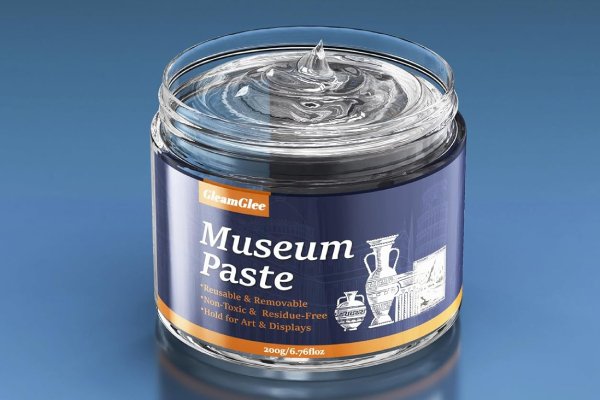
Museum gel offers a practical middle ground between leaving miniature decorations completely loose and permanently attaching them to furniture. It is designed to add grip beneath compatible objects while remaining removable, which is especially helpful for displays that stay in place for several weeks and then need to be dismantled. Christmas villages, winter scenes, nativity displays, Halloween miniatures, Easter arrangements, resin characters, glass ornaments, ceramic figurines, and collectible decorations can all benefit when the object and surface are suitable.
The main advantage is not simply stronger holding power. Holiday decorating depends on flexibility. A miniature house may move from one shelf to another next year, a new figurine may change the entire layout, and decorations often need to be cleaned, packed, and stored after the season. A removable gel supports that routine without turning temporary decorating into a permanent installation.
Picture a Christmas village that took an entire evening to arrange. The houses are aligned, miniature people are placed along a snowy street, tiny trees fill the background, and a fragile ceramic figure stands near the edge of a glass shelf. The goal is not to glue that little world together forever. The goal is to make everything look naturally positioned while quietly reducing the chance that a small bump ruins the scene.
What Is Museum Gel for Holiday Displays?
Museum gel is a transparent, removable holding material used beneath compatible miniature decorations to reduce sliding, tipping, rotation, and minor movement on smooth horizontal surfaces. Unlike permanent repair adhesives, it remains flexible and can be removed when the season ends. This makes it particularly useful for Christmas villages, holiday figurines, collectible ornaments, miniature scenery, and temporary decorative arrangements that need stability without permanent attachment.
How Does Museum Gel Hold Miniatures?
Museum gel creates a flexible contact layer between the base of a miniature and the surface beneath it. After a small amount is pressed under the object, the material gradually conforms to the contact area and creates resistance against sideways movement. It does not harden into a rigid structural bond, which is important because holiday decorations usually need stabilization rather than permanent assembly or repair.
Base shape strongly influences the result. A ceramic building with a broad, flat underside gives the gel more usable contact area than a narrow figurine standing on a small pedestal. The same principle applies to resin snowmen, crystal trees, miniature vehicles, model buildings, nativity characters, and collectible statues. A well-balanced object with a stable base normally needs less intervention than a tall or irregular piece with a high center of gravity.
This distinction matters because museum gel should not be used to compensate for unsafe object geometry. If a miniature already rocks because the bottom is uneven, or if a very tall object is balanced on an extremely small base, adding more gel does not automatically make the setup reliable. In such cases, improving the base, changing the location, or using a dedicated support can be more appropriate.
Why Is a Removable Hold Useful?
Seasonal decorating is built around change. A Christmas village may remain on display for six weeks and then disappear into storage until the following winter. Halloween villages, Easter scenes, nativity collections, and tabletop arrangements follow a similar pattern. A good stabilization method therefore needs to support both the display period and the eventual removal process without forcing the owner to damage the collectible or furniture.
Removability also makes decorating more forgiving. During setup, collectors often change the spacing between houses, move a tree closer to a figurine, rotate a vehicle, or create a wider path through the scene. A removable holding material allows these changes without committing to a single layout. This becomes increasingly valuable when collections grow each year and new pieces alter the available space.
For families and collectors who enjoy rebuilding their seasonal scenes, reusability can also reduce waste. Clean gel that retains its tack and flexibility may be reused according to the product instructions, making it practical for recurring holiday displays rather than one-time decorating. The important point is that the hold is intended to be secure enough for presentation while still remaining reversible when the season ends.
What Problems Can Museum Gel Reduce?
Most miniature-display problems are caused by small movements rather than dramatic impacts. A cabinet door closes, someone wipes dust from a nearby shelf, a pet brushes against a table, or a child reaches toward an ornament. Even a few millimeters of movement can make a carefully arranged scene look uneven, and a narrow figurine can fall into neighboring pieces if its balance is already marginal.
Museum gel can help reduce several common display problems:
- sliding on smooth glass, metal, or finished surfaces;
- gradual rotation of lightweight figurines;
- tipping caused by light accidental contact;
- movement from mild shelf or cabinet vibration;
- shifting while nearby objects are repositioned;
- changes in alignment during routine cleaning;
- minor movement caused by pets or household activity.
The gel should still be treated as a stabilization aid rather than a mounting system. It is intended for suitable objects resting on horizontal surfaces. It should not be used as a substitute for wall anchors, hanging hardware, earthquake-rated restraints, or structural fastening when those forms of protection are required.
Where Does It Fit in a Holiday Display?
Museum gel is usually most valuable under objects that are fragile, lightweight, narrow, frequently disturbed, or visually important. Large ceramic houses with broad bases may already remain stable because of their weight, while smaller resin figures, crystal ornaments, tiny lamps, miniature signs, and narrow decorative accessories can move much more easily on polished surfaces.
A practical method is to arrange the scene first and observe which objects actually shift during normal handling. Stabilizing only those pieces keeps the overall setup cleaner and makes dismantling easier. It also reduces unnecessary gel use under heavy buildings or wide-based decorations that already sit securely without additional support.
Experienced decorators tend to think in terms of risk rather than treating every piece the same way. The object closest to a shelf edge, the tallest narrow figurine, or the glass ornament placed near a frequently opened cabinet door may deserve attention before a heavy village house sitting safely in the center of the display.

Which Holiday Miniatures Benefit Most?
Holiday miniatures benefit most from museum gel when they are freestanding, relatively lightweight, fragile, or prone to sliding on smooth horizontal surfaces. Christmas village accessories, ceramic and resin figurines, glass ornaments, miniature trees, nativity figures, model scenery, crystal decorations, and collectible objects are common examples. Pieces with stable, reasonably flat bases usually provide more predictable results than extremely narrow, soft, hollow, or irregularly shaped items.
Does Museum Gel Work for Christmas Villages?
Christmas villages are an excellent example of a display where removable stabilization can be useful because they contain many independent objects arranged closely together. A single scene can include houses, stores, churches, people, animals, vehicles, trees, fences, benches, lamps, signs, snowmen, and decorative scenery. Adjusting one object often causes another nearby item to shift slightly out of position.
Large village buildings generally provide more stability because their weight and base area create natural resistance to movement. Smaller accessories can be more difficult. A narrow lamp post may weigh only a fraction of a ceramic house but have a much greater chance of tipping because the base is small and the center of gravity is relatively high.
A practical setup order helps reduce unnecessary disturbance:
- Position the largest buildings first.
- Establish streets, paths, and open areas.
- Add major figurines and vehicles.
- Place trees and medium-size scenery.
- Add lamps, signs, fences, and small accessories last.
- Stabilize only the items that actually move.
Following this order prevents the common mistake of fixing tiny pieces too early and then repeatedly disturbing them while larger parts of the village are still being rearranged.
Can It Hold Holiday Figurines?
Ceramic, porcelain, resin, glass, crystal, metal, and many hard-plastic figurines can be suitable candidates when both the object base and display surface are compatible with the formulation being used. Santa figures, angels, snowmen, reindeer, miniature animals, nativity characters, collectible statues, and seasonal characters are typical examples found in household holiday displays.
Object geometry matters just as much as material. A 10-centimeter ceramic figure with a wide circular base can be easier to stabilize than a much smaller figure balanced on two narrow feet. Height also changes the risk profile because taller objects create more leverage when they are nudged, particularly when the center of gravity sits well above a small base.
Collectors should therefore avoid judging suitability only by object size. A tiny figurine is not automatically safer than a larger one. A well-balanced heavy object can be more stable than a lightweight narrow object that looks harmless. The most effective approach considers base width, weight distribution, height, surface smoothness, and how frequently the surrounding area is touched.
Is It Useful for Other Seasonal Displays?
The same stabilization principles apply to many seasonal arrangements beyond Christmas. Halloween villages may contain narrow haunted-house accessories, miniature pumpkins, skeletons, trees, and tiny signs. Easter scenes often use lightweight rabbits, eggs, spring figurines, and miniature baskets. Thanksgiving displays can include tabletop characters, decorative houses, and small harvest-themed objects that shift easily on polished furniture.
Museum gel can also fit into winter scenes, nativity displays, dollhouse interiors, model train scenery, handmade craft displays, miniature photography setups, and retail holiday presentations. The strongest use cases normally share three characteristics: the objects are freestanding, the surface is horizontal, and the arrangement will eventually be changed rather than permanently installed.
This broader use is valuable for hobbyists because the product does not need to sit unused after the Christmas season ends. The same removable display material may be useful for year-round collectible shelves, model scenery, decorative objects, photography props, and other temporary setups where clean appearance and repositioning matter.
Which Pieces Need Stabilization First?
Not every object deserves the same priority. Experienced collectors usually evaluate movement risk rather than simply applying gel to every miniature in sight. The table below provides a practical way to think about common holiday pieces and the factors most likely to affect their stability.
| Miniature Type | Typical Movement Risk | Main Factor to Check | Practical Priority |
|---|---|---|---|
| Large village house | Low to moderate | Base flatness and vibration | Stabilize only if it shifts |
| Small resin figurine | Moderate | Base width and weight | Often worth checking |
| Glass ornament | Moderate | Smoothness and fragility | Prioritize near edges |
| Narrow lamp post | High | Small base and height | High priority |
| Miniature tree | Moderate to high | Base shape and weight | Test for tipping |
| Ceramic animal | Moderate | Glaze and base contact | Stabilize if narrow |
| Crystal decoration | Moderate | Fragility and shelf position | High value near edges |
| Tiny sign or accessory | High | Very small contact area | Use minimal controlled gel |
This risk-based approach keeps the display practical. A large, heavy object placed far from a shelf edge may need no additional help, while a tiny glass ornament positioned beside a frequently used cabinet door may deserve careful stabilization even though it occupies very little space.
Which Surfaces Are Safe for Museum Gel?
Museum gel generally performs best on clean, smooth, finished, nonporous surfaces where the material can create consistent contact and later be removed without absorbing into the substrate. Glass, glazed ceramic, crystal, metal, acrylic, hard plastic, marble, and many sealed surfaces are common candidates. Porous, unfinished, painted, antique, or unknown finishes deserve additional caution because material type alone does not guarantee compatibility.
Which Smooth Surfaces Work Best?
Smooth surfaces give museum gel a more predictable contact area and usually make later inspection easier. Glass shelving is one of the clearest examples because it is nonporous, relatively easy to clean, and visually compatible with a transparent gel. Glazed ceramic, crystal, polished metal, acrylic, hard plastic, sealed stone, and many finished display surfaces may also provide suitable contact when the product instructions permit their use.
Both sides of the contact area need consideration. A porcelain figurine displayed on a glass shelf involves one material on the object and another on the furniture. A resin miniature placed on finished wood involves a different combination. A responsible setup considers whether both surfaces are stable, clean, dry, and compatible rather than focusing only on the shelf.
| Surface | General Suitability | Practical Consideration |
|---|---|---|
| Glass | High | Smooth, easy to inspect, visually discreet |
| Glazed ceramic | High | Check decorative coatings and hand-painted details |
| Crystal | High | Use small amounts beneath stable bases |
| Metal | High | Remove dust, oil, and moisture before use |
| Acrylic | Generally good | Avoid scratching during cleaning |
| Hard plastic | Generally good | Test unknown coatings or soft finishes |
| Sealed marble | Generally good | Confirm surface is polished and nonporous |
| Finished wood | Variable | Finish age and chemistry matter |
| Unfinished wood | Caution | Porosity can increase staining risk |
| Paper or fabric | Poor choice | Absorbent surfaces are generally unsuitable |
These classifications should be treated as practical starting points rather than absolute guarantees. Two items both labeled “wood” can behave very differently if one is factory sealed and the other is unfinished, waxed, or covered with an aging lacquer.
Which Surfaces Need Extra Caution?
Porosity is one of the most important factors affecting temporary display materials. Unfinished wood, unglazed ceramic, absorbent stone, paper, fabric, cork, and similar substrates can absorb components rather than allowing the gel to remain only at the surface. This makes removal and long-term appearance more difficult to predict.
Additional caution is sensible with antique furniture, hand-painted figurines, delicate lacquers, waxed finishes, vintage painted bases, paper labels, distressed coatings, and surfaces whose composition is unknown. These are not necessarily impossible applications, but they deserve testing because the consequences of discoloration or finish damage can be much greater than with an inexpensive modern shelf.
A useful principle is to separate the value of the miniature from the value of the furniture. A replaceable resin figure may sit on an irreplaceable antique table, while a valuable porcelain collectible may sit on an ordinary glass shelf. Both contact surfaces should be evaluated independently.
Should You Test the Surface First?
Testing is worthwhile whenever the surface is valuable, old, handmade, porous, painted, unfamiliar, or difficult to replace. Select an inconspicuous area with the same finish if possible, apply only a small quantity, leave it long enough to observe normal contact, and then remove it carefully before checking the area under bright, even lighting.
Look for changes such as darkening, gloss variation, softening, oily marks, residue, paint lifting, texture differences, or discoloration. Even subtle changes can become more noticeable over a large visible area, which is why a small hidden test provides useful information before the gel is placed beneath an important collectible.
Testing is particularly sensible with antique miniatures, hand-painted porcelain, vintage furniture, unusual coatings, and unknown finishes. A removable product only fulfills its purpose when both the object and the display surface remain acceptable after removal, so a cautious five-minute decision before installation can prevent a much larger problem later.
Does Surface Preparation Matter?
Surface preparation affects both initial stability and clean removal. Dust, skin oils, furniture polish, cleaning sprays, wax, moisture, glitter, flocking, and fibers can prevent the gel from making consistent contact. Holiday displays often contain artificial snow, decorative moss, miniature grass, and textile accessories, which can easily contaminate a tacky material during setup.
Before applying museum gel, make sure the intended contact area is clean and completely dry using a cleaning method appropriate for that surface. Avoid aggressive cleaners on delicate finishes, and do not assume a shiny surface is free from residue because furniture polish and silicone-based cleaners can leave an invisible film.
The most reliable contact zones are dry, structurally sound, free from loose dust, free from oily residue, reasonably smooth, and not covered with flaking paint. Good preparation does not need to be complicated, but it greatly improves consistency and reduces the chance that dirt becomes trapped beneath a valuable miniature.

How Do You Apply Museum Gel?
Museum gel is applied by cleaning and drying both contact surfaces, rolling a small amount into a compact ball, positioning it beneath the miniature, and pressing the object gently onto a flat horizontal surface. A pea-sized portion is a practical starting point for many small decorations. For GleamGlee Museum Gel, the grip becomes more established after approximately 30 minutes, so repeated repositioning should be minimized during that period.
How Much Museum Gel Should You Use?
Using more gel does not automatically create a better hold. Excess material can spread beyond the edge of the base, become visible, attract dust, or make later removal less convenient. The goal is to create enough controlled contact to reduce unwanted movement while keeping the material hidden beneath the object.
For many small holiday figurines, a pea-sized amount provides a useful starting point, although actual use depends on base dimensions, object weight, height, and surface condition. A broad, flat base may need only a small central contact area, while a longer rectangular base may work better with two or three smaller contact points spaced across the underside.
Accuracy is usually more valuable than volume. A tall narrow figure may need carefully positioned contact beneath the most stable part of the base rather than a large mass of gel. Likewise, adding more material cannot fully correct a miniature whose center of gravity is poorly aligned or whose bottom rocks because it is uneven.
How Do You Prepare the Display?
It is usually better to build the visual arrangement before stabilizing every piece. Holiday displays change constantly during setup, and applying gel too early can lead to unnecessary lifting, rolling, and reapplication while the layout is still being decided.
A practical sequence is:
- Confirm that the shelf or tabletop is level.
- Position the largest buildings and main decorations.
- Establish roads, pathways, and visual spacing.
- Identify the pieces that move easily.
- Clean and dry their bases and contact areas.
- Roll a small amount of gel into a compact ball.
- Place the gel under the object base.
- Press the piece gently into its intended final position.
- Allow the hold time to become more established.
For GleamGlee Museum Gel, approximately 30 minutes is a useful working reference for grip development. This makes staged decorating practical because larger sections of the display can settle while smaller scenery and accessories are arranged elsewhere.
How Should Multiple Miniatures Be Positioned?
Large visual anchors should normally be positioned first because they define the layout and available space. Houses, churches, centerpiece figurines, and larger scenery create the basic structure, while trees, vehicles, people, lamps, fences, and signs are added afterward. This reduces the risk of repeatedly bumping small stabilized pieces while working around them.
Each miniature should remain independently stable rather than depending on neighboring objects for physical support. A tree leaning against a house may look harmless, but a small bump can transfer movement to both objects. Likewise, wedging a figurine tightly between two decorations is not a substitute for stable positioning.
Leave enough finger space around fragile pieces for future removal. A crowded village can look attractive, but dismantling becomes difficult if the only accessible part of a porcelain figure is a fragile head, arm, antler, or decorative accessory. Planning for January while decorating in December makes the entire display safer.
How Long Should You Wait?
Museum gel does not cure like epoxy or permanent glue. It remains removable, but the contact becomes more established as the material settles beneath the object. With the GleamGlee formulation described here, approximately 30 minutes is the normal period after which the grip becomes firmer and the miniature can be assessed more realistically for stability.
| Application Factor | Practical Guideline |
|---|---|
| Starting amount | Approximately pea-sized for many small objects |
| Surface orientation | Horizontal |
| Surface condition | Clean and completely dry |
| Initial placement | Press gently into position |
| Grip development | About 30 minutes |
| Repositioning | Possible, but avoid unnecessary repeated movement |
| Hard permanent cure | None; gel remains removable |
| Wall mounting | Not recommended |
Collectors comparing multiple products should follow the instructions supplied with the specific formulation because viscosity, settling behavior, recommended amount, and contact time can differ. One product’s application method should not automatically be assumed to apply to every museum gel on the market.
Is Museum Gel Better Than Putty or Wax?
Museum gel is not universally better than museum putty or museum wax. Clear gel is particularly useful when transparency, discreet appearance, smooth surfaces, and easy repositioning are important. Putty can work well beneath opaque figurines where visibility is less important, while wax offers another texture and handling style. The most suitable material depends on object shape, surface type, appearance, display duration, and removal expectations.
Museum Gel vs Museum Putty: Which Is Better?
Visibility is one of the clearest differences. Transparent gel is useful beneath glass, crystal, acrylic, light-colored objects, or displays where an opaque material might become noticeable. Museum putty is usually opaque, but that may not matter at all when it sits beneath a solid ceramic, resin, or wood base that completely hides the contact material.
Texture also affects handling. Putty usually remains relatively compact after kneading, while gel can conform and spread under smooth objects. Some users prefer the firmer tactile control of putty, while others value the nearly invisible finish that a clear gel can provide in modern cabinets and glass display cases.
Neither material should be treated as automatically superior. A clear crystal tree displayed on glass has very different needs from a heavy ceramic Santa placed on an opaque shelf. Good display practice selects the stabilization material according to the specific object rather than forcing every collectible to use the same solution.
Museum Gel vs Museum Wax: What Changes?
Museum wax belongs to the same general group of temporary stabilization materials but has a different feel and handling behavior. Depending on formulation, wax can remain firmer and more compact under an object, while clear gel can offer a less visible appearance beneath transparent or highly polished decorations.
The display itself should guide the choice. A glass angel on an acrylic riser benefits from a transparent contact point that disappears visually. A dark resin figurine placed on a solid shelf may conceal gel, wax, or putty equally well, making handling preference and surface compatibility more important than appearance.
Collectors with mixed collections often use more than one stabilization method. This is sensible because real holiday scenes contain different materials, base shapes, values, and display positions. Selecting gel for clear objects and another removable material for certain opaque pieces can create a cleaner and more practical overall arrangement.
Is Museum Gel Better Than Tape or Glue?
For temporary seasonal displays, reversibility gives museum gel an important advantage over permanent glue. A Christmas village is normally dismantled after the season, and permanently attaching intact houses or figurines to shelves simply to prevent movement can create unnecessary removal problems.
Double-sided tape may work for some lightweight items, but tape has a fixed thickness and shape that can be awkward under narrow, curved, or transparent bases. Adhesive residue also varies considerably between tape products, particularly after long display periods or exposure to heat and sunlight.
| Holding Method | Removable | Repositionable | Visibility | Typical Role |
|---|---|---|---|---|
| Museum gel | Yes | Yes | Very low | Temporary display stabilization |
| Museum putty | Yes | Yes | Moderate | Opaque-base collectibles |
| Museum wax | Usually | Usually | Low to moderate | Temporary collectible stabilization |
| Double-sided tape | Varies | Limited | Varies | Light short-term attachment |
| Permanent glue | Usually no | No | Depends on application | Repair or permanent assembly |
Permanent glue is not a poor product simply because it is permanent. It solves another problem. A broken ceramic miniature may need repair adhesive, while an intact figurine that merely slides across a shelf needs stabilization. Matching the product to the actual problem prevents unnecessary damage and over-engineering.
Which Option Fits Holiday Displays Best?
The simplest way to choose is to consider visibility, surface compatibility, future rearrangement, and base geometry. Clear gel is often particularly useful on glass shelves, crystal decorations, acrylic risers, and modern cabinets where opaque contact materials might remain noticeable.
Putty can be practical beneath solid figurines with hidden bases, while wax may suit collectors who prefer a firmer temporary material. There is no requirement for an entire holiday collection to use only one method. A mixed display can legitimately use different stabilization products for different pieces.
The best choice is the least intrusive material that provides adequate stability for the particular object and can later be removed without unnecessary difficulty. Holiday decorating benefits from flexibility, and the stabilization method should preserve that flexibility rather than becoming the most permanent part of the scene.
How Do You Remove and Reuse Museum Gel?
Museum gel should be removed by supporting the miniature close to its base, gently twisting to release the contact, and lifting slowly instead of pulling straight upward. Remaining gel can usually be rolled away from compatible smooth surfaces. If the removed material remains clean, flexible, and tacky, it may be reused according to the product instructions; gel contaminated with dust, fibers, glitter, or artificial snow is better replaced.
How Do You Remove Miniatures Safely?
Fragile holiday figures often contain decorative parts that should never be used as handles. Antlers, wings, branches, arms, staffs, hats, signs, and tiny accessories can break even when the main body of the object is strong. Always support the miniature close to the base, where the structure is usually more stable.
A gentle twisting movement helps release the gel contact gradually. Once resistance decreases, lift the object slowly and keep it upright. Avoid sudden vertical pulling because the collectible may release unexpectedly, causing the hand to move upward into another object or causing a fragile figure to slip.
For crowded villages, dismantling in stages creates safer access. Remove loose accessories, signs, lamps, lightweight figures, trees, vehicles, and larger figurines before reaching the main buildings. This creates working space and reduces the chance that one object is accidentally knocked into another during packing.
Does Museum Gel Leave Residue?
A museum gel designed for removable display use is intended to come away cleanly from compatible smooth surfaces, but “residue-free” should not be interpreted as a guarantee across every finish, material, temperature, and display duration. Surface chemistry matters, particularly when dealing with porous or antique materials.
Factors that can affect removal include porosity, coating type, finish age, temperature, direct sunlight, cleaning chemicals, display duration, dust contamination, and previous furniture treatments. Smooth glass and glazed ceramic are generally easier to predict than unfinished wood, fragile lacquer, or vintage painted finishes.
After lifting the object, inspect both the base and shelf. Small remnants of clean gel can often be gathered by rolling another small piece of gel over them rather than using a sharp scraper. This gentle approach is especially important around polished furniture, acrylic shelves, and decorative coatings that can scratch more easily than the gel itself.
Can Museum Gel Be Reused Next Holiday?
Reusability is particularly valuable for seasonal decorators because the display cycle repeats every year. After removal, examine the gel before returning it to storage. Material that remains flexible, clean, tacky, and free from debris may still be suitable for reuse according to the product instructions.
Holiday scenes create several contamination risks. Artificial snow, flocking, glitter, miniature grass, cotton fibers, decorative moss, pet hair, dust, paper fibers, and textile decorations can quickly become embedded in tacky gel. Once heavily contaminated, the material may not create clean contact and could transfer debris to the next object.
Store reusable gel in a clean, closed container, ideally its original packaging, and keep it separated from craft supplies that shed fibers. Before the next holiday season, inspect the texture and cleanliness again. Replacing contaminated gel is a small cost compared with risking a valuable collectible because an old portion no longer performs consistently.
How Should Displays Be Packed Away?
Removing gel before long-term storage helps keep both the collectible and mounting material cleaner. Leaving tacky gel exposed on the base can attract foam fragments, wrapping fibers, tissue paper, dust, and other debris inside the storage box.
A practical seasonal routine is:
- Support and twist the miniature gently.
- Remove the gel from the object base.
- Inspect both surfaces for residue or finish changes.
- Separate clean reusable gel from contaminated material.
- Clean the collectible only with a method suitable for its finish.
- Wrap fragile pieces individually.
- Store reusable gel in a sealed container.
This approach turns dismantling into part of the display-care process rather than simply rushing decorations into boxes. A few extra minutes at the end of the season can make the following year’s setup cleaner, faster, and safer.
What Should You Look for in Museum Gel?
A useful museum gel should combine a clear appearance, removable grip, easy repositioning, practical application, and predictable removal from compatible smooth surfaces. Consumers should also look for realistic surface guidance, consistent texture, appropriate packaging, and clear instructions. Retailers and private-label projects may additionally need information about batch consistency, formulation control, packaging options, documentation, sample testing, production capacity, and repeat-supply reliability.
Which Product Features Matter Most?
Maximum advertised strength is rarely the most useful measure for seasonal miniature displays. A product can hold aggressively and still be inconvenient if it is difficult to remove, highly visible, messy to apply, or poorly suited to the furniture underneath. The better evaluation criteria focus on how the product behaves throughout the entire display cycle.
Useful features include transparent appearance, removable grip, repositioning ability, reusable consistency, controlled spreading, easy hand application, clear surface instructions, practical setting behavior, and clean removal on compatible materials. The goal is controlled stabilization rather than permanent bonding.
GleamGlee Museum Gel is intended for collectibles, figurines, glass décor, crystal objects, resin pieces, miniature scenery, and similar horizontal display applications. A pea-sized amount provides a practical starting point for many small objects, while approximately 30 minutes allows the grip to become more established. These practical specifications are more meaningful to decorators than vague claims about being the “strongest” gel available.
What Makes Museum Gel Suitable for Seasonal Displays?
Seasonal displays have one requirement that ordinary repair adhesives often fail to address: the setup must eventually be reversed. The typical cycle is straightforward—position, stabilize, display, remove, store, and rearrange next season. A product that permanently locks an intact figurine in place interferes with that routine.
Transparency also matters because miniature scenes are intentionally visual. Collectors spend time creating convincing streets, landscapes, shelves, and cabinet arrangements. A visible mounting material beneath a crystal tree or glass ornament can distract from the scene, while a clear gel can remain far less noticeable at normal viewing distance.
Ease of use is another practical factor. Home decorators generally do not want clamps, drilling, mixing equipment, or structural fasteners for a temporary Christmas village. A small portion of hand-formable gel that can be positioned beneath a compatible object fits much more naturally into the way people actually decorate their homes.
What Should Retailers and Brands Verify?
Commercial projects need to evaluate factors that ordinary household users rarely see. A sample can look excellent, but consistent performance across repeated production depends on raw-material control, formulation stability, filling accuracy, packaging compatibility, and clear consumer instructions.
Important checks include:
- formulation and batch consistency;
- clear appearance and texture;
- packaging leak resistance;
- storage stability;
- surface compatibility information;
- realistic use instructions;
- labeling and documentation;
- sample availability;
- packaging customization;
- production lead time;
- repeat-supply capability.
| Commercial Check | Practical Requirement |
|---|---|
| Appearance | Consistent clear gel from batch to batch |
| Texture | Predictable hand-formable consistency |
| Instructions | Clear amount, surface, setting, and removal guidance |
| Packaging | Resistant to leakage and contamination |
| Samples | Available for practical comparison and testing |
| Private label | Packaging and artwork options where required |
| MOQ | Flexible enough for realistic launch testing |
| Documentation | Supporting product files where applicable |
| Production | Stable quality control and repeat-order capability |
| Logistics | Packaging and shipping appropriate for destination market |
For customized projects, manufacturers with formulation, packaging, printing, and filling capabilities under coordinated production control can make testing and scale-up easier. Low-volume projects may begin around 200 units depending on specification and packaging, while larger programs can use samples to verify clarity, handling, removal, and presentation before committing to higher quantities.
How Can You Judge a Reliable Product?
Start with the quality of the instructions. Reliable product information explains both suitable applications and limitations. A useful museum gel page should describe the recommended surface orientation, compatible materials, approximate amount, setting behavior, removal method, storage, and situations that require caution.
Be skeptical of claims that one gel is suitable for every surface, every antique, every wall application, every temperature, and every object weight. Real collections contain porous materials, unknown finishes, high centers of gravity, unstable bases, and valuable coatings that cannot be reduced to a single universal promise.
A dependable museum gel solves a specific problem well: helping intact collectibles, miniature houses, figurines, ornaments, and decorative pieces remain in their intended position on compatible horizontal surfaces while preserving the ability to remove and rearrange them later. Clear limitations are often a stronger sign of expertise than an excessively long list of unsupported uses.

Conclusion
Holiday miniature displays are built around small details, and those details are often exactly what make them vulnerable. A narrow figurine that moves a few millimeters, a crystal ornament that rotates on glass, or a miniature tree that tips into the next building can interrupt an otherwise carefully planned scene. Museum gel provides a practical way to add stability without turning a seasonal arrangement into a permanent installation.
The most successful results come from using the product selectively rather than automatically. Focus on fragile, lightweight, narrow, frequently disturbed, or edge-positioned pieces. Check that both the object and the display surface are compatible, begin with a small amount, allow the gel time to establish contact, and use a gentle twist-and-lift method when the season ends. These simple habits usually matter more than using the largest possible amount of material.
For collectors, hobbyists, decorators, retailers, and brands, the value of museum gel lies in the balance between stability and reversibility. A good formulation should quietly support the display while remaining almost invisible, easy to reposition, and practical to remove. The best result is simple: the Christmas village, figurine collection, or seasonal miniature scene stays where it belongs, while the holding material remains something the viewer barely notices.

Frequently Asked Questions
Is museum gel safe for Christmas village houses?
Museum gel can be suitable for many Christmas village houses when the base and display surface are smooth, finished, nonporous, clean, and compatible with the specific formulation. Ceramic, resin, glass, and similar pieces with broad stable bases often respond well. Valuable hand-painted pieces, porous materials, antique finishes, or unknown coatings should be tested in an inconspicuous area before extended contact.
How much museum gel should I use for a small figurine?
A pea-sized amount is a practical starting point for many small holiday figurines, although the correct amount depends on base size, weight, height, shape, and surface smoothness. Begin with less material rather than more because excessive gel can spread beyond the base and become visible. Long or rectangular objects may benefit from several small contact points instead of one large central portion.
Can museum gel be used on glass shelves?
Glass is one of the most practical surfaces for clear museum gel because it is usually smooth, nonporous, easy to inspect, and visually compatible with a transparent holding material. The shelf should be clean, dry, and free from polish, oil, or residue before application. Always confirm that the gel formulation being used is intended for glass and follow its removal instructions.
Does museum gel work for miniature Christmas trees and lamp posts?
Museum gel can help stabilize miniature trees, lamp posts, signs, and other narrow holiday accessories, but these pieces often have small bases and relatively high centers of gravity. Accurate placement is therefore more important than simply using a large quantity. If an object remains inherently unstable because of an uneven base or extreme height, a wider support or safer location may be a better solution.
Can museum gel be reused after Christmas?
Museum gel may be reusable when it remains clean, flexible, and tacky after removal. Holiday displays often contain glitter, artificial snow, flocking, moss, cotton fibers, and other materials that can contaminate the gel, so inspect it carefully before reuse. Clean reusable material should be stored in a closed container, while heavily contaminated or hardened portions are better replaced before the next display season.
Is museum gel better than museum putty for holiday figurines?
Neither material is universally better. Clear museum gel is particularly useful when visibility matters, such as beneath crystal, glass, acrylic, or light-colored objects. Museum putty can be practical beneath opaque figurines where the holding material remains hidden. The best choice depends on the object base, display surface, visual requirements, repositioning needs, and the specific compatibility guidance provided with each product.
Can museum gel be used to mount holiday decorations on walls?
Museum gel designed for collectible stabilization should generally be used on horizontal surfaces rather than for wall mounting or hanging decorations. Its purpose is to help reduce sliding, rotation, tipping, and minor movement while gravity already holds the object on a shelf or tabletop. Wall-mounted decorations require fastening methods specifically designed to support vertical loads and should not rely on display gel alone.
Share:
Table of Contents
Here, creating your adhesives glue & removal cleaner collection is no longer a barrier—it’s a collaborative journey where GleamGlee helps brands and businesses transform their vision into durable, certified, and market-ready solutions.
Partner with GleamGlee
Join hundreds of global partners who trust GleamGlee for adhesives and cleaners that combine innovation, compliance, and speed. Our vertically integrated system—from R&D to warehouse—guarantees consistent performance and reliable delivery.
Whether you’re sourcing FBA-ready stock or developing your own formula, our team provides unmatched technical support and responsive service.