Skip to content
Mud stains can make a good pair of outdoor shoes look older than they really are. A weekend hike, a rainy school run, a football field, a muddy festival, or a wet dog walk can leave brown marks across the toe box, midsole, mesh panels, laces, and outsole grooves. Many people try to fix the problem quickly by wiping the mud while it is still wet. That usually makes the stain wider. Others soak the whole shoe, scrub hard, or dry it beside a heater. These shortcuts may remove some dirt, but they can also leave yellow marks, stiff fabric, rough suede, faded color, or a warped shoe shape.
The safest way to remove mud stains from outdoor shoes is to let thick mud dry first, brush away loose dirt, apply a gentle foam shoe cleaner, scrub by material, wipe with a microfiber towel, and air-dry the shoes naturally. This method removes dirt without soaking the upper or damaging delicate surfaces.
A muddy shoe is not always a ruined shoe. In many cases, the difference between “old and dirty” and “clean enough to wear again” comes down to the first 10 minutes of care. Once you know what mud does to different shoe materials, cleaning becomes much easier, faster, and less risky.
What Are Mud Stains on Outdoor Shoes?
Mud stains on outdoor shoes are dried marks left by wet soil, clay, sand, grass particles, road dust, and outdoor grime after moisture has evaporated. They are not the same as loose dirt. Loose dirt can often be brushed away in seconds, but mud stains may settle into mesh holes, canvas fibers, suede nap, leather creases, rubber texture, lace fibers, and outsole grooves. Once the muddy water dries, the remaining particles can leave brown, gray, yellow, or reddish marks on the shoe surface.
The stain level depends on three things: the mud type, the shoe material, and how long the stain stays on the shoe. A fresh mud splash on rubber may clean in 1–3 minutes. A dried clay stain on white canvas may need several light cleaning rounds. Suede and nubuck may look clean after brushing, but the nap can still hold hidden dust. Mesh running shoes may appear dull because fine mud sits inside the open weave. Outdoor shoes with mixed materials need extra care because the outsole can handle stronger brushing, while the upper may need a much softer touch.
Most mud stain problems become worse in the first cleaning attempt. Wiping wet mud spreads it. Scrubbing dry grit too hard can scratch or fray the shoe. Soaking mixed-material shoes can increase odor, weaken glued areas, and make drying slow. Heat drying may cause yellowing, stiffness, or shape change. A safe cleaning plan starts by understanding what the stain is made of, where it sits, and which part of the shoe needs the gentlest treatment.
What Makes Mud Stains Stick?
Mud stains stick because wet soil behaves like a carrier. The water moves fine particles into small gaps on the shoe, then evaporates and leaves the dirt behind. On mesh, the particles sit inside the tiny fabric openings. On canvas, muddy water can enter the woven fibers and dry into a flat brown shadow. On suede, mud attaches to the raised nap and can make the surface look darker or flattened. On rubber soles, mud packs into tread grooves and dries into hard clumps. The more textured the surface is, the more places mud has to hide.
Pressure also makes mud stains stick more deeply. Walking while shoes are muddy presses soil into the outsole and bends the upper, pushing dirt into creases and seams. Wiping wet mud with a towel may look helpful at first, but it often moves muddy water across a wider area. Hard scrubbing can grind fine grit into the material instead of lifting it away.
- Wet mud spreads faster than dry mud.
- Fine clay particles stick more strongly than sandy soil.
- Textured materials hold more mud than smooth surfaces.
- Walking after mud exposure pushes dirt deeper.
- Heat can make some stains harder to lift later.
| Mud Factor | What Happens on Shoes | Cleaning Difficulty |
|---|---|---|
| High moisture | Mud spreads into fabric and seams | Medium to high |
| Fine clay | Leaves strong brown or red marks | High |
| Sand and grit | Scratches if rubbed too hard | Medium |
| Grass mixed with mud | Adds green or yellow staining | Medium to high |
| Road grime | May include oil and dark residue | High |
| Dry loose soil | Brushes away more easily | Low |
Are Mud Stains Harmful?
Mud stains can harm outdoor shoes when moisture, grit, and dirt stay on the material too long. The stain itself may look like a surface problem, but the hidden issue is what sits inside the shoe texture. Damp mud can keep fabric and padding moist, which may lead to odor. Grit can act like fine sandpaper on leather, rubber edges, and synthetic panels. Mud packed around seams can make the shoe look older and harder to clean later. On light shoes, mud can leave yellow-brown shadows if it dries repeatedly into the same areas.
The cleaning method can be more damaging than the mud. Many people use bleach on white sneakers, scrub mesh with rough brushes, or place shoes beside a heater to dry faster. These habits can cause fading, fiber damage, yellowing, stiff leather, rough suede, or weakened glue lines. Outdoor shoes are made for movement and dirt, but they are not designed for harsh cleaning shortcuts.
- Mud left for 24–48 hours can become harder to remove from fabric shoes.
- Damp shoes stored in closed spaces can develop odor faster.
- Grit should be brushed off before any wet cleaning.
- Heat drying can damage shape, color, and glued areas.
- Gentle repeat cleaning is safer than one aggressive clean.
| Problem | Common Cause | What It Can Lead To | Safer Action |
|---|---|---|---|
| Brown shadow | Mud dried into fabric | Stained toe box or side panel | Foam clean in small sections |
| Rough texture | Hard scrubbing | Frayed mesh or flattened suede | Use light brush pressure |
| Yellowing | Bleach, heat, dirt residue | Dull white midsoles | Use mild shoe cleaner |
| Odor | Damp mud inside lining | Musty shoe smell | Air-dry with ventilation |
| Scratches | Grit rubbed across surface | Marks on leather or PU | Brush dry dirt first |
| Weak sole edge | Repeated soaking and heat | Loose glued seams | Avoid soaking and high heat |
Which Outdoor Shoes Stain Most?
Outdoor shoes that stain most are usually light-colored, breathable, soft-textured, or frequently used in wet places. White sneakers show brown mud immediately, especially on toe boxes and rubber midsoles. Mesh running shoes trap fine dirt in the fabric holes. Canvas shoes absorb muddy water quickly and may hold a shadow after drying. Suede and nubuck stain easily because mud sticks to the soft nap. Kids’ school shoes, football boots, trail runners, hiking sneakers, golf shoes, and travel shoes often collect mud because they are used in grass, soil, rain, parks, playgrounds, and uneven ground.
Dark shoes can hide mud visually, but they still collect dirt in the same places. Black mesh may look acceptable from a distance while holding dust inside the weave. Dark hiking shoes may hide brown marks but still carry mud in tread grooves and seams. Cleaning should not depend only on color. It should depend on material, stain depth, and how the shoe is used.
- White and cream shoes show mud fastest.
- Mesh and canvas hold mud deeper than smooth leather.
- Suede and nubuck need the gentlest cleaning.
- Hiking shoes and trail runners collect mud around tread and seams.
- Kids’ shoes often need frequent toe, sole, and Velcro cleaning.
| Outdoor Shoe Type | Main Mud Area | Stain Risk | Cleaning Focus |
|---|---|---|---|
| White sneakers | Toe box, midsole, laces | High | Foam clean and wipe quickly |
| Mesh running shoes | Upper fabric holes | High | Light circular brushing |
| Canvas shoes | Toe and side panels | High | Repeat gentle cleaning |
| Suede sneakers | Soft nap surface | High | Dry brush first |
| Leather sneakers | Creases and stitching | Medium | Wipe grit before foam |
| Hiking shoes | Tread, seams, toe guard | Medium to high | Clean outsole first |
| Football boots | Studs, upper, grass mud | High | Remove packed mud early |
| Golf shoes | Sole edge, grass stains | Medium | Brush and towel wipe |
| Kids’ shoes | Toe, straps, outsole | High | Weekly quick cleaning |
| Rubber boots | Sole and sidewall | Low to medium | Brush and rinse carefully |
What Are Mud Stains on Outdoor Shoes?
Mud stains on outdoor shoes are dried marks left by wet soil, clay, sand, grass particles, road dust, and outdoor grime after moisture has evaporated. They are not the same as loose dirt. Loose dirt can often be brushed away in seconds, but mud stains may settle into mesh holes, canvas fibers, suede nap, leather creases, rubber texture, lace fibers, and outsole grooves. Once the muddy water dries, the remaining particles can leave brown, gray, yellow, or reddish marks on the shoe surface.
The stain level depends on three things: the mud type, the shoe material, and how long the stain stays on the shoe. A fresh mud splash on rubber may clean in 1–3 minutes. A dried clay stain on white canvas may need several light cleaning rounds. Suede and nubuck may look clean after brushing, but the nap can still hold hidden dust. Mesh running shoes may appear dull because fine mud sits inside the open weave. Outdoor shoes with mixed materials need extra care because the outsole can handle stronger brushing, while the upper may need a much softer touch.
Most mud stain problems become worse in the first cleaning attempt. Wiping wet mud spreads it. Scrubbing dry grit too hard can scratch or fray the shoe. Soaking mixed-material shoes can increase odor, weaken glued areas, and make drying slow. Heat drying may cause yellowing, stiffness, or shape change. A safe cleaning plan starts by understanding what the stain is made of, where it sits, and which part of the shoe needs the gentlest treatment.
What Makes Mud Stains Stick?
Mud stains stick because wet soil behaves like a carrier. The water moves fine particles into small gaps on the shoe, then evaporates and leaves the dirt behind. On mesh, the particles sit inside the tiny fabric openings. On canvas, muddy water can enter the woven fibers and dry into a flat brown shadow. On suede, mud attaches to the raised nap and can make the surface look darker or flattened. On rubber soles, mud packs into tread grooves and dries into hard clumps. The more textured the surface is, the more places mud has to hide.
Pressure also makes mud stains stick more deeply. Walking while shoes are muddy presses soil into the outsole and bends the upper, pushing dirt into creases and seams. Wiping wet mud with a towel may look helpful at first, but it often moves muddy water across a wider area. Hard scrubbing can grind fine grit into the material instead of lifting it away.
- Wet mud spreads faster than dry mud.
- Fine clay particles stick more strongly than sandy soil.
- Textured materials hold more mud than smooth surfaces.
- Walking after mud exposure pushes dirt deeper.
- Heat can make some stains harder to lift later.
| Mud Factor | What Happens on Shoes | Cleaning Difficulty |
|---|---|---|
| High moisture | Mud spreads into fabric and seams | Medium to high |
| Fine clay | Leaves strong brown or red marks | High |
| Sand and grit | Scratches if rubbed too hard | Medium |
| Grass mixed with mud | Adds green or yellow staining | Medium to high |
| Road grime | May include oil and dark residue | High |
| Dry loose soil | Brushes away more easily | Low |
Are Mud Stains Harmful?
Mud stains can harm outdoor shoes when moisture, grit, and dirt stay on the material too long. The stain itself may look like a surface problem, but the hidden issue is what sits inside the shoe texture. Damp mud can keep fabric and padding moist, which may lead to odor. Grit can act like fine sandpaper on leather, rubber edges, and synthetic panels. Mud packed around seams can make the shoe look older and harder to clean later. On light shoes, mud can leave yellow-brown shadows if it dries repeatedly into the same areas.
The cleaning method can be more damaging than the mud. Many people use bleach on white sneakers, scrub mesh with rough brushes, or place shoes beside a heater to dry faster. These habits can cause fading, fiber damage, yellowing, stiff leather, rough suede, or weakened glue lines. Outdoor shoes are made for movement and dirt, but they are not designed for harsh cleaning shortcuts.
- Mud left for 24–48 hours can become harder to remove from fabric shoes.
- Damp shoes stored in closed spaces can develop odor faster.
- Grit should be brushed off before any wet cleaning.
- Heat drying can damage shape, color, and glued areas.
- Gentle repeat cleaning is safer than one aggressive clean.
| Problem | Common Cause | What It Can Lead To | Safer Action |
|---|---|---|---|
| Brown shadow | Mud dried into fabric | Stained toe box or side panel | Foam clean in small sections |
| Rough texture | Hard scrubbing | Frayed mesh or flattened suede | Use light brush pressure |
| Yellowing | Bleach, heat, dirt residue | Dull white midsoles | Use mild shoe cleaner |
| Odor | Damp mud inside lining | Musty shoe smell | Air-dry with ventilation |
| Scratches | Grit rubbed across surface | Marks on leather or PU | Brush dry dirt first |
| Weak sole edge | Repeated soaking and heat | Loose glued seams | Avoid soaking and high heat |
Which Outdoor Shoes Stain Most?
Outdoor shoes that stain most are usually light-colored, breathable, soft-textured, or frequently used in wet places. White sneakers show brown mud immediately, especially on toe boxes and rubber midsoles. Mesh running shoes trap fine dirt in the fabric holes. Canvas shoes absorb muddy water quickly and may hold a shadow after drying. Suede and nubuck stain easily because mud sticks to the soft nap. Kids’ school shoes, football boots, trail runners, hiking sneakers, golf shoes, and travel shoes often collect mud because they are used in grass, soil, rain, parks, playgrounds, and uneven ground.
Dark shoes can hide mud visually, but they still collect dirt in the same places. Black mesh may look acceptable from a distance while holding dust inside the weave. Dark hiking shoes may hide brown marks but still carry mud in tread grooves and seams. Cleaning should not depend only on color. It should depend on material, stain depth, and how the shoe is used.
- White and cream shoes show mud fastest.
- Mesh and canvas hold mud deeper than smooth leather.
- Suede and nubuck need the gentlest cleaning.
- Hiking shoes and trail runners collect mud around tread and seams.
- Kids’ shoes often need frequent toe, sole, and Velcro cleaning.
| Outdoor Shoe Type | Main Mud Area | Stain Risk | Cleaning Focus |
|---|---|---|---|
| White sneakers | Toe box, midsole, laces | High | Foam clean and wipe quickly |
| Mesh running shoes | Upper fabric holes | High | Light circular brushing |
| Canvas shoes | Toe and side panels | High | Repeat gentle cleaning |
| Suede sneakers | Soft nap surface | High | Dry brush first |
| Leather sneakers | Creases and stitching | Medium | Wipe grit before foam |
| Hiking shoes | Tread, seams, toe guard | Medium to high | Clean outsole first |
| Football boots | Studs, upper, grass mud | High | Remove packed mud early |
| Golf shoes | Sole edge, grass stains | Medium | Brush and towel wipe |
| Kids’ shoes | Toe, straps, outsole | High | Weekly quick cleaning |
| Rubber boots | Sole and sidewall | Low to medium | Brush and rinse carefully |
Which Outdoor Shoes Need Gentle Care?
Outdoor shoes that need gentle care are usually made with mesh, canvas, suede, nubuck, leather, knit fabric, PU panels, rubber midsoles, or mixed materials. These shoes can handle outdoor use, but they do not always handle harsh cleaning. Too much water, strong scrubbing, bleach, rough brushes, or heat drying can cause fading, yellowing, fraying, stiffness, water marks, or surface damage.
The safest way to clean delicate outdoor shoes is to treat each material separately. The outsole can usually take stronger brushing, while the upper needs lighter pressure. Mesh needs gentle circular movement. Suede needs dry brushing first. Leather needs grit removed before foam cleaning. Canvas may need repeated light cleaning instead of one aggressive scrub. A shoe with three or four materials should be cleaned by the most delicate material first.
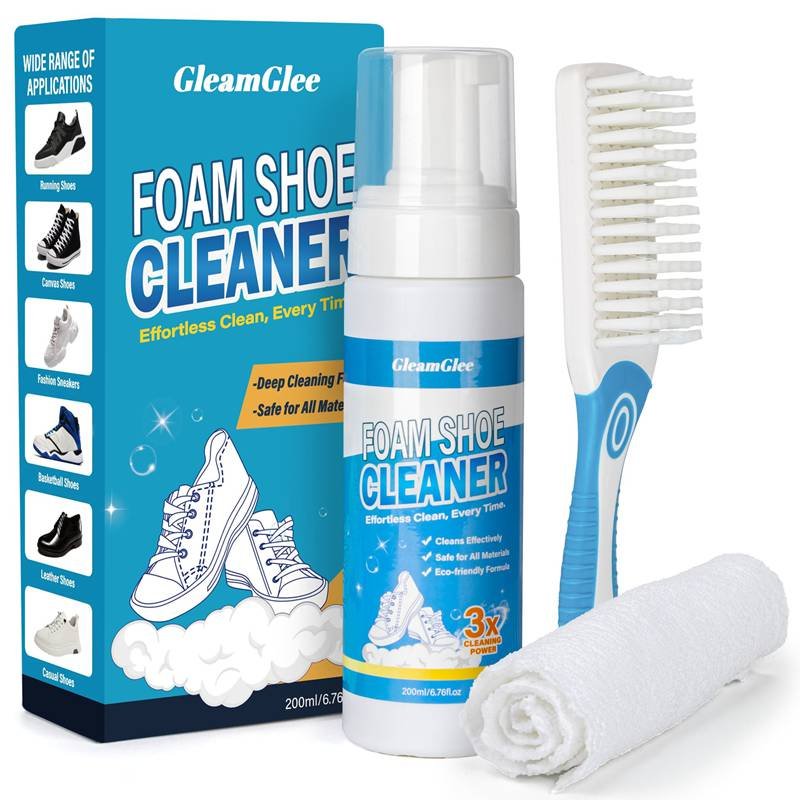
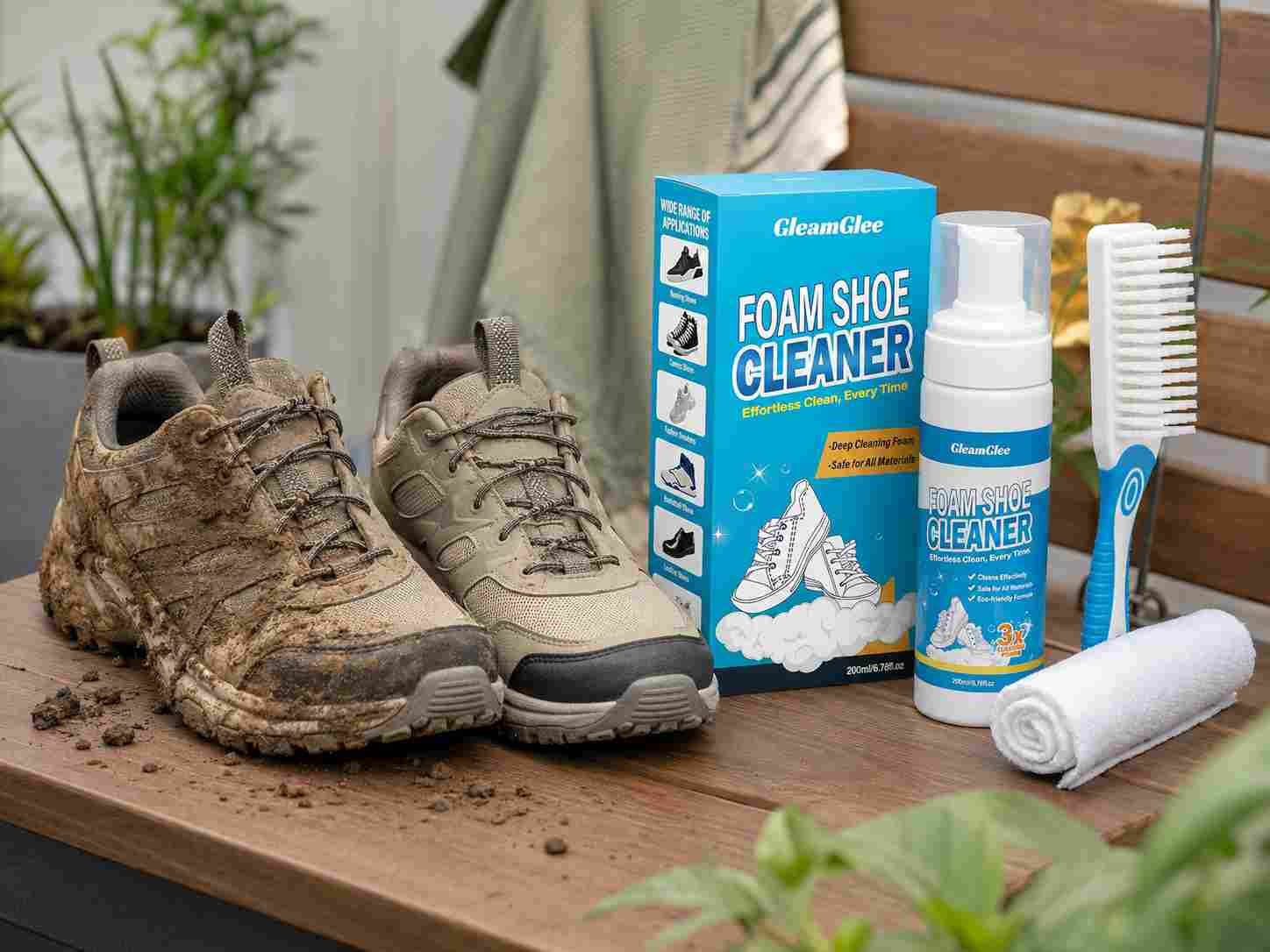
GleamGlee Shoe Cleaner is useful for this kind of care because the foam format helps control moisture. Instead of soaking the whole shoe, users can clean the stained area in small sections. The brush helps loosen mud from soles and textured surfaces, while the microfiber towel removes dirty foam before it dries back into the shoe. This matters for white sneakers, hiking shoes, trail runners, kids’ shoes, sports shoes, and travel footwear.
| Shoe Material | Care Level | Main Risk | Safer Cleaning Method |
|---|---|---|---|
| Mesh | High | Fraying, trapped dirt | Light foam cleaning |
| Canvas | High | Brown shadows, water marks | Gentle repeat cleaning |
| Suede | Very high | Flattened nap, dark patches | Dry brush first |
| Nubuck | Very high | Texture change, staining | Minimal moisture |
| Leather | Medium | Stiffness, scratches | Wipe grit first |
| PU | Medium | Dull finish, edge lifting | Soft brush and towel |
| Rubber | Low to medium | Yellowing, scuff marks | Medium brushing |
| Knit | High | Stretching, fuzzing | Low pressure cleaning |
How Do Mud Stains Affect Mesh?
Mud stains affect mesh because the fabric has many small openings. These openings help shoes stay breathable, but they also allow fine soil, clay, and dust to settle below the surface. A quick wipe may clean the top layer, while the shoe still looks gray or dull after drying. Mesh is common on running shoes, gym shoes, trail runners, lightweight walking shoes, and many everyday sneakers. The material is comfortable, but it can fray or fuzz when brushed too hard. Cleaning mesh requires patience, light pressure, and controlled moisture. The goal is to lift dirt out of the weave without stretching or roughening the fabric.
- Let mud dry before touching mesh panels.
- Brush lightly to remove loose particles.
- Apply foam cleaner in small sections.
- Use gentle circular strokes, not hard scrubbing.
- Wipe dirty foam before it dries.
| Mesh Problem | Cause | Best Fix |
|---|---|---|
| Dull gray look | Fine mud trapped in holes | Light foam clean and towel wipe |
| Brown toe stain | Wet mud spread into fabric | Clean in small sections |
| Fuzzy surface | Brush pressure too strong | Use softer strokes |
| Dirty lace area | Mud around eyelets | Remove laces before cleaning |
| Odor after mud | Damp lining | Air-dry with open tongue |
For white mesh shoes, do not wait too long. Mud mixed with sweat and road dust can leave a darker shadow after several days. Two light cleaning rounds are usually safer than one strong scrub.
How Do Mud Stains Affect Leather?
Mud stains affect leather by sitting in creases, stitching, grain texture, and the area where the upper meets the sole. Smooth leather usually cleans more easily than mesh or canvas, but it can still be scratched by dry grit. If mud dries on leather and is rubbed hard, tiny soil particles can act like sandpaper. If the shoe is soaked during cleaning, the leather may dry stiff, dull, or uneven. Leather outdoor shoes need moisture control more than heavy cleaning power. The safest method is to remove grit first, use a small amount of foam cleaner, wipe carefully, and let the shoe dry slowly at room temperature.
- Brush outsole mud before cleaning leather uppers.
- Wipe dry grit with a microfiber towel first.
- Use light foam, not soaking water.
- Clean along creases and stitching lines.
- Avoid heaters and direct sun after cleaning.
| Leather Area | Mud Issue | Cleaning Tip |
|---|---|---|
| Toe creases | Dirt settles in flex lines | Wipe first, then foam clean |
| Stitching | Mud collects around threads | Use light brush pressure |
| Heel area | Road grime and scuffs | Foam clean and towel wipe |
| Sole edge | Mud builds in glue line | Clean gently, avoid soaking |
| White leather | Brown marks show quickly | Repeat light cleaning |
Leather should not feel wet after cleaning. If it does, too much product or water was used. After the shoe dries, check whether the leather feels dry. If needed, use a suitable leather conditioner later, but only after all mud has been removed.
How Do Mud Stains Affect Suede?
Mud stains affect suede more seriously because suede has a soft raised surface. Mud does not only discolor suede; it can also change the texture. Wet mud can flatten the nap and create dark patches. Hard scrubbing can make one area look shiny or rough compared with the rest of the shoe. Light suede, beige nubuck, fashion sneakers, and premium casual shoes are especially sensitive. Suede cleaning should start dry. Let the mud dry fully, brush it away gently, and only use a small amount of suitable cleaner if a stain remains. The aim is to protect both color and texture.
- Let suede mud dry completely.
- Brush in one direction first.
- Use very light pressure.
- Test cleaner on a hidden area.
- Brush again after drying to lift the nap.
| Suede Condition | What It Means | Safer Action |
|---|---|---|
| Wet dark patch | Mud still contains moisture | Wait before cleaning |
| Dry dusty mud | Surface dirt is ready to lift | Use suede or soft brush |
| Flat nap | Fibers pressed down | Brush gently after drying |
| Water ring | Too much moisture in one spot | Clean wider panel lightly |
| Old stain | Dirt bonded into nap | Repeat gentle care |
Suede should never be treated like rubber or canvas. Even when the stain looks small, cleaning too hard can leave a more visible mark than the original mud. Slow cleaning is safer.
How Do Mud Stains Affect Soles?
Mud stains affect soles by packing into tread grooves, rubber texture, heel edges, and sidewalls. Soles are stronger than uppers, so they can handle more brushing. However, dirty soles still need careful cleaning because mud can reduce grip, track dirt indoors, and create odor when shoes are stored damp. Hiking shoes, football boots, golf shoes, trail runners, and kids’ playground shoes often hold the most mud underneath. The outsole should be cleaned before the upper. If the sole is ignored, loose dirt can fall back onto clean fabric during the rest of the cleaning process.
- Tap shoes together outside to loosen clumps.
- Brush tread grooves before cleaning uppers.
- Use medium pressure on rubber midsoles.
- Clean white sole edges in small sections.
- Wipe dirty foam away fully.
| Sole Type | Mud Problem | Cleaning Focus |
|---|---|---|
| Deep hiking tread | Packed soil and stones | Brush grooves firmly |
| Football studs | Grass mud around studs | Clean after each game |
| White rubber midsole | Brown film and scuffs | Foam clean, repeat lightly |
| Trail runner outsole | Fine mud in grip pattern | Brush before storage |
| Kids’ shoe sole | Playground dirt and sand | Weekly quick cleaning |
| Golf shoe sole | Grass and soil buildup | Brush edge and tread |
Rubber soles may look easy to clean, but white midsoles can yellow or dull if harsh cleaners are used often. A foam cleaner, medium brush, and microfiber towel are usually enough for regular mud care.

How Do You Remove Mud Stains Deeply?
Remove mud stains deeply by working in layers: dry the mud, brush off loose soil, apply foam cleaner in small sections, scrub with the right pressure, wipe away dirty residue, and let the shoes air-dry before checking the result. Deep cleaning should lift dirt from texture and fibers without soaking the shoe or damaging the upper.
A deep clean is needed when mud has dried into mesh, canvas, suede nap, rubber texture, stitching, or outsole grooves. The stain may look like one brown mark, but it often has several layers: loose dry soil on top, fine clay inside the material, dirt around seams, and a darker film mixed with sweat, grass, road dust, or oil. Removing only the top layer makes the shoe look better for a moment, but the stain may return after drying if residue stays inside the surface.
The safest deep-cleaning method uses repeatable light rounds instead of one aggressive scrub. GleamGlee Shoe Cleaner helps with this process because the foam can stay on the stained area without flooding the shoe. The brush loosens dirt from textured parts, while the microfiber towel removes dirty foam before it dries back into the material. For white sneakers, hiking shoes, trail runners, school shoes, sports shoes, and travel shoes, this method gives better control and reduces the risk of yellowing, fraying, water marks, and stiffness.
| Cleaning Stage | What To Do | Time Range | Main Purpose |
|---|---|---|---|
| Dry mud first | Let thick mud become crumbly | 30 minutes to several hours | Stops smearing |
| Dry brush | Remove loose soil from sole and upper | 2–5 minutes | Reduces dirt load |
| Foam clean | Apply cleaner to one section | 30–60 seconds | Softens stain |
| Gentle scrub | Brush based on material | 1–3 minutes per area | Lifts dirt from texture |
| Wipe clean | Use microfiber towel | 30–90 seconds | Removes dirty residue |
| Air-dry | Dry at room temperature | Several hours | Protects shape and finish |
| Check result | Inspect after full drying | After drying | Avoids over-cleaning |
How Does Foam Lift Mud Stains?
Foam lifts mud stains by keeping cleaning ingredients close to the stain instead of letting liquid run through the shoe. This matters because outdoor shoes often have mixed materials: mesh panels, rubber midsoles, leather overlays, canvas sections, PU parts, fabric laces, and glued seams. Plain water can spread mud, soak padding, and increase drying time. Foam gives more control. It softens dried dirt, helps loosen oil and road grime, and allows the brush to lift particles from the surface. The microfiber towel then removes the dirty foam, which is just as important as applying the cleaner. If dirty foam dries on the shoe, part of the stain can settle back into the fabric or rubber texture.
- Apply foam only to the stained section, not the whole shoe at once.
- Let the foam sit briefly before brushing; do not let it dry.
- Use light circles on mesh and canvas, firmer strokes on rubber.
- Wipe away brown or gray foam before moving to the next area.
- Repeat with a fresh layer if the stain remains after drying.
| Shoe Area | Foam Amount | Brush Pressure | Wipe Timing |
|---|---|---|---|
| Mesh upper | Small amount | Light | Wipe within 30–60 seconds |
| Canvas toe box | Thin layer | Light to medium | Wipe after gentle brushing |
| Rubber midsole | Moderate layer | Medium | Wipe when foam turns dirty |
| Outsole tread | More foam allowed | Medium to firm | Wipe after grooves are brushed |
| Leather panel | Small amount | Light | Wipe quickly |
| Suede section | Very small amount, only if suitable | Very light | Blot carefully |
Foam cleaning works best when the shoe has already been dry brushed. If loose dirt remains on the surface, the foam may turn muddy too quickly and spread the stain. For deep stains, two light foam rounds are safer than one heavy application. This is especially true for white sneakers, canvas shoes, and breathable running shoes.
How Do You Clean Outdoor Shoes?
Clean outdoor shoes by separating the job into zones: outsole, midsole, upper, laces, and inner edges. The outsole is usually the dirtiest and strongest part, so it should be cleaned first. The upper is more delicate and should be cleaned last with lighter pressure. This order keeps mud from falling back onto areas you have already cleaned. Start by tapping off dry mud, brushing the sole grooves, and wiping dust from the upper. Then apply GleamGlee Shoe Cleaner foam in small sections, brush gently, and wipe with a microfiber towel. Laces should be removed if they are muddy because dirty laces can make a clean shoe still look stained.
- Clean outsole grooves before the upper.
- Remove laces when mud sits around eyelets or tongue areas.
- Clean rubber midsoles with medium pressure.
- Clean fabric uppers with light pressure and repeat if needed.
- Wipe each section before starting the next section.
- Let the shoe dry fully before deciding on another round.
| Shoe Part | Cleaning Method | Common Mistake | Better Habit |
|---|---|---|---|
| Outsole | Brush dry mud, foam clean grooves | Ignoring packed mud | Clean before upper |
| Midsole | Foam and medium brushing | Using bleach on white rubber | Repeat gentle rounds |
| Mesh upper | Light foam and soft circles | Hard scrubbing | Use low pressure |
| Canvas upper | Foam, brush, wipe, repeat | Soaking the fabric | Clean section by section |
| Leather upper | Wipe grit, foam lightly | Rubbing dry dirt hard | Remove grit first |
| Laces | Remove, foam, wipe, air-dry | Leaving stained laces in place | Clean separately |
For hiking shoes and trail runners, spend extra time around the toe guard, heel edge, and outsole lugs. For school shoes and kids’ sneakers, check Velcro strips, toe caps, and side seams. For sports shoes, clean studs, grip patterns, and grass-stained areas after each muddy session. Outdoor shoes look cleaner for longer when mud is removed from the hidden areas, not only the visible upper.
Do Mud Stains Need Water?
Mud stains do not always need water. In many cases, water makes mud stains harder to control because it turns dry particles back into brown liquid. This can spread stains across canvas, mesh, laces, and stitching. Water also increases drying time, especially in padded tongues, collars, and insoles. For rubber boots or heavily packed outsoles, a damp cloth or light rinse may help, but mixed-material outdoor shoes should not be soaked unless the shoe care label clearly allows it. Foam cleaner is often safer because it provides enough moisture to loosen dirt while keeping the cleaning area controlled.
- Use dry brushing before adding any moisture.
- Use foam cleaner for uppers instead of soaking.
- Use a damp towel only when needed for rubber or plastic parts.
- Avoid bucket soaking for sneakers, trail shoes, and leather shoes.
- Do not machine wash shoes unless the shoe maker clearly allows it.
| Cleaning Method | Best For | Risk Level | Notes |
|---|---|---|---|
| Dry brushing | Loose mud, suede, outsole dirt | Low | Always a good first step |
| Foam cleaning | Mesh, canvas, leather, rubber, PU | Low to medium | Best control for mixed shoes |
| Damp towel | Rubber, plastic, light surface dirt | Medium | Use small amount of water |
| Light rinse | Rubber boots, very dirty outsoles | Medium | Keep uppers controlled |
| Bucket soaking | Rarely recommended | High | May cause odor and glue issues |
| Machine washing | Only if label allows | High | Can deform shoes |
Water can still play a small role at the end on hard surfaces. For example, after cleaning rubber soles or plastic sidewalls, a lightly damp microfiber towel can remove leftover residue. The key is control. The shoe should never feel heavy with water after cleaning. If the tongue, collar, or lining becomes soaked, drying takes much longer and odor risk increases.
How Do You Avoid Yellowing?
Avoid yellowing by removing mud early, using mild shoe cleaner, wiping away dirty residue, and drying shoes away from heat. Yellowing often appears on white midsoles, white canvas, mesh, and light synthetic panels when mud, sweat, oil, cleaning residue, sunlight, or harsh chemicals stay on the surface. Bleach is a common reason white shoes turn uneven or yellow over time. High heat can also speed up discoloration and make rubber or glue lines age faster. For deep cleaning, it is safer to clean in light rounds and remove residue fully with a microfiber towel.
- Do not use bleach on white rubber, canvas, mesh, or leather.
- Wipe dirty foam before it dries on the shoe.
- Keep shoes away from heaters and strong sunlight after cleaning.
- Clean white midsoles in sections to avoid uneven marks.
- Repeat light cleaning instead of using stronger chemicals.
| Yellowing Cause | Where It Shows Most | What To Do Instead |
|---|---|---|
| Bleach | White midsoles, canvas | Use gentle foam cleaner |
| Heat drying | Rubber, glue lines, leather | Air-dry in shade |
| Dirty residue | Mesh, canvas, laces | Wipe with clean microfiber |
| Old mud | Toe box, side panels | Clean sooner after wear |
| Sweat and oil | Collar, tongue, inner edge | Clean and dry fully |
| Strong sunlight | Light-colored uppers | Dry indoors with airflow |
GleamGlee Shoe Cleaner is designed to clean and protect shoe appearance while helping reduce yellowing, fading, and oxidation. For white sneakers, school shoes, travel shoes, and light outdoor shoes, the towel step is very important. The foam loosens the stain, but the towel removes it from the shoe. A clean final wipe keeps the surface brighter and reduces the chance of brown or yellow marks returning after the shoe dries.
How Do You Handle Old Mud Stains?
Old mud stains need more patience because the dirt has had time to settle into fibers, creases, rubber texture, or suede nap. A stain that has been left for several days may also be mixed with sweat, road dust, grass, or oxidation. Do not try to remove old mud with one strong scrub. Start with dry brushing, apply foam cleaner to a small area, brush gently, wipe clean, and allow the shoe to dry before repeating. Old stains often improve in stages. The first round removes surface dirt. The second round lifts deeper discoloration. A third light round may be needed for white canvas, mesh, or rubber midsoles.
- Start with dry brushing even if the stain looks flat.
- Clean one small section to check how the material reacts.
- Let the shoe dry between rounds before judging the result.
- Avoid strong solvents on fabric, suede, and glued areas.
- Accept that some deep clay stains may fade gradually, not instantly.
| Old Stain Type | Likely Difficulty | Best Approach |
|---|---|---|
| Old mud on rubber | Medium | Foam, medium brush, repeat |
| Old mud on mesh | High | Light circles, towel wipe, repeat |
| Old mud on canvas | High | Section cleaning, full drying between rounds |
| Old mud on suede | Very high | Dry brush, minimal cleaner, texture care |
| Old mud on leather | Medium | Wipe grit, foam lightly, air-dry |
| Red clay stain | Very high | Repeated gentle cleaning |
Old stains should be checked after full drying because damp fabric can look darker than it really is. If the shoe looks much better after drying, stop cleaning. Over-cleaning can wear the material. If a faint stain remains but the surface looks healthy, one more controlled foam round is better than switching to bleach, harsh household cleaner, or hard scrubbing.
How Do You Prevent Mud Stains Again?
Prevent mud stains again by removing loose mud soon after wear, drying shoes correctly, cleaning stains before they set, and storing shoes in a dry, ventilated place. Outdoor shoes do not need to look brand new after every walk, hike, game, or rainy commute, but they should not be left with wet soil, packed tread, or brown splash marks for days.
The easiest prevention routine starts before mud becomes a deep stain. After wearing outdoor shoes, tap the soles gently outside, remove visible clumps, and let wet mud dry before brushing. If a stain remains after dry brushing, clean it with foam cleaner in small sections. This small habit is especially useful for white sneakers, kids’ shoes, hiking shoes, trail runners, football boots, golf shoes, and travel shoes.
Long-term prevention depends on moisture control. Muddy shoes stored in a closed closet can develop odor, stiff fabric, and harder-to-remove stains. Shoes dried with heat may yellow, shrink, or lose shape. Shoes stored with mud in the tread can carry dirt indoors the next time they are worn. A simple brush, foam cleaner, microfiber towel, and safe drying routine can keep outdoor shoes cleaner for longer.
How Should Outdoor Shoes Dry?
Outdoor shoes should dry slowly at room temperature with good airflow. This step matters because moisture is one of the main reasons mud stains become harder to remove later. When shoes stay damp, dirt can settle deeper into fabric, padding, seams, and lace areas. If shoes are placed near a heater, radiator, dryer, or strong sunlight, the surface may dry too fast while the inside stays damp. Heat can also make white rubber yellow, stiffen leather, shrink canvas, flatten suede, and weaken glued areas around the sole. A safer drying method protects both the stain result and the shoe shape.
- Remove laces if they are wet or muddy.
- Pull the tongue forward to open the shoe.
- Take out insoles if the inside feels damp.
- Stuff clean white paper inside to help absorb moisture.
- Replace paper when it becomes wet.
- Dry shoes in shade with natural airflow.
| Shoe Material | Better Drying Method | Rough Drying Time | What To Avoid |
|---|---|---|---|
| Mesh | Open tongue, airflow | 3–8 hours | Hard heat, hanging stretch |
| Canvas | Paper inside, shaded airflow | 6–12 hours | Direct sun, dryer heat |
| Leather | Slow dry at room temperature | 8–24 hours | Radiator, hair dryer |
| Suede | Dry fully, brush after | 8–24 hours | Wet rubbing, strong sun |
| Rubber | Towel wipe, air-dry | 1–4 hours | Overheating |
| Hiking shoes | Remove insoles, dry open | 12–24 hours | Closed storage while damp |
Do not judge the cleaning result while shoes are still damp. Mesh, canvas, and suede often look darker when wet. Wait until the shoe is fully dry before deciding whether another light cleaning round is needed.
Do Outdoor Shoes Need Protection?
Outdoor shoes may need protection if they are made from canvas, suede, nubuck, knit fabric, mesh, or light-colored materials. A suitable shoe protector can reduce how quickly muddy water enters the surface, making dry brushing and foam cleaning easier later. Protection works best on clean, dry shoes. It should not be sprayed over mud, dust, oil, or old stains because that can trap dirt under the coating and make the shoe look dull or uneven.
Protection is not the same as making shoes mud-proof. Even treated shoes can collect mud in outsole grooves, seams, laces, and rubber edges. Suede and nubuck may benefit from protection more than smooth rubber, but they also need more careful testing. Some sprays can darken soft materials or change the surface feel. Light-colored sneakers need thin, even application because heavy spraying may leave visible marks.
- Clean and dry shoes fully before protection.
- Test on a hidden area first.
- Apply thin, even coats instead of one heavy layer.
- Let shoes dry fully before outdoor use.
- Reapply only when dirt begins sticking faster again.
| Shoe Type | Protection Value | Cleaning Still Needed? | Best Care Habit |
|---|---|---|---|
| Suede sneakers | High | Yes | Dry brush often |
| Nubuck shoes | High | Yes | Test every product first |
| Canvas shoes | Medium to high | Yes | Clean stains early |
| White sneakers | Medium | Yes | Foam clean after muddy wear |
| Mesh runners | Medium | Yes | Avoid soaking |
| Rubber boots | Low to medium | Yes | Rinse or wipe soles |
| Hiking shoes | Medium | Yes | Brush tread after trips |
Protection is most useful when paired with regular cleaning. The protector slows stain absorption, while the cleaner removes mud, dirt, and residue after wear.
How Often Should You Clean Mud Stains?
Clean mud stains whenever visible mud remains after the shoe dries. Light splashes may only need dry brushing. Brown marks on the upper, white midsole, laces, toe box, or side panels should be cleaned sooner because old mud is harder to lift. Shoes worn in rain, parks, trails, school playgrounds, sports fields, farms, festivals, and muddy sidewalks need more frequent care than shoes worn only indoors or on clean pavement.
Cleaning frequency should match how the shoes are used. A daily white sneaker may need spot cleaning once or twice a week. A trail runner may need cleaning after each muddy run. Kids’ school shoes may need a weekly refresh because mud often collects around the toe and sole. Football boots and golf shoes should be cleaned after muddy games because mud left around studs or tread can harden and affect grip.
- Spot clean light stains after each muddy wear.
- Deep clean after hiking, sports, or heavy rain.
- Brush soles before storing shoes.
- Clean laces when they look gray or brown.
- Do not wait until mud becomes old and hard.
| Shoe Use | Suggested Cleaning Frequency | Main Area To Check |
|---|---|---|
| Daily sneakers | Every 1–2 weeks | Toe box, midsole, laces |
| White shoes | After visible stains | Upper and rubber edge |
| Kids’ school shoes | Weekly or after muddy play | Toe, straps, soles |
| Hiking shoes | After muddy trips | Tread, seams, toe guard |
| Trail runners | After wet runs | Mesh, outsole, heel |
| Football boots | After each muddy game | Studs and upper |
| Golf shoes | After wet grass use | Sole edge and grass marks |
| Travel shoes | After trips or rain | Full surface refresh |
Gentle cleaning can be done more often than harsh cleaning. A short foam clean and towel wipe is better than waiting weeks and scrubbing aggressively.
Is Shoe Cleaner Worth It?
Shoe cleaner is worth it when it helps extend the wearable life of outdoor shoes and reduces the need for harsh cleaning methods. Many outdoor shoes are replaced because they look dirty, not because the sole or upper is truly worn out. Mud stains, yellow midsoles, gray mesh, brown laces, and dirty tread can make shoes look older than they are. A proper cleaner helps remove stains earlier, keeps shoes more presentable, and makes routine care easier to repeat.
A no-water foam cleaner is especially useful for homes, apartments, dorms, travel, and quick entryway cleaning. It avoids the mess of soaking shoes in a sink and gives better control on mixed-material footwear. GleamGlee Shoe Cleaner includes foam cleaner, a multi-purpose brush, and microfiber towel, so the cleaning process is simple: apply foam, brush gently, wipe clean, and air-dry. It works well for everyday sneakers, white shoes, hiking sneakers, kids’ shoes, sports shoes, PU shoes, rubber soles, canvas, mesh, leather, suede, and travel footwear.
- Saves time compared with full soaking or machine washing.
- Helps clean stains before they become permanent marks.
- Reduces the need for bleach or rough scrubbing.
- Works across many common shoe materials.
- Helps keep white midsoles, mesh, and canvas looking cleaner.
| Common Shoe Problem | Without Cleaner | With Foam Cleaner |
|---|---|---|
| Mud on white midsoles | Brown film may stay | Foam lifts dirt for wiping |
| Dull mesh | Dirt remains in fabric holes | Light brushing refreshes surface |
| Kids’ muddy shoes | Dirt builds up weekly | Quick routine after play |
| Hiking shoe tread | Mud hardens in grooves | Brush and foam loosen buildup |
| Canvas stains | Brown shadow spreads with water | Controlled section cleaning |
| Travel shoe dirt | Hard to clean without tools | Cleaner, brush, towel in one kit |
A good shoe cleaner does not replace careful technique. The best results still come from dry brushing first, using a small amount of foam, wiping dirty residue fully, and drying shoes naturally.

Why Choose GleamGlee for Outdoor Shoes?
Choose GleamGlee for outdoor shoes because the product is built around real shoe-care problems: mud stains, dull mesh, dirty white midsoles, grass marks, dusty rubber soles, and shoes that need cleaning without being soaked. GleamGlee Shoe Cleaner uses a fast-drying foam format, so users can clean stained areas with better control than plain water. The kit includes foam cleaner, a multi-purpose brush, and a microfiber towel, making the cleaning process easier for sneakers, hiking shoes, trail runners, school shoes, golf shoes, football boots, and travel shoes.
For daily use, the biggest advantage is convenience. Outdoor shoes are often made from several materials in one pair, such as mesh, canvas, PU, leather, suede, rubber, and plastic. A cleaner used on outdoor shoes should not only remove mud; it should also reduce the risk of yellowing, fading, over-wetting, and rough surface damage. GleamGlee Shoe Cleaner is designed for multiple common shoe materials and helps clean dirt, oil, and tough stains while keeping the process simple: apply foam, brush gently, wipe clean, and air-dry.
GleamGlee also has strong production support behind the product. The company has 25+ chemists and engineers, 18+ design specialists, 4 integrated factories, automated filling lines, and annual production capacity of over 12 million pieces. For retailers, online sellers, shoe-care brands, cleaning product companies, and importers, GleamGlee can provide finished shoe cleaner products, custom formulas, packaging design, multilingual labels, low starting quantities from 200 pieces, samples in 7–14 days, and bulk production around 20 days.
What Can GleamGlee Supply?
GleamGlee can supply shoe cleaner products for both daily shoe care and wider outdoor footwear cleaning needs. The main product format is a foam cleaner kit that includes the cleaner, brush, and microfiber towel. This format is practical because most people do not want to prepare several tools before cleaning muddy shoes. They want a simple kit that works at home, near the entryway, after sports, after hiking, or during travel. The foam cleaner is especially useful for outdoor shoes because it reduces heavy water use, making it easier to clean mesh, canvas, leather, PU, rubber, plastic, and suede-style surfaces with controlled moisture.
- Foam shoe cleaner for mud, dirt, oil, and daily stains.
- Multi-purpose brush for soles, midsoles, canvas, and textured areas.
- Microfiber towel for wiping away dirty foam and residue.
- Shoe care kits for sneakers, hiking shoes, school shoes, travel shoes, and sports shoes.
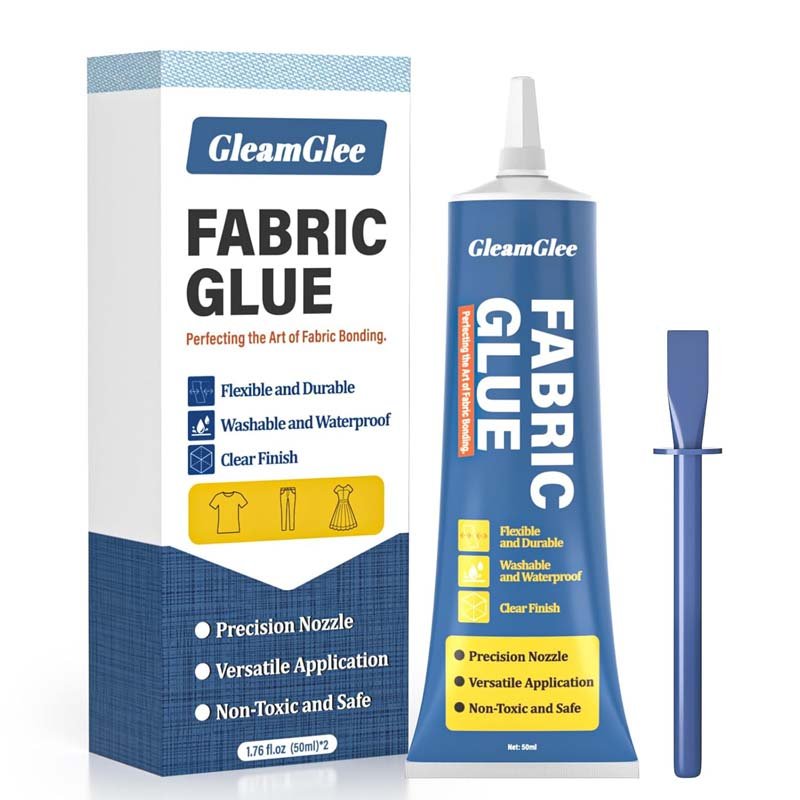
- Related product options such as suede cleaner, shoe glue, leather glue, adhesive remover, and fabric glue.
| Product Type | Main Use | Suitable Sales Scene |
|---|---|---|
| Foam Shoe Cleaner | Mud stains, dirt, oil, dull uppers | Daily shoe care, Amazon, retail shelves |
| Shoe Cleaner Kit | Cleaner + brush + towel | Family shoe care, sneaker care, travel care |
| Suede Cleaner | Suede and nubuck surface care | Premium shoes, fashion sneakers |
| Shoe Glue | Loose soles, peeling edges | Repair kits, footwear care bundles |
| Adhesive Remover | Sticker residue, tape marks, glue stains | Home cleaning, car care, hard surfaces |
| Fabric Glue | Patches, fabric repair, small clothing fixes | DIY repair and craft use |
GleamGlee can also adjust product presentation based on the market. A white sneaker cleaner may need bright, clean packaging and simple instructions. A hiking shoe cleaner may need stronger outdoor visuals. A sports shoe cleaner may focus on football boots, golf shoes, gym shoes, and running shoes. A family shoe cleaner may highlight kids’ school shoes, playground shoes, and everyday sneakers.
Who Needs Outdoor Shoe Cleaner?
Outdoor shoe cleaner is useful for people who wear shoes in real outdoor conditions, not only for sneaker collectors. Mud stains can appear after school, rain, hiking, sports, travel, gardening, festivals, golf, football, dog walking, or daily commuting. Many shoes are replaced too early because they look dirty, while the sole and upper still have plenty of life left. A good cleaner helps restore appearance and keeps shoes wearable for longer. This is important for families with children, people who wear white sneakers often, hikers, runners, sports players, travelers, and anyone who wants shoes to look clean without using harsh household cleaners.
- Parents cleaning kids’ muddy school shoes and playground sneakers.
- Sneaker users keeping white midsoles and toe boxes clean.
- Hikers and trail runners removing mud from tread, toe guards, and mesh.
- Sports users cleaning football boots, golf shoes, gym shoes, and training shoes.
- Travelers refreshing shoes after rain, city walking, parks, or festivals.
- Shoe stores and online sellers adding a repeat-use care product to their footwear range.
| User Group | Main Cleaning Problem | GleamGlee Shoe Cleaner Benefit |
|---|---|---|
| Parents | Weekly mud on kids’ shoes | Quick foam cleaning, less soaking |
| White sneaker users | Yellowing and brown marks | Controlled cleaning and towel wipe |
| Hikers | Mud in tread and seams | Brush + foam for outsole and upper |
| Runners | Dull mesh and dirt buildup | Gentle circular cleaning |
| Sports users | Grass mud and sole dirt | Cleans studs, midsoles, and uppers |
| Travelers | No sink or full wash available | No-water foam format |
| Shoe stores | Need add-on care products | Easy-to-explain kit format |
A cleaner that works across many shoe types has stronger daily value. One bottle can be used on white sneakers, running shoes, casual trainers, hiking sneakers, PU shoes, rubber soles, canvas shoes, leather sneakers, and many sports shoes. That makes it easier for households to keep one kit ready instead of buying different products for every pair.
How Does GleamGlee Control Quality?
GleamGlee controls quality through formula development, material testing, packaging control, filling production, and label printing. Shoe cleaner products need stable foam texture, suitable cleaning strength, safe packaging, clear instructions, and reliable batch consistency. A cleaner that works well in one sample but changes in bulk production creates real problems for sellers and users. GleamGlee’s integrated production setup helps reduce that risk because formula, packaging, filling, and label production can be managed closely within the same supply system.
- 25+ chemists, material specialists, and process engineers.
- 18+ design specialists for packaging, labels, and visual instructions.
- 4 integrated factories covering daily chemical products, packaging, label printing, and raw materials.
- Automated filling and assembly lines.
- Annual production capacity of over 12 million pieces.
- Quality systems aligned with ISO 9001, ISO 14001, CLP, REACH, UKCA, and GHS requirements.
| Quality Area | What Is Checked | Why It Matters |
|---|---|---|
| Formula | Foam feel, cleaning strength, material use | Keeps cleaning result stable |
| Packaging | Leakage, bottle fit, pump performance | Reduces shipping and storage issues |
| Brush & Towel | Usability, texture, kit match | Improves cleaning experience |
| Label | Instructions, icons, language | Helps users clean correctly |
| Filling | Volume, sealing, batch consistency | Supports repeat orders |
| Compliance | Market label and document needs | Helps products enter target markets |
For shoe cleaner, clear instructions are part of quality. Users need to know how much foam to use, how hard to brush, which materials need testing, and how to dry shoes safely. A well-designed label can reduce misuse such as soaking, overheating, or scrubbing delicate mesh and suede too hard.
How Do You Order or Customize?
To order or customize GleamGlee outdoor shoe cleaner, prepare the product style, target market, bottle size, kit contents, order quantity, packaging preference, and any formula requirements. A clear inquiry helps the team give a faster quote and more accurate sample plan. For example, a product made for white sneakers may focus on yellowing control and clean visual packaging. A product made for hiking shoes may focus on mud removal, outsole cleaning, and outdoor-use images. A product made for family shoe care may need a complete kit with brush and towel.
- Choose product type: foam shoe cleaner, suede cleaner, white shoe cleaner, outdoor shoe cleaner, or full kit.
- Confirm size and packaging: bottle, box, bundle, travel pack, or retail kit.
- Decide accessories: brush, microfiber towel, sponge, instruction card, or storage bag.
- Share target market: United States, United Kingdom, Germany, Canada, Japan, Korea, or other regions.
- Send quantity plan: test order, launch order, repeat order, or seasonal order.
- Provide design direction: clean household style, sports style, premium sneaker style, or eco-style packaging.
| Custom Detail | Available Direction | Common Use |
|---|---|---|
| MOQ | From 200 pieces | Small launch or product test |
| Artwork | As fast as 2 days | Faster packaging preparation |
| Samples | 7–14 days | Formula and packaging check |
| Bulk Production | Around 20 days | Standard order production |
| Rush Production | Around 15 days | Urgent launch or restock |
| Packaging | Bottle, box, kit, label, carton | Online and retail sales |
| Shipping Support | DHL, UPS, FedEx, overseas warehouse options | International delivery planning |
A useful inquiry can be short but specific. Include the product you want, order quantity, country of sale, preferred packaging, and whether you need a ready product or a custom label. If you already have a reference product, send photos or samples so the formula and packaging direction can be reviewed more accurately.
Conclusion
Mud stains on outdoor shoes are easier to handle when the cleaning method follows the shoe material. Let thick mud dry, brush away loose soil, apply foam cleaner in small sections, scrub gently, wipe with a microfiber towel, and air-dry naturally. This protects mesh, canvas, leather, suede, rubber, PU, and mixed-material shoes from common cleaning damage such as yellowing, fraying, stiffness, water marks, and shape changes.
For everyday customers, GleamGlee Shoe Cleaner offers a simple way to clean muddy sneakers, hiking shoes, school shoes, trail runners, sports shoes, travel shoes, and white sneakers at home. The foam cleaner, brush, and microfiber towel make shoe care easier to repeat after outdoor wear. Instead of soaking shoes or using harsh household cleaners, customers can clean stains with better control and less mess.
For business customers, GleamGlee offers more than a single product. The company can support finished shoe cleaner supply, private-label customization, formula adjustment, packaging design, multilingual labels, low MOQ orders, sample development, bulk production, and global shipping support. If you want to order GleamGlee branded shoe cleaner or request a custom shoe care product quote, contact GleamGlee with your target market, product style, order quantity, and packaging needs.