Skip to content
Book Repair Adhesive for Loose Pages and Covers: A Clear Repair Guide
Your trusted adhesives glue & cleaner manufacturer

A loose page looks like a small problem, but it is often the first sign that a book is starting to lose its structure. One page slips out, then the spine opens a little wider, then the cover begins to lift from the edge. Many people wait because the book is still readable, yet daily handling quickly turns a small repair into a messy one. A cookbook opened with damp hands, a school textbook carried in a backpack, a family Bible used every week, or a child’s picture book pulled open again and again all need the same thing: a clean repair that does not make the book stiff, stained, or uncomfortable to use.
Book repair adhesive is a clear, flexible glue made to fix loose pages, covers, and weak spines without damaging the look of the book. It works best when applied in a thin line, pressed evenly, and left to dry fully. A good adhesive should dry transparent, resist yellowing, bond paper neatly, and stay flexible when the book opens.
The real value is not only “strong glue.” It is control. A book has thin paper, printed surfaces, folded sections, cover boards, cloth, coated paper, or kraft backing. Too much glue can wrinkle pages. The wrong glue can crack, yellow, or leave a shiny patch. A better repair feels almost invisible after drying, so the book can return to the shelf, desk, classroom, kitchen, library, or craft table with confidence.
What Is Book Repair Adhesive?
Book repair adhesive is a clear, flexible glue made for fixing loose pages, weak spines, lifted covers, and paper-based binding problems. Unlike ordinary household glue, it needs to bond thin paper and cover materials without leaving hard lumps, yellow stains, cloudy marks, or stiff edges. A good book repair adhesive should apply in a controlled line, dry cleanly, and still allow the book to open and close naturally after repair.
In real use, book repair adhesive is needed because most book damage starts small. One loose page, one split corner, one cracked paperback spine, or one cover edge lifting by 3–5 mm can quickly become a larger problem if the book keeps being used. A school textbook may be opened 20–40 times a day. A cookbook may be handled with damp hands. A children’s book may be pulled open far beyond its normal spine angle. These repeated movements place stress on the same weak area again and again.
The right adhesive does not simply “stick paper together.” It creates a thin repair layer that holds the damaged section while keeping the book readable. For loose pages, the glue line may only need to be 1–2 mm wide. For cover repair, the adhesive must spread evenly under the lifted area. For spine repair, it needs enough flexibility to avoid cracking when the book opens. This is why book repair adhesive should be judged by clarity, control, flexibility, drying behavior, and paper compatibility—not just by bonding strength.
| Book Repair Need | Adhesive Requirement | Better Result |
|---|---|---|
| Loose single page | Thin edge bonding | Page sits flush with nearby pages |
| Cracked paperback spine | Flexible repair line | Spine opens without a hard ridge |
| Lifted cover | Even surface contact | Cover closes flat after drying |
| Old or light paper | Clear, low-mark finish | Less visible repair line |
| Children’s book | Firm hold after full cure | Pages and corners stay secured |
| Paper craft binding | Smooth application | Cleaner handmade finish |
Book Repair Adhesive for Pages
Book repair adhesive for pages is mainly used when one page, several pages, or a small section begins to separate from the spine. This often happens in paperbacks, textbooks, workbooks, journals, manuals, novels, and frequently opened recipe books. Page repair looks simple, but it requires careful glue control because paper is thin and easily affected by moisture. If too much adhesive is added, the page edge may wrinkle, become stiff, or stick to the page beside it.
For a single loose page, the repair area is usually very narrow. A thin glue line along the inner page edge is normally enough. The page should be placed back at the same height as the surrounding pages before pressing. Even a 2 mm misalignment can make the page look uneven when the book is closed. This is especially noticeable in books with trimmed edges, school textbooks, notebooks, and manuals where page order and alignment matter.
Good page repair also depends on pressure and drying time. After applying adhesive, the book should be closed carefully with wax paper or release paper protecting nearby pages. A flat weight can keep the page in place while drying. For light page repair, several hours may be enough before gentle handling, but overnight drying gives a cleaner and stronger result. For heavily used books, waiting 24 hours before regular use is safer.
GleamGlee book glue is useful for this kind of repair because its fine metal nozzle can place adhesive directly along the page edge. This reduces the chance of glue spreading into printed areas. The transparent drying finish also helps the repair look cleaner, especially on novels, journals, workbooks, and books with light-colored pages.
Book Repair Adhesive for Covers
Book repair adhesive for covers is used when a paperback cover peels away, a hardcover hinge separates, a dust jacket needs light fixing, or a board book cover begins to split. Cover repair usually needs more surface contact than page repair, but it still requires a thin and even adhesive layer. A thick glue patch under the cover can create bumps, make the cover hard to close, or cause the repaired area to look uneven from the outside.
Paperback covers often fail along the spine because the book has been opened flat too many times. Cookbooks, study guides, travel books, and manuals are especially prone to this because they are often pressed open during use. Hardcover books may fail at the inner hinge, where paper, cloth, and board materials meet. If the hinge paper tears or lifts, the cover may feel loose even if the pages remain attached.
Before applying adhesive to a cover, the book should be placed in its natural closed position to check where the cover should sit. This small step prevents the cover from drying too tight or too loose. The adhesive should be applied under the lifted section, spread thinly, and pressed flat. Any excess near the edge should be wiped before drying. Protective paper should be placed between the cover and page block so the repair does not accidentally bond areas that should remain separate.
A clean cover repair should allow the book to open without pulling against the spine. If the cover feels stiff or makes the book difficult to open, too much glue may have been used. For books that are handled daily, such as schoolbooks, children’s books, training manuals, and cookbooks, full drying time is especially important because the cover takes repeated stress.
Book Repair Adhesive for Spines
Book repair adhesive for spines must handle movement. The spine is the part of the book that bends, carries page weight, and absorbs pressure every time the book opens. A cracked spine may begin as a narrow split, but if it is ignored, the page block can loosen and sections may start falling out. Spine repair needs enough strength to hold the book together, but it also needs flexibility so the repaired area does not become a hard breaking point.
The repair method depends on the type of spine damage. A small paperback crack may need a thin line of adhesive inside the split. A loose page block may need careful bonding along the inner spine edge. A hardcover hinge may need adhesive under the lifted endpaper or cloth area. In each case, the goal is not to fill the entire spine with glue. The goal is to rebuild contact where the original bond has failed.
Too much adhesive in the spine can cause serious problems. The book may dry partly shut, open unevenly, or develop a hard ridge that cracks beside the repair. This is common when general craft glue, hot glue, or thick household glue is used without control. A proper book repair adhesive should flow into the needed area but not flood the binding.
For better results, the spine should be repaired with the book supported in a natural shape. After applying adhesive, close the book gently and press it flat without forcing the spine. Let it dry long enough before opening. For thick books, textbooks, cookbooks, and manuals, overnight drying or 24-hour curing is a better habit because the spine carries more stress than a single loose page.
Book Repair Adhesive for Paper Crafts
Book repair adhesive for paper crafts is useful for handmade journals, scrapbooks, photo albums, greeting cards, invitations, postcards, memory books, sketchbooks, portfolios, and small binding projects. These projects may not be “damaged books,” but they still need the same adhesive qualities: clean application, clear drying, smooth bonding, and enough flexibility to prevent paper edges from lifting.
Paper crafts often show glue mistakes more clearly than ordinary repairs. A scrapbook page may reveal bumps under decorative paper. A handmade invitation may look poor if glue dries glossy around the edge. A photo album may wrinkle if the adhesive is applied too heavily. Because these projects are often visual and personal, clean drying matters almost as much as bonding strength.
Different paper materials behave differently. Kraft paper absorbs adhesive quickly. Glossy paper may need longer pressure time. Vellum can show glue marks if too much is applied. Photos and coated paper should be tested first because surface coatings may react differently from normal book paper. A thin, even layer is usually better than a wet layer, especially when working with decorative paper or printed designs.
GleamGlee book glue fits these uses because it is suitable for books, paper, vellum, photos, cards, invitations, postcards, scrapbooks, and DIY projects. For craft makers, stationery brands, school projects, and handmade bookbinding, the fine nozzle helps control small details, while the transparent finish keeps the final piece looking neat. This makes book repair adhesive more than a repair product; it becomes a practical paper bonding tool for both everyday fixes and creative projects.
Which Books Need Book Repair Adhesive?
Books need book repair adhesive when pages begin to loosen, covers lift from the spine, binding layers split, or paper sections no longer stay in place during normal use. It is most useful for books that are still readable but starting to fail at stress points, such as textbooks, cookbooks, children’s books, journals, manuals, Bibles, planners, magazines, and older household books.
The best time to repair a book is before the damage spreads. A single loose page may only need a thin 1–2 mm glue line along the inner edge. A paperback cover lifting by 5–10 mm can often be fixed before the whole cover peels away. A cracked spine can be stabilized before groups of pages start falling out. Early repair usually looks cleaner, takes less adhesive, and keeps the original shape of the book more naturally.
Replacement is not always the better choice. A school textbook may cost much more than a small repair. A family recipe book may contain handwritten notes that cannot be replaced. A child’s favorite picture book may have emotional value beyond its price. A work manual may still be useful even if the spine is weak. Book repair adhesive is most valuable when it keeps a used book functional, readable, and neat without making the repair area stiff or obvious.
| Book Type | Common Damage | Repair Urgency | Book Repair Adhesive Focus |
|---|---|---|---|
| Textbooks | Loose pages, cracked spine, lifted cover | High | Strong page hold, flexible spine support |
| Cookbooks | Cover peeling, stained page edges, weak binding | Medium to high | Clean bond, pressure drying, moisture-aware repair |
| Children’s books | Torn pages, split corners, loose board layers | High | Firm hold after full drying, controlled glue amount |
| Journals and planners | Loose sheets, detached cover, weak spine | Medium | Neat finish, page alignment, low visible marks |
| Bibles and religious books | Thin paper, worn spine, detached sections | High | Gentle application, clear drying, low glue use |
| Office manuals | Page block separation, frequent handling wear | Medium | Practical repair, fast setup, flat drying |
| Photo albums and scrapbooks | Loose pages, lifting photos, paper layers | Medium | Smooth adhesive layer, clear finish |
| Vintage household books | Brittle paper, weak cover, old binding | Medium to high | Careful testing, light pressure, discreet repair |
Book Repair Adhesive for Loose Pages
Book repair adhesive is needed for loose pages when a page separates from the spine but is still clean enough to reattach. This happens often in paperbacks, novels, schoolbooks, workbooks, manuals, journals, and books that are opened wide every day. A loose page may look harmless at first, but once one page starts slipping out, nearby pages often lose support too. If the book keeps being used, the inner binding gap widens and the repair becomes harder.
A single loose page usually needs a very small amount of adhesive. The glue should be placed along the inner page edge, not spread across the printed area. If the book has trimmed edges, page alignment is important. Even a small shift of 2 mm can make the page stick out when the book is closed. For textbooks, notebooks, instruction manuals, and recipe books, page order should be checked before applying glue because one misplaced page can make the book difficult to use.
Good loose-page repair depends on three details: a clean page edge, a thin adhesive line, and steady pressure while drying. Wax paper or release paper should be placed beside the repair to stop neighboring pages from sticking. For books used often, such as schoolbooks or office manuals, overnight drying is safer than quick handling.
| Loose Page Situation | Repair Method | Common Mistake |
|---|---|---|
| One page fully detached | Thin glue line on inner edge | Applying glue across the whole page |
| Page partly attached | Glue only the lifted section | Pulling the page completely out |
| Several pages loose as a group | Square the stack before gluing | Repairing pages one by one out of order |
| Thin paper page | Use very little adhesive | Soaking the edge with too much glue |
Book Repair Adhesive for Torn Covers
Book repair adhesive is useful for torn or lifting covers when the book block is still mostly intact but the outer cover no longer holds properly. Paperback covers often peel away near the spine because they are bent backward during reading. Cookbooks, travel guides, schoolbooks, and manuals are especially prone to this because they are often pressed flat on a desk, kitchen counter, or workbench. Hardcover books may loosen at the hinge, where the cover board, endpaper, and spine material meet.
Cover repair needs more contact area than a single-page repair, but it still requires a thin adhesive layer. A thick patch of glue under the cover can create bumps, make the book close unevenly, or cause the repaired area to feel hard. Before applying adhesive, the cover should be placed in its natural closed position. This shows whether the cover has stretched, curled, or shifted from its original line. Repairing it in the wrong position can make the book pull awkwardly every time it opens.
For paperback covers, adhesive should be applied under the lifted cover edge and pressed from the spine outward. For hardcovers, the hinge area may need careful application under the loose endpaper or cover material. Any extra adhesive should be wiped before drying. A flat weight helps the cover dry smoothly, while protective paper prevents the cover from sticking to the first or last page.
Cover repairs are common for books that still have daily value. A cookbook may contain favorite recipes. A student workbook may be needed until the end of term. A softcover manual may still be used at work. In these cases, book repair adhesive helps keep the book usable without replacing it too early.
Book Repair Adhesive for Old Books
Old books often need book repair adhesive when the binding becomes dry, the cover loosens, pages start to separate, or the spine begins to crack. Age changes the way a book behaves. Paper may become brittle. Cover boards may separate in layers. Original glue may dry out and lose strength. Cloth, leather-like surfaces, coated paper, and old spine materials may absorb adhesive unevenly, so old books need slower and lighter repair.
Not every old book should be repaired at home. If a book is rare, signed, highly valuable, historically important, or part of an archive, professional restoration is safer. But many older household books are repaired for personal use rather than resale value. Family recipe books, inherited novels, old dictionaries, religious books, diaries, and keepsake albums often need stabilization so they can continue to be handled carefully.
For old books, less adhesive is better. A narrow glue line can support a loose page without soaking brittle paper. Light pressure is safer than heavy clamping because old paper and cover boards may dent or crack. Testing on a hidden edge is a good habit, especially if the page is thin, yellowed, glossy, or fragile. The goal is not to make the book look brand new. The goal is to stop further damage while keeping the book readable and natural in the hand.
| Old Book Condition | Repair Risk | Better Approach |
|---|---|---|
| Brittle paper | Tearing or curling | Use minimal adhesive and gentle pressure |
| Dry spine | Cracking beside repair | Keep adhesive thin and flexible |
| Loose cover board | Uneven surface bonding | Press flat with protective paper |
| Yellowed pages | Visible glue marks | Test first and use clear-drying adhesive |
| Thin religious text paper | Wrinkling or bleed-through | Apply very small amounts |
Book Repair Adhesive for Kids’ Books
Children’s books often need book repair adhesive because they face rougher use than most adult books. Picture books are opened wide, carried around the house, dropped, stacked, pulled from shelves, and sometimes handled with sticky or damp hands. Board books may split at the corners. Storybooks may lose pages near the center fold. Activity books may tear where pages are pressed flat for coloring or writing. These books may not be expensive, but they are often used repeatedly.
Kids’ book repair needs a strong hold after drying, but the adhesive must still be controlled. Too much glue can make thin picture-book pages wrinkle. Thick glue at a board book corner can dry into a hard bump. If a repaired page sticks to the next page, the book may be damaged again the first time it is opened. For this reason, book repair adhesive should be applied in small amounts and protected with wax paper during drying.
Board books usually need more drying time because the pages are thick and layered. A split corner or lifting board layer should be pressed flat for several hours, and overnight drying is better. Thin picture books need lighter pressure so the pages do not crease. For school classrooms, daycare rooms, libraries, and homes with young children, book repair adhesive can save many books that would otherwise be thrown away after small damage.
A repaired children’s book should not be returned to use while the adhesive is still wet or soft. Let it dry fully, check that no pages are stuck together, and open it gently before giving it back. A good repair should feel smooth, secure, and comfortable for repeated reading.

How to Use Book Repair Adhesive?
Book repair adhesive works best when the damaged area is cleaned, the glue is applied in a thin controlled line, the page or cover is aligned before pressing, and the book is left closed under even weight until fully dry. Most small page repairs need only a 1–2 mm glue line. Covers and spines need more pressure time because they carry more movement.
A clean book repair is mostly about preparation. Before opening the glue, check where the damage starts and ends. A loose page should be placed back in the correct order. A lifted cover should be tested in the closed position to see how it naturally sits. A cracked spine should be opened only enough to reach the split, not forced flat. This dry check usually takes 2–5 minutes, but it prevents crooked pages, cover tension, and glue marks in the wrong place.
Drying time is often the part that decides whether the repair lasts. A page may feel attached after 20–30 minutes, but the inner glue line is still easy to disturb. For light loose-page repair, several hours of pressure is better. For covers, thick paper, board books, cookbooks, textbooks, and spines, overnight drying gives a more stable result. For books used every day, a 24-hour rest before regular handling is safer.
| Repair Type | Glue Amount | Pressing Time | Best Drying Habit |
|---|---|---|---|
| Single loose page | 1–2 mm thin line | 2–6 hours | Overnight if used often |
| Several loose pages | Thin line along squared page stack | 6–12 hours | Keep pages aligned under weight |
| Paperback cover | Thin layer under lifted area | 8–12 hours | Dry closed with flat pressure |
| Hardcover hinge | Small controlled line under hinge paper | 12–24 hours | Do not force book open early |
| Board book corner | Thin layer between board layers | 12–24 hours | Press corner flat until firm |
| Cookbook or textbook spine | Controlled line inside crack | 12–24 hours | Wait 24 hours before heavy use |
Step 1: Clean the Book Area
Cleaning the book area does not mean washing the book. Most paper repairs should stay dry. The purpose is to remove loose dust, crumbs, paper fibers, old glue flakes, and anything that stops the adhesive from touching the real bonding surface. A soft dry cloth, small brush, or clean cotton swab is usually enough. Water should be avoided on most book pages because even a small wet area can cause curling, swelling, or ink marks.
Before applying book repair adhesive, place the loose page or cover back without glue. This simple dry fit shows whether the page is in the right order, whether the cover edge lines up, and whether the spine gap closes naturally. For textbooks, manuals, cookbooks, and journals, page order matters. One wrong page position can make the book annoying to use later.
For old books or thin paper, handle the edge slowly. Do not pull loose paper away just to make more space. If a page is still partly attached, keep the attached part in place and glue only the lifted edge.
Step 2: Apply Book Repair Adhesive
Book repair adhesive should be applied lightly. For a loose page, place a thin line along the inner page edge, usually no wider than 1–2 mm. For a cover repair, apply a thin layer only under the lifted area. For a spine crack, guide the adhesive into the split without filling the entire spine. Too much glue can wrinkle paper, create a hard ridge, or squeeze out onto printed areas.
A precision nozzle is helpful because many repair lines are narrow. GleamGlee book glue uses a fine metal nozzle, which helps place adhesive directly where it is needed. This is useful for loose pages, paperback spines, hardcover hinges, planners, photo albums, and paper craft projects. The glue should touch the repair area, not flood it.
If extra adhesive appears at the edge after pressing, wipe it before it dries. Use a clean cotton swab or folded scrap paper. Dried excess glue is harder to remove and may leave a visible shiny line. A neat repair usually looks slightly under-glued at first, then becomes secure after pressure and drying.
Step 3: Press the Pages
After applying book repair adhesive, align the page, cover, or spine area before the glue starts to set. For a loose page, match the top and bottom edges with nearby pages. Even a small 2–3 mm shift can make the page stick out when the book is closed. For covers, press from the spine outward so air pockets and extra glue move toward the edge instead of collecting under the cover.
Use wax paper, release paper, or clean baking parchment between the repaired area and nearby pages. This prevents accidental sticking. Then close the book carefully and place a flat weight on top. A stack of books works well because it spreads pressure evenly. Avoid sharp clamps or uneven heavy objects, especially on old covers, glossy covers, and children’s books, because they can leave dents.
Pressure should be firm, not aggressive. The goal is close contact between the glued surfaces. If glue squeezes out heavily, too much was applied. If the page slides while pressing, reopen gently, realign it, and press again before the adhesive begins to dry.
Step 4: Let the Book Dry
Drying should not be rushed. The outside edge may look dry quickly, but the adhesive inside the page edge, cover hinge, or spine gap needs more time to build strength. Opening the book too early can stretch the repair before it is stable. This is one of the most common reasons a page falls out again after a repair.
For one loose page, allow at least several hours under pressure. For a cover, spine, thick workbook, board book, cookbook, or textbook, overnight drying is better. If the book will be carried in a bag, opened flat, or used daily, wait about 24 hours before normal use. This extra time reduces the chance of the repaired section lifting again.
After drying, open the book slowly. Do not force it flat on the first check. Start with a small opening angle and watch the repaired area. A good repair should feel secure but still flexible. If the page pulls, the cover lifts, or the spine feels too stiff, the book may need a lighter second repair rather than more glue poured into the same spot.
What Book Repair Adhesive Tips Help?
The most useful book repair adhesive tips are to use a small amount, keep the glue line even, test delicate paper first, protect nearby pages, press the repair flat, and let it dry long enough. A clean repair usually depends on control and patience, not on applying more glue.
A book repair often fails because the damaged area is treated like a gap that must be filled. That approach works poorly for books. Pages are thin, spines move, covers bend, and paper absorbs moisture. When too much adhesive is added, the repair can dry with waves, hard ridges, stuck pages, or shiny glue marks. For most loose-page repairs, a glue line around 1–2 mm wide is enough. For a lifted cover, the adhesive should cover only the separated area, not the whole inside cover.
Good repair habits also depend on how the book is used. A cookbook opened on a kitchen counter needs a stronger drying period than a display book that stays on a shelf. A children’s board book needs a longer press because the pages are thick. A school textbook needs careful page alignment because it is opened often and carried in bags. These details make the repair more durable and better looking after real use.
| Repair Tip | Best Situation | Practical Rule | What It Prevents |
|---|---|---|---|
| Use less adhesive | Loose pages, thin paper | Keep glue line around 1–2 mm | Wrinkles, hard edges, stuck pages |
| Keep glue even | Covers, craft paper, photo albums | Spread thinly without puddles | Bumps, waves, weak spots |
| Test first | Old books, glossy paper, photos | Try a hidden edge and let it dry | Stains, curling, visible marks |
| Protect nearby pages | Any wet repair | Use wax paper or release paper | Accidental page sticking |
| Press flat | Covers, spines, page blocks | Use even weight, not sharp pressure | Crooked drying, lifted corners |
| Wait long enough | Spines, textbooks, board books | Dry overnight or about 24 hours | Repair pulling apart too soon |
Use Less Book Repair Adhesive
Using less book repair adhesive often creates a cleaner and stronger result. A thick glue layer may look reassuring at first, but it keeps paper surfaces from sitting closely together. As the adhesive dries, the wet area can shrink, stiffen, or pull the page edge out of line. This is why many messy repairs happen even when the glue itself is strong.
For a single loose page, apply adhesive only along the inner edge. A narrow 1–2 mm line is usually enough. For two or three loose pages, square the pages together first, then apply a thin line along the folded or inner edge. For a lifting cover, avoid spreading glue across the whole cover board unless the entire surface has separated.
A quick check helps: after pressing, only a very small amount of adhesive should appear at the edge. If a thick bead squeezes out, too much was used. Wipe it immediately with clean scrap paper or a cotton swab before it dries into a visible ridge.
Keep Book Repair Adhesive Even
Even adhesive placement helps the repaired area dry flat. Uneven glue creates thick and thin sections. The thick part may dry slowly and feel stiff, while the thin part may not bond well enough. This is especially noticeable on covers, journals, scrapbooks, photo albums, invitations, and handmade books because the surface needs to look neat after drying.
For page repair, move the nozzle slowly along the inner page edge instead of squeezing hard in one spot. For cover repair, apply small lines of adhesive and spread them into a thin layer with a clean card or folded scrap paper. The surface should look lightly coated, not wet or puddled. If the adhesive looks glossy and heavy, reduce the amount before closing the book.
Even pressure matters too. Place wax paper near the repair, close the book carefully, and press it with a flat weight. A stack of books works better than a small heavy object because it spreads pressure across the repair area.
Test Book Repair Adhesive First
Testing book repair adhesive first is important for old paper, thin Bible paper, glossy covers, coated paper, photos, vellum, and sentimental books. Paper reacts differently depending on age, coating, thickness, and moisture absorption. Some pages stay flat. Some curl at the edge. Some darken slightly while wet. Some glossy surfaces need longer pressure before the bond feels stable.
A small hidden test reduces risk. Choose an inside margin, damaged edge, spare page, or offcut paper if available. Apply a tiny amount, press it, and let it dry fully before judging. Do not judge only when wet because many clear adhesives look slightly milky during application and become transparent after drying.
Testing is especially useful for photo albums, scrapbooks, old recipe books, journals, and family keepsakes. These items often matter because of memory, notes, handwriting, or images. A 5-minute test can prevent a visible glue mark on a page that cannot be replaced.
Store Book Repair Adhesive Right
Book repair adhesive should be stored properly so it stays smooth and easy to control. A dried or clogged nozzle can ruin a narrow repair because the glue may come out in a blob instead of a fine line. Thickened adhesive can also spread unevenly, leaving bumps under covers or craft paper.
After each use, wipe the nozzle tip clean before closing the cap. Store the bottle upright in a cool, dry place. Avoid direct sunlight, heaters, damp cabinets, freezing areas, and hot cars. Temperature changes can affect flow and make the adhesive harder to apply neatly. For a precision nozzle, keeping the tip clean is especially important.
For homes, schools, libraries, offices, and craft rooms, it helps to keep book repair adhesive in a small repair kit with wax paper, scrap paper, a soft cloth, and a flat weight. This makes repair faster and cleaner when a loose page, lifted cover, or cracked spine appears.
Is Book Repair Adhesive Safe?
Book repair adhesive is safe for most everyday book repairs when it is made for paper, applied in a thin layer, and allowed to dry fully before use. A suitable adhesive should dry clear, avoid yellowing, stay flexible, and bond paper without soaking through the page or making the spine hard.
Safety in book repair is not only about whether the glue can hold. It is also about whether the book still looks clean, opens naturally, and remains comfortable to read after drying. A glue that feels strong but leaves a yellow line, wrinkles the page, or turns the spine into a stiff strip is not a good choice for books. Paper is thin and absorbent, and many covers have printed, coated, cloth, kraft, or board materials that react differently to moisture and pressure.
The safest repair comes from matching the adhesive to the book condition. A normal paperback, workbook, planner, cookbook, children’s book, or office manual can usually be repaired at home with a clear book repair adhesive. A rare antique book, signed first edition, historical document, or high-value archive should be tested very carefully or handled by a professional conservator. For daily repair, the key rule is simple: use less glue than expected, protect nearby pages, press evenly, and wait long enough before opening the book again.
| Safety Concern | What Can Go Wrong | Safer Repair Habit |
|---|---|---|
| Page wrinkling | Too much wet adhesive softens paper fibers | Use a 1–2 mm glue line for loose pages |
| Yellow marks | Wrong glue ages poorly or stains paper | Choose clear-drying book repair adhesive |
| Stiff spine | Thick glue dries into a hard strip | Apply only inside the cracked area |
| Stuck pages | Wet glue spreads during pressing | Use wax paper or release paper |
| Cover warping | Uneven glue layer pulls the cover while drying | Spread thinly and press flat |
| Fragile paper tearing | Rough handling or heavy pressure damages old pages | Use gentle pressure and test first |
Book Repair Adhesive That Dries Clear
Clear drying is one of the most important safety features for book repair adhesive because most book repairs sit close to visible paper. A loose page repair usually happens near the inner margin. A cover repair often sits near the first or last page. A spine repair may be seen every time the book opens. If the adhesive dries white, cloudy, glossy, or yellow, the repair may look messy even if the bond is strong.
A clear finish is especially important for novels with cream paper, journals with handwriting, photo albums, scrapbooks, children’s picture books, cookbooks, and religious books with thin pages. These books often have personal or visual value. A thick glue line can still show texture after drying, so clear adhesive should not be applied heavily. The cleaner method is to use a thin line, press it flat, and wipe away extra adhesive before it dries.
GleamGlee book glue is designed to dry transparent, helping repairs blend into paper, covers, and craft surfaces. This makes it suitable for visible page edges, light-colored pages, photo layouts, invitations, postcards, and handmade books where a clean look matters.
Book Repair Adhesive That Stays Flexible
Book repair adhesive should stay flexible because a book is opened, closed, bent, stacked, and handled again and again. A rigid adhesive may hold the repair at first, but it can create a hard line inside the spine or page edge. When the book opens, pressure moves to the area beside that hard line, and a new crack can form. This is why very hard glues are often a poor fit for book spines.
Flexibility matters most for paperbacks, textbooks, cookbooks, notebooks, planners, children’s books, and manuals. These books are not stored like display pieces. They are opened wide, carried in bags, placed on tables, and handled during real daily use. The repaired area needs to move with the book instead of fighting against it.
A safe flexibility test is simple after drying: open the book slowly, not flat at once. The repaired area should feel secure but not locked. If the spine resists movement or makes a cracking sound, the repair may be too thick or too stiff. For future repairs, use less adhesive and keep the glue line narrower.
Book Repair Adhesive That Avoids Yellowing
Yellowing is a common concern because some adhesives look fine on the first day but become darker over time. This is especially noticeable on white paper, cream paper, old pages, photos, invitation cards, journals, Bibles, and scrapbooks. A yellow glue line can make a repaired book look dirty, aged, or poorly handled.
To reduce yellowing risk, avoid random household glue, tape, or adhesives not meant for paper work. Tape can leave sticky residue and brown edges. Some strong glues dry too shiny or too hard. Some craft glues may work for simple paper projects but may not age neatly in a book spine or page margin. A clear book repair adhesive made for paper repair is a safer choice for books that need a clean finish.
Storage also affects the repair. Books kept in direct sunlight, high heat, damp rooms, or near kitchen steam may age faster. After repair, let the book dry fully, then store it in a dry, shaded place. For cookbooks and children’s books, wiping the cover clean before storage also helps reduce dirt around the repaired area.
Book Repair Adhesive for Fragile Paper
Fragile paper needs the most careful use of book repair adhesive. Old novels, thin religious books, diaries, vintage recipe books, family records, and brittle manuals may tear easily if pulled or pressed too hard. In these cases, the adhesive itself is only one part of the repair. The amount of glue, hand pressure, drying position, and page support all matter.
For fragile paper, use the smallest amount possible. A thin 1 mm line may be enough for a loose page edge. Do not soak the paper, and do not force the book open flat just to reach the spine. If the page is partly attached, repair only the loose section instead of pulling the page out completely. Place wax paper beside the repair and use a light, flat weight rather than a tight clamp.
A small test is important before repairing visible areas. Apply a tiny amount to a hidden edge or damaged corner and let it dry fully. Check for darkening, curling, stiffness, or surface marks. If the paper flakes, crumbles, or tears during gentle handling, the safer choice may be professional restoration rather than home repair.

What Book Repair Adhesive Mistakes Hurt?
The most damaging book repair adhesive mistakes are using too much glue, choosing the wrong adhesive, skipping page alignment, pressing unevenly, opening the book too soon, and storing the glue poorly. These mistakes can cause wrinkled paper, stiff spines, visible glue marks, stuck pages, loose covers, or repairs that fail after only a few uses.
Many book repairs go wrong because the damage looks larger than it really is. A 3 mm spine gap may only need a thin line of adhesive, but it is easy to squeeze in a thick bead. A loose page may only need edge bonding, but glue often spreads into the printed area. A lifted cover may only need adhesive under the separated section, but the whole cover gets coated. Books are built from thin layers, so extra adhesive does not always add strength. It often adds bulk, stiffness, and drying problems.
A good repair should feel almost invisible after drying. The page should turn normally. The cover should close flat. The spine should bend without cracking. The repaired area should not feel wet, raised, shiny, or hard. When a repair looks messy, it is usually not because the book was “too damaged.” It is more often because the adhesive amount, placement, pressure, or drying time was not controlled.
| Mistake | What Usually Happens | Better Repair Habit |
|---|---|---|
| Too much adhesive | Wrinkled pages, glue squeeze-out, stiff spine | Use a thin 1–2 mm glue line for page repair |
| Wrong adhesive | Yellowing, cracking, hard repair, poor paper bond | Use clear book repair adhesive made for paper |
| No alignment check | Page sits too high, too low, or crooked | Dry-fit the page or cover before gluing |
| No protective paper | Nearby pages stick together | Place wax paper or release paper around the repair |
| Opening too soon | Repair pulls apart before it cures | Press several hours or overnight |
| Uneven pressure | Cover bubbles, page edge lifts | Use flat, even weight |
| Poor glue storage | Clogged nozzle, lumpy flow, messy application | Wipe nozzle and cap tightly after use |
Too Much Book Repair Adhesive
Too much book repair adhesive is the most common mistake because it feels natural to add more glue when a book looks badly damaged. But paper repair does not work like filling a crack in wood or sealing a wall gap. Thin paper, folded signatures, cover board, and spine backing need close contact. When a thick glue layer sits between them, the parts may slide before drying or dry with a raised, stiff edge.
For a single loose page, a glue line around 1–2 mm wide is usually enough. The adhesive should touch the inner edge, not spread across the text area. If glue squeezes out as a thick bead when the book is pressed, the amount is too much. That excess can dry into a shiny ridge, stick to the next page, or make the page harder to turn.
Too much adhesive is especially risky on thin Bible paper, old book pages, children’s picture books, and workbooks. These papers can wrinkle quickly when wet. On covers, heavy glue can cause bubbles or uneven drying. On spines, thick adhesive can turn a flexible book into a stiff block. The better method is to apply less, press flat, and only add a tiny second line if the bond still looks weak after drying.
Wrong Book Repair Adhesive
The wrong adhesive can make a book look fixed for a short time but worse after repeated use. Super glue may bond quickly, but it often dries too hard and brittle for book spines. Hot glue can form thick ridges and may not sit neatly under paper covers. Tape may seem convenient, but many tapes yellow, peel, and leave sticky residue over time. Heavy construction adhesive or industrial glue is usually too thick, too strong-smelling, or too rigid for thin paper repair.
Book repair adhesive should match the movement of a book. Pages turn. Covers flex. Spines open and close. A proper adhesive should dry clear, bond paper neatly, and keep enough flexibility after curing. Strength alone is not enough. A hard glue line can cause the next tear to appear beside the repair because the stress has moved to the weaker paper next to it.
For daily repair, avoid glue that dries yellow, cloudy, rubbery-thick, or rock-hard. Also avoid adhesives that require high heat, strong solvents, or rough spreading. GleamGlee book glue is designed for books, paper, vellum, photos, invitations, postcards, scrapbooks, and paper crafts, making it more suitable for page edges, covers, and small binding repairs than random household glue.
Fast Drying Without Pressure
Fast drying without pressure often creates a weak repair. A page may look attached after a few minutes, but the inner glue line may not have bonded fully. If the book is opened too soon, the page edge can pull away again. If the cover is lifted before the adhesive has set, the repair may dry with a gap. A surface that feels dry is not always cured enough for normal handling.
Pressure keeps the repaired parts in contact while the adhesive dries. For a loose page, close the book carefully and place wax paper around the repair. Then add a flat weight. For a cover repair, press from the spine outward first, then keep the book flat. For a spine crack, keep the book in a natural closed position instead of forcing it wide open during drying.
Different repairs need different waiting times. A small loose page may need several hours before gentle checking. A cover, spine, board book, cookbook, or textbook is safer with overnight drying. Books that will be carried in bags, opened flat, or used daily should rest for about 24 hours. Waiting longer may feel inconvenient, but it prevents the most frustrating problem: doing the same repair twice.
| Repair Area | Minimum Practical Drying | Safer Drying for Frequent Use |
|---|---|---|
| Single loose page | 2–6 hours | Overnight |
| Several loose pages | 6–12 hours | 24 hours |
| Paperback cover | 8–12 hours | 24 hours |
| Hardcover hinge | 12 hours | 24 hours |
| Board book corner | 12–24 hours | 24 hours |
| Cookbook or textbook spine | 12–24 hours | 24 hours |
Poor Book Repair Adhesive Storage
Poor storage can ruin the next repair before it starts. Book repair adhesive needs smooth flow because most repairs are narrow and visible. If the nozzle dries out, the adhesive may come out as a blob instead of a fine line. If the cap is left loose, the glue can thicken. If the bottle is stored in direct sunlight, high heat, freezing conditions, or damp areas, the texture may become harder to control.
A clogged nozzle is a serious problem for book repair. Loose pages, spine cracks, and cover corners need accurate placement. When glue comes out unevenly, it can land on printed areas, create lumps under the cover, or spread into nearby pages. This often leads to wiping, smearing, and over-correcting, which makes the repair messier.
After each use, wipe the nozzle tip clean before closing the cap. Store the bottle upright in a cool, dry place. In schools, libraries, offices, craft rooms, or home repair kits, keep the adhesive together with wax paper, scrap paper, a small cloth, and a flat weight. A clean bottle and ready repair setup make it easier to fix small book damage early, before a loose page becomes a broken section or a lifted cover becomes a full replacement problem.
Why Choose GleamGlee Book Repair Adhesive?
GleamGlee Book Repair Adhesive is made for loose pages, covers, spines, bookbinding, and paper craft repair. It dries transparent, applies through a fine metal nozzle, helps reduce messy glue marks, and works on books, paper, vellum, photos, cards, invitations, postcards, scrapbooks, journals, and handmade paper projects.
The biggest advantage is control. Many book repairs fail because the glue is too thick, too visible, or too hard after drying. A loose page may only need a 1–2 mm adhesive line. A cracked spine may only need a small amount placed inside the gap. A lifted cover may need an even layer under the separated area. GleamGlee’s fine nozzle helps place adhesive where it belongs, which makes the repair cleaner and easier to manage.
GleamGlee is also useful for product sellers, stationery brands, craft brands, school supply channels, online stores, and repair kit suppliers. The company supports adhesive formula development, packaging selection, label design, multilingual instructions, private label production, and bulk supply. With low MOQ customization starting around 200 units, sample development commonly around 7–14 days, and mass production around 20 days, it gives both small and larger projects a practical path from idea to finished product.
| GleamGlee Feature | Real Repair Value | Suitable Use |
|---|---|---|
| Fine metal nozzle | Places glue in narrow page and spine areas | Loose pages, cracked spines, hinges |
| Transparent drying | Helps repairs look cleaner after drying | Books, journals, photo albums, cards |
| Paper-focused use | Reduces rough household-glue mistakes | Paperbacks, notebooks, manuals |
| Flexible repair feel | Helps books open more naturally | Spines, covers, frequently used books |
| Multi-use formula | Works beyond book repair | Scrapbooks, invitations, paper crafts |
| Custom packaging support | Helps sellers build their own line | Amazon, Shopify, retail, stationery |
| Multilingual label design | Easier for international sales | US, UK, EU, Japan, Canada |
| Factory supply capacity | Supports repeat orders and scaling | Wholesale, distributors, private label |
Precise Book Repair Adhesive Nozzle
The fine metal nozzle is one of the most practical parts of GleamGlee Book Repair Adhesive because book repair usually happens in very narrow spaces. A single loose page does not need a wide glue spread. A paperback spine crack may only open by a few millimeters. A hardcover hinge may need adhesive placed under the inner paper without touching the first page. If the bottle opening is too large, glue can easily flood the page edge, stain the margin, or stick two pages together.
A precise nozzle helps reduce these problems. It allows a thin line of adhesive along the page edge, inside a spine gap, or under a lifted cover corner. This is especially helpful for novels, textbooks, planners, journals, workbooks, cookbooks, and children’s books, where the repair area is small but highly visible.
For frequent repair work, such as schools, offices, libraries, craft rooms, and stationery workshops, nozzle control also saves material. A small repair often needs only a short adhesive line. Less waste means one bottle can handle more repairs, and fewer messy mistakes happen during use.
Practical use points:
- For a single loose page, apply a narrow line along the inner edge only.
- For a spine crack, guide the nozzle into the split instead of coating the whole spine.
- For a cover corner, lift gently and apply adhesive only under the separated part.
- Wipe the nozzle after use so the next repair starts with smooth flow.
Clear Book Repair Adhesive Finish
A clear finish matters because book repairs are often easy to see. Glue near the inner margin, cover hinge, spine seam, or photo album page can look messy if it dries white, cloudy, yellow, or shiny. Even when the bond is strong, a visible glue mark can make the repair feel careless. GleamGlee Book Repair Adhesive dries transparent, helping repaired pages and covers keep a cleaner appearance.
This is valuable for light-colored paper, cream pages, handwritten journals, children’s picture books, photo albums, invitations, postcards, scrapbooks, and keepsake books. These items often carry visual or personal value, so the repair should not distract from the page content. A transparent adhesive helps the repair blend into the background when applied in a thin layer.
Clear drying works best with correct use. Too much adhesive can still leave texture or a raised edge, even if the glue itself dries transparent. The best repair uses a thin line, even pressure, and enough drying time. For delicate paper, old pages, or glossy surfaces, a small hidden test is still a smart habit before repairing the visible area.
| Repair Item | Why Clear Drying Matters | Better Application Habit |
|---|---|---|
| Novels | Keeps inner margins neat | Use a thin edge line |
| Journals | Protects handwriting appearance | Avoid excess near written areas |
| Photo albums | Prevents visible glue marks | Test on spare photo paper first |
| Invitations | Keeps handmade work clean | Spread thinly and press flat |
| Children’s books | Maintains colorful page look | Use wax paper during drying |
Book Repair Adhesive for Many Uses
GleamGlee Book Repair Adhesive is not limited to one kind of repair. It can be used for loose pages, lifted covers, cracked spines, bookbinding, handmade journals, scrapbooks, memory books, photo albums, greeting cards, invitations, postcards, vellum, kraft paper, and general DIY paper projects. This wide use range makes the product more practical for homes, schools, offices, craft rooms, stationery sellers, and online repair product lines.
For daily book repair, it can help reattach pages in novels, workbooks, cookbooks, manuals, planners, and children’s books. For paper craft use, it can help bond decorative paper, cardstock, photos, vellum, and handmade covers. For small publishing or prototype work, it can help bind sample booklets, training guides, art portfolios, and short-run manuals.
The value is in having one adhesive that fits many paper-based tasks. A bottle bought for one loose cookbook page can later repair a notebook, reinforce a school workbook, fix a photo album page, or help make a handmade card. This makes it easier to position the product for both repair and creative use without needing separate glue products for every small project.
Common use cases:
- Loose pages in paperbacks, textbooks, manuals, and journals
- Lifted covers on cookbooks, planners, workbooks, and softcover books
- Light spine repair for frequently opened books
- Handmade journals, sketchbooks, scrapbooks, and guest books
- Photo albums, memory books, greeting cards, and invitations
- School paper crafts, club projects, and stationery DIY work
Book Repair Adhesive for Daily Repair
Daily repair is where GleamGlee Book Repair Adhesive becomes especially useful. Many books do not need full professional restoration. They need a clean, simple repair before the damage spreads. A cookbook with one loose page, a school textbook with a cracking spine, a planner with sheets coming out, or a child’s favorite storybook with a split corner can often be repaired early instead of being replaced.
For households, early repair saves useful items. For schools and libraries, it can reduce replacement pressure on books that are still readable. For offices, it keeps manuals, guides, and training booklets usable for longer. For craft and stationery projects, it helps paper pieces stay neat without bulky glue marks. The product fits small repairs that happen often, not only large restoration jobs.
From a selling point of view, book repair adhesive also has clear demand across different channels. It fits Amazon, Shopify, stationery stores, craft shops, bookstore care sections, school supply kits, office supply catalogs, and library maintenance kits. The product is lightweight, easy to explain, and connected to many real repair situations.
| Daily Repair Scene | Common Problem | GleamGlee Use |
|---|---|---|
| Home bookshelf | Old novels losing pages | Reattach pages with clear glue |
| Kitchen | Cookbook cover peeling | Fix lifted cover edge |
| School | Textbook spine cracking | Reinforce weak binding area |
| Office | Manual pages separating | Secure loose sheets |
| Library | Borrowed books wearing out | Handle small repairs early |
| Craft table | Scrapbook paper lifting | Bond paper and photos neatly |
GleamGlee Manufacturing and Custom Support
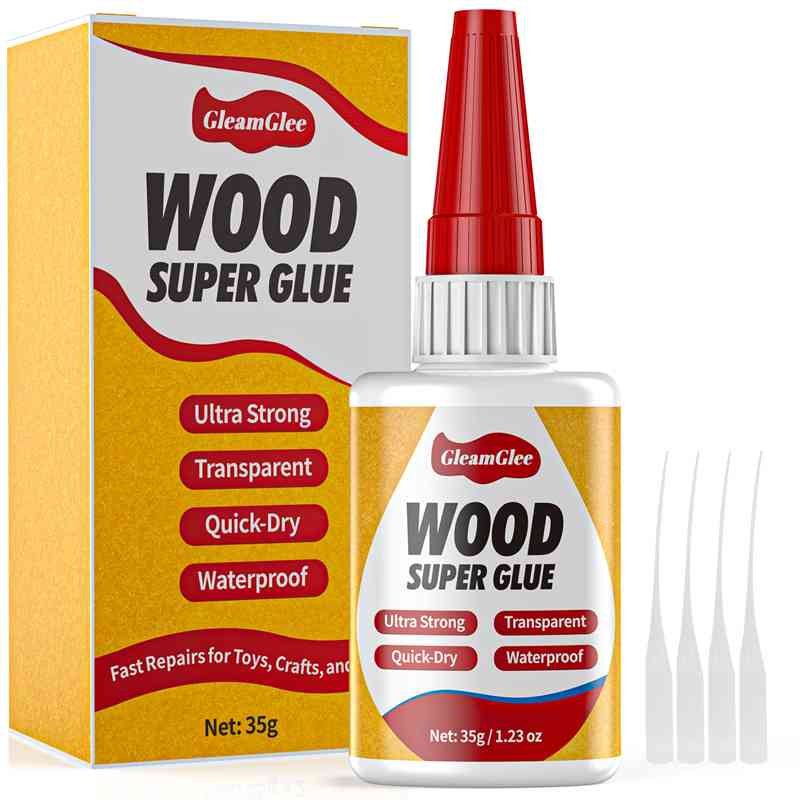
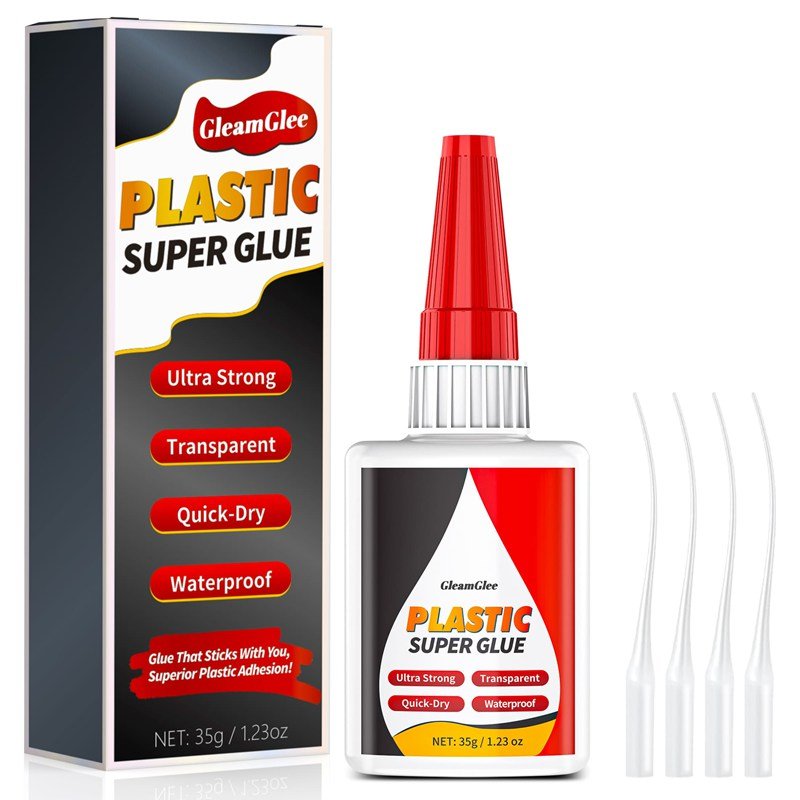
GleamGlee is not only a book glue supplier; it is an adhesives glue and cleaners manufacturer with R&D, packaging, label printing, filling, raw material support, and international sales experience. The company’s adhesive product line includes Book Glue, Fabric Glue, Shoe Glue, Plastic Glue, Leather Glue, Wood Glue, Ceramic Glue, Glass Glue, Construction Adhesive, and other repair products. This wider adhesive background supports better product development and packaging decisions for book repair adhesive.
The R&D team includes more than 25 chemists, materials scientists, and process engineers. The company also works with application testing, surface compatibility checks, and real-use product improvement. For book repair adhesive, this means attention can be placed on flow control, drying appearance, paper bonding, flexibility, storage behavior, and packaging usability.
For private label and wholesale projects, GleamGlee can support different bottle sizes, nozzle styles, label design, multilingual packaging, retail boxes, e-commerce packaging, and formula adjustments. Customization can start from around 200 units, which is helpful for smaller brands testing a new paper repair product. Samples are commonly prepared within 7–14 days, and mass production is commonly around 20 days depending on packaging and order details.
Business support can include:
- Ready-to-sell GleamGlee Book Repair Adhesive orders
- Private label book glue production
- Custom bottle, nozzle, and packaging options
- Label design for English, German, French, Spanish, Italian, Dutch, Japanese, and Chinese markets
- SDS, labeling, and compliance document support where needed
- Amazon FBA-ready packaging experience
- Bulk carton supply for distributors and retail channels
- Formula and packaging adjustment for different market positions
For brands planning to sell book repair adhesive online or through retail channels, this saves time. Instead of handling formula, bottle sourcing, label design, and production separately, GleamGlee can help combine these steps into a more complete product plan.
Conclusion
Book Repair Adhesive for Loose Pages and Covers is a practical repair solution for books that are still valuable, readable, and useful but have started to fail at the binding, page edge, cover, or spine. A small loose page, a lifted paperback cover, or a cracked spine should not always mean the book needs to be thrown away. With the right adhesive, a clean repair can help extend the life of textbooks, cookbooks, journals, children’s books, manuals, Bibles, scrapbooks, photo albums, and handmade paper projects. The key is to use a clear, flexible, paper-focused adhesive in a thin layer, press the repair evenly, and allow enough drying time before the book is used again.
A good book repair adhesive should not only hold strongly. It should also protect the reading experience. Pages should turn naturally, covers should close flat, and the repair should not leave yellow stains, hard glue ridges, cloudy marks, or stuck pages. This is why controlled application matters so much. GleamGlee Book Repair Adhesive is designed for this kind of detailed repair work, with a transparent drying finish and a fine metal nozzle that helps place glue accurately along loose pages, spine cracks, cover edges, and paper craft surfaces. It is suitable for everyday home repair, school supplies, library maintenance, office manuals, craft rooms, stationery projects, and DIY bookbinding.
For retailers, Amazon sellers, stationery brands, craft brands, school supply companies, distributors, and private label buyers, book repair adhesive is also a useful product category with steady demand. GleamGlee can support ready-to-sell branded book glue, private label packaging, custom bottle and nozzle options, multilingual labels, formula adjustment, sample development, and bulk production. Businesses interested in ordering GleamGlee Book Repair Adhesive or creating a customized book glue product line can contact GleamGlee with target market, packaging style, order quantity, label language, and sales channel requirements to receive product recommendations and quotation support.
Share:
Table of Contents
Here, creating your adhesives glue & removal cleaner collection is no longer a barrier—it’s a collaborative journey where GleamGlee helps brands and businesses transform their vision into durable, certified, and market-ready solutions.
Partner with GleamGlee
Join hundreds of global partners who trust GleamGlee for adhesives and cleaners that combine innovation, compliance, and speed. Our vertically integrated system—from R&D to warehouse—guarantees consistent performance and reliable delivery.
Whether you’re sourcing FBA-ready stock or developing your own formula, our team provides unmatched technical support and responsive service.