Skip to content
What Is the Best Plastic Glue for Funko Pop Repair: A Expert Guide
Your trusted adhesives glue & cleaner manufacturer

A broken Funko Pop can feel worse than breaking an ordinary toy, especially when it is a vaulted figure, a convention exclusive, a signed piece, or a character that took months to find. One small fall from a floating shelf can snap an arm, loosen a head, crack a clear stand, or break a tiny accessory such as a sword, crown, glasses, microphone, or base peg. For collectors, the real problem is not only “how to stick it back.” The real concern is whether the repair will look clean enough to keep the figure worth displaying.
The best plastic glue for Funko Pop repair should bond PVC, vinyl, ABS, acrylic, and small painted plastic parts with a clear finish, strong hold, and precise application. A good glue should dry fast, avoid thick visible glue lines, reduce messy overflow, and hold small parts securely after full curing. Fine-tip nozzles are especially useful for tiny breaks around hands, feet, stands, and accessories.
Many collectors make the mistake of using any strong glue they already have at home. That can work on a cheap toy, but it is risky on collectible figures. Some glues leave white haze around dark paint. Some dry yellow. Some become brittle and snap again when the head is moved. Some are too thick and leave a raised repair line that can be seen from normal shelf distance. With Funko Pop repair, the goal is not only strength. The repair also needs to protect the figure’s display look.
A clean repair is usually built from four small choices: the right glue, the right amount, the right surface prep, and enough curing time. A broken arm repaired with a pinhead-sized drop of clear plastic glue can look neat and stable. The same repair with a thick blob of glue can spread onto the sleeve, hand, or painted detail within seconds. That is why plastic glue with precision nozzles matters so much for Funko Pop repair.
What Is Plastic Glue for Funko Pop Repair?
Plastic glue for Funko Pop repair is a clear, fast-bonding adhesive used to reattach cracked, snapped, or loose plastic parts on collectible vinyl figures. It is mainly used for broken arms, loose heads, cracked bases, clear stands, tiny props, and small accessories where normal household glue may look messy or fail too quickly.
A Funko Pop is small, but the repair is not always simple. Many figures mix softer vinyl-style parts with harder plastic accessories, painted coatings, clear stands, and small connection points. A broken sword, hand, neck peg, or display base may only have a contact area of a few millimeters. In that space, too much glue can show immediately, while too little or the wrong type of glue may not hold after handling.
For Funko Pop repair, glue quality is judged by more than strength. A good plastic glue should dry clear, grip quickly, stay controlled through a fine nozzle, and work on common figure plastics such as PVC, ABS, acrylic, and similar hard plastic materials. A clean repair should help the figure stand, display, and photograph normally without a thick glue mark becoming the first thing people notice.
Funko Pop Plastic Types
Funko Pops are often made with a mix of vinyl-style plastic, PVC, ABS, acrylic, and painted plastic parts. The head may feel softer, while stands, accessories, base pieces, and small props may feel harder and more rigid. This matters because each plastic reacts differently when glued.
Softer vinyl-style parts can flex slightly during handling. If the glue dries too brittle, the repaired area may crack again when the head is moved or when the figure is dusted. Harder ABS-style parts usually give a cleaner break and a firmer bond, but they also show glue overflow more clearly, especially on smooth or glossy surfaces.
Clear acrylic stands are the most unforgiving. A glue line that looks small on colored plastic can look cloudy or thick on transparent plastic. For this reason, clear-drying glue and very small application amounts are important.
| Funko Pop Part | Common Material Feel | Repair Concern |
|---|---|---|
| Head | Softer vinyl-style plastic | Avoid locking movement by accident |
| Body | Painted plastic or vinyl | Prevent glue marks on clothing details |
| Arms and hands | Small painted plastic | Keep alignment clean |
| Clear stand | Acrylic-like plastic | Avoid cloudy glue lines |
| Base peg | Harder plastic | Needs strong hold |
| Tiny props | ABS-like plastic | Needs precision application |
Common Broken Parts
The most common Funko Pop breaks happen on thin or raised parts. Arms, wrists, hands, ears, hats, weapons, glasses, microphones, tails, crowns, and stand pegs are easy to snap because they stick out from the figure and take the first impact during a fall.
Loose heads are also common. A Funko Pop head is usually larger and heavier than the body, so the neck area carries more stress. If a figure falls forward or sideways, the neck peg can crack, loosen, or detach. Repairing this area needs care because glue should not run into the rotating socket unless the head is meant to stay fixed.
Clear stands and bases often break near the peg or support point. These parts carry the figure’s weight, so the repair must be strong enough to support display balance. A repaired stand should usually cure for 12–24 hours before the figure is placed back on it.
| Broken Area | Repair Difficulty | Main Risk |
|---|---|---|
| Small accessory | Medium | Misalignment |
| Broken arm | Medium | Glue squeeze-out |
| Loose head peg | Hard | Gluing the socket shut |
| Clear stand | Hard | Visible cloudy marks |
| Base crack | Medium | Weak support |
| Painted face detail | Very hard | Permanent visible damage |
Glue Fit for Collectibles
The best plastic glue for collectibles should repair the figure without making it look repaired from normal display distance. Strength matters, but a clean finish matters just as much. A thick glue blob on a rare figure may reduce the display look even if the part stays attached.
Regular craft glue is usually too weak for plastic joints. Hot glue is too bulky. Some cheap fast glues may create white haze around dark paint or glossy surfaces. Heavy-duty construction adhesive can be too thick for small collectible repairs. A proper plastic glue should give a strong bond while staying thin, clear, and easy to control.
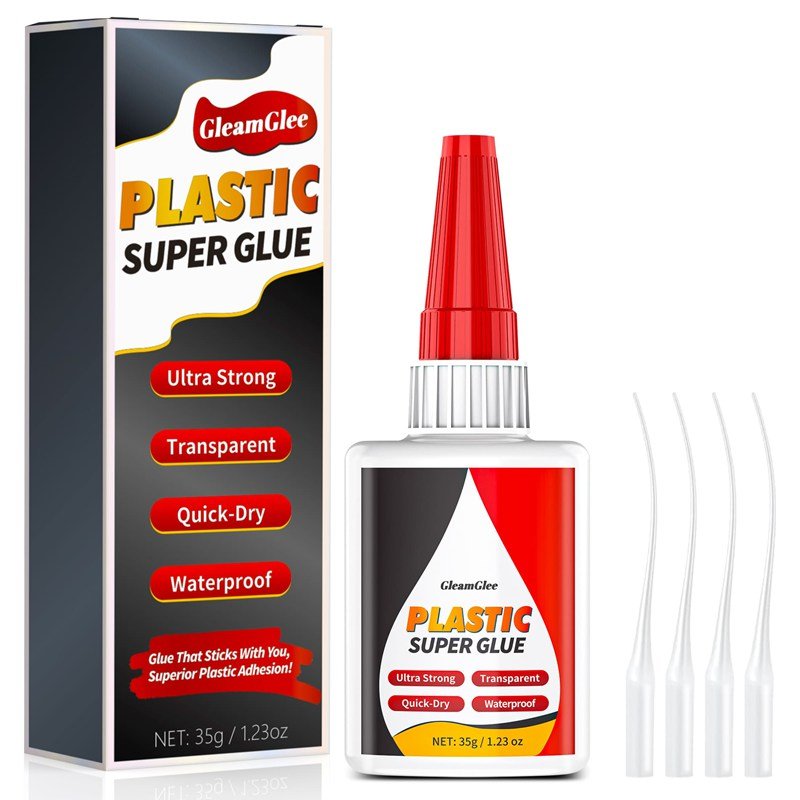
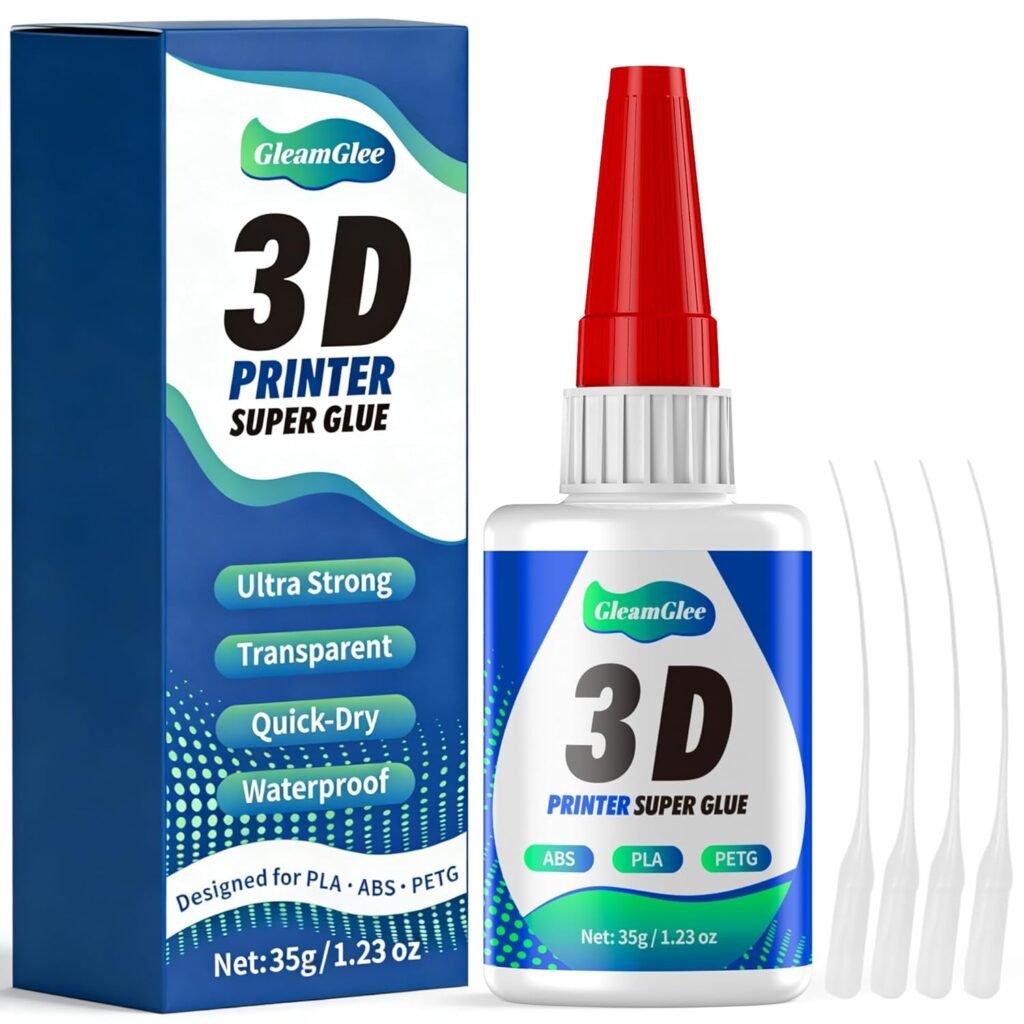
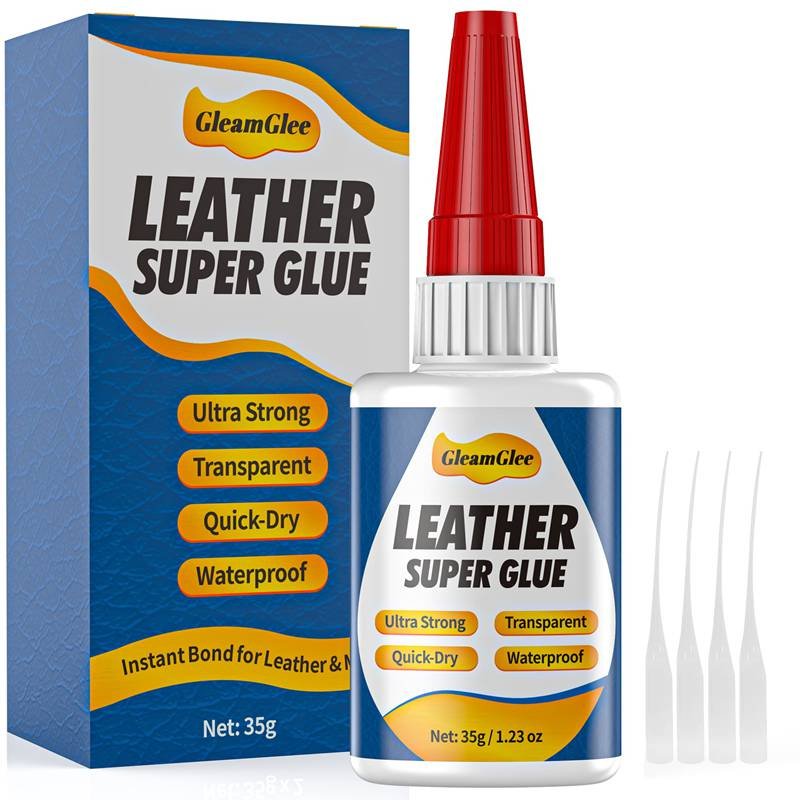
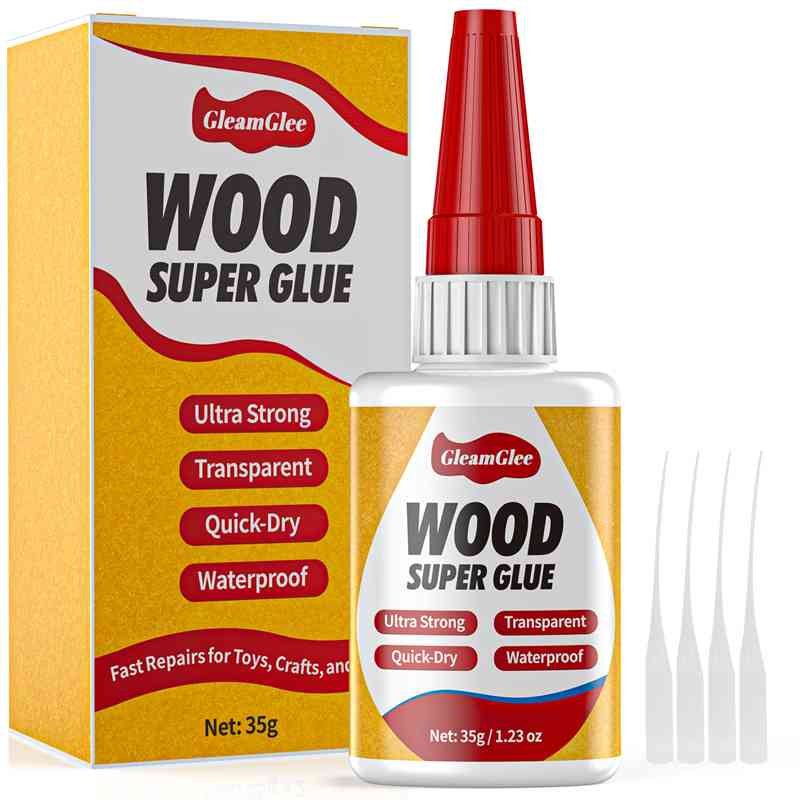
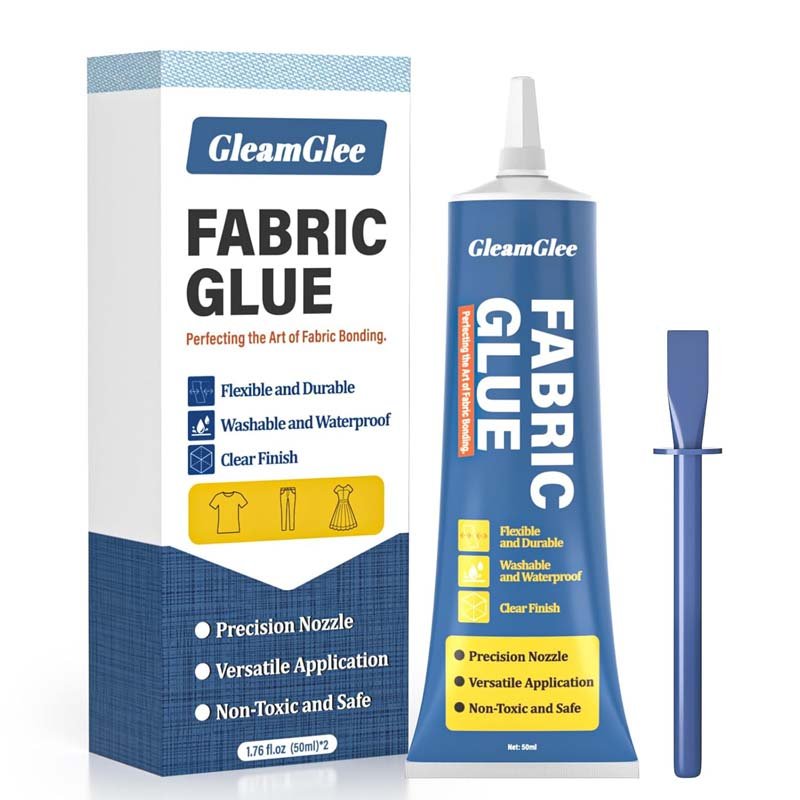
A fine nozzle is one of the most useful features for Funko Pop repair. Many breaks are smaller than a fingernail, so controlled application prevents waste and reduces mess. GleamGlee Plastic Glue includes 4 precision nozzles per tube, or 8 nozzles in a 2-pack, making it easier to apply glue into small cracks, hands, props, stands, and narrow seams.
| Glue Feature | Why It Matters |
|---|---|
| Clear finish | Keeps repair less noticeable |
| Fast drying | Helps tiny parts stay in place |
| Strong bond | Reduces repeat breakage |
| Fine nozzle | Controls glue on small parts |
| Plastic compatibility | Works better on PVC, ABS, acrylic |
| Low overflow | Protects paint and clear stands |
Repair Value for Collectors
Plastic glue has real value when the figure is hard to replace. Many Funko Pops are discontinued, limited, or tied to specific events. Once a figure becomes vaulted or rare, replacing a broken one may cost far more than the original retail price.
A clean repair can keep a favorite figure display-ready, especially when the damage is small and the broken parts still match well. For example, a snapped hand accessory or cracked base peg can often be repaired neatly with a tiny amount of clear plastic glue. A messy repair, however, may leave the figure looking damaged even after it is technically fixed.
For collectors, the goal is usually simple: keep the figure stable, clean, and worth displaying. This is why the repair should focus on small glue amounts, correct alignment, and enough curing time. GleamGlee Plastic Glue fits these needs because it dries transparent, bonds common plastics, and uses precision nozzles for detailed plastic repair work.
How to Use Plastic Glue for Funko Pop Repair?
Plastic glue for Funko Pop repair should be used in small amounts on clean, dry, well-aligned parts. The safest process is simple: clean the break, test the fit, apply a tiny drop, press the parts together, support the figure, and let the repair cure fully before handling.
The repair area on a Funko Pop is often very small. A broken wrist, stand peg, glasses frame, sword, crown, or neck joint may only have a few millimeters of contact space. In that small area, too much glue can spread onto painted details within seconds. A neat repair depends more on control than force.
For most small Funko Pop repairs, the working amount of glue is tiny. A pinhead-sized drop is often enough for accessories. A thin line is better for cracks. Larger parts such as bases or stands may need slightly more, but the glue should still stay inside the broken seam instead of sitting outside as a thick visible bead.
| Repair Area | Suggested Glue Amount | Hold Time | Safe Cure Time |
|---|---|---|---|
| Tiny prop or accessory | Pinhead-sized dot | 30–60 seconds | 12 hours |
| Arm or hand | 1–2 small dots | 60–90 seconds | 12–24 hours |
| Neck peg | Thin controlled layer | 1–2 minutes | 24 hours |
| Clear stand | Very thin line | 1–2 minutes | 24 hours |
| Base crack | Thin seam line | 1–2 minutes | 24 hours |
Step 1: Clean the Part
Clean the broken area before applying glue. Dust, shelf grime, hand oil, old glue, and loose paint can stop the adhesive from gripping the plastic properly.
Many Funko Pops sit on open shelves, desks, gaming setups, or display cabinets for months. Even if the figure looks clean, the broken joint may have dust or skin oil from handling. Glue placed over that layer may feel strong at first, but the repaired part can loosen later because the bond is attached to dirt, not plastic.
Use a dry microfiber cloth first. For the broken contact area, use a cotton swab with a very small amount of isopropyl alcohol if needed. Do not soak the figure. Do not scrub printed eyes, logos, numbers, shoes, or clothing details. The goal is only to clean the hidden contact surface.
If the figure has failed glue from a previous repair, remove loose raised pieces carefully. A wooden toothpick or plastic scraper is safer than a metal blade on visible areas. Old brittle glue can create an uneven surface, so the new repair may not sit flat unless loose residue is removed.
| Surface Problem | What It Can Cause | Better Fix |
|---|---|---|
| Dust inside the break | Weak bond | Wipe with microfiber cloth |
| Skin oil | Glue slips or peels | Light alcohol clean on contact area |
| Old glue residue | Crooked repair | Remove loose raised glue |
| Loose paint flakes | Part falls off again | Clear loose flakes gently |
| Moisture | Cloudy edge or weak grip | Let surface dry fully |
Let the part dry completely before gluing. Even a small amount of trapped moisture can reduce strength or create a cloudy edge on clear plastic.
Step 2: Test the Fit
Test the fit before applying glue. Place the broken part back into position and check whether the edges meet cleanly, the angle looks natural, and the part can be held steady while curing.
This step is important because many Funko Pop parts only fit correctly in one direction. An arm may need to sit at a slight angle. A sword or wand may point forward. A clear stand peg may need to stay straight so the figure does not lean. Once fast-drying glue is added, there is very little time to adjust.
Hold the part in place without glue for 10–20 seconds. Look from the front, side, and top. If the part looks crooked during the dry test, it will look crooked after gluing. Use a product photo, the box image, or the opposite side of the figure as a reference.
For tiny accessories, prepare tweezers before gluing. For larger repairs, place the figure on a soft towel so it does not roll. For angled parts, use a small support such as folded tissue, painter’s tape, a bottle cap, or a soft eraser to hold the piece in place while it cures.
| Fit Check | What to Look For |
|---|---|
| Edge match | Broken sides touch closely |
| Angle | Arm, prop, or stand sits naturally |
| Balance | Figure can stand or rest safely |
| Visibility | Repair seam stays mostly hidden |
| Support | Part will not slide while curing |
If there is a gap between the broken pieces, do not fill it with one large blob of glue. First bond the main contact area. After that cures, a second tiny layer can be added only where needed.
Step 3: Apply Less Glue
Apply less glue than expected. On Funko Pop repair, a thin controlled layer usually gives a cleaner result than a thick amount.
Plastic glue works best when two clean plastic surfaces touch closely with a small adhesive layer between them. If too much glue is applied, pressure will push it out from the seam. That overflow can dry shiny, cloudy, yellowish, or raised, especially around clear stands and dark painted parts.
Use the precision nozzle to place glue on the hidden contact surface. For a tiny hand accessory, one pinhead-sized drop may be enough. For a cracked stand or base, draw a very thin line along the break. For a neck peg, use a controlled amount and keep glue away from the rotating socket unless the head is meant to stay fixed.
GleamGlee Plastic Glue includes fine-tip nozzles that help control glue flow in small spaces. This is useful for Funko Pop repairs because many breaks are too small for a normal glue opening.
| Damage Type | Better Application |
|---|---|
| Broken hand | One tiny dot on the joint |
| Snapped sword or wand | Small dot on the hidden end |
| Loose neck peg | Thin layer on cracked plastic only |
| Clear stand crack | Very thin line, no outside bead |
| Base split | Thin line inside the seam |
| Small hat or crown | Dot applied with nozzle tip |
If glue squeezes out heavily, too much was used. If it is still wet, dab gently with a dry cotton swab. Do not drag across the paint. If the glue has already started to set, stop touching it. A small clean bead is usually better than a smeared cloudy patch.
Step 4: Hold and Cure
Hold the repaired part steady until it grips, then leave it alone until fully cured. Fast-drying glue may set quickly, but full strength takes longer.
For small parts, hold steady pressure for 30–90 seconds. For stands, bases, or neck pegs, hold for 1–2 minutes if needed. The pressure should be firm enough to keep the edges together, but not so hard that glue squeezes out onto visible surfaces.
After the first grip, place the figure in a safe curing position. If the repaired part is on the side, lay the figure flat so gravity does not pull it down. If repairing a stand, keep it straight and level. If repairing a head or neck peg, make sure the head does not tilt while curing.
Avoid handling for at least several hours. For stronger repairs, especially stands, bases, neck pegs, and arms holding accessories, wait 12–24 hours before returning the figure to display. Testing too early can weaken the bond inside even if the part feels attached.
| Time After Gluing | What to Do |
|---|---|
| 0–2 minutes | Hold steady pressure |
| 2–30 minutes | Keep figure still |
| 30 minutes–6 hours | Avoid touching the repair |
| 6–12 hours | Light movement only if necessary |
| 12–24 hours | Safer for display handling |
Do not twist a repaired head, pull on an arm, or place weight on a stand too soon. A repaired joint can be strong, but it should still be treated gently, especially on rare or hard-to-replace figures.
Which Plastic Glue Works Best?
The best plastic glue for Funko Pop repair should dry clear, bond PVC and ABS strongly, grip quickly on small parts, and stay controlled during application. For collectible figures, clean appearance matters just as much as bonding strength because visible glue marks can ruin the display look even if the repair technically holds.
Many glues can stick plastic together, but not all of them work well on painted vinyl figures, clear stands, tiny accessories, and narrow connection points. Some glues dry too thick. Some leave white haze around dark paint. Some turn yellow over time. Others are too weak for heavier parts like oversized heads or stand pegs.
A good Funko Pop repair glue usually needs five important qualities:
| Important Feature | Why It Matters |
|---|---|
| Clear finish | Keeps repair lines less visible |
| Strong plastic bond | Holds PVC, ABS, acrylic, and vinyl-style parts |
| Fast drying | Helps tiny accessories stay aligned |
| Precision nozzle | Prevents glue overflow |
| Long-term durability | Reduces repeat breakage |
Collectors often compare glues after repairing broken arms, cracked stands, loose heads, snapped props, and base pegs. Based on repair quality, control, clean finish, hobby use, collector feedback, and plastic compatibility, these are some of the most commonly discussed plastic glues for collectible figure repair.
Top 10 Plastic Glues for Funko Pop Repair
Different plastic glues work better for different repair situations. Some are stronger on hard plastic, while others are cleaner on painted figures or easier to control on tiny accessories.
Below is a practical ranking focused specifically on Funko Pop repair, collectible figures, miniature plastics, model accessories, and similar display items.
| Rank | Plastic Glue | Best Known For |
|---|---|---|
| #1 | Loctite Super Glue Ultra Gel Control | Strong flexible hold for plastic repairs |
| #2 | GleamGlee Plastic Glue | Clear finish and precision collectible repair |
| #3 | Gorilla Micro Precise Super Glue | Small controlled application |
| #4 | Tamiya Extra Thin Cement | Model kit plastic seams |
| #5 | Starbond EM-02 Super Fast Thin CA | Fast penetration into tiny cracks |
| #6 | J-B Weld Plastic Bonder | Stronger heavy-duty plastic repairs |
| #7 | Testors Plastic Cement | Hobby and model plastics |
| #8 | Krazy Glue Precision Control | Simple quick repairs |
| #9 | Weld-On Plastic Adhesive | Acrylic and clear plastic bonding |
| #10 | BSI Insta-Cure+ | Small hobby and miniature work |
This ranking focuses on practical collectible repair performance rather than industrial strength alone. A Funko Pop repair usually needs neat application, less overflow, and cleaner appearance instead of maximum construction-level bonding force.
Clear Glue for Display Repairs
Clear drying is one of the most important qualities for Funko Pop repair because collectibles are displayed under bright light, photographed closely, and viewed from short distance.
A glue that dries cloudy or yellow may still hold strongly, but the repair line can become obvious on shelves, inside display cabinets, or under LED lighting. This is especially noticeable on:
- Clear stands
- White figures
- Glossy painted hair
- Face accessories
- Light-colored clothing
- Transparent acrylic parts
GleamGlee Plastic Glue ranks highly in this category because it dries 100% transparent and is designed for clean repair work on plastic surfaces. This makes it especially useful for clear stands, accessories, and visible repair points where appearance matters heavily.
Some hobby glues designed for models perform very well structurally but may slightly soften painted areas or create visible edge lines if overused. For collectible display figures, cleaner curing usually creates better-looking final results.
| Glue Type | Clear Finish Quality | Best Use |
|---|---|---|
| GleamGlee Plastic Glue | Excellent | Collectibles and display repairs |
| Loctite Ultra Gel | Very good | Flexible strong repairs |
| Gorilla Micro Precise | Good | Small accessories |
| Tamiya Cement | Medium | Bare model plastic |
| J-B Weld Plastic Bonder | Lower clarity | Hidden structural repairs |
A clean repair often depends more on glue control than raw glue strength. Even the clearest glue can look messy if too much is applied.
Fast Glue for Tiny Parts
Fast-drying glue is extremely useful for Funko Pop accessories because tiny parts shift easily during repair. Small contact points leave little room for adjustment once the glue starts setting.
Common small-part repairs include:
| Tiny Repair Area | Why Fast Drying Helps |
|---|---|
| Glasses | Prevents sliding |
| Crowns and hats | Holds angle quickly |
| Wands and swords | Keeps alignment stable |
| Hands and wrists | Reduces movement |
| Small ears or horns | Prevents leaning |
| Hair spikes | Keeps narrow contact points stable |
Starbond EM-02 and Gorilla Micro Precise are known for fast gripping behavior, but very fast glue also increases the risk of mistakes because there is less repositioning time. This is why dry-fitting before gluing becomes important.
GleamGlee Plastic Glue balances quick curing with controlled application. The precision nozzle helps place tiny amounts directly into narrow seams instead of flooding surrounding paint details.
Fast drying becomes even more important on angled repairs. A sword arm pointing outward may slide downward if the glue cures slowly. A quick initial hold reduces that risk and makes the repair easier to stabilize during curing.
Still, “fast drying” does not mean “fully cured.” Even strong initial grip repairs should ideally rest 12–24 hours before normal handling or shelf placement.
Strong Glue for Loose Joints
Loose neck pegs, cracked bases, broken stands, and heavy accessories need stronger long-term bonding strength because they carry more weight and stress during display.
Funko Pops often have oversized heads compared to the body. That creates constant pressure on:
- Neck pegs
- Feet
- Clear stands
- Base connectors
- Thin accessory joints
Weak glue may initially hold but fail later during dusting, shelf movement, or repositioning.
Loctite Ultra Gel ranks highly because its slightly flexible structure helps absorb small movement instead of becoming brittle immediately. GleamGlee Plastic Glue also performs well here because it bonds PVC, ABS, acrylic, and similar plastics while remaining easier to control on visible collectible repairs.
| Repair Type | Better Glue Style |
|---|---|
| Loose head peg | Strong flexible bond |
| Cracked stand | Clear but durable bond |
| Heavy accessory arm | Fast grip with long-term strength |
| Base crack | Strong seam reinforcement |
| Small prop | Precision-controlled bond |
For larger or high-stress repairs, some collectors use stronger industrial-style adhesives such as J-B Weld Plastic Bonder. However, these products are usually thicker and more visible, making them less ideal for detailed collectible display repairs.
For Funko Pops, the best balance is usually a glue that combines:
- Clear finish
- Controlled flow
- Fast grip
- Strong final cure
- Fine nozzle precision
That balance is why GleamGlee Plastic Glue performs especially well for collectible repair work instead of only heavy-duty industrial repairs.

What Can Plastic Glue Fix?
Plastic glue for Funko Pop repair can fix broken arms, loose heads, cracked stands, snapped bases, small props, and narrow plastic cracks. It works best when the broken pieces still fit together closely, the contact surface is clean, and the repair area does not carry heavy twisting force after curing.
Most Funko Pop damage happens at thin connection points. The head is large, the body is small, and many special-edition figures include delicate accessories such as swords, wands, glasses, crowns, guitars, microphones, wings, capes, tails, or clear flying stands. These parts look great on display, but they are also the first areas to break after a shelf fall or rough handling.
Plastic glue is most useful for clean breaks, hairline cracks, loosened joints, and small detached parts. If a piece is missing, melted, crushed, or badly warped, glue alone may not restore the original shape. In those cases, the repair may still improve shelf display, but it may not return the figure to like-new collectible condition.
| Damage Area | Can Plastic Glue Fix It? | Repair Difficulty | Key Concern |
|---|---|---|---|
| Broken arm | Yes | Medium | Correct pose angle |
| Loose head peg | Yes, with care | Hard | Avoid gluing socket shut |
| Cracked clear stand | Yes | Hard | Keep glue line clear |
| Snapped base peg | Yes | Medium | Full 24-hour cure |
| Tiny accessory | Yes | Medium | Prevent slipping |
| Hairline body crack | Often yes | Medium | Thin glue line only |
| Missing plastic chunk | Limited | Hard | May need filler or replacement |
| Paint scratch | No | — | Needs paint touch-up, not glue |
Broken Arms
Broken arms can usually be repaired with plastic glue when the snapped surfaces still match. The main goal is to keep the arm angle natural and prevent glue from squeezing onto the sleeve, hand, body, or accessory.
Arms break often because they stick out from the figure. A Funko Pop holding a sword, wand, shield, baseball bat, guitar, coffee cup, or microphone has extra stress around the wrist and shoulder. When the figure falls, the accessory may hit first, pushing force back into the arm joint.
Before applying glue, match the broken arm to the original pose. Check the front view and side view. If the arm is glued even 2–3 mm too high, too low, or rotated outward, the figure may look awkward on display. Use the box art, product photo, or the opposite arm as a guide.
For most broken arms, a small dot or thin layer of glue is enough. Press the arm firmly into place for 60–90 seconds, then support it while curing. If the arm holds a heavier accessory, lay the figure down overnight so gravity does not pull the repair out of position.
| Arm Repair Problem | Better Handling |
|---|---|
| Arm slips downward | Support with folded tissue while curing |
| Glue squeezes out | Use less glue on one side only |
| Arm angle looks wrong | Dry-fit before gluing |
| Heavy prop pulls joint | Cure figure lying flat |
| Small wrist break | Use fine nozzle and tweezers |
Loose Heads
Loose heads can be repaired with plastic glue, but the neck area needs careful control. Glue should only go where the plastic is broken, not inside the moving socket, unless the head is meant to stay fixed permanently.
Funko Pop heads are oversized compared with the body. That makes the neck peg one of the most stressed parts of the figure. After a fall, the peg may crack, loosen, or snap completely. A loose head may also happen after repeated twisting, especially on figures where the head fit is already tight.
There are two repair situations. If the head should still rotate, glue only the cracked peg or outer broken plastic and keep adhesive away from the socket. If display stability matters more than movement, the head can be fixed in one pose, but alignment must be checked carefully before curing.
A common mistake is adding glue around the neck after the head is already placed on the body. This can create a visible glue ring or lock the head at a crooked angle. A safer method is to repair the broken peg first, let it cure fully, then reinstall the head gently.
| Loose Head Issue | Repair Approach |
|---|---|
| Cracked neck peg | Apply thin glue to cracked peg only |
| Peg snapped off | Reattach peg first, cure 24 hours |
| Head wobbles slightly | Check peg wear before adding glue |
| Head must still rotate | Keep glue away from socket |
| Fixed display pose needed | Align head first, then glue carefully |
For neck repairs, waiting 24 hours is safer than handling early. The head carries weight, and weak curing can cause the peg to separate again.
Cracked Stands
Cracked stands can be fixed with clear plastic glue when the crack is clean and the stand can still hold its shape. The most important points are clear drying, straight alignment, and enough cure time before the figure is displayed again.
Clear stands are common on flying characters, jumping poses, anime figures, superheroes, and figures with oversized heads or narrow feet. These stands often crack near the peg, support rod, or base plate. Because the plastic is transparent, even a small glue mistake can be easy to see.
Use the smallest possible amount of clear plastic glue. A thin line inside the crack is better than a thick outer coating. Press the stand together gently and keep it level while curing. If the peg is crooked during curing, the figure may lean permanently after repair.
For load-bearing stands, allow a full 24 hours before placing the figure back on the stand. Even if the glue grips in seconds, the repaired stand needs time to reach better strength.
| Stand Damage | Repair Tip |
|---|---|
| Hairline crack | Use very thin glue line |
| Peg crack | Keep peg straight while curing |
| Base plate split | Cure flat on table |
| Cloudy glue risk | Apply less than usual |
| Heavy figure support | Wait 24 hours before display |
If the stand is severely cracked or carries a very heavy figure, repair may be best for light display only. Repeated removal from the stand can weaken the repair.
Small Accessories
Small accessories are often the best candidates for plastic glue because they are lightweight and usually have small but matching contact points. Common repairs include swords, wands, glasses, crowns, hats, ears, tails, horns, microphones, guitars, shields, and tiny props.
These parts are easy to break and hard to replace. A lost or broken accessory can change the whole look of the figure. For example, a superhero without a weapon, a singer without a microphone, or a character without glasses may feel incomplete on display.
The repair needs steady handling. Use tweezers for tiny parts, but do not squeeze too hard. Apply glue to the hidden contact point, then press the accessory into place. Hold it for 30–60 seconds, or longer if the part is angled.
Small accessories usually need less glue than expected. A pinhead-sized dot can be enough. Too much glue may spread across the hand, face, hair, or clothing detail.
| Accessory Type | Main Repair Concern | Useful Tool |
|---|---|---|
| Sword or wand | Straight angle | Tweezers |
| Glasses | Face glue marks | Fine nozzle |
| Crown or hat | Center alignment | Low-tack tape |
| Tail or horn | Small contact point | Steady hand support |
| Microphone or guitar | Prop weight | Cure while supported |
For visible face accessories, work under bright light and take time. A clean small repair is much better than a rushed repair that leaves glue on the eyes, mouth, or painted facial details.
What Tips Help Plastic Glue Work?
Plastic glue works better on Funko Pop repair when the glue amount is small, the broken surface is clean, the figure stays stable during curing, and the repaired area is not stressed too early. Most clean-looking repairs come from careful preparation and controlled handling instead of using a large amount of adhesive.
A Funko Pop repair is usually done on very small parts. A wrist joint, neck peg, stand crack, glasses frame, or tiny accessory may only have a few millimeters of bonding space. In these situations, glue control matters more than raw strength. One extra drop can spread onto painted details, leave a shiny edge, or create cloudy residue around the repair line.
Lighting and positioning also affect repair quality more than many people expect. Repairs done under weak lighting often end with crooked accessories, glue overflow, or visible fingerprints. Bright direct light helps show the exact contact area before glue is applied. Many collectors also place the figure on a folded towel or soft cloth during repair to stop rolling or accidental paint scratches.
| Repair Tip | Why It Helps |
|---|---|
| Use strong lighting | Helps align small parts correctly |
| Apply less glue | Reduces visible overflow |
| Dry-fit before gluing | Prevents crooked repairs |
| Support while curing | Keeps parts from slipping |
| Wait overnight | Improves final bond strength |
| Use fine nozzles | Better control in tiny spaces |
Use Fine Nozzles
Fine nozzles help place plastic glue exactly inside the broken seam instead of flooding the outside surface. This is especially important for Funko Pop repairs because many break points are smaller than a fingernail.
Without a narrow nozzle, glue may come out too quickly and spread onto visible paint. This is common around eyes, gloves, shoes, hair edges, clear stands, and tiny accessories. Once glue touches these areas, cleaning it can become difficult without damaging the surface.
GleamGlee Plastic Glue includes 4 precision nozzles per tube, while the 2-pack includes 8 nozzles. This setup helps maintain cleaner application during repeated repairs on figures, model kits, toys, acrylic crafts, and other small plastic items.
The nozzle should stay close to the hidden contact point. Instead of squeezing hard, use light pressure and let the glue flow slowly into the seam. For very small repairs such as glasses, swords, microphones, or thin wrist joints, even a tiny dot may be enough.
| Small Repair Area | Why Precision Matters |
|---|---|
| Glasses frame | Prevents glue reaching the face |
| Sword handle | Keeps hand details clean |
| Clear stand crack | Avoids cloudy outer marks |
| Neck peg | Stops glue entering moving socket |
| Tiny hand accessory | Helps maintain alignment |
A clean nozzle also improves consistency. If dried glue builds inside the tip, the next squeeze may suddenly release too much adhesive at once.
Avoid Glue Overflow
Glue overflow is one of the biggest reasons a Funko Pop repair looks messy after curing. Excess adhesive can spread onto painted surfaces, dry shiny, leave cloudy residue, or form a raised edge around the repair seam.
The safest method is to apply glue to only one side of the broken surface. When the parts are pressed together, the adhesive spreads naturally across the contact area. Covering both sides heavily usually creates unnecessary squeeze-out.
A common mistake is assuming bigger glue lines create stronger repairs. On small collectible figures, the opposite is often true. Thin controlled glue layers usually bond better because the plastic surfaces stay closer together.
| Too Much Glue Can Cause | Result |
|---|---|
| Thick seam edge | Visible repair line |
| Cloudy residue | White haze near paint |
| Dripping | Damage to nearby details |
| Long curing time | Weak early handling |
| Fingerprint smears | Uneven surface finish |
If a small amount of wet glue appears outside the seam, dab it gently with a dry cotton swab. Do not wipe aggressively across painted areas. Smearing half-cured glue usually creates a larger visible mark than leaving a tiny clean edge alone.
Clear stands require extra caution because transparent plastic shows glue marks very easily. Use the smallest amount possible and avoid pressing too hard during curing.
Let It Cure Fully
Plastic glue may grab within seconds, but full repair strength takes much longer. A Funko Pop part that feels attached after one minute may still separate later if moved too early.
Most small accessory repairs should rest for at least 12 hours before handling. Stands, neck pegs, feet, and heavier accessories benefit from a full 24-hour cure because these areas carry more weight and stress during display.
Moving a repair too early can create tiny invisible cracks inside the glue layer. The part may look fine at first, then loosen days later while dusting or repositioning the figure.
| Repair Area | Better Cure Time |
|---|---|
| Tiny accessory | 12 hours |
| Broken arm | 12–24 hours |
| Neck peg | 24 hours |
| Clear stand | 24 hours |
| Base crack | 24 hours |
| Heavy accessory joint | 24 hours minimum |
Position during curing also matters. If repairing an arm holding a weapon, lay the figure flat so gravity does not pull the arm downward. If repairing a stand, keep it level. If repairing a head, make sure it does not tilt while setting.
Dust protection is another overlooked detail. Wet glue can attract dust fibers, pet hair, fabric lint, and paper particles during curing. Keeping the repair in a clean low-traffic area helps maintain a cleaner finish.
Test Before Display
Testing the repaired figure before placing it back on a shelf helps catch weak joints, crooked alignment, or balance problems before another fall happens.
Testing should stay gentle. The goal is not to pull on the repair. Instead, check whether the figure stands correctly, whether the accessory angle looks natural, and whether the repaired area shifts under normal display handling.
For stands and bases, place the figure on a flat surface and check balance from multiple angles. A stand repaired slightly crooked may slowly lean over time, especially under the weight of oversized heads or large accessories.
| What to Check | Why It Matters |
|---|---|
| Figure balance | Prevents shelf falls |
| Arm position | Keeps display pose natural |
| Head angle | Avoids crooked appearance |
| Accessory alignment | Improves display quality |
| Visible glue marks | Easier to spot under bright light |
Bright LED lighting or camera flash can reveal glue marks that are difficult to see in normal room light. Before returning a repaired figure to a display cabinet, inspect the repair under stronger light conditions.
For rare, signed, vaulted, or expensive figures, repaired parts should still be handled carefully even after full curing. A repaired neck peg or stand may remain stable for display but may not tolerate repeated twisting, rough handling, or frequent repositioning as well as factory-molded plastic.

What Mistakes Hurt Plastic Glue Repair?
Plastic glue repair usually fails because of four mistakes: using too much glue, skipping surface cleaning, moving the repaired part too early, or choosing glue that does not match Funko Pop plastic. These mistakes can cause weak bonding, crooked parts, cloudy marks, glue overflow, and repeat breakage.
Funko Pop repair leaves very little room for error. A broken hand, neck peg, glasses frame, clear stand, or small accessory may only have a bonding area of 2–8 mm. In such a small space, one extra drop of glue can spread over painted details, while one dirty surface can make the whole repair peel apart after a few days.
The best repair is not always the strongest-looking repair. A thick glue layer may look secure at first, but it can dry raised, turn cloudy, or crack because the two plastic surfaces are not touching closely enough. A clean repair needs thin glue, tight contact, steady pressure, and enough curing time.
| Repair Mistake | What It Can Cause | Better Fix |
|---|---|---|
| Too much glue | Raised seam, cloudy marks, paint stains | Use tiny dots or thin lines |
| Dirty surface | Weak bond, peeling, repeat breakage | Clean and dry the contact area |
| Moving too early | Loose joint, crooked part, hidden cracks | Wait 12–24 hours |
| Wrong glue | White haze, yellowing, poor plastic bond | Use clear plastic-compatible glue |
| No dry-fit | Misaligned arm, tilted stand, crooked prop | Test fit before gluing |
| Heavy pressure | Glue squeeze-out, paint marks | Press firmly but gently |
Too Much Glue
Too much glue is one of the most common reasons a Funko Pop repair looks messy. Excess glue can squeeze out from the seam, spread onto painted surfaces, dry as a shiny raised edge, or leave cloudy residue around the repaired area.
Small plastic repairs need much less glue than most people expect. A broken sword, hand, glasses frame, horn, crown, or microphone often needs only a pinhead-sized drop. A cracked stand or base usually needs a thin seam line, not a thick coating. More glue does not always mean more strength.
On a collectible figure, glue overflow can be more damaging than the original break. A snapped accessory can often be reattached cleanly. A wide glue smear across the face, hair, clothing, or clear stand is much harder to hide.
| Part Type | Common Overuse Problem | Safer Amount |
|---|---|---|
| Glasses | Glue spreads onto face | Tiny dot with fine nozzle |
| Hand accessory | Thick bead around fingers | Pinhead-sized drop |
| Clear stand | Cloudy patch | Very thin line |
| Neck peg | Head socket gets locked | Controlled thin layer |
| Base crack | Raised glue ridge | Thin glue inside seam |
If glue squeezes out, dab only while it is still wet. Do not rub across the paint. Once glue starts to set, rubbing usually creates a wider cloudy mark.
Dirty Surfaces
Dirty surfaces weaken plastic glue repair because the adhesive bonds to dust, oil, or old residue instead of the plastic itself. The repair may feel solid at first but separate later during display, dusting, or light handling.
Funko Pops often collect dust, skin oil, shelf grime, and small plastic particles after a fall. These things may not be visible, but they still affect bonding. Painted surfaces can also have loose flakes around the break, especially if the figure landed on a hard floor.
Old failed glue is another problem. New glue usually does not hold well over brittle, uneven, or peeling old adhesive. It creates a repair stacked on top of a weak layer. That is why old raised glue should be removed carefully before reapplying fresh glue.
| Surface Issue | Repair Risk | What to Do |
|---|---|---|
| Dust | Glue peels away | Wipe with microfiber cloth |
| Finger oil | Slippery weak bond | Clean contact point gently |
| Old glue | Uneven fit | Remove loose residue |
| Loose paint | Weak outer layer | Clear flakes carefully |
| Moisture | Cloudy or weak cure | Let dry completely |
A dry microfiber cloth is enough for many repairs. For hidden contact points, a lightly dampened cotton swab can help. Avoid soaking the figure or scrubbing printed eyes, logos, and small paint details.
Early Handling
Early handling can break a repair before the glue reaches full strength. Fast-drying glue may grip in seconds, but the repaired joint still needs hours to become stable enough for normal display.
This mistake happens often because the part feels attached quickly. A repaired arm may stay in place after one minute. A clear stand may look straight after five minutes. But inside the joint, the glue layer may still be soft or not fully cured. Twisting, pulling, or putting weight on it too early can weaken the bond.
High-stress parts need longer rest. Neck pegs, stands, bases, feet, and arms holding accessories carry more load than small decorative props. These areas should usually cure for 24 hours before display handling.
| Time After Repair | Safer Action |
|---|---|
| 0–2 minutes | Hold steady pressure |
| 2–30 minutes | Keep the figure still |
| 30 minutes–6 hours | Do not touch the repaired part |
| 6–12 hours | Avoid weight or twisting |
| 12–24 hours | Safer for light display use |
| After 24 hours | Normal gentle handling |
Testing too early is risky. Do not wiggle a repaired arm, twist a repaired head, or place a heavy figure back onto a repaired stand within the first few hours. A little patience can prevent a second repair.
Wrong Glue Choice
The wrong glue can leave white haze, yellow marks, weak bonds, thick seams, or surface damage. Funko Pop repair needs glue that matches small plastic parts, painted surfaces, and visible display use.
Craft glue is usually too weak for plastic joints. Hot glue is too bulky and easy to see. Heavy construction adhesive is too thick for tiny collectible parts. Some cheap fast glues bond quickly but create white frosting around glossy or dark paint. Epoxy may be strong, but it can be difficult to control on small accessories.
A better plastic glue should work on common collectible materials such as PVC, ABS, acrylic, and vinyl-style plastics. It should also dry clear and allow controlled placement through a fine nozzle.
| Glue Type | Common Problem on Funko Pops |
|---|---|
| Craft glue | Weak bond on plastic |
| Hot glue | Bulky, visible, uneven |
| Thick epoxy | Hard to control on tiny parts |
| Cheap fast glue | White haze or brittle repair |
| Construction adhesive | Too heavy for collectibles |
| Clear plastic glue | Better fit when applied carefully |
GleamGlee Plastic Glue is a better fit for Funko Pop repair because it dries transparent, bonds PVC, ABS, acrylic, and similar plastics, and includes precision nozzles for small cracks, stands, arms, props, and accessories. The right glue helps reduce repair risk, but clean application still matters.
Why Choose GleamGlee Plastic Glue?
GleamGlee Plastic Glue is a strong choice for Funko Pop repair because it dries clear, cures fast, bonds common plastics such as PVC, ABS, acrylic, and vinyl-style parts, and includes precision nozzles for small collectible repairs. It is made for clean control, not just rough plastic bonding.
Funko Pop repair usually happens in tiny spaces: a cracked stand peg, a loose neck joint, a snapped hand, a broken sword, or a small display base. These areas need accurate glue placement. A normal wide-mouth glue tube can release too much adhesive and leave visible marks. GleamGlee’s fine nozzles help place the glue only where it is needed.
GleamGlee is also backed by a complete adhesive and cleaner manufacturing system in Dongguan, China, with R&D, raw material preparation, packaging, label printing, filling, and global logistics support. For daily repair users, this means stable product quality. For Amazon sellers, retailers, distributors, and private-label brands, it also means formula customization, packaging design, low MOQ options, and export-ready production support.
| GleamGlee Feature | Value for Funko Pop Repair |
|---|---|
| Crystal-clear finish | Helps keep repairs less visible |
| Fast-drying formula | Reduces holding time on tiny parts |
| Strong plastic bond | Works on PVC, ABS, acrylic, and more |
| 4 nozzles per tube | Improves control on small cracks |
| 8 nozzles in 2-pack | Better for repeated repair projects |
| Fine application | Reduces overflow near paint |
| Factory support | Suitable for brand orders and customization |
Clear Finish
GleamGlee Plastic Glue dries 100% transparent, which is important for Funko Pop repair because many damaged areas remain visible after fixing. A cloudy or yellow glue line can stand out on shelves, especially under LED display lighting.
Clear drying is useful for transparent stands, light-colored figures, glossy hair, face accessories, painted hands, and display bases. A clean glue line helps the repaired figure look better from normal shelf distance. This matters for collectors who display figures in acrylic cases, photo setups, glass cabinets, or themed shelves.
The clear finish is especially valuable on small accessories. A sword, glasses frame, crown, microphone, wand, or clear support stand can look messy if the glue dries opaque. With a transparent formula, the repair has a better chance of blending into the original part.
| Repair Area | Why Clear Finish Helps |
|---|---|
| Clear stand | Reduces cloudy marks |
| Light-colored body | Avoids yellow-looking seams |
| Face accessory | Keeps small details cleaner |
| Display base | Makes repair less noticeable |
| Glossy painted part | Reduces obvious glue residue |
Even with clear glue, the best result still comes from using less adhesive. A thin hidden layer looks cleaner than a thick clear blob outside the seam.
Fast Drying
GleamGlee Plastic Glue cures in seconds, which helps when repairing small Funko Pop parts that are difficult to hold steady. Fast grip is useful for arms, hands, ears, crowns, glasses, swords, wands, microphones, tails, and narrow stand cracks.
Many broken parts are too small to clamp. Holding a tiny accessory for several minutes can be frustrating, and the part may shift before the glue sets. A fast-drying formula helps lock the position quickly, reducing crooked repairs and slipping.
This is especially helpful for angled parts. A weapon, hand, wing, or hair detail may lean downward if the glue takes too long to grab. With quicker initial bonding, the part can stay in the intended position more easily.
| Part Type | Fast-Drying Benefit |
|---|---|
| Tiny accessory | Less slipping during repair |
| Broken arm | Faster position holding |
| Neck peg | Shorter alignment time |
| Stand peg | Helps keep the peg straight |
| Small prop | Reduces hand fatigue |
Fast drying does not replace full curing. For stronger repairs, especially neck pegs, stands, bases, and weight-bearing parts, it is still better to leave the figure untouched for 12–24 hours before display handling.
Precise Nozzles
GleamGlee Plastic Glue comes with 4 precision nozzles per tube, and a 2-pack includes 8 nozzles. This is one of the most useful features for Funko Pop repair because many breaks are extremely small.
A fine nozzle helps control glue flow around narrow seams, wrist joints, stand cracks, tiny props, head pegs, and small painted details. This reduces the chance of glue flooding onto the face, hair, clothing, shoes, base, or transparent stand.
Precision nozzles also help reduce waste. Instead of squeezing out a large drop and trying to spread it, the nozzle can place glue directly into the break. This is cleaner and more practical for collectible repair.
| Repair Situation | Why Nozzle Control Matters |
|---|---|
| Glasses or face parts | Avoids glue touching eyes or paint |
| Clear stand crack | Keeps glue inside the seam |
| Broken hand | Places glue on tiny contact point |
| Neck peg | Reduces risk of gluing socket shut |
| Mini props | Helps maintain original detail |
For collectors repairing more than one figure, extra nozzles are also useful because glue tips can clog after repeated use. Having spare nozzles keeps application cleaner across multiple repairs.
Strong Bond
GleamGlee Plastic Glue is designed for strong bonding on PVC, ABS, acrylic, and similar plastic materials. These are common materials in collectibles, toys, model kits, household plastic parts, electronics casings, and hobby repairs.
For Funko Pops, bond strength matters most on parts that carry weight or stress. Neck pegs support oversized heads. Stands support balance. Arms may hold accessories. Bases keep the figure upright. Weak glue may work for a few days, then fail during dusting or repositioning.
A strong bond helps reduce repeat repairs when the surface is cleaned, aligned, and cured properly. The glue should form a thin layer between matching plastic surfaces, not a thick lump around the outside.
| Repair Area | Why Strong Bond Matters |
|---|---|
| Neck peg | Supports head weight |
| Arm joint | Holds pose and accessories |
| Clear stand | Supports figure balance |
| Base crack | Keeps figure stable |
| Prop connection | Prevents small parts falling off |
GleamGlee’s plastic compatibility also makes it useful beyond Funko Pop repair. It can be used for plastic toys, model cars, acrylic crafts, PVC parts, ABS accessories, remote-control housings, storage boxes, office supplies, and many small household plastic fixes.
For brand owners and sellers, GleamGlee can supply finished plastic glue products or customized private-label solutions. The company supports low MOQ customization from around 200 units, packaging and label design, multilingual instructions, compliance-ready labels, sample development, and scalable production for Amazon, retail, distributor, and Shopify channels.
Conclusion
Funko Pop repair is not only about sticking broken parts back together. A clean repair helps preserve the overall display look of the figure, especially for vaulted editions, convention exclusives, signed collectibles, and hard-to-replace characters. Broken arms, loose heads, cracked stands, snapped accessories, and damaged bases can often be repaired successfully when the glue is clear, controlled, and compatible with PVC, ABS, and acrylic materials. Small glue amounts, proper alignment, and full curing time usually make a bigger difference than simply choosing the strongest adhesive on the shelf.
For collectible repairs, appearance matters almost as much as strength. Thick glue lines, cloudy residue, crooked accessories, and overflow near painted details can reduce the visual quality of the figure even if the part technically holds together. A plastic glue designed for precision work gives cleaner results on tiny contact points such as wrist joints, stand pegs, glasses, swords, microphones, crowns, and narrow cracks. GleamGlee Plastic Glue is designed for these detailed repair situations, offering a fast-drying formula, crystal-clear finish, strong bonding performance, and precision nozzles that help reduce mess during application.
Beyond Funko Pop repair, GleamGlee Plastic Glue is also suitable for model kits, toys, acrylic crafts, electronics housings, PVC items, ABS accessories, household plastic repairs, and hobby projects. GleamGlee also supports Amazon sellers, distributors, retailers, and private-label brands with low MOQ customization, multilingual packaging, formula development, packaging design, overseas warehouse support, and scalable production. Whether repairing a favorite collectible or developing a branded adhesive product line, GleamGlee provides practical repair solutions designed for both everyday users and global business partners.
Share:
Table of Contents
Here, creating your adhesives glue & removal cleaner collection is no longer a barrier—it’s a collaborative journey where GleamGlee helps brands and businesses transform their vision into durable, certified, and market-ready solutions.
Partner with GleamGlee
Join hundreds of global partners who trust GleamGlee for adhesives and cleaners that combine innovation, compliance, and speed. Our vertically integrated system—from R&D to warehouse—guarantees consistent performance and reliable delivery.
Whether you’re sourcing FBA-ready stock or developing your own formula, our team provides unmatched technical support and responsive service.